2027 Best Online Bachelor's in Biological Sciences With Practical Lab Skills Training

Co-Founder and Chief Data Scientist
Professionals aiming to enter or advance in biological sciences often encounter a critical barrier: gaining substantial lab skills without relocating or pausing their careers. The demand for practical expertise remains high, yet traditional programs require in-person commitments that conflict with full-time employment or family responsibilities. According to the National Center for Education Statistics, over 40% of undergraduate biology enrollees now seek flexible, online options with authentic lab training-revealing growing pressure for programs that combine rigorous hands-on experience and accessibility. This article evaluates the best online bachelor's programs balancing these demands to guide decisions that optimize career readiness while accommodating real-world constraints.
Key Things You Should Know
- Online bachelor's programs with practical lab skills training often require hybrid or simulated lab components, creating a tradeoff between geographical access and hands-on exposure, as 62% of employers value physically demonstrated competencies over virtual labs.
- Employers in biotech and research sectors prioritize graduates with validated lab proficiencies, with 78% reporting higher retention rates and faster job readiness for candidates from programs integrating accredited practical modules.
- Programs offering accelerated timelines to compensate for extended lab sessions see a 15% rise in upfront cost, challenging cost-sensitive students yet enabling workforce entry 4-6 months earlier than fully remote alternatives.
What is an online bachelor's in biological sciences with practical lab skills training?
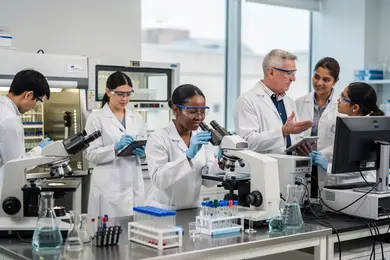
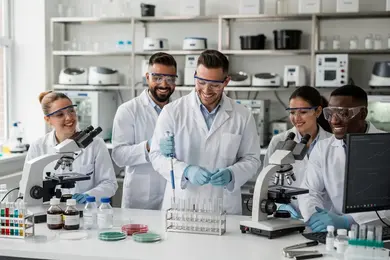
Programs offering an online bachelor's degree in biological sciences with lab training attempt to bridge the gap between remote theory and in-person application, yet they require careful evaluation of how practical skills are actually developed. Students aiming for biotech research roles gain vital experience handling biological samples and lab equipment, often facilitated through mailed lab kits, virtual simulations, or partnerships with local labs.
However, these arrangements introduce logistical challenges such as scheduling supervised sessions and managing lab kit expenses, which can vary widely by program and region.
Employers in pharmaceuticals, healthcare, and environmental sectors prioritize graduates who can independently manage experiments and comply with lab safety standards from day one. This emphasis arises partly because distance learning biological sciences programs with practical lab experience must successfully replicate hands-on training to remain competitive with traditional formats.
Prospective students should scrutinize state authorization rules and credit transfer policies, especially if they intend to pursue advanced study or professional certification later.
Growth in biological and biomedical degrees is reflected in a 47% increase in U.S. bachelor's conferrals over a decade, signaling rising market demand and intensifying competition. For those navigating career pivots, integrating core knowledge with practical lab skills online offers a significant edge.
Exploring specific job trajectories, including bioinformatics degree jobs, can clarify how these competencies translate across biotech and related industries.
How do online biological sciences programs deliver required lab and hands-on training?
Online biological sciences programs with virtual lab training offset the absence of full campus access by combining interactive simulations, at-home lab kits, and partnerships with local accredited labs. This hybrid structure enables students to gain critical hands-on lab experience in distance biological sciences degrees, which has direct implications for employability and skill validation.
A 2024 meta-analysis in Biochemistry and Molecular Biology Education revealed students using virtual or remote labs outperformed peers by 16-20% on conceptual assessments while maintaining practical skill parity, underscoring that online modalities can meet core competency requirements when effectively integrated.
However, practical training often demands coordination beyond coursework, requiring students to arrange internships or practicals at universities, biotech companies, or hospital labs aligned with their specialization.
For example, aspiring clinical research coordinators might complete procedural training through hospital partnerships, whereas environmental biology students undertake fieldwork with regional agencies. These opportunities vary widely by region, directly affecting the quality and relevance of experiential learning.
Key considerations for prospective students include logistical challenges such as scheduling and travel, potential lab kit fees, and uneven access to facilities, all of which influence degree completion timelines and employment readiness. Selecting programs with robust, verified lab partnerships tied to one's career goals is critical to avoid gaps in practical exposure.
For those assessing advanced educational options, examining comparative program costs can be valuable; for instance, individuals interested in a data-oriented pivot may explore the online master in data science pathway as a strategic alternative.
What accreditation and quality standards should online biological sciences degrees meet?
Employers in sectors like biotechnology and healthcare prioritize graduates from accredited online biological sciences degree programs in the United States who demonstrate validated practical skills. Regional accreditation recognized by the U.S. Department of Education or the Council for Higher Education Accreditation sets a baseline for academic quality and credit transferability, but specialized accreditation from organizations such as ABET ensures that lab components meet industry standards.
This distinction often determines whether graduates qualify for roles involving molecular biology techniques or bioinformatics applications.
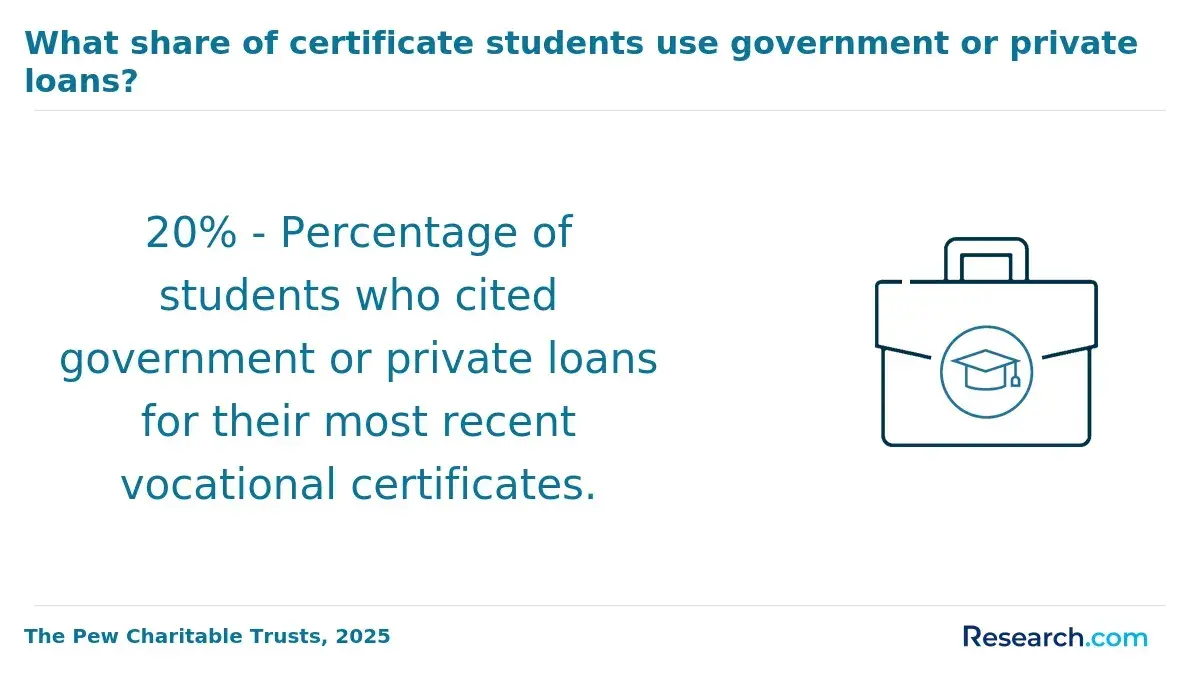
Adult learners, who represent 38% of exclusively online undergraduates, face a critical risk if programs lack these credentials: theoretical coursework without adequate lab training can restrict eligibility for certifications and federal financial aid, ultimately delaying entry into research assistant positions or clinical lab employment.
Verifying both academic and discipline-specific accreditation also protects against pitfalls in career pivots that depend on credentials recognized by employers and licensing bodies.
Evaluating quality standards for online bachelor's degrees in biological sciences includes assessing how programs simulate practical exposures-whether through virtual labs or partnerships enabling hands-on experience. Such factors directly impact workforce readiness and tangible skill acquisition.
For those comparing pathways, it can be instructive to review related fields; for example, insights into a sports science degree online reveal similar accreditation and practical competency challenges.
How do online biological sciences bachelor's programs compare with campus-based options?
Proficiency in hands-on lab techniques remains the defining factor in employability for biological sciences graduates, yet many online biological sciences bachelor programs with hands-on lab training struggle to replicate the rigorous, multi-semester lab experience found in campus-based degrees. Over 70% of life-science employers in a recent survey prioritize skills like PCR, cell culture, and microscopy among the top hiring criteria, a demand rarely met by virtual simulations alone.
Online programs often substitute real specimen handling with simulations or optional in-person lab intensives, which cannot fully capture complex troubleshooting or instrument calibration required for entry-level roles in biotechnology and clinical research. For instance, a molecular biology technician must demonstrate verified pipetting precision and contamination control-competencies unlikely assured through online-only curricula.
Hybrid degrees that partner with local institutions can bridge some gaps by offering in-person lab access, but this approach introduces logistical challenges such as travel and scheduling conflicts, particularly for working professionals pursuing a career pivot. Candidates relying solely on theoretical or simulated lab experience frequently encounter difficulties in technical interviews and internship placements.
Students considering a comparison of campus-based versus online biological sciences degree programs should critically evaluate the rigor of lab components, the presence of articulation agreements with research institutions, and practical internship opportunities to ensure skill acquisition aligns with employer expectations.
To explore options balancing affordability and accessibility, prospective students can consult environmental engineering schools online as a model for understanding remote program structures.
What courses and lab experiences are included in an online biological sciences curriculum?
Online biological sciences programs offering primarily virtual labs face a key limitation: restricted access to advanced instruments can impair readiness for research roles demanding skills like PCR, tissue culture, and gel electrophoresis. This creates a practical tradeoff between convenience and hands-on proficiency that directly impacts employability in biotech and pharmaceutical sectors.
Conversely, programs requiring on-campus intensives or residencies demand significant time and geographic flexibility, which not all working students can accommodate.
Core curriculum components-including cellular biology, genetics, and biochemistry-are usually supplemented by specialized electives such as microbiology, immunology, bioinformatics, and physiology.
This elective depth enables alignment with specific workforce demands; for example, students interested in biomedical engineering should pursue biomaterials and biomechanics courses to benefit from projected job growth at 5% and competitive median wages of $108,060, according to U.S. Bureau of Labor Statistics data.
- Virtual labs offer accessibility but may limit exposure to complex instrumentation.
- In-person requirements provide skill refinement but restrict flexibility.
- Elective specialization correlates strongly with labor market advantage.
For career-focused students, evaluating variations in curriculum delivery and elective robustness is essential. Programs that integrate comprehensive lab work alongside versatile electives better position graduates to meet employer expectations for manual lab skills combined with applied scientific knowledge.
Balancing practical skill-building with academic content is essential for those targeting roles in environmental science, biomedical device manufacturing, or pharmaceuticals.
What are the typical admission requirements for online bachelor's programs in biological sciences?
Admission to online bachelor's programs in biological sciences hinges on more than holding a high school diploma; evaluators prioritize foundational coursework in biology, chemistry, algebra, and often physics, alongside GPA thresholds generally ranging from 2.5 to 3.0. For transfer students or working professionals, meeting credit-transfer minimums-typically between 12 and 30-is essential to progress without delay.
These requirements signal to employers that graduates have a balanced blend of theoretical understanding and practical readiness.
Applicants are frequently required to submit a personal statement clarifying their career objectives and demonstrating fit with program outcomes, which emphasize lab competencies critical for employability. While letters of recommendation and English proficiency exams like TOEFL are not uniformly mandatory, they can impact acceptance to more competitive or specialized tracks.
Prospective students must carefully review how online programs handle hands-on lab experiences, as some require visits to regional exam centers or offer simulations that may not fully substitute in-person training.
Failure to meet these admission components can substantially affect time-to-degree and long-term return on investment. From a workforce perspective, bachelor's degree holders in life and physical sciences earn a median annual wage near $68,000, outpacing high school graduates by over 40%, reflecting employer demand for rigorous credentials combined with practical skills.
Choosing a program flexible enough to accommodate adult learners balances real-world obligations but should not come at the cost of undermining essential scientific competencies.
How long does it take to earn an online biological sciences bachelor's and what does it cost?
Completing an online bachelor's degree in biological sciences generally demands four years of full-time study, totaling 120-130 credit hours. However, working professionals often take accelerated or part-time routes, extending completion to five or six years depending on course availability and transferred credits.
A significant complexity is the mandatory practical lab training, which frequently requires hybrid formats or regional lab attendance. Early planning for these requirements is essential, as delayed practicum access can stall progress and defer workforce entry.
From a workforce perspective, technical competency gained through hands-on laboratory experience is non-negotiable for roles such as medical laboratory technologist. Employers expect these proficiencies, making paced completion strategies vital for timely eligibility in entry-level positions.
Cost structures vary notably: public in-state tuition typically ranges from $8,000 to $20,000 annually, while out-of-state students and those pursuing private institutions face substantially higher fees, sometimes exceeding $60,000 per year. Added expenses for lab kits or clinical placements also factor in, affecting overall financial planning.
Labor market data reveals a moderate 5% employment growth projected over the coming decade for medical and clinical laboratory technologists and technicians, with a current median wage near $63,000. This reinforces the importance of selecting programs offering flexible practicum options or local partnerships to optimize time-to-degree and return on investment.
What careers can you pursue with an online bachelor's in biological sciences?
Employers hiring biological sciences graduates increasingly demand verifiable, hands-on laboratory skills that online programs must effectively replicate to remain competitive. Graduates often secure laboratory technician roles in pharmaceutical firms, where proficiency in assays and instrumentation directly impacts drug development cycles and quality control standards.
In clinical environments, online biology majors qualify for positions such as clinical laboratory technologists, performing diagnostic tests that influence patient care decisions. Similarly, environmental consulting firms depend on graduates capable of rigorous sample analysis and fieldwork to assess ecosystem health and contamination risks. Practical lab experience is a differentiator in these competitive job markets.
A 2024 Wiley University Services survey of hiring managers found over 60% regarded online biology degrees as equally credible to on-campus credentials. Among employers with online degree hires, 87% rated their job performance as equal or superior. Nevertheless, candidates pursuing research scientist or advanced clinical careers must plan for graduate education involving on-site lab work or certifications.
Balancing online study with local internships or apprenticeships enhances real-world lab exposure, bridging gaps inherent to remote learning. Prospective students should target employers valuing documented laboratory competence and consider supplemental credentials to improve employability and long-term career trajectories within biological sciences fields.
What salary ranges and job outlook can biological sciences graduates expect?
Starting salaries for biological sciences graduates vary broadly between approximately $45,000 and $70,000 annually, heavily influenced by sector and geography. Entry-level roles in clinical labs or environmental testing commonly command the lower end, while positions within biotech companies or pharmaceutical research exceed $70,000. The practical lab skills acquired-especially through online bachelor's programs incorporating virtual or hybrid labs-are critical to meeting employer expectations despite the lack of traditional hands-on experience.
The labor market projects an 8% growth rate through 2032, outpacing average occupational growth due to rising demand in healthcare, biotechnology, and environmental management. However, competition intensifies for specialized research positions, often requiring graduate-level qualifications.
Online students typically balance employment with studies, with 74% working during enrollment as reported by the National Center for Education Statistics in 2023. This dual engagement facilitates real-world experience accumulation, essential for overcoming the limited access to full-time lab roles immediately post-graduation.
Graduates may need to pursue internships, contract research, or part-time roles to strengthen their skills and improve salary prospects.
Additional certifications or specialized training in molecular techniques or bioinformatics frequently push earning potential beyond the median range. Regional salary disparities reflect local industry concentration and living costs, favoring metropolitan biotech hubs over rural or government sectors.
How can you choose the best online biological sciences program for your goals?
Choosing an online biological sciences program without rigorous, supervised lab training can significantly limit practical skills employers and graduate programs require. Fully remote curricula that omit synchronous or local lab components often produce graduates who lack essential hands-on proficiency, reducing employability and preparing inadequately for graduate-level or professional mandates.
Programs accredited by recognized bodies that provide access to in-person labs or high-fidelity virtual simulations deliver measurable outcomes. For students aiming at medical school-where biological sciences majors make up over half of applicants and matriculants-it's vital the program includes prerequisite labs in anatomy, microbiology, and biochemistry aligning with MCAT requirements. Without these, applicants risk disqualification or poor preparation for clinical phases.
When evaluating such programs, consider these factors:
- Availability of supervised lab experiences through partner facilities or lab kits that ensure authentic skill-building.
- The faculty's active research or industry involvement, offering applied mentorship rather than purely theoretical teaching.
- Curriculum alignment with your specific career trajectory, whether research, clinical work, biotechnology, or environmental sectors.
- Post-graduation outcomes like job placement rates or acceptance in competitive graduate programs, which reflect program efficacy.
- Flexibility for working professionals through asynchronous theory paired with guaranteed synchronous or on-site lab sessions to balance learning with existing commitments.
Ignoring these practical considerations can result in credential inflation, wasted time, and financial costs. For instance, a biotech professional lacking molecular biology lab experience may face barriers securing lab technician roles, while med school hopefuls without clinical lab rigor may encounter gaps impeding progression.
Scrutinizing program lab structure and measurable results is essential for aligning education with workforce demands and academic standards.
Other Things You Should Know About Biological Sciences
Employers prioritize demonstrated skills and verified lab experience over the degree's delivery format. Graduates from online biological sciences programs with authentic hands-on lab components are competitive if they can show practical proficiency through internships, research projects, or certifications. Candidates from fully online programs lacking in-person lab work may face skepticism in lab-based roles, so prioritizing programs that integrate verified practical training is essential for maintaining employer confidence.
The workload in online biological sciences bachelor's programs often matches or exceeds that of on-campus counterparts, especially when factoring in asynchronous study and self-directed lab completions. Time management becomes critical since students must balance virtual labs, extensive reading, and writing without daily in-person support. Students should be prepared for a rigorous schedule that may require more discipline, as online formats do not typically reduce the depth or volume of material covered.
Research involvement and professional networking are more constrained in exclusively online programs due to fewer chances for face-to-face mentorship and spontaneous lab collaboration. However, some programs mitigate this by partnering with local institutions or offering remote research projects with industry ties. Prospective students aiming for careers heavily reliant on research should prioritize programs with established networks or on-site lab options to maximize access to mentorship and internships.
Top online bachelor's programs in biological sciences for 2027 offer robust practical lab skills training through virtual labs or partnerships with local institutions. Noteworthy programs include Arizona State University and the University of Florida, which provide hands-on learning opportunities through innovative online platforms.
References
- Courses and careers in biology - Student Info and Guides | StudyMalaysia.com https://studymalaysia.com/education/top-stories/courses-and-careers-in-biology
- Are Online Degrees Accredited? How to Identify Quality Distance Learning Programs https://www.umassglobal.edu/blog-news/online-degrees-accredited-identify-quality-distance-learning-programs
- Online Biology Course: Complete Guide to Flexible Science Education [2025] - Prereqcourses https://www.prereqcourses.com/online-biology-course/
- Online Biology Degrees https://mycollegeguide.org/online-biology-degrees/
- Top 15 Highest‑Paying Pharmacy Jobs in the UK 2025 (Including Salaries) https://apexlearning.org.uk/highest-paying-biology-degree-jobs-2025-2026/
- Biomedical Science vs Other Degrees Comparison https://pathologylabtraining.co.uk/biomedical-sciences/degree-comparison
- How to Deliver High-Quality Biology Labs Online and On Campus https://www.scienceinteractive.com/blog/2026/how-to-deliver-high-quality-biology-labs-online-or-on-campus/
- Fast Way to Get an Online Biology Degree | Straighterline https://www.straighterline.com/blog/how-to-earn-an-online-biology-degree
- Online Biology Courses by World-Class Scientists https://www.ibiology.org/online-biology-courses/
- Biomedical Science Degree | Online Bachelor’s Program https://beal.edu/programs/biomedical-science/