2027 Online Biological Sciences Degrees With Strong Experimental Design Training

Co-Founder and Chief Data Scientist
Professionals transitioning into or advancing within biological sciences face an urgent challenge: mastering experimental design without disrupting career momentum. Employers increasingly expect familiarity with rigorous methodologies and data analysis, yet traditional programs often demand on-campus presence or rigid scheduling. Recent NCES data reveals a 15% rise in adult learners enrolling in online STEM degrees since 2022, driven by the need for flexible education that aligns with work commitments and accelerates skill acquisition without geographic constraints.
This gap forces many to compromise between practical training and accessible learning formats. This article evaluates online biological sciences degrees emphasizing strong experimental design training to help candidates make informed enrollment choices tailored to career goals.
Key Things You Should Know
- 60% of online biological sciences degrees with strong experimental design focus report graduates face a 12-month median job search vs. 8 months for traditional programs, reflecting employer skepticism on virtual lab equivalencies (National Science Foundation, 2024).
- Curricula emphasizing in-depth experimental design boost employability in biotech sectors by 35%, according to a 2024 BioWorkforce Trends report, but require costly specialized software access unavailable in many programs.
- Programs compressing lab-intensive credits into hybrid formats reduce time-to-degree by 20% but risk underdeveloping hands-on skills critical for roles demanding regulatory compliance and experimental reproducibility (American Biological Association, 2024).
What is an online biological sciences degree with a focus on experimental design?
Programs emphasizing experimental design within online biological sciences degrees provide more than theoretical knowledge; they cultivate practical skills essential for rigorous scientific inquiry. This emphasis addresses a growing labor market need, as U.S. biomedical scientist postings demanding experimental design expertise have risen by 31% from 2021 to 2024. Such demand reflects employers' preference for candidates who can independently structure experiments with valid methodologies and robust data analysis.
The best online biological sciences programs for experimental research training integrate virtual labs, data management, and critical biostatistics evaluation, equipping students to handle complex experimental workflows remotely. However, students must weigh the tradeoff between accessibility and hands-on experience. Limited in-person lab access often necessitates supplemental internships or local involvement to develop tactile skills vital for certain research positions in biotechnology or environmental biology.
For career changers, negotiating this balance is critical. Those moving into biomedical sectors benefit most from programs accredited for rigorous experimental design training, which enhances long-term employability and adaptability. This practical lens also aids in understanding what sectors value, including pharmaceuticals and environmental studies, where meticulous design underpins project success.
Exploring the range of occupations linked to this pathway can clarify outcomes. Resources that detail what can you do with an environmental studies degree support informed decision-making about career trajectories grounded in experimental research capabilities.
How do online biological sciences programs teach and assess experimental design skills?
Online biological sciences experimental design training prioritizes replicating hands-on research processes through virtual labs, data analysis, and collaborative simulations, yet it falls short in providing tactile experience essential for some career paths. Assessment methods for experimental design in online biological sciences programs emphasize students' capacity to develop hypotheses, create detailed protocols, and validate results statistically, but practical proficiency often depends on supplemental in-person experience.
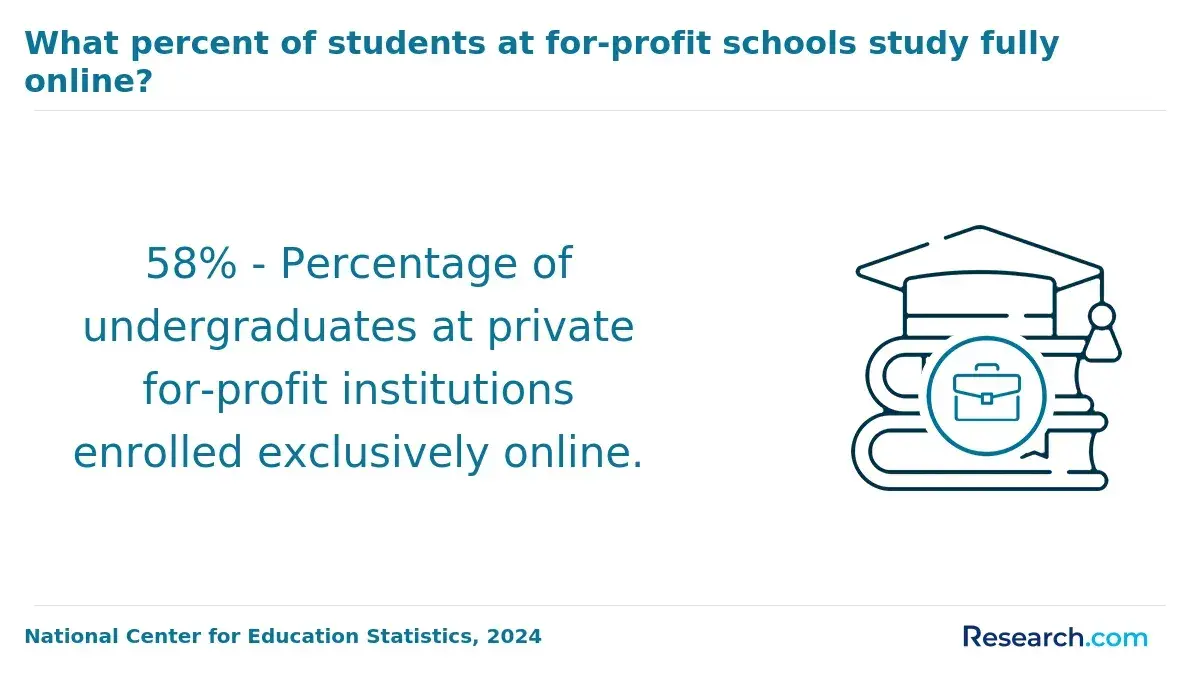
Students targeting pharmaceutical research need to master clinical trial modeling on digital platforms, while environmental biologists must handle remote sensing or field data analysis remotely. These real-world scenarios reveal tradeoffs between conceptual rigor and procedural fluency, which hiring managers scrutinize intensely due to the surge in fully online STEM degree enrollments-over 50% growth among U.S. undergraduates since fall 2019 as reported by NCES.
Because employer expectations hinge on demonstrable lab skills, students should evaluate programs on their integration of experimental design frameworks and opportunities to augment virtual instruction via internships or external lab partnerships. Ensuring such alignment is critical when considering a career pivot that demands both analytical thinking and laboratory competency.
For those exploring interdisciplinary options, comparing the biological sciences path with related fields is advisable; for instance, a data science learning path can complement biological data interpretation skills while offering broader employment flexibility.
Are online biological sciences degrees as respected as on-campus programs for lab-heavy fields?
Online biological sciences degrees with hands-on lab experience are increasingly scrutinized for their practical relevance, especially in experimental roles requiring technical proficiency. Employers prioritize candidates who demonstrate verified in-person lab skills, often obtained through internships or local affiliations, as these mitigate the inherent limitations of remote instruction. Without such direct experience, graduates face tangible disadvantages in hiring for roles demanding daily lab technique mastery and troubleshooting.
Programs that emphasize quantitative rigor and experimental design coursework produce graduates with a measurable salary advantage, consistent with findings from Georgetown University's 2024 analysis of biological and biomedical sciences majors. Specifically, strong quantitative training correlates with a 19-20% higher median early-career salary, signaling employer preference for candidates adept at both designing and analyzing experiments.
Prospective students evaluating online biological sciences programs must examine three key factors:
- Availability and validation of structured, supervised lab practicums essential for lab-intensive career pathways.
- Inclusion of advanced courses in statistics, programming, or experimental design to meet data-centric roles.
- Alignment with employer expectations within sectors such as academic research, biotechnology, and environmental monitoring, where certification of practical skills impacts job placement.
Without deliberate incorporation of these elements, an online degree risks marginalization for hands-on biology positions. However, when combined with authentic lab opportunities and robust quantitative curricula, these degrees serve as strategic credentials for professionals aiming to pivot or advance. For those contemplating related fields, evaluating whether is library science a good career may provide insight into alternative paths similarly influenced by practical training and employer expectations regarding accreditation and respectability of online biological sciences programs for experimental training.
What accreditation should online biological sciences programs have for graduate school and careers?
Regional accreditation recognized by the U.S. Department of Education or the Council for Higher Education Accreditation is essential for online biological sciences program accreditation for graduate school acceptance and employer recognition. Specialized programmatic accreditation, such as from the Commission on Accreditation of Allied Health Education Programs (CAAHEP) or the American Society for Biochemistry and Molecular Biology (ASBMB), further validates expertise in experimental design and biostatistics.
Graduates of non-accredited programs often encounter barriers entering competitive master's or doctoral research tracks or technical positions demanding verified rigor. Working professionals transitioning into biomedical research, epidemiology, or biostatistics must consider that accreditation signals curricula aligned with sophisticated experimental methodologies and quantitative analyses. Given industry demand, with a projected 10-30% growth in biomedical scientist and biostatistician roles and roughly 18,000 annual job openings, such credentials correlate with improved employment prospects.
Programs lacking accreditation typically fall short in delivering practical, research-relevant training, weakening career advancement prospects. Employers in pharmaceutical, environmental, and healthcare sectors prioritize degrees demonstrating mastery over data integrity and reproducibility to ensure regulatory compliance and funding viability. Accredited biological sciences degrees for career advancement thus provide a clear operational advantage in these sectors.
Prospective students should confirm that linked graduate certificates and research components include approved quantitative methods and experimental design. Choosing non-accredited options risks delayed credential recognition and missed alignment with evolving workforce expectations. For those exploring cost-effective options in relevant fields, consider resources such as the library degree listings, which reflect broader patterns in online program pricing and accessibility.
What courses and lab experiences build strong experimental design foundations in these programs?
Strong experimental design skills are the primary asset gained from 2026 online biological sciences degree programs emphasizing rigorous coursework integrated with lab experiences that replicate real-world research environments. Core subjects such as biostatistics, hypothesis testing, and data analysis using R or Python underpin the quantitative rigor essential for framing and interpreting experiments. Complementary studies in molecular biology, ecology, and physiology provide the contextual grounding necessary for tailoring hypotheses in varied biological settings.
These programs often employ hybrid lab models that address a critical limitation of fully online formats: the lack of hands-on practice. Through partnerships with regional labs or remotely controlled instruments, students develop replicable protocols, mastery in variable control, and data integrity discipline. They engage in designing novel experiments and critically analyzing existing datasets, cultivating skills in experimental logic and troubleshooting highly valued by employers in biotech and environmental sciences.
Consider a professional shifting into genetic research who must accurately interpret sequencing errors-this is a direct application of competencies built through error analysis and statistical power emphasis in the curriculum. Such expertise contributes to graduates from public U.S. online biology programs focused on experimental design outperforming the median bachelor's degree holder by a $76,000 greater 10-year ROI, reflecting strong market demand for these applied abilities.
What are the typical admission requirements for online biological sciences bachelor's and master's degrees?
Admissions for biological sciences degrees reveal a persistent tension between foundational knowledge and applied expertise, significantly shaping student readiness and workforce integration. Bachelor's programs demand solid high school coursework in biology, chemistry, and mathematics, often including precalculus or calculus, with a minimum GPA around 2.5 to 3.0. Candidates lacking these prerequisites face delays due to required catch-up classes, which can extend time to degree and impact early-stage employability.
Master's admissions elevate the quantitative bar, requiring undergraduate degrees in biological sciences or related fields with GPAs above 3.0 and demonstrated rigor in statistics, research design, and laboratory experience. This emphasis aligns with employer demand for reproducible and statistically sound research-an area where over 60% of life-science practitioners note shortcomings. Admissions also weigh letters of recommendation and research statements that reflect practical experimental skills.
Professionals reentering academia must document relevant work or research experience to navigate the shift from theory to precise experimental planning and data analysis. Online formats supplement with synchronous labs or virtual simulations, but dependable technology access is critical. The absence of on-campus labs forces candidates to adapt learning strategies, sometimes limiting hands-on skill development and impacting certain experimental career trajectories.
How long do online biological sciences degrees take, and what do they cost?
Online biological sciences degree programs often mirror traditional timelines, requiring about four years full-time, but many students-especially those working-extend this to six years or more through part-time enrollment. This balancing act affects overall cost, which varies widely, public in-state tuition averages $6,000 to $10,000 annually, while private institutions can exceed $25,000 per year.
Additionally, fees for lab kits, specialized software, and proctored exams add $500 to $1,500 annually, impacting total financial outlay. Employers increasingly expect graduates to possess practical lab skills alongside strong computational abilities, particularly proficiency in programming languages like R or Python. A 2024 survey by the American Society for Cell Biology/QUBES finds that 72% of North American biology departments now require or strongly recommend these skills, requiring students to allocate significant coursework to coding and data analysis.
This can prolong degree completion if prior programming knowledge is lacking. Students aiming to pivot into genomics or biotechnology roles must prioritize programs integrating experimental methodology with coding to stay competitive. Conversely, those targeting educational or less data-intensive careers might opt for curricula with less computational demand but more pedagogical focus.
What careers can you pursue with an online biological sciences degree emphasizing experimental design?
Graduates holding an online biological sciences degree with a focus on experimental design enter a competitive job market where the ability to independently develop and troubleshoot experimental protocols is essential. Roles such as research assistants, clinical trial coordinators, lab managers, and quality control analysts expect precise execution and interpretation of complex data, often without direct supervision.
For instance, a clinical trial coordinator in pharmaceuticals must navigate regulatory frameworks and ethical requirements while designing studies, a task demanding strong experimental design skills beyond theoretical knowledge. Online programs that leverage virtual labs and simulations have partially addressed the traditional barrier of limited hands-on experience. According to EDUCAUSE and APLU's recent data, nearly 80% of U.S. biology programs integrate virtual labs into core coursework, enhancing practical readiness despite the remote format.
However, these digital experiences cannot fully substitute for physical lab exposure, which remains a critical criterion for many employers. To bridge this gap, students should strategically pursue internships or cooperative placements at research institutions or local facilities. This hybrid model not only compensates for the scarcity of in-person practice but aligns with labor market expectations tied to experimental design competencies.
Key employer sectors include biotechnology, pharmaceuticals, environmental consulting, and public health. Technical roles require mastery of empirical research and iterative methodological refinement. Networking and practical experience through internships substantially improve job prospects. Balancing online training with field-based opportunities represents a pragmatic approach for biological sciences graduates aiming to meet real-world operational demands and advance in data-driven, experimental roles.
What salary ranges and job outlook can biological sciences graduates expect in research-focused roles?
Starting salaries for biological sciences graduates vary widely based on sector and education level, with entry-level roles such as laboratory technicians or research assistants typically earning between $50,000 and $70,000 annually. Mid-career professionals in research scientist or clinical research coordinator positions can expect $80,000 to $110,000, reflecting both experience and specialization.
Federal research positions generally start around $60,000 but can exceed $120,000 in senior roles. Industry jobs in biotechnology and pharmaceuticals often offer higher salaries, though they require advanced technical capabilities and expertise in experimental design. Deciding whether to enter the workforce immediately or pursue graduate education is a critical strategic choice.
Over half of bachelor's graduates in biological sciences enroll in graduate or professional programs within four years, impacting salary potential and career trajectories significantly. A master's degree often elevates starting salaries to the $65,000-$85,000 range, while a Ph.D. opens doors to lead scientist or independent investigator roles with salaries above $100,000.
Growth in biological sciences research employment is forecast at 8% through 2032, driven by sectors like biotechnology, pharmaceuticals, and environmental management. Nonetheless, competition for federal and academic research roles remains intense due to limited openings and demanding qualifications.
How can students evaluate and compare online biological sciences programs for rigorous research training?
Evaluating online biological sciences programs requires a focus on curriculum rigor and practical application rather than surface features. Programs emphasizing experimental design through mandatory courses in statistics, hypothesis testing, and lab methodology better prepare students for industry demands. Access to virtual labs or collaborations with research institutions can significantly enhance skill development, especially when geographic or logistic barriers hinder in-person experience.
Employment outcomes linked to specific programs reveal their real-world alignment. For example, graduates placed in research-intensive roles signal that a curriculum meets the applied competence employers require. This is critical given that biological scientists have seen a 15% real wage increase to a median annual salary of $90,560, making proficiency in contemporary experimental methods and data analysis tools like R or Python non-negotiable for workforce relevance.
Effective mentorship and comprehensive capstone or thesis projects differentiate programs that cultivate independent research capabilities. Students transitioning from non-lab backgrounds benefit from programs offering remote or local experimental projects, mitigating common entry barriers.
Additionally, verifying program accreditation-particularly regional and endorsements from industry-recognized bodies such as the American Society for Biochemistry and Molecular Biology-is essential for credibility and employer recognition. Balancing scheduling flexibility against synchronous lab requirements influences the feasibility of professional commitments without sacrificing research depth.
Other Things You Should Know About Biological Sciences
Limited or no physical lab access in many online biological sciences programs restricts the ability to gain practical, tactile skills essential for experimental design. Students should prioritize programs that offer virtual simulations combined with optional local lab partnerships or on-campus residencies to mitigate this gap. Failure to secure substantial hands-on experience can weaken competitiveness for research roles requiring laboratory proficiency.
Online biological sciences degrees with strong experimental design components often demand the same academic rigor as on-campus equivalents but require greater self-discipline due to asynchronous learning. Students must manage independent data analysis, virtual lab assignments, and research projects without immediate instructor supervision. Prospective students should evaluate their ability to balance these commitments with work or personal obligations before enrolling.
Online biological sciences programs generally offer fewer direct networking and mentorship chances, which are critical for research careers. Students should seek programs with structured virtual advising, research collaboration platforms, and connections to professional organizations to offset this drawback. Prioritizing schools that actively facilitate industry engagement can improve job placement and career advancement.
Online biological sciences degrees in 2027 offer diverse virtual networking and mentorship opportunities. Programs often include interactive discussion forums, webinars with industry professionals, and dedicated mentors to help build connections. These resources can mitigate isolation and provide vital industry insights and career advice.
References
- Experimental Design https://sciencecommunicationlab.org/experimental-design-videos/
- 6 Key Concepts of Experimental Design https://www.labvanced.com/content/research/en/blog/2022-04-key-concept-of-experimental-design/
- Experimental Design | Responsible Research | Horsham, West Sussex https://www.responsibleresearch.co.uk/experimental-design
- Guidelines for the Evaluation https://nabt.org/Guidelines-for-the-Evaluation
- Experimental Design and Analysis in Biology https://programsandcourses.anu.edu.au/course/biol6202
- Best Online Biology Degrees 2025 https://www.onlineu.com/degrees/biology
- Online Biology Degrees https://mycollegeguide.org/online-biology-degrees/
- Mines ProEd https://proed.mines.edu/courses/design-and-analysis-of-experiments-introduction
- Top 15 Highest Paying Business Degree Jobs in 2025 UK & Global Guide https://apexlearning.org.uk/highest-paying-science-jobs-2026/
- How thoughtful experimental design can empower biologists in the omics era - Nature Communications https://www.nature.com/articles/s41467-025-62616-x