2027 Online Biological Sciences Degrees for Medical School Preparation

Co-Founder and Chief Data Scientist
Aspiring medical school candidates often face the dilemma of balancing rigorous foundational coursework with full-time work or family commitments. This challenge intensifies as more than 40% of undergraduate enrollees in science fields are now adult learners, according to the National Center for Education Statistics, signaling a demand for flexible, non-traditional delivery methods. Traditional campus-based programs limit accessibility and impede timely completion, potentially delaying critical MCAT preparation and clinical experience milestones essential for competitive medical applications.
This article evaluates online biological sciences degrees tailored for medical school preparation, focusing on program structure, accreditation, and practical implications to help candidates choose pathways aligned with their career goals and personal constraints.
Key Things You Should Know
- Online biological sciences degrees average 25% lower tuition than in-person programs, but decreased lab access delays hands-on proficiency by 6-12 months, impacting medical school readiness timelines according to NCES 2024 data.
- Employers report 40% lower confidence in online biological sciences graduates' practical skills, influencing MCAT preparation support and clinical placement opportunities, per 2024 AAMC workforce surveys.
- Programs with synchronous lab components improve skill acquisition but raise total cost by 15%, forcing candidates to balance upfront expense against enhanced clinical competency and competitiveness in medical school admissions.
What is an online biological sciences degree for pre-med, and how does it support medical school preparation?
An online biological sciences degree for pre-med students demands rigorous planning to align coursework with demanding medical school prerequisites in biology, chemistry, physics, and math. Such programs cater primarily to working professionals or nontraditional students who require flexibility but must balance this with disciplined time management and academic consistency to remain competitive, especially since only about one-third of U.S. medical school applicants matriculate each cycle.
Practical challenges include integrating virtual lab simulations with mandatory hands-on lab work, often requiring arrangements for weekend or summer sessions locally. For example, a full-time worker might complete theory courses remotely while attending intensive in-person labs seasonally.
This sacrifices some campus immersion, limiting immediate peer networking and faculty mentorship, but online programs typically supplement this with structured advising and MCAT preparation resources.
Successfully navigating an online biological sciences degree requires strict coordination of prerequisites, MCAT readiness, and essential extracurricular clinical experiences, which students must seek independently through local or virtual opportunities. This strategic alignment impacts admission outcomes and workforce readiness.
Students should also consider post-degree employment prospects; understanding jobs with biology degree programs illuminates realistic career pathways beyond medical school. This helps clarify how an online biological sciences degree prepares for medical school and subsequent workforce integration.
Are online biological sciences degrees accepted by U.S. medical schools, and what prerequisites must they meet?
Acceptance of online biological science degrees by U.S. medical schools hinges on stringent adherence to prerequisite and accreditation standards rather than the degree's delivery format. Medical schools prioritize completion of foundational courses—biology with lab, general and organic chemistry, physics, and frequently biochemistry—that must include supervised, in-person laboratory experiences. Online programs that do not satisfactorily incorporate these labs or fail accreditation risk outright rejection, presenting a significant practical barrier.
According to U.S. medical school requirements for online biological sciences degrees, no specific undergraduate major holds explicit preference; the Association of American Medical Colleges (AAMC) underscores prerequisite alignment over choice of major.
This means students focused on medical school admission must ensure their chosen online program clearly details how lab components are fulfilled, often requiring partnerships with local campuses or approved facilities.
The disconnect between remote coursework and crucial hands-on lab training can affect both admissions outcomes and competencies valued by biomedical employers. For instance, an applicant completing coursework entirely online without appropriate lab experience may face delays or denial during medical school admission or struggle with technical roles post-degree.
Prospective students should perform due diligence on accreditation status and course delivery format to mitigate these risks. Additionally, for those evaluating broader online science programs, consideration of alternatives such as a nutrition degree online may offer pathways with more flexible lab requirements and employability advantages in related health fields.
What accreditation and institutional quality standards should online biological sciences pre-med programs have?
Accreditation standards for an online biological sciences pre-med program directly influence both graduate acceptance into medical schools and employability. Regional accreditation by recognized bodies, such as the Higher Learning Commission, ensures institutional quality requirements for biological sciences pre-med degrees are met, which medical schools and employers rigorously verify.
Applicants with credits from unaccredited programs risk having coursework rejected, delaying progression or necessitating costly remedial work.
Beyond accreditation, program structure must integrate practical laboratory experience, either through hybrid labs or verified simulations aligned with MCAT standards. Employers and admissions committees expect documented lab competencies, not only degree conferral.
Cost is a critical tradeoff: tuition ranges from about $229 to $346 per credit, where underpriced options may lack essential advising or experiential learning critical for navigating the medical school application process.
Conversely, a higher price does not guarantee better outcomes or acceptance rates. Students targeting career pivots should weigh programs offering strong academic advising, transparent medical school matriculation data, and guaranteed credit transfer for graduate studies.
To navigate these complexities, prospective students may explore rankings of the best library science programs as a comparative model for evaluating program credibility and outcomes.
How do online biological sciences degrees compare with on-campus programs for labs and research experience?
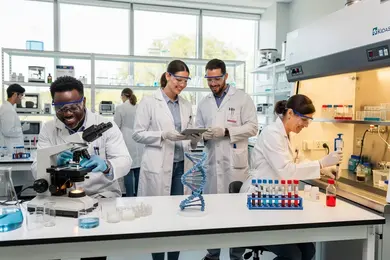
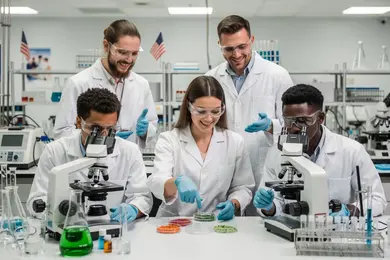
Online biological sciences degrees present a significant challenge in delivering authentic lab experience comparable to on-campus programs. Virtual simulations and remote kits do not replace hands-on work with critical instruments like centrifuges or spectrophotometers, limiting skill development in wet lab techniques and real-time troubleshooting essential for medical school applicants.
Students pursuing online biological sciences lab experience must recognize that faculty-led research involvement and access to campus labs play a pivotal role in strengthening laboratory competencies.
Employers and graduate programs increasingly require demonstrated proficiency through direct lab experience, which on-campus students typically gain by participating in ongoing faculty research or clinical trials. Online students often must secure local lab internships independently, a logistical hurdle that can delay or complicate preparedness for graduate study or employment.
Research opportunities in online versus on-campus biological sciences programs differ markedly. Physical campus presence enables networking with principal investigators, graduate mentors, and peers, fostering access to high-impact projects and strong mentorship sustaining competitive medical school applications.
Online learners face barriers in organically developing these relationships, which affect their ability to obtain recommendation letters and meaningful research roles.
Data from College Factual ranks biological & biomedical sciences as the ninth most popular major for 2021-2022, reflecting high competition that demands students optimize experiential learning. Students weighing remote flexibility must factor in the extra effort needed to arrange supervised lab access off-campus. Without this, online degrees may fall short for direct medical school entry, often necessitating additional post-baccalaureate lab training.
For those also exploring complementary fields, considering a masters in library science online program might offer alternative remote study options with different experiential requirements.
What core courses and pre-med requirements are typically included in an online biological sciences curriculum?
Completing online biological sciences programs aimed at medical school preparation involves significant tradeoffs related to lab requirements and coursework alignment with admission standards. Remote completion of lab components often demands local institutional partnerships or reliance on virtual simulations, which can fall short of replicating hands-on experience critical for medical school practicals. Students must weigh scheduling constraints and the potential need for hybrid learning to maintain competitive readiness.
The core curriculum mandates intensive focus on molecular and cellular biology, general and organic chemistry with labs, physics with labs, and biochemistry—foundational sciences that directly correlate with MCAT expectations.
Strong quantitative skills through calculus and statistics are increasingly non-negotiable as medical programs seek applicants with demonstrated data analysis competencies. Human anatomy and physiology remain essential for contextualizing clinical coursework, particularly for students targeting patient-centered specialties.
Incorporating social sciences like psychology and ethics reflects shifting admission criteria favoring interpersonal and ethical reasoning, broadening the relevance of biological sciences beyond pure technical expertise. Workforce data from College Factual—projecting a 17.1% growth in biological & biomedical fields from 2016 to 2026—indicates sustained market demand, which reinforces the strategic value of completing these prerequisites efficiently.
Prospective students should prioritize accredited programs with clear articulation agreements and transparent lab credit policies to avoid redundant coursework that delays application timelines and inflates educational costs. Such strategic choices tangibly influence time-to-admission and competitiveness in a field where demand far exceeds supply.
What are the typical admission requirements and competitive profiles for online biological sciences pre-med applicants?
Admission to online biological sciences pre-med programs demands more than meeting baseline academic criteria. A minimum undergraduate GPA of 3.5 and prerequisite coursework in chemistry, biology, physics, and math are standard, but medical schools scrutinize the rigor of online lab components, requiring equivalence to in-person training. This becomes a critical factor for candidates, as inadequate lab experience risks diminished readiness and acceptance rates.
Applicants must also demonstrate effective time management and proactive engagement, especially working professionals balancing employment with demanding coursework. The early-career median salary of about $33,944 for biological and biomedical sciences graduates indicates a challenging economic tradeoff when delaying workforce entry to pursue this pathway.
Key hurdles beyond academics include obtaining strong recommendation letters that attest to independent study aptitude, often complicated by limited direct faculty interaction in online settings. The reputation and accreditation status of the online program heavily influence admissions committees' perceptions, affecting both acceptance chances and preparedness for medical school rigor.
Employer Confidence in Online vs. In-Person Degree Skills, Global 2024

How long do online biological sciences degrees take, and what do they cost compared with on-campus options?
Choosing an online biological sciences degree often reflects a blend of financial pragmatism and lifestyle constraints rather than a straightforward academic preference. Full-time study typically spans four years, paralleling traditional campus timelines, but accelerated or part-time tracks can alter this. Direct tuition costs online range from $15,000 to $60,000, significantly reducing expenses by omitting housing and campus fee requirements.
However, non-tuition expenditures—technology fees, proctored exams, and course materials—can add complexity and cost, especially for working adults balancing employment.
For example, a professional earning $50,000 annually might find online study a viable path to maintain income while completing their degree, whereas fresh high school graduates might prioritize the on-campus environment for networking and lab access despite higher total costs.
From an occupational standpoint, biological sciences graduates—online or in-person—target roles such as natural sciences managers, where median pay is $139,680. Employers prioritize demonstrable skills and accredited program completion over delivery method, but accredited programs with substantial lab components remain crucial, particularly for pre-med students.
Thus, candidates must weigh cost savings against experiential learning deficits inherent in some online formats.
What medical and health-related career paths can an online biological sciences degree prepare you for?
An online biological sciences degree often functions as a flexible foundation for a range of health-related careers, yet it demands strategic supplementation to align with specific workforce realities. For students aiming at clinical laboratory roles, securing local partnerships or hybrid program elements to satisfy in-person lab requirements is essential, as remote study alone cannot fulfill these hands-on competencies.
Acceptance rates for medical school applicants with biological sciences degrees remain comparatively modest unless bolstered by strong quantitative and interdisciplinary skills. For example, Shemmassian Consulting data shows humanities, math/statistics, and physical sciences majors often outperform biological sciences majors in acceptance rates exceeding 45%, indicating a critical need for robust academic profiles beyond core prerequisites.
Career trajectories diverge widely within the biological sciences realm:
- Biomedical research demands experimental design capabilities and typically leads to competitive PhD programs, where quantitative skills provide leverage.
- Public health roles rely on understanding epidemiological data and health policy principles, often requiring certifications in data analysis or health informatics.
- Advancement toward physician assistant or genetic counseling positions frequently necessitates further specialized training beyond the bachelor's level.
Graduates must weigh the tradeoff between degree flexibility and the logistical challenge of acquiring clinical experience, especially when targeting medical school or interdisciplinary healthcare roles. The degree alone rarely secures direct employment without proactive integration of applied skills and certifications aligned with employer expectations in an evolving health workforce.
What salary ranges and job outlook can graduates expect in medical and related biological sciences fields?
Graduates from online biological sciences programs targeting medical school preparation typically face entry-level salaries between $40,000 and $70,000, with significant variation based on job role, location, and employer. Immediate work options often include roles such as clinical laboratory technologists, research assistants, or biomedical technicians, starting near the $45,000 median salary.
However, these entry points may demand strong practical laboratory experience and research exposure, which many online programs struggle to deliver robustly. Without such experience, job search duration can extend and salary offers may trend lower, often steering graduates toward pharmaceutical or public health sectors instead of direct clinical or research tracks.
Achieving a substantial salary increase generally requires pursuing medical school or advanced degrees, with physicians earning median salaries above $208,000, though this comes with considerable additional costs and time commitments beyond the approximate $24,000 median degree cost for accredited online biological and biomedical sciences programs reported by Authority.org.
The projected 10% job growth in medical and life sciences occupations through 2034 points to expanding opportunities but also intensifying competition for roles valuing hands-on skills and publication credentials.
How can students evaluate and choose the best online biological sciences program for medical school goals?
Online biological sciences programs vary widely in how effectively they develop hands-on laboratory skills critical for medical and research careers. For instance, students preparing for medical school face significant challenges if programs rely solely on virtual simulations without offering physical lab kits or access to local lab partnerships. This gap can lead to difficulties meeting clinical prerequisites and shortcomings in MCAT preparations.
Program accreditation remains a non-negotiable practical benchmark; regional accreditation directly impacts medical school admissions. Prospective students should verify that curricula extend beyond general biology to cover essential premed subjects such as molecular biology, genetics, and biochemistry to avoid costly additional courses later.
Academic advising focused on medical school admissions distinguishes stronger programs. Advisors who can navigate the MCAT landscape, recommend relevant research or volunteer connections, and advise on course sequencing materially influence candidate competitiveness.
Working professionals must weigh scheduling flexibility against the necessity of synchronous laboratory work, which often cannot be completed asynchronously. This tradeoff requires balancing work commitments with fixed lab windows to maintain course rigor.
Cost transparency should include hidden expenses like lab kit shipping and proctored exams. Given that a substantial portion of medical school admissions committees prioritize the rigor of undergraduate training, investing in programs with documented MCAT performance and acceptance outcomes is a strategic imperative.
Other Things You Should Know About Biological Sciences
Not all online biological sciences degrees match the rigor of traditional programs, especially regarding lab work and direct faculty interaction. Students should prioritize programs that integrate synchronous sessions, offer virtual or local lab partnerships, and maintain stringent grading standards. Choosing an online program without these components risks weaker preparation for the MCAT and medical school expectations, which emphasize hands-on skills and critical analysis.
Online biological sciences programs often require higher self-discipline due to asynchronous delivery and fewer structured contact hours. The workload can be equivalent or heavier because students manage their schedule without regular in-person guidance. Applicants must realistically assess their time management skills to avoid falling behind, as medical school preparation demands consistent mastery of complex scientific material.
Research experience significantly strengthens medical school applications and scientific understanding. If the primary goal is medical school, candidates should select online programs offering structured research projects, faculty mentorship, or partnerships enabling lab research. Programs without these options can limit practical skill development and reduce competitiveness in admissions, making such opportunities a key selection criterion.
Medical schools generally weigh online biological sciences degrees similarly to traditional degrees, focusing primarily on academic performance, MCAT scores, and relevant extracurricular activities. It's crucial for students to ensure their online programs are accredited and maintain strong grades and comprehensive knowledge in the sciences to be competitive in the application process.
References
- Choosing a Pre-Med Major: The Ultimate Guide for Future Doctors | Outset https://www.joinoutset.com/post/pre-med-majors
- Does Taking Prerequisites Online Look Bad to Medical Schools? — Shemmassian Academic Consulting https://www.shemmassianconsulting.com/blog/online-medical-school-prerequisites
- Academic Accreditation https://school.wakehealth.edu/about-the-school/office-of-education-institutional-effectiveness/academic-accreditation
- Pre med majors – What pre-med major is best? https://www.umhs-sk.org/blog/pre-med-majors
- 9 Core Required Classes for Medical School: The Definitive 2026 Guide https://www.confetto.ai/articles/required-classes-for-medical-school
- Best Online Pre-Med Programs: Flexible Pathways to Medical School https://www.scuhs.edu/msms-article/best-online-pre-med-programs-flexible-pathways-to-medical-school/
- Pre Med Courses Online: 5 Critical Insights - Prereqcourses https://www.prereqcourses.com/pre-med-courses-online/
- Getting Into Med School When You Aren’t Pre-Med https://www.medschoolcoach.com/going-to-med-school-without-pre-med-degree/
- Three Benefits of Virtual Labs in College Science Courses - Every Learner Everywhere® https://www.everylearnereverywhere.org/blog/three-benefits-of-virtual-labs-in-college-science-courses/
- International Accreditation » Accreditation agency in health and social sciences https://www.ahpgs.de/en/international-accreditation