2027 Hospital-Based Science Roles You Can Target With a Biological Sciences Degree

Co-Founder and Chief Data Scientist
Facing a hiring market that demands more than a generic biology degree, many aspiring professionals confront the challenge of positioning themselves for specialized hospital-based roles requiring precise skills and certifications. With federal data showing a 23% growth in clinical laboratory technologist positions over the next decade, driven by aging populations and expanding diagnostic technologies, students must navigate increasingly complex admission criteria and training options. The rise of hybrid and online program formats offers flexibility, yet also introduces tradeoffs in hands-on experience vital for hospital settings. This article examines targeted career pathways available to those with a biological sciences degree, aligning educational decisions with workforce realities to optimize employment outcomes.
Key Things You Should Know
- Hospital labs now demand interdisciplinary skills; 65% of biologists face increased cross-training in informatics and clinical protocols, pressuring candidates to acquire costly additional certifications beyond core biological sciences curricula.
- Employers prioritize candidates with direct clinical trial or diagnostic experience, creating entry barriers for pure research-focused grads and intensifying competition within a labor pool expanding 12% annually per BLS data.
- Average hiring timelines extended by 27% due to credential verification complexities and state-specific licensure gaps, disproportionately delaying employment for candidates without integrated internship pathways in hospital settings.
What hospital science jobs fit a biological sciences degree?
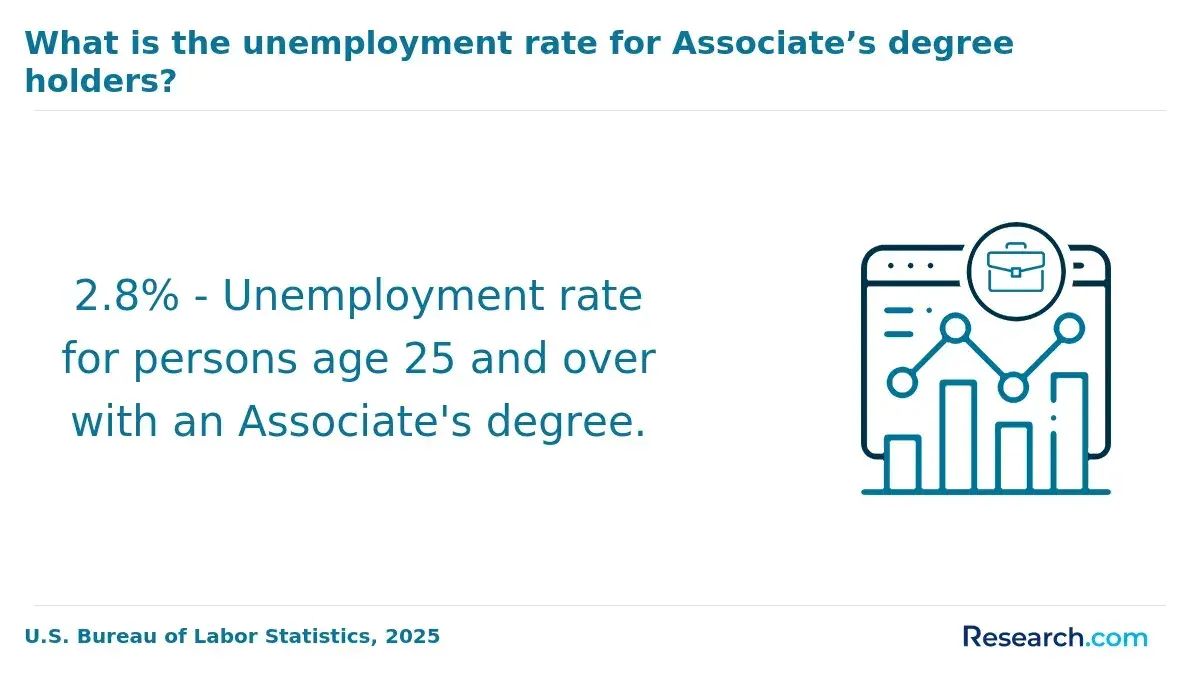
Hospital science roles suitable for biological sciences graduates center largely on clinical and medical laboratory positions, where technical precision intersects with biological knowledge. Medical and clinical laboratory technologists typically require a bachelor's degree and certification, while molecular biology technicians and similar roles may accept associate degrees-a tradeoff between time investment and potential earnings.
Employers prioritize candidates demonstrating proficiency in lab protocols, data integrity, and regulatory standards over purely theoretical knowledge, a critical factor in the competitive sector of hospital-based science careers for biological sciences graduates.
Hospitals increasingly integrate biological sciences degree jobs in clinical laboratories with advancing technologies like high-throughput testing and electronic health records, demanding adaptability alongside content expertise. Histotechnologists, for instance, prepare tissue samples for detailed pathological review, blending biological understanding with strict quality controls under regulatory compliance.
This applied competency affects workforce outcomes, where insufficient practical training results in slower hiring or assignment to non-clinical duties.
Entry-level graduates should seek targeted certifications such as the ASCP Medical Laboratory Scientist credential and anticipate challenges including shift work and infection control adherence, often minimally covered in standard biology curricula.
For those weighing options or career pivots, exploring specialized pathways can illuminate realistic expectations and market positioning. An informative reference on evolving roles and opportunities is available at what jobs can you get with a bioinformatics degree.
What clinical roles can biology graduates pursue in hospitals?
Hospital science careers for biological sciences degree holders require navigating distinct operational demands and certification hurdles that directly impact employability and workplace performance. For biology graduates targeting clinical roles in hospitals, choices range from patient-facing to lab-based specialties, each with unique skill sets and regulatory expectations.
Genetic counselors, experiencing a 16% employment growth projection from 2022 to 2032 according to the U.S. Bureau of Labor Statistics, must excel in interpreting complex genetic data and communicating implications effectively-skills vital to treatment planning in precision medicine.
In contrast, medical laboratory scientists prioritize technical proficiency in diagnostics and compliance with strict regulatory standards; their accuracy ensures reliability in hospital workflows but often requires certifications beyond a biology degree.
Clinical research coordinators balance scientific and administrative functions, managing clinical trials under rigid ethical and regulatory frameworks. This role demands adaptability to challenges like patient recruitment and data integrity, directly influencing trial outcomes and patient safety. Meanwhile, histotechnologists apply specialized tissue preparation techniques crucial to pathology's diagnostic accuracy, where procedural errors can compromise patient results.
Evaluating these roles against individual career goals involves weighing direct patient interaction against technical complexity and administrative responsibility. Those considering advancement or pivots in biological sciences often benefit from additional credentials; exploring masters in data science online can enhance data management expertise, crucial for roles like clinical research coordinators.
What education and accreditation do hospital science employers expect?
Hospital science education requirements in practical terms demand a balance between formal degrees, certifications, and direct clinical experience to remain competitive, especially within the complex standards found in the UK and US. Entry-level positions typically require a bachelor's degree in biological sciences or related fields, but many specialized clinical roles and research positions mandate advanced degrees such as master's or doctorates alongside recognized accreditation.
These accreditation standards for hospital science careers UK employers emphasize programs offering hands-on clinical protocols, lab techniques, and data analysis tightly aligned with hospital practices.
Licensure and certification requirements differ by role: clinical laboratory technologists must clear the ASCP Board of Certification exam, while clinical research coordinators benefit from designations like the Certified Clinical Research Professional to demonstrate regulatory competence. Relevant hospital mandates such as CLIA training further delineate who qualifies for advanced clinical responsibilities.
The workforce response to these requirements reflects in projected job growth; the U.S. Bureau of Labor Statistics anticipates medical scientist roles expanding 10% through 2032, illustrating that practical, accredited, and experiential qualifications increasingly shape employability and mobility.
For career pivots within clinical research or hospital science, securing at least two years of hospital-based research or practicum experience is critical to avoid stagnation beyond degree acquisition.
Prospective students must weigh these operational realities against educational paths, including options like an online exercise science degree that may offer flexibility but require scrutiny to ensure alignment with hospital-level standards.
Which hospital jobs need certification or state licensure?
Hospital laboratory jobs requiring state licensure often compel candidates to obtain specific certifications beyond their biological sciences degrees to meet institutional and legal standards. Clinical laboratory technologists, medical technologists, histotechnicians, and epidemiologists in hospitals typically must secure credentials, such as certification from the American Society for Clinical Pathology (ASCP) or the Certified in Public Health (CPH) credential, depending on the role and state regulations.
These certifications validate technical proficiency and legal authority to interpret diagnostic results and directly influence patient care decisions.
For biological sciences graduates targeting certified hospital science roles, the practical tradeoff lies in investing additional time and resources to pass certification exams and maintain Continuing Education Units (CEUs).
Without these credentials, opportunities for supervisory positions or specialized roles in infection control and epidemiology are significantly constrained, despite a projected 27% growth in epidemiologist employment from 2022 to 2032 driven by increasing healthcare demands.
State-by-state variability in licensure requirements affects job flexibility and career progression, reinforcing the need for candidates to align certification pathways with regional employer expectations. Choosing entry-level lab assistant jobs with minimal certification can yield faster employment but limits upward mobility.
Conversely, pursuing advanced credentials unlocks more strategic use of a biological sciences degree but requires navigating cost, exam rigor, and ongoing credentialing.
Prospective candidates evaluating this pathway should also consider parallel fields; for example, enlisted veterans may find hybrid technical degrees like an online electrical engineering degree for military veterans offers complementary skill sets and workforce integration options.
How do online and campus biology programs compare for hospital careers?
Hands-on clinical training remains the defining factor separating campus and online biology programs, especially for hospital-oriented roles where practical experience is non-negotiable. Campus programs embed lab work and supervised clinical placements that align with employer expectations for immediate workforce readiness.
Many hospital employers require documented, on-site practicums, which online programs rarely replicate with consistent quality. This gap imposes tangible challenges for online students seeking hospital roles, often resulting in extended time-to-completion due to externally arranged clinical hours.
Consider a working professional pursuing a hospital science role: while online coursework offers flexibility, securing credible clinical rotations independently can delay credentialing and complicate networking efforts. Employers now scrutinize training depth alongside degrees, as demand for health education specialists grows faster than average job markets, expecting verifiable clinical competence.
Students comparing programs should weigh:
- The availability and integration of clinical internships or residencies within the curriculum
- Employer recognition of the program's clinical rigor and real-world applicability
- Support structures for online learners navigating off-campus practicum placements
- The potential time and resource costs related to external clinical scheduling for online pathways
In the current market, campus-based biology programs present a less complex route to hospital employment. Online students must proactively demonstrate equivalent practical skills to satisfy employer standards and secure hospital-based positions.
What coursework best prepares biology majors for hospital work?
Biology majors aiming for hospital-based roles must move beyond core science, integrating applied clinical and administrative expertise to meet employer expectations in healthcare settings. For example, a lab technician's effectiveness hinges on thorough training in human physiology, biochemistry, microbiology, and clinical lab techniques to interpret diagnostics accurately and manage real-world workflows.
Healthcare administration and public health coursework become essential for roles in health services management, where knowledge of regulations, quality assurance, and informatics shapes organizational outcomes.
Courses in medical ethics, healthcare finance, and policy position candidates to handle increasing managerial complexity associated with projected job growth in medical and health services management of 28% from 2022 to 2032 (U.S. Bureau of Labor Statistics, 2024).
Students face a tradeoff: programs emphasizing only biological science without applied or managerial components limit career paths largely to research, while those incorporating interdisciplinary electives such as statistics, computer science, or biotechnology boost adaptability in the hospital's evolving digital landscape.
Practical lab experience tied to coursework, including internships, bridges theory and operational demands, yielding competencies in data handling and team communication valued in actual hospital environments. Course planning must balance scientific rigor with healthcare system knowledge to ensure both immediate job readiness and sustainable career progression across diverse hospital roles.
What admission requirements do biology degree programs usually ask for?
Admission to biology degree programs demands more than minimum GPA thresholds, with many selective institutions prioritizing applicants demonstrating rigorous preparation in core sciences-biology, chemistry, physics, and often calculus. These foundational courses function as essential filters, reflecting an applicant's ability to handle the analytical and quantitative demands of advanced biological studies.
Letters of recommendation and personal statements are weighted for evidence of intellectual curiosity and clarity of professional intent, distinguishing candidates in densely competitive pools. Prior laboratory or clinical experience, such as volunteering in biomedical settings or internships in hospitals, is a distinct advantage, particularly for students pursuing hospital-based roles.
Applicants targeting advanced tracks, like physician assistant programs, face amplified entry requirements, including over 1,000 hours of healthcare-related experience and specialized coursework. The projected 27% job growth for physician assistants over the next decade signals robust labor demand, which admissions committees align with their heightened standards to ensure candidates possess both practical exposure and academic readiness.
Strategic timing and early preparation are vital, as admission cycles vary and meeting baseline criteria rarely guarantees acceptance. Prospective students must evaluate the tradeoff between pursuing broad biology curricula versus specialized health science paths, balancing academic effort, experiential learning, and workforce realities to optimize long-term employability.
How long do biology degree pathways take and what do they cost?
Extended education timelines in biological sciences degrees directly affect job entry and market positioning, especially for hospital-centered roles. Bachelor's degrees typically take four years, with public in-state tuition ranging from $10,000 to $15,000 annually, and private institutions exceeding $40,000, a significant financial consideration.
Specializations, such as clinical laboratory science or physical therapy, require further investment: master's programs can add 2-3 years and $20,000-$50,000, while doctoral pathways extend 4-6 years with costs surpassing $100,000.
The tradeoff between quicker workforce entry and credential depth is crucial. For instance, clinical laboratory certification generally demands a bachelor's degree plus 1-2 years of specialized training, delaying employment but enhancing job stability and salary prospects. The U.S. Bureau of Labor Statistics projects 15% job growth for physical therapists over a decade, validating extended education as a strategic response to competitive demand in healthcare.
Financial planning must also include ancillary fees like lab and clinical placement costs, often totaling thousands yearly. Flexible study options-part-time, online, or hybrid-can accommodate working adults but may prolong timelines, affecting income continuity.
Employers prioritize accredited credentials paired with real-world experience. Investing 4-6 years in biological sciences and allied health training strategically aligns candidates with hospital workforce needs, yet requires careful balancing of time, cost, and labor market realities.
What salaries do hospital-based science roles offer biology graduates?
Salary outcomes for biology graduates in hospital-based science roles vary widely based on specialization, certification, and education level, directly impacting career decisions. Entry-level clinical laboratory technologists generally earn between $55,000 and $65,000 annually, but advanced credentials and experience can push salaries above $80,000.
More niche roles, such as cytogenetic technologists or molecular biologists in hospital contexts, typically command between $70,000 and $90,000, emphasizing the value of specific technical expertise and understanding of regulatory frameworks.
The highest earning potential is seen in pharmacy-related positions, where pharmacists-particularly those in hospital settings-achieved a median wage of $136,030 in 2023 per the U.S. Bureau of Labor Statistics. For biology graduates, this path requires additional schooling like pharmacy school or advanced clinical pharmacology training, highlighting a clear tradeoff between extended education and significantly higher compensation.
The practical challenge lies in balancing time-intensive certifications or graduate degrees against entry-level earning ceilings tied to bachelor's degrees, which often restrict wages to mid-to-upper five figures. Employers increasingly seek candidates with interdisciplinary skills in informatics, molecular diagnostics, and regulatory compliance, which align with higher pay brackets.
Job stability and benefits in hospital environments often offset modest starting salaries, but candidates must evaluate how targeted education paths affect long-term earnings and employability within this competitive sector.
What is the job outlook for hospital science careers in biology?
Hospital science careers in biological sciences require more than foundational knowledge; hospitals prioritize candidates who combine laboratory expertise with skills in interpreting clinical data sets. Professionals with specialized training in molecular biology, genomics, or bioinformatics who also understand hospital information systems or clinical trial regulations have a distinct advantage in hiring processes.
The Bureau of Labor Statistics projects a 7% job growth for biochemists and biophysicists through 2032, with a median annual wage of $106,960 as of 2023. This growth correlates closely with advancements in personalized medicine and molecular diagnostics that expand hospital research roles.
Entry-level candidates often face hurdles such as required internships or certifications specific to hospital environments, which may delay workforce entry. Conversely, mid-career professionals with interdisciplinary expertise frequently qualify for supervisory or lead research positions, which offer increased job security and higher pay.
- Steady demand driven by hospital-based biomedical research and diagnostic innovation
- Need for hybrid skills combining lab work and clinical data interpretation
- Internships and certifications can delay entry but bolster qualifications
- Advanced interdisciplinary knowledge leads to supervisory roles and better compensation
Students and professionals must weigh the costs and time commitments of advanced certifications against gaining direct laboratory experience. The practical balance between these factors can significantly impact employability and career trajectory within hospital-based biological sciences.
Other Things You Should Know About Biological Sciences
A biological sciences degree provides foundational knowledge valued in many hospital science roles, but it often requires further specialization or experience to advance meaningfully. Entry-level positions may offer limited upward mobility without pursuing graduate-level education or additional certifications. Candidates should evaluate whether their program offers strong clinical or research internships that align with employer expectations to ensure better long-term career prospects.
A biological sciences degree offers a broad foundation, enhancing job flexibility in hospital settings by qualifying graduates for roles such as laboratory technician, genetic counselor, or clinical researcher. The versatility of the degree allows professionals to transition easily between different scientific roles, aligning with evolving healthcare demands.
Employers in hospital-based science roles emphasize practical laboratory skills, data analysis, and familiarity with clinical procedures over purely theoretical knowledge. Students should prioritize programs integrating hands-on lab work and hospital-based internships rather than purely lecture-driven curricula. Selecting courses aligned with hospital technologies and bioinformatics tools improves job readiness and matches employer demands more directly.
For hospital careers, clinical exposure typically outweighs research experience in immediate employability and understanding of hospital workflows. Although research skills are valuable for some roles, prioritizing internships or practicums within clinical settings provides clearer insights into hospital operations and employer expectations. Students aiming for direct hospital employment should seek programs offering structured clinical rotations to enhance practical competencies.
References
- Highest Paying Biology Degree Jobs in the UK | Royal Open College https://royalopencollege.org/blog/biology/highest-paying-biology-degree-jobs-uk/
- Biomedical Science vs Human Biology: Complete Degree Comparison Guide 2026 https://pathologylabtraining.co.uk/biomedical-sciences/biomedical-science-vs-human-biology
- Certification vs. Accreditation vs. Licensure: What’s the Difference in Health Care? https://www.icevonline.com/blog/certification-accreditation-licensure-whats-the-difference-in-health-care
- The Best High School Courses and Activities for Pre Med Students | High School Alliance of Future Physicians https://hsafp.org/best-high-school-courses-and-activities-for-pre-med-students/
- How to Get Into a Biology Program in Europe: The Realistic Guide - StudyinEurope.eu https://www.studyineurope.eu/biology/admission-guide/
- Careers in Biology https://www.aibs.org/careers/
- Top 11 Medical Certifications You Can Earn in a Year (or Less) https://www.careerstep.com/blog/career-advice/top-medical-certifications/
- The Life Sciences Job Market in 2025: Trends, Opportunities, and Career Paths | IntuitionLabs https://intuitionlabs.ai/articles/life-sciences-job-market-2025
- Healthcare Certification Checklist | BLS, ACLS & PALS Guide | CPR CART https://cprcart.com/blog/certification-checklist-for-healthcare-career-pathways/
- Bls https://www.bls.gov/ooh/healthcare/pharmacists.htm