2027 Clinical Research Coordinator Roles You Can Target With a Biological Sciences Degree

Co-Founder and Chief Data Scientist
Facing stagnant job prospects with a biological sciences degree, many graduates confront a narrow window to secure roles that leverage both their academic background and practical skills. The rapid 21% growth in clinical research coordinator positions projected by the U. S. Bureau of Labor Statistics demands strategic navigation, not just credential accumulation.
However, conflicting full-time obligations and evolving higher education delivery models complicate access to specialized training often needed for these roles. As employer expectations increasingly blend regulatory expertise with hands-on trial management, understanding how to pivot effectively becomes indispensable. This article identifies specific clinical research coordinator opportunities tailored for biological sciences graduates and outlines clear pathways to enter these roles.
Key Things You Should Know
- Biological sciences graduates face a median Clinical Research Coordinator salary of $63K, 12% below nursing peers, affecting immediate earning potential but offering broader translational research roles per BLS 2024 data.
- Industry surveys reveal 65% of CRC employers prioritize advanced protocol management over clinical exposure, favoring candidates with integrated laboratory experience over purely patient-facing backgrounds.
- Lengthy certification processes averaging 9 months delay employment entry, with associated costs exceeding $1,200, posing access barriers that disproportionately impact non-traditional and underfunded students.
What does a clinical research coordinator do, and how does a biology degree prepare you?
Clinical research coordinator job responsibilities in biological sciences careers demand precise integration of scientific knowledge and operational agility. A biology degree offers vital expertise in human anatomy, molecular biology, and biostatistics-foundational for evaluating clinical trial protocols and addressing complex biological variables that influence outcomes. This technical literacy helps reduce costly protocol deviations and enhances data quality.
For example, a biology graduate working on a Phase II oncology trial must rigorously verify patient eligibility using specific biological markers and anticipate adverse biological responses. This targeted assessment mitigates patient risk and streamlines trial modifications. Coordinators also translate biological data into actionable documentation, bridging communication between clinicians, laboratory teams, and regulatory entities. Such tasks exemplify how a biology degree supports clinical research coordinator roles beyond theoretical knowledge.
Workforce realities include navigating evolving regulatory requirements and managing aggressive enrollment timelines. Gaining project management proficiency and regulatory compliance skills-often through certifications-can be essential for sustaining performance under pressure. Additionally, understanding biological diversity can refine recruitment strategies, especially for genetically tailored trials.
Salary benchmarks reflect this blend of science and coordination: average U.S. clinical research coordinator salaries range from $55,000 to $75,000, with biotech hubs offering higher pay. These figures mirror employer preferences for coordinators who combine scientific literacy with practical trial administration skills. Prospective candidates seeking detailed insight into biology-related job markets may consult biology careers for comprehensive data and trends.
What clinical research coordinator job titles are open to biological sciences graduates?
Clinical research coordinator positions for biological sciences graduates demand more than foundational knowledge; they require precise alignment of skills with specific job titles such as Oncology Clinical Research Coordinator, Regulatory Affairs Coordinator, and Clinical Data Coordinator. For instance, an oncology coordinator at specialized cancer centers like the University of Nebraska-Lincoln commands starting salaries near $68,000 annually, a clear market indicator that proficiency in cancer biology and patient management carries measurable value.
Job responsibilities diverge sharply depending on specialization: oncology coordinators oversee patient enrollment and FDA compliance specifically for cancer therapies, regulatory coordinators focus on ethics and IRB protocols, while data coordinators handle data integrity and clinical metrics. Navigating these divergent pathways often means pursuing recognized certifications like Certified Clinical Research Coordinator (CCRC) and gaining practical experience with electronic data capture systems.
Such targeted preparation is essential when evaluating biological sciences degree job titles in clinical research coordination relative to one's career goals. For professionals considering this field, the transition from data management to protocol oversight presents a significant tradeoff-combining scientific expertise with project leadership but requiring broader competencies.
Graduates need to prioritize hands-on clinical exposure and regulatory documentation mastery to meet employer expectations and minimum salary thresholds. Those interested in amplifying their data science qualifications alongside biological sciences pathways should consider pursuing a PhD data science online to enhance analytical aptitude and marketability within clinical research environments.
What education, skills, and experience do employers expect from entry-level clinical research coordinators?
Employers hiring entry-level clinical research coordinators expect a bachelor's degree in biological sciences or a related field as a baseline. This educational requirement ensures candidates have foundational knowledge in anatomy, physiology, and microbiology crucial for maintaining protocol fidelity and participant safety. Practical familiarity with Good Clinical Practice (GCP) standards and institutional review board (IRB) protocols is non-negotiable, as regulatory compliance directly impacts trial approval and data integrity.
Skills and experience needed for clinical research coordinator jobs extend beyond academics to include meticulous data management and multitasking across simultaneous trials. Experience with electronic data capture (EDC) platforms and clinical trial management systems is increasingly vital due to the sector's digital shift. Communication proficiency is equally important to coordinate between investigators, sponsors, and subjects effectively, often requiring precise documentation and problem-solving on enrollment hurdles.
Entry-level candidates gain a decisive edge with documented internships or assistant roles involving participant interaction, protocol adherence, or adverse event reporting. For instance, those with oncology trial exposure handle complex dosing regimens and regulatory nuances more adeptly than peers without such background, reducing onboarding time and compliance risks.
Understanding the entry-level clinical research coordinator educational requirements can clarify workforce demands, but candidates must also weigh the practical benefit of degrees. For a nuanced decision, researching whether is a library science degree worth it may inform alternative or complementary education pathways aligned with clinical data management. Glassdoor data summarized by Actalent from 2025 indicates senior coordinators with five-plus years earn between $75,000 and $90,000 annually, reflecting the premium on experience that couples regulatory expertise with trial-specific skills.
How can you use a biological sciences bachelor's to qualify for CRC certification?
A biological sciences bachelor's degree alone does not guarantee seamless qualification for clinical research coordinator (CRC) certification, but it directly meets the educational requirements set by credentialing bodies such as the Association of Clinical Research Professionals (ACRP) and the Society of Clinical Research Associates (SoCRA).
These organizations explicitly accept biological sciences degrees yet require candidates to document 1,000 to 3,000 hours of relevant clinical trial coordination experience within healthcare or pharmaceutical settings. For instance, entry-level roles in hospital research units or academic consortiums, like a 2025 Clinical Research Coordinator I position at the University of Chicago, offer a pathway to accumulate this experience with a salary range between $50,000 and $65,000.
Using a biological sciences bachelor's degree to meet clinical research coordinator certification requirements demands bridging gaps in operational knowledge, such as mastering clinical trial management systems and navigating Institutional Review Boards (IRBs). The degree's grounding in biology, chemistry, and data analysis supports study protocol management and regulatory compliance, but candidates must actively pursue positions offering explicit coordination duties to fulfill employer expectations.
Practical considerations include targeting internships, biotech startups, or pharmaceutical firms where biological sciences knowledge complements clinical research needs. This strategic approach facilitates meeting certification prerequisites while negotiating industry-specific demands related to trial phases or therapeutic focus. Candidates should also anticipate challenges in documenting eligible hours within standard curricula.
While the biological sciences degree is essential groundwork for CRC certification, effective transition requires proactive experience acquisition and functional training. Professionals seeking alternative STEM routes might also explore online electrical engineering degrees for veterans as one such option offering distinct career pathways.
Which clinical research coordinator roles can you pursue with only a bachelor's in biology?
Biology graduates aiming for clinical research coordinator (CRC) roles face a distinct set of operational demands where practical site experience outweighs formal education beyond a bachelor's degree. CRC positions in oncology, infectious diseases, or medical device trials often require adeptness in participant recruitment, regulatory compliance, and the use of electronic data capture systems-areas where biology coursework offers relevant background in human physiology and laboratory protocols.
Adapting to decentralized and hybrid trial methodologies necessitates remote monitoring capabilities and communication precision, particularly when managing biospecimens or genetic data that require rigorous chain-of-custody procedures. Obtaining Good Clinical Practice (GCP) certification is a non-negotiable step to satisfy employer expectations and enhance employability in this sector.
Income ranges typically fall between $58,000 to $95,000 annually or $28-$35 per hour, reflecting an environment where salary correlates with site experience and technical competence rather than advanced degrees. Biology degree holders bolster their market value by securing internships or assistant roles that refine protocol management and interdepartmental coordination, skills critical to transcending purely administrative tasks.
Industry focus critically influences fit; sectors such as immunotherapy and vaccine development leverage biological sciences heavily, while behavioral study CRC roles may undervalue this background. Consequently, strategic alignment with research domains and technical fluency in standard clinical software decisively impact hiring outcomes and remuneration.
How do online biological sciences programs compare to campus programs for CRC preparation?
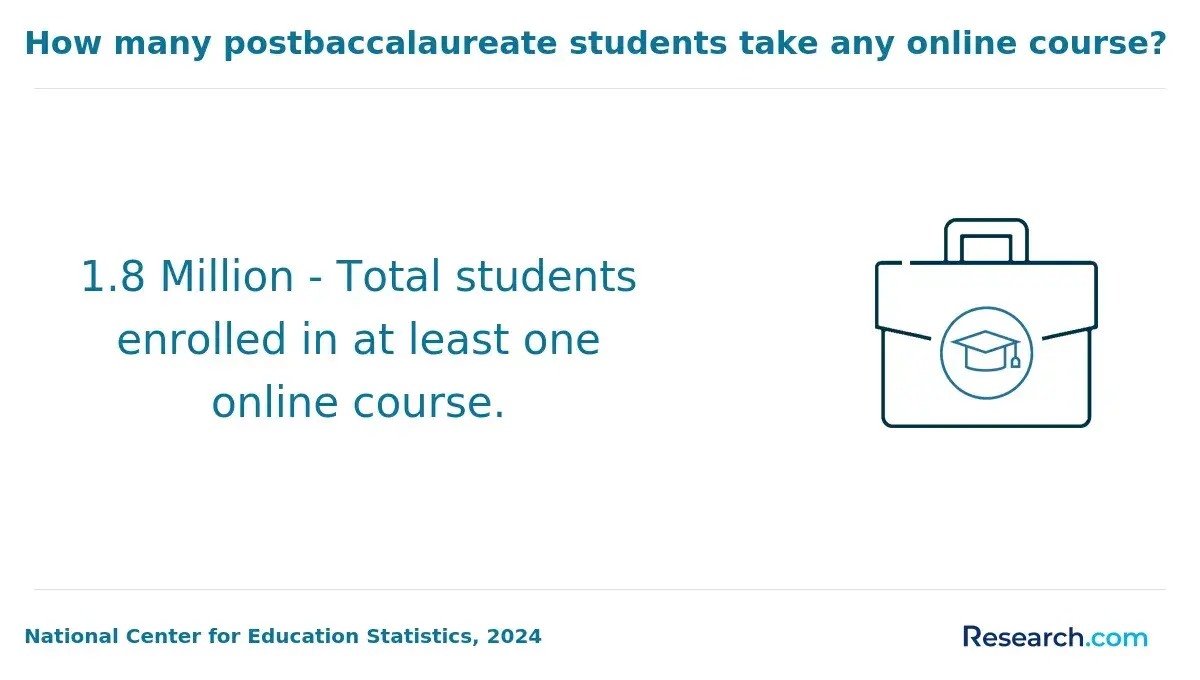
Employers hiring clinical research coordinators (CRC) prioritize hands-on experience over theoretical knowledge, a gap that online biological sciences programs often fail to bridge fully. While online curricula can cover regulatory frameworks and data management principles, they rarely provide the sustained, supervised clinical research experience essential for meeting standard job prerequisites like those outlined in the 2025 Indeed CRC listings, which mandate at least two years of practical exposure.
Campus biological sciences programs offer direct pathways to internships, laboratory rotations, and clinical trial participation, delivering not only familiarity with study protocols but also interaction with patient data and research teams. This immersive training aligns with the operational competencies employers require for immediate workforce readiness.
Students pursuing online routes face the challenge of independently securing local internships or hospital-based research roles to compensate for limited embedded experiential learning. Without these supplementary practical arrangements, the value of an online degree in securing entry-level CRC roles diminishes, especially in strict regulatory domains like pharmaceutical trials.
Networking also differs significantly. Campus programs foster connections with faculty and industry professionals who can facilitate job placement-an advantage critical when experience dictates hiring eligibility.
Those needing quick entry into CRC positions should weigh campus programs' integrated experiential components against the flexible but self-driven nature of online learning, which demands proactive planning to meet both academic and practical benchmarks for employability.
What accreditation and institutional quality factors matter for pre-CRC biology programs?
Pre-clinical research coordinator (pre-CRC) biology programs often fail to deliver adequately without accredited experiential components integrated into the curriculum. Employers demanding Clinical Research Coordinator (CRC) roles, especially in specialized fields like neuroscience or psychiatry, typically require more than a bachelor's degree; they seek verified clinical research experience. For instance, Yale University's Clinical Research Coordinator 2 openings for 2025 require a bachelor's degree plus at least one year of clinical research experience, emphasizing that academic coursework alone will not suffice.
Beyond regional or national accreditation by bodies such as the Higher Learning Commission (HLC) or the Accreditation Council for Continuing Medical Education (ACCME), the most impactful programs embed students in NIH-funded projects or clinical trial networks. Access to such hands-on environments directly facilitates meeting employer expectations and reduces post-graduation barriers to gaining necessary clinical experience.
Key considerations when evaluating programs include:
- Availability of hospital-based internships or live clinical trial participation.
- Partnerships with medical centers specializing in neuroscience or behavioral health.
- Current curriculum integration of Good Clinical Practice (GCP) guidelines and clinical data management tools.
- Faculty involvement in federally funded research offering mentorship or assistant roles.
Graduates from programs lacking embedded clinical research experience often face delays securing CRC roles, as they must obtain required exposure independently. This challenge disproportionately affects career changers and those pursuing specialized research niches where regulatory knowledge and precision are scrutinized.
What courses and lab experiences in a biology major best support clinical research careers?
Courses in human physiology, molecular biology, and biostatistics form the operational backbone for clinical research coordinator readiness by equipping students with crucial protocol adherence and data interpretation skills. Laboratory training in sterile technique and human specimen handling prepares candidates to navigate regulatory demands effectively. For instance, pediatric trial coordinators must integrate developmental biology knowledge with ethical specimen collection procedures, a complexity reinforced through specialized coursework.
Hands-on exposure via internships in clinical or hospital research settings shortens onboarding and reduces compliance errors by immersing students in real regulatory environments. These placements provide essential firsthand experience with Institutional Review Board (IRB) standards and the multitasking necessary in coordination roles. The need for project management and informatics competencies is often underestimated among biology majors but remains vital given the anticipated 5-7% employment growth in clinical research coordination through 2032.
Prioritizing curricula that balance technical lab skills, regulatory literacy, and clinical data systems proficiency enhances employability. Biopharmaceutical sectors demand familiarity with drug mechanisms alongside pharmacology courses to monitor patient safety. Strategic experiential learning is critical, as many graduates struggle to translate theoretical knowledge into fast-paced clinical coordination. Addressing this gap early aligns training with workforce realities and long-term career outcomes in specialized clinical research.
What are the typical salary ranges and job outlook for clinical research coordinators?
Entry-level clinical research coordinator roles in academic translational laboratories typically offer salaries between $60,000 and $65,000 annually, especially for candidates with biological sciences degrees. Academic settings balance restrictive budgets against the technical demands of protocol management, regulatory compliance, and data integrity, resulting in a narrow salary band early on. By contrast, industry positions often start higher but usually require additional certifications or demonstrated experience, such as the Certified Clinical Research Coordinator (CCRC).
Employment growth projections for clinical research coordinators hover around 9% through 2030, but opportunities and pay vary widely by region. Metropolitan research hubs provide more openings and competitive wages, whereas rural or smaller clinics tend to offer fewer roles with lower compensation. This creates a strategic dilemma for candidates weighing immediate income against longer-term exposure to cutting-edge research environments.
Key career tradeoffs include:
- Academic positions favor slower but steady salary growth aligned with foundational research experience.
- Industry or CRO roles offer faster income advancement but demand rapid mastery of regulatory frameworks and project management skills.
- Early attainment of certifications and hands-on experience in electronic data capture and FDA compliance substantially improves job market differentiation.
Those planning pivots into clinical coordination should carefully assess whether their educational background and skill set align with employer expectations and regional labor market conditions.
How can clinical research coordinator roles lead to advanced careers in research or healthcare?
Clinical research coordinator roles require a distinct combination of patient-facing clinical oversight and laboratory-based biological sample management, demanding advanced interdisciplinary skills. Candidates equipped with degrees in biological sciences and supplemented by specialized training in bioinformatics and regulatory compliance are significantly better positioned to secure leadership or scientific liaison roles.
Practical proficiency in clinical trial management software and understanding regulatory frameworks like FDA 21 CFR Part 11 are often prerequisites rather than preferences. For instance, coordinators working in oncology trials must juggle strict protocol adherence and patient safety while interpreting biomarker assay data to facilitate communication between clinicians and lab scientists.
This dual responsibility typically limits advancement opportunities for those lacking robust biological sciences expertise and hands-on experience with sample processing. Balancing clinical and laboratory duties introduces workload complexity that requires strong organizational and multitasking skills. Failure to develop these can hinder progression beyond coordinator positions into project management or regulatory affairs.
Targeted development in emerging domains such as genomics or immunotherapy trials improves competitiveness in specialized translational research or advanced healthcare roles. Candidates should weigh the immediate operational demands of hybrid responsibilities against long-term career benefits of certifications and technical proficiencies aligned with biological sciences.
Other Things You Should Know About Biological Sciences
A biology degree provides a strong foundation for a clinical research coordinator role, but additional certifications, such as the ACRP Certified Clinical Research Coordinator credential, can enhance employability by demonstrating specialized skills in clinical research practices.
Biological sciences programs emphasize scientific understanding and lab skills but often lack direct training in project management, regulatory compliance, and patient interaction critical to clinical research coordination. Graduates should prioritize supplementing their education with internships or workshops focused on clinical trial operations or regulatory affairs to bridge this gap. Without these additions, transitioning directly into coordination roles can challenge both workload management and meeting employer expectations.
A broad biology degree offers flexibility across various CRC roles but may miss specialized knowledge valuable in niche clinical trials like oncology or pharmacology. Conversely, specialization can make candidates more competitive for specific study types but limit their adaptability if the job market shifts. Candidates should weigh their long-term career goals and labor market trends to decide whether to specialize or develop complementary certifications that enhance versatility.
The Association of Clinical Research Professionals’ Certified Clinical Research Coordinator (CCRC) and the SOCRA Certified Clinical Research Professional (CCRP) are the two most recognized credentials. Both typically require documented clinical research experience and passing a proctored exam, which signals readiness for protocol compliance and study documentation.
References
- Navigating Institutional Accreditation—How to Get it and Keep it https://changinghighered.com/navigating-institutional-accreditation-process/
- Online Biology Course: Complete Guide to Flexible Science Education [2025] - Prereqcourses https://www.prereqcourses.com/online-biology-course/
- Clinical Research Coordinator https://jobs.mayoclinic.org/CRC
- Clinical Research Coordinator Salary: How Much Can You Earn? - clinogenesisresearchinstitute https://clinogenesis.com/clinical-research-coordinator-salary/
- Guide to Becoming a Clinical Research Coordinator https://ccrps.org/clinical-research-blog/how-to-become-a-clinical-research-coordinator-guide
- Quality in Higher Education Institutions as a Transversal Tool in Institutional Accreditation: A Bibliometric Review https://www.eu-jer.com/quality-in-higher-education-institutions-as-a-transversal-tool-in-institutional-accreditation-a-bibliometric-review
- Clinical Research Coordinators - missourihealthcareers.com https://missourihealthcareers.com/careers/clinical-research-coordinators/
- Clinical research career: 7 top roles, salaries & GCP guide https://pharmaeducenter.com/blog/clinical-research-career/
- Careers in Biology https://www.aibs.org/careers/
- Clinical Research Careers in 2026: Roles, Salaries & Scope https://clinilaunchresearch.in/blog/clinical-research-careers/