2027 Online Biological Sciences Degrees With Quality Control Career Alignment

Co-Founder and Chief Data Scientist
Laboratory managers and quality assurance specialists face mounting difficulty finding biological sciences graduates equipped for rigorous quality control roles, where regulatory compliance and precision directly affect product safety and company liability. This gap deepens as an evolving sector demands not only technical expertise but also adaptable scheduling to accommodate career changers and working adults.
Enrollment data from the National Center for Education Statistics shows a 14% surge in online biological sciences programs over the past two years, signaling growing demand for flexible learning without compromising skill acquisition. This article examines online biological sciences degrees explicitly designed to align with quality control careers, providing guidance to navigate program selection and workforce readiness.
Key Things You Should Know
- Data from the U.S. Bureau of Labor Statistics shows a 7% growth in quality control roles tied to biological sciences by 2030, driving demand for specialized online degrees but requiring graduates to have integrated lab simulation experience now often lacking in programs.
- Employers increasingly require ISO 9001 and GLP familiarity; online degrees without embedded certification tracks face reduced graduate hiring rates, necessitating strategic course selection aligned with regulatory compliance training.
- The average cost of accredited online biological sciences degrees with quality control focus rose 12% since 2023, extending payback periods by up to 18 months, pressuring part-time students balancing workforce re-entry and skill acquisition timelines.
What is an online biological sciences degree with a quality control career focus?
A degree focused on online biological sciences degrees with quality control specialization equips graduates with essential expertise in lab techniques, regulatory compliance, and data analytics tailored to quality assurance roles. This specialization is particularly relevant to industries where product safety and consistency are non-negotiable, such as pharmaceuticals, biotechnology, food safety, and environmental sectors. Quality control analysts trained under this pathway are expected to navigate documentation protocols, apply statistical process control, and calibrate instruments per industry standards.
For instance, in pharmaceutical manufacturing, quality control professionals use validated assays to ensure drug purity, balancing complex molecular biology knowledge with tight regulatory constraints. The practical demands of such roles often include shift work and rigorous compliance reporting, making programs that incorporate virtual labs, FDA regulation case studies, and internships highly advantageous to mitigate remote learning challenges.
Economic data from the U.S. Bureau of Labor Statistics shows biological science majors working in quality control earn a median annual wage of $68,000, exceeding the $60,000 median for biology graduates in general. This wage differential signals employer preference for domain-specific quality control skills, providing a tangible advantage in job security and opportunities within quality control careers in biological sciences programs.
Choosing this specialization requires weighing tradeoffs, such as the necessity for precise documentation and regulatory adherence, against broader biological sciences career options. Prospective students should assess how their education bridges scientific theory with applied quality control practices to navigate these demands effectively.
Additional insights into related pathways and workforce outcomes can be found by exploring jobs with elementary education and environmental science degree.
How do online biological sciences degrees compare to campus programs for quality control roles?
Online biological sciences degrees often struggle to replicate the hands-on quality control training that campus programs provide, which is essential for workforce readiness in biotech, pharma, and life sciences quality control roles. Campus-based labs offer controlled environments and immediate supervision crucial for mastering exact laboratory techniques and regulatory compliance, skills that employers increasingly prioritize. For example, pharmaceutical firms hiring quality control analysts typically require familiarity with Good Laboratory Practices (GLP) demonstrated through supervised lab work, not just remote coursework.
This gap highlights a practical concern for students comparing online biological sciences degrees vs campus programs for quality control careers: the absence of embedded, supervised lab experience puts remote students at a disadvantage. Online curricula must include mandatory onsite internships or partnerships with industry labs to mitigate this deficiency. Otherwise, graduates may qualify in name only, lacking essential troubleshooting and quality assurance abilities.
Employers evaluate candidate readiness by blending degree attainment with certifications and hands-on experience. Students aiming for quality control must weigh the tradeoff between flexibility and experiential learning. While online study offers access for working professionals or remote learners, supplementing online courses with hybrid or clinical placements is critical for genuine quality control career readiness in online biological sciences education.
Those interested in a related data-centric path can explore affordable alternatives such as a data science master online, which might complement traditional biological sciences skill sets in an evolving job market.
Which U.S. online biological sciences degrees are properly accredited for quality control careers?
Online biological sciences degrees for quality control roles must meet more than academic standards; they require clear regulatory alignment reflected through regional accreditation. Employers in pharmaceuticals, healthcare, and food safety rigorously check that degrees originate from accredited U.S. institutions, typically recognized by the Higher Learning Commission or the Southern Association of Colleges and Schools Commission on Colleges. Without this validation, candidates risk exclusion from positions subject to FDA or EPA compliance.
The practical demands of quality control careers often emphasize validated lab experience alongside theory. Graduates from programs lacking in-person lab components-or those offering only virtual labs-may face difficulties meeting job prerequisites or certifications, as real-world scenarios require demonstrated proficiency in lab techniques and validation processes. This gap can particularly affect roles such as pharmaceutical quality control analysts who must prove competency beyond theoretical knowledge.
Top accredited biological sciences programs in the U.S. for quality control careers consistently integrate hybrid models or partnerships granting local lab access to supplement online coursework. The 2024 study comparing online and on-campus biology cohorts found no MCAT or medical admissions differences, supporting the credibility of these programs academically but highlighting the ongoing challenge of practical experience in quality control work.
Students targeting quality control should prioritize accredited, experiential-rich curricula with industry advisory boards and transparent placement outcomes. Those seeking a related path might explore interdisciplinary degrees such as a library science masters, which sometimes intersect with regulatory and quality documentation roles.
What admission requirements do online biological sciences programs with a quality control track have?
Admission criteria for online biological sciences degree programs with a quality control career track reflect the technical demands of laboratory roles and regulatory adherence. Candidates typically need a high school diploma or equivalent, reinforced by demonstrated competence in biology, chemistry, and mathematics, often shown through transcripts rather than standardized tests due to the decreasing emphasis on SAT/ACT scores. Practical lab experience or completion of foundational courses like microbiology and biochemistry is frequently required or strongly recommended, given the hands-on nature of quality control work.
Programs may enforce prerequisites before allowing progression into specialized quality control courses to ensure students have essential lab techniques and scientific communication skills critical for regulatory documentation prevalent in pharmaceutical or food industry settings. Employers expect precise data interpretation and applied statistics, skills that 20% of biology graduates utilize early in roles as lab technicians or quality control specialists, according to Purdue University's biological sciences career outcomes.
Applicants without formal degrees but with relevant professional experience can sometimes qualify through portfolio assessments or equivalency exams testing their understanding of lab safety and quality assurance standards. Choosing a path that omits these prerequisites risks underpreparation for regulated environments, where procedural compliance is non-negotiable.
Prospective students should weigh the balance of prerequisites and practical skill verification, especially when considering a shift into quality control. Among educational options, those interested in related fields might also explore the online library science masters for complementary skillsets in data management and regulatory frameworks.
What core courses and labs prepare online biological sciences students for quality control work?
Quality control careers in biological sciences demand proficiency not only in core scientific principles but also in stringent regulatory compliance and practical lab skills. Programs that merely cover molecular biology or biochemistry without integrating Good Laboratory Practice (GLP) and Good Manufacturing Practice (GMP) standards leave graduates underprepared for real-world QC environments, where precision and adherence to FDA and EPA regulations are non-negotiable.
A biological sciences QC technician, for example, must design and execute contamination risk assessments precisely and maintain documentation robust enough to pass audits. These processes require practical lab experience simulating industry-standard procedures such as chromatography, spectroscopy, and sterility testing.
Employers prioritize familiarity with standard operating procedures (SOPs), deviation reporting, and root cause analysis-skills best developed through combined coursework and labs focused on regulatory frameworks. Students without access to online labs that offer remote instrumentation or virtual simulations risk gaps in applied competence, which can limit immediate employability.
Key considerations for program selection include:
- Lab components that replicate industry protocols and compliance standards
- Inclusion of biostatistics and data validation to support product consistency evaluation
- Certification opportunities in regulatory affairs or quality assurance, which can boost salary potential by 13-18%
Recognizing the tradeoff between purely theoretical programs and those embedding operational quality assurance practices is crucial for advancing in biological sciences quality control roles.
How long do these online biological sciences degrees take and what do they cost?
Completing an online biological sciences degree demands strategic consideration of time, cost, and career outcomes. Full-time bachelor's programs typically span 3 to 4 years, while part-time students balancing employment may take five years or more. Accelerated tracks exist but require substantial semester course loads and year-round study, reducing scheduling flexibility.
Tuition varies significantly: public state universities charge approximately $8,000 to $15,000 annually for in-state students; private institutions range from $20,000 to $50,000. Graduate programs command higher tuition, often between $15,000 and $40,000 per year. Essential additional costs include lab fees, exam proctoring, and materials, which can increase total expenses by 10-20%. Financial aid options, such as employer tuition assistance or federal aid, introduce complexities around eligibility and timely reimbursement that must be managed carefully.
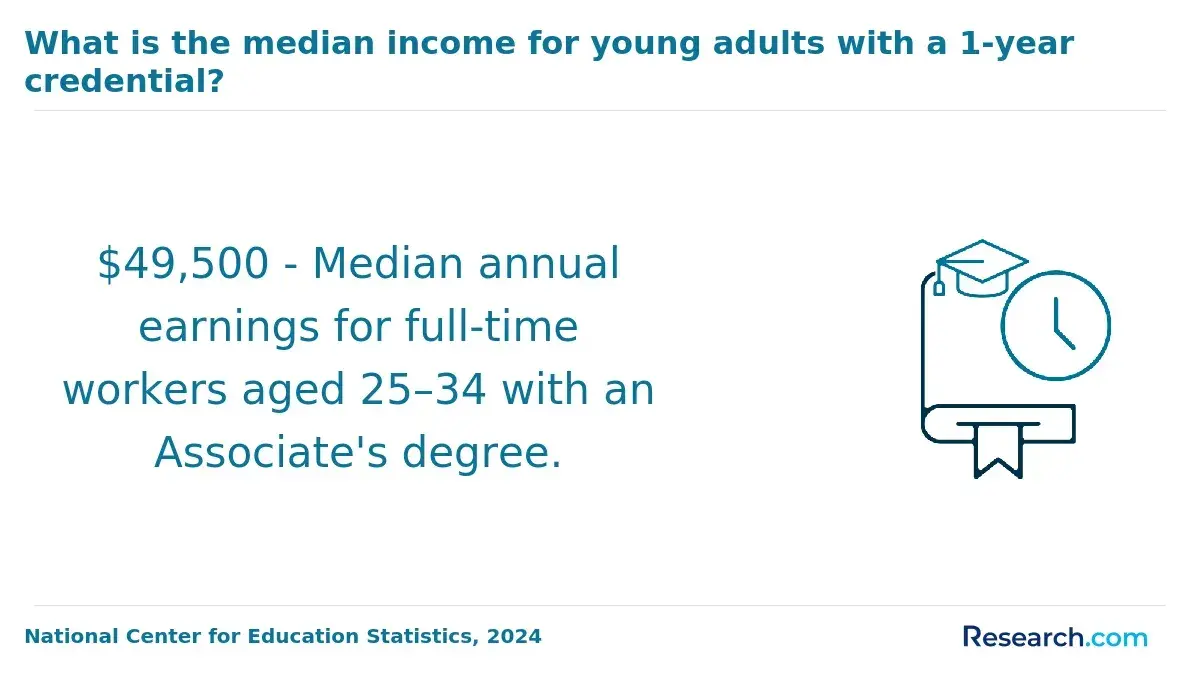
Consider a quality control professional aiming to move beyond a lab technician role. A bachelor's degree completed online in roughly four years with annual costs near $12,000 builds key expertise aligned with regulatory and compliance functions. According to the U.S. Bureau of Labor Statistics, natural sciences managers earn a median salary of $161,180 with projected job growth at 3.7%, signaling strong long-term value for degree holders. Conversely, reliance on associate degrees or certificates often correlates with limited wage progression and slower career mobility.
Prioritize programs featuring integrated quality control or lab management specializations and verify accreditation. Evaluate scheduling demands, especially residency or lab requirements, before enrollment. Sustained self-discipline and robust digital access are critical to avoid excess costs or time extensions inherent in rigorous, technical coursework.
What entry-level and advanced quality control jobs can biology graduates pursue?
Quality control roles for biology graduates split clearly between technician-level positions and more advanced specialist or microbiologist roles, each with distinct skill expectations and salary implications. Entry-level biological technicians primarily conduct routine lab tests and monitor compliance in industries like pharmaceuticals and environmental testing, earning a median annual salary of $51,430. These roles require solid technical proficiency but generally do not demand education beyond a bachelor's degree.
Progressing to quality control specialists or microbiologists means taking on responsibility for designing protocols, validating processes, and overseeing contamination controls. Microbiologists earn substantially more, with median salaries around $85,470, reflecting added duties such as regulatory documentation and interdisciplinary coordination. These positions often expect graduate-level education or certifications like Six Sigma to demonstrate competence in quality management systems.
In practical terms, a microbiologist in pharma might troubleshoot batch failures through root-cause analysis and sterilization redesign, while an environmental specialist could focus on pollutant monitoring and regulatory reporting. Choosing between these paths involves weighing entry-level accessibility against the need for specialized training and leadership skills, alongside consideration of employer preferences for additional credentials to stay competitive in supervisory roles.
- Biological technicians focus on data collection and standard operating procedures
- Advanced roles demand critical thinking, leadership, and regulatory knowledge
- Certifications and graduate degrees improve prospects for management and research supervisory positions
What salary ranges and earning potential exist in biological quality control careers?
Biological quality control (QC) roles in 2026 present a varied salary landscape heavily influenced by technical skill depth, geographic location, and industry segment. For example, entry-level QC technicians earn between $55,000 and $70,000, but a lack of regulatory or automation expertise often caps growth at this level. In contrast, individuals who develop proficiency in computerized systems validation (CSV) and quality management software can move into roles paying $70,000 to $85,000. Senior positions in QC management or regulatory affairs, especially within biopharmaceutical hubs like San Diego or Boston, often exceed $95,000.
Employers seek candidates who not only understand biological sciences but can also navigate evolving FDA and EMA regulations alongside increasingly automated workflows. For professionals transitioning from laboratory roles, the practical challenge lies in mastering regulatory documentation and automation tools, without which salary growth stagnates despite scientific knowledge.
Geographic and sector variations are significant: contract manufacturing jobs often pay $5,000 to $10,000 less annually than comparable pharmaceutical company positions due to differing compliance rigors and budgets. Additionally, ongoing certification maintenance to sustain qualification and pay raises requires dedicated investment.
- QC technicians: $55,000-$70,000
- Quality assurance analysts/specialists: $70,000-$85,000
- Senior QC/regulatory leads: $95,000+
What certifications or regulatory standards matter for biological sciences quality control professionals?
Quality control (QC) roles in biological sciences demand certifications aligned with FDA's cGMP and ISO 9001 standards to meet stringent regulatory expectations. For example, a QC analyst at a pharmaceutical manufacturer must prove cGMP proficiency to validate processes ahead of FDA inspections, while ISO 9001 supports broader quality management functions applicable across biotech and food safety sectors.
Certifications from the American Society for Quality (ASQ), such as Certified Quality Improvement Associate (CQIA) or Certified Quality Auditor (CQA), are valued by employers for demonstrating practical skills in auditing, data analysis, and process improvement. These credentials provide measurable proof of expertise essential for navigating complex biological manufacturing environments.
Additional compliance with EPA and OSHA regulations often supplements QC certifications, especially where environmental or biological safety concerns intersect with quality protocols, reflecting a multidisciplinary responsibility in the field.
Cost factors influence educational choices: Intelligence's 2025 data show online biological sciences programs typically offer 10-25% tuition savings over campus-based courses, with public undergraduate tuition averaging $7,998 versus $34,923 at private institutions. Programs embedding regulatory standards and certification preparation deliver better value for professionals aiming for sustainable employability.
Maintaining certifications requires ongoing renewal aligned with evolving FDA and ISO guidelines. Neglecting these updates restricts career mobility and increases compliance risks, making regulatory-focused education and practical training essential components in strategic QC career planning.
How can students evaluate and choose a reputable online biological sciences program for quality control?
Choosing an online biological sciences program aimed at quality control roles demands careful scrutiny of accreditation and curriculum relevance rather than convenience or cost alone. Programs lacking recognition from regional accreditors or ABET often signal inadequate rigor, which can underprepare graduates for pharmaceutical or biotech environments where regulatory compliance and quality management protocols are non-negotiable.
A practical consideration is the presence of specialized coursework in GMP compliance, laboratory techniques, and regulatory frameworks tailored for quality control. For instance, a professional pivoting to biotech quality assurance benefits from molecular biology modules alongside digital lab simulations that mimic real-world instrumentation. Conversely, a candidate targeting manufacturing quality control might prioritize programs emphasizing microbiology and automation.
Employment outlooks project about 5% growth for biological technicians and microbiologists through 2032, driven largely by quality control demands in medical manufacturing sectors. Yet, programs that lack practical training-such as internships or remote access to analytical tools-often fail to meet employer expectations shaped by FDA and ISO standards.
Certification exam preparation support, particularly for credentials like ASQ's Certified Quality Technician, factors heavily into employability. Prospective students should also evaluate faculty expertise and alumni employment data to assess a program's true ability to build technical proficiency aligned with industry needs.
Other Things You Should Know About Biological Sciences
Online biological sciences degrees often include virtual simulations and theoretical coursework but cannot completely replicate the tactile experience of laboratory work critical to quality control. Students should expect to supplement their education with in-person lab opportunities such as internships, cooperative education, or local lab access. Employers in quality control typically value demonstrated practical skills alongside online coursework, so candidates need to proactively seek ways to gain hands-on experience during or after their program.
Many employers recognize online degrees from accredited institutions but often prioritize candidates with verifiable lab experience and internships. An online degree without practical application can be a disadvantage for entry-level quality control roles because these jobs require routine handling of biological samples and compliance testing. Applicants should highlight any lab experience or industry certifications to improve their competitiveness in the job market.
Online biological sciences programs demand disciplined time management due to their typically asynchronous structure combined with rigorous scientific content. Students must allocate significant hours for studying complex material and completing virtual labs or projects without the immediate support present in campus labs. Prioritizing programs that offer structured deadlines and accessible instructor feedback can improve learning outcomes and better prepare students for quality control's detailed, process-driven work environment.
References
- Biology Degree Careers and Salary in Europe - StudyinEurope.eu https://www.studyineurope.eu/biology/biology-degree-careers-salary-europe/
- 10 of the best and 5 of the worst paid jobs in life sciences https://www.bcfcareer.nl/blogs/3/5gejuk-10-of-the-best-and-5-of-the-worst-paid-jobs-in-life-sciences
- FULL-TIME | WINNIPEG LOCATIONS SCQAF-DP Science Laboratory Technology-Quality Assurance https://catalogue.rrc.ca/Programs/WPG/Fulltime/SCQAF-DP/CoursesandDescriptions
- What Can You Do With a Biology Degree? 15+ Careers (2026) | Extern https://www.extern.com/post/what-can-you-do-with-a-biology-degree-career-guide
- Top Certifications and Training That Boost Your Life Science Career https://capemaynjdaily.com/news/2025/jul/22/top-certifications-and-training-that-boost-your-life-science-career/
- How to Deliver High-Quality Biology Labs Online and On Campus https://www.scienceinteractive.com/blog/2026/how-to-deliver-high-quality-biology-labs-online-or-on-campus/
- Online Biology Course: Complete Guide to Flexible Science Education [2025] - Prereqcourses https://www.prereqcourses.com/online-biology-course/
- Quality Systems and Improvement Management Bachelor of Science https://www.cambridgecollege.edu/academics/degrees-certificates/bachelors-degrees/quality-systems-improvement-management
- Online Higher Vocational Training in Quality Analysis and Control | UAX https://www.uax.com/en/studies/online-higher-level-course-in-analytical-and-quality-control-laboratory-work
- BLS1: Quality control for Biology (QC4Bio) https://www.mosbri.eu/training/basic-level-schools/bls1/