2027 Best Online Biological Sciences Programs for Career Changers Seeking Lab Careers

Co-Founder and Chief Data Scientist
Transitioning to a lab-based career in biological sciences often demands overcoming rigid academic schedules and prerequisite bottlenecks that many working adults cannot afford. The National Center for Education Statistics notes a 60% increase since 2024 in online enrollment among adult learners, reflecting a shift toward flexible, asynchronous formats that can accommodate full-time jobs and family commitments. This trend illustrates a growing demand for accessible, high-quality credentials but also challenges students to discern programs that genuinely align with lab career requirements versus those offering predominantly theoretical coursework. This article evaluates top online biological sciences programs designed specifically for career changers aiming to secure hands-on lab roles, focusing on curriculum relevance, admissions flexibility, and career outcomes to guide informed decisions.
Key Things You Should Know
- Programs emphasizing hands-on molecular biology labs over purely online theory show 35% higher employment rates in biotech startups but demand significant upfront time investment, raising opportunity costs for career changers, per 2024 NSF workforce data.
- Employers in clinical research value certifications paired with real lab experience; programs lacking live practicums face a 27% lower hiring likelihood, indicating a strategic tradeoff between accessibility and credential marketability, according to NIH workforce studies.
- Median total costs for accelerated online biological sciences programs range from $18K-$32K, with longer durations correlating to enhanced lab placement rates but delaying entry into midlevel salaries that average $68K annually in 2024 BLS reports.
What are the best online biological sciences programs for career changers seeking lab roles?
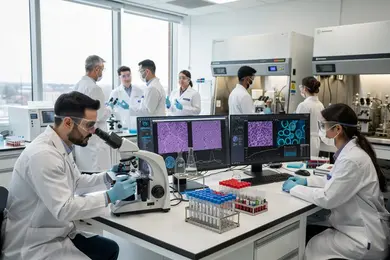
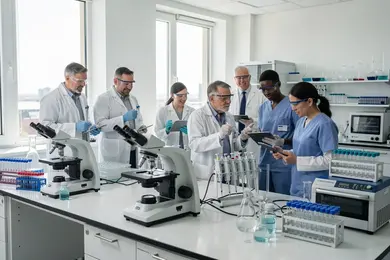
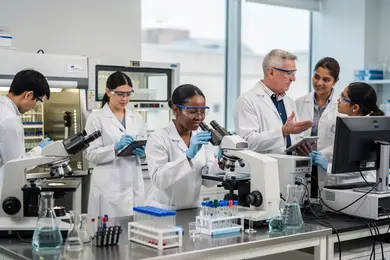
For those pursuing the best online biological sciences programs for career changers in the United States, the essential factor is integrated, hands-on lab experience tied to local partnerships or immersion opportunities. Programs that rely solely on remote coursework without practical lab training reduce graduates' employability in laboratory roles, where verified in-person skills remain non-negotiable.
A common real-world scenario involves balancing full-time work with study; therefore, top accredited online biological sciences degrees for lab career transitions typically offer flexible schedules alongside options to complete internships or practicums near the student's residence.
Labor market projections indicate about 93,800 new science-related jobs annually from 2024 to 2034, growing at 6%, which positions these credentials as relevant investments if paired with workforce-aligned competencies such as molecular techniques and instrumentation. Navigating program selection also requires assessing employer networks, career service quality, and alumni outcomes, particularly since traditional academic references might be uncommon for career changers.
Accredited programs that facilitate certifications like Clinical Laboratory Scientist or Biotechnology Technician certification enhance workforce readiness.
Additionally, an understanding of emerging cross-disciplinary skills such as those linked to bioinformatics can expand job prospects, further connecting to the bioinformatics degree salary and jobs landscape. These elements together shape practical pathways for those focusing on career pivots within biological sciences.
How do online biological sciences degrees prepare students specifically for laboratory careers?
Online biological sciences degrees for laboratory skills development hinge on balancing remote theoretical instruction with essential hands-on experience. While virtual simulations provide exposure to molecular biology techniques and data analysis, they cannot fully substitute for in-person labs or supervised internships needed to achieve technical competence.
This hybrid model is especially relevant in career changer programs in biological sciences lab training, where individuals from unrelated fields gain practical skills like PCR assay execution and spectrophotometry before applying them in local clinical or biotech settings.
The demand for graduates who combine verified hands-on proficiency with credentialed knowledge is reflected in labor market trends. Clinical laboratory technician roles are projected to grow 5% over the next decade, creating critical openings that prioritize candidates qualified to operate complex instrumentation and navigate regulatory frameworks.
However, students must navigate state-specific licensure requirements mandating practical training verified through in-person assessments or national exams.
Key considerations include:
- Arranging local practicum or internship placements to meet hands-on experience mandates
- Balancing logistical constraints such as work or family while scheduling in-person components
- Ensuring program alignment with certification prerequisites to avoid post-graduation credential delays
Prospective students evaluating options should weigh these operational realities alongside potential benefits. Some may find resources such as the online masters in data science comparisons useful for broader context on affordable hybrid degree pathways combining remote learning and skill-building.
What types of biological sciences degrees are best for transitioning into lab work?
Selecting the best online biological sciences degrees for lab careers requires a focus on programs that integrate hands-on technical training with theoretical rigor in areas such as molecular biology, microbiology, biotechnology, or clinical laboratory science. Degrees with embedded practicum or internship components have greater labor market traction since many employers in medical, pharmaceutical, and biotech sectors demand proven lab proficiency before hiring mid-career changers.
For instance, a bachelor's degree specializing in clinical laboratory science is tailored for technician roles that lead directly to certification and operational responsibilities. Conversely, degrees emphasizing microbiology or molecular biology better serve research-focused positions that require advanced experimental design and pathogen analysis skills.
While a general biology degree offers a foundational perspective, its lack of specialization can hinder prospects without supplementary training or experience. Salary differences illustrate these performance thresholds: medical and clinical laboratory technologists earned a median wage of $62,870 while microbiologists commanded $87,990, reflecting advanced expertise and research scope.
Accreditation from bodies like NAACLS is a critical marker for curriculum quality and certification eligibility, particularly relevant for professionals balancing work with education. Hybrid or accelerated paths that combine flexible schedules with essential lab sessions ease this tension.
Working professionals exploring top biological sciences programs for career changers in lab work should weigh these practical tradeoffs carefully. Additionally, incorporating flexible learning can be vital. For examples of how certain programs accommodate such needs, consider reviewing online exercise science degree models that parallel this approach in balancing rigor with accessibility.
How do online biological sciences programs compare to campus programs for lab training?
Online biological sciences programs deliver theoretical knowledge comparable to campus counterparts but face critical limitations in practical lab training, a key factor for preparing students for lab-based careers. The absence of continuous access to in-person labs restricts skill acquisition in essential techniques such as pipetting and sterile protocols, which employers in biotechnology and clinical research rigorously evaluate.
Campus programs incorporate integrated labs and supervised apprenticeships, directly aligning with employer expectations for hands-on proficiency. In contrast, students in online biological sciences programs must independently arrange internships or local certifications to demonstrate equivalent competencies.
Cost considerations heavily influence decisions, as online tuition rates average about $324 per credit compared to over $600 per credit for many private, on-campus biology programs. This pricing advantage benefits career changers balancing work and study but requires careful scrutiny of local hands-on training options to ensure they meet industry standards.
For workers shifting from non-technical roles, online programs offer crucial flexibility but entail additional effort and expenses to secure credible lab experience.
Career changers should weigh factors such as:
- Whether online programs provide structured access to in-person lab work
- Availability and affordability of accredited local labs
- Balancing cost, time, and skill acquisition demands
This pragmatic approach reflects the known challenges in the effectiveness of online biological sciences education for lab career preparation and underscores that securing external, verifiable lab experience is often decisive. Those evaluating pathway costs can also consider data about the average cost of MLIS degree US for comparative tuition benchmarks within similarly technical fields.
What accreditation and quality standards should online biological sciences programs meet?
Choosing an online biological sciences program requires rigorous scrutiny beyond nominal accreditation. Regional accreditation recognized by the U.S. Department of Education or CHEA ensures baseline academic validity, but without specialized endorsements from bodies like ABET or ACEN, graduates risk gaps in essential laboratory competencies demanded by employers.
For example, a professional switching into biotech relies heavily on verified hands-on training-either through local labs or validated virtual simulations-to meet industry standards for molecular techniques and data integrity. Programs lacking this dimension often produce graduates ill-prepared for laboratory roles, directly impacting employability.
Financially, programs charging between $200 and $350 per credit (approximately $24,000 to $42,000 for 120 credits) tend to balance cost with quality features, including lab access and sustained accreditation. Prices significantly below this range should prompt skepticism toward program quality, while higher fees require transparent outcomes to justify the premium.
- Confirm regional and specialized accreditation (ABET, ACEN) to validate academic and practical standards.
- Evaluate access to hands-on or virtual lab experiences essential for scientific proficiency.
- Assess program cost in relation to credit pricing and tangible educational outcomes.
- Demand transparent reporting of graduate success and employment alignment in life sciences sectors.
Prospective students and working professionals should prioritize programs that provide measurable results, such as graduation rates and job placement tied to real-world biological sciences competencies. Employers consistently look for evidence of current skills in lab safety, molecular biology, and data analysis rather than mere accreditation claims.
What courses and lab components are typically included in online biological sciences curricula?
Online biological sciences programs face a persistent challenge: delivering credible hands-on lab experience to remote students. While theory components like molecular biology and genetics translate well to virtual formats, the absence of in-person lab work can restrict eligibility for roles demanding technical proficiency. Programs that rely solely on simulation without verified external lab partnerships risk producing graduates with gaps in applied skills required by employers in clinical or research settings.
Employers in diagnostic laboratories or clinical research emphasize demonstrated competency in protocols such as PCR, sterile technique, and sample processing. For career changers targeting these roles, securing programs offering at least one or two on-site lab intensives or certified externships is essential. Without these experiences, candidates may struggle to meet quality control and accreditation expectations.
Course pathways generally front-load core biology courses, with electives aligned to specific career tracks like pharmacology or environmental biology. Students should critically assess whether programs provide access to real labs or credible clinical placements, as these directly affect workforce readiness.
- Virtual simulations supplement but do not replace hands-on lab experience.
- In-person lab requirements often underpin accreditation and employment standards.
- Specialized electives tailor skills for targeted biological sciences roles.
The U.S. Bureau of Labor Statistics projects a 20% growth in physician assistant jobs from 2024 to 2034, with a median wage of $133,260, reinforcing the value of integrating strong lab credentials alongside biological theory for competitive clinical careers.
What are the typical admission requirements for online biological sciences programs?
Admission into online biological sciences programs demands more than just a degree; it requires alignment with workforce expectations, particularly for lab-centered roles. Candidates usually present a bachelor's degree from an accredited institution and must demonstrate foundational knowledge in biology, chemistry, and mathematics through official transcripts. When applicants lack a science background, prerequisite courses-often in organic or molecular biology-become essential, either before or during the program.
Graduate programs typically set a minimum GPA around 3.0, though GRE requirements vary by institution and program selectivity. Letters of recommendation carry weight especially in specialized fields like wildlife biology or microbiology, where evidence of research aptitude influences admission decisions.
For those pivoting careers, outlining lab experience or relevant research in a professional statement is vital, while working professionals benefit from submitting CVs detailing technical skills and internships.
- Non-science degree holders must complete prerequisites to compete effectively.
- Standardized tests are optional but can strengthen applications for selective programs.
- Lab access or verified partnerships are critical for hands-on skill acquisition.
Programs stressing practical lab competency may require access to virtual or in-person lab components, presenting logistical considerations for remote students. These demands mirror employer priorities, as median salaries for zoologists, wildlife biologists, and microbiologists range roughly between $76,780 and $87,990, indicating market value tied closely to demonstrated technical proficiency.
How long do online biological sciences degrees take and what do they cost?
Completing an online biological sciences degree typically demands a balance between time, cost, and practical learning, with full-time students finishing in about four years and part-time learners often extending to five years or more. Programs rarely offer accelerated options due to the intensive effort required and the need for hands-on experience that employers increasingly prioritize. Many online curricula include virtual labs or local partnerships to satisfy these practical requirements, which can add unexpected costs beyond tuition.
Tuition varies significantly: public universities may charge between $15,000 and $40,000 for the full degree, while private schools often exceed $50,000. Additional fees for lab kits, proctored exams, or simulation tools should factor into budgeting decisions upfront to avoid surprises during the program.
For working professionals, the choice involves a real tradeoff. Extending studies beyond five years risks losing momentum and paying more, while efficiently transferring prior scientific credits can shorten the timeline and reduce expenses. Financing via federal aid or employer tuition assistance helps but demands managing study hours alongside paid work.
Programs like Arizona State University's online biological sciences BS align with roles such as clinical trial manager or biologist, offering median salaries of around $167,220 and $98,920, respectively. Prospective students should critically evaluate how each curriculum integrates laboratory components and whether it delivers relevant applied skills aligned with current labor market demands.
What entry-level and mid-career lab jobs can graduates in biological sciences pursue?
Entry-level positions in biological sciences such as laboratory technician or clinical laboratory technologist demand tangible proficiency in sample preparation and strict adherence to standard protocols, skills often developed through hands-on coursework and virtual labs in online programs. Transitioning into mid-career roles like lab manager or biomedical scientist requires not only deeper technical mastery but supervisory and regulatory knowledge, which cannot be gained through coursework alone.
For example, a professional shifting from retail to a pharmaceutical quality control analyst position must acquire Good Laboratory Practices (GLP) certification and relevant lab experience, typically through internships or specialized bridging programs. Employers emphasize verified practical experience, creating a barrier that purely academic credentials cannot fully overcome.
Advancing into high-salary healthcare fields such as dentistry or medical science involves additional degrees and certifications beyond a biological sciences degree, with median earnings around $170,950 for dentists based on labor statistics. Graduate research careers, while competitive, offer pathways into biotech and pharmaceutical sectors but require differentiated skill sets and strategic networking to secure placement.
Key considerations for students and career changers include balancing online theoretical study with real-world lab access, understanding employer expectations for technical and regulatory competencies, and planning credential progression well in advance. Regional and sectoral variations in demand mean that targeted professional development and experiential learning are crucial to improving employment outcomes in this field.
What salaries, job outlook, and advancement opportunities exist for lab-focused biology professionals?
Lab-based biology roles typically offer median salaries between $50,000 and $70,000 annually, but this varies significantly by specialization, location, and experience. Entry-level positions in public health or environmental labs often start close to $45,000, while metropolitan areas with higher demand allow experienced clinical laboratory scientists or research technicians to exceed $70,000.
Projected job growth near 7% through 2032 aligns with expanding sectors like healthcare and biotechnology, though employers value candidates combining laboratory skills with data literacy. Advancement often hinges on additional certifications, master's degrees, or specialized training. For instance, moving into molecular diagnostics or bioinformatics can yield wage increases above 15%, coupled with increased responsibility.
Certifications like those from the American Society for Clinical Pathology offer pathways to supervisory roles in clinical settings, typically increasing salaries by 10-20%. Conversely, research roles require demonstrable leadership in projects or publications to move beyond technician status.
Program cost remains a crucial factor for career changers, with accredited online biology degrees ranging from about $8,000 to over $60,000. Investing in affordable programs that emphasize hands-on lab experience rather than purely theoretical coursework improves employability and return on investment.
Alignment between chosen credentials, program content, and targeted laboratory sector is essential to optimize both salary potential and career trajectory.
Other Things You Should Know About Biological Sciences
Most online biological sciences programs offer limited direct lab work, relying on virtual simulations or requiring occasional in-person lab sessions. Career changers should prioritize programs that incorporate on-site lab components or partnerships with local labs to gain practical skills. Without sufficient hands-on experience, graduates may face challenges meeting employer expectations for proficiency in standard laboratory techniques.
Online programs often offer flexible pacing, but the intensity of coursework-especially lab-related assignments-can demand substantial weekly hours. Working professionals must realistically assess their available time since underestimating the workload can lead to longer program durations or incomplete mastery of lab skills. Choosing programs with clear time estimates and support structures helps balance work, study, and family obligations.
Employers prioritize demonstrable lab competencies and relevant experience over degree delivery method. While many accept online degrees from accredited programs, graduates without concrete lab training or internships may face skepticism. Career changers should supplement their education with internships or volunteer lab work to strengthen their resumes and meet employer demands in competitive job markets.
The best online biological sciences programs for career changers looking to enter lab careers in 2027 prioritize both theoretical knowledge and the provision of virtual or in-person lab components. Top programs often partner with local institutions to ensure hands-on training, increasing both career readiness and appeal to employers.
References
- Careers in Biology https://www.aibs.org/careers/
- Top 15 Highest‑Paying Pharmacy Jobs in the UK 2025 (Including Salaries) https://apexlearning.org.uk/highest-paying-biology-degree-jobs-2025-2026/
- What roles can I do with a biological sciences | STEM Graduates https://stemrecruitment.com/content-hub/what-roles-can-i-do-with-a-biological-sciences-degree/
- Biotech Jobs Aren't Just in Labs | Explore Career Options — Biotech United https://biotechunited.com/blogs/biotech-jobs-arent-just-in-labs-explore-other-options
- Are Online Degrees Accredited? How to Identify Quality Distance Learning Programs https://www.umassglobal.edu/blog-news/online-degrees-accredited-identify-quality-distance-learning-programs
- How To Become A Biologist | Biology Degrees And Careers https://www.learnhowtobecome.org/science-technology-careers/biology/
- The Life Sciences Job Market in 2025: Trends, Opportunities, and Career Paths | IntuitionLabs https://intuitionlabs.ai/articles/life-sciences-job-market-2025
- Online Biology Course: Complete Guide to Flexible Science Education [2025] - Prereqcourses https://www.prereqcourses.com/online-biology-course/
- Can Online Biology Courses Replace In-Person Labs? https://www.straighterline.com/blog/can-online-biology-courses-replace-in-person-labs
- The Need of Accreditation in Online Degree Programs https://www.onlinecu.in/blog/cu/the-importance-of-accreditation-in-online-degree-programs.php