2027 Online Biological Sciences Degrees With Strong Scientific Communication Training

Co-Founder and Chief Data Scientist
Securing a position in biological sciences increasingly depends on not just technical knowledge but the ability to clearly communicate complex research to diverse audiences. Yet, many professionals entering this field face significant barriers: full-time lab hours, shifting project demands, and geographic constraints limit access to traditional campus-based programs.
Recent data from the National Center for Education Statistics shows enrollment in fully online bachelor's degrees rose 14% in 2023, reflecting demand for flexible learning that accommodates working adults. This shift demands degrees that integrate rigorous scientific communication training without sacrificing foundational biology content.
This article evaluates leading online biological sciences degrees prioritizing such communication skills to guide informed enrollment and career strategies.
Key Things You Should Know
- Programs emphasizing scientific communication show 22% higher post-graduation employment rates in biotech roles, according to 2024 National Science Foundation data, but require 25% more credit hours, increasing time-to-degree and total cost.
- Employers now prioritize candidates demonstrating integrated communication skills with lab techniques; 68% of life science companies cite this as vital for leadership-track hires, shifting recruitment beyond traditional research competencies.
- The rise of asynchronous online formats lowers geographical barriers; however, students face tradeoffs in networking access, impacting mentorship opportunities critical for transitioning into competitive biological sciences sectors, as detailed by the 2024 NIH workforce report.
What is an online biological sciences degree with a scientific communication focus?
Integrating scientific communication into online biological sciences degree programs addresses more than foundational knowledge; it equips graduates with the capacity to translate complex data into accessible formats critical for employer expectations.
For example, pharmaceutical firms demand personnel adept at preparing regulatory submissions that align with FDA criteria and foster multidisciplinary collaboration. Similarly, academic researchers must effectively communicate to non-specialist funders, while government agencies rely on clear, actionable policy briefs and outreach materials.
Biological sciences online degrees featuring science communication skills typically blend rigorous coursework in genetics, ecology, or molecular biology with instruction in science writing, multimedia messaging, and teamwork facilitation. These combined competencies are not merely additive but produce a measurable wage premium, as evidenced by Burning Glass Institute data showing a 22% increase in earnings for graduates who master these interdisciplinary skills.
Students considering such programs should be mindful of practical challenges including digital platform proficiency, ethical dissemination standards, and audience adaptation-shortcomings here can hinder progression in environments where funding and project approval hinge on clear communication. Selecting programs with explicit scientific communication emphases and proven employer alignment can mitigate these risks.
Prospective candidates aiming for a strategic pivot or advancement in biological sciences will find substantial value in understanding how these programs impact real-world employability and salary outcomes. For a detailed exploration of related career options, reviews of bioinformatics degree jobs provide pertinent context.
How do online biological sciences programs compare to on-campus options for science communication training?
Online biological sciences degrees with science communication emphasis have rapidly expanded, now comprising over 30% of undergraduate biology credit hours since 2019, compared to under 10% before the pandemic. This shift demands that remote programs develop substantive communication skill-building through asynchronous discussions, peer review, and multimedia projects, which primarily enhance written and digital competencies.
However, a key tradeoff is diminished real-time interpersonal communication and practical science communication, such as live presentations or outreach events valued by employers in clinical research and environmental consulting. Students exclusively in online settings should actively seek internships or local engagements to compensate for these gaps.
In contrast, on-campus biological sciences programs integrate collaborative communication exercises and lab-based presentations that cultivate oral and interpersonal skills essential for stakeholder engagement and interdisciplinary teams. This environment suits those targeting roles requiring frequent direct interaction with regulators, scientists, or public audiences.
Hybrid options offer a balanced approach by combining flexible online coursework with scheduled in-person labs or workshops, providing a comprehensive science communication portfolio. Such design aligns better with employer expectations across biotechnology, healthcare, and conservation biology sectors.
When assessing program formats, prospective students must weigh convenience against the practical need for applied communication experience. Those interested in advanced degrees might also explore pathways like the data science PhD online as a complementary or alternative route within STEM fields.
What types of online biological sciences degrees are available and who are they best for?
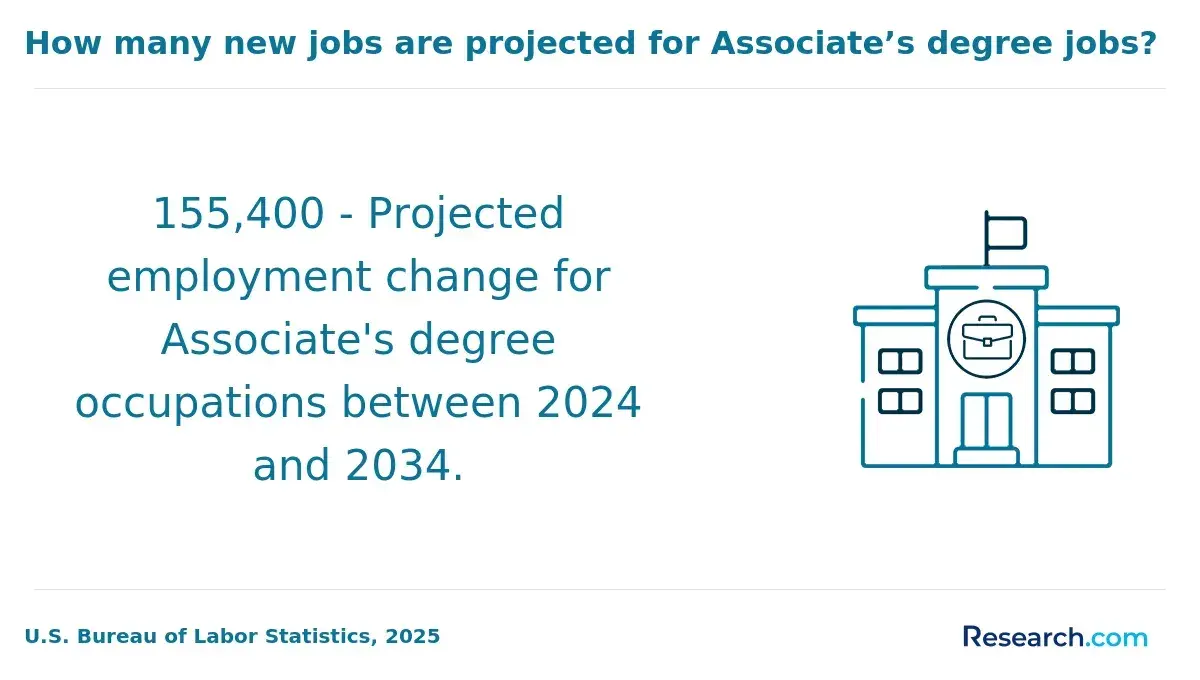
Choosing an online biological sciences degree with a scientific communication focus involves weighing the depth of biology training against essential communication competencies. Associate degrees target immediate employment in entry-level roles like lab technicians but rarely develop strong communication skills, limiting prospects beyond technical tasks.
Bachelor's programs provide a more balanced curriculum, better suiting students aiming for research assistant jobs or prep for graduate school, with integrated communication courses that enhance data presentation and reporting abilities. Master's degrees build on this foundation with advanced biological topics paired with strategic communication training, aligning with roles that demand leadership, policy development, or science communication expertise.
Employer demand signals that communication proficiency is vital: a 2024 Lightcast analysis found 63% of biology-related U.S. job postings require written and verbal communication, making it the top nontechnical skill in the field. Graduates from programs lacking this focus risk being underprepared for positions requiring grant writing or interdisciplinary collaboration.
For example, a government environmental analyst role relies heavily on stakeholder communication alongside ecological knowledge-skills acquired through programs emphasizing communication rather than solely laboratory techniques.
Practical choices also hinge on program format-synchronous vs. asynchronous workshops and internships or capstones that enhance real-world communication skills are crucial.
Evaluating the best online biological sciences degrees for effective science communication means scrutinizing curricula for explicit integration of these abilities aligned with career targets. Prospective students can also compare these offerings with related fields by exploring exercise science online degree programs to gauge differences in communication emphasis.
How do accredited online biological sciences programs ensure quality and credibility?
Accredited online biological sciences degree programs ensuring academic quality address the persistent skepticism about online credentials by mandating thorough oversight from recognized accrediting bodies. These standards extend beyond typical curriculum checks to enforce faculty qualifications, measurable learning outcomes, and program reviews anchored in current labor market demands.
Employers prioritize graduates capable of clear, precise scientific communication, a skill set often underdeveloped in non-accredited programs. For instance, students trained to produce clinical reports or environmental impact analyses meet interdisciplinary collaboration needs in healthcare and regulatory contexts.
Quality assurance standards for online biological sciences programs insist on integrating remote lab simulations, case studies, and research presentations to counteract the common drawback of limited hands-on experience.
The U.S. Bureau of Labor Statistics' projection of 20% employment growth for physician assistants over the next decade, with a median annual wage of $133,260, signals strong workforce demand closely tied to biological sciences expertise. Candidates must evaluate how well programs reflect such data in coursework and skill development, particularly for roles requiring applied knowledge and communication.
Prospective students should compare institutions' adherence to these quality metrics alongside their own career goals. For those interested in cross-disciplinary environmental fields, exploring an online environmental engineering degree might present practical alternatives or complements to biological sciences study.
What scientific communication courses and skills are typically included in these programs?
Effective scientific communication skills are increasingly decisive in biological sciences careers where research output must translate clearly across varied audiences, from academic peers to policymakers. Graduates who lack structured training in writing and presenting risk reduced competitiveness, especially for roles combining bench research with grant writing or public engagement.
For instance, biotechnology teams often rely on precise documentation and jargon-free presentations to align cross-disciplinary collaborators on complex data.
Courses typically cover technical writing conventions such as structuring abstracts and interpreting statistical results, alongside data visualization using industry-standard tools. Public communication and ethical transparency in reporting methods are emphasized to foster reproducibility and societal trust, particularly in sectors like conservation or health sciences.
- Technical writing for manuscripts and proposals
- Creating impactful scientific figures and infographics
- Strategies for public engagement and science advocacy
- Ethical standards to uphold reproducibility
- Use of digital platforms for responsible dissemination
Embedding communication training within lab courses addresses a persistent shortfall: students often excel technically but lack contextual presentation skills. A 2024 study in Advances in Physiology Education found that structured communication modules made students 2.4 times more likely to feel highly prepared for research careers compared to traditional lab-focused curricula.
However, mastering these competencies requires significant extra effort, with heavier workloads and the need to seek detailed feedback to effectively translate complex data for diverse audiences.
Neglecting communication skills risks limiting access to positions where funding decisions and collaborative innovation depend on clarity and persuasiveness. For professionals shifting into or advancing within biological sciences, these courses offer a practical edge tied directly to workforce demands.
What are the admission requirements and application materials for online biological sciences degrees?
Applicants targeting online biological sciences degrees face nuanced admissions demands that directly impact readiness for specialized roles such as environmental consulting or clinical research. Beyond submitting transcripts, many programs require demonstrated foundational coursework-especially in biology, chemistry, and math-to ensure capability for advanced study.
Some institutions waive standardized tests when applicants meet specific GPA or prior-credit thresholds, which can streamline entry but also shifts emphasis onto academic history and practical experience.
For professionals pivoting careers, presenting detailed resumes with laboratory or fieldwork experience often outweighs traditional academic credentials, signaling real-world skills valued by employers. Programs emphasizing scientific communication additionally request writing samples or portfolios to assess clarity in conveying complex biological concepts, reflecting the growing importance of effective knowledge dissemination in research and health sectors.
Applicants without a solid science background must anticipate prerequisite courses or conditional admits, which can delay progress. Considering state licensure and certification requirements upfront is critical since online degrees vary widely in alignment with professional standards, affecting employability in some biology-related fields.
Cost considerations pivot on a tradeoff: fully online public university bachelor's candidates typically save about 23% compared to on-campus peers after housing and fees, though technology expenses and access to digital lab resources can offset some savings.
Technical readiness-including stable internet, compatible devices, and LMS proficiency-is essential; deficiencies here risk course delays or compromised learning outcomes.
How long do online biological sciences degrees take and what do they cost?
Completing a bachelor's degree in biological sciences typically demands a full-time commitment of four years, but practical constraints often extend the timeline to five or six years for working adults balancing employment and studies. This flexibility allows career continuity but can postpone the tangible benefits of graduation, such as promotions or salary increases.
Program costs vary greatly: in-state public university tuition averages $8,000 to $15,000 annually, while private institutions frequently charge upwards of $30,000, resulting in total expenses from $32,000 to over $120,000 depending on residency and program choice. These figures necessitate careful financial planning, especially when factoring in the tradeoff between cost and duration.
Importantly, higher tuition does not automatically translate to superior mastery of critical skills. Employers in biotech and healthcare prioritize graduates proficient in scientific communication-a skill underemphasized in some curricula but linked to better performance on assessments like the MCAT and improved workforce effectiveness.
Students weighing degree options should assess:
- The emphasis on communication-intensive coursework, essential for research dissemination and interdisciplinary collaboration
- Accelerated or competency-based programs that reduce time and expenses but demand intense study and may limit job flexibility
- Credit transfer policies and employer tuition assistance possibilities that impact overall investment and career alignment
According to Association of American Medical Colleges 2024 data, 59% of U.S. medical school entrants held biological sciences degrees, reflecting the pathway's relevance but also highlighting the competitive advantage of integrated skills training beyond scientific knowledge alone.
What careers can you pursue with a biological sciences degree emphasizing scientific communication?
Graduates with a biological sciences degree focused on scientific communication face a nuanced labor market where advanced writing and presentation skills directly affect employability. Employers, especially within biotech and regulatory sectors, demand precision in translating dense data into clear, actionable formats.
For example, a regulatory affairs specialist preparing FDA submissions must balance technical accuracy with accessible explanations to internal stakeholders, illustrating how communication proficiency serves as a critical operational competency rather than a peripheral advantage.
In addition to industry roles, government agencies and environmental NGOs require communicators adept at tailoring messages for diverse audiences, including policymakers and the public. Empirical data from a 2024 review of STEM communication courses shows a 30% gain in communication effectiveness following structured feedback cycles, emphasizing the ROI of dedicated skill refinement in this niche.
Academic positions also stress the strategic value of communication, notably in grant writing where clarity can influence funding outcomes. However, graduates should weigh the tradeoff: boosting communication skills often necessitates extra certification or developing a portfolio to evidence capabilities beyond standard coursework.
Success in these roles hinges on versatility across multiple communication mediums-digital platforms, scientific posters, and formal reports-with iterative revision practices playing a key role. Given the rapid evolution of scientific knowledge and audience expectations, continuous skill development is indispensable for sustained relevance and workforce adaptability.
What salary ranges and job outlook can graduates with strong science communication expect?
Graduates pursuing roles in scientific communication within biological sciences encounter a labor market where advanced communication skills and scientific literacy directly influence earning potential. Median salaries for technical writers hover near $79,960, reflecting the complexity of interpreting biological data across biotech, pharmaceutical, and environmental sectors.
Employers expect candidates to translate dense, technical content into accessible narratives for varied audiences, often valuing multimedia content creation and digital communication expertise alongside traditional writing.
For example, a biological sciences graduate working as a medical communications specialist in a pharmaceutical firm may command a higher salary tied to product intricacy and regulatory demands. Conversely, those employed in government science outreach roles might face narrower pay ranges but benefit from more stable employment.
Investing in data visualization skills and building a portfolio of peer-reviewed summaries, whitepapers, or regulatory documents significantly improves hireability. However, the competitive landscape means those lacking experience with digital tools could see slower wage growth despite solid foundational skills.
Strategic career planning involves weighing tradeoffs between time spent acquiring certifications in science communication technologies and access to higher-tier roles with accelerated promotion paths. The Bureau of Labor Statistics projects a 7% employment growth from 2024 to 2034 for technical writers, outpacing average occupations but signaling the importance of aligning skills with segmented industry demands and regulatory complexities inherent to this field.
How can prospective students evaluate and choose a reputable online biological sciences program?
When selecting an online biological sciences program, accreditation is a decisive factor that directly influences credit transferability and employer recognition, thereby affecting graduate prospects in both the workforce and academia. Programs endorsed by recognized agencies, such as the Council for Higher Education Accreditation or the U.S. Department of Education, provide essential validation.
Curricula must extend beyond core biological science topics to include scientific communication, data literacy, and AI-assisted tools. For example, biotechnology R&D roles require not only molecular biology but also skills in regulatory writing and scientific publishing.
Environmental science careers demand proficiency in clear data presentation tailored to policymakers. A recent survey indicated over 80% of life scientists regard human-led communication as critical despite increasing AI adoption in drafting and editing scientific text.
Outcome metrics such as job placement rates and industry partnerships often reveal alignment-or lack thereof-between education and market needs. Part-time and asynchronous course delivery options also impact working professionals balancing education with employment.
Cost considerations must be weighed against tangible benefits like faculty interaction, access to virtual labs, and research institution connections. Cheaper programs with fewer resources might hinder professional progress, illustrating the tradeoff between upfront expense and long-term career value.
- Confirm regional accreditation to ensure degree credibility.
- Evaluate inclusion of technical writing, bioinformatics, and data visualization modules.
- Review employment statistics and support services for practicality.
Other Things You Should Know About Biological Sciences
Many programs offer asynchronous coursework, allowing students to study on their own schedule, which supports balancing work and education. However, hands-on lab components and group projects in scientific communication may require synchronous participation or scheduled sessions. Prioritize programs that clearly outline how they manage lab work and collaborative assignments for online learners to avoid unexpected time conflicts that can reduce comprehension and skill retention.
In 2027, online biological sciences degrees that emphasize scientific communication offer integrated curricula. Students engage in labs, digital tools, and collaborative projects, ensuring robust skill development in both scientific knowledge and communication without sacrificing technical expertise.
Employers recognize scientific communication skills as vital for roles requiring collaboration, grant writing, and public outreach, which can differentiate candidates. However, for positions centered on experimental research or technical analysis, employers may favor candidates with stronger hands-on lab experience.
Choose programs that offer documented experiential learning components and consider supplementing your degree with internships to improve practical credibility in the eyes of hiring managers.
A bachelor's degree with scientific communication provides a solid foundation for entry-level roles, but advancing to leadership or specialized fields often requires additional credentials. Employers in applied research, policy, or science media frequently expect graduate degrees or certificates in communication, biology, or related disciplines. Plan to align your continuing education with specific career goals to remain competitive and access higher-level positions.
References
- Master’s in Communications Salary and Careers https://teach.com/online-ed/communications-degrees/online-masters-communications/salary-and-career-outlook/
- How recognised and credible are distance learning degrees? https://www.pfh.de/en/blog/how-recognised-and-credible-are-distance-learning-degrees
- Biomedical Science Degree | Online Bachelor’s Program https://beal.edu/programs/biomedical-science/
- What is Scientific Communication? Careers in Scientific Communication https://www.mastersincommunications.com/faqs/what-is-scientific-communication
- Careers in Biological Sciences: Opportunities, Skills, and the Future of Work https://www.hyperec.com/blog/careers-in-biological-sciences-opportunities-skills-and-the-future-of-work/
- Programmes and courses in science communication https://www.pcst.network/teaching-forum/science-communication-programmes-and-courses/
- Scientific Communication https://www.transmittingscience.com/courses/scientific-communication/
- The Need of Accreditation in Online Degree Programs https://www.onlinecu.in/blog/cu/the-importance-of-accreditation-in-online-degree-programs.php
- How To Become A Biologist | Biology Degrees And Careers https://www.learnhowtobecome.org/science-technology-careers/biology/
- Understanding Academic Accreditation for Online Universities https://www.qahe.org/article/understanding-academic-accreditation-for-online-universities/