2027 Best Online Biological Sciences Degrees for Microbiology Careers

Co-Founder and Chief Data Scientist
Every year, thousands of prospective microbiologists face the dilemma of balancing career advancement with the rigid schedules of traditional degree programs. The rapidly expanding biotech sector demands not only advanced expertise but also adaptability in hiring timelines.
According to the National Center for Education Statistics, enrollment in fully online life sciences programs surged nearly 22% from 2022 to 2024, signaling a shift toward flexible learning modalities that accommodate working professionals and nontraditional students.
This trend alters how candidates prepare for specialized roles, as accessibility and timing often impact employability more than academic pedigree. This article identifies the best online biological sciences degrees tailored for microbiology careers to help readers navigate these challenges strategically and align education choices with real-world workforce demands.
Key Things You Should Know
- Online biological sciences degrees specializing in microbiology face a tradeoff between accelerated theoretical coursework and limited hands-on lab experiences, affecting readiness for technician roles demanding extensive wet-lab skills, per 2024 employment skill analyses.
- Employers in biotech and pharma increasingly prioritize candidates with hybrid training due to a 27% year-over-year rise in interdisciplinary projects requiring both computational and microbiological expertise, intensifying credential scrutiny.
- Cost and time efficiency of online programs often compels students to forego summer internships, which correlate with 42% higher early-career earnings in microbiology sectors according to recent Department of Labor wage data.
What is an online biological sciences degree and how does it prepare you for microbiology careers?
Online biological sciences degree programs for microbiology careers require more than digital lectures; they demand deliberate integration of laboratory theory with practical, remote application. This balance is essential because employers expect graduates to exhibit competence in microbial identification, pathogen analysis, and biotechnological problem-solving-skills that cannot be fully developed through theory alone.
One real-world scenario illustrates this: healthcare professionals seeking to pivot into microbiology can leverage asynchronous coursework combined with periodic local lab sessions. This approach accommodates working adults while maintaining steady skill acquisition, mitigating geographic and scheduling barriers common in traditional programs.
However, candidates must verify the availability of genuine lab experience, as some online options rely heavily on simulations without sufficient hands-on exposure.
The workforce outlook is steady, with the U.S. Bureau of Labor Statistics projecting a 5% growth in microbiologist roles from 2022 to 2032, driven by biotechnology and pharmaceutical expansion. This trend amplifies the need for programs aligned with molecular biology technologies, regulatory standards, and quality control practices relevant to current industry demands.
Students deciding among online biological sciences degree pathways should critically assess program accreditation and curriculum depth in microbial systems. Graduates equipped with rigorous lab work and adaptable analytical skills gain a measurable advantage.
For detailed cost considerations, prospective students may reference the best online animal science degree guidance, which shares insights applicable across biological sciences programs.
Which accredited online biological sciences programs are best for students focused on microbiology?
Online biological sciences programs tailored for microbiology students must go beyond theoretical content to meet employer expectations demanding practical lab competencies. Without structured local lab partnerships, students pursuing clinical microbiology risk significant barriers to employment, as hands-on skills like sterile technique and microbial culturing are non-negotiable in pharmaceutical or clinical settings.
This reality narrows the pool of credible programs to those regionally accredited and offering synchronous and asynchronous delivery combined with verified labs or internships.
The U.S. Bureau of Labor Statistics reports microbiologists earned a median wage of $88,950 in 2023, nearly twice the median for all occupations. This wage premium reflects technical proficiency and research acumen, positioning programs with faculty actively engaged in microbiology research as more competitive for both students and employers.
For those evaluating the best biological sciences degrees online for microbiology careers in the US, emphasis on genomics, immunology, and virology coursework aligned with current industry needs is essential.
Critical factors to assess include:
- Regional accreditation and scientific organization affiliations guiding curriculum relevance.
- Supervised lab access through local partnerships ensuring real-world technique mastery.
- Faculty research involvement expanding networking and applied learning.
- Post-graduation career support targeting certification and graduate study.
Neglecting lab integration often results in costly additional certifications and delayed workforce entry. Prospective students should also compare costs carefully, including reviewing what is the cheapest data science course in the US? for context on affordable STEM education options.
How does an online biological sciences degree compare with a campus program for microbiology training?
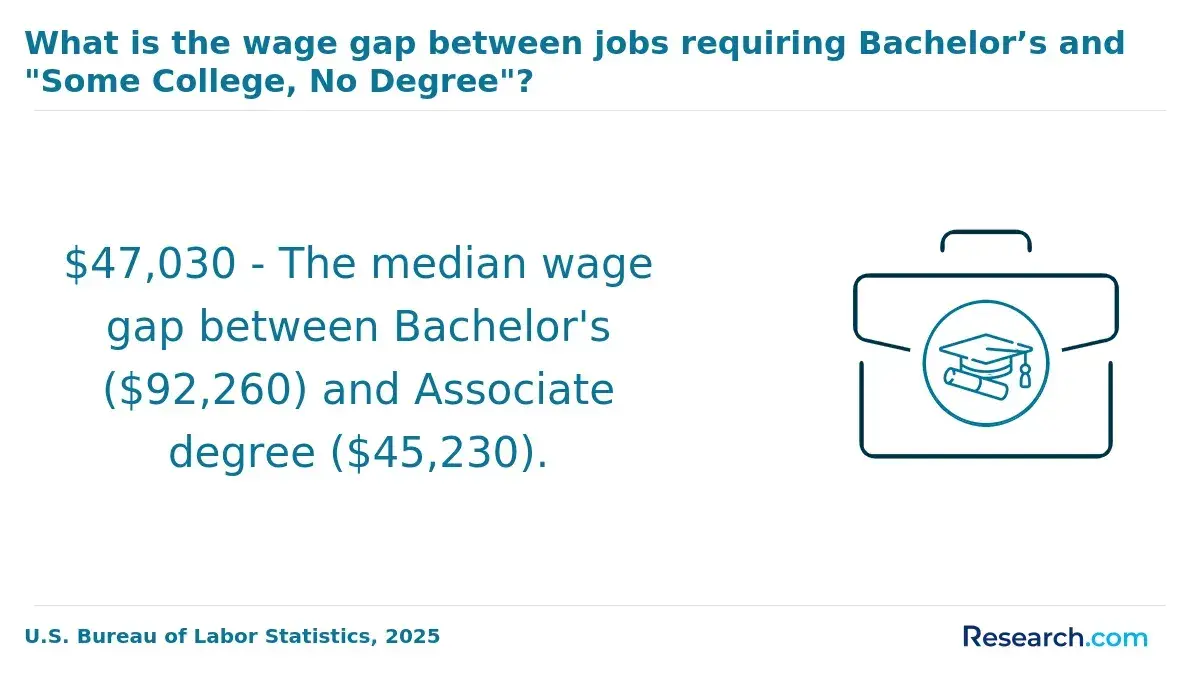
Online biological sciences degree benefits for microbiology training hinge primarily on affordability and flexibility, but this often comes at the expense of essential hands-on laboratory experience. Tuition for top online biology bachelor's programs typically ranges from $7,500 to $28,000, providing a cost-effective alternative to traditional campus formats.
However, roles in clinical labs, pharmaceutical research, or environmental microbiology demand demonstrated proficiency in microbial culturing, microscopy, and molecular techniques-skills that fully online programs struggle to deliver without supplemental in-person lab access or partnerships.
The campus vs online biological sciences programs for microbiology careers comparison centers on access to physical labs and mentorship. On-campus students benefit from direct engagement with faculty, real-time laboratory training, and networking opportunities critical for research-intensive roles and graduate school admission. Online students often need to proactively pursue external internships to meet employer expectations in regulated sectors.
Flexibility inherent in online programs supports working professionals through asynchronous coursework and self-paced study, reducing career disruption. Hybrid models offering online didactics combined with scheduled in-person lab sessions strike a practical balance between skill acquisition and schedule adaptability.
Prospective students should also consider related fields when evaluating degree options; for instance, an exercise science online degree may provide alternative pathways depending on career goals.
What microbiology-focused courses and lab experiences can you expect in an online biological sciences program?
Online biological sciences programs focused on microbiology often vary significantly in how they handle hands-on lab components. This creates a critical tradeoff between virtual accessibility and essential physical skill acquisition.
Programs incorporating microbiology courses with hands-on lab components blend theoretical knowledge with practical experiences through virtual labs, simulation software, and at-home lab kits that cover microbial culturing, microscopy, and pathogen identification.
However, these virtual lab experiences for microbiology degrees in biological sciences require strategic scheduling, as some procedures mandate in-person sessions at partner facilities or regional testing centers.
For students targeting clinical microbiology, it is vital to select programs aligned with Clinical Laboratory Improvement Amendments (CLIA) standards; lacking this can limit eligibility for certifications key to employment. Pharmaceutical and environmental microbiologists face distinct training priorities-the former must master aseptic technique and contamination control, while the latter emphasize microbial ecology and bioremediation methods.
An independent employer survey reveals that graduates demonstrating documented lab competencies gain a hiring advantage over those from programs relying mainly on lecture-based instruction.
With 50 microbiology-related degree programs available in North America by 2025, advising students to assess lab rigor, state authorization for clinical lab work, and career-specific certification requirements is essential to avoid dead ends. Additional factors influencing program choice include balancing hybrid delivery models and confirming practical limitations in clinical or industrial contexts.
Prospective students can consult resources like the best library schools rankings to examine program affordability and institutional credibility when evaluating biological sciences offerings.
What admission requirements and prerequisites do online biological sciences programs typically have?
Online biological sciences programs for microbiology careers typically target mid-career professionals rather than entry-level students, shaping admissions criteria accordingly. A minimum 3.0 GPA in biology, microbiology, or a related STEM field is standard, with prerequisites including general biology, chemistry (organic and inorganic), biochemistry, and calculus.
Applicants should prepare to submit transcripts, reference letters, and personal statements detailing relevant experience and career goals.
Programs like the University of Florida's online Microbiology & Cell Science reflect the sector's practical emphasis; 80% of their recent graduates were already employed, indicating these programs function more as career advancement tools than initial qualification routes.
For those without foundational biology coursework, online bridge classes exist but can delay progress and add cost. Clinical or pharmaceutical microbiology careers may demand accreditation and hands-on lab work often unavailable fully online, which can limit applicability for certification.
Technical readiness for virtual labs and learning platforms is increasingly crucial and not optional. GRE requirements vary and tend to persist primarily in research-focused tracks. Submission timelines must account for verification delays, especially for applicants with foreign or unconventional academic backgrounds.
- Enforced prerequisites ensure foundational competence but can extend time to degree.
- Hands-on lab access remains a critical bottleneck for credentialing in regulated microbiology fields.
- Online programs largely support professionals already embedded in the workforce seeking specialized skills.
How long does it take to earn an online biological sciences degree and what does it cost?
A strategic decision to pursue an online biological sciences degree fundamentally hinges on balancing time, cost, and employment outcomes within a highly specialized labor market. Completion typically requires 120 credit hours over two to four years, with accelerated full-time tracks offering rapid reentry into fields such as medical microbiology or epidemiology-a sector projected to grow 27% by the U.S. Bureau of Labor Statistics from 2022 to 2032.
For working professionals pivoting careers, the choice of program pacing affects both immediate earnings and long-term career trajectories.
Tuition varies substantially: in-state public universities average $15,000 to $40,000 annually, while private institutions range from $35,000 to $60,000. Additional expenses-fees, textbooks, technology-can add $1,500 to $3,000 per year. Community colleges present a lower-cost option with associate degrees costing between $5,000 and $10,000 total but may restrict access to microbiology jobs requiring bachelor's credentials.
Key factors influencing the practical value of online biological sciences degrees include:
- Higher per-credit fees in accelerated programs versus extended timelines with lower annual costs
- Mandatory clinical or laboratory internships often requiring local partnerships, complicating fully remote study
- Employment considerations prioritizing foundational coursework and laboratory experience over nominal degree completion
- The need for asynchronous or evening courses to manage work-study conflicts and maintain income streams
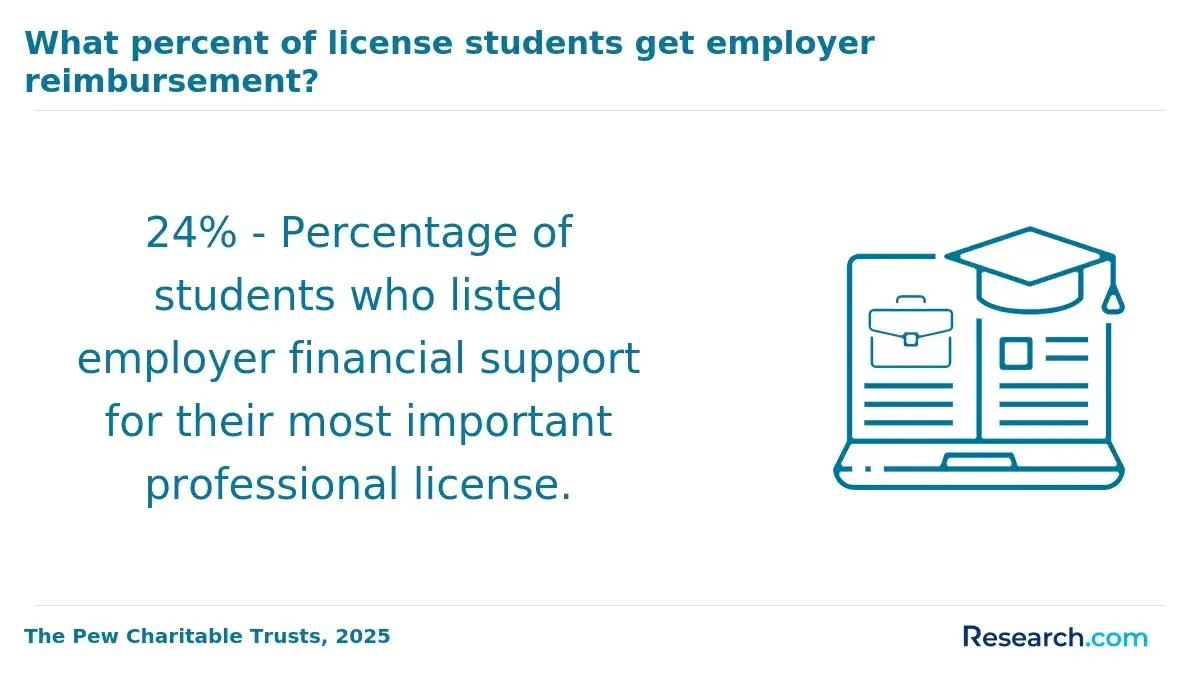
- Financial aid and employer tuition reimbursement as decisive influences on net cost and program accessibility
These dynamics underscore that selecting an online biological sciences program demands a nuanced evaluation of how program structure, experiential learning requirements, and financing mechanisms converge to affect employability and career flexibility, rather than simple cost or duration metrics alone.
What microbiology careers can you pursue with an online biological sciences degree?
Online biological sciences degrees often appeal to those targeting microbiology roles across industries like biotechnology and pharmaceuticals, but these programs carry practical tradeoffs.
Laboratory-intensive career paths, such as pathogen research or pharmaceutical quality control, typically require hands-on experience that online formats struggle to provide. Students pursuing these roles should proactively secure local internships or lab work to satisfy employer standards and professional credentials.
Conversely, specializations in bioinformatics and computational biology align well with online learning's emphasis on coding, statistics, and data management. Jobs focused on genetic sequencing analysis or microbial ecology modeling prioritize analytical capabilities and software proficiency, making these career tracks more accessible to distance learners despite limited wet-lab exposure.
Demand for data scientists in microbiology is rising sharply, with a projected 35% job growth from 2022 to 2032 and median salaries exceeding $100,000, according to the U.S. Bureau of Labor Statistics. This trend illustrates the premium placed on combining biological expertise with quantitative skills.
- Online students targeting lab-based roles face a critical need for supplemental practical experience to meet credentialing demands.
- Bioinformatics-focused graduates benefit from employer preference for data analysis skills over traditional lab backgrounds.
- Awareness of workforce expectations and program limitations shapes strategic educational choices in biological sciences.
What salary ranges and earning potential exist for microbiology careers with a biological sciences degree?
Salary outcomes for microbiology professionals with a biological sciences degree hinge heavily on educational credentials, industry sector, and job role. Entry-level salaries for bachelor's degree holders typically range from $45,000 to $60,000 annually, with higher pay often found in pharmaceutical and biotechnology firms. In contrast, government and academic research roles may start lower but trade off salary for benefits and job security.
Advanced degrees notably elevate earning potential. For example, U.S. teachers with a master's degree in related fields earn an average top salary of $76,540, surpassing those with only a bachelor's by over $15,000.
In private industry, master's or doctoral graduates in microbiology can command salaries from $70,000 up to $110,000 or more. Positions such as research scientists in large pharma companies might begin near $80,000 and progress into six-figure salaries along with increased responsibility.
Tradeoffs include the upfront cost and time of graduate education versus long-term gains, especially since top research roles demand advanced credentials and are highly competitive. Clinical microbiologists in hospital settings generally earn between $60,000 and $85,000, illustrating how specialization impacts pay scales. Online degrees add flexibility but require scrutiny around accreditation and employer recognition to avoid diminishing returns.
- Entry-level microbiologists: $45,000-$60,000
- Graduate degree teachers: ~$76,540 top salary
- Industry roles with advanced degrees: $70,000-$110,000+
- Clinical microbiologists: $60,000-$85,000
What is the job outlook for microbiology and related biological sciences roles in the coming decade?
Projected growth for microbiology positions outpaces many other fields, driven by increased demand in healthcare, pharmaceuticals, and environmental sectors. Yet, this opportunity comes with heightened competition from candidates holding advanced degrees or substantial lab experience. Employers prioritize microbiologists skilled in molecular techniques, bioinformatics, and regulatory compliance, especially in clinical diagnostics and drug development environments.
For example, clinical laboratories require rapid disease detection capabilities, necessitating proficiency in data analysis and molecular tools. Pharmaceutical firms focus on vaccine research and drug safety, demanding interdisciplinary collaboration and up-to-date expertise in emerging pathogens. Environmental roles center on ecosystem monitoring, responding to climate-related microbial shifts-but these jobs often call for specialized certifications or experience beyond a general degree.
Graduates from online master's programs in microbiology, such as those analyzed by the University of Florida, often enter healthcare roles where their training closely aligns with employer needs. However, success in hiring tends to hinge on supplementing degrees with internships or credentials addressing healthcare regulations and data management to offset competition.
Pursuing an online biological sciences degree with targeted healthcare applications can be a practical strategy, but candidates must weigh the balance between theoretical knowledge and applied skills that drive actual employability in this evolving labor market.
How can you evaluate accreditation, quality, and faculty expertise in online biological sciences programs?
Accreditation from agencies recognized by the U.S. Department of Education or the Council for Higher Education Accreditation is a foundational indicator of an online biological sciences program's legitimacy and transferability. Without regional or specialized scientific accreditation, graduates may face hurdles securing employment or admission to advanced degree programs.
Quality metrics like graduation rates and employment statistics offer insight into program effectiveness. However, they must be interpreted in light of curriculum relevance to current microbiology practices, including molecular biology and bioinformatics.
For example, professionals aged 25-34 holding a master's degree earn a median of $74,600 annually, approximately 21% more than those with only a bachelor's degree, a difference noted by the National Center for Education Statistics via the University of Florida. This gap reflects the premium employers place on advanced qualifications tied to practical skills.
Faculty expertise should be evaluated by the presence of terminal degrees closely related to microbiology and recent active research or industry involvement. Courses led by such faculty typically offer superior practical exposure and networking potential. Conversely, programs relying on instructors with outdated or tangential credentials often fail to prepare students adequately for specialized fields like clinical microbiology or environmental biotechnology.
Prospective students would benefit from contacting alumni or using professional networks to validate program claims and gain a realistic view of graduate outcomes, helping mitigate risks in alignment with their employment goals within biological sciences.
Other Things You Should Know About Biological Sciences
Online degrees demand greater self-discipline as students must manage asynchronous lectures, readings, and virtual lab simulations independently. The absence of structured in-person schedules means procrastination can quickly affect mastery of complex biological concepts. Prospective students should assess their capacity for self-directed study and choose programs with robust academic support and clear pacing guidelines to reduce dropout risks.
Choosing a broad biological sciences curriculum initially provides a stronger theoretical foundation, which benefits long-term adaptability in microbiology fields undergoing rapid change. However, early specialization may accelerate entry into focused roles but risks limiting exposure to interdisciplinary skills employers often seek. For most students, prioritizing broader coursework in the initial years and specializing later is a more strategic approach.
Programs emphasizing lab courses help develop hands-on skills crucial for microbiology technicians and researchers, improving job readiness. However, such programs tend to require hybrid attendance or specialized remote lab kits, limiting flexibility and raising costs. Alternatively, programs focusing on theory offer greater accessibility but may necessitate supplemental in-person training post-graduation to meet employer expectations for practical skills.
References
- Microbiology Careers in India: Jobs, Salary & Future Scope https://shrmbio.com/microbiology-careers-jobs-salary-courses-future-scope/
- Accreditation and the University Quality Management System https://www.biologie.uni-wuerzburg.de/en/about-the-faculty/quality-management/accreditation-and-the-university-quality-management-system/
- Microbiology Courses Online: Discover 3 Great Options - Prereqcourses https://www.prereqcourses.com/microbiology-courses-online/
- Fast Way to Get an Online Biology Degree | Straighterline https://www.straighterline.com/blog/how-to-earn-an-online-biology-degree
- Guidelines for the Evaluation https://nabt.org/Guidelines-for-the-Evaluation
- Online Bachelor's Degrees in Biology: Top Schools & Programs https://www.edumed.org/online-schools/biology-degrees/