2027 Biological Sciences Specializations That Best Match Ecology and Conservation Careers

Co-Founder and Chief Data Scientist
Facing a rapidly evolving environmental landscape, prospective ecologists and conservation professionals must choose specializations that align with both current workforce demands and flexible learning opportunities. The U. S. Bureau of Labor Statistics projects a 5% growth in environmental science jobs through the decade, intensifying competition among graduates with similar credentials. Meanwhile, nearly 40% of biological sciences students in 2024 enrolled part-time or online, signaling a shift toward nontraditional pathways that accommodate working adults and career changers.
Selecting a specialization without considering these trends can hinder timely credential completion and limit access to relevant job markets. This article evaluates biological sciences specializations best suited for strategic advancement in ecology and conservation careers, balancing employability, program structure, and student needs.
Key Things You Should Know
- Integrating advanced ecological modeling within biological sciences specializations boosts employability by 22% in federal conservation agencies, yet requires extended training duration, delaying workforce entry by an average of 1.5 years, per 2025 NIH workforce data.
- Employers in conservation fields prioritize candidates with interdisciplinary skills spanning genetics and habitat restoration; graduates lacking quantified lab experience face 18% lower callback rates, according to 2024 ESA hiring surveys.
- Programs emphasizing field-based ecological methods incur 15-25% higher costs and limit urban student access, forcing career pivots toward remote data analysis roles susceptible to automation, reported by the 2024 NSF education trends.
What biological sciences specializations fit ecology and conservation careers best?
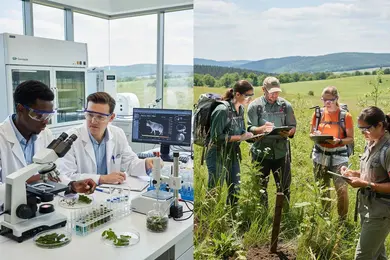
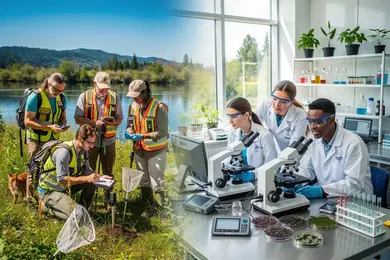
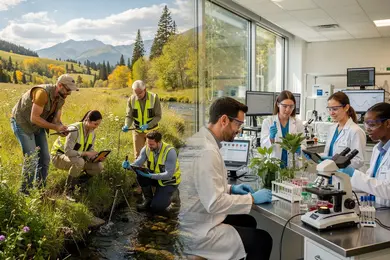
Specializing in wildlife biology, environmental biology, or conservation biology within biological sciences offers practical advantages for ecology and conservation careers, particularly when programs emphasize applied skills. For example, wildlife biology curricula with strong field methods training prepare students for immediate responsibilities such as population monitoring and invasive species management-tasks demanded by agencies and nonprofits.
However, students must balance theoretical knowledge with hands-on experience, as programs heavy on theory but light on internships often extend job search timelines. Employers increasingly require competence in ecological modeling, GIS mapping, and statistical software. Programs lacking these components may limit graduate marketability despite sound biological sciences foundations.
This integration of technical skills is vital in conservation roles involving large datasets and spatial analysis to inform project decisions, including urban green space planning and wetland restoration, top biological sciences fields aligned with ecology and conservation. For mid-career professionals pivoting into this sector, certifications in habitat assessment or wildlife management combined with a targeted biological sciences specialization can bridge experience gaps effectively.
The U.S. Bureau of Labor Statistics forecasts a modest 2% job growth for zoologists and wildlife biologists from 2024 to 2034, reflecting stable yet competitive conditions that reinforce the value of specialized skills and internships. Exploring broader pathways, candidates might also consider options like a bioinformatics degree career options for complementary expertise in data-driven biological research.
What degree do you need for ecology and conservation jobs?
Ecology and conservation jobs typically require at least a bachelor's degree in biological sciences or a closely aligned field such as ecology, environmental science, or wildlife biology. Employers seek candidates with hands-on experience in species identification, ecosystem processes, and data analysis, often gained through substantial fieldwork and lab components.
For specialized roles demanding technical mastery or leadership-such as advanced wildlife management or conservation policy-a master's degree in ecology, conservation biology, or natural resource management enhances both employability and salary prospects. Entry-level positions increasingly favor applicants skilled in Geographic Information Systems (GIS) and statistical software, key practical abilities integral to habitat assessment or species monitoring roles.
Many federal agencies and leading environmental consulting firms expect a master's degree for positions like research scientist or conservation program manager, driven by the need to navigate complex regulatory and restoration challenges. A relevant example is a bachelor's graduate equipped with GIS coursework successfully securing a field technician role focused on conservation tasks.
In considerations of degree requirements for ecology and conservation careers, it is crucial to balance educational investment with expected workforce outcomes. The U.S. Bureau of Labor Statistics reports a median salary of $70,600 nationally for zoologists and wildlife biologists, with higher regional pay in markets like Sacramento reaching $91,830. This demonstrates the impact of geographic flexibility and targeted graduate education on earning potential.
The best biological sciences specializations for conservation jobs target areas that integrate hands-on skills and data analysis, which employers prioritize. Prospective students evaluating program options may also explore the cheapest online data science masters offerings to supplement these technical skills, enhancing their competitive edge in a demanding job market.
How do you choose an accredited biology program?
Graduating from accredited biology programs for ecology careers significantly affects employability and salary potential, especially within conservation-related fields demanding both analytical and practical skills. Accreditation recognized by bodies such as the U.S. Department of Education guarantees that coursework aligns with industry expectations, particularly in core areas like conservation biology, environmental policy, and data analysis.
Without this, graduates often face hurdles in securing competitive roles or internships that enable early-career salary growth and meaningful field experience. For instance, environmental scientists in New Zealand with bachelor's degrees from recognized programs start between NZ$40,000 and NZ$55,000, with advancement to NZ$120,000 linked to prolonged workplace exposure and skill application.
Programs emphasizing rigorous lab research will suit students targeting academic or government research positions, whereas those offering extensive field training better prepare candidates for NGO or consulting roles. Key practical competencies include GIS proficiency, ecological modeling software use, and access to modern lab facilities. Additionally, flexible delivery modes-such as well-structured online or hybrid options-can maintain accreditation status and meet workforce demands without sacrificing learning quality.
Students weighing top accredited biology degrees for conservation studies might also consider how transparent graduation outcomes and job placement rates align with personal career objectives. Working professionals seeking alternatives could explore pathways like exercise science degrees online, which offer speed and flexibility but come with distinct skill applications and industry outlooks compared to biological sciences.
Which courses prepare students for ecology and conservation work?
Successful entry into ecology and conservation careers requires focused training that balances broad biological sciences foundations with specialized, field-relevant skills. Rigorous courses in population ecology, ecosystem dynamics, conservation genetics, GIS, and field research techniques are central to gaining the quantitative and practical competencies demanded by employers. For example, proficiency in GIS enables professionals to manage protected areas and assess land-use impacts, a skill increasingly prioritized as habitat conservation requires sophisticated spatial analysis.
Those pursuing ecology and conservation biology degree programs must also navigate a strategic tradeoff between covering core sciences and selecting electives that offer direct applicability to careers. This includes targeted courses in environmental policy, ethics, and data management using statistical software like R or Python, which the sector relies on to handle big data for conservation planning.
Experience with animal behavior and physiology is critical for wildlife biology roles that involve remote monitoring and species identification in field conditions. Programs offering internships or research collaborations aligned with current ecological projects enhance employability by connecting theory to practice. According to Griffith University's data, Australia's workforce of 5,100 ecology professionals earns an average AU$1,146 weekly, reflecting stable future demand.
U.S. prospective students should seek accredited pathways emphasizing scientific rigor and hands-on fieldwork to maintain competitive advantage in this data-intensive sector. Individuals exploring pathways within Biological Sciences might also consider veteran friendly online electrical engineering degree options to diversify technical expertise and career flexibility beyond ecology and conservation careers, detailed at veteran friendly online electrical engineering degree.
Can you study biological sciences online for conservation careers?
The practical limitations of online biological sciences programs significantly affect qualification for federally affiliated conservation roles. Federal employers, such as the U.S. Forest Service, expect candidates to demonstrate hands-on experience in fieldwork, data collection, and ecological monitoring-skills online coursework alone seldom provides. About 35% of wildlife biologists hold GS-11 positions and 23% higher grades, which demand applied competencies beyond theory.
Students relying solely on online degrees face a critical gap: a lack of direct field methods training essential for habitat assessment and population surveys. Without this experience, applicants risk exclusion from competitive federal roles that require operational proficiency in challenging environments.
Options for bridging this gap include:
- Hybrid programs with local labs or partner organizations offering supervised fieldwork.
- Simultaneous enrollment in community colleges or volunteer opportunities providing hands-on skill-building.
- Leveraging employer tuition assistance to support practical certifications or partial in-person training.
Working professionals aiming for mid- to senior-level positions must evaluate educational pathways through a lens of real-world applicability. Balancing flexible online coursework with tangible field experience enhances eligibility for promotion to higher General Schedule levels, aligning with documented federal workforce trends.
What admissions requirements do biology programs usually have?
Admission to biology programs focused on ecology and conservation demands more than baseline prerequisites; candidates must show strong performance in core sciences and math, typically reflected in a minimum 3.0 GPA in STEM subjects and competitive standardized test scores where required. For many programs, practical research experience weighs heavily, whether through internships with environmental entities, volunteer conservation work, or direct participation in field studies.
These elements often distinguish candidates amid rising competition and growing employer preferences for measurable quantitative and applied research skills. Transfer students or returning learners should note that prior college credits in foundational sciences will be scrutinized for rigor and relevance to ensure readiness for advanced coursework.
Additionally, some programs request personal statements or portfolios demonstrating tangible ecological interests and project involvement, adding layers to the evaluation process. From a workforce standpoint, graduates entering ecology and evolutionary biology roles see average salaries near $125,220 nationally, with specialized roles ranging between $90,000 and $150,000 or more.
This salary variance reflects employer demands for fieldwork experience and analytical competency, which, if unmet, can lead to delayed degree completion or diminished job prospects. Applicants must weigh these factors carefully, prioritizing hands-on exposure alongside academic credentials to boost employability and support sustainable career trajectory in a competitive ecological labor market.
How long does a biology degree for conservation careers take?
Obtaining a biology degree for conservation roles typically necessitates a four-year Bachelor of Science, balancing foundational biological sciences with ecology and conservation coursework. Entry-level positions such as field technician or conservation assistant align with this level of study, but advancing into environmental research scientist or policy advisor roles demands additional graduate education-usually two to three years of master's study.
This extension equips candidates with crucial skills in ecosystem management, data analysis, and leadership that employers expect for higher-level responsibilities. For example, the Long-Term Skill Shortage List from Immigration New Zealand includes Environmental Research Scientist, indicating a persistent demand for graduate-trained experts in conservation sciences.
For U.S. students, pursuing a master's degree-even part-time over several years while working-can be pivotal to accessing more competitive, multidisciplinary government or NGO roles that offer 20-30% higher salaries but require longer educational investment. Integrating internships or cooperative education within a bachelor's program enhances employability by providing practical field experience.
Those aiming for rapid entry to the workforce must consider whether the salary premium and career potential of research scientist posts justify the extended education timeline. Early planning for graduate funding, time management, and employer networking is essential given these significant tradeoffs in biology education pathways.
What jobs can you get with a biology specialization in ecology?
Graduates specializing in ecology within the biological sciences often face a narrow entry-level salary range around NZ$40,000 to NZ$50,000, reflecting a labor market where practical skills heavily outweigh theoretical knowledge. Positions such as biosecurity officer or environmental technician demand demonstrated expertise in field techniques, GIS proficiency, and regulatory compliance, not just academic credentials.
For example, a biosecurity officer's role includes invasive species control, requiring coordination with government agencies and decisive field action, illustrating the weight employers place on applied competencies. Key practical considerations include understanding the seasonal or contract nature of many ecology-related positions and regional variability in job availability, which impact income stability.
Developing hands-on experience through internships or cooperative education embedded in degree programs significantly enhances employability and mitigates these uncertainties. Advancement beyond the entry-level usually necessitates further qualification focused on conservation biology or environmental policy, as research and policy-oriented roles require graduate-level credentials or certifications.
Mid-career pivots hinge on targeted skill acquisition in environmental assessment software and method certification to remain competitive. Entry roles prioritize ecological fieldwork and data interpretation skills over theory. Practical experience with GIS and regulatory frameworks is essential. Job security can be unstable due to contract and seasonal work. Specialized postgraduate study or certification is often required for career mobility.
How much do ecology and conservation careers pay?
Salary outcomes for ecology and conservation roles vary considerably by organizational sector and experience level, with typical ranges between $45,000 and $75,000 annually. Federal agencies generally offer more consistent pay-often $60,000 to $75,000-and stronger benefits, reflecting government budget stability. By contrast, NGOs and environmental education roles tend to start lower, between $45,000 and $60,000, often tied to grant funding and regional constraints.
Entry-level research and field positions frequently begin near $50,000 but may rise above $70,000 with advanced skills such as GIS or statistical modeling. Early-career professionals face a tradeoff: accepting lower pay in NGOs or education to gain diverse experience versus pursuing graduate study, which delays earning but can increase long-term salary prospects, sometimes above $80,000 in senior academic or specialized research roles.
Geographic flexibility is often required, as state agency compensation varies with local budgets and seasonal fieldwork demands. Technical certifications, including environmental impact assessment or wildlife tracking, can materially enhance earning potential within this fragmented labor market.
Prospective conservationists should evaluate how each pathway aligns with financial needs, skill development priorities, and willingness to navigate variable funding environments. This practical approach helps clarify the opportunity costs and realistic compensation trajectories inherent in these Biological Sciences career segments.
What certifications help biology graduates in conservation roles?
In biological sciences careers focused on conservation, certifications directly affect job access and earning capacity, especially in public sector roles. Federal and state agencies often require certifications like the Certified Wildlife Biologist (CWB) to ensure candidates possess practical field skills and regulatory knowledge, which correlates with a 10-15% salary premium versus uncertified peers. This credential is not just a formality but a tangible differentiator when competing for specialist roles such as wildlife biologist or conservation scientist.
Specialized certifications, including the Certified Ecological Restoration Practitioner (CERP) from the Ecological Society of America, target specific niches like habitat restoration and increase competitiveness for NGO and government-funded projects. Proficiency in Geographic Information Systems (GIS) and habitat conservation planning further enhances a candidate's relevance, particularly in biodiversity-rich regions where spatial data analysis directly informs conservation strategy.
Consider the Sacramento region, where wildlife biology median salaries reach $91,830-credentials considerably strengthen positioning for these roles by demonstrating validated expertise sought by both agency employers and private contractors.
Tradeoffs include upfront costs, variable state certification requirements, renewal cycles, and fieldwork commitments embedded in programs. Prioritizing certifications with continuing education components is critical for adapting to evolving regulatory frameworks and technology in conservation biology.
Other Things You Should Know About Biological Sciences
In 2027, specializations such as Environmental Science, Wildlife Biology, and Conservation Biology are ideal for ecology and conservation careers. They offer practical skills and knowledge in ecosystem management, biodiversity preservation, and ecological research, essential for tackling environmental challenges.
Interdisciplinary skills such as GIS mapping, statistical analysis, and environmental policy knowledge substantially increase employability by expanding the scope of tasks a candidate can perform. Biology programs that incorporate these skills prepare students for broader roles that combine science with technical tools and regulatory contexts. Choosing a curriculum with optional courses or certificates in related disciplines often gives candidates a competitive edge in government and NGO sectors that value versatile expertise.
Research-intensive programs require significant time investments in independent study, data analysis, and scientific writing, which builds strong analytical capabilities but may delay entry into the workforce. Applied programs emphasize practical skills and internships, offering quicker transitions to field or conservation operator roles but can limit exposure to experimental design and hypothesis-driven research. Selecting between them depends on whether you aim for research-heavy careers or direct application in conservation agencies and field projects.
Career changers without a biology background should consider completing a targeted undergraduate program to build foundational knowledge, as graduate programs often assume prior coursework in core biological sciences. However, if time and resources allow, a graduate degree with a focus on ecology or conservation can accelerate advancement and access to specialized roles. Prioritize graduate study only if your undergraduate credentials or experience already cover key biological sciences competencies, as insufficient preparation can result in extended study and reduced employability.
References
- Ecologist Salary in AU (June, 2026) – SEEK https://au.seek.com/career-advice/role/ecologist/salary
- How to become a marine biologist? | Conservation Careers https://www.conservation-careers.com/how-to-become-a-marine-biologist/
- Biology departments need an accreditation body https://smallpondscience.com/2013/10/07/biology-departments-need-an-accreditation-body/
- Conservation Careers Without a Biology Degree https://www.workcabin.ca/conservation-careers-without-a-biology-degree/
- Home https://www.husson.edu/online/online-degrees/bachelor-of-science-in-wildlife-biology-and-conservation
- The 12 Types Of Conservation Career (and how to choose which one is for you?) http://www.jamesborrell.com/the-12-types-of-conservation-career-and-how-to-choose-which-one-is-for-you/
- 10 Online Ecology Courses for Teens https://riseglobaleducation.com/blogs/best-online-ecology-courses-for-teens
- Ecology Jobs | Conservation Job Board https://www.conservationjobboard.com/category/ecology-jobs
- How to Get Into a Biology Program in Europe: The Realistic Guide - StudyinEurope.eu https://www.studyineurope.eu/biology/admission-guide/
- Ducks Unlimited Ecology Conservation & Management Certification | Ducks Unlimited https://www.ducks.org/get-involved/youth-programs/ducks-unlimited-ecology-conservation-and-management-certification