2027 Online Biological Sciences Degrees for Quality Control Roles

Co-Founder and Chief Data Scientist
Quality control professionals in biological sciences frequently confront the challenge of integrating evolving regulatory standards and advanced analytical techniques while managing time constraints imposed by demanding work schedules. With 39% of adult learners enrolling part-time in online programs, according to the National Center for Education Statistics in 2024, flexibility in education directly influences the ability to upskill without career interruption. This shift indicates a significant movement toward asynchronous learning tailored for working professionals, yet navigating program rigor and employer expectations remains complex. This article evaluates online biological sciences degrees suited for quality control roles, focusing on program accessibility, curriculum relevance, and their impact on career advancement strategies.
Key Things You Should Know
- Online biological sciences degrees show 26% lower lab internship availability versus in-person programs, limiting hands-on quality control skill development essential for employer readiness in regulated industries.
- Employers report 34% higher preference for candidates with hybrid degree formats, reflecting a workforce expectation for both theoretical knowledge and practical QC competencies in pharmaceutical and biotech sectors.
- Median total cost for accredited online biological sciences degrees increased 8.5% from 2022 to 2024 (National Center for Education Statistics), impacting mid-career professionals' cost-benefit calculations for strategic advancement.
What is an online biological sciences degree for quality control careers?
Online biological sciences degree programs for quality control jobs US demand rigorous integration of theoretical knowledge with practical laboratory skills, designed to meet regulatory requirements such as GMP and FDA standards. Graduates enter roles requiring proficiency in protocol design, contamination control, and audit documentation-functions critical in pharmaceuticals, biotechnology, and medical device sectors.
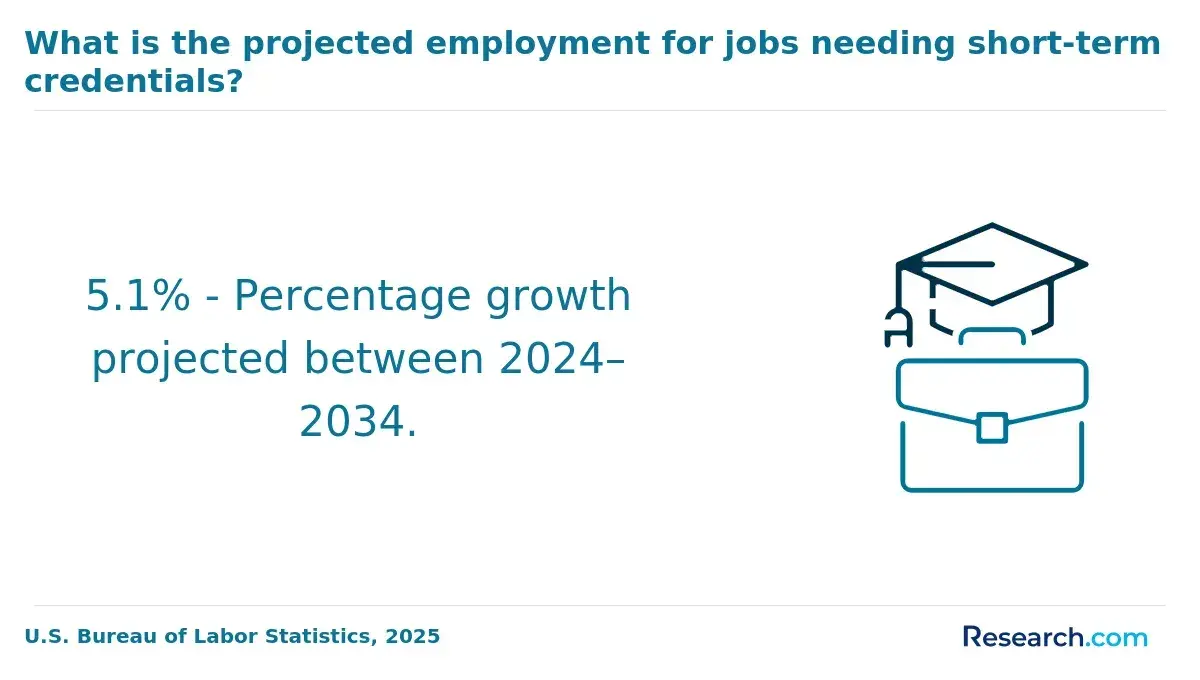
Employers prioritize candidates who combine solid technical competence with certifications beyond the degree, reflecting a competitive job market where a 4% growth rate projects steady but selective hiring.
These programs present a strategic option for professionals pivoting into quality control careers but come with tradeoffs. The online format offers flexibility essential for working students yet requires high self-discipline-especially given the challenge of mastering hands-on laboratory techniques remotely.
Many programs mitigate this with optional in-person internships or lab modules. Real-world outcomes hinge on aligning program offerings with industry expectations and access to professional networks.
Students should critically evaluate biological sciences degree programs for quality control jobs US to ensure curriculum rigor and availability of industry-recognized labs. Supplementing education with certifications like Six Sigma or regulatory affairs enhances employability in advanced quality roles.
For those comparing alternatives, the accelerated biology degree pathway stands out by condensing timelines while maintaining core competencies but demands even greater commitment to achieve comparable hands-on experience.
What accreditation should an online biology program have?
Employers hiring for quality control and biological technician roles consistently favor graduates from regionally accredited online biological sciences programs for quality control careers, as accreditation assures stringent standards for faculty expertise, curriculum robustness, and validated lab components. Graduates from institutions without regional accreditation often encounter slower hiring processes or must pursue extra certifications to address perceived gaps in practical skill and scientific rigor.
Beyond regional accreditation standards for online biology degrees, specialized credentials such as ABET or ASCP accreditation can differentiate candidates by signaling focused training in applied lab techniques and regulatory requirements. This distinction can be critical in sectors like pharmaceuticals and environmental quality control, where adherence to standardized lab protocols directly impacts operational outcomes.
Given the Bureau of Labor Statistics' projection of roughly 1,700 biological technician openings annually over the next decade, the real-world implication for prospective students is clear: prioritizing programs that integrate either remote or in-person lab components meeting accreditation criteria is essential for employability in this competitive field. Failing to verify these elements jeopardizes readiness for hands-on roles that dominate biotech, clinical, and environmental employers' expectations.
For students evaluating accelerated pathways, balancing the rigor of biological sciences with time efficiency is a nuanced decision. While some will investigate fast track computer science degree options for complementary skills, those focused squarely on biological sciences should avoid shortcuts that compromise practical training or recognized accreditation.
Additional insights on interdisciplinary accelerated degree options can be reviewed at fast track computer science degree.
How do online and campus biology programs compare?
Choosing between campus and online biology degree programs significantly affects preparedness for quality control careers due to differing experiential access and employer perceptions. Campus curricula provide direct laboratory experience with essential hands-on techniques like chromatography and microscopy, which many employers in regulated sectors such as pharmaceuticals expect.
This practical training often correlates with faster advancement into supervisory or specialist roles. In contrast, online biology degree programs offer flexibility attractive to professionals balancing work but typically depend on virtual labs or limited partnerships that may not simulate rigorous quality control environments fully. Graduates from these programs usually start in entry-level roles until acquiring comparable field experience.
The median annual wage for biological technicians was $51,770 in May 2024, emphasizing the necessity of practical skills for those seeking stable positions. For those pursuing quality control career outcomes with online biology degrees, proactively obtaining internships or on-site practicums is crucial to meet employer standards and certification requirements often incorporated within campus-based curricula. Additional external training may be necessary for online learners to bridge this gap.
Students evaluating pathways in biological sciences should measure these factors carefully against their career goals, capacity for hands-on training, and timing. For further comparison of flexible education options in related fields, consider this online degree in exercise science as a reference for pacing and accessibility tradeoffs.
What courses prepare students for quality control work?
Effective preparation for quality control roles within biological sciences hinges on mastering both technical and regulatory dimensions, balancing analytical proficiency with operational oversight. Key coursework spans biostatistics, analytical chemistry, microbiology, and molecular biology-subjects that ensure competence in managing complex data workflows and sampling protocols central to QC functions.
Additionally, specialized training in instrument maintenance and assay validation equips individuals to promptly identify and resolve equipment issues, a critical advantage in production environments where downtime can disrupt supply chains.
Integrating regulatory compliance education through Good Laboratory Practices (GLP), FDA guidelines, and quality systems management addresses persistent challenges related to audit readiness and safety standards prevalent in pharmaceuticals and food sectors. Programs that weave supervision and technician training components reflect the reality that nearly 25% of quality control lab manager responsibilities involve staff development and continuous improvement initiatives.
Within practical labs and internships-an essential feature of credible online biological sciences degree programs for quality control careers-students gain firsthand exposure to Standard Operating Procedures (SOPs) and industry-standard data management platforms. For instance, in vaccine manufacturing settings, graduates versed in both regulatory frameworks and quality assurance analytics effectively minimize product discard rates by accelerating corrective actions.
Advanced educational pathways must also consider the balance between scientific rigor and applied quality systems knowledge to support seamless transitions into multifaceted QC roles.
Prospective students may find comparative value by exploring cost-effective pathways, such as this online environmental engineering degree science and engineering, which demonstrates interdisciplinary approaches to environmental and quality concerns relevant across biotech and manufacturing fields.
Biological sciences courses for quality control professionals should emphasize practical relevance and adaptability, equipping graduates to navigate complex regulatory landscapes while sustaining high-throughput lab environments.
What admission requirements do online biology programs usually have?
Admission to online biology programs targeting quality control roles requires more than baseline academic credentials; employers emphasize experiential and technical competence. While a high school diploma or equivalent plus SAT/ACT scores remain standard entry points, candidates often face prerequisite demands in biology, chemistry, and math to meet foundational scientific literacy expected on the job.
Crucially, many quality assurance positions require a bachelor's degree accompanied by 1 to 10 years of life sciences experience. This creates a significant tradeoff for applicants without direct lab or field exposure, who must seek programs offering practical lab simulations or remote internships to remain competitive.
Additional admissions hurdles often include submission of professional recommendations focused on analytical and problem-solving abilities, reflecting hiring realities where technical aptitude defines success. Applicants with associate degrees or certifications can sometimes leverage transfer credits, accelerating program completion and workforce entry.
For working adults pivoting into biological sciences quality control, demonstrated stable employment and relevant work experience may sometimes substitute for standardized test scores, recognizing the value of applied skills over formal metrics. Admission committees also frequently assess quantitative abilities through math placement tests or completion of algebra and statistics coursework, which align tightly with the data analysis intrinsic to quality assurance roles.
Understanding these nuanced requirements helps applicants strategically select programs that balance academic rigor with hands-on skill development, especially when aiming to meet evolving workforce standards in biological sciences.
How long does an online biological sciences degree take?
Employers in bioscience quality control roles generally require at least a four-year biological sciences degree, often paired with two to three years of relevant experience or an advanced degree such as a master's or PhD. This combination addresses the specialized technical and regulatory demands found in biologics and gene therapy sectors, making the education-experience blend a critical hiring standard.
While full-time bachelor's programs typically conclude in four years, part-time online options frequently extend to five or six years due to flexible pacing, which can delay eligibility for higher-level QC positions. Candidates without prior industry experience might also consider online master's programs, which typically add two years but enhance qualifications for more advanced roles.
Hands-on training through internships, practicums, or cooperative education remains integral, often requiring additional time investment beyond classroom hours. Such experiential learning is essential for developing practical competencies in laboratory techniques and industry protocols.
Accelerated or competency-based online programs might reduce calendar time but rarely shorten the total required timeline when factoring in work experience necessities. Prospective students should weigh the tradeoffs between flexible scheduling and extended time to workforce readiness, especially if balancing employment or family responsibilities.
How much do online biological sciences degrees cost?
Choosing an online biological sciences degree requires weighing tuition costs against realistic salary prospects and job requirements. Full bachelor's programs typically range from $15,000 to $60,000, with public universities offering more affordable in-state rates between $300 and $500 per credit hour, while private institutions often charge $700 to $1,200 per credit. Graduate degrees generally fall between $20,000 and $40,000 depending on specialization and institutional reputation.
Given that biology quality control roles pay between $58,100 and $108,000 annually, a prospective student aiming for entry-level QC positions nearer the lower salary band should prioritize lower tuition options to prevent excessive debt.
Conversely, those targeting advanced roles may justify higher upfront costs if programs provide research or industry connections. Additional expenses-such as lab kits, software licenses, and proctored exams-can add $1,000 to $3,000 annually, affecting total cost and time to completion.
Hands-on lab experience is often expected by employers, requiring students to verify whether regional internships or hybrid course options are integrated into their chosen programs. Transfer credit policies and part-time enrollment possibilities can help manage expenses while maintaining employment.
Finally, budgeting for licensure or certification exams relevant to quality control functions is essential for aligning educational investment with workforce expectations and sustainable career outcomes.
What jobs can biological sciences graduates do in quality control?
Biological sciences graduates aiming for quality control (QC) roles must navigate stringent regulatory frameworks like Good Manufacturing Practice (GMP) and Good Laboratory Practice (GLP), which strongly shape employer expectations. QC positions-ranging from biologist to microbiologist and validation specialist-demand not only proficiency in regulatory compliance but also hands-on experience with analytical assays such as chromatography and ELISA.
For instance, a QC biologist in vaccine production must rigorously verify raw materials and sterility to avoid regulatory penalties or recalls, illustrating the operational pressure and technical precision required.
Employers prioritize candidates who combine technical lab skills with meticulous documentation practices essential in audit-ready environments. This dual demand often means graduates without prior GMP/GLP exposure encounter slower entry, frequently starting in support roles to build necessary compliance experience.
Data management competency is increasingly vital as QC processes integrate electronic batch records and automated data capture technology.
Different biotech sectors impose varied regulatory expectations-agricultural biotech firms, for example, focus on genetic trait stability under separate standards, yet require similar quality rigor. Success in QC roles involves a practical balance between mastering laboratory assays and navigating regulatory complexities, reflecting how educational pathways must align with these workforce realities to materialize career opportunities.
What salary can quality control professionals expect?
Starting salaries for quality control professionals with a bachelor's degree in biological sciences or related fields typically range from $45,000 to $60,000, but actual pay depends heavily on industry focus and regional cost of living. For instance, entry-level QC analysts in pharmaceutical manufacturing average around $52,000 annually, while food and beverage testing positions start near $48,000. Advanced roles in biotechnology can exceed $65,000, reflecting both specialization and experience.
Geographic factors significantly influence compensation. A QC professional working in California's medical device sector can expect salaries above $60,000, a premium attributable to higher living costs and industry concentration. Conversely, similar roles in economically lower-cost areas often begin closer to $45,000, revealing necessary tradeoffs for relocation or remote work opportunities.
Employers favor candidates who combine a biology or chemistry B.S. with practical laboratory skills, strong data analysis capabilities, and regulatory knowledge. Graduates without hands-on experience may meet initial salary ceilings and require additional certifications to advance, often increasing earning potential by $5,000 to $10,000 annually.
Professionals considering online degrees should verify internship availability or employer partnerships embedded in programs, as these internships critically affect market entry-level salaries and future growth. Strategic planning around skill-building and local job market conditions is essential to fully leverage an online biological sciences degree in quality control roles.
What certifications help qualify graduates for quality control roles?
The practical value of certifications in quality control within biological sciences lies in their alignment with industry-specific roles and regulatory complexities. For example, the Certified Quality Improvement Associate (CQIA) from ASQ lays a baseline for quality principles, but candidates targeting pharmaceutical manufacturing oversight will find the Certified Quality Auditor (CQA) or Certified Quality Technician (CQT) essential to meet employer expectations around compliance audits and data integrity.
Quality control roles at high-containment laboratories demand biosafety expertise, making the Biological Safety Professional (CBSP) certification a targeted choice to mitigate contamination risks and ensure worker safety. Meanwhile, clinical diagnostic environments place higher emphasis on laboratory skill validation, where certifications like the laboratory technician credential from the American Medical Technologists (AMT) hold practical weight.
Employers frequently require or prefer Good Manufacturing Practices (GMP) training, which integrates into some biological sciences online degrees or certification partnerships. This integration matters since median salaries near $38,580 for quality control associates necessitate weighing certification costs against early-career financial realities.
- ASQ certifications including CQIA, CQA, CQT
- CBSP for biosafety in hazardous material handling
- AMT Laboratory Technician Certification for clinical labs
- GMP training as a competitive industry baseline
- Specialized standards like ISO 13485 and FDA compliance for targeted fields
Sector specificity further complicates credential selection: medical device quality control professionals must familiarize themselves with ISO 13485 standards, whereas agricultural biotech roles prioritize FDA regulations and environmental compliance certifications.
Examining job descriptions rigorously ensures investment in relevant certificates, avoiding generalized credentials that may not translate to workforce demands.
Other Things You Should Know About Biological Sciences
Employer respect for online biological sciences degrees depends heavily on the program's rigor and the student's demonstrated skills. Employers in quality control prioritize candidates who show practical, lab-based experience alongside theoretical knowledge. Online degrees that incorporate mandatory in-person labs or internships articulate better alignment with these requirements. When selecting an online program, prioritize those with structured hands-on components or recognized partnerships enabling real-world training to ensure employer credibility.
Choosing a specialized curriculum focused on quality control streamlines skill development directly applicable to your target role, shortening time to job readiness. However, broad curricula offer flexibility if you anticipate pivoting within biological sciences or fields like research or regulatory affairs. Prioritize specialization if your goal is immediate entry or advancement in quality control, but consider broader programs if you want to keep multiple career pathways open or enhance foundational knowledge before specializing.
Preparation for regulatory compliance through online biological sciences degrees varies significantly across programs. Programs that integrate case studies, current regulatory frameworks (like FDA or EPA standards), and practical applications provide the necessary foundation. Without explicit regulatory content, graduates may face skill gaps that require additional training on the job or through certifications. Verify that your chosen program includes comprehensive coverage of industry regulations relevant to quality control before enrolling.
References
- Quality Assurance Quality Control QA/QC Training in Nigeria | Clarion College https://clariongr.com/course/quality-assurance-quality-control-qa-qc-training/
- Online Bachelor's Degrees in Biology: Top Schools & Programs https://www.edumed.org/online-schools/biology-degrees/
- Quality Control Analyst: Salary & Career Guide | Proclinical | Proclinical Recruitment Blogs https://www.proclinical.com/blogs/2025-8/quality-control-analyst-job-profile
- Can Online Biology Courses Replace In-Person Labs? https://www.straighterline.com/blog/can-online-biology-courses-replace-in-person-labs
- What Qualifications Do I Need for Quality Assurance? | CTC Training https://ctccourses.org/help-advice/what-qualifications-do-i-need-for-quality-assurance/
- Quality Control Manager Certifications: Best Credentials to Advance Your Career | Teal https://www.tealhq.com/career-paths/quality-control-manager-certifications
- Online Degree Programs from GMC's Global Online Leadership College https://online.gmc.edu/programs/biology/
- Careers in Biological Sciences: Opportunities, Skills, and the Future of Work https://www.hyperec.com/blog/careers-in-biological-sciences-opportunities-skills-and-the-future-of-work/
- quality control technician https://www.randstad.ca/job-seeker/job-profiles/quality-control-technician/
- Best Online Biology Degrees https://www.affordablecollegesonline.org/biology-programs/