2027 Ecology Roles You Can Target With a Biological Sciences Degree

Co-Founder and Chief Data Scientist
Securing a meaningful ecology role with a biological sciences degree often confronts applicants with tightening employer expectations and shifting educational modalities. The U.S. Department of Education reported that over 40% of degree seekers now favor flexible or fully online programs, underscoring a generational shift toward balancing career mobility and continuous learning.
This trend shapes not only how students access ecological training but also the competencies employers prioritize, such as interdisciplinary data analysis and field adaptability. Job candidates must therefore strategically assess which ecology specializations align with evolving workforce demands and educational structures. This article identifies targeted ecology positions accessible through a biological sciences degree and clarifies how to navigate these evolving professional landscapes effectively.
Key Things You Should Know
- Federal labor data from 2024 shows environmental consultancy roles tied to biological sciences degrees are expanding 16% faster than general ecology jobs, but require intensive GIS and data analysis skills, limiting entry-level accessibility.
- Employers report 62% of biology-based conservation positions now demand interdisciplinary competencies, notably policy and tech proficiency, shifting hiring priorities away from traditional fieldwork expertise.
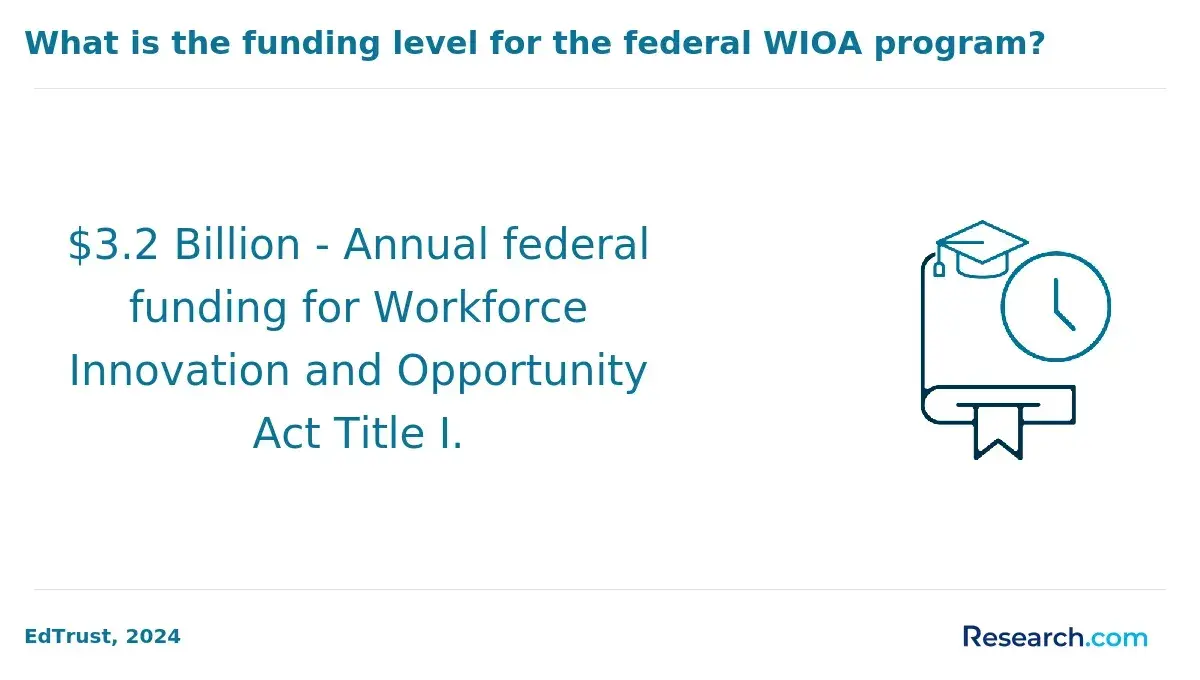
- Public university tuition hikes averaging 9% since 2022 have widened access gaps, forcing many candidates into costlier certificate programs instead of full biology degrees, impacting long-term salary growth and career scalability.
What ecology-focused jobs can you get with a biological sciences degree?
Job opportunities in ecology for biological sciences graduates involve navigating a landscape marked by practical tradeoffs between stability, skill requirements, and income potential. Environmental scientists and specialists often serve as entry points into environmental consulting, where median wages were $80,060 in 2024 with moderate job growth projected. Yet this area demands domain expertise including fieldwork, data analysis, and regulatory compliance knowledge-especially around laws like the Endangered Species Act and Clean Water Act.
Ecological consultants balance these requirements by focusing on habitat restoration and impact assessments, typically needing strong skills in statistical modeling and environmental law. Government roles in this sector provide steadier workloads but often lower pay compared to private consulting, which offers variable intensity and potentially higher earnings.
Wildlife biologists emphasize species monitoring and biodiversity studies involving extensive outdoor fieldwork, while natural resource managers juggle conservation with commercial interests through GIS proficiency and stakeholder communication. Both roles require adaptability and interdisciplinary skills.
Graduates must recognize that many ecology careers with a biological sciences degree favor candidates with graduate credentials or certifications to remain competitive. Field-intensive, entry-level positions frequently involve demanding schedules and travel, so strategic skill development in data science and regulatory frameworks is crucial for sustainable career trajectories. For more nuanced guidance on related career pathways, consider exploring jobs for bioinformatics degree.
Which ecology roles are most in-demand and what is their job outlook?
Ecology jobs with strong employment growth increasingly demand professionals who combine technical prowess with practical field experience. Environmental consultant, wildlife biologist, and ecological researcher roles illustrate this trend, with federal and state agencies emphasizing monitoring species preservation while private firms prioritize impact assessments and regulatory compliance. This divergence creates a practical tradeoff for job seekers: government positions offer stability but slower wage gains, whereas consulting roles provide higher pay alongside project deadlines and travel obligations.
The Bureau of Labor Statistics projects an 8% growth for environmental scientists and specialists through 2032, reflecting expanding regulatory and sustainability pressures. Salary growth supports this, with U.S. ecologists earning an average of $50,369 in 2025, a 4.9% increase from 2024, per the Zippia Ecologist Job Outlook 2026. These figures highlight market value for specialized skills in ecosystem management and environmental data analysis, integral to the most in-demand ecology careers in high demand.
Entry-level roles typically require hands-on experience, often through internships or volunteer work, signaling employer emphasis on applied skills beyond academic credentials. Candidates augmenting biology degrees with certificates in environmental compliance or data analytics stand out in competitive pools. Those aiming to pivot toward data-intensive ecology roles may also consider supplemental programs like MS data science online, which bolster analytical capacities aligned with evolving industry needs.
How much do ecology professionals with a biological sciences degree typically earn?
Ecology professionals holding a biological sciences degree typically face a salary range between $50,000 and $85,000 annually in the U.S., shaped significantly by experience level and employer sector. Entry-level roles in government or nonprofits often begin near $50,000 due to budget limits, while mid-career positions in private consulting or industry sectors generally reach $70,000-$85,000. Salaries above $90,000, predominantly in senior project management or specialized research, usually demand advanced credentials or substantial field experience. This spectrum illustrates the pragmatics behind ecology salaries for biological sciences degree holders, where sector and regional factors create meaningful earning disparities.
Growth trends also influence earning potential. For example, job postings for environmental and wildlife biologists increased by 35% in Canada from 2020 to 2023, a statistic that signals similarly expanding opportunities in the U.S. labor market. However, this demand escalates competition-underscoring the value of internships and practical experience in securing positions near the income ceiling outlined by the average income of ecology professionals with biological sciences backgrounds.
Salary variation closely correlates with sector-specific pay structures: government roles prioritize stability with capped salaries, whereas private environmental consulting or natural resource extraction industries offer higher pay at the cost of greater technical demands and longer hours. Professionals who supplement their biological sciences degree with skills in GIS mapping, data analytics, or environmental policy often navigate faster wage growth and enhanced job security.
Prospective students should carefully evaluate local salary data and employer expectations, as specialization choices and geographic location materially impact financial outcomes. For those considering a strategic educational path, exploring an online degree in exercise science or related interdisciplinary fields can also offer alternative routes to improve employability and income prospects.
What types of ecology specializations can you pursue within biological sciences programs?
Specializations in ecology for biological sciences degrees come with distinct practical demands and workforce implications that shape career outcomes. Choosing conservation ecology confines job prospects largely to government agencies or nonprofits focused on biodiversity protection, which may restrict geographic mobility but provide stable funding environments. Conversely, ecosystem ecology roles emphasize consulting firms analyzing large-scale environmental impacts, often requiring relocation to consulting hubs but offering broader project variety.
For example, wildlife ecology candidates must supplement theoretical knowledge with field sampling and animal behavior experience to satisfy hiring standards in state wildlife departments. Restoration ecology, targeting habitat rehabilitation, aligns with organizations undertaking post-mining or wetland restoration projects, but may involve project-based contracts and fluctuating demand.
These ecology career paths within biological sciences programs consistently demand advanced technical skills like GIS mapping, statistical analysis, and regulatory compliance familiarity, which are essential given federal statutes such as the Clean Water Act or Endangered Species Act. U.S. environmental scientists commanded an average salary of $84,845 in 2024 with top earners surpassing $134,830, but pay varies by specialization and location.
Prospective students should carefully balance specialization interests with market realities and institutional offerings. A strategic approach might include supplementing an ecology concentration with credentials in adjacent fields; for example, investigating a library sciences degree could enhance research and data management capabilities, diversifying career options within biological sciences.
Do you need a graduate degree for advanced ecology careers and research roles?
Most advanced roles in ecology and industrial ecology demand graduate-level credentials due to the specialized technical skills and leadership responsibilities involved. While entry-level positions may only require a bachelor's degree in biological sciences or ecology, senior scientist and policy analyst roles typically expect a master's or doctoral degree. For example, leading sustainability initiatives or conducting lifecycle assessments in industrial ecology generally requires a master's degree or higher because of the applied expertise necessary.
The U.S. industrial ecologist job market is forecasted to grow 6% between 2022 and 2032, resulting in approximately 11,000 openings, including replacements and new positions. This growth will likely increase competition, especially among candidates holding graduate degrees.
Professionals targeting government, academic research, or consulting should recognize that graduate programs provide critical skills in data modeling, experimental design, and regulatory navigation-areas often inadequately covered at the undergraduate level. They also offer essential networking and publication chances that influence career trajectory.
Deciding between a master's and a PhD depends heavily on career objectives: a master's may suffice for mid-management roles, but a PhD is often essential for independent research and academic appointments. However, pursuing advanced degrees entails significant time and financial commitments, and without them, wage growth and leadership opportunities in research remain constrained.
How do online biological sciences programs prepare you for ecology careers compared to campus options?
Online biological sciences programs offer flexible access to core theoretical knowledge via virtual labs, interactive simulations, and data analysis tailored for ecological work. However, these programs rarely provide the immersive, hands-on field experience that employers expect, especially in roles demanding direct ecosystem interaction. For instance, positions within the EU's environmental economy-accounting for 5.1 million jobs or 2.6% of total employment in 2023-require demonstrable skills in both remote data collection and traditional field surveys. Campus-based degrees inherently embed these opportunities, enabling routine access to natural habitats and specialized equipment, accelerating practical competency in biodiversity monitoring or habitat restoration.
Students pursuing online pathways must proactively secure summer internships, local conservation partnerships, or certifications to compensate for limited on-site mentoring and collaborative fieldwork. Employers prioritize documented applied experience, adaptability, and problem-solving over theoretical knowledge alone. This reality creates a tradeoff: online students gain schedule flexibility but must invest significant effort to acquire practical exposure, while campus students sacrifice some flexibility but benefit from integrated, hands-on training.
Deciding between online and campus biological sciences programs hinges on weighing resource constraints and career timelines. Working professionals may leverage online options for flexibility but face the challenge of structuring credible field experiences independently. Meanwhile, campus students experience a more streamlined transition to meeting ecological workforce standards driven by growth in green sectors. Both paths demand deliberate planning beyond coursework to align with employer expectations and workforce realities.
Which accreditation and program quality factors matter most for ecology-focused biology degrees?
Ecology-focused biology degrees deliver tangible career value only when paired with accredited programs emphasizing applied skills and measurable outcomes. Employers in climate tech and environmental research prioritize graduates from programs accredited regionally and by specialized bodies like the Society for Conservation Biology, especially those offering robust fieldwork and integration of GIS and quantitative analysis. For example, climate tech roles-which GoBravvo forecasts to grow 150% by 2030 with senior salaries exceeding $200,000-require hands-on ecological data experience that purely theoretical programs cannot match.
Students should critically evaluate programs based on:
- Transparency in graduate employment rates and research opportunities
- Access to internships or cooperative education with NGOs and government agencies
- Faculty research impact and support in grant acquisition
- Degrees missing these components often compel graduates into costly supplementary certifications or less relevant entry-level jobs.
Programs lacking advanced lab training or real-world ecological projects risk underpreparing students for a workforce rapidly shifting toward environmental solutions and innovation. Prioritizing interdisciplinary curricula that connect ecological expertise with environmental policy or technology boosts employability and salary potential in high-demand green sectors.
What ecology-related courses and lab experiences should your biological sciences major include?
Majors in biological sciences targeting ecology roles must move beyond foundational coursework to meet employer expectations for technical versatility and applied knowledge. Advanced classes in ecosystem ecology, environmental microbiology, and population biology are essential but insufficient without extended lab work that includes field-based ecological surveying, GIS mapping, and quantitative analysis through statistical software.
Soil science and hydrology are non-negotiable prerequisites for candidates interested in ecological restoration or environmental engineering. For instance, environmental engineers earn a median annual wage of $92,120, with the top 10% reaching $144,810, reflecting the premium on specialized expertise in these areas. This highlights a workforce reality: graduates lacking practical exposure to these disciplines risk being confined to entry-level roles with limited upward mobility.
Employers in federal agencies and consulting firms increasingly demand hands-on experience managing large ecological datasets collected under fluctuating field conditions. Demonstrated capability in remote sensing technologies and advanced statistical modeling significantly improves candidacy. Immersive multi-season projects measuring biodiversity or pollutant bioaccumulation sharpen skills needed for regulatory compliance and ecological impact assessment.
Integrating engineering principles with ecological frameworks through interdisciplinary labs navigates tradeoffs between restoration goals and economic feasibility-an often overlooked but critical competency. Strategies emphasizing both rigorous targeted coursework and applied lab experience provide the most reliable alignment between educational investment and workforce outcomes.
How long does it take to complete an ecology-focused biological sciences degree and what does it cost?
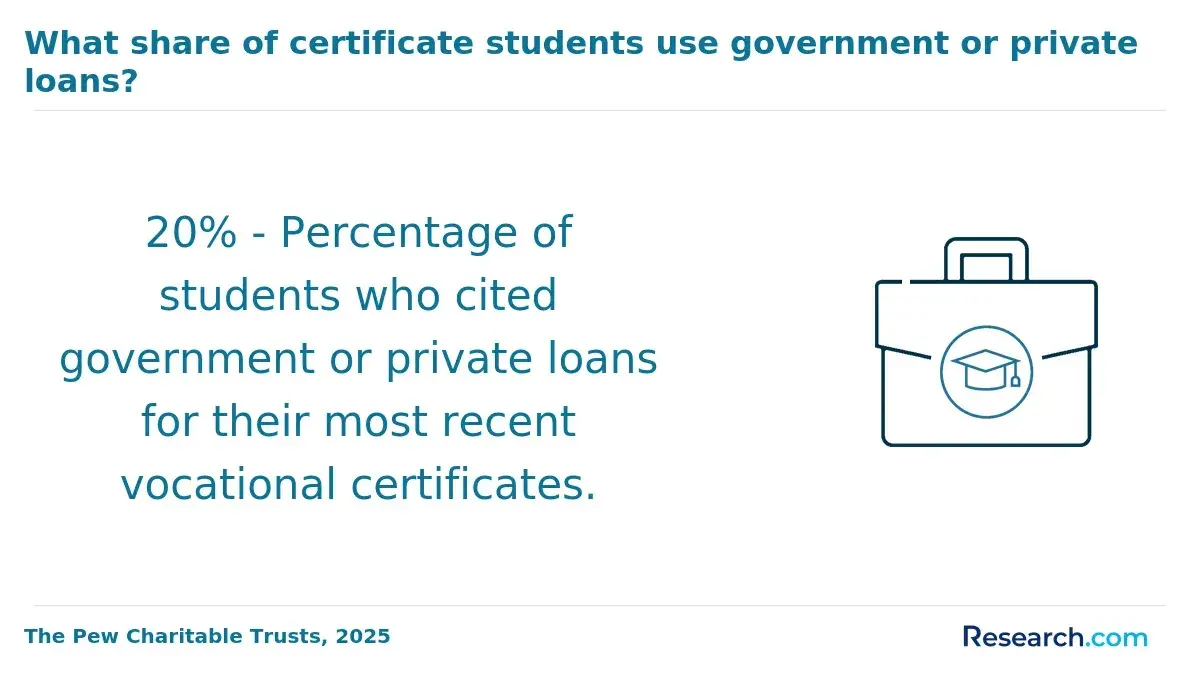
Pursuing an ecology-focused biological sciences bachelor's degree requires a substantial investment of time and money, frequently amounting to four years of full-time study. Public universities typically cost between $10,000 and $15,000 annually for in-state tuition, resulting in total direct tuition expenses from $40,000 to $60,000 before additional fees and living costs. Private institutions often charge over $35,000 yearly, pushing the total tuition cost above $140,000. Community colleges offer lower-cost associate degrees at roughly $3,500 to $7,000 annually, but students must transfer to four-year programs to specialize fully in ecology, increasing both duration and overall expenses.
Students balancing part-time study or employment risk extending completion to five or six years, complicating financial planning and delaying workforce entry. Employers frequently demand relevant fieldwork and laboratory experience alongside coursework, which can stretch program timelines if internships are unpaid or occur outside regular semesters. Financial aid and scholarships may offset some costs but are competitive and inconsistent across institutions.
The median salary for environmental science technicians with biological sciences backgrounds hovers near $51,630 nationally, with the top 10% earning up to $87,730. Wage growth correlates strongly with accumulated expertise in ecological data collection, environmental assessments, and regulatory compliance. Lower-cost educational pathways may limit practical training and networking, factors crucial for employability and long-term salary advancement in ecology-related careers.
What licenses, certifications, or professional memberships support careers in ecology?
Licenses and certifications in the biological sciences field shape career trajectories by directly aligning with employer expectations and regulatory realities. For example, a Professional Wetland Scientist (PWS) certification is not just a credential but a practical requirement for roles involving restoration and compliance with wetland regulations. State permits, such as those issued by the US Fish and Wildlife Service for endangered species handling, often determine eligibility for specific fieldwork positions, highlighting the non-negotiable nature of these permits in certain job roles.
Ecologists pursuing research or consulting might prioritize Certified Ecologist status from the Ecological Society of America as it signals adherence to professional standards that employers value. However, integrating Geographic Information Systems (GIS) certification addresses a growing demand revealed by LinkedIn's 2025 green jobs research: ecological expertise is increasingly intertwined with spatial data analysis, finance, and operations. This intersection requires balancing specialized credentials with broader technical skills.
Professional memberships offer sustained access to sector-specific developments, job listings, and networking, but their direct impact depends on the individual's career focus-for example, consulting versus academic research.
Key considerations for candidates include:
- Prioritizing state permits and PWS certification for environmental consulting roles where regulatory compliance is essential
- Focusing on Certified Ecologist status and advanced GIS for research-oriented careers demanding analytical and mapping expertise
- Complementing ecological credentials with green skills and data certifications to meet evolving market demands
Other Things You Should Know About Biological Sciences
Programs with a heavier emphasis on fieldwork and ecological field methods better prepare graduates for hands-on ecology roles, which often require skills like species identification, habitat assessment, and data collection under variable conditions. Conversely, programs focused mainly on cellular or molecular biology may limit direct field readiness but emphasize laboratory skills. Prospective students should assess curricula and seek programs with balanced field and lab training tailored to specific career goals.
Specialized degrees that concentrate on ecology or environmental biology increase qualification for certain roles but can reduce flexibility if career goals shift. Generalist biological sciences degrees provide broader exposure, enabling a range of ecological and non-ecological jobs but may leave graduates less competitive for positions requiring deep expertise. Prioritize specialization when targeting specific ecology sectors; choose generalist paths if flexibility and broad knowledge are more critical.
Participating in undergraduate research significantly improves employability and graduate school acceptance by demonstrating applied scientific skills and critical thinking. Research experience is particularly important for roles in environmental assessment or conservation biology, where data collection and analysis are daily tasks. Students should actively seek programs and advisors offering meaningful research; merely completing coursework without research can limit practical skill development necessary for advanced positions.
References
- Resources for Undergraduates https://www.sebiology.org/careers/resources-for-undergraduates.html
- Professional Bodies - Green Jobs for Nature https://greenjobsfornature.org/get-that-green-job/links-to-professional-bodies/
- Ecology Jobs: Start Your Career in Ecology with Arbtech - Arbtech https://arbtech.co.uk/ecology-jobs/
- Ecologist Careers: Job Description & Salary Info https://learningpath.org/articles/Ecologist_Career_Info.html
- School of Life Science/Ecology - INTERNATIONAL EUROPEAN UNIVERSITY, POLAND | EUROPE | STUDY IN POLAND | STUDY IN EUROPE | MBBS | GENERAL MEDICINE | BUSINESS | ENGINEERING | IT | EUROPE https://ieu.com.pl/european-school-of-life-sciences/school-of-life-science-ecology/
- Greener Careers https://greenercareers.co.uk/blog/find-your-perfect-ecology-job-in-the-uk
- Jobs in the Ecology Sector https://environmentjob.co.uk/jobs/49-ecology
- How to become an ecologist? | Conservation Careers https://www.conservation-careers.com/how-to-become-an-ecologist/
- Career prospects - Master Ecology and Evolution (Biological Sciences) https://www.uva.nl/shared-content/programmas/en/masters/biological-sciences-ecology-and-evolution/career-prospects/careers.html
- ECOLOGY https://jntataendowment.org/ecology/