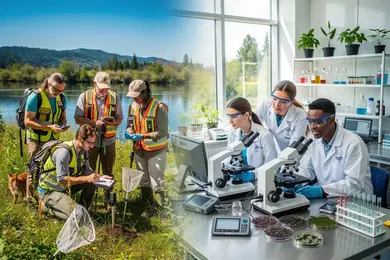
2027 Conservation Roles You Can Target With a Biological Sciences Degree

Co-Founder and Chief Data Scientist
Securing a conservation role that aligns with a biological sciences degree often requires navigating complex job markets and credential expectations, where more than 60% of positions now favor candidates with applied field experience and interdisciplinary skills, according to the U. S. Bureau of Labor Statistics. This preference reflects a broader shift toward integrated environmental management and technological fluency, pressuring students and professionals to carefully select programs that blend scientific expertise with practical conservation methods. Additionally, growing online education enrollment from nontraditional learners indicates rising demand for flexible pathways that accommodate career pivots and ongoing skill development. This article identifies targeted conservation roles accessible with a biological sciences degree, focusing on connecting educational choices to workforce realities and advancement opportunities.
Key Things You Should Know
- Demand for applied biological sciences expertise in conservation agencies grew 12% from 2022 to 2025, yet 40% of job openings require dual skills in data analytics, limiting purely traditional graduates' employability.
- Federal conservation roles increasingly prioritize candidates with interdisciplinary experience, pushing applicants toward research collaborations; this narrows mid-career pivot options, as 62% of employers cite teamwork deficits as a hiring barrier.
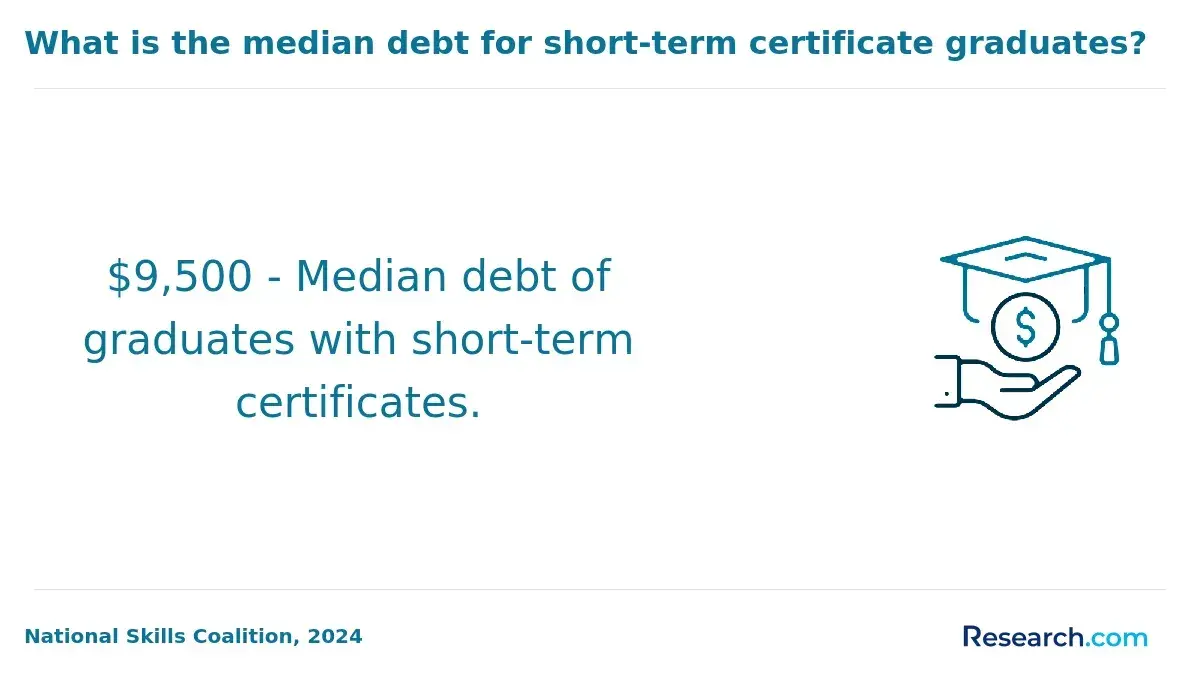
- Certificate programs supplementing biological sciences degrees reduce entry time by up to 25%, but high costs-averaging $4,700 nationally-create access inequities, disproportionately affecting underrepresented groups seeking advanced conservation roles.
What conservation careers can you pursue with a biological sciences degree?
Careers in conservation for biological sciences graduates often require navigating a balance between field demands and technical expertise. For example, conservation scientists and foresters, whose employment is projected to rise by 6% from 2024 to 2034 with approximately 2,000 new positions, must handle assessing land viability and ecosystem preservation while interfacing with government or private stakeholders. Their median salary of $67,950 in 2024 signals a competitive but not exceptional entry point compared to other science roles.
Conservation job opportunities with a biological sciences degree extend to wildlife biologists conducting focused field research and environmental consultants managing impact assessments and regulatory compliance. These roles demand more than foundational ecological knowledge; employers favor applicants with applied skills in GIS, data synthesis, and environmental law, often requiring certifications or graduate education to reach specialized or managerial levels.
Real-world conditions include irregular hours tied to seasonal cycles and physically intensive work environments, particularly in regions with significant public lands or biodiversity. Salary growth usually correlates with technical specialization and leadership responsibilities, making further training crucial for advancement.
Prospective professionals should also consider geographic flexibility and the evolving workforce landscape when evaluating this pathway. For detailed insights on biology careers aligned with these realities, targeted research is advisable.
Which conservation roles are in highest demand for biological science majors?
Positions for zoologists and wildlife biologists represent the highest demand conservation roles for biological science graduates, driven by ongoing investments in habitat restoration and biodiversity monitoring. Median wages reflect this demand, with salaries around $72,860 annually and top earners exceeding $113,350. Practical experience dominates these roles; for example, a biologist at a state wildlife agency might use geographic information systems (GIS) to conduct population viability studies and prepare environmental reports. This hands-on work contrasts with academic positions focused more on laboratory research than field activity.
High demand conservation positions for biological science professionals also include conservation scientists, environmental consultants, and endangered species recovery coordinators. These roles require multidisciplinary skills combining ecology, policy understanding, and stakeholder engagement. Candidates face tradeoffs between government agency jobs offering stability and consulting roles with higher pay but less predictable hours.
Employers prioritize fieldwork capability, strong data analysis, and regulatory compliance knowledge, making internships and cooperative education critical for job placement. To stand out, applicants should pursue advanced training in statistics and GIS. This competitive landscape parallels trends in other STEM areas, where practical skillsets strongly influence outcomes. Interested students might also consider pathways beyond biology, such as an online CS degree, to complement their expertise and increase adaptability in evolving job markets.
- Top conservation careers for biological science graduates
- High demand conservation positions for biological science professionals
What salary ranges and job outlook can you expect in conservation biology?
Salary ranges for conservation biology careers in the United States vary significantly based on role specificity, geography, and employer type. Entry-level positions such as ecological technicians or field biologists typically start between $40,000 and $55,000, while senior conservation scientists and environmental consultants with specialized expertise can earn over $100,000 annually. Mid-range salaries commonly fall between $50,000 and $85,000, though upper-tier roles in federal agencies or private environmental consulting firms may reach six figures.
The job outlook for conservation biologists in North America indicates steady expansion driven by tightening environmental regulations and corporate sustainability initiatives. The U.S. environmental consulting services market, a key employer for conservation biology graduates, is projected to grow from $44.5 billion in 2024 to $55.2 billion by 2028, with a compound annual growth rate near 5.5%. This growth fuels demand for skills in habitat restoration, compliance monitoring, and environmental impact assessments.
Practical career planning should account for competitive entry salaries relative to other STEM fields and emphasize technical proficiencies such as GIS, data analysis, and regulatory knowledge. For example, professionals transitioning from nonprofit conservation to private consulting often see salary increases but must manage increased travel and billable hour expectations. Government roles generally offer lower pay but greater job stability and benefits.
Certification such as a Certified Wildlife Biologist can enhance hiring potential and compensation. Considering pathways to study exercise science online may also complement skills in biological sciences with applied knowledge important for interdisciplinary environmental roles.
What degree level and coursework best prepare you for conservation roles?
Entry-level conservation roles in biological sciences demand more than just a degree; they require applied competencies that connect academic concepts to field realities. Candidates must integrate degree requirements for conservation roles in biological sciences with hands-on skills such as GIS mapping, statistical analysis using R or Python, and relevant fieldwork experience. For instance, marine conservation jobs increasingly call for expertise in marine ecology coupled with oceanographic data interpretation, critical in light of the projected $3-5 trillion growth of the global blue economy by 2030. These roles often blend biology fundamentals with economics and sustainable resource management, reflecting a distinct interdisciplinary expectation.
Advancement to mid- and senior-level roles typically hinges on specialized graduate education focusing on niches like wildlife management or restoration ecology, with programs that offer internships or agency collaborations standing out. Such experiences translate into tangible leadership and policy development skills, which employers prioritize given the competitive landscape.
Without quantitative or technical coursework, undergraduates face steep barriers entering applied conservation without certification or supplemental training. Professionals pivoting mid-career should consider programs emphasizing intensive modules in data analysis and conservation technologies. Aligning educational focus with sector-specific skills can affect hiring outcomes and career trajectory significantly. For those exploring additional credentials, options like a library science degree online demonstrate the variety of paths available to deepen expertise.
How do online biological sciences programs compare to campus options for conservation careers?
Online biological sciences programs provide theoretical knowledge comparable to campus-based options but typically lack the hands-on fieldwork that employers in conservation prioritize. Environmental agencies and non-profit employers seek candidates with direct experience in ecological field assessments and lab techniques-training usually accessible through campus internships and local ecosystem access. For instance, a graduate aiming for wildlife habitat restoration roles benefits significantly from supervised fieldwork and lab internships, often unavailable or restricted in online curricula.
Despite this, online programs offer critical flexibility for professionals balancing careers who want to transition into areas like environmental policy or climate data analysis, where fieldwork is less immediate. The International Labour Organization's 2024 forecast of over 100 million green jobs by 2030 emphasizes demand for policy and analytical roles that online degrees can support efficiently.
Students should carefully evaluate how practical experience requirements are met. Hybrid models that incorporate local internships or verified fieldwork enhance employability but introduce scheduling complexities. Conversely, fully campus-based programs centralize these experiences but may demand higher tuition and less flexible timelines.
- Aspiring conservation biologists focusing on species monitoring often require campus access for field training.
- Those targeting climate policy analysis benefit more from online programs emphasizing quantitative coursework and data interpretation.
What conservation-focused specializations can you choose within a biological sciences major?
Specializations within a biological sciences major focused on conservation require navigating distinct practical demands and market niches. For example, wildlife biology often places graduates in roles balancing endangered species preservation against land development pressures, where skills in field data collection and population modeling are essential. Ecology graduates frequently engage in ecosystem health assessments, necessitating proficiency in statistics and GIS to meet rigorous environmental consulting or federal agency standards.
Marine biology emphasizes coastal biodiversity protection and demands adaptability to variable field conditions and complex aquatic research equipment. Conservation genetics shifts attention to genetic diversity and population viability, with growing employer preference for advanced molecular biology and bioinformatics competencies. Environmental toxicology specialists face the challenge of interpreting pollutant impacts within strict regulatory frameworks, requiring expertise in chemical risk analysis.
Employers increasingly invest in conservation fields, as reflected by the $19.7 billion funding increase reported in Giving USA's 2024 environmental philanthropy data. However, academic credentials alone often fall short; internships or direct field experience form a necessary bridge to entry-level positions.
- Wildlife biology balances habitat management against economic pressures.
- Ecology demands data and GIS analytics for impact assessments.
- Marine biology requires specialized equipment use under challenging conditions.
- Conservation genetics involves high technical bioinformatics fluency.
- Environmental toxicology necessitates regulatory navigation and chemical expertise.
How do you evaluate accreditation and program quality for conservation-oriented biology degrees?
Selecting a conservation-oriented biology program demands scrutiny beyond accreditation, emphasizing practical workforce alignment. Regional accreditation recognized by the U.S. Department of Education or the Council for Higher Education Accreditation remains foundational; however, specialized credentials from bodies such as ABET or professional ecological societies offer stronger validation of curriculum relevance to conservation science. Graduates entering sectors like government agencies or NGOs face employer preferences for applied skills, including field data collection, GIS, ecological modeling, and familiarity with environmental legislation.
Programs overly focused on lab-based biology without integrating environmental policy, habitat restoration, or biodiversity monitoring tools pose risks to employability in evolving green job markets. For instance, a career pivot toward regulatory compliance in conservation requires programs that embed environmental law alongside ecological science, providing necessary interdisciplinary knowledge. The European Commission forecasts a 10-15% growth in nature restoration roles by 2030 within the EU, reflecting global trends that U.S. students should factor into their decisions.
Evaluating graduate outcomes is critical: high employment rates in relevant fields and substantive employer feedback indicate program efficacy. Online or hybrid formats must be assessed for fieldwork components, as the absence of hands-on experience undermines skill development vital for conservation roles. Additionally, programs facilitating professional certifications or maintaining partnerships with conservation employers significantly enhance internship and networking opportunities, easing workforce entry and advancement.
Which conservation jobs require professional certification, licensing, or security clearance?
Positions in conservation demanding professional certification or security clearance pose significant hurdles often underestimated by candidates holding only biological sciences degrees. For instance, wildlife biologists working with endangered species generally require specific state or federal permits, reflecting regulatory compliance rather than academic qualification alone. Environmental consultants involved in federal projects must navigate these credentials to legally operate, and conservation officers enforcing wildlife laws face mandatory licensing, including peace officer exams and continuing education. Failure to maintain these credentials can result in job termination or legal repercussions.
Government roles at agencies such as the U.S. Fish and Wildlife Service or National Park Service add layers of clearance requirements due to sensitive data and restricted site access. These entail rigorous background checks beyond academic credentials, representing ongoing barriers in career planning for aspiring conservation professionals.
Educators in environmental fields must also obtain specialized certifications, reflecting a growing emphasis on sustainable curricula endorsed by UNESCO's recent reports. This creates a distinct credentialing pathway divergent from traditional biological sciences degrees.
Key practical considerations include:
- Licensing and clearance processes often entail months of documentation and fees, which can delay entry or re-entry into the field.
- Employers prioritize certifications from recognized professional bodies to assure standards and compliance.
- Prospective entrants must evaluate costs and timelines against the specific job's credential demands before pivoting.
What practical experiences and internships strengthen your conservation career prospects?
Hands-on experience with wildlife rehabilitation or conservation internships significantly outweighs classroom learning for students aiming to leverage a biological sciences degree toward specialized employment. Employers value candidates who have managed live animals, conducted habitat restoration, or participated in population monitoring in real-world settings. For instance, internships with government bodies like the U.S. Fish and Wildlife Service provide exposure to regulatory compliance, federal permits, and advanced fieldwork skills such as GPS data collection-all essential for roles requiring technical rigor.
By contrast, volunteering with nonprofit conservation groups often builds soft skills like teamwork but may fall short in delivering the regulatory and scientific depth employers prioritize for niche positions. A recommended approach is combining internships focused on direct animal care and habitat assessment with certifications in wildlife handling or GIS technology. This dual focus strengthens versatility and practical impact.
Students must also navigate challenges such as unpaid internships, relocation costs, and seasonal availability that can restrict access. Early planning to obtain paid roles or fellowships mitigates financial obstacles and enhances résumé value beyond coursework. The International Wildlife Rehabilitation Council's report on a 25-30% rise in admitted wildlife cases reflects rising workforce demand, reinforcing that tangible, field-based skills are increasingly decisive in candidate selection.
How can mid-career professionals pivot into conservation using a biological sciences degree?
Mid-career professionals leveraging a biological sciences degree to enter sustainability roles must navigate a fast-evolving job market where corporate and governmental entities demand specialized expertise. With 96% of the largest 250 companies reporting on sustainability or ESG metrics, and over 60% addressing biodiversity-related risks, opportunities now center on nuanced skills beyond foundational science. For instance, a biologist shifting from academia to a corporate sustainability role will face expectations around the Task Force on Nature-related Financial Disclosures (TNFD) and proficiency in environmental policy compliance, GIS mapping, and data analytics.
The transition requires selective reskilling focused on practical competencies: ecological risk management and biodiversity impact assessment for governmental positions versus stakeholder engagement and sustainable supply chain oversight in corporate contexts. Candidates must balance time and cost investments against immediate employability demands, where demonstrated experience in environmental reporting or project management often outweighs purely theoretical knowledge.
Effective pivots often involve targeted certificate programs or part-time coursework that align with rapid workforce needs instead of full graduate degrees. Employer preference leans toward candidates who can quantify biodiversity outcomes, manage regulatory permitting in restoration projects, or navigate sustainability frameworks with measurable results.
- Emphasize applied skills and certification over academic credentials alone
- Tailor reskilling efforts to sector-specific demands and workflow realities
- Prepare to demonstrate practical impact via documented project outcomes
Other Things You Should Know About Biological Sciences
For 2027, fieldwork experience is crucial for securing conservation roles with a biological sciences degree. While theoretical knowledge underpins understanding, practical fieldwork hones skills like data collection and analysis, which are actively sought by employers involved in conservation projects.
Both research and technical skills are important, but employers in conservation increasingly prioritize applied technical skills such as GIS mapping, remote sensing, and data analysis software. Research skills remain essential but mostly as a foundation to support practical problem-solving in conservation projects. Students targeting immediate employability should emphasize technical proficiencies that meet specific job requirements while maintaining sound research competence, as this combination maximizes their relevance in the workforce.
For conservation careers, a balanced approach that starts broad and narrows to a specialty is advisable. Early breadth exposes students to ecology, genetics, and environmental policy, providing context for conservation challenges. Specialization-such as wildlife management or habitat restoration-should align with targeted job roles for better competitiveness. Programs offering flexible electives enable strategic specialization without sacrificing foundational knowledge, which enhances adaptability and career resilience.
Program reputation influences initial job placement, particularly for roles with competitive hiring or those connected to high-profile research institutions. However, long-term career growth depends more on demonstrated skills and relevant experience, such as internships and fieldwork. Candidates from lesser-known programs must compensate by building a strong practical portfolio and professional network. Prioritizing programs with established employer connections and strong experiential learning components provides a measurable advantage in the job market.
References
- Home https://www.husson.edu/online/blog/2025/03/careers-in-wildlife-conservation
- How to switch careers into conservation | Top ten questions answered https://www.conservation-careers.com/how-to-switch-careers-into-conservation-top-ten-questions-answered/
- 7 Exciting Jobs for Biological Sciences Majors https://www.biola.edu/blogs/studentlife/2023/7-exciting-jobs-for-biological-sciences-majors
- How can a wildlife internship in Africa help you get a conservation job? | GVI https://www.gvi.ie/blog/how-can-a-wildlife-internship-in-africa-help-you-get-a-conservation-job/
- learndirect - How to Work in Conservation https://www.learndirect.com/blog/how-to-work-in-conservation
- Habitat and Wildlife Career Outlook - NWF EcoLeaders https://www.nwfecoleaders.org/careercenter/habitat-and-wildlife
- How to.. Get a Job in Conservation (and love your work) http://www.jamesborrell.com/how-to-get-a-job-in-conservation-and-love-your-work/
- Careers & training | Surrey Wildlife Trust https://www.surreywildlifetrust.org/get-involved/careers-training
- Conservation Internships & Career Programs in Africa | African Conservation Experience https://www.conservationafrica.net/travel/study-and-career-programs
- Is paying for a conservation internship worth it? https://wildhub.community/discussions/is-paying-for-a-conservation-internship-worth-it