2027 Online Biological Sciences Degrees With Strong Lab Skills Training

Co-Founder and Chief Data Scientist
Career pivoters in biological sciences face a sharp barrier: gaining hands-on laboratory experience while managing full-time jobs or geographic constraints. Nearly 80% of adult learners prioritize flexible schedules according to the National Center for Education Statistics, an indicator that traditional lab-centric programs struggle to serve this growing demographic. Employers demand proficiency with laboratory techniques alongside theoretical knowledge, yet many online options historically lack robust, practical lab components, limiting graduates' employability in research and clinical roles.
This tension between accessibility and skill acquisition complicates academic decisions for professionals seeking career mobility. This article examines online biological sciences degrees that integrate strong lab skills training to guide effective program choices aligned with workforce realities.
Key Things You Should Know
- Lab-intensive online biological sciences degrees increase access but extend typical completion by 20%, raising indirect costs for students balancing professional and financial commitments, as detailed in NCES 2024 enrollment trends.
- Employers in biotech and pharma sectors prioritize candidates with verified hands-on lab competencies, creating credentialing friction for purely remote degree holders lacking hybrid practicum modules, according to 2024 BIO industry workforce surveys.
- Programs embedding synchronous lab simulations and regional internship partnerships reduce skill gaps by 30%, enhancing job placement within six months, yet require upfront coordination costs that limit availability to well-funded institutions.
What is an online biological sciences degree and how does it build real lab skills?
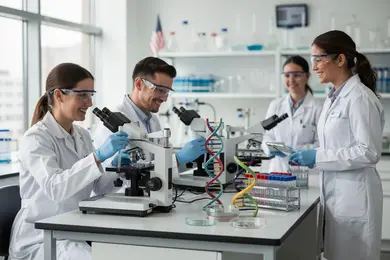
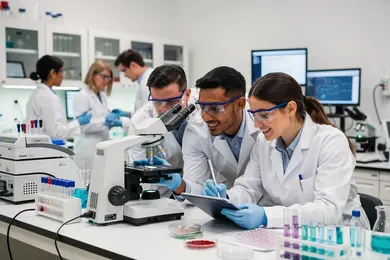
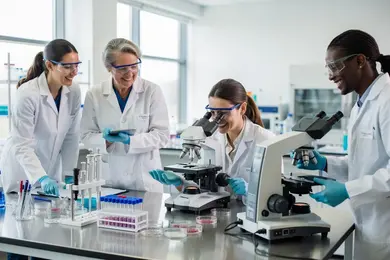
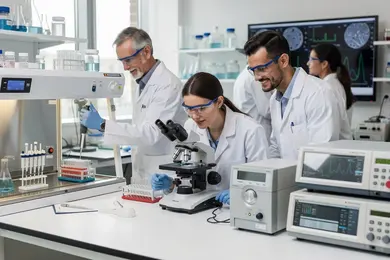
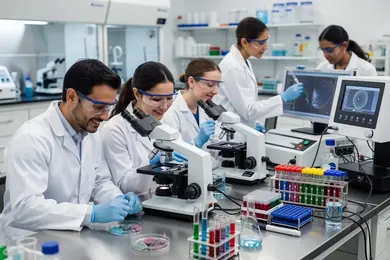
Online biological sciences degree programs with practical lab training must overcome the inherent challenge of delivering essential hands-on skills remotely. Hybrid structures that combine virtual instruction with mandated on-campus residencies or local lab internships address this by immersing students in techniques like microscopy, molecular cloning, and spectrophotometry, which theoretical study alone cannot provide.
For example, aspiring pharmaceutical developers need credible experience in cell culture and assay methods to meet entry-level job criteria, not just automated or conceptual knowledge. Employment data from the U.S. National Science Foundation's 2024 Science & Engineering Indicators shows graduates with at least one undergraduate research or lab experience achieve significantly higher STEM job placement rates within a year (62% vs. 39%).
This gap reflects employer insistence on demonstrable practical competence, especially in biomedical and environmental fields where hands-on diagnostics and fieldwork are non-negotiable. Without validated lab experience, online biology graduates risk marketability and upward mobility constraints.
Thus, selecting an online biological sciences program requires scrutinizing how it facilitates lab access, the timing and location demands of residencies, and any related financial or scheduling burdens. Successful programs integrate supervised research or local internships strategically to balance convenience with workforce relevancy. Prospective students can also explore options among animal science degrees online as comparative pathways offering practical exposure in related domains.
How do online biological sciences programs handle laboratory courses, practicums, and hands-on training?
Online biological sciences lab course alternatives often struggle to replicate the nuanced skill development vital for technician roles, especially when they rely solely on virtual practicum and hands-on training in biological sciences programs. Virtual labs can simulate microscopy or molecular assays but fall short in cultivating fine motor skills or troubleshooting physical instruments. Realistically, programs that partner with accredited local labs offer crucial practicum credits by enabling students to gain direct, supervised experience-a necessity for demonstrating proficiency to employers.
Consider a graduate targeting a research technician position in pharmaceutical manufacturing: proficiency in sample preparation and strict safety protocols is mandatory and best acquired onsite. The U.S. Bureau of Labor Statistics projects a 5% growth rate in biological technician jobs from 2024 to 2034, adding roughly 5,000 positions. This market demand underscores how inadequate hands-on training creates employability barriers despite growing opportunities.
Students should also weigh logistical challenges tied to residencies or laboratory practicums, such as scheduling multi-day intensives versus modular clinical hours, geographic constraints, and financial considerations. These practical factors can significantly influence program completion and readiness.
For those evaluating a data science degree online alongside biological sciences options, understanding the distinct training requirements and employer expectations in lab-intensive fields is key. Resources like data science degree online listings may offer comparative insights focused on affordability and flexibility.
Are online biological sciences degrees respected by employers and graduate schools?
Lab skills remain the defining factor in how employers and graduate schools assess online biological sciences degrees, particularly when these credentials lack rigorous hands-on components. Online programs that rely solely on virtual simulations rarely satisfy hiring managers in biotechnology, environmental science, or healthcare, where verifiable laboratory technique and experimental design expertise are critical. Hybrid models or partnerships offering supervised local lab access are more likely to earn employer recognition, influencing both job placement and graduate school acceptance of online biological sciences programs.
Salary comparisons reinforce this divide: according to the Federal Reserve Bank of New York's 2024 data, biology graduates with strong applied skills command median wages near $72,000 five years post-graduation, substantially higher than the roughly $48,000 earned by those with just a high school diploma. This gap reflects workforce preference for candidates with practical competencies demonstrated through internships, research projects, or wet-lab experience.
For instance, a candidate pursuing clinical research roles must present documented wet-lab proficiency; an online degree's value diminishes without it. Conversely, ecological consulting may prioritize documented fieldwork available through some hybrid avenues. Prospective students should consult employers or advisors on how online lab training credentials are evaluated and may also consider additional credentials such as a master's in library science worth it when complementing their biological sciences foundation.
What accreditation should online biological sciences programs have to ensure quality and recognition?
Accreditation standards for online biological sciences degrees directly influence graduate employability, particularly in roles requiring laboratory proficiency. Regional accreditation recognized by the U.S. Department of Education and the Council for Higher Education Accreditation ensures the foundational credibility of a program. However, programs lacking specialized approval-such as endorsements from the American Society for Microbiology or the Commission on Accreditation of Allied Health Education Programs-may fall short in delivering rigorous laboratory skill development essential for biotech, pharmaceutical, or environmental biology sectors.
When evaluating recognized accrediting bodies for biological sciences programs, students must scrutinize how practical training is delivered. Many online degrees compensate for limited hands-on exposure through guided lab simulations, on-site lab intensives, or partnerships with local facilities. This mitigates a critical gap since employers prioritize measurable lab experience, not just theoretical coursework.
An analysis from the National Center for Education Statistics shows STEM graduates who completed most of their coursework online achieve employment and earnings comparable to traditional students after three years, provided the online education integrates substantial lab components. Without this, graduates risk reduced employer recognition and challenges in licensure or advanced research.
Prospective students aiming for applied career paths or graduate study should consider programs' transparency around lab training and seek specialized accreditation to ensure both practical skill acquisition and alignment with workforce expectations. For a focused example in an adjacent field, examining environmental engineering bachelor's degree online programs illustrates how program design influences job readiness.
What core courses and lab-focused electives are typically included in online biological sciences curricula?
Employers in biotechnology and healthcare increasingly demand that biological sciences graduates combine theoretical knowledge with tangible lab competencies. For instance, clinical research roles require direct experience with techniques such as PCR, gel electrophoresis, and sterile lab protocols, whereas careers in environmental biology prioritize skills in GIS and species population assessments. Programs focusing solely on lecture-based content risk leaving students unprepared for these specialized requirements.
Online biological sciences curricula attempt to bridge this gap by integrating virtual simulations with local or intensive on-campus laboratory components. Core coursework covers essential areas like cellular biology, genetics, ecology, biochemistry, and microbiology, alongside practical skills in microscopy, molecular methods, and experimental design. Electives tailored to program emphasis-the likes of bioinformatics or ecological field methods-allow refinement of particular competencies aligned with intended career paths.
Students must assess the tradeoff between academic flexibility and the logistical necessity of accessing in-person labs. Intensive summer residencies or local partnerships help ease this burden but can introduce additional travel and cost. Public institutions generally offer online biology courses at around $320 per credit, approximately 25-30% less than on-campus equivalents, a factor that can offset extra expenses for lab access and travel.
How do fully online, hybrid, and on-campus biological sciences programs compare for lab experience?
Lab competency shapes employability in biological sciences more decisively than program format alone. Fully online degrees often compromise continuous hands-on training, relying either on virtual simulations or limited in-person lab intensives that may disrupt skill development critical for research or clinical roles. Hybrid programs offer a measurable advantage by combining online coursework with scheduled on-campus lab sessions, ensuring documented, practical experience that aligns better with industry standards.
Employers in life sciences and healthcare prioritize graduates with verifiable lab proficiency. For example, physician assistants-a common career outcome for biology majors-earn a median annual salary of $133,260 with a projected 20% job growth from 2024 to 2034, according to the U.S. Bureau of Labor Statistics. Candidates lacking robust lab experience from primarily online programs often face challenges securing such roles without supplementing their education with external internships.
Prospective students should carefully evaluate accessibility against skill acquisition demands:
- Fully online programs suit those constrained by location or work but require seeking hands-on labs independently.
- Hybrid formats provide guaranteed in-person lab hours, balancing flexibility and practical training.
- On-campus programs deliver immersive training with real-time mentorship and sophisticated equipment exposure critical for advanced wet lab techniques.
The form of biological sciences education directly influences skill credibility and workforce readiness, necessitating intentional choices aligned with one's professional goals and labor market realities.
What are typical admission requirements for online biological sciences bachelor's and master's programs?
Admission into biological sciences programs demands more than meeting minimal academic thresholds; it reflects the sector's insistence on tangible, practice-ready skills. At the bachelor's level, strong math and science foundations-often shown through coursework in biology, chemistry, and physics or algebra II-form the essential groundwork.
Although many institutions are test-optional as of 2026, a GPA exceeding 3.0, especially in science classes, remains a competitive baseline. Applicants who lack formal lab exposure face notable disadvantages, given employer expectations for laboratory competency demonstrated by prior hands-on or Advanced Placement experiences.
Master's candidates must show proficiency not only through transcripts reflecting a 3.0-3.2 GPA but also through robust research or professional lab work. GRE requirements are fading, replaced by nuanced assessments of practical skills and recommendations emphasizing research contributions. This aligns with workforce demands for graduates who can integrate seamlessly into lab environments without extensive on-the-job training.
Online biological sciences programs introduce complexity by balancing remote coursework with mandatory practical components. Given the 40% rise in undergraduates taking online biology-related courses since 2019, local lab partnerships, summer residencies, or hybrid internships ensure essential skill acquisition. Without these, graduates risk employment delays due to insufficient lab readiness.
How long do online biological sciences degrees take and what do they usually cost?
Choosing an online biological sciences degree requires balancing program duration, cost, and lab training access against labor market demands. Bachelor's degrees generally span four years full-time, though accelerated tracks can reduce this to three. Part-time learners might spend up to six years, complicating workforce entry timing. Master's programs last about two years but often incorporate compressed hands-on lab sessions through summer residencies or weekend intensives.
Cost remains highly variable, influenced by public versus private institution status and residency. Public universities typically charge $40,000 to $70,000 for bachelor's degrees, factoring in tuition, fees, and essential course materials such as lab kits. Private institutions frequently exceed $100,000, while master's programs range from $20,000 to $50,000.
Lab skill acquisition is a significant barrier in an online setting. According to Lightcast data, around 70% of entry-level research associate positions in biotechnology and pharmaceutical manufacturing explicitly demand competencies in PCR, cell culture, or chromatography techniques. Without direct lab experience, candidates risk diminished employability in laboratory-focused roles, especially outside healthcare.
Students should evaluate if extended program length and cost justify access to quality on-site lab training. Hybrid or local partnerships for practical experience are often necessary but add complexity and expense. Shorter, purely online degrees lacking hands-on components may reduce job prospects in demanding biotech sectors. Decisions must weigh upfront educational investment against realistic career pathway requirements rather than abstract credential value.
What careers can an online biological sciences degree with strong lab training prepare you for?
An online biological sciences degree with robust lab training addresses a critical employer gap by pairing theoretical knowledge with practical skills in experimental design, data analysis, and instrumentation handling. Graduates often target roles like clinical laboratory technologists, biomedical researchers, or quality control analysts in pharmaceuticals-positions that require verified, hands-on experience and compliance with strict regulatory standards. Without physical lab components or internships, purely virtual programs risk leaving students underprepared for these technical demands.
In addition to healthcare, laboratory competencies translate to environmental science jobs involving ecosystem monitoring and pollution analysis or public health roles focused on disease surveillance and epidemiology. For example, entry-level analysts in agricultural biotech must interpret molecular assay data accurately to influence food safety decisions, underscoring the need for authentic lab exposure.
Nearly half of biology bachelor's degree holders pursue graduate studies within four years, reflecting employer preference for specialization in genetics, pharmacology, or environmental law.
Working professionals or students seeking direct workforce entry should evaluate online biological sciences programs on their capacity to offer physical lab access or partnerships enabling practical skill certification. This alignment is necessary given employers' priority on verifiable competencies over theoretical credentials alone.
What are the salary expectations and job outlook for lab-focused biological sciences graduates?
Graduates focused solely on wet-lab biological sciences roles typically start with salaries between $50,000 and $60,000, with potential to reach $75,000 or more within five years, depending on sector and specialization. However, this trajectory is uneven: positions in pharmaceutical development, biotechnology, and academic research command premiums due to their demand for combined wet-lab and quantitative data skills.
The job market increasingly favors biological sciences professionals who integrate bioinformatics or data-analysis capabilities with traditional lab techniques. Data from the Royal Society's 2024 report and Lightcast show a 19% rise in roles requiring this dual skill set, outpacing growth in purely biological postings. This trend narrows opportunities for graduates lacking computational skills, confining them largely to entry-level technician positions.
Consider a biotech firm developing gene therapies. Staff there must independently conduct assays and interpret sequencing data to optimize preclinical trials. Candidates without statistical or programming expertise (e.g., R or Python) struggle competing for positions in such cross-functional or grant-driven projects. By contrast, roles focusing exclusively on wet-lab tasks, such as quality control in manufacturing, offer limited advancement.
Students weighing educational paths should prioritize integrated curricula offering hands-on data analysis, reflecting employer demand for graduates who can navigate complex experiments while managing large datasets. Salary growth closely aligns with demonstrated aptitude in melding experimental and computational skills.
Other Things You Should Know About Biological Sciences
Online programs often use virtual labs or limited in-person sessions to simulate lab experience, but these usually do not match the depth or complexity of traditional internships. For students targeting research-intensive jobs or graduate study, online lab components may act as a supplement rather than a complete substitute. Prioritize programs offering hybrid options or local lab partnerships that provide real-world hands-on time to strengthen practical skills.
The simultaneous demands of rigorous online lectures and arranging reliable lab access create scheduling and quality control challenges. Students must secure local lab facilities or travel to campus sites, often adding time and cost. Effective programs provide flexible scheduling and support connections with nearby labs. Prospective students should consider their availability and local options carefully to avoid overcommitment and compromised skill development.
Choosing depends on your career objectives. A broad curriculum offers versatility for varied biological sciences roles but may dilute lab skill depth. Specialized programs prioritize advanced lab training in niches like molecular biology or microbiology but might restrict career flexibility. For career pivots targeting specific lab roles, prioritize specialization; for longer-term adaptability, a comprehensive program with balanced lab training is preferable.
References
- How to Deliver High-Quality Biology Labs Online and On Campus https://www.scienceinteractive.com/blog/2026/how-to-deliver-high-quality-biology-labs-online-or-on-campus/
- Careers in Biology https://www.aibs.org/careers/
- Training https://www.rsb.org.uk/training.html
- Can Online Biology Courses Replace In-Person Labs? https://www.straighterline.com/blog/can-online-biology-courses-replace-in-person-labs
- QAHE: The International Accreditation for Distance Learning Institutions https://www.qahe.org/article/qahe-the-international-accreditation-for-distance-learning-institutions/
- Medical Laboratory Scientist/Technician Career https://explorehealthcareers.org/careers/technologists-and-technicians/medical-laboratory-scientist-technician/
- The Life Sciences Job Market in 2025: Trends, Opportunities, and Career Paths | IntuitionLabs https://intuitionlabs.ai/articles/life-sciences-job-market-2025
- 2025 Best Biology Master's Degrees Online https://www.onlineu.com/degrees/masters-biology
- Careers With a Master’s Degree in Medical Laboratory Science https://www.rushu.rush.edu/news/careers-masters-degree-medical-laboratory-science
- Three Benefits of Virtual Labs in College Science Courses - Every Learner Everywhere® https://www.everylearnereverywhere.org/blog/three-benefits-of-virtual-labs-in-college-science-courses/