2027 Biological Sciences Specializations With the Strongest Long-Term Momentum

Co-Founder and Chief Data Scientist
Choosing a specialization within biological sciences demands navigating shifting workforce demands alongside evolving educational access. As hybrid and fully online degree programs grew 12% in enrollment from 2023 to 2024 according to the National Center for Education Statistics, students now face critical tradeoffs between in-person lab experience and flexible learning formats. This tension directly impacts career readiness, given employers' growing focus on hands-on technical skills in genomics, bioinformatics, and biomedical fields.
Meanwhile, adult learners balancing work and study must assess long-term momentum within specialties that align with both their professional goals and evolving program delivery models. This article identifies the biological sciences specializations currently exhibiting the strongest sustained growth and practical value, guiding strategic decision-making for educational investments and career positioning.
Key Things You Should Know
- The surge in bioinformatics specialization grew by 22% workforce demand from 2023-2025, yet requires steep upskilling in coding, limiting immediate entry but yielding 15% higher median salaries, per BLS data.
- Bioprocess engineering roles emphasize cross-sector adaptability due to increasing pharma-biotech convergence, forcing candidates to balance narrow technical depth against broader industrial competencies, influencing employer hiring filters.
- Ecological genomics programs face extended time-to-employment due to scarce internships; however, USDA 2024 surveys show these candidates command rising research grants, emphasizing a tradeoff between slower market entry and long-run funding access.
Which biological sciences specializations currently show the strongest long-term career momentum?
Biotechnology and synthetic biology maintain the strongest long-term career momentum in biological sciences specializations, fueled by rapid commercial and therapeutic progress. The synthetic biology sector is projected to reach approximately USD 76-79 billion by 2030, growing annually by about 24-25%, according to Grand View Research. This growth corresponds with workforce demand for skills in gene editing, metabolic engineering, and biological systems design, applicable across pharmaceuticals, agriculture, and environmental sectors.
Professionals targeting this field face a distinct set of expectations compared to traditional molecular biology tracks. Employers increasingly prioritize candidates with interdisciplinary expertise-combining wet lab techniques, automation proficiency, programming languages, data analytics, and regulatory compliance knowledge. This complexity offers enhanced job security but requires continuous learning, especially regarding bioethics and biosafety.
For example, a synthetic biology specialist in agriculture might engineer microbes that sustainably increase crop yields, addressing pressing food security issues. Conversely, alternative pathways like genomics and computational biology show steady but slower growth and demand more specialized data science skills. Environmental biology tends to offer narrower career scopes and less scalable commercial opportunity.
To align with these market realities, program selection should emphasize curriculum relevance, hands-on research, and industry ties. Students evaluating these options should also review practical outcomes such as potential earning power, exemplified by comparative research into online animal science degree salary.
How is "long-term momentum" in biological sciences measured across jobs, research, and industry demand?
Long-term momentum in biological sciences jobs and research trends is best assessed by aligning employment growth, research funding stability, and industry hiring patterns. Employment projections from the U.S. Bureau of Labor Statistics show a substantial 31% increase in bioinformatics and life sciences data scientist roles between 2024 and 2034, underscoring a strong market need for professionals skilled in computational methods integrated with biology.
This kind of growth is not universal across all biological sciences sectors, making it critical for candidates to evaluate demand metrics carefully before committing to specific career pathways. Research funding trends reveal which subfields maintain durable interest and commercial relevance. Sustained increases in federal grants, particularly from NIH and NSF, indicate viable areas, while stagnant funding combined with flat employment points to limited opportunity.
Industry demand also increasingly favors candidates versed in machine learning and advanced data analytics, reflecting a shift toward interdisciplinary expertise bridging biology and informatics. A real-world example includes pharmaceutical firms aggressively expanding data scientist roles within R&D divisions, signaling high momentum in bioinformatics. Conversely, specialties without such investment face tougher job markets and slower growth.
For professionals navigating these tradeoffs, programs offering theoretical and applied skills must be chosen with care. Prospective students can explore advanced options such as a doctorate in data analytics online, which aligns with this evolving demand profile and equips learners for practical challenges. Industry demand and growth metrics for biological sciences careers therefore mandate a nuanced understanding of workforce needs and educational fit, balancing evolving skillsets against realistic job market outcomes.
What are the fastest-growing career paths for graduates in leading biological sciences specializations?
Biological sciences graduates finding fastest-growing career paths in North America must weigh specialization choices against practical employer demands and evolving sector growth. Genomics, bioinformatics, and precision medicine dominate due to a projected market expansion nearing USD 100 billion by 2030, fueled by pharmaceutical and personalized treatment innovation. Professionals skilled in computational biology and genetic data analysis are especially sought after, reflecting a premium on quantitative aptitude combined with biological insights.
Emerging specializations such as synthetic biology and CRISPR gene editing reward those with integrated molecular biology and data analytic skills. However, these fields demand multidisciplinary expertise and the ability to translate complex lab discoveries into viable biotechnological products-a challenging balance not addressed solely by conventional wet-lab training.
Fields like ecology and environmental biology offer more stable but limited growth, except for niches like biodiversity informatics where artificial intelligence enhances species monitoring technologies. Regulatory affairs provide yet another career avenue requiring scientific knowledge paired with understanding governance frameworks, a tradeoff impacting both income trajectory and job security.
Given the competitive landscape, students navigating top emerging biological sciences specializations with strong career prospects should prioritize internships and industry experience alongside academic credentials. Without practical exposure, graduates risk falling behind peers in leadership roles.
Those contemplating an online degree for library science concurrently or subsequently can strategically diversify skill sets to broaden employability within research data management, an increasingly valuable complement to biological sciences expertise.
Which biological sciences degrees and specializations offer the best salary and advancement potential?
Specializing in immunology, vaccines, or infectious diseases within biological sciences degrees offers a distinct salary and advancement advantage tied to the vaccine market's rapid expansion from about USD 78-80 billion in 2024 to an estimated USD 132-135 billion by 2030. This growth drives demand for professionals with advanced degrees who combine research, regulatory expertise, and commercialization skills, often leading to leadership roles with salaries well above those common in broader biological sciences fields.
Graduates in this specialization typically start with annual salaries between $85,000 and $110,000 and can surpass $140,000 mid-career, contrasting sharply with starting points near $50,000 in general biology or ecology. Employers prioritize candidates with cross-disciplinary knowledge, including bioinformatics applied to pathogen genomics and proficiency in FDA regulatory processes, accelerating both employment and salary growth.
For example, a professional well-versed in clinical trial data analytics and regulatory navigation gains a competitive edge versus those with generic biological sciences degrees. The tradeoff lies in the greater academic depth and evolving technical demands associated with these specializations. Moreover, strong momentum in molecular biology and bioengineering linked to vaccine platforms necessitates ongoing upskilling, often through certificate programs.
Prospective students must weigh these technical demands against career benefits, especially when comparing various biological sciences degrees with highest salary potential. For those considering strategic pivots, exploring related fields like engineering may also help, as seen in programs such as the online electrical engineering degree for military veterans, which offers alternative technical pathways.
What education levels and prerequisite courses are required for high-momentum biological sciences fields?
Securing roles with growth potential in biological sciences typically requires at least a bachelor's degree concentrated in subfields like molecular biology, genetics, or neuroscience. Entry-level positions mandate solid grounding in chemistry, calculus, physics, and biology, while advanced roles increasingly demand interdisciplinary skills spanning bioinformatics, biostatistics, and physiology. For example, careers in neurotechnology-projected to grow to a USD 35-38 billion market by 2032-favor candidates with graduate credentials focused on neurobiology or neuroengineering.
Graduate education is often essential for leadership and research-intensive positions, given the need for sophisticated experimental techniques and specialized training in areas like neural signal processing. Practical data analysis skills in tools such as R or Python are evaluated by employers in medical device and biotech sectors, underscoring the importance of applied competencies beyond coursework.
Professionals bypassing advanced degrees may find their access to cutting-edge projects, particularly in emergent fields like brain-computer interfaces, significantly limited. Additionally, mid-career pivots from unrelated backgrounds necessitate completing 12-18 credit hours of prerequisite science courses to meet graduate admission standards, extending the pathway to employment but remaining vital for competitiveness in high-growth niches.
How do online biological sciences programs compare with campus programs for these specializations?
The theoretical foundation provided by online biological sciences programs is generally adequate but insufficient for specializations requiring hands-on experience, such as environmental and climate biology. The projected 6-7% job growth for environmental scientists and specialists through 2034 intensifies the need for practical skills that online curricula often fail to deliver. Campus programs hold an advantage by offering direct access to labs, specialized equipment, and faculty mentorship-elements essential for mastering field research, lab techniques, and ecological data collection.
For example, a student aiming for a role in ecological assessment will face challenges if their education lacks real-world fieldwork. Employers, particularly in government and environmental consulting, expect verifiable hands-on experience, creating a gap that online-only graduates must bridge through internships or local volunteer opportunities. Students balancing full-time work or remote living gain flexibility from online options but must proactively secure lab access or hybrid field sessions to develop critical competencies.
Online programs that incorporate regional field intensives or lab components align more closely with workforce demands, reducing disparities between educational outcomes and job market expectations. Decision-makers should weigh the logistical challenges of on-site requirements against the tangible benefits of experiential learning, which directly influence employability and career sustainability in this growing sector.
What accreditation, certification, and licensing standards apply to in-demand biological sciences careers?
Certification and licensing in biological sciences represent more than regulatory hurdles-they shape access to key roles and funding, particularly in specialized fields. For example, clinical and biomedical sectors often require certifications from recognized entities such as the American Society for Clinical Pathology, directly influencing a professional's ability to lead lab operations or participate in clinical trials. In agricultural biology, the rapid expansion of agritech markets-from around USD 30-32 billion in 2024 to nearly USD 95-100 billion by 2032 at a CAGR of 15-16%-heightens the demand for credentials tied to pesticide regulation, soil science, and biotechnology compliance.
Employers in these areas expect candidates to have demonstrated proficiency in current regulatory frameworks and safety protocols; agricultural biological scientists focusing on crop genetics, for instance, must navigate EPA rules and hold certifications from bodies like the American Society of Agronomy to qualify for research and grant opportunities. Without them, professionals face direct exclusion from advanced projects involving genetically modified organisms or biostimulants.
Legal licensing is mandatory for roles handling human or animal subjects or environmental risk assessments, managed by state licensing boards that enforce adherence to protocols protecting public health. Selecting programs accredited by organizations such as the Accreditation Board for Engineering and Technology or the Council for Higher Education Accreditation can streamline qualification pathways, minimizing delays and extra training costs.
Prospective students and career changers should evaluate accreditation and certification requirements precisely against target job market demands and regulatory landscapes in government, industry, and research sectors to ensure credentials translate into viable employment and real-world professional mobility.
What core coursework and lab experiences should strong biological sciences specialization programs include?
Strong specialization in biological sciences demands a curriculum that balances foundational theory with advanced, industry-relevant lab skills. Core courses in molecular biology, genetics, and biochemistry serve as essential building blocks, but without integration of hands-on techniques like CRISPR gene editing, fluorescence microscopy, and protein purification, graduates risk falling short of employer expectations, especially in biotech and pharma sectors.
Effective programs incorporate computational biology and bioinformatics, acknowledging the field's shift toward data-centric research. For areas intersecting with biomedical engineering, labs must include tissue engineering and scaffold fabrication to align with a market poised to expand from USD 18-20 billion to USD 75-80 billion by 2034, per Vision Research Reports, indicating roughly 15-16% annual growth.
Practical training should simulate real-world problems such as optimizing gene therapy vectors under regulatory constraints or designing regenerative constructs, with exposure to Good Laboratory Practice (GLP) and data documentation standards to boost employability. This depth of experience requires substantial resources and may extend program duration, illustrating a key tradeoff between breadth and specialization that prospective students must weigh carefully.
Employers prioritize candidates who combine theoretical knowledge, sophisticated experimental skills, and digital competence, linking these capabilities with higher starting salaries and accelerated career trajectories in rapidly evolving biomedical fields.
How much do high-momentum biological sciences programs cost, and what funding options exist?
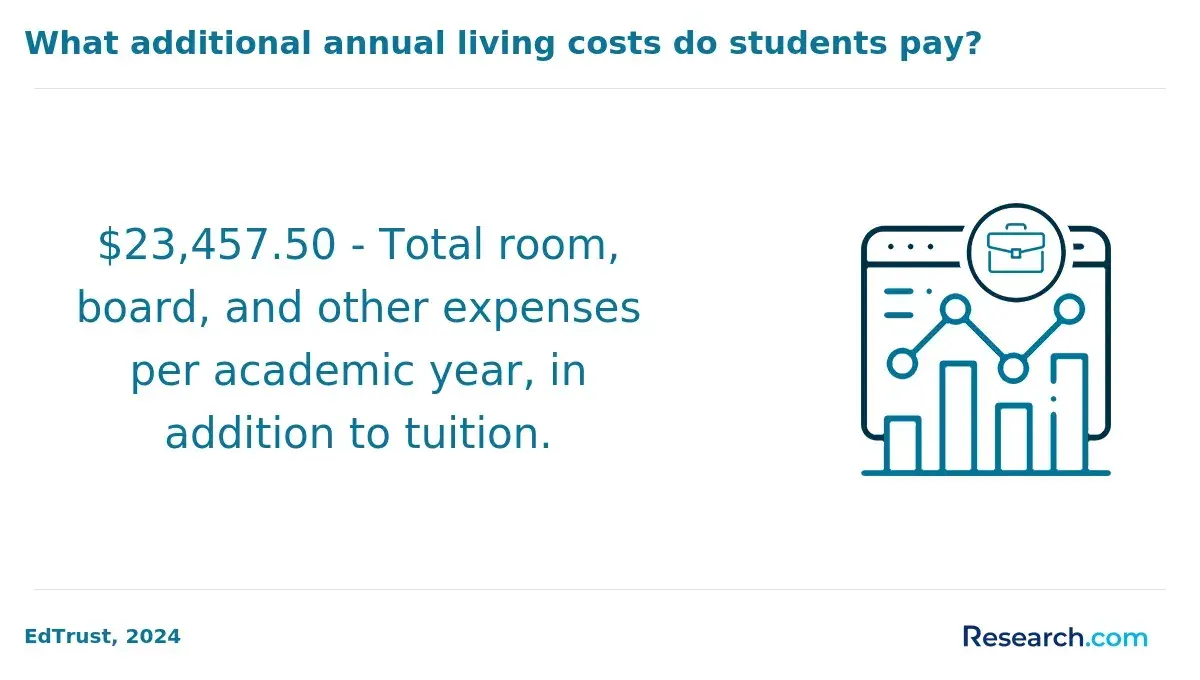
Pursuing advanced degrees in biological sciences, especially in computational and systems biology, entails navigating significant financial and workforce tradeoffs. Master's programs at accredited U.S. institutions typically range from $30,000 to $60,000 in tuition, while PhD candidates often rely on assistantships that offset tuition but still require budgeting for $20,000 to $35,000 annually in living expenses. Public universities offer more affordable tuition than private ones, but non-resident students can face fees two to three times higher.
Funding through research organizations adds complexity but can reduce individual cost burdens. Federal grants such as Pell and GAANN are foundational, while NIH and NSF fellowships target systems biology research specifically. Institutional teaching and research assistantships supplement funding, though these come with workload commitments that may impact time-to-degree.
Industry partnerships increasingly influence funding and career trajectories, with employers favoring candidates who have computational modeling experience and relevant internships. Consider a mid-career analyst who must weigh tuition plus living costs against potential salary increases when pivoting into systems biology.
Delays caused by funding gaps or outside employment obligations may erode program benefits. Strategic selection of programs offering strong institutional aid and industry alignment is critical to minimize debt and enhance employability in a sector projected by Precedence Research to expand from $4-5 billion to approximately $16-17 billion by 2032, growing near 17-18% annually.
How can students compare and choose reputable U.S. colleges for these biological sciences specializations?
Programs in biological sciences targeting biopharma and drug discovery sectors must be evaluated primarily through graduate employability within relevant industries rather than institutional prestige alone. The sustained growth in global R&D investment-from USD 239 billion to an estimated USD 300-310 billion by 2028-directly inflates demand for candidates skilled in translational science and drug development.
Students should prioritize programs that provide transparent outcomes data on employment in pharma, biotech, or clinical research within 6-12 months post-graduation, as this often distinguishes practical workforce readiness. Curriculum design critically impacts job market alignment. For example, a student aiming for drug discovery roles gains no advantage from generic biology courses alone but should seek programs that integrate computational biology, bioinformatics tools, and regulatory science, supported by hands-on labwork and internships with industry partners.
This combination enhances skills directly transferrable to employer needs. Institutional affiliation matters, particularly when the faculty consists of active researchers publishing in top journals and when the program collaborates with biopharma hubs like Boston or San Diego to facilitate internships or direct pipelines to employers. Such networks strongly influence post-graduate job placement.
Cost considerations require weighing in-state tuition benefits against the often higher ROI offered by private research universities with specialized resources and employer connections. Financial aid availability and the institution's employer network should guide these tradeoffs.
Other Things You Should Know About Biological Sciences
In 2027, bioinformatics, biotechnology, and environmental biology are among the fastest-growing specializations in biological sciences. These fields offer significant career potential due to increasing demand for data analysis, innovative biotechnological solutions, and environmental sustainability. Emphasizing practical skills and interdisciplinary knowledge can enhance employability in these areas.
Research-focused tracks emphasize theory and lab work, demanding strong analytical skills and patience for longer timelines before tangible outcomes. Industry-oriented paths tend to prioritize applied skills, faster project cycles, and teamwork under business constraints. Students seeking quicker job placement and clearer career progression should weigh industry programs with internships or co-op components, while those pursuing academic careers must expect extended training and uncertain funding.
Specializations like molecular biology and biochemistry require intensive lab hours, complex experimental designs, and high memorization of biochemical pathways. Fields such as ecology or conservation biology involve fieldwork balancing physical demands with less lab time but require adaptability to unpredictable environments. Awareness of workload differences is critical for planning study time and assessing personal capacity to meet varying program demands.
Broad specializations like genetics or cell biology offer diverse career options across healthcare, research, and biotech, increasing adaptability to market shifts. Niche fields may provide deeper mastery and unique roles but risk limited job openings if demand wanes. Prioritizing versatility in early career stages enables smoother pivots, while advanced professionals can consider niche expertise once they gain stable footing and industry insights.
References
- Majoring in Biology: How to Determine which Colleges Offer the Best Fit - Collegiate Gateway https://collegiategateway.com/majoring-in-biology-how-to-determine-which-colleges-offer-the-best-fit/
- Biological Sciences BSc https://www.imperial.ac.uk/study/courses/undergraduate/2027/biological-sciences/
- Comparing Liberal [Arts] Colleges for study in Biology https://talk.collegeconfidential.com/t/comparing-liberal-arts-colleges-for-study-in-biology/3620544
- Biology Courses After 12th: High-Demand, Scope, High-Pay 2026 https://www.upes.ac.in/blog/health-sciences-technology/biology-courses-after-12th-high-demand
- Biological Sciences, B.Sc. Major https://catalog.umanitoba.ca/undergraduate-studies/science/biological-sciences/biological-sciences-bsc-major/
- Top 10 Certifications for a Global Biotech Career – Which Ones Are Worth It? https://www.biotecnika.com/certifications-for-global-biotech-career-and-job-opportunities/
- Accreditation https://www.rsb.org.uk/accreditation.html
- Bio Science Courses After A/L 2026 Sri Lanka — 15+ Degree Options https://unicompass.yapalabs.com/bio-science-courses-after-al-2026
- Repositório :: Entrar https://repositorio.ucp.pt/bitstreams/b5acd5bb-9681-4215-a73e-de1a0e46da4c/download
- Leading Universities for Biological Sciences in the U.S https://schooligio.ai/leading-universities-for-biological-sciences-in-the-u-s/