2027 Online Biological Sciences Degrees With Conservation Biology and Ecology Concentrations

Co-Founder and Chief Data Scientist
Securing a specialized degree in biological sciences focused on conservation biology and ecology poses a significant challenge for professionals balancing full-time work with career advancement demands. The National Center for Education Statistics reports that over 40% of postsecondary students are now adult learners, reflecting a growing need for flexible, accessible online programs that accommodate varied schedules and geographic constraints.
This trend reveals a shift away from traditional campus-bound study, forcing candidates to evaluate online offerings carefully for rigor, employer recognition, and practical field training opportunities. This article examines current online degree options to help prospective students navigate these complexities and identify programs aligned with career mobility in this competitive sector.
Key Things You Should Know
- Biological sciences degrees with conservation biology and ecology concentrations average 5-7 years to complete including internships, with median tuition exceeding $40,000, narrowing access for lower-income students despite high ecosystem management demand.
- Employment projections show 12% growth in environmental scientist roles by 2030, yet 65% of employers prioritize candidates with fieldwork experience over purely academic credentials, emphasizing practical skill gaps in graduates.
- Programs heavily focused on ecology often underprepare students for multidisciplinary regulatory roles, creating a credentialing mismatch that can delay career advancement in public and private environmental sectors.
What is an online biological sciences degree with conservation biology and ecology concentrations?
An online biological sciences degree with conservation and ecology focus equips students to navigate the increasing complexity of ecosystem management and species preservation amid evolving environmental regulations. While digital formats offer flexibility crucial for working adults, they require supplemental local engagement to offset reduced hands-on fieldwork.
Students pursuing accredited online biological sciences programs with conservation biology specialization must actively pursue internships or community projects to gain the practical experience that employers mandate, particularly in roles demanding proficiency in GIS mapping, ecological data analysis, and compliance with environmental standards.
The practical trade-offs of virtual labs and remote fieldwork coordination mean that graduates often enter the job market needing to demonstrate applied skills through localized efforts, essential for positions in government agencies, environmental nonprofits, or consulting firms. Employment growth for environmental scientists and specialists, with median wages nearing $79,000, outpaces many fields, reflecting heightened demand driven by climate initiatives and policy enforcement.
For professionals evaluating this pathway, understanding program accreditation and available support for mentorship and external internships is vital. This approach fosters the translation of classroom theory into actionable skills that improve job placement chances in competitive regional markets. Those weighing this degree should consult resources outlining what to do with a bioinformatics degree to explore complementary interdisciplinary options enhancing employability in related environmental and biological science roles.
How do online biological sciences programs compare to campus options for ecology-focused students?
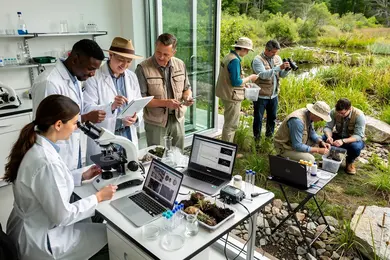
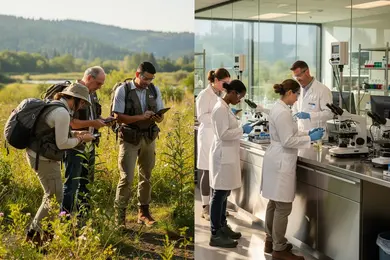
Online biological sciences degree programs for ecology students pose distinct challenges compared to campus-based alternatives, primarily due to limited access to hands-on fieldwork and lab experiences essential to ecological training. Employers in conservation and environmental sectors emphasize verified practical skills, which campus programs typically deliver through mandatory fieldlabs and internships.
In contrast, online students often face the burden of arranging local or virtual fieldwork independently, resulting in potential gaps in exposure to diverse ecosystems and specialized equipment. The workforce outlook in environmental goods and services anticipates over 100 million global jobs by 2030, fueled by needs in biodiversity conservation and climate adaptation. This demand underscores the value of applied expertise alongside theoretical knowledge.
Campus-based ecology-focused biological sciences degrees benefit from institutional ties to local employers and research initiatives, facilitating networking and job placement. Online learners must actively seek comparable professional experiences, often requiring additional effort to secure internships or volunteer roles near their location. Decision-makers comparing campus and online ecology-focused biological sciences degrees should weigh program access to essential field components, employer partnerships, and lab facilities.
Online options provide flexibility but necessitate strategic planning to supplement practical training through local collaborations or summer residencies. Graduates lacking rigorous hands-on verification may encounter impediments in technical roles reliant on ecosystem assessment and restoration technologies. For students balancing work commitments, exploring programs such as computer science degrees online may offer alternative accelerated pathways into STEM fields with distinct workforce trajectories.
Are online biological sciences degrees with ecology and conservation concentrations respected by employers?
Employers in fields like environmental consulting and non-profit conservation prioritize online biological sciences degrees with conservation biology focus recognized by employers when these programs combine accredited curricula with meaningful applied experience. While an online degree for library science or biological sciences can be completed remotely, the absence of supervised fieldwork or lab components may limit access to roles requiring hands-on expertise.
The U.S. Bureau of Labor Statistics Occupational Employment and Wage Statistics 2024 reports environmental consultants earn a median salary of $78,790, with top earners exceeding $126,000, illustrating the tangible employer demand for proven ecological and data management skills.
Hiring managers weigh demonstrated problem-solving ability in real-world environments heavier than solely online instruction methods. This dynamic is especially relevant when comparing ecology and conservation biology online degree reputations among US employers, where graduates who supplement online study with internships or project experience gain an advantage.
Students targeting federal or state environmental jobs must ensure their program meets credential requirements that often mandate in-person labs or field training, while candidates pursuing consulting roles might bypass these constraints through relevant documentation of practical expertise.
For those evaluating pathways, integrating experiential learning into an online education is a strategic necessity rather than a luxury. Prospective students can explore recognized program options by consulting resources such as the online degree for library science listings, which provide insights into accredited programs with concentration options that align with workforce needs.
What accreditation should online biological sciences programs in ecology and conservation have?
Choosing online biological sciences programs with ecology and conservation concentrations demands scrutiny beyond surface accreditation. Regional accreditation standards for conservation biology and ecology degrees from recognized U.S. agencies-such as the Higher Learning Commission or Middle States Commission-are essential to ensure credits transfer smoothly and degrees gain employer recognition.
Without such accreditation, students face significant barriers in federal employment or certification, severely limiting options in research institutions or government roles where validation of credentials is rigorous. For students focused on applied conservation roles in state or local natural resource agencies, mere online coursework often falls short if it does not incorporate supervised fieldwork or lab components in person or through trusted local partners.
Despite a notable 37% increase in fully online enrollment for conservation-related programs at public institutions, employers still prioritize candidates who show tangible, hands-on expertise alongside theoretical knowledge. Additional program attributes to verify include articulation agreements with graduate schools or certification boards relevant to ecology and conservation. These form practical pathways to advanced credentials or licensure critical for certain career trajectories.
Accreditation alone does not guarantee such progression, underscoring the need for comprehensive evaluation. Career-minded students should also consider program options against market realities, including affordability. Resources outlining cost-effective pathways, such as environmental engineering degree online programs, can inform financial planning when selecting an online biological sciences program specializing in ecology and conservation.
What courses and specializations are typical in ecology and conservation biology online programs?
Online programs in ecology and conservation biology demand more than coursework-they require addressing the practical challenge of developing technical and field skills remotely. Programs typically include core classes such as population ecology, ecosystem dynamics, and conservation genetics, but employers give significant weight to applied proficiencies in GIS, remote sensing, and species habitat assessment. For instance, candidates for wildlife agency roles must often demonstrate hands-on experience through simulated labs or local partnerships, underscoring the need for programs that facilitate real-world skill acquisition despite distance learning constraints.
Specializations vary widely, targeting restoration ecology, climate change biology, biodiversity conservation, or environmental compliance, each aligned with distinct labor market niches. The balance between foundational science-like cellular biology and biostatistics-and elective courses designed to meet regulatory and grant-writing competencies is critical for matching job requirements in ecological consulting versus nonprofit sectors.
Cost remains a pivotal factor; in-state tuition averages about $316 per credit for online bachelor's compared to $488 for on-campus, offering a 35% savings that benefits working professionals seeking minimal income disruption. However, verifying a program's ability to provide accredited fieldwork and networking is essential because employers prioritize practical experience over theoretical knowledge.
Graduates must prepare for ongoing certification demands and continuing education, influencing career trajectory and salary. Selecting programs with integrated local internships or summer fieldwork alleviates common barriers in gaining required practice, a decisive factor for employment readiness and advancement within biological sciences careers.
What are the admission requirements for online biological sciences degrees in ecology and conservation?
Admission to online biological sciences degrees focused on ecology and conservation demands more than just baseline academic credentials; it requires appreciation for practical skills and workforce alignment. Applicants without foundational coursework in biology, chemistry, and mathematics risk delay or obstacles, especially if transitioning from unrelated fields. Transfer students benefit from having completed introductory biology or environmental science courses to reduce credit gaps.
Standardized test requirements have generally relaxed but remain a factor in competitive programs assessing quantitative aptitude. Those pivoting careers should provide robust professional or experiential evidence in environmental contexts, supported by letters emphasizing scientific competence and ecological commitment.
Employers value graduates who have hands-on exposure reflected through internships, volunteer efforts, or applicable job experience. For instance, a working professional aiming to enter wildlife biology must navigate the practical challenges of remote labs and fieldwork integration, which some programs may not effectively address, causing potential skill gaps.
Given the U.S. Bureau of Labor Statistics projects a 4% growth in wildlife biology jobs with a median pay of $70,600, applicants must critically evaluate programs offering transferable credits and pathways to certifications or internships. Failure to do so can hinder employability despite degree completion.
How long do online biological sciences degrees take and what do they cost?
Completing an online bachelor's degree in biological sciences with focuses such as conservation biology or ecology generally matches traditional full-time timelines-about four years-when pursued continuously. For working professionals opting for part-time paths, expect an extension to five or six years, which may reduce competitive edge for roles in government or conservation nonprofits that expect degrees earned within five years. These timelines matter: candidates stretching beyond six years risk diminished prospects in certain employer sectors.
Cost factors vary significantly between public and private institutions, with public universities averaging $10,000 to $25,000 annually for tuition. Overall, fully online degrees in STEM-related fields usually involve less total tuition than their in-person equivalents, easing post-graduate debt loads, as National Student Clearinghouse Research Center data reveals. Beyond tuition, fieldwork and lab fees-often required as regional residencies or summer sessions-can add $1,000 to $3,000 per semester, a practical expense consideration.
Employers recognize online degrees, with salaries for online graduates only 3-5% below those of on-campus peers after three years. Candidates targeting environmental consulting roles benefit from programs offering synchronous labs aligned with local ecosystems to reduce travel and scheduling challenges. Research-focused students should consider programs emphasizing GIS and data analysis, acknowledging potential extra costs for software or certifications.
What careers can you pursue with an online conservation biology or ecology degree?
Career outcomes for online conservation biology or ecology degrees vary widely depending on the sector and level of specialization. Graduates commonly enter roles such as conservation scientists, natural resource managers, or ecological data analysts, often employed by federal agencies like the U.S. Fish and Wildlife Service or the Environmental Protection Agency. These agencies prioritize applicants with hands-on experience due to the applied nature of the work, including assessing human impacts and managing habitat restoration projects.
Private firms and nonprofits offer contrasting employment realities, with consulting roles centered on regulatory compliance and nonprofits requiring skills in project coordination and community engagement. While women earn just over half of biological science degrees, they occupy only about 35% of conservation jobs, reflecting structural barriers including limited leadership access and pay disparities. This gap affects career trajectory and requires strategic networking and advocacy.
A key decision for job seekers is whether to pursue pure research, which often necessitates graduate education, or applied fieldwork roles focused on policy or impact analysis. Certifications in GIS or environmental assessment can differentiate candidates, especially since online programs demand proactive efforts to gain real-world experience through internships or volunteering. Entry-level salaries typically range from $40,000 to $55,000, with better stability and advancement prospects in government positions.
Regionally, opportunities cluster around biodiversity hotspots and locations with active conservation initiatives, making geographic flexibility a practical consideration. Long-term success in this field calls for ongoing skill development and a clear understanding of evolving environmental regulations and policy frameworks.
What is the salary potential and job outlook for ecology and conservation biology graduates?
Ecology and conservation biology graduates face a distinct divide between sectors that strongly influences earnings and career growth. Annual starting salaries range from $45,000 to $60,000, with government and environmental consulting professionals reaching $70,000 to $90,000 as experience accrues. The demand reflects acute biodiversity challenges-nearly one million species face extinction at rates far exceeding historical averages-funneling resources into habitat restoration, species management, and compliance roles.
Practical outcomes vary notably by sector and skillset:
- Government agencies and private firms prioritize expertise in GIS, data analytics, and environmental regulations, rewarding specialized skills with higher pay.
- Compliance roles within energy and infrastructure sectors generally offer better compensation due to regulatory pressures.
- Academic and nonprofit research positions tend to start lower financially but may provide leadership opportunities and grant access.
- Graduates lacking advanced quantitative or fieldwork experience face stagnating wages and limited mobility.
Geographic location plays a significant role, with states enforcing robust conservation policies, such as California or Washington, yielding higher salaries than less regulated areas. To improve prospects, pursuing certifications like Certified Ecological Restoration Practitioner or targeted internships can enhance marketability. Prospective students must weigh the stability of public roles against the potentially faster advancement and compensation in the private sector, balancing practical skill development with long-term career flexibility.
How can you choose a reputable online biological sciences program in ecology and conservation?
Pursuing an online biological sciences program with ecology and conservation concentrations requires prioritizing practical skill application over institutional prestige. With GIS and spatial analysis skills driving a roughly 30% job increase from 2019 to 2024 (Lightcast/Emsi Burning Glass), programs lacking in these areas markedly reduce employability in conservation fields.
Key considerations include accreditation by established organizations such as the Society for Conservation Biology and whether the curriculum incorporates applied learning through remote labs or partnerships with environmental agencies. These elements translate theoretical knowledge into data-driven problem-solving abilities that employers expect.
Technical training should cover industry-standard tools like ArcGIS, QGIS, and R for spatial statistics, reflecting constant updates responsive to advances in ecosystem modeling and climate science. Compare alumni employment outcomes targeting roles in government, research institutions, or NGOs, especially where networking opportunities foster mentorship and referrals.
For mid-career professionals shifting to ecology, the tradeoff between scheduling flexibility and technical rigor can determine eligibility for advanced positions. Inadequate GIS education, regardless of degree completion, limits access to higher-level conservation roles.
Other Things You Should Know About Biological Sciences
Online biological sciences programs often use virtual labs and simulations to replicate hands-on experiences. Additionally, many programs partner with local institutions to provide fieldwork opportunities, allowing students to gain practical experience alongside their online studies.
Online degrees demand significant self-discipline and time management due to asynchronous lectures and condensed timelines in lab courses. Unlike traditional programs, students must independently organize field projects and experiments without immediate instructor supervision, which can increase workload unpredictability. Prospective students should assess their capacity to balance professional or personal obligations with this intensive, self-directed format to avoid compromising learning outcomes and timely graduation.
Focusing your concentration online can provide targeted expertise crucial for specialized roles but may reduce exposure to broader biological sciences disciplines that employers value for interdisciplinary adaptability. Those aiming for versatile career options should consider programs offering electives or minors complementing conservation studies, enhancing their ability to pivot between research, policy, or environmental consulting roles. For jobs demanding niche technical skills, the specialized concentration improves marketability but narrows immediate job function options.
Employers recognize that online degree holders may have fewer informal networking opportunities compared to on-campus students, impacting mentorship access and professional connections vital in conservation and ecology fields. Candidates should proactively engage in online forums, internships, and regional scientific events to build these networks independently. Programs encouraging or facilitating internships and active community involvement provide a competitive advantage in bridging this gap and increasing employment prospects.
References
- Operation Wallacea | Conservation Career Paths https://www.opwall.com/article/conservation-career-paths/
- Bachelor's Degree in Wildlife Ecology and Conservation | Degrees & Programs https://www.unr.edu/degrees/majors/wildlife-ecology-and-conservation
- Home https://www.husson.edu/online/blog/2025/03/careers-in-wildlife-conservation
- Habitat and Wildlife Career Outlook - NWF EcoLeaders https://www.nwfecoleaders.org/careercenter/habitat-and-wildlife
- Wildlife Conservation Jobs 2025: Salaries, Requirements & Careers - CurlewCall.org https://www.curlewcall.org/wildlife-conservation-jobs-2025-salaries-requirements-careers/
- How to become an ecologist? | Conservation Careers https://www.conservation-careers.com/how-to-become-an-ecologist/
- Conservation Biology https://www.ualberta.ca/en/undergraduate-programs/bachelor-of-science-in-environmental-and-conservation-sciences-conservation-biology.html
- Ecology Degree https://www.gamewarden.org/degree/ecology
- Wildlife Biology https://www.lmc.edu/academics/programs/wildlife-biology/index.htm
- Top 8 Online Ecology Courses for High-Achieving High School Students in 2026 https://riseglobaleducation.com/blogs/top-8-online-ecology-courses-for-high-achieving-high-school-students-in-2026