2027 Online Biological Sciences Degrees With Strong Microbiology Training

Co-Founder and Chief Data Scientist
Professionals aiming to specialize in microbiology within biological sciences struggle to find flexible programs that balance rigorous lab training with online accessibility. Nearly 50% of adult learners enrolled in postsecondary education in 2024 did so online, according to the National Center for Education Statistics, revealing a significant shift toward distance education driven by career demands and time constraints.
However, the challenge lies in obtaining credible microbiology expertise remotely without compromising hands-on skills essential for workforce readiness in fields like clinical research and biotechnology. This article evaluates current online biological sciences degrees that offer strong microbiology training, guiding students toward informed program choices that align with career advancement and practical skill acquisition.
Key Things You Should Know
- Online biological sciences programs emphasizing microbiology often lack extensive lab-based components, reducing hands-on experience by up to 40%, which may limit preparedness for roles requiring advanced clinical lab skills per NIH training model data.
- Employers in biotech report a 27% preference for candidates with hybrid or in-person microbiology training, so fully online degrees may reduce competitiveness for high-demand roles in pharmaceutical development and epidemiology.
- While average tuition savings of 15-25% reduce financial barriers per NCES 2024 survey, asynchronous online cohorts extend time-to-degree by 20%, potentially delaying entry into fast-evolving microbiology job markets and affecting earning trajectories.
What is an online biological sciences degree with a microbiology focus, and who is it right for?
Online biological sciences degrees with microbiology specialization offer a focused skill set that aligns closely with employment demands in clinical labs, pharmaceuticals, and biotechnology. The 28% growth in microbiology and immunology roles over recent years confirms this sector's labor-market edge compared to broader life sciences fields.
However, the practical constraints of online learning-such as arranging local lab access or completing mandatory in-person practicums-can create barriers to skill certification and limit eligibility for lab-intensive positions.
For professionals pivoting from general biology to roles like medical laboratory technician, specialized microbiology training matches employer expectations and enhances job placement prospects. In contrast, students aiming for ecological or plant biology careers may find this emphasis less advantageous. Strong microbiology training combined with flexible online delivery supports candidates targeting high-growth sectors including healthcare and biodefense.
The best online biological sciences programs focused on microbiology training incorporate partnerships with local facilities or intensive residencies to provide hands-on lab experience critical for accreditation and certain certifications. Prospective students must weigh program design against their specific goals, especially regarding lab exposure and skill validation.
Balancing employment with study is feasible in these programs, but students should anticipate logistical complexities. Those exploring adjacent fields might also consider jobs for environmental science majors as a related option worth evaluating in the current job market.
How do online biological sciences programs compare with campus programs for microbiology training?
Online biological sciences programs with comprehensive microbiology training often match campus offerings in theoretical content but fall short on essential hands-on experience. This discrepancy becomes critical when applying for roles that require direct manipulation of microorganisms, aseptic technique, or microscopy skills-areas where employers expect proficiency.
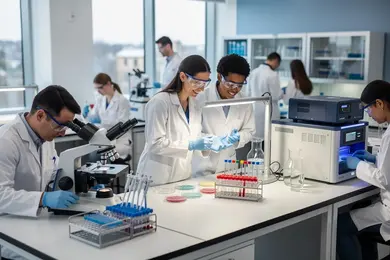
Campus-based programs embed supervised laboratory work, enabling students to develop practical troubleshooting and collaborative abilities through real-time mentorship. In contrast, online students rely heavily on virtual labs or inconsistent off-site arrangements, which may not meet industry standards.
For working professionals pursuing a strategic shift, online formats provide schedule flexibility and reduced need for relocation. Still, prospective students should critically assess whether microbiology courses include accredited lab components or structured externships, especially when targeting employment in pharmaceutical companies, diagnostic laboratories, or government research agencies.
The U.S. Bureau of Labor Statistics forecasts 5% growth for microbiologists from 2022-2032, with a median wage of $90,100 in 2024. Graduates from exclusively online biological sciences microbiology education may face a steeper on-the-job learning curve if their practical exposure is limited, emphasizing the importance of lab experience in hiring decisions.
Key considerations for navigating online vs. campus pathways include:
- Access to sophisticated equipment and direct mentoring.
- Quality and availability of practical training options.
- Alignment of program components with employer expectations.
Students interested in flexible yet rigorous programs should explore related options, such as a masters degree in data science online, which may complement biological sciences expertise in data analysis and research applications.
Which types of accredited colleges offer online biological sciences degrees with strong microbiology?
Choosing an online biological sciences degree program with microbiology specialization demands scrutiny beyond cost and convenience. Public universities often present accessible, affordable tracks embedding microbiology coursework and virtual labs that simulate hands-on skills critical for healthcare and research roles.
Private nonprofit colleges add value by integrating molecular and environmental microbiology emphases paired with specialized internships or lab collaborations, which are vital for careers in biotech or pharmaceuticals.
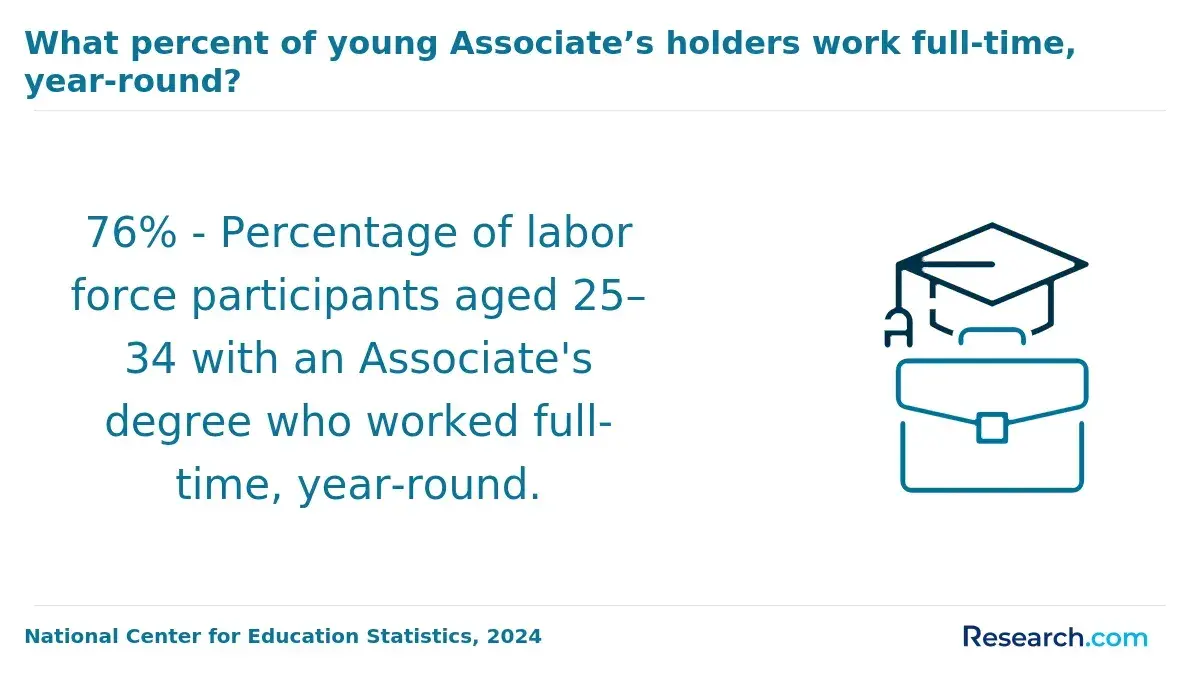
Regionally accredited community colleges frequently provide associate degrees or clear transfer pathways emphasizing applied microbiology, suitable for working adults seeking cost-effective entry or stepping stones toward bachelor's credentials.
Prospective students must weigh practical considerations such as whether programs meet clinical microbiology certification requirements and include verifiable lab components-either virtual or in-person-since employers and graduate programs prioritize documented proficiency.
Cost analysis reveals public online biology-related bachelor's programs typically run about 23% cheaper than on-campus equivalents, easing financial barriers. However, those seeking technology-adjacent skill sets might also evaluate options like an online computer science degree for complementary competencies.
To navigate accredited colleges offering online biological sciences degrees focused on microbiology training, students should also assess faculty research activity and industry alliances, factors that can significantly elevate employment prospects and academic outcomes.
What microbiology and lab-focused courses are typically included in these online degree curricula?
Online biological sciences degrees with microbiology laboratory courses face a critical challenge in balancing accessibility with authentic skill acquisition. Employers increasingly demand graduates who can demonstrate competence in core lab techniques such as microbial physiology, genetics, immunology, and molecular cloning-skills difficult to replicate fully outside physical labs.
Programs address this gap through a mix of mailed lab kits, virtual simulations, and local partnerships for hands-on modules, while synchronous sessions and timed assessments uphold procedural rigor.
Curriculum requirements for microbiology and lab skills training in online biological sciences programs concentrate on foundational lab practices like aseptic technique, microscopy, pathogen identification, and bioinformatics tools, combined with safety protocols and quantitative analysis.
For instance, someone targeting a role in a public health laboratory must integrate pathogen detection with data interpretation, necessitating both virtual microscopy and physical experimentation components.
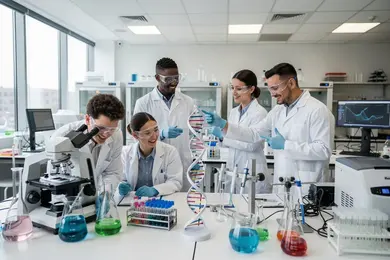
Typical coursework includes microbiology lab techniques, molecular biology, virology, environmental microbiology, and biostatistics, frequently accompanied by capstone projects or local internships to cement applied proficiency.
While fully online tracks expanded over 40% from 2020 to 2024, the tradeoff remains between broader educational reach and replicating in-person experiential depth.
Prospective students assessing this pathway should weigh practical skill acquisition heavily against convenience. For comparison or complementary options in related fields, consider exploring geology degrees online, which also emphasize field and lab components adapted for remote learning.
How do online biological sciences programs handle microbiology labs, research, and hands-on experience?
Online biological sciences programs face a fundamental challenge: virtual coursework cannot substitute for hands-on microbiology lab skills demanded by the clinical workforce.
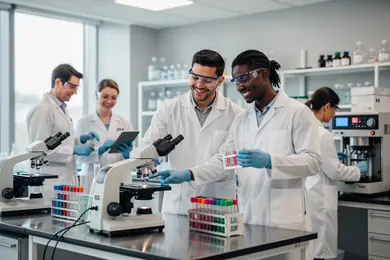
Students must secure local lab practicums-often through partnerships with community colleges or local labs-to gain direct experience in essential techniques like culturing, microscopy, and aseptic procedures. Remote lab kits and virtual simulations exist but remain inadequate for roles requiring certified technical competencies.
Given that 74% of clinical laboratories report staffing shortages lasting beyond six months for microbiology technologists, programs without robust, supervised lab components risk producing graduates who struggle to find frontline positions. Employers prioritize demonstrable lab proficiency and familiarity with diagnostic instruments, which cannot be assumed from theory alone.
Research components usually focus on data analysis, literature review, or bioinformatics conducted remotely. For wet lab experience, students often join faculty-led projects during limited in-person residencies, a pathway suited primarily for research careers rather than clinical technologists.
Prospective students should consider programs' local lab access, clinical internships, and residency options carefully. Without these elements, graduates typically have theoretical knowledge but lack practical skills urgently needed by hospitals and public health agencies.
What admission requirements and prerequisites do online microbiology-focused biology degrees usually have?
Admission into online microbiology-focused biology degrees demands a solid foundation in science coursework and practical lab experience; without these, students risk extended study timelines and added costs.
Essential prerequisites normally include general biology with labs, organic and general chemistry, introductory microbiology, and calculus or statistics, often requiring a minimum GPA near 3.0. This baseline knowledge supports the analytical rigor necessary for advanced microbiology topics central to many research and clinical roles.
For working professionals changing careers, prior relevant science coursework or certifications may translate into credit, but documented competency in foundational biology and chemistry remains non-negotiable to handle upper-division material effectively. Admissions committees seek evidence of quantitative reasoning and lab skills, attributes that enhance preparedness and reduce the likelihood of remediation.
Practical data from medical school admissions reveal that applicants with microbiology or molecular biology coursework not only are more likely to matriculate but also achieve higher science exam scores, giving them an edge in competitive environments.
Such trends suggest that fulfilling microbiology prerequisites aligns with workforce demands, especially in health sciences fields where robust biological sciences expertise correlates with employability.
Prospective students should weigh these requirements against their prior education and career goals, recognizing that investments in rigorous science training upfront often mitigate risks of academic delay and improve long-term outcomes in biological sciences pathways.
How long do these online degrees take, and what do they typically cost to complete?
Online biological sciences degrees with microbiology focus demand a strategic balance between time investment and workforce entry. Full-time tracks typically require 120 to 130 credit hours completed within four years, while part-time or accelerated options may extend to five or six years depending on transfer credits and pacing.
Choosing a slower path affects when graduates become employable in roles such as clinical labs or biotech, where employers weigh credential timelines alongside candidate readiness.
Cost differences between online and campus-based programs are substantial and influence financial feasibility. For instance, the University of Florida's online Microbiology & Cell Science B.S. charges roughly 40% less per credit than its on-campus rate for non-residents, offering $15,000 to $20,000 in potential savings over the entire degree.
However, students must budget beyond tuition for lab kits, specialized software, and technology essential for hands-on microbiology training.
These tradeoffs influence hiring decisions and career pivots, making alignment between program structure, cost, and personal career goals critical for optimizing outcomes in Biological Sciences fields.
What careers can you pursue with an online biological sciences degree emphasizing microbiology?
Microbiology-focused biological sciences degrees primarily funnel graduates into industry roles, where direct applicability of lab skills and regulatory familiarity drives hiring decisions. Over 60% of graduates move into biotech, pharmaceutical manufacturing, environmental testing, or clinical laboratories, sectors demanding expertise in aseptic techniques, microbial genetics, and pathogen detection.
For example, a biotech company will prioritize candidates with hands-on experience in microbial process optimization and quality control, emphasizing programs that integrate strong lab components and applied microbiology.
A significant minority-about 25%-pursue graduate or professional schools aimed at research or medical fields, but must navigate the challenge that many top programs still require in-person research experience, complicating purely online degree pathways.
Certification paths such as ASCP credentialing for clinical labs or GMP training for pharma improve job prospects but add time and expense considerations. Additionally, clinical lab roles require navigating state-specific licensure, introducing further barriers.
Industry jobs often offer clearer career progression than academia, where competition and limited openings impose unpredictability. Practical experience, especially through internships and cooperative education embedded in online programs, substantially enhances employability outcomes.
Prospective students should weigh programs balancing molecular biology theory with relevant, applied lab skills and certifications to align educational investment with tangible workforce demands and long-term career sustainability.
What salaries and job outlook can microbiology-focused biology graduates expect in the U.S.?
Entrants to microbiology-centered roles in the U.S. face an earnings landscape influenced heavily by experience and specialization. Entry-level laboratory or research technician jobs typically offer annual salaries between $50,000 and $65,000, grounded in Bureau of Labor Statistics data.
Attaining higher pay bands of $75,000 to $105,000 often means developing advanced expertise, such as in pharmaceuticals or environmental science, and acquiring pertinent certifications.
The real-world decision between clinical laboratory versus industry research roles involves negotiating stability against potential salary. Clinical settings often provide union protections and steadier wages, while industry positions, although more lucrative, demand enhanced technical skills and come with stiffer competition and workplace pressures.
Global health roles introduce additional complexities, including navigating regulatory frameworks and cultural contexts, which can affect both compensation and job security.
Growth prospects in microbiology-related fields outpace the overall job market with a projected 9% expansion over the next decade. This is driven by urgent healthcare needs and a global shortage of laboratory professionals, particularly pronounced in low- and middle-income countries-a critical factor for U.S. graduates targeting international assignments.
To optimize employability and income potential, students should pursue internships in clinical or industrial labs, acquire relevant certifications such as CLS or ASCP, and align with organizations active in global health. These strategies address employer expectations prioritizing hands-on molecular biology skills over generic credentials.
How can you evaluate and choose a reputable online biological sciences program in microbiology?
Choosing an online biological sciences program in microbiology requires prioritizing accreditation and tangible skill-building opportunities, particularly in microbial techniques valued by employers. Programs offering virtual labs or optional in-person practicums bridge the gap between theory and hands-on experience, crucial for roles in biotech or pharmaceutical settings where applied knowledge drives hiring decisions.
Regional or national accreditation, such as from the Southern Association of Colleges and Schools, confirms program quality and industry recognition. Candidates should assess whether curricula provide in-depth coverage of microbial physiology, genetics, and industrial biotechnology applications, reflecting the sector's evolving needs and growth projections like those outlined in the OECD Biotechnology Outlook, 2024.
Faculty expertise in emerging areas such as microbial engineering and synthetic biology signals a program's alignment with future workforce demands. Programs that incorporate internships or partnerships with biotech firms often demonstrate stronger alumni employment outcomes, directly influencing hiring success in a competitive market.
Delivery format impacts student experience: asynchronous models may suit working professionals but can limit live mentorship critical for mastering complex lab concepts. Comparing graduation rates and employment statistics focused on microbiology tracks, rather than general institutional data, provides a more accurate gauge of real-world returns.
Balancing cost, time investment, and program reputability is essential when targeting specialty certifications or research competencies. Programs lacking clear competency mapping or industry validation risk diminishing degree leverage, affecting job stability and salary growth in the expanding microbial biotech labor market.
Other Things You Should Know About Biological Sciences
An online degree with microbiology training can meet basic educational requirements for many lab technician positions, but hands-on experience often determines hireability. Candidates should verify if their program includes in-person lab components or partnerships with local labs, since employers prioritize demonstrated practical skills alongside theoretical knowledge. Without substantial lab experience, graduates may face limited entry opportunities or need additional certifications to be competitive.
Programs offering faculty-led research enhance employability by providing relevant experience and professional networking within microbiology fields. For career advancement or graduate school preparation, these opportunities are more valuable than programs focusing solely on lectures and exams. Students should choose programs that integrate research mentorship, as this hands-on involvement signals readiness for complex lab work and scientific inquiry to future employers.
Online degrees often lack the extensive clinical training and certifications required for diagnostic or clinical microbiology jobs, limiting graduates mainly to research or industrial lab positions unless supplemented by additional credentials. Employers in clinical settings expect specialized training that cannot be fully replicated online. Individuals targeting these roles should plan for on-site internships or post-degree professional certifications to meet industry standards.
References
- 5 Year BS/MS in Microbiology - Biological Sciences Department https://wagner.edu/biological-sciences/programs/node-195/
- Online Biology Course: Complete Guide to Flexible Science Education [2025] - Prereqcourses https://www.prereqcourses.com/online-biology-course/
- Biological Sciences, B.Sc. Major https://catalog.umanitoba.ca/undergraduate-studies/science/biological-sciences/biological-sciences-bsc-major/
- What roles can I do with a biological sciences | STEM Graduates https://stemrecruitment.com/content-hub/what-roles-can-i-do-with-a-biological-sciences-degree/
- Online Microbiology Course Guide: Accredited Programs & Lab Options https://acceleratedsciences.scuhs.edu/online-microbiology-course-guide-accredited-programs-lab-options/
- Microbiology https://online.une.edu/science-prerequisites/microbiology-lecture-lab/
- Can Online Biology Courses Replace In-Person Labs? https://www.straighterline.com/blog/can-online-biology-courses-replace-in-person-labs
- How To Become A Biologist | Biology Degrees And Careers https://www.learnhowtobecome.org/science-technology-careers/biology/