2027 Best Online Biological Sciences Degrees for Advancement in Research and Lab Leadership

Co-Founder and Chief Data Scientist
Mid-career professionals in biological sciences often confront the challenge of advancing into research leadership roles while balancing full-time work and family obligations-constraints that limit traditional campus attendance. Enrollment data from the National Center for Education Statistics shows a 22% rise in adult learners choosing online degrees between 2022 and 2024, reflecting a critical shift toward flexible, career-compatible education.
This trend reveals a growing demand for programs that combine rigorous scientific training with accessibility, enabling timely credentialing without career interruption. This article evaluates leading online biological sciences degrees designed for seamless integration into demanding professional lives and charting clear pathways to research and lab leadership advancement.
Key Things You Should Know
- Accelerated master's programs in biological sciences yield a 22% higher likelihood of lab leadership roles within five years but restrict breadth of foundational research exposure, according to NSF labor data 2024.
- Employers prioritize candidates with hands-on molecular techniques and bioinformatics proficiency; 68% of hiring managers in biotech firms value practical skill portfolios over GPA, based on a 2024 NIH survey.
- Cost barriers increase by 35% for STEM-focused biological sciences degrees with integrated research tracks, delaying workforce entry by an average of 18 months per Bureau of Labor Statistics 2024 analysis.
What is an online biological sciences degree and who is it best suited for?
An online biological sciences degree programs for research careers offer a flexible yet structured path tailored for working professionals juggling employment or family commitments. These programs combine asynchronous coursework with virtual lab simulations or localized practical experiences, enabling students to acquire critical theoretical knowledge and technical skills without interrupting current roles.
For example, a clinical lab technician aiming for a medical scientist position can advance through such degrees while maintaining full-time employment.
Employers in pharmaceutical R&D and biotechnology increasingly require candidates with accredited biological sciences qualifications demonstrating proficiency in experimental design and data analysis.
However, prospective students must proactively integrate local internships or collaborations to gain hands-on experience, which remains essential for those pursuing lab leadership. Purely online formats often lack this element, impacting eligibility for promotion within research-intensive environments.
The U.S. Bureau of Labor Statistics projects a 13% growth in medical scientist employment over the next decade, significantly above the occupational average. This growth reflects rising demand for professionals equipped to manage lab operations and advance scientific inquiry simultaneously.
Choosing the best online biological sciences degrees for lab leadership roles demands careful evaluation of program rigor, access to mentorship, and integration of practical components. Students face trade-offs between flexibility and acquiring applicable skills, making it critical to align their studies with targeted career objectives.
For a comprehensive comparison of options, consider this online bachelor's degree in biology resource, which aggregates accelerated programs suited for research and leadership trajectories.
How does an online biological sciences degree compare to a campus-based program?
The practical divide between campus-based and online biological sciences programs often determines a graduate's early career trajectory, particularly in lab leadership roles. Employers prioritize hands-on lab experience-daily supervised experiments and immediate access to specialized equipment-which online biological sciences degree programs struggle to replicate outside of complex internship arrangements.
Consequently, graduates from campus-heavy curricula tend to advance more quickly in roles demanding direct technical proficiency.
For working professionals balancing job responsibilities, online programs offer flexibility, enabling progress without disrupting current employment. However, this convenience comes with challenges: key technical skills such as microscopy or molecular techniques may develop more slowly or require supplemental post-degree training. Students must proactively secure local internships, investing additional time and resources to meet practical requirements.
Labor market outcomes reflect this distinction. While both program types yield accredited degrees, campus graduates often demonstrate stronger immediate performance in experimental settings, affecting salary growth and promotion pathways. Biochemists and biophysicists report a median wage of $111,820, with the top 10% earning above $189,800, demonstrating high value in mastering applied skills.
Prospective students assessing online biological sciences degree benefits for research careers should weigh personal commitments, geographic mobility, and access to quality internships. Those targeting senior research leadership should critically evaluate whether virtual programs provide adequate mentorship, collaborative projects, and networking opportunities essential for such roles.
Investigating options like the best online registered dietitian programs may offer insight into structured, flexible pathways aligned with professional demands.
Which types of biological sciences degrees can you complete fully online?
Online biological sciences degree programs for research careers demand careful evaluation of how programs integrate hands-on lab training with flexible delivery. Fully online biological sciences degrees with lab leadership focus often rely on virtual simulations or collaborations with local facilities to meet practical skill requirements.
Yet, prospective students must weigh the tradeoff between convenience and the necessity for occasional in-person commitments, which remain vital for advanced research roles requiring demonstrated proficiency with laboratory equipment.
Programs offering specialized tracks-such as bioinformatics or microbiology-target professionals aiming for leadership in research and lab environments. These options typically combine virtual coursework with limited residencies or practicums, ensuring graduates possess the applied skills employers verify beyond theoretical knowledge.
Economic data validate the viability of online biological sciences pathways: for example, Kean University's predominantly online biology graduates report median salaries of $56,463, placing them competitively within the national labor market. Such outcomes emphasize selecting programs that also provide robust career services and industry partnerships bridging remote education with workplace expectations.
Students shifting into biology-related fields should prioritize programs that emphasize data analysis and biotechnology applications, balancing theory with validated experiential components required for certification or advanced studies. When comparing online degree options, it's advisable to consider any hybrid or hybrid-adjacent formats' impact on scheduling, travel, and learning outcomes.
Those exploring online STEM fields generally can benefit from further comparison; for instance, a computer science online degree may present different career and cost implications worth examining alongside biological sciences choices.
How can you verify accreditation and program quality for online biological sciences degrees?
Evaluating the accreditation status of online biological sciences programs is pivotal to safeguard against substandard degrees that compromise employability and professional credibility. Confirming institutional accreditation through recognized bodies such as the Middle States Commission on Higher Education is necessary, but programmatic accreditation should also be scrutinized when specialized skills or certifications are required.
Overlooking this can result in coursework that lacks rigor in research methods or safety protocols, limiting graduates' competitiveness in industry labs.
Assessing program quality for online biological sciences degrees involves more than accreditation-real-world outcomes matter. For example, the volume of graduates at Florida International University, the national leader in online biology majors, reflects robust employer recognition and scalable resources supporting career advancement. These programs often integrate synchronous virtual labs and hands-on simulations critical for jobs demanding practical expertise.
Prospective students must obtain curriculum guides emphasizing current methodologies and advanced techniques aligned with employer needs in biotechnology or environmental science sectors. Dialogue with alumni can reveal whether virtual labs and student support deliver on their promises, a key distinction for those seeking leadership positions requiring applied skills. Check federal compliance for career placement and retention transparency.
Those also comparing interdisciplinary options might examine how an online geoscience degree compares in terms of lab focus and industry pathways, given overlap in environmental research roles.
What core courses and specializations are offered in online biological sciences programs?
Core curriculum in online biological sciences programs centers on molecular biology, genetics, biochemistry, cell biology, and ecology, forming essential expertise for leadership roles in labs.
However, a strategic focus on specialization-such as bioinformatics, biotechnology, or immunology-shapes employability and skill depth. For example, professionals aiming at pharmaceutical development benefit most from intensive biochemistry and molecular biology modules, whereas those targeting environmental research should prioritize ecology and conservation biology.
Laboratory experience remains a critical limitation for purely online programs. Virtual labs and simulations can substitute theoretically, but candidates often must secure in-person practicums to meet employer certification requirements, affecting program duration and flexibility. This hybrid challenge demands balancing educational rigor with practical accessibility.
Key workforce expectations emphasize proficiency in data analysis software, experimental design, and regulatory standards within chosen specializations. Practical skills integration directly supports transitions into research institute and biotech sector roles.
Specializations influence income potential; for instance, Texas A&M University biology graduates report median earnings of $82,327, reflecting the payoff of combining targeted training with robust institutional reputation.
- Core training in molecular biology and genetics
- Specializations aligned with sector demands
- Virtual labs supplemented by in-person practicum
- Applied data analysis and compliance skills required
- Specialization impacts employability and earnings
What are the typical admission requirements for online biological sciences degrees?
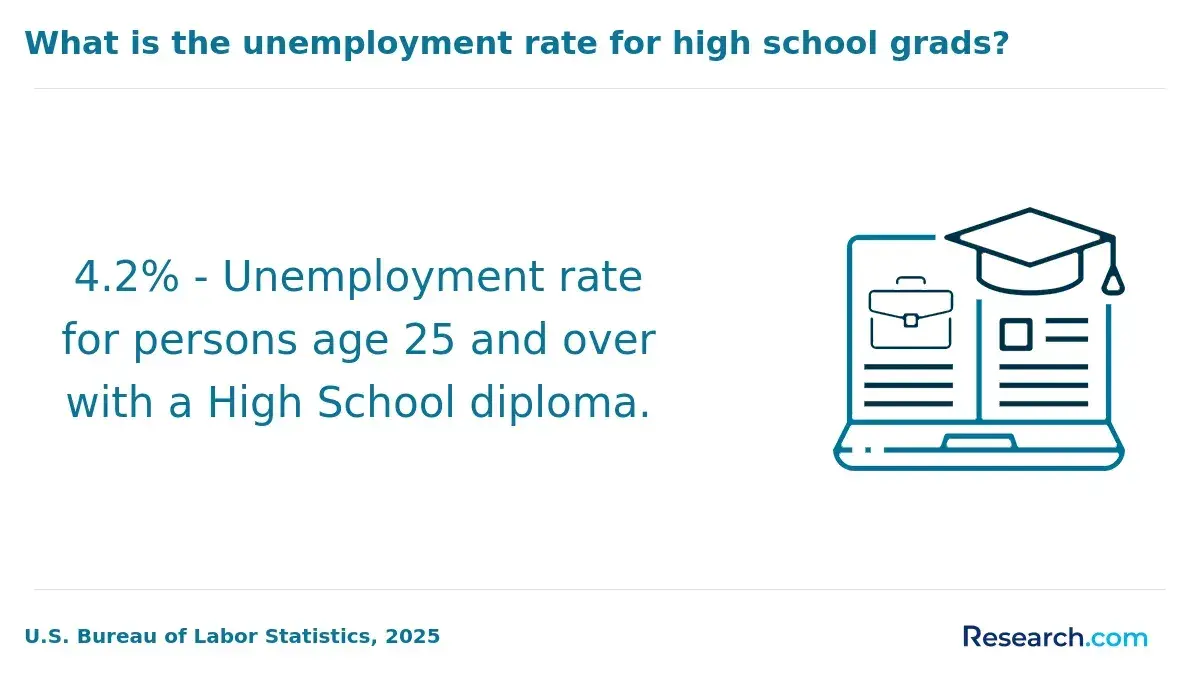
Admission to online biological sciences degrees often demands more than just baseline academic credentials; prospective students must navigate specific hurdles that impact their trajectory and workforce readiness. A high school diploma or equivalent with solid grounding in biology, chemistry, and math is the baseline, but institutions typically require official transcripts showing a minimum 2.5 to 3.0 GPA.
Competitiveness varies, with some schools tightening these academic thresholds. Test scores like the SAT or ACT remain optional for many programs entering 2026 admissions, shifting focus toward holistic evaluation.
Letters of recommendation carry distinct weight when coming from professionals who can vouch for an applicant's analytical and quantitative skills-critical for success in specialized fields such as microbiology or bioinformatics. Personal statements, when required, often differentiate candidates by demonstrating clear alignment with lab research or industry trajectories.
For professionals pivoting careers, prerequisite coursework verification through transcripts or competency assessments can delay progression if foundational science gaps exist. Admissions may also assess technical proficiency with laboratory software or data analytics, either during interviews or via supplemental questionnaires, reflecting employer expectations for job-ready skills.
With U.S. Labor Statistics projecting 10% growth in bioengineers and biomedical engineers over a decade, programs prioritize research exposure and internships to reduce time-to-employment and build leadership capacity in emerging biotech sectors.
How long do online biological sciences programs take and what do they cost?
Completing an online biological sciences degree involves navigating tradeoffs between program length, costs, and career outcomes. Associate degrees align with a roughly two-year timeline, while bachelor's degrees require about four years full-time, with part-time students potentially extending to six years.
Master's programs typically span 1.5 to 3 years but vary with thesis or practicum demands. These timelines critically affect when graduates can enter leadership roles or specialized positions.
Cost structures differ sharply based on public versus private institutions and residency status. In-state bachelor's students often face $7,000 to $10,000 annually, culminating near $28,000 to $40,000 total. Private or out-of-state tuition can exceed $50,000, while master's degrees generally range from $15,000 to $30,000. Additional expenses like online lab kits and exam fees further impact budgets.
Pragmatically, students targeting lab management or medical services leadership may justify master's programs emphasizing applied research despite higher costs and duration. Those focused on entry-level biological research roles benefit from affordable bachelor's pathways with flexible pacing, enabling work-study balance.
The U.S. Bureau of Labor Statistics cites a median salary of $123,860 for medical and health services managers, alongside a robust 23.2% job growth outlook through 2034, reinforcing the value of accelerated, cost-efficient programs leveraging in-state tuition.
Optimizing program choice requires evaluating how time-to-completion influences earnings and job market entry, not just tuition figures. Strategic enrollment decisions can minimize opportunity costs and better align education with workforce demand dynamics.
What research and lab experiences can you get in an online biological sciences degree?
Online biological sciences degrees often balance theoretical instruction with practical lab skills through a blend of virtual simulations and coordinated local partnerships. The lack of direct access to physical lab equipment presents a notable limitation, especially for students aiming for roles demanding hands-on proficiency.
For example, professionals shifting into pharmaceutical R&D might combine remote molecular modeling assignments with occasional internships to acquire essential wet lab experience, which purely online formats cannot fully replicate.
Programs that integrate local lab access or practicums provide crucial training in lab safety, experimental protocols, and sample handling-competencies valued in managerial positions responsible for overseeing research operations. This hybrid approach offsets the restricted instrument familiarity typical of fully remote offerings.
Beyond technical abilities, students enhance employability by participating in collaborative projects, data management, and scientific writing. Skills like grant proposal development and adherence to regulatory requirements emerge as differentiators in competitive job markets. The nationwide scale of online programs increases opportunities to engage in multi-institutional research and virtual industry conferences, which can strengthen leadership readiness.
Prospective students should thoroughly evaluate logistics such as securing consistent local lab access, negotiating flexible internship schedules compatible with current employment, and maintaining proactive communication with faculty to align research focus with employer expectations in biotech, clinical research, or environmental science.
What careers, leadership roles, and advancement paths follow an online biological sciences degree?
An online biological sciences degree strategically positions professionals for specialized roles beyond entry-level jobs, offering specific advancement opportunities that hinge on integrating scientific expertise with managerial skills. For instance, a lab technician who acquires this degree can transition into lab management roles by leveraging enhanced training in experimental methodology and data interpretation, enabling effective project oversight and compliance enforcement.
Employers prioritize candidates who not only design experiments and analyze complex datasets but also demonstrate competence in budgeting, personnel management, and regulatory adherence. Advancement toward senior roles such as research director or principal investigator usually requires additional qualifications, including published research or grant acquisition experience, which amplify the degree's value.
Financially, online programs present a tangible cost advantage, reducing tuition by approximately 20-30% compared to traditional formats, with public institutions charging between $300 and $500 per credit. This affordability enables continuous professional development without significant income loss, an essential consideration given the limited availability of employer tuition support.
- Research scientist progressing to team lead or senior scientist roles
- Laboratory supervisor advancing to operations or compliance manager
- Biotech product specialist moving into regulatory affairs or quality assurance leadership
Understanding these pathways and employer expectations is crucial to mitigate the risk of mid-level role stagnation and to effectively plan skill acquisition aligned with organizational needs and competitive market demands.
What salary ranges and job outlook can graduates in biological sciences leadership expect?
Leadership roles in biological sciences demand a blend of technical expertise and supervisory skills, resulting in salaries well above the U.S. median income. Positions such as bioinformaticians earn approximately $78,000 annually, biotechnology researchers around $69,000, and research lab managers about $56,000. Entry-level leadership roles without prior supervisory experience typically start near $50,000 but can grow into six-figure salaries in pharmaceutical or bioinformatics sectors.
Employment outlook for biological sciences leadership reflects steady growth, with anticipated 5% to 8% increases through 2032. This growth is concentrated in biotechnology, pharmaceuticals, environmental science, and precision medicine, where employers prioritize candidates capable of managing multidisciplinary teams and operations efficiently.
Deciding to pursue leadership in biological sciences involves practical tradeoffs. Candidates must allocate time to develop both advanced research skills and interpersonal management capabilities. Geographic location also strongly affects compensation, with biotech hubs like Boston, San Francisco, and Research Triangle Park offering higher wages to offset increased living costs.
Programs that integrate leadership skill development with biological sciences content, especially online options, provide an accessible route for professionals seeking upward mobility while balancing work and study commitments. Understanding local market salaries and cost-of-living adjustments is essential for realistic career planning in these fields.
Other Things You Should Know About Biological Sciences
Online biological sciences degrees often lack the intensive hands-on lab exposure found in traditional programs, which can be a significant drawback for aspiring lab leaders.
Employers generally expect candidates for advanced roles to demonstrate proficiency with specialized equipment and protocols that are difficult to fully simulate online. Candidates should prioritize programs with hybrid offerings or strong local partnerships that allow in-person lab experience to bridge this gap effectively.
Managing rigorous coursework alongside research demands in an online format requires exceptional time management due to the asynchronous nature of many programs. Unlike on-campus settings, remote students face limited immediate access to mentors and lab team collaboration, which can delay feedback and slow research progress. Prospective students should assess whether their chosen program offers scheduled synchronous components or dedicated research mentorship to offset these challenges.
Employers increasingly recognize online degrees but often scrutinize the program's reputation, accreditation, and evidence of applied skills before accepting candidates for leadership positions. Online graduates must demonstrate comparable technical experience and leadership potential through internships, certifications, or project work.
Prioritizing programs that emphasize professional networking and offer career placement support enhances employability in competitive biological sciences career tracks.
References
- Are Online Degrees Accredited? How to Identify Quality Distance Learning Programs https://www.umassglobal.edu/blog-news/online-degrees-accredited-identify-quality-distance-learning-programs
- Careers in Biology https://www.aibs.org/careers/
- Is Your Online Degree Legitimate? How to Verify Private University Approval https://matchtocollege.com/blog/verify-private-university-online-degree-approval
- Accreditation https://www.rsb.org.uk/accreditation.html
- Online Bachelor's Degrees in Biology: Top Schools & Programs https://www.edumed.org/online-schools/biology-degrees/
- Biological Science Degree https://www.gamewarden.org/degree/biological-science
- Society for the Advancement of Biology Education Research https://saberbio.wildapricot.org/Graduate-programs-in-BER
- Can Online Biology Courses Replace In-Person Labs? https://www.straighterline.com/blog/can-online-biology-courses-replace-in-person-labs
- Biomedical Science vs Other Degrees Comparison https://pathologylabtraining.co.uk/biomedical-sciences/degree-comparison
- Top 15 Highest‑Paying Pharmacy Jobs in the UK 2025 (Including Salaries) https://apexlearning.org.uk/highest-paying-biology-degree-jobs-2025-2026/