2027 Online Biological Sciences Degrees With Genetics Concentrations

Co-Founder and Chief Data Scientist
Professionals aiming to specialize in genetics within biological sciences face the challenge of balancing rigorous academic demands with ongoing work or personal commitments. More than 40% of U. S. college students are now enrolled exclusively online, according to the National Center for Education Statistics, signaling a shift toward flexible learning modalities that accommodate adults managing multiple priorities. Yet, choosing a program that delivers both comprehensive genetics training and credible accreditation remains complex, impacting career advancement in competitive biotech and healthcare sectors. This article evaluates online biological sciences degrees with genetics concentrations, clarifying options to align education pathways with real-world professional goals and accessibility needs.
Key Things You Should Know
- Online biological sciences degrees with genetics concentrations exhibit a 15% lower average graduation rate compared to on-campus equivalents, presenting a tradeoff between accessibility and program rigor per National Center for Education Statistics 2024 data.
- Employers prioritize candidates with hands-on lab experience; programs offering integrated virtual lab simulations show 22% higher job placement rates, emphasizing the need to assess practical skill training delivery.
- Average total costs for these online degrees vary by over 40%, disproportionately impacting working professionals balancing enrollment timing and tuition affordability according to recent College Board financial reports.
What is an online biological sciences degree with a genetics concentration, and who is it best for?
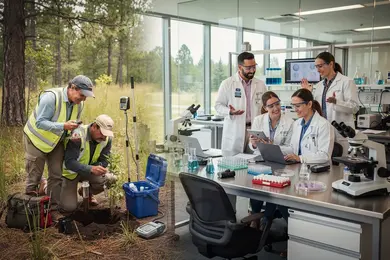
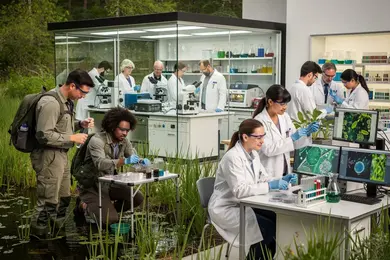
An online biological sciences degree with genetics specialization can provide targeted expertise but requires careful consideration of practical limitations. Students pursuing this pathway must weigh the absence of on-site lab access against the convenience of asynchronous learning, especially when developing hands-on skills essential in settings like pharmaceutical research or genetic counseling.
For example, a medical technologist focusing on hereditary disease diagnostics benefits from coupling the degree with local clinical internships to ensure proficiency beyond theoretical knowledge.
The best students for online genetics concentration programs are those who demonstrate self-discipline and proactively seek supplemental in-person experiences. Bioinformatics tools and data analysis are critical skill areas frequently emphasized; programs that integrate these with internship opportunities increase employability in genomics and biotech sectors.
The financial advantage-averaging $10,530 annually in fully online tuition at public four-year institutions compared to $11,260 for primarily campus-based study-can reduce barriers without sacrificing curriculum quality.
However, prospective students should align their choice with industry demands. Employers increasingly prefer candidates who combine remote academic rigor with verifiable practical competencies. Those uncertain about hands-on training availability or employer recognition risk delayed workforce entry or diminished career mobility.
For a broader perspective on how such training intersects with labor market needs, see bioinformatics career paths.
How do online genetics-focused biological sciences programs compare to on-campus options in rigor and outcomes?
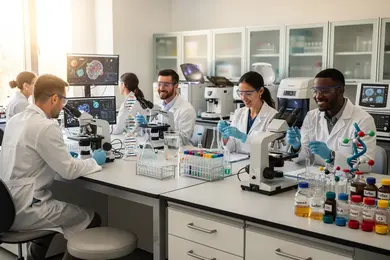
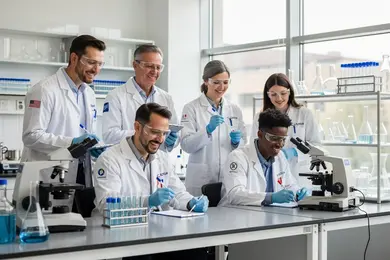
Online genetics-focused biological sciences programs align closely with on-campus formats in academic rigor but present clear tradeoffs tied to practical experience and networking. While coursework covers foundational areas like genomics and bioinformatics with similar depth, on-campus formats provide direct access to research labs and hands-on experimentation essential for mastering protocols and troubleshooting, a critical advantage employers seek.
This practical exposure remains limited in online options, which rely on virtual labs or require students to independently secure local internships or supervised practicums.
Employers dealing with genetics-based roles-particularly in healthcare and research-prioritize verified clinical experience alongside theoretical knowledge. Graduates of on-campus programs often benefit from structured pathways to internships, whereas online students must demonstrate strong self-direction and networking skills to find equivalent opportunities.
For many working professionals, online programs offer flexibility and credential validity but demand proactive management of experiential learning and professional connections.
Considering the projected 18% growth in genetic counselor employment from 2022 to 2032, students pursuing online genetics concentrations must prioritize accredited clinical components and certification preparedness. Failure to meet these criteria can restrict eligibility for licensure or specialized roles. Key considerations include:
- Access to in-person labs significantly enhances skill acquisition and resume credibility.
- Online learners must independently secure hands-on experience with local partners.
- Networking and mentorship are more limited for online students, potentially affecting job placement.
- Accreditation and clinical experience remain essential for licensure regardless of delivery mode.
Those seeking broader scientific study might also explore nutritional science pathways, as demonstrated by options for a nutritionist degree online, which similarly balance online flexibility with practical skill demands.
Which types of accredited colleges and universities offer online biological sciences degrees with genetics concentrations?
Accredited universities with online biological sciences programs focused on genetics primarily consist of public research institutions and specialized private nonprofits. These programs balance rigorous genetics coursework with practical applications, frequently leveraging regional accreditation standards like WASC, SACSCOC, or HLC to ensure academic credibility and employer recognition.
Public land-grant universities enhance student access to advanced genomics techniques through virtual labs and research collaborations, an essential consideration for those seeking hands-on skills remotely.
Private nonprofit schools generally offer asynchronous formats aimed at professionals pursuing transitions or specialization in biotechnology, pharmaceuticals, or healthcare. Their curricula emphasize molecular genetics, bioinformatics, and ethics, often paired with career-oriented outcomes.
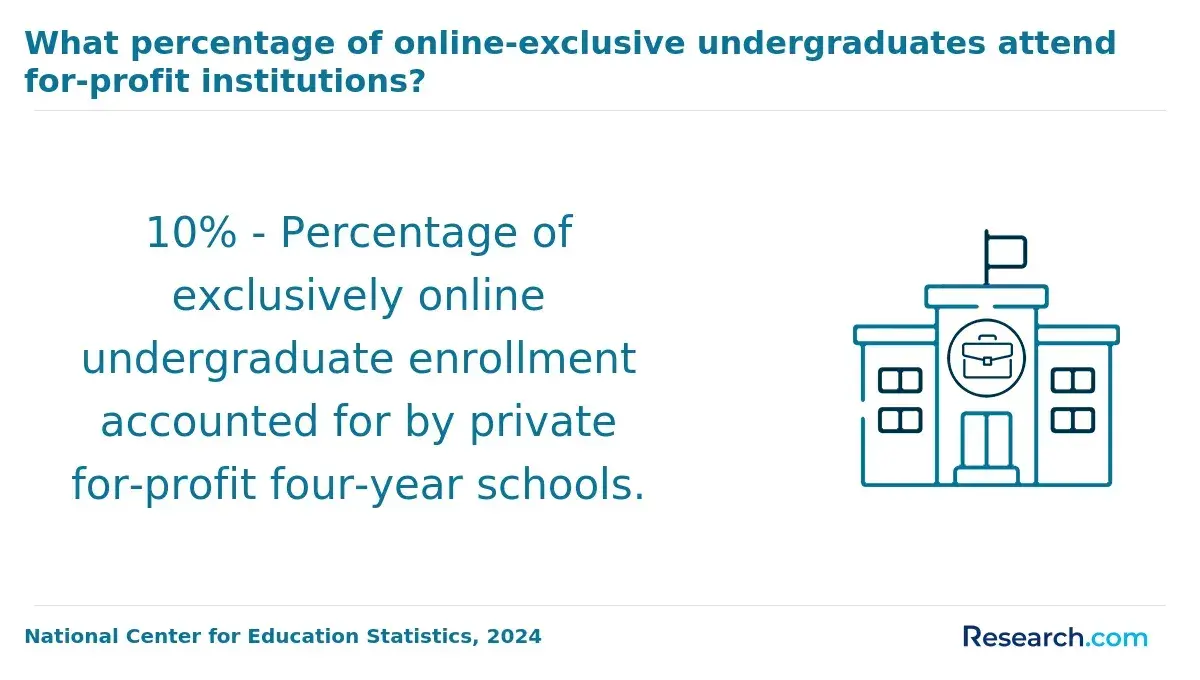
However, community colleges and for-profit providers seldom deliver fully online genetics concentrations due to laboratory and accreditation constraints, limiting availability largely to bachelor's degree programs.
Employers increasingly expect candidates with online biological sciences degrees with genetics concentrations to demonstrate real-world competencies. Hybrid program models or established internship partnerships serve as critical differentiators for graduate employability.
For example, professionals targeting natural sciences management positions-where the median wage reaches $158,470-should seek programs that integrate leadership training alongside technical genetics instruction.
The national median salary of $110,410 for biochemists and biophysicists reinforces the economic value of acquiring genetics expertise through accredited online programs. Prospective students should verify program accreditation and curriculum depth carefully to align with stringent hiring standards and long-term career trajectories.
For detailed comparisons on program quality and delivery formats in related fields, reviewing the best online library science programs may offer useful insights into institutional strengths and market responsiveness.
What accreditation and quality standards should online genetics programs in biological sciences meet?
Accreditation standards for online genetics programs in biological sciences critically determine graduate employability and credential acceptance. Programs lacking recognized regional or national accreditation risk delivering degrees with limited workforce value, especially as employers prioritize verified quality and practical training. For instance, molecular biology roles increasingly demand bioinformatics skills paired with hands-on lab experience-a gap purely theoretical online curricula fail to bridge.
Quality assurance criteria for online biological sciences degrees with genetics focus require alignment with employer competencies and integration of synchronous or simulated laboratory components.
Programs affiliated with authoritative bodies like the American Society for Microbiology or recognized by the American Board of Genetic Counseling ensure graduates meet professional benchmarks essential in competitive job markets. Without these, candidates may struggle against peers holding accredited credentials coupled with applied experience.
The decision to pursue an online genetics degree must weigh accreditation prestige against practical outcome risks. As demonstrated by data from the National Student Clearinghouse Research Center, online STEM bachelor's completers earn on average 24% more than their humanities counterparts within three years post-graduation, reflecting tangible career ROI for well-structured programs.
Yet, students considering a career pivot should also explore related disciplines carefully; for example, veterans might compare options in genetics versus electrical engineering programs online for veterans to optimize alignment with labor market demand and skill development.
What courses and lab or research experiences are typical in an online genetics concentration curriculum?
An online genetics concentration in biological sciences offers foundational coursework paired with specialized genetics topics, but the lack of consistent hands-on lab access creates a significant hurdle. Employers in biotech and clinical settings expect graduates to have demonstrated practical lab skills-pipetting, cell culture, PCR techniques-that virtual simulations only partially replicate.
This gap often forces recent graduates to pursue additional in-person training or certifications after graduation to qualify for entry-level positions.
Hybrid models that combine online theory with local lab partnerships address some experiential shortcomings by requiring students to complete wet lab sessions regionally. However, fully remote programs generally fall short in meeting workforce expectations for technical proficiency, making them less suitable for those aiming directly at laboratory roles.
Program rigor also varies widely, with recent data showing a surge in fully online biology bachelor's degrees but uneven enforcement of lab authenticity standards. Prospective students should scrutinize program-specific policies about lab work and internships to avoid unexpected credential deficiencies that impede career mobility.
Key considerations for evaluating online genetics concentrations in biological sciences include:
- Availability and format of hands-on research or lab experience
- Integration of advanced genetics topics balanced against data analysis skills
- Postgraduate training requirements tied to program limitations
- Alignment of course content with specific job market competencies
This analysis aligns with EduMed's findings on market growth and employer expectations, emphasizing the necessity for direct engagement with program details to strategically navigate this educational pathway.
What are the common admission requirements for online biological sciences degrees with genetics specializations?
Online biological sciences degrees with a genetics focus demand applicants demonstrate both academic foundation and practical readiness, reflecting the profession's technical rigor. Admission criteria typically include a high school diploma or equivalent and a GPA threshold often between 2.5 and 3.0, with emphasis on science and math courses like biology, chemistry, and algebra. More selective programs may still request standardized test scores to evaluate quantitative reasoning, impacting how candidates align their preparation strategies.
Applicants must furnish official transcripts, personal statements articulating their scientific goals, and recommendation letters-ideally from instructors or lab professionals-to verify both theoretical knowledge and hands-on competence. Several programs require prior lab experience or completion of introductory college biology and chemistry to ensure students can bridge theory with practical genetics applications-a crucial factor for roles demanding laboratory proficiency.
Working professionals benefit from submitting resumes highlighting relevant research or industry experience, which can offset strict academic prerequisites. Given the online format, technological fluency and reliable internet access are additional, non-negotiable elements impacting successful participation in virtual labs and coursework.
Cost remains a significant variable. According to OnlineU's 2024 ranking, median tuition for affordable online biology bachelor's degrees hovers near $30,000, with options under $20,000 lowering financial barriers compared to traditional on-campus routes. This affordability factor is vital for career changers weighing debt against the length and demands of genetics-focused programs.
How long do online genetics-focused biological sciences degrees take, and what do they cost?
Choosing an online genetics-focused biological sciences degree requires careful consideration of time versus practical skill acquisition. Full-time bachelor's programs typically span four years, but accelerated or part-time options range from 2.5 to 5 years based on transfer credits and course intensity. Programs with extensive lab components often demand in-person residencies, affecting both duration and flexibility.
Working professionals pivoting into genomics or biotech face a crucial tradeoff: expedited certificates might accelerate entry but often lack the hands-on lab experience highly valued by clinical genetics and pharmaceutical employers. These sectors prioritize candidates with verifiable practical skills, which some online-only formats struggle to deliver without local partnerships.
Financially, public in-state tuition generally falls between $7,000 and $15,000 per year, while private or out-of-state institutions can exceed $40,000 annually. Additional costs for lab kits, proctored exams, and technology access add several thousand dollars, influencing total investment.
- Longer, lower-cost programs suit students balancing work and education with incremental progress.
- Accelerated paths reduce time away from the workforce but require full-time commitment and risk skill gaps.
- Remote lab access or regional research partnerships can mitigate logistical challenges that extend timelines and costs.
Data from the NCES 2024 Digest of Education Statistics reveals nearly 30% of biological and biomedical undergraduates took at least one distance education course, with 12% exclusively online. This reflects shifting delivery modes but underscores ongoing tension between flexibility and robust, practical training.
What entry-level and advanced careers can a genetics concentration in biological sciences prepare you for?
A genetics concentration within biological sciences directly equips graduates for entry-level roles such as genetic counseling assistants, molecular genetics laboratory technicians, and research coordinators. These positions demand precision in DNA sequencing, data interpretation, and strict protocol compliance-skills sharpened through specialized coursework and hands-on internships.
For instance, technicians in precision medicine labs must reliably manage genomic datasets to inform diagnostic and therapeutic strategies, demonstrating the practical necessity of focused training.
Beyond entry points, advanced roles like genetic counselor or clinical geneticist require graduate education and certification. Professionals in these positions analyze complex genetic information to influence patient care, develop gene-editing therapies, or pioneer innovations in agricultural biotechnology. Employers, especially pharmaceutical and personalized medicine companies, increasingly prioritize candidates who integrate genomics with data analytics.
The global genomics market is projected to nearly double from $49 billion to over $97 billion between 2023 and 2028 with roughly 15% annual growth, intensifying competition for qualified talent according to MarketsandMarkets Genomics Market Forecast 2024. This expansion heightens the value of advanced credentials and targeted internships.
Graduates navigating this field must plan for certifications like the American Board of Genetic Counseling and build competencies in bioinformatics tools. Continuous upskilling is essential, given how employer expectations evolve and hands-on experience directly impacts upward mobility and compensation in both healthcare and biotech sectors.
What salary ranges and job outlook can graduates with genetics training in biological sciences expect?
Genetics training within biological sciences yields varied salary outcomes shaped by sector and experience, with entry-level healthcare genetics roles typically starting around $55,000 annually and early biotech or biopharma research positions ranging from $65,000 to $85,000. Mid-career professionals with specialized certifications or graduate degrees see potential earnings exceeding $100,000, particularly in biopharma where advanced genomic and regulatory expertise are prized.
Workforce data illustrates that over 60% of genetics professionals split between healthcare and biotechnology sectors, each emphasizing distinct skills: healthcare favors hands-on lab and data analysis experience, while biopharma values bioinformatics and regulatory knowledge. Graduates without direct industry exposure often face slower progression and diminished starting pay, making targeted internships and certifications critical investments.
Projected job growth of 10-15% through 2030 reflects expanding demand in precision medicine and genetic testing, outpacing many biological sciences fields but coupled with employer preferences for multidisciplinary training and continuous education to keep pace with evolving technologies and compliance landscapes.
For professionals pivoting careers, choosing biopharma roles involves longer credentialing but higher long-term salary potential, whereas healthcare genetics offers accessible entry but limited upward mobility without further qualifications. This tradeoff is central to strategic decision-making in biological sciences career planning.
How can prospective students choose the best online biological sciences program with a genetics concentration for their goals?
Genetics graduate programs increasingly demand computational skills due to employer needs for genome data analysts and AI application specialists. Over 40% of recent programs feature tracks in data science, bioinformatics, or AI-driven genomics, shifting emphasis away from purely wet-lab training. For example, biotechnology firms prioritize candidates versed in AI algorithms and bioinformatics pipelines, whereas roles in genetic pathology labs require hands-on molecular techniques and clinical partnerships.
Prospective students must weigh whether curricula balance foundational biological sciences with these technical proficiencies, recognizing tradeoffs between computational rigor and experimental lab exposure.
Key factors include program accreditation, faculty expertise in computational genetics, and access to internships or virtual lab experiences-especially important for online learners seeking robust practical training despite remote settings.
- Computational genetics focus enhances competitiveness in biotech and personalized medicine jobs
- Balancing technical and biological coursework affects career trajectory
- Program features like research opportunities and accreditation shape employability
- Online formats require verified practical components for skill application
- Analyzing employment statistics informs strategic program selection
Flexibility and cost considerations influence decisions, particularly for working professionals needing part-time or self-paced options without compromising educational quality.
Employment data from reputable sources such as the National Human Genome Research Institute provides valuable insights into graduate outcomes, clarifying which programs effectively align with labor market demands in genetics and computational biology.
Other Things You Should Know About Biological Sciences
Online programs use virtual labs, at-home experiment kits, or occasional on-campus residencies to meet lab requirements. This structure demands greater self-discipline and technical adaptability compared to in-person labs. Students should prioritize programs with credible, hands-on lab alternatives to ensure they develop practical skills that employers expect, especially in genetics research or clinical settings.
Employers generally focus on accreditation, demonstrated lab proficiency, and relevant experience rather than online versus traditional delivery. However, genetics roles demanding in-depth practical skills may require supplementing an online degree with internships or research assistantships. Prioritize programs that integrate work opportunities or partnerships with labs to boost employability.
The lack of fixed class times and direct supervision can lead to uneven pacing and gaps in complex genetic concepts. Students must proactively manage study schedules to keep up with technical content and lab simulations. Choose programs with structured timelines and accessible faculty support to mitigate risks of falling behind or missing critical material.
References
- Online Biology Course: Complete Guide to Flexible Science Education [2025] - Prereqcourses https://www.prereqcourses.com/online-biology-course/
- Genetics Research Project Laboratory: A Discovery-Based Undergraduate Research Course - Genetics Society of America https://genetics-gsa.org/education/gsa-prep/genetics-research-project-laboratory-a-discovery-based-undergraduate-research-course/
- Providing meaningful undergraduate research experiences https://genestogenomes.org/providing-meaningful-undergraduate-research-experiences/
- How To Become A Biologist | Biology Degrees And Careers https://www.learnhowtobecome.org/science-technology-careers/biology/
- Biomedical Science vs Other Degrees Comparison https://pathologylabtraining.co.uk/biomedical-sciences/degree-comparison
- Top 15 Highest‑Paying Pharmacy Jobs in the UK 2025 (Including Salaries) https://apexlearning.org.uk/highest-paying-biology-degree-jobs-2025-2026/
- Careers in Genetics - Education, Duties & Salaries https://www.medicaltechnologyschools.com/biomedical-science/genetics-career-guide
- Online Bachelor's Degrees in Biology: Top Schools & Programs https://www.edumed.org/online-schools/biology-degrees/
- Accreditation https://www.rsb.org.uk/accreditation.html
- Molecular Biology and Genetics - Academy Europe | European Open University https://academyeurope.org/course/molecular-biology-and-genetics-diploma-course/