2027 Online Biological Sciences Degrees With Biomedical Foundations Concentrations

Co-Founder and Chief Data Scientist
Facing a fast-evolving healthcare landscape, professionals seeking to transition or advance in biological sciences confront an urgent challenge: balancing rigorous scientific training with flexible, accessible education that aligns with demanding work schedules.
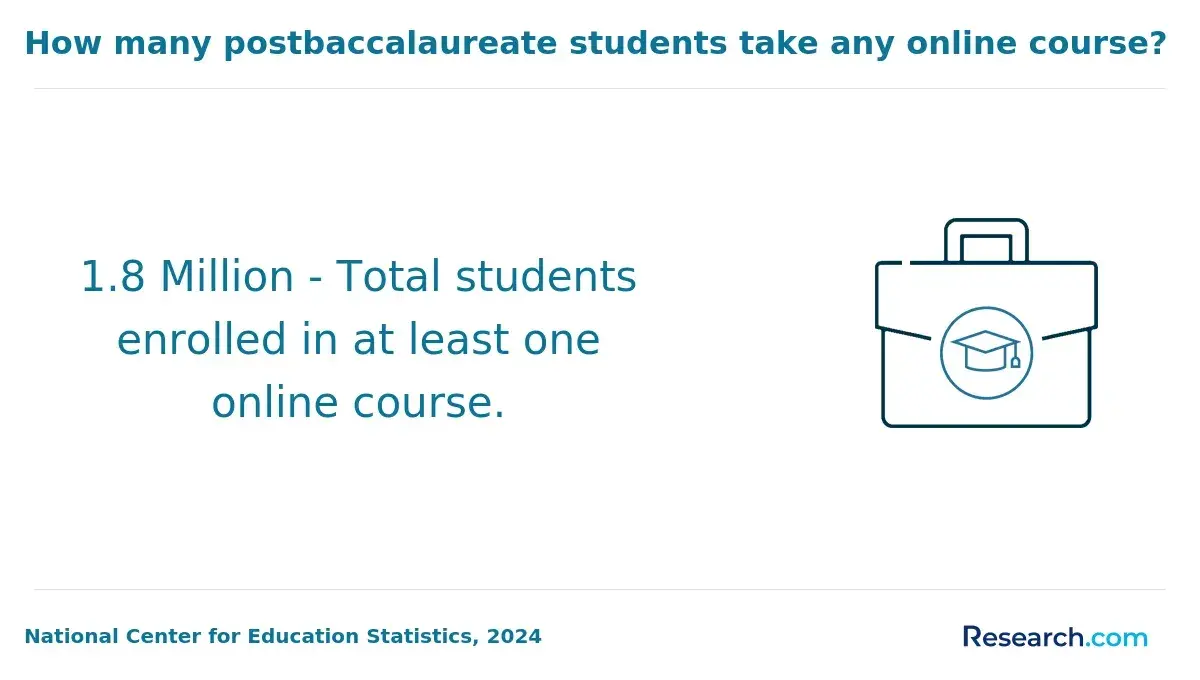
This struggle intensifies as nearly 40% of graduate students in science-related fields now prefer online programs, according to the National Center for Education Statistics, signaling a shift toward more flexible learning environments without sacrificing academic rigor.
Yet, not all online biological sciences degrees equip students with the biomedical foundations critical for roles in biotech, pharmacology, or clinical research. This article evaluates current online biological sciences degrees featuring biomedical foundations concentrations and guides readers in selecting programs that reconcile accessibility, curriculum depth, and labor market relevance.
Key Things You Should Know
- Online biological sciences degrees with biomedical concentrations average 25% longer completion times than in-person programs, raising opportunity costs amid rising student debt pressures per the National Center for Education Statistics.
- Employers in biotech and healthcare increasingly prioritize candidates with hands-on lab experience, meaning purely online degree holders often face supplemental credential demands, as reported by the Biotechnology Innovation Organization's 2024 workforce survey.
- Tuition disparities between accredited online and traditional biological sciences programs narrow to under 10%, but smaller institutions offering niche biomedical tracks commonly impose premium fees, complicating cost-benefit calculations for prospective students.
What is an online biological sciences degree with a biomedical foundations concentration?
Online biological sciences degrees with a biomedical foundations concentration often confront students with the challenge of limited hands-on laboratory experience-a significant tradeoff affecting employability in biotechnology and healthcare sectors. This concentration integrates core biological sciences with applied biomedical principles, including molecular biology and disease mechanisms, tailored for remote learners.
Yet, employers frequently expect candidates to supplement virtual labs with real-world experience such as internships or cooperative education to demonstrate competency.
Programs emphasize advanced coursework in genetics, immunology, and bioinformatics, blending theoretical knowledge with problem-solving in an online format. This model suits working professionals balancing employment but requires deliberate planning to meet industry demands.
For example, biomedical analysts in healthcare technology rely heavily on computational biology skills, while pharmaceutical project coordinators must understand regulatory frameworks, both requiring targeted electives and possible certifications.
The U.S. Bureau of Labor Statistics projects a 7% growth in relevant science occupations from 2022 to 2032, adding about 65,000 jobs, which affirms the practical value of specialized biomedical foundations knowledge in biological sciences programs with a biomedical focus. Prospective students should weigh program accreditation, faculty expertise, and hands-on learning availability carefully to avoid pitfalls.
For those exploring related career paths, resources on jobs with elementary education and environmental science degree provide additional context on workforce integration and credentialing across scientific fields.
Is an online biological sciences degree accredited and respected?
Employers and graduate programs increasingly differentiate between accredited and non-accredited online biological sciences degrees, particularly those with biomedical foundations concentrations. Accreditation from regionally recognized agencies vetted by the U.S. Department of Education or CHEA remains a critical benchmark. Programs lacking this can severely restrict job prospects and complicate licensure or certification, especially in biotech and clinical research sectors.
For example, medical scientist roles demand not only academic knowledge but credible lab experience. Online degrees must therefore have practical equivalencies-via virtual labs, at-home experimental kits, or partnerships with regional laboratories-to avoid skepticism in hiring or doctoral admissions. This aspect directly affects the reputation of online biological sciences programs in the US among employers.
The U.S. Bureau of Labor Statistics forecasts an 8% growth in medical scientist employment through 2032, with roughly 7,500 openings annually. Candidates with online degrees aligned to accreditation and practical training standards are positioned to compete effectively. However, online programs that do not meet these thresholds often underperform in graduate outcomes.
Prospective students should rigorously verify program accreditation and lab competency structures, comparing employer outcomes and success data. Those navigating this field may also explore advanced paths like an online PhD in data science, which intersects with biomedical research analytics and expands career versatility.
How does an online biomedical foundations program compare with campus study?
Choosing between online biomedical foundations programs versus campus study benefits hinges on the critical gap in hands-on lab experience. While online curricula may match theoretical content, many hiring managers prioritize demonstrated laboratory skills for roles such as medical and clinical laboratory technologists-positions with a median wage of $62,870 in 2024, well above average.
Campus-based programs typically facilitate direct access to specialized equipment, immediate feedback, and networking with faculty, important factors in fields requiring intensive lab work.
The comparative outcomes of online and campus biomedical foundations degrees become particularly relevant in contexts like clinical diagnostics or biomedical research, where full-time onsite training enhances competency and employability.
However, for those targeting regulatory, bioinformatics, or health data analysis careers, online study combined with targeted certifications can be adequate. Students must proactively secure internships or practicums since online programs often rely on virtual simulations and limited in-person intensives, which may not fully satisfy employer expectations.
Prospective learners should evaluate local lab availability and employer standards to avoid delays in degree completion or unexpected skill gaps. Many professionals find that supplementing online studies with verified field experience is essential for seamless career entry. Those seeking less traditional schedules might also explore related pathways such as exercise science degrees online for alternative biomedical fields that blend flexibility with practical exposure.
What courses are included in biomedical foundations concentrations?
Biomedical foundations concentrations embedded within online biological sciences degrees demand a blend of theoretical rigor and practical laboratory proficiency essential for positions in biomedical research, clinical diagnostics, and biotech sectors.
The core courses in biomedical sciences and biological sciences degrees typically include cellular and molecular biology, human anatomy and physiology, biochemistry, genetics, and microbiology, building fundamental expertise in human biology and disease pathways.
Students encounter a significant emphasis on laboratory techniques such as microscopy, molecular assays, and bioinformatics-skills directly applicable to handling real-world biomedical data or diagnostic samples. Advanced subjects in immunology and pharmacology deepen understanding of immune response mechanisms and drug interactions, equipping graduates for nuanced roles in pharmaceutical development or healthcare technology deployment.
A critical component is training in data analysis and biostatistics, reflecting employer demands for quantitative acumen applied to medical and biological datasets. These competencies are increasingly necessary given regulatory oversight from bodies like the FDA and IRBs, especially within clinical research environments that require strict compliance and ethical conduct.
Practical tradeoffs include balancing online theoretical coursework with virtual lab simulations, which necessitates disciplined time management and reliable technology platforms. Institutions like the University of North Texas Health Science Center have responded to workforce shifts by launching fully online biomedical sciences programs, acknowledging the growing need for remote-ready professionals skilled in biomedical foundations coursework.
Those considering this pathway should assess how well such curricula align with their employment goals and practical realities. For example, exploring an online library science degree might complement data skills beneficial in biomedical data curation and research support roles.
What admission requirements do online biology programs usually require?
Admission to online biology programs with a biomedical emphasis often hinges on prerequisites that significantly shape student experience and outcomes. A bachelor's degree in biology or a related field with at least a 3.0 GPA is a baseline, but many candidates encounter delays if foundational courses in molecular biology or biochemistry are missing. This adds time and cost, eroding the degree's immediate return on investment for working professionals.
While most programs have dropped the GRE requirement, some maintain it to differentiate among similarly qualified applicants, especially in competitive settings. Practical experience, whether in research labs or health-related roles, increasingly determines employability post-graduation, as theory-heavy curricula alone fall short in preparing students for biotech or clinical research positions.
Admissions committees expect 2-3 recommendation letters tailored to academic and professional proficiency, alongside clear statements of purpose aligning with biomedical applications. Clinical or laboratory practicum components further necessitate background checks and immunization compliance, adding procedural complexity rarely accounted for upfront.
Tuition costs vary widely but can heavily influence enrollment decisions. For example, the University of New England charges $26,850 for an online Master of Biomedical Science at $895 per credit-below the median for private nonprofit programs in health disciplines. Such cost-effectiveness is vital for those balancing employer support with personal expenses, but students must weigh it against potential added costs from prerequisite courses or delayed entry.
How long does an online biological sciences degree take and cost?
Completing an online biological sciences degree with a biomedical emphasis requires balancing time, cost, and career objectives with realistic planning around program structure and workforce demands. Students often face a choice between an efficient three- to four-year track or a longer part-time route extending to five or six years when managing outside commitments.
Public universities typically charge $15,000 to $40,000 for tuition, whereas private options range from $40,000 to $70,000+, not including ancillary costs such as lab fees or textbooks.
Employers increasingly seek candidates who demonstrate effective self-management in remote learning environments alongside relevant practical experience. For example, those targeting professions like physician assistant or dentistry must accommodate extended timelines for licensure exams and graduate education while ensuring the program's clinical components are accessible locally or virtually.
Arizona State University's online Biological Sciences (Biomedical Sciences) BS concentration aligns coursework with notable labor market growth-physician assistants could see job increases of 20.4% with median salaries near $133,260, while dentists' sector growth is slower at 4.1%, though median pay is higher at $172,790.
Prospective students should weigh opportunity costs against curriculum depth, recognizing accelerated options may reduce exposure to nuanced biomedical topics crucial for competitive health sciences careers. Critical decision factors include verifying local lab access, budgeting for non-tuition expenses, and understanding that net costs vary significantly by financial aid, residency, and scholarships.
What careers can you pursue with a biomedical foundations concentration?
Graduates with a biomedical foundations concentration enter roles that demand precise technical skills alongside interdisciplinary knowledge, where gaps in either biological or regulatory expertise can limit advancement. For example, clinical laboratory technologists in hospitals must balance molecular biology proficiency with strict adherence to clinical protocols and regulatory standards, directly impacting diagnostic accuracy and patient outcomes.
Employment outcomes show online and on-campus biomedical and health sciences graduates have comparable immediate job placement rates, suggesting delivery format minimally affects entry opportunities. Yet, sustaining career growth typically requires additional certifications in areas like clinical laboratory science or regulatory affairs, which significantly influence eligibility for mid-to-senior roles.
Job seekers often face two divergent pathways: clinical and healthcare settings versus biotechnology firms. In clinical environments, roles emphasize diagnostic testing and compliance, whereas biotech positions focus on product development and managing complex biological data alongside regulatory documentation. Navigating these distinct contexts demands targeted skill development and tailored resumes that align with specific employer expectations.
Practical experience through hands-on internships or virtual labs markedly improves competitiveness, as employers prioritize demonstrated ability to operate within precise workflows. Without it, candidates risk exclusion due to industry's low tolerance for error and escalating technical demands.
- Biological sciences fundamentals combined with clinical and regulatory skills create distinct employment profiles.
- Postdegree certifications are essential for advancement beyond entry-level roles.
- Hands-on experience differentiates candidates in competitive healthcare and biotech sectors.
- Understanding employer expectations enables focused career preparation and realistic decision-making.
What salaries do biological sciences graduates earn?
Earnings for graduates holding biological sciences degrees show a clear divergence shaped by specialization and industry entry points. Those concentrating in applied biomedical fields-such as cell and gene therapy or pathobiology-command starting salaries between $60,000 and $70,000, notably above the $45,000 to $50,000 range typical for general biology graduates entering education, environmental consulting, or basic lab roles.
This premium reflects employer demand for skills in molecular techniques, regulatory compliance, and biomanufacturing. For example, a graduate specializing in gene therapy may secure entry-level clinical trial support roles at biotech companies offering wages 15-20% higher than those given to broad biology majors.
However, transitioning from a generalist biology path to applied biomedical sectors requires overcoming practical hurdles such as acquiring proficiency in specialized laboratory methods or bioinformatics software. Candidates often invest in targeted certificate courses or internships to close this gap. Employer preference clearly favors demonstrated hands-on experience alongside academic credentials.
Students and professionals weighing these pathways should consider:
- Applied biomedical concentrations enhance employability and salary but demand upfront practical skill development.
- General biology backgrounds offer broader educational roles but generally yield lower starting pay and slower advancement without graduate qualifications.
- Targeted specialization aligns graduates with sectors where clinical research, biotech manufacturing, and pharmaceutical development offer more stable employment and higher remuneration.
What licensing or certification rules apply after graduation?
An online MS in biological sciences with a biomedical emphasis typically functions as a preparatory credential rather than a terminal license for clinical practice. Candidates targeting professional roles such as MD, DVM, or PharmD need to fulfill stringent licensing requirements beyond graduate study, including accredited professional programs and exams like the USMLE for physicians or NAPLEX for pharmacists. These represent critical gatekeepers for legally practicing in healthcare fields.
Conversely, for academic or research tracks, such as pursuing a PhD or postdoctoral roles, formal certification is often non-mandatory but supplemented by documented research credentials and institutional approvals. Industry roles-especially in biotech or government labs-may demand state-specific certifications like Clinical Laboratory Scientist licenses, shifting the value from degree credentials alone to practical technical certifications and clearances.
Notably, the University of Georgia's online MS in Comparative Biomedical Sciences shows that over 70% of its recent cohort moved on to professional licensure programs or further doctoral education within two years. This outcome reflects the degree's role as a strategic foundation, not a career endpoint, emphasizing the importance of early verification of state licensing and program-specific requirements that often include extended supervised clinical experience and compliance checks.
Prospective students should weigh the timeline, costs, and credentialing processes carefully, especially if aiming for employment in environments where hands-on certifications and background verification outweigh academic degrees.
How do you choose the best online biological sciences program?
Prioritizing biomedical integration within an online biological sciences program requires scrutinizing how well the curriculum aligns with growing occupational fields such as epidemiology and physician assistant roles, which are projected to grow 16.2% and 20.4% respectively from 2022 to 2032. A course that superficially covers broad biology without emphasizing molecular biology, human physiology, or health data analytics limits employability in these expanding fields.
For professionals targeting roles in healthcare analytics or public health, verifying that the program includes biostatistics, disease modeling, and healthcare informatics is essential. Without these, transitioning to specialized biomedical functions becomes more challenging. Additionally, program accreditation and demonstrable ties to biomedical research or clinical practice are crucial; virtual labs and clinical placements enhance practical skills that employers actively seek.
Students must weigh logistical realities such as asynchronous course delivery and transparent cost structures to avoid extended timeframes or unexpected financial burdens. Programs lacking employer connections or showing weak job placement data risk diminishing return on investment. Here are key considerations:
- Depth of biomedical sciences relevant to job growth sectors
- Experiential learning opportunities with real-world applicability
- Faculty expertise aligned with biomedical research or clinical domains
- Program flexibility compatible with current employment
- Clear pathways to certification or licensure where applicable
Choosing a program without thorough assessment of these parameters could result in acquiring knowledge misaligned with market demand or inadequate hands-on experience, impairing strategic career pivots within biological sciences.
Other Things You Should Know About Biological Sciences
In 2027, online degrees are increasingly accepted for career advancement, with employers focusing more on skills and experiences than the mode of education. While some traditionalists may still favor conventional degrees, the gap between online and traditional education is narrowing as online programs improve in quality.
Online biological sciences degrees with biomedical foundations concentrations demand rigorous study, particularly when completing lab assignments and complex projects. Students balancing full-time work must allocate consistent weekly hours, often 15 to 20, to keep pace with lectures, readings, and lab work. Programs with asynchronous content offer flexibility but require disciplined time management.
For working professionals, selecting a program with a clear schedule and support resources helps prevent burnout and ensures steady progress.
Career advancement depends more on skills and network-building than on degree delivery format. Graduates of online programs may face challenges when entering roles requiring extensive lab experience or professional networking if their program lacks structured mentorship or industry connections. To mitigate this, prioritize programs offering alumni networks, research opportunities, or industry affiliations. Without these, advancement into specialized or leadership positions can be slower.
Focus on program features that directly impact skill acquisition and employability: curriculum alignment with current biomedical industry standards, availability of supervised lab work (either virtual with physical components or partnerships), faculty expertise, and career services.
Prioritize programs that provide hands-on experiences and strong employer engagement over those that rely heavily on theory alone. This approach maximizes long-term job market value and prepares graduates for practical challenges in biomedical fields.
References
- Top 15 Highest‑Paying Pharmacy Jobs in the UK 2025 (Including Salaries) https://apexlearning.org.uk/highest-paying-biology-degree-jobs-2025-2026/
- Online Biology Degrees https://mycollegeguide.org/online-biology-degrees/
- Studying Online vs On-Campus: Which Is Better for You? | UNF https://www.unfc.ca/blog/studying-online-vs-on-campus-which-is-better-for-you
- Certificates, Certifications and Licenses https://trainingindustry.com/wiki/professional-development/certificates-certifications-and-licenses/
- What Jobs Can You Get with a Biomedical Science Degree? https://www.pcom.edu/academics/programs-and-degrees/biomedical-sciences/news/what-jobs-can-you-get-with-a-biomedical-science-degree.html
- Biomedical Science with Foundation Year - BSc (Hons) - 2026/27 Entry https://www.bcu.ac.uk/courses/foundation-biomedical-science-2026-27
- 7 Careers You Didn’t Know You Could Pursue with a Biomedical Science Degree https://www.nuhs.edu/7-careers-you-didnt-know-you-could-pursue-with-a-biomedical-science-degree/
- B.S. in Biology https://mayvillestate.edu/msu-online/programs/bs-biology/
- Biomedical Science Degree | Online Bachelor’s Program https://beal.edu/programs/biomedical-science/
- What Can You Do With a Biomedical Sciences Degree? | CourseCompare.ca https://www.coursecompare.ca/what-can-you-do-with-a-biomedical-sciences-degree/