2027 Biological Sciences Specializations for Ecology Careers

Co-Founder and Chief Data Scientist
Professionals aiming to specialize in ecology amid the expanding biological sciences landscape often confront a decision grid complicated by overlapping subfields and varied credentialing formats. The National Center for Education Statistics reports a 24% surge in adult enrollment in part-time and online biological sciences programs since 2022, driven by workforce retraining and career shifts. This trend reflects how flexibility now shapes access and timing for those balancing employment with academic advancement. However, the divergence in specialization relevance versus labor market demand creates a practical challenge: selecting a pathway that aligns skill acquisition with tangible ecological career opportunities.
This article analyzes current biological sciences specializations critical for ecology careers, offering guidance to navigate this complexity and optimize educational choices for real-world professional impact.
Key Things You Should Know
- Applied ecology concentrations now account for 38% of biological sciences graduate enrollments, yet require 20% longer degree completion time due to extensive fieldwork, increasing opportunity costs for career changers per National Science Foundation data.
- Employers in conservation organizations prioritize candidates with strong quantitative ecology skills-only 27% of general biology grads meet this threshold-creating a hiring bottleneck documented in the 2024 Ecological Society workforce survey.
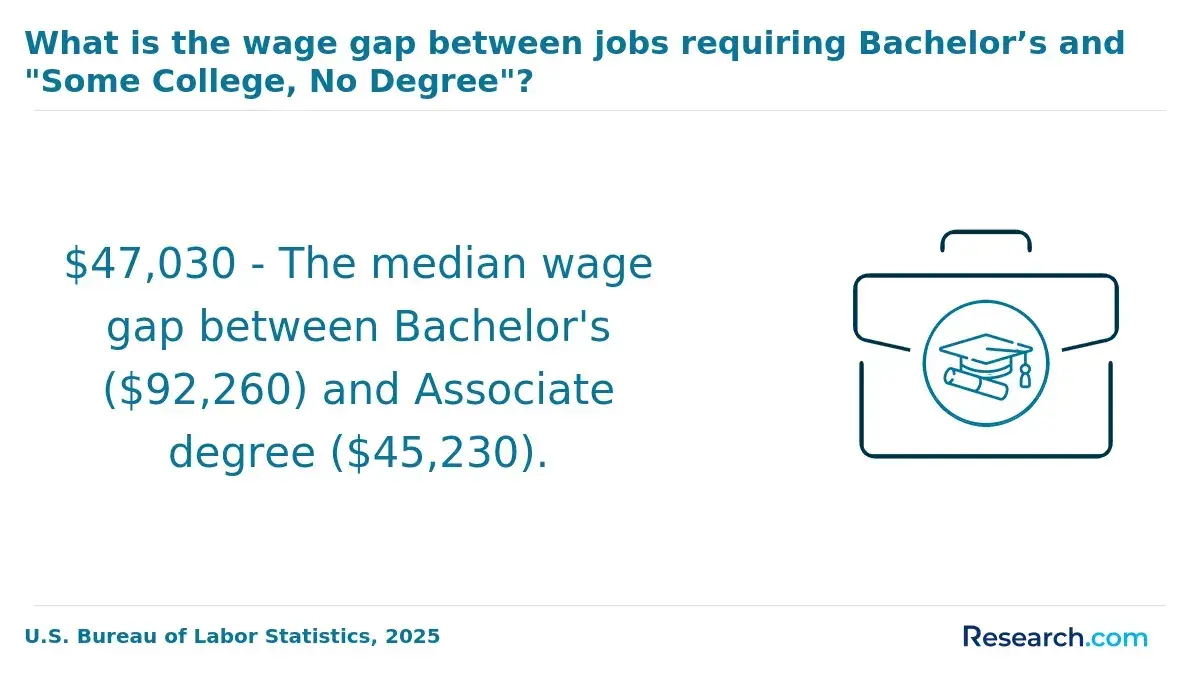
- Emerging climate-ecology interdisciplinary tracks command 15% higher starting salaries but demand advanced computational training, disadvantaging students without prior programming experience, according to 2024 Bureau of Labor Statistics analysis.
What are biological sciences specializations for ecology careers?
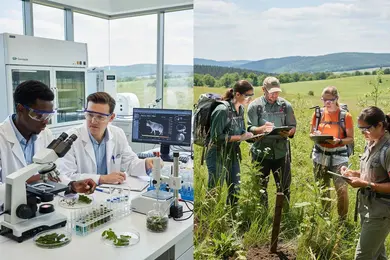
Specializations within biological sciences for ecology careers demand strategic choices aligned with distinct employer expectations and geographic realities. For example, opting for marine ecology versus temperate forest ecology involves different tools, research protocols, and regional job markets.
This variation significantly impacts employability within government agencies, non-profits, and consulting firms where precise ecological knowledge is critical. Students must weigh how specialization influences fieldwork intensity, lab engagement, and mobility requirements tied to local biodiversity.
Fields such as conservation biology prioritize species preservation and habitat restoration with a strong interdisciplinary focus on policy and field research, whereas evolutionary biology emphasizes genetic variation and species adaptation-skills vital for environmental assessment and climate-related roles.
Specializations like ecological toxicology connect biological impacts to contaminants, suiting regulatory or industrial careers, while ecosystem ecology gravitates toward research and policy influence. These distinctions shape workforce readiness in an ecology career, affecting data analysis proficiency, ecological modeling, and familiarity with GIS and statistical software.
Market data for top biological sciences fields for ecological research jobs in North America indicate a median wage near $79,680 for ecology and evolutionary biology graduates, outperforming the general U.S. workforce average. This differential reflects demand for specialized data-driven skills and comprehensive practical experience.
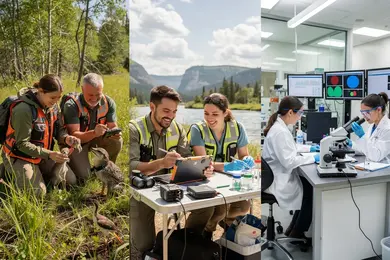
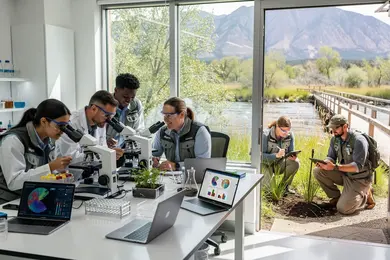
Prospective students should also consider program content tradeoffs, such as balancing lab versus fieldwork exposure, which directly affects preparedness for technician or management positions.
Cost is another practical factor; those investigating educational paths often turn to resources like the best online animal science degree data to evaluate tuition versus outcomes. Ultimately, a nuanced approach to biological sciences specializations for ecology careers in North America helps align educational investment with real-world job prospects and evolving ecological challenges.
Which biological sciences degree best prepares you for ecology work?
Specializing in conservation biology within a biological sciences degree offers a tangible advantage for candidates targeting ecology careers, a field defined by applied ecosystem management rather than purely theoretical biology. Unlike general biology or molecular biology degrees, which often funnel graduates into lab-based or research-focused roles, conservation biology programs emphasize practical skill sets aligned with the needs of employers in environmental consulting, government, and non-governmental organizations.
A focused curriculum addresses the core competencies necessary to navigate real-world ecological challenges through:
- In-depth understanding of ecosystem dynamics and species interactions
- Proficiency in geographic information systems (GIS) and remote sensing technology, both frequently cited as baseline requirements in ecology job descriptions
- Knowledge of regulatory frameworks such as the Endangered Species Act that governs habitat protection efforts
These advantages translate into faster workforce entry with fewer demands for retraining, which is particularly relevant for professionals seeking a strategic pivot into ecology from other biological sciences domains.
This path presents clearer career trajectories supported by active job growth (4% projected through 2034) and median salaries upwards of $80,000 annually for environmental specialists, based on U.S. Bureau of Labor Statistics data. Students evaluating the best biological sciences programs for ecological research should consider these applied outcomes carefully.
For working professionals balancing current employment, programs offering internship flexibility combined with practical field training enable seamless integration of skills acquisition. Those researching educational options will also encounter online degrees in computer science with accelerated formats, which can complement ecological data analysis expertise and expand interdisciplinary capabilities in environmental science.
To explore viable online degree formats and how they compare with traditional biology programs, visit online degrees in computer science.
Are online biological sciences programs accepted for ecology careers?
Online biological sciences degrees for ecology jobs face significant hurdles around practical experience despite growing acceptance. Employers in ecology and wildlife biology consistently favor candidates with accredited credentials backed by demonstrable fieldwork or lab internships. For example, a wildlife biologist position focused on population surveys typically demands proof of extensive hands-on field experience, which purely online coursework rarely provides.
The accreditation of online biological sciences programs in ecology is essential but insufficient alone. Accreditation validates curriculum quality and aligns programs with employer expectations, yet graduates must proactively seek local placements or internships to acquire necessary applied skills.
Without such practical engagement, candidates risk being underqualified, especially for public agencies or research institutions that mandate certifications or verified fieldwork experience. Private ecological consulting firms may offer more flexibility, prioritizing comprehensive project portfolios over formal internships.
The U.S. Bureau of Labor Statistics projects a 2% employment growth for zoologists and wildlife biologists from 2024 to 2034, yielding roughly 1,000 new positions. This slow growth underscores the need for candidates to combine theoretical knowledge from online degrees with substantial applied competencies to remain competitive.
Prospective students should also compare their options to other fields offering more direct affordability or accelerated pathways, such as computer science degrees, which often feature broader online accessibility and clearer employer recognition.
What accreditation should an ecology-focused biology program have?
Ecology program accreditation standards in the United States directly shape graduate outcomes, distinguishing legitimately prepared candidates in a competitive environmental science workforce. Regional accreditation from bodies like the Higher Learning Commission or Middle States Commission on Higher Education ensures programs meet federal aid criteria and basic academic rigor.
Specialized endorsements-such as those from the Society for Conservation Biology or the Ecological Society of America-signal alignment with core ecological competencies valued by employers.
Employers in federal agencies like the U.S. Fish and Wildlife Service and private consulting firms increasingly insist on graduates from accredited programs to confirm both theoretical foundation and applied skill sets. In practice, a student aiming for habitat restoration roles with state agencies faces tangible barriers if their degree lacks recognition by professional societies or regional accreditors, restricting internships, job placement, and security clearance eligibility.
The median annual wage of $80,060 for environmental scientists and specialists further reflects how accreditation correlates with market value.
Prospective students should evaluate ecology-focused biology degrees on criteria beyond cost, emphasizing programs that incorporate quantified fieldwork training, environmental policy, and sustainability courses consistent with top regional accreditations for ecology-focused biology degrees. Comparing graduate placement rates and industry connections often trumps upfront savings from non-accredited programs, which risk long-term career stagnation.
For those considering educational pivots within Biological Sciences, consulting resources like the best online electrical engineering degree programs for veterans can illustrate the value of accreditation and specialized curricula across disciplines.
What courses are included in ecology-focused biological sciences programs?
Programs focusing on ecology within biological sciences prioritize skill sets that align with current employer expectations for practical expertise and interdisciplinary knowledge. Graduates who gain competence in population and community ecology, ecosystem dynamics, and environmental biology are positioned to analyze complex species interactions and ecosystem functions. This foundation is essential but insufficient without proficiency in applied methods such as field data collection, quantitative analysis, and modeling.
Deciding to specialize in aquatic ecology or marine biology entails a clear tradeoff: students must commit considerable effort to mastering ecosystem-specific techniques like species identification and habitat conservation, which cater to roles in water-based environments where demand is niche but steady.
Auxiliary courses in genetics, microbiology, and cellular biology support molecular insights necessary for ecosystem assessment. Moreover, technical skills in geographic information systems (GIS) and remote sensing increasingly differentiate candidates by enabling spatial data interpretation-abilities frequently prioritized in environmental research and wildlife management sectors.
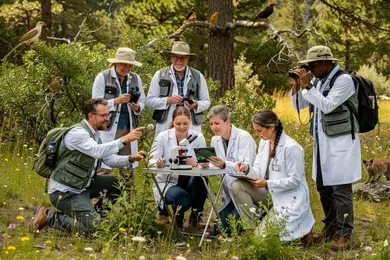
Fieldwork intensiveness is non-negotiable; proficiency in sample collection, monitoring, and experimental design directly correlates with employability, particularly in entry-level positions requiring immediate operational readiness.
Considering the median annual wage of $70,600 for U.S. zoologists and wildlife biologists-with top earners exceeding $112,840-strategic course selection balancing theory and applied practice can materially affect long-term earning potential.
What admission requirements do ecology biology programs usually ask for?
Admission to ecology biology programs demands more than baseline academic qualifications; the intersection of prior lab experience, targeted coursework, and practical skills directly influences candidate viability. Most programs require foundational classes in biology, chemistry, and mathematics, with a minimum GPA near 3.0, but competitive admission hinges on documented fieldwork or internships that validate hands-on competency.
Graduate applicants often must hold a bachelor's degree in biological sciences or relevant fields, backed by transcripts reflecting proficiency in ecology-specific areas like plant biology and ecosystem dynamics. Standardized tests such as the GRE, when required, emphasize quantitative reasoning critical for research design and data analysis.
Letters of recommendation from supervisors familiar with an applicant's abilities in experimental methods add credibility, while personal statements need to clearly connect research interests with faculty expertise and real-world ecological challenges.
- Skills in GIS mapping and statistical software are increasingly mandatory due to their role in ecological data interpretation.
- Federal-level ecology positions offer 15-20% salary premiums over state roles, particularly for botanists, reflecting higher technical demands and locality pay differentials.
- Prospective students must be prepared to navigate funding uncertainties and balance rigorous coursework with extensive fieldwork commitments.
Ultimately, admissions criteria mirror workplace expectations where specialized scientific training and applied experience determine not only acceptance but also employability in native flora conservation and ecosystem management careers.
How long do ecology-related biological sciences degrees take to complete?
Completing a bachelor's degree in ecology-related biological sciences typically requires four years of full-time study, encompassing core biology, ecology, and environmental science coursework alongside targeted electives such as microbiology or disease ecology. Students balancing employment or family often extend this to five or six years with part-time enrollment.
Adding a master's degree generally demands two more years and is critical for roles requiring advanced research expertise or technical specialization, while doctoral programs extend study by 4 to 7 years, depending on research complexity and fieldwork.
The labor market favors candidates with practical experience; microbiologists, for example, earn a median annual wage of $87,330-9% higher than environmental scientists-according to May 2024 U.S. Bureau of Labor Statistics data. This premium reflects employer preferences for graduates with hands-on laboratory and field research skills, often gained through internships or cooperative education during undergraduate study.
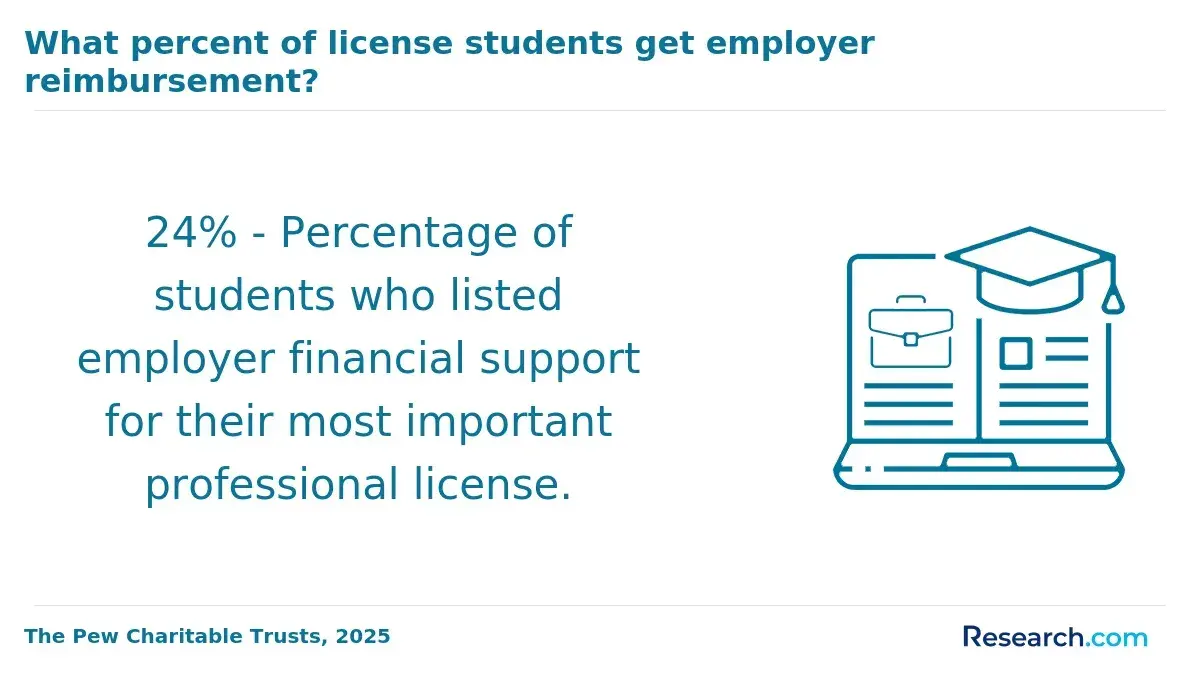
Key tradeoffs surface between entering the workforce sooner with a bachelor's versus investing in advanced degrees that typically yield higher-level positions and salaries. Time-to-degree also affects eligibility for federal aid and employer tuition reimbursement, shaping financial feasibility for working professionals pivoting careers.
Strategic course selection and early research engagement can reduce overall study duration by aligning education with employer demand for applied competencies.
What jobs can you get with a biological sciences ecology specialization?
Ecology-focused biological sciences careers increasingly require strong quantitative and communication competencies beyond foundational environmental knowledge. Roles commonly split between data-intensive functions and applied environmental management, with positions such as ecological researchers, wildlife biologists, and conservation scientists often integrating statistical modeling and large-scale data analysis.
Biostatisticians and mathematical science roles tied to biology command median salaries near $80,000, with many surpassing six figures, indicating how critical quantitative prowess is for market-relevant ecology specialists.
Sector-specific applications illustrate how these skills translate into practice:
- Government agencies apply ecological data analysis to track biodiversity trends and allocate funding toward habitat preservation effectively.
- Consulting firms employ ecological modelers to evaluate environmental impacts of development initiatives, balancing scientific rigor with regulatory requirements.
- Nonprofits and conservation organizations depend on analysts to measure restoration success and optimize resource use over time.
However, these roles demand proficiency with statistical software and programming languages alongside the ability to distill complex scientific results for stakeholders without technical expertise.
Candidates face tradeoffs managing time between intensive fieldwork and advanced data processing, often requiring interdisciplinary collaboration to convert ecological insights into actionable policies or business strategies. This complexity means ecological biology graduates must bridge theory and quantitative practice to remain competitive and relevant in dynamic workforce settings.
How much do ecology careers pay with a biological sciences degree?
Salary outcomes for ecology careers grounded in a biological sciences degree vary sharply based on specialization and sector, with management-oriented roles commanding the highest compensation. Graduates who combine environmental policy or resource management expertise with business or financial skills typically reach median wages near $107,200, which exceeds the overall biology median by roughly one-third. This gap illustrates the tangible payoff of supplementing scientific knowledge with applied economic and regulatory competence.
In contrast, research-driven ecology positions in academia or fieldwork often offer limited financial upside due to funding constraints and slower career progression. Entry-level wages in environmental consulting or government roles generally range from $50,000 to $80,000, with growth largely tied to advanced credentials or specialized training.
The practical takeaway is clear: knowledge of biology alone is insufficient for climbing beyond the mid-range salary bracket.
- Combine scientific expertise with policy-related skills to maximize salary potential
- Target certifications that complement biology foundations for upward mobility
- Prepare for competitive market realities where cross-disciplinary skills are crucial
Employers increasingly seek candidates who integrate biological sciences with skills in data analysis, project management, and regulatory frameworks. Without these, even technically qualified graduates may face wage ceilings near $70,000.
For those considering a career pivot or aiming to enhance earning capacity, adding concentrations in environmental economics or resource management opens doors in corporate sustainability or governmental regulatory agencies.
What certifications help with ecology careers in biological sciences?
Certifications like the Certified Ecologist (CE) and Certified Wildlife Biologist (CWB) stand out as critical differentiators in biological sciences careers centered on ecology, especially in applied sectors such as environmental consulting and habitat restoration. Employers favor these credentials because they confirm field competence and regulatory knowledge beyond academic qualifications, directly influencing trust in project outcomes.
However, the commitment to obtain and maintain these certifications demands professional experience, formal education (usually a bachelor's degree in ecology or related fields), and ongoing continuing education - factors that can create barriers for working professionals balancing multiple responsibilities.
Key considerations include:
- Alignment of certification requirements with career objectives and workload capacity
- Long-term costs and time commitments for certification renewal
- The specific ecological niche and employer preferences influencing credential value
For those transitioning into educational roles within biology-focused fields, the compensation gap-illustrated by a median salary of $61,400 for education and library roles versus $79,680 for broader biology positions-suggests that advanced ecological certifications or specialized training are necessary to access higher earning potential and more technically demanding positions.
Candidates should carefully weigh the recognition of credentials by their target employers and consider the subfield focus; for example, restoration ecologists may prioritize hands-on certification, while those in conservation policy might seek credentials aligned with federal agency standards.
Other Things You Should Know About Biological Sciences
Choosing between research-focused and application-oriented biological sciences programs depends on your career goals within ecology. Research-intensive programs prepare you for roles requiring experimental design and data analysis, which are essential for graduate studies or scientific positions. Application-based programs emphasize practical skills like fieldwork, environmental assessments, and regulatory compliance, aligning better with government or consulting jobs. Prioritize the program type based on whether you want to lead research projects or implement ecological solutions in professional settings.
Prioritizing programs with internship or field placement components in biological sciences can provide significant hands-on experience, networking opportunities, and practical skills crucial for securing positions in ecology. These experiences often offer real-world exposure, making graduates more competitive and prepared for ecological roles in 2027.
Programs offering internships or field placements significantly enhance employment prospects by providing hands-on experience and industry networking. Employers in ecology value candidates who have demonstrated real-world problem solving and familiarity with ecological field methods. Prioritize programs that integrate these components, especially if you lack prior related work experience, since practical exposure often outweighs coursework alone in hiring decisions.
Focusing deeply on a biological sciences specialization hones technical expertise but may limit adaptability as ecological challenges often require cross-disciplinary knowledge. Programs balancing specialization with coursework in related areas such as environmental policy, geospatial analysis, or data science better prepare students for diverse roles. Carefully evaluate programs that offer flexible curricula, since employers prize candidates who combine technical biological sciences skills with broader ecological context and interdisciplinary abilities.
References
- Biological Sciences, B.Sc. Major https://catalog.umanitoba.ca/undergraduate-studies/science/biological-sciences/biological-sciences-bsc-major/
- Top 15 Highest‑Paying Pharmacy Jobs in the UK 2025 (Including Salaries) https://apexlearning.org.uk/highest-paying-biology-degree-jobs-2025-2026/
- How to apply for grad school in ecology and evolution — Mordecai Lab https://www.mordecailab.com/blog/applying-for-grad-school
- How to become an ecologist? | Conservation Careers https://www.conservation-careers.com/how-to-become-an-ecologist/
- How To Become A Biologist | Biology Degrees And Careers https://www.learnhowtobecome.org/science-technology-careers/biology/
- 5 fascinating career paths for biology majors https://www.ecologyproject.org/post/5-fascinating-career-paths-for-biology-majors
- Environmental Careers for Biology Majors: Protecting Our Planet https://www.shawnee.edu/blog/what-can-you-do-with-a-biology-degree-biology-major-careers
- Careers in Biology https://www.aibs.org/careers/
- Home https://www.husson.edu/online/online-degrees/bachelor-of-science-in-wildlife-biology-and-conservation