2027 Best Online Bachelor's in Biological Sciences for First-Time Life Science Professionals

Co-Founder and Chief Data Scientist
Professionals reentering the life sciences workforce or pivoting within biological sciences frequently confront a fragmented landscape of online bachelor's programs, where admissions criteria, lab access, and credit transfer policies vary widely. The National Center for Education Statistics reports a 12% surge in online STEM enrollments since 2022, signaling growing demand but also intensified competition for flexible, accredited programs with relevant curricula.
This reflects deeper shifts in workforce needs, requiring candidates to balance practical lab experience with asynchronous coursework. Prospective students must assess programs on adaptability to working adults and alignment with industry expectations to avoid costly dead ends.
The article evaluates top online bachelor's in biological sciences tailored for first-time professionals, focusing on accessibility, program rigor, and career pathway outcomes to guide informed enrollment decisions.
Key Things You Should Know
- Employment in biological sciences grew only 3.5% from 2022 to 2024 per BLS, intensifying competition and forcing graduates to prioritize programs offering extensive lab experience for better job market differentiation.
- Employers increasingly demand bioinformatics and data analysis skills, with 62% of life science roles requiring programming knowledge, urging candidates to select programs with integrated computational coursework.
- Costs for accredited online biology degrees average $15,000-$30,000; candidates must weigh shorter time-to-degree against credential recognition tradeoffs impacting mid-career transitions and employer credibility.
What is an online bachelor's in biological sciences and who is it best suited for?
Earning an online bachelor's degree in biological sciences for life science careers remains a critical milestone for individuals targeting entry-level roles in environmental science, biotechnology, healthcare, and laboratory research.
Approximately 68% of life, physical, and social science professions require at least a bachelor's degree, highlighting the credential's baseline importance. However, transitioning professionals without prior science education face substantial challenges, including steep coursework in chemistry, physics, and advanced biology, which can impact timely progression.
For example, a professional switching from a non-science background into clinical research must obtain this degree to qualify for positions such as lab technician or regulatory compliance officer, where bachelor-level credentials are non-negotiable. Yet, the fully online format presents difficulties in practical skill acquisition, as virtual labs or local in-person sessions are often mandatory to meet hands-on experience requirements—details prospective students must confirm before enrollment.
Beyond initial qualification, this degree frequently serves as a stepping stone toward certifications or graduate studies necessary for specialized or advanced research roles, placing a premium on program accreditation and graduate employment rates. Students evaluating options should also consider how the flexible online structure balances academic rigor with personal and professional commitments, especially given the diverse demands of adult learners.
Those seeking the best online biological sciences programs for first-time professionals are advised to review outcomes carefully and may benefit from resources like online biology degrees that streamline accelerated pathways without compromising essential foundational knowledge.
How do online biological sciences bachelor's programs compare to campus-based programs?
Online biological sciences bachelor's degree programs typically match campus offerings in theoretical scope but fall short on practical training, particularly hands-on laboratory skills critical for many specialized fields. Unlike traditional programs, the differences between online and traditional biological sciences degrees often manifest in limited access to physical labs and supervised instrumentation experience.
For example, a student aiming for a biotechnologist position in pharmaceutical manufacturing must secure local internships since most online curricula do not provide internal lab facilities, and this gap can negatively affect employability.
Employers prioritize candidates who demonstrate tangible laboratory competencies, making it essential for online students to arrange in-person practical experiences through partnerships or external opportunities. This requirement imposes an added planning layer absent from fully campus-based routes.
The labor market reflects this dual demand for conceptual knowledge and applied skills: jobs for biological scientists are projected to grow 8% between 2024 and 2034, with nearly 137,000 new positions emerging.
Cost and flexibility advantages of online study attract working adults and those with geographic constraints, but prospective students must confirm whether programs include mandatory onsite labs or cooperative placements. Without these elements, career options could narrow to roles less reliant on lab work, such as environmental policy or technical writing.
Those weighing an online biological sciences bachelor's degree vs. campus programs should also explore affordable alternatives, including the cheapest data science degree, which intersects with biological data analysis skills increasingly sought in the field.
Which accreditation and quality standards should online biological sciences programs meet?
Employers and graduate programs increasingly evaluate online biological sciences degrees against rigorous accreditation standards for online biological sciences degrees in the US, making institutional and programmatic validation non-negotiable. A degree lacking recognized accreditation risks reduced credit transferability and limited eligibility for federal aid, which can complicate career progression, especially in regulated sectors like clinical research or environmental science.
Beyond basic accreditation, prospective students must ensure programs offer practical training—through virtual labs, partnerships with local facilities, or in-person practicums—that aligns with employer expectations for hands-on competency.
Typical costs for accredited online biology bachelor's programs range from $200 to $350 per credit hour, often considerably below the national average, but lower cost should not overshadow curriculum quality or support for specialized research methods.
Key quality assurance criteria for American online biological sciences programs include:
- Proper institutional accreditation by agencies recognized by the U.S. Department of Education or CHEA
- Programmatic endorsement from life science organizations such as ASBMB or ABET
- Clear demonstration of adaptable practical training components
- Transparency in graduate outcomes and employment placement rates
Choosing programs without these credentials increases the risk of underemployment or added certification requirements. This is particularly true in biomedical or clinical fields where state licensure or specialized competencies are mandatory.
For those weighing the biological sciences path, it can be helpful to compare related degrees; for example, the question is library science a good degree surfaces often in contexts of career pivoting, illustrating the need for alignment between program content and job market realities.
What are the typical admissions requirements for an online bachelor's in biological sciences?
Admissions criteria for an online bachelor's in biological sciences reflect the field's demand for a solid academic foundation and practical readiness. Unlike purely open-access programs, these bachelor's programs often require a minimum GPA around 2.5 to 3.0 and evidence of competency in math and science through prior coursework or standardized test scores—though many institutions now waive ACT or SAT requirements.
Applicants should expect to submit transcripts demonstrating completion of core courses such as biology, chemistry, algebra, and occasionally physics or calculus.
Programs with a focus on working adults may factor in relevant professional experience in lab or healthcare environments, serving as an alternative validation of readiness for rigorous scientific study. This practical dimension supports students shifting careers into life sciences by confirming their quantitative and analytical skills alongside academic credentials.
Requirements for online biological sciences bachelor's programs also commonly include letters of recommendation and personal statements that reveal a candidate's capacity to handle scientific rigor amidst cohort competition.
Additional assessments like placement tests in math or English are sometimes employed to customize academic support, especially for students re-entering education after a hiatus. Such tailored measures recognize varying student backgrounds but add layers to the admissions process.
Graduates see a median weekly wage of $1,265, about 61% above the typical high school graduate's earnings. This wage premium justifies selective entry and persistence through demanding curricula in a competitive job market.
Professionals weighing a transition might compare this pathway with other technical fields, such as in the best online electrical engineering degree programs for veterans, where admissions and career trajectories differ significantly.
What courses and concentrations are common in online biological sciences curricula?
Online biological sciences programs require targeted course selections to align with specific career goals in a competitive job market. Core subjects such as genetics, cell biology, and biochemistry establish essential foundations, but concentrations must be chosen with precise workforce applications in mind. For instance, a student pursuing a physician assistant role should prioritize health sciences concentrations, including human physiology and pharmacology, to meet employer expectations for clinical readiness.
Online study presents challenges for hands-on lab skills, often compensated by virtual lab simulations, data analysis exercises, and research methodology modules. However, certain specializations like bioinformatics demand robust computational proficiency, while conservation biology requires understanding of ecosystem management, each influencing employability differently.
Students need to weigh whether programs offer hybrid models or local partnerships to fulfill practical skill requirements crucial for biomedical fields.
Employment trends reinforce these strategic choices: physician assistants hold a median annual salary of $133,260 and a projected 20% job growth from 2024 to 2034. Selecting concentrations aligned with labor market demand enhances the value of the degree, but doing so requires an honest assessment of one's capacity to acquire measurable skills without direct lab engagement.
Employers prioritize applicants demonstrating both theoretical knowledge and validated practical expertise supported by credible curriculum design.
How long does an online biological sciences bachelor's take and what does it cost?
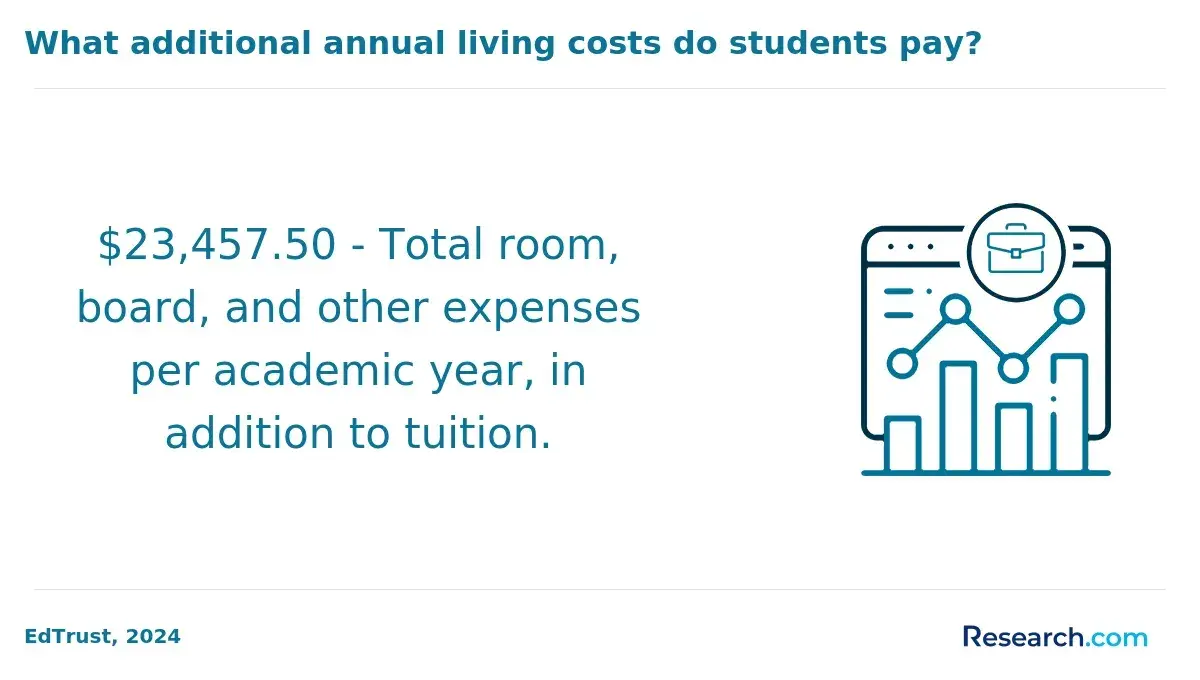
Completing a bachelor's degree in biological sciences online typically demands a clear understanding of the time and cost tradeoffs involved. Standard full-time enrollment spans four years and about 120 credit hours, but accelerated options condense this to around three years at the expense of heavier course loads and limited flexibility-less practical for working professionals managing multiple responsibilities.
Part-time study mitigates upfront financial pressure by spreading costs over five years or more, yet delays entry or progression in the labor market. Tuition fees vary sharply: public in-state programs range from $180 to $300 per credit hour, totaling roughly $22,000 to $36,000 excluding ancillary costs, while private or out-of-state institutions may exceed $500 per credit hour, pushing total expenses above $60,000. Additional fees and materials can inflate overall costs by up to 25%.
Specialization choice significantly impacts both curriculum demands and job prospects. For example, biotechnology aligns with high-growth STEM areas and a projected $3.9 trillion market by 2030, but securing industry positions usually requires targeted technical skills, internships, or lab experience—elements embedded in the latter phases of most programs. Ecology or pre-health tracks may require prerequisite courses or certifications, potentially lengthening study time.
Employers increasingly prioritize practical experience alongside academic credentials, so the inclusion of cooperative education elements is critical when assessing program value. Prospective students must weigh flexibility against these requisites to avoid protracted timelines and costs that may erode return on investment.
What entry-level careers can a biological sciences bachelor's prepare you for?
A bachelor's degree in biological sciences equips graduates primarily for entry-level roles demanding a blend of foundational knowledge and practical skills, yet these positions often involve navigating significant operational tradeoffs. For instance, biological technicians in pharmaceutical labs handle routine testing essential to drug development, which requires precision but may limit exposure to broader experimental design challenges.
Graduates frequently transition into field research assistant roles, supporting ecological surveys where adaptability to variable outdoor environments and species identification expertise are pivotal. Quality control analyst jobs in biotech or food production sectors demand stringent adherence to safety protocols and regulatory standards, underscoring the need for meticulous work habits.
Key hiring factors emphasize degrees from regionally accredited programs, with data showing 74% of fully online biological sciences bachelor's degrees hold such accreditation—an indicator linked to stronger employment prospects. However, purely online curricula may lack sufficient hands-on training, making internships or cooperative education critical for developing competencies sought by employers in public health or environmental agencies.
Practical considerations for prospective students include:
- The challenge of mastering complex lab instrumentation while managing repetitive analytical tasks
- Choosing programs that balance theoretical courses with applied learning opportunities
- Seeking direct experience through internships to mitigate limitations of online delivery
This pragmatic approach aids in managing the variability of workplace settings and employer expectations across biological-sciences-related fields.
How does an online biological sciences degree support graduate school and professional programs?
Online biological sciences degrees increasingly incorporate virtual laboratories to address the persistent challenge of delivering hands-on experimental experience remotely. By 2025, an estimated 60% of these programs will feature at least one remote or simulated lab component, which shifts the skill set toward digital data collection and remote experiment design.
This mirrors evolving employer preferences and research methodologies in domains like epidemiology and bioinformatics, where proficiency with virtual tools is essential.
While virtual labs mitigate access barriers, they do not fully replace tactile skills necessary for clinical work or physical sample handling found in healthcare and pharmaceutical research. Students must therefore seek supplementary local internships or research experiences to bridge this gap.
Admissions committees and employers scrutinize the rigor of these experiential components, making accreditation and measurable hands-on training critical factors in eligibility for competitive graduate programs and fellowships.
Pragmatic preparation involves:
- Selecting programs with integrated virtual laboratories aligned with contemporary scientific practices
- Pursuing mentored internships or research to gain physical lab competencies
- Developing proficiency in data analysis software and digital reporting tools
Those considering an online biological sciences degree should evaluate how effectively the curriculum balances virtual and practical experience to meet field-specific expectations and long-term employability.
What is the salary outlook and job demand for biological science professionals?
The median salary for biological science professionals with a bachelor's degree sits near $88,000 annually, but this figure masks considerable variation linked to job function and sector. Entry-level roles often start around $60,000, with clinical research and environmental sectors favoring candidates who show direct laboratory experience gained through capstone projects or program partnerships.
For example, a recent graduate targeting a biotech lab technician role might begin earning between $55,000 and $65,000, yet those who secure hands-on experience can progress to research associate positions with salaries exceeding $80,000 within five years.
When comparing paths, those entering regulatory affairs or quality assurance in pharmaceutical companies typically encounter higher starting wages due to rigorous compliance demands. Conversely, careers in conservation or education often require additional certifications or graduate studies to remain competitive and increase earning potential.
Job growth in biological sciences is anticipated to outpace overall averages, notably driven by pharmaceutical manufacturing, environmental consulting, and biotechnology research. However, first-time professionals frequently compete against candidates with advanced degrees, especially for research-focused roles.
Online biology bachelor's programs accepted 63% of applicants in 2024, reflecting moderate selectivity that balances flexibility for career changers with meaningful access. Prospective students should critically evaluate programs based on embedded experiential learning and career services, as these elements strongly influence job placement and wage progression.
How can prospective students evaluate and choose the best online biological sciences program?
Cost and tangible outcomes must drive the selection of online biological sciences programs, especially when tuition varies widely—from $289 per credit at top-tier low-cost options to over $600 per credit elsewhere. This disparity affects total debt without guaranteeing superior employment outcomes, making thorough ROI assessment essential.
Key decision points include verifying accreditation to ensure curriculum relevance and employer recognition. For careers requiring laboratory skills—such as biotechnology manufacturing—students must prioritize faculty expertise and research access, not just tuition savings.
Graduation and placement data vary significantly, influencing midcareer transitions where strong employer networks and career services can offset lack of prior life sciences experience. Students working full-time should weigh asynchronous scheduling and policies on transfer credits to reduce time-to-degree.
Curriculum alignment with target roles is critical: molecular biology and bioinformatics pathways support computational life science careers, while ecology tracks serve environmental consulting.
Prospective students should consult publicly available institutional outcomes and workforce data to predict career viability and avoid costly program choices that fail to improve employability.
Other Things You Should Know About Biological Sciences
An online Bachelor's in Biological Sciences in 2027 offers flexibility, enabling first-time life science professionals to balance studies with work. It provides accessibility to diverse courses, personalized learning paces, and advanced digital resources, thereby preparing graduates for a range of careers without the constraints of traditional programs.
The workload for an online biological sciences bachelor's often balances rigorous memorization with conceptual understanding, demanding consistent study and lab time. Compared to other STEM degrees such as engineering or computer science, biological sciences require a heavier emphasis on lab work and data analysis, which can be challenging to replicate online. Students should assess their ability to commit to both asynchronous coursework and synchronous lab requirements before enrolling.
Choosing between specialization and breadth depends on career goals. Specialized programs, such as molecular biology or ecology tracks, provide deeper expertise preferred for certain lab technician or research assistant roles. Broad curricula offer flexibility and foundational knowledge useful for diverse roles or later graduate study. For immediate workforce entry, specialized tracks often yield clearer advantages, while broad programs suit those unsure of their exact path.
Employers increasingly recognize online degrees, but distinction still depends on program reputation and hands-on components. Graduates from online programs with accredited lab experiences and reputable faculty fare better than those from programs lacking practical training. When selecting an online program, students should prioritize those with strong employer connections and proven graduate outcomes to avoid hiring biases against purely virtual credentials.
References
- Accreditation https://www.rsb.org.uk/accreditation.html
- Admission to Science https://www.ualberta.ca/en/science/programs/bachelor-of-science/admission-to-science/index.html
- Online Bachelor's Degrees in Biology: Top Schools & Programs https://www.edumed.org/online-schools/biology-degrees/
- Guidelines for the Evaluation https://nabt.org/Guidelines-for-the-Evaluation
- Top 15 Highest‑Paying Pharmacy Jobs in the UK 2025 (Including Salaries) https://apexlearning.org.uk/highest-paying-biology-degree-jobs-2025-2026/
- Online Biology Degrees https://mycollegeguide.org/online-biology-degrees/
- Bachelor's Degree Biology & Life Science https://www.bircham.edu/bachelor-s-degree-biology-life-science.html
- The Life Sciences Job Market in 2025: Trends, Opportunities, and Career Paths | IntuitionLabs https://intuitionlabs.ai/articles/life-sciences-job-market-2025
- The Need of Accreditation in Online Degree Programs https://www.onlinecu.in/blog/cu/the-importance-of-accreditation-in-online-degree-programs.php