2027 Biological Sciences Roles With the Strongest Promotion Potential

Co-Founder and Chief Data Scientist
Mid-career professionals in biological sciences frequently confront a narrow window to secure roles that actively offer promotion avenues, often complicated by evolving employer expectations and an influx of online credentials reshaping candidate pools. Recent data from the U.S. Department of Education shows a 38% rise in adult learner enrollment in STEM-related fields since 2022, signaling increased competition from nontraditional pathways.
This trend challenges professionals to identify roles where career progression is substantiated by organizational dynamics rather than transient skill demands. This article examines the biological sciences roles with the strongest promotion potential, guiding readers to strategically prioritize positions with sustainable advancement prospects within complex labor markets.
Key Things You Should Know
- Ph.D. holders in molecular biology secure 45% faster promotions than master's-level peers, yet face a 65% longer average time-to-promotion resulting in opportunity costs, per 2024 NSF workforce data.
- Industry demand for bioinformatics specialists grew 38% since 2022, directly linking advanced computational credentials to employer-preferred leadership trajectories in pharmaceutical R&D environments.
- Postdoctoral experience boosts promotion likelihood by 30%, but restricts access due to funding volatility and geographic location constraints impacting workforce mobility, according to recent NIH career progression reports.
Which biological sciences careers offer the strongest long-term promotion and leadership potential?
Promotion in biological sciences careers with strong leadership opportunities depends less on technical skills alone and more on strategic management capabilities that intersect regulatory, scientific, and business domains. For instance, roles in biomedical research management or clinical trials coordination offer notable upward mobility by involving decision-making with organizational impact. A biological technician beginning in lab support can advance by acquiring additional qualifications in data analysis, quality assurance, or regulatory compliance, facilitating a shift into project management or director-level positions.
Entry-level demand for biological technicians in the US is growing at 5.42% annually through 2032, with a median salary around $48,152. This surge reflects significant employer investment in cultivating talent pipelines, especially in high-promotion potential jobs in biological sciences in the US. However, rapid advancement often requires developing skills beyond bench work, including leadership, strategic communication, grant writing, and interdisciplinary coordination.
Educational tradeoffs shape career trajectories: university research positions favor advanced degrees and publications, while biotech companies prioritize demonstrated project delivery and regulatory expertise. Professionals targeting senior roles such as principal investigator or research director benefit from combining graduate credentials with industry certifications to meet these nuanced expectations.
To make informed choices about education pathways, prospective students should consider flexible options like an accredited online animal science degree that balance practical workforce demands with foundational biological sciences knowledge relevant to leadership tracks.
What education and degree levels are required for advancement in high-promotion biology roles?
Advancement in high-promotion biological sciences roles requires at least a bachelor's degree, yet specialized graduate education substantially impacts leadership access and salary potential. Employers in biotech and biopharma overwhelmingly seek candidates with graduate credentials, especially a PhD coupled with research output, for roles like laboratory management or principal scientist. Entry-level jobs often accept bachelor's degrees, but upward momentum stalls without advanced qualifications, as the U.S. labor market for biochemists and biophysicists projects 6.91% growth through 2032 alongside median salaries exceeding $100K.
Choosing between a master's or doctorate entails balancing education duration and cost against career trajectory. A master's may accelerate access to supervisory roles in industrial or clinical laboratories but typically restricts eligibility for academic or high-impact R&D leadership, which favor doctoral qualifications. Employers also require practical skills like operating specialized instrumentation and navigating regulatory compliance, generally acquired through graduate internships or postdoctoral experience.
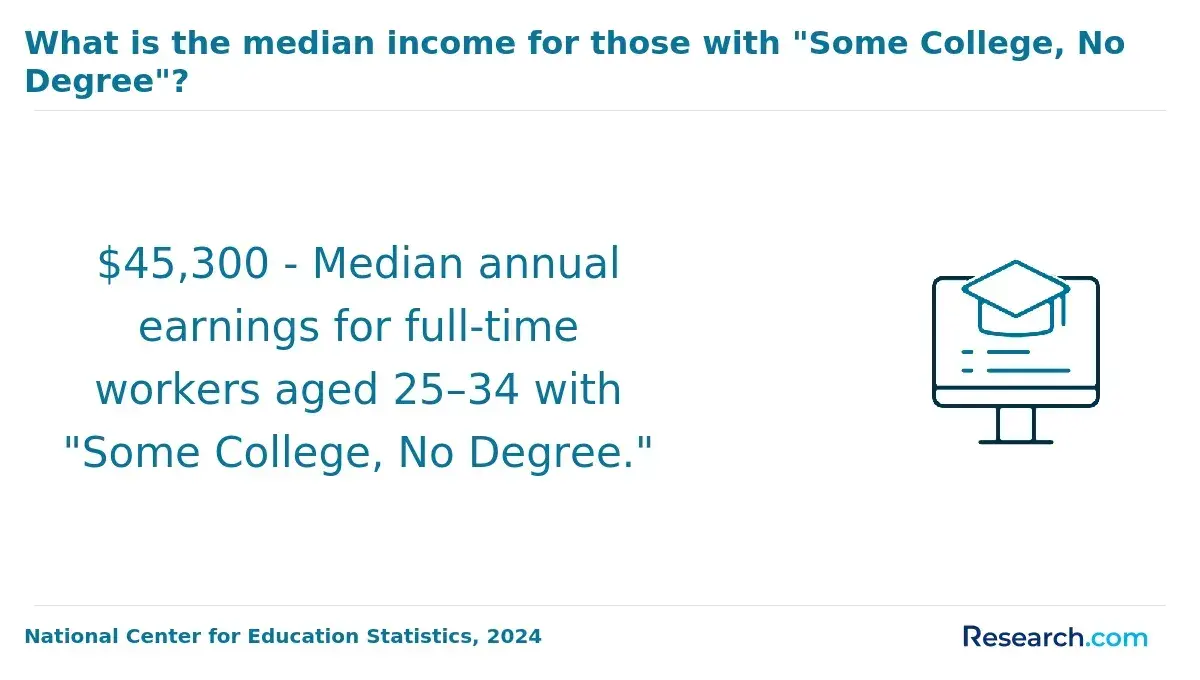
For mid-career professionals aiming to pivot toward leadership within biological sciences education requirements for career advancement, earning a PhD or relevant master's focusing on molecular methods or bioinformatics remains critical. Without such credentials, growth often stagnates at technician levels earning under $70,000 annually. Aligning education with sector-specific demands and building competencies is essential for breaking into six-figure strategic roles.
Given these dynamics, exploring online data science programs may offer complementary skills valued within biological sciences, especially amid increasing data-driven research and bioinformatics applications.
How do salaries and earning growth compare across high-promotion biological science roles?
Salary growth in high-promotion biological sciences careers is strongly tied to taking on management responsibilities rather than remaining in purely technical roles. Natural sciences managers have a median annual salary of $137,904 with a projected job growth rate near 5% from 2022 to 2032, indicating that leadership skills paired with scientific expertise command substantial market demand.
Advancement into managerial positions in pharmaceuticals, environmental consulting, or biotech often results in salary increases exceeding 40% compared to senior research scientist roles. This earning potential comparison for biological sciences roles highlights a crucial tradeoff: professionals must develop project and personnel management capabilities, often backed by formal leadership training, to access these higher-paying roles. Without expanding their skill set beyond specialized technical knowledge, scientists may find wage growth limited to incremental raises or funding-dependent positions.
A practical example: a research biologist at a mid-sized biotech company moving into a natural sciences manager role not only gains a significant compensation increase but also achieves more stable employment thanks to the strategic nature of management roles. Decision-makers should weigh the operational demands and skill development requirements before pivoting, as balancing technical proficiency and managerial competence is necessary to capitalize on job growth and salary gains.
Those evaluating educational investments to support this transition may consider pathways like best online library science programs that complement scientific expertise with organizational and information management skills relevant to management roles.
Which biological sciences specializations lead most directly to management and director positions?
Clinical and regulatory specializations within biological sciences career paths to management roles often provide the most direct trajectory to leadership. Roles focused on clinical trial oversight and regulatory affairs respond to high employer demand for professionals versed in FDA regulations, Good Clinical Practice (GCP), and data integrity protocols. This expertise is critical as the U.S. Department of Labor projects medical and health services managers will grow 28% from 2022 to 2032, outpacing many other occupations.
The top biological sciences specializations for director positions emphasize project management and interdisciplinary communication skills. For example, a clinical research scientist managing multi-site trials can transition into director roles overseeing compliance and strategic decision-making, a path often faster than advancing through purely research-focused tracks where administrative qualifications become barriers.
Employers look for credentials in clinical research administration or regulatory affairs, often acquired mid-career, aligning with a shift from bench work to management. Incorporating regulatory coursework or healthcare administration alongside core biological sciences education sharpens competitive positioning, especially in sectors like pharmaceuticals and healthcare institutions.
Prospective students should weigh program accessibility and real-world application: some may consider complementary fields by exploring an online environmental engineering degree to broaden technical and regulatory skill sets relevant to biological sciences.
How do online biological science programs compare with campus-based programs for career advancement?
Online biological science programs lack the hands-on laboratory experience essential for many research and clinical roles, limiting their value for candidates targeting experimental or biotech process development careers. Employers prioritize verifiable wet lab skills-something typically acquired only through in-person training. Conversely, fields such as bioinformatics, computational biology, and data science increasingly align with online education, which integrates relevant coding and analytics curricula tailored to industry needs.
The 2025 CBRE Life Sciences Talent Trends report documents a 50% surge in demand for bioinformatics and data science expertise since 2019, benefiting professionals who can bridge biology with computational methods. Online biological science degrees provide flexible pathways enabling working professionals to upskill without career interruption, particularly when programs offer asynchronous learning and specialized modules for transitioning from benchwork to computational roles.
Tradeoffs include reduced access to direct mentorship and lab facilities, which may slow proficiency in experimental techniques. Employers often seek candidates with proven hands-on experience unavailable via purely online certificates. Distance learners should explore hybrid options with in-person sessions or lab partnerships to overcome these gaps.
- Those focused on computational biology and data-intensive analysis find online degrees equally viable for career movement.
- Students targeting experimental biology or academic research require campus programs for immersion in lab infrastructure and network access.
What should students look for in accredited biological sciences programs to maximize promotion potential?
Programs aligned with biomanufacturing and bioprocessing offer measurable advantages in regions like the U.S. Northeast, where employer demand for mid-level to senior talent has surged over 20% since 2019, according to the 2024 Labor Market Insights Report from the Life Sciences Career Alliance. Graduates lacking hands-on exposure to GMP protocols, scale-up operations, and production data analytics often struggle to move beyond entry-level laboratory roles.
Choosing a program with cooperative education or internships embedded within biopharma or biotech companies substantially increases operational competence and regulatory familiarity, both critical for progression into supervisory positions. Without direct industry experience, candidates risk stagnating despite theoretical knowledge.
Further, curriculums that emphasize digital proficiency-such as LIMS and ERP system use-and soft skills like project management mirror employer expectations for professionals leading process optimization initiatives. Training must cover both upstream and downstream processing techniques to equip students for the diverse realities of scale-up challenges in therapeutics, diagnostics, or synthetic biology markets.
For part-time students juggling work and study, program flexibility is a decisive factor. Balancing academic projects with relevant employment accelerates advancement and develops practical skills valued by regional biomanufacturing hubs. Programs with demonstrable graduate placement in these hubs provide realistic insights into job availability and career trajectories.
- Prioritize biomanufacturing-focused curricula integrating GMP and data analytics.
- Seek programs offering internships in biopharma or biotech environments.
- Value development of digital and project management competencies.
- Consider program flexibility when balancing concurrent employment.
How do typical curricula in biology degrees prepare graduates for higher-level and supervisory roles?
Biology degree programs rarely equip graduates with the comprehensive skills needed for supervisory roles without targeted curricular and experiential supplements. While core courses establish technical competence in areas like experimental design and specialized disciplines such as molecular biology or ecology, leadership and management proficiencies often receive inadequate emphasis. For instance, managing a field research team demands more than scientific knowledge; it requires regulatory understanding, budget oversight, and personnel coordination-skills frequently underdeveloped in standard curricula.
Employers seeking biologists for managerial positions expect demonstrated abilities in compliance, interdisciplinary collaboration, and operational leadership. Programs integrating applied environmental policy, grant writing, and ethics better position graduates to meet these demands. However, many curricula fall short on strategic planning and organizational behavior, leading to skill gaps that hinder upward mobility.
To navigate these challenges, students should supplement their studies with management-focused certifications or leadership experiences like supervising labs or participating in cross-disciplinary projects. The growing demand for biologists in supervisory roles-projected to require nearly 12,000 new professionals by 2032 according to the Environmental, Ecology & Conservation Biology CareerExplorer 2024 forecast-is driven by retirements and the expansion of managerial functions, intensifying competition for candidates with both technical and managerial competencies.
What are the common career ladders from entry-level lab or field roles into senior positions?
Advancing in biological sciences often demands a clear-eyed assessment of two divergent career trajectories: a research-intensive path or a management-focused route. Early technicians generally spend 3-5 years developing independence in experimental or field methodologies before choosing between these options.
- Research Track: Success hinges on securing advanced degrees and competitive postdoctoral roles. Career progression to principal investigator or lab director is tightly constrained by limited tenure-track openings and intense competition; roughly 15% of PhD holders attain these positions, a trend detailed in a 2024 study in Frontiers in Research Metrics and Analytics. Candidates must build a substantial publication record and grant portfolio under sustained pressure.
- Management and Specialist Track: This alternative emphasizes operational expertise over academic output. Roles such as lab manager or regulatory affairs specialist typically become attainable within 5-8 years through demonstrated leadership and project management skills. Industry seeks professionals adept at cross-functional communication and regulatory compliance rather than research innovation.
For example, a field biologist facing the dwindling supply of tenure-track roles might strategically pivot toward certifications in bioinformatics or quality assurance to remain employable. Transitioning between tracks requires deliberate skill-building, reflecting distinct employer expectations and market realities. A practical approach demands weighing the prolonged educational investment against the probability of securing desired roles, especially amid hypercompetitive academic job markets.
Which certifications, licenses, or professional memberships improve promotion prospects in biological sciences?
Promotion prospects in biological sciences hinge significantly on the alignment of certifications and professional memberships with specific job functions and employer demands. Postsecondary biology educators, for example, often require teaching certification or tenure-track status to access stable advancement paths. Data projects a 4.79% employment growth for this group through 2032, alongside a median salary near $79,000, which suggests steady but specialization-limited opportunities focused on academic credentials.
In contrast, laboratory and applied biology roles prioritize certifications like the American Society for Clinical Pathology (ASCP) credentials or the Certified Biological Safety Professional (CBSP) designation. These validate technical competence, often serving as gatekeepers for higher pay and supervisory responsibilities. Employers in biotech fields typically favor candidates with such certifications over those relying solely on experience, meaning delays in credentialing can slow career movement.
Professional associations such as the American Institute of Biological Sciences (AIBS) and the Society for Conservation Biology extend beyond networking; they facilitate access to niche job listings and leadership roles that inform promotion considerations. Active membership can also bolster peer recognition and influence tenure decisions, particularly in educational settings.
Key practical tradeoffs include:
- Educators balancing terminal degrees and certification versus industry professionals prioritizing technical credentials
- Employers' preference for validated expertise over experience alone in biotech sectors
- The strategic value of sustained professional engagement for visibility and advancement within academia
How do job outlook and industry demand affect promotion opportunities in key biology sectors?
Promotion in biological sciences is heavily contingent on geographic and sectoral concentration, with Boston-Cambridge, San Diego, and the San Francisco Bay Area dominating over one-third of U.S. job openings in this field. Working outside these clusters often means slower advancement due to less dense company networks and limited senior roles. For instance, a biotech researcher in Boston benefits from a robust ecosystem of institutions investing in gene therapy, offering more frequent opportunities for lateral and upward moves than peers in less concentrated markets.
Employers in these hubs emphasize specialized skills tied to cutting-edge technologies, effectively raising internal promotion standards. In contrast, professionals in regions lacking this density must factor in relocation's financial and personal costs against potentially prolonged career stagnation. Sector distinctions also matter: biopharmaceutical roles typically follow better-defined paths linked to product development timelines, while environmental biology positions are more dependent on irregular grant cycles, complicating advancement planning.
Strategic decision-making around advanced degrees or certifications should consider cluster-specific demand and growth projections to avoid misaligned investments. This means evaluating not only educational content but also its relevance to the dominant geographic and sectoral trends impacting leadership trajectories in biological sciences.
- Concentration of job openings in key U.S. clusters influences promotion timelines and access to senior roles.
- Skill alignment with active R&D sectors is critical for advancement, especially in biopharma-heavy hubs.
- Relocation may be required but involves weighing tangible benefits against personal and financial tradeoffs.
Other Things You Should Know About Biological Sciences
Senior-level roles in biological sciences typically demand a shift from hands-on research to strategic planning, administrative duties, and team management, increasing workload in areas like grant writing and compliance. This transition often means less time devoted to technical tasks but more responsibility for coordinating multiple projects and stakeholders. Candidates must evaluate if they are prepared to handle these non-technical pressures, as inability to manage administrative complexity can limit promotion success. Prioritizing time management and leadership skill development is essential.
Promotion speed varies greatly between academic, government, and industry employers in biological sciences. Industry roles generally offer faster, performance-driven advancement tied to project outcomes and market impact. Academic promotions follow rigid timelines and evaluation standards focused on publications and funding history, which can delay progression. Government jobs often provide steady but slower advancement linked to civil service frameworks. When choosing an employer, candidates should align with the environment that matches their career timeline and desired pace of growth.
Specialized expertise often leads to quicker promotion in roles requiring deep technical knowledge, such as genetic analysis or ecological modeling. However, generalist knowledge is critical for leadership roles overseeing broad scientific programs or multiple teams. Beginners should prioritize building a strong specialized skill set to establish credibility, then progressively develop general management and communication abilities. This staged approach aligns with employer expectations for ascending to supervisory and director-level positions.
References
- Professional recognition for microbiologists at the Society of Biology https://microbiologysociety.org/resource/professional-recognition-for-microbiologists-at-the-society-of-biology.html
- Dresden International Graduate School for Interdisciplinary Life Sciences https://www.digs-ils.phd/curriculum/training-thesis-supervision
- 7 Exciting Jobs for Biological Sciences Majors https://www.biola.edu/blogs/studentlife/2023/7-exciting-jobs-for-biological-sciences-majors
- Accreditation https://www.rsb.org.uk/accreditation.html
- Career Paths in Life Sciences: From Entry-Level to Executive. Carrières en sciences de la vie : un cheminement passionnant à tous les échelons. https://www.adecco.ca/en-ca/blog/career-paths-life-sciences-entry-level-executive/
- Advancing from Scientist I to Senior Scientist https://www.clinlabsolutionsgroup.com/advancing-from-scientist-i-to-senior-scientist
- The Power of Certifications: How They Can Advance Your Life Science Career https://www.hyperec.com/blog/the-power-of-certifications/
- The Life Sciences Job Market in 2025: Trends, Opportunities, and Career Paths | IntuitionLabs https://intuitionlabs.ai/articles/life-sciences-job-market-2025
- Top 5 most in-demand Life Sciences Jobs in Europe - Aspire Life Sciences https://aspirelifesciences.com/aspire-insights/top-5-most-in-demand-life-sciences-jobs-in-europe/
- Turn Your Passion for Science Into a Rewarding Career With a Biology Degree - UNCF https://uncf.org/the-latest/a-biology-degree-can-open-the-door-to-life-and-living