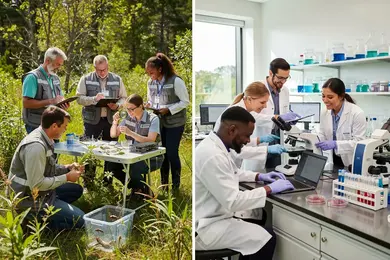
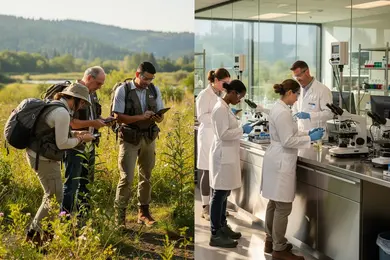
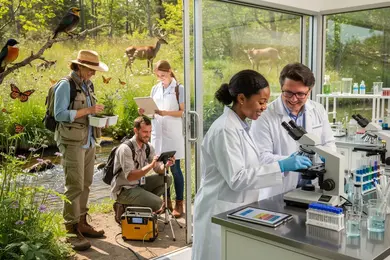
2027 Online Biological Sciences Degrees With Ecology Concentrations

Co-Founder and Chief Data Scientist
Professionals seeking to pivot into ecology within biological sciences face a critical barrier: balancing the need for specialized knowledge with inflexible schedules and geographic constraints.
As labor market data from the U.S. Department of Education reveals, enrollment in online science degrees surged by over 35% between 2022 and 2024, driven largely by working adults prioritizing programs that adapt to their timelines. This underscores a decisive shift in higher education toward accessible, rigorously structured online options that must still meet employer expectations for practical skills in ecology.
This article evaluates current online biological sciences degrees with ecology concentrations to clarify program structures, flexibility, and career alignment to guide strategic enrollment decisions.
Key Things You Should Know
- Online biology degrees with ecology concentrations average 20% lower tuition than on-campus equivalents, but extended program durations by 6-12 months raise total costs and delay workforce entry, per NCES 2024 data.
- Employers in environmental consulting prefer candidates with internships; 65% report online degree holders lack practical fieldwork experience, necessitating supplementary credentialing or unpaid apprenticeships for hiring competitiveness.
- Ecology concentrations face enrollment volatility linked to federal funding for conservation jobs; the BLS projects only 5% job growth through 2030, encouraging students to weigh narrow specialization risks versus broader biological sciences scopes.
What is an online biological sciences degree with an ecology concentration and who is it best for?
An online biological sciences degree with ecology focus offers a pathway for professionals needing flexibility without sacrificing essential field expertise. Consider a mid-career environmental technician aiming to shift into a research analyst role: online coursework provides a practical option to gain targeted ecological knowledge while maintaining employment. However, this approach requires disciplined management of virtual labs and local fieldwork access, as hands-on experience remains integral.
This degree blends core biological sciences foundations with ecosystem dynamics, species conservation, and environmental data analysis. Graduates typically enter roles such as environmental consulting, wildlife management, or conservation policy, often starting at an average annual salary near $40,900, according to College Raptor.
The best online biological sciences programs for ecology careers prioritize skill development that aligns with employer demands, emphasizing applied data tools alongside ecological theory.
Tradeoffs compared to traditional on-campus programs include limited in-person networking but greater scheduling autonomy and cost savings, which appeal to those in rural areas or balancing family commitments. Employers increasingly prefer candidates with demonstrable practical skills and relevant internships over those with conventional degrees alone.
Prospective students should scrutinize program accreditation, technological support, and experiential learning opportunities to mitigate common online education drawbacks.
For more details on career outcomes and educational pathways, conduct due diligence on the answers to "What can you get with an environmental science degree?"
How do online ecology-focused biological sciences degrees compare to campus-based programs?
Choosing an online ecology-focused biological sciences degree requires careful consideration of the significant tradeoffs in practical training. Unlike campus-based ecology biological sciences degrees, where students gain structured access to fieldwork, laboratory equipment, and supervised internships, online learners must independently arrange local field placements and invest in their own equipment to meet employer expectations. This impacts employability, especially for positions in federal or state agencies that prioritize demonstrated ecosystem sampling and species identification skills.
The complexity of securing practical experience externally often extends the education timeline and can increase costs, contrasting with the more integrated hands-on opportunities of traditional campus programs. Employers tend to favor graduates from campus environments, as their training better aligns with workforce demands through research projects and peer collaboration.
Nonetheless, online degrees offer unmatched flexibility and accessibility for working professionals or those in remote areas, enabling upskilling without relocation. This benefit, however, comes at the expense of immediate networking channels and faculty-led research participation—key for developing competitive resumes in applied ecology roles.
The U.S. Bureau of Labor Statistics projects a 6% growth in environmental scientist employment through 2032, which accentuates the need for applied competencies beyond theoretical knowledge. Students considering the benefits of an online ecology-focused biological sciences degree compared to campus programs should weigh the practical challenges carefully.
For those exploring alternative programs in related fields, reviewing options such as the best data science masters might offer strategic flexibility and complementary skills in data analysis valuable to environmental research.
Which types of colleges offer accredited online biological sciences degrees with ecology concentrations?
Accredited online colleges offering biological sciences degrees with ecology concentrations differ markedly in focus and outcomes, shaping career trajectories through their structural priorities. Public research universities, often top universities providing online biological sciences programs with an ecology focus, integrate ecological theory and applied environmental science backed by extensive faculty research capacity. This suits students aiming for research-heavy or leadership roles requiring advanced ecological modeling skills.
Conversely, regional comprehensive universities design curricula favoring practical ecosystem management and workforce relevancy, accommodating professionals targeting immediate skill application over academic research.
Online-focused institutions emphasize flexibility and accelerated pacing, which benefits working adults but may compromise the depth of ecological specialization and hands-on laboratory components crucial for some ecology careers.
For instance, a mid-career environmental consultant weighing between a research-intensive program and a regionally oriented university must consider employer expectations that value mastery in ecological data analysis and real-world project experience differently.
Employer demand is strongest for candidates with validated competencies in ecological data management, exemplified by the Natural Sciences Manager role commanding median annual wages near $170,000, per the U.S. Bureau of Labor Statistics data. Selecting accredited programs that provide fieldwork, mentorship, and internships—often through partnerships with environmental agencies—can markedly improve employability.
Program accreditation checks, mentorship availability, and internships are essential selection criteria. Applicants should balance prestige and practical exposure against the scheduling constraints of programs, noting that premium research universities may require synchronous sessions or residencies while online-centered providers emphasize accessibility.
Those exploring biological science pathways may also consider exercise science degrees online as a complementary or alternative focus.
What accreditation and program quality standards should ecology-focused online biology degrees meet?
Accreditation standards for online ecology degree programs profoundly impact graduate employability, particularly in fields like conservation or environmental management where practical skills are essential. Meeting regional accreditation by agencies recognized by the U.S. Department of Education or the Council for Higher Education Accreditation is foundational, but quality assurance criteria for biology degrees with ecology concentrations demand more.
Programs must demonstrate alignment with specialized criteria from bodies such as the Society for Conservation Biology, integrating fieldwork, sustainability ethics, and robust data analysis training to maintain workforce relevance.
Given limited on-campus access, these programs face the challenge of delivering experiential learning through virtual labs, local partnerships, or supervised internships. Prospective students should critically assess how programs substitute hands-on activities to ensure skill acquisition that matches employer requirements. Without this, graduates often face difficulty applying GIS, statistical modeling, and ecological surveying in professional settings.
The gap between online and on-campus offerings is evident: only nine fully online ecology programs exist worldwide compared to 26 on-campus U.S. Bachelor of Science ecology degrees in 2025. This signals the need for rigorous curricula featuring capstone projects or applied research components to confirm workforce readiness.
Students must scrutinize course syllabi, faculty expertise, and graduate outcomes. This evaluative approach minimizes risks of underqualification in competitive job markets and illuminates pathways to pivot or advance within the Biological Sciences. For those exploring diverse options, resources such as masters of library science programs may offer comparative insights into accreditation and program quality frameworks beyond ecology.
What courses and specializations are typically included in an online ecology concentration?
Ecology concentrations within biological sciences degrees equip graduates for practical roles in environmental monitoring, resource management, and regulatory compliance. Core courses focus on ecosystem dynamics, conservation biology, population ecology, and environmental policy, supplemented by specialized training in habitat restoration, wildlife management, and GIS spatial analysis. This reflects employer demands for candidates who can integrate multidisciplinary knowledge into environmental impact assessments and land use planning.
Applied training in field methods and statistical ecology directly supports data-driven decision-making critical for consultancy or agency roles. Proficiency in remote sensing and ecological modeling, for example, often distinguishes candidates advising on sustainable development projects. Meanwhile, policy and ethics modules prepare graduates to navigate regulatory complexities, a necessity for government and nonprofit positions seeking to minimize legal liabilities and ensure compliance.
Programs typically require foundational courses in biology, chemistry, and statistics before students tackle advanced ecological topics—mirroring standards like those in Oregon State University's online B.S. in Environmental Sciences with a concentration in ecology, which charges $378 per undergraduate credit.
Completing approximately 180 credits at this rate totals near $68,000 before aid, a significant investment requiring careful consideration of time management and access to practical components such as virtual labs or local fieldwork.
Online delivery poses logistical challenges uncommon in campus-based programs. Prospective students must assess how programs balance theory with hands-on experience, as insufficient practical exposure can limit employability in technical ecological roles.
What are the typical admission requirements for online biological sciences degrees in ecology?
Admission requirements for online biological sciences degrees with an ecology focus reflect both academic foundations and workforce realities shaped by a highly selective field. Candidates typically must present a high school diploma or equivalent with solid grades in biology, chemistry, and math, often maintaining a GPA between 2.5 and 3.0.
Transfer students need official transcripts showing completion of introductory biology and chemistry, while standardized tests like the ACT/SAT are increasingly optional as many programs relax these requirements.
Employers in ecology-related fields expect graduates to demonstrate more than coursework knowledge, given that only a few hundred bachelor's degrees in ecology and evolutionary biology are awarded annually nationwide.
Accordingly, admissions often demand letters of recommendation signaling scientific aptitude, discipline, and independent study skills, alongside personal statements that align with career goals in conservation or environmental management. Proof of relevant experience—such as internships or volunteer work—is frequently requested to validate practical competence.
Successful online students must manage reliable computer access and internet connectivity, which programs confirm during orientation. Because some curricula include local fieldwork or research, geographic flexibility or willingness to travel is a critical factor; lack of this can delay progress or restrict opportunities.
Prospective students should weigh these hybrid demands against their logistics and finances before committing.
- Minimum GPA requirements generally range from 2.5 to 3.0 depending on program selectivity
- Many programs waive ACT/SAT scores, reflecting evolving admissions policies
- Letters of recommendation and personal statements emphasize practical readiness beyond academics
- Fieldwork components require either proximity to partner sites or capacity for travel
How long do online ecology-focused biology degrees take and what do they cost?
Online biology degrees with ecology concentrations present a tradeoff between depth of expertise and time-to-completion. While full-time students typically spend 3 to 4 years, part-time or working professionals may extend study to 5 or 6 years to fit internships and course requirements. Accelerated options under three years are uncommon and often reduce exposure to critical analytical skills needed in contemporary ecological roles.
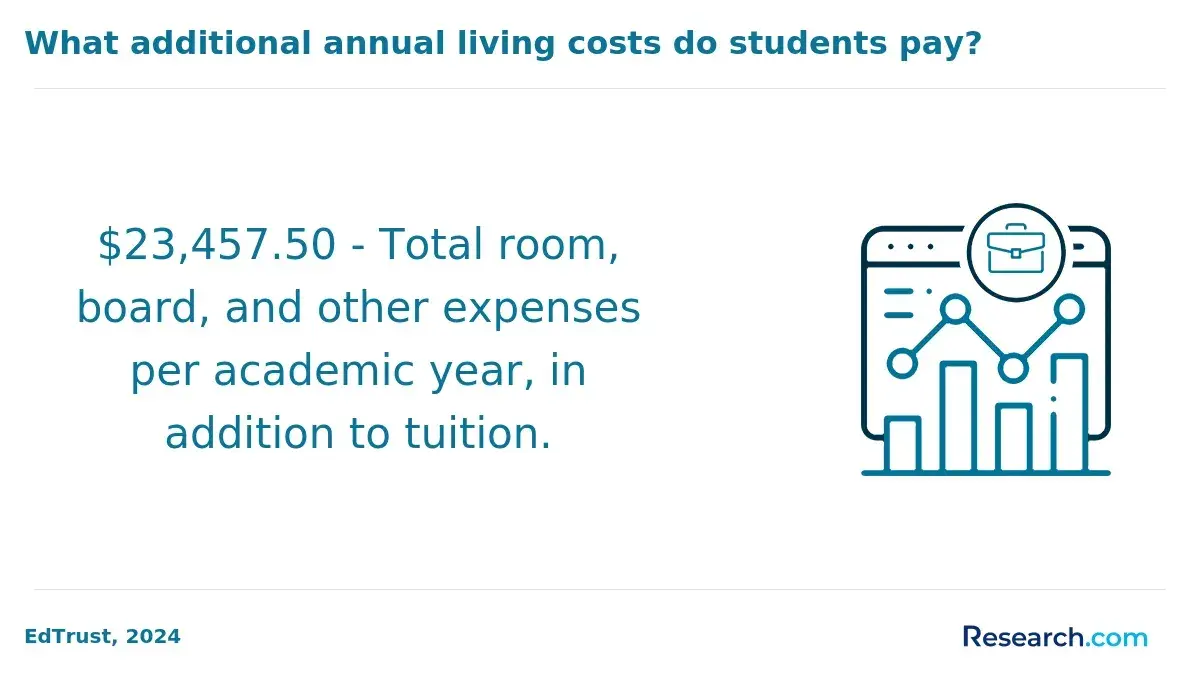
Cost variability depends strongly on institution type and residency status. Public universities charge $10,000 to $25,000 annually for in-state students, whereas private and out-of-state tuition can reach $30,000 to $60,000 per year. Additional expenses—such as GIS software licenses and specialized population modeling tools—are essential investments for ecological competencies emphasized in programs like Cornell University's Environmental Biology and Applied Ecology concentration.
Professionals aiming for fields like environmental consulting must prioritize quantitative training, especially GIS, to align with labor market demands. The U.S. Department of Labor notes 20% faster job growth for candidates with spatial analysis skills, reinforcing the premium on applied quantitative methods over purely theoretical ecology.
Students should evaluate programs based on measurable analytical outcomes, pacing that avoids remedial gaps, and financial aid availability, especially if balancing employment. Failing to integrate quantitative tools risks limiting employability in data-driven sectors, making strategic planning crucial for timely, economically viable entry into ecological careers.
What careers can you pursue with an online biological sciences degree in ecology?
An online biological sciences degree with an ecology focus positions graduates primarily for roles requiring both scientific understanding and technical acumen in environmental contexts. Employers in environmental consulting, wildlife management, and conservation biology emphasize the need for practical skills such as Geographic Information Systems (GIS), ecological modeling, and regulatory interpretation alongside foundational ecological theory.
For example, environmental consultants navigate complex regulations in field assessments, demanding applied knowledge rather than purely academic credentials.
Labor demand is geographically uneven. Colorado leads the U.S. in ecology and evolutionary biology graduates, driven by its biodiversity and supportive state policies, creating concentrated local opportunities. Students should consider geographic mobility or targeting regions with active ecological industries when planning employment strategies.
Challenges include intense competition for fieldwork-eligible roles and expectations for advanced technical certifications often not covered thoroughly in online programs. Graduates benefit from pursuing additional certifications or internships to meet employer standards.
Employment stability varies by sector. Government and nonprofit jobs offer longer tenure but typically lower initial pay compared to consulting firms, which may offer faster salary growth but less job security. Relocation near ecological project hubs can be crucial for meaningful career progression given the site-specific nature of much ecological work.
What salary ranges and job outlook can ecology graduates expect in the U.S.?
Ecology graduates face a critical decision between immediate workforce entry with a bachelor's degree and pursuing advanced degrees that align with employer demands for specialized skills. Entry-level salaries typically range from $45,000 to $65,000, while mid-career professionals can earn $70,000 to $95,000, though private sector roles sometimes exceed $100,000.
Federal agencies and nonprofits often offer lower starting pay but greater job stability and benefits. The median salary reported by the U.S. Bureau of Labor Statistics for environmental scientists and specialists hovers around $79,000.
Projected job growth at 5% through 2034 suggests stable demand, but growth varies significantly by subfield. Emerging specialties like ecological data analysis and restoration ecology are expanding faster than traditional conservation roles. Most employers prefer candidates with at least a master's degree, given the industry's technical complexity and the rising need for proficiency in GIS, environmental impact assessments, and quantitative methods.
Students targeting consultancy or energy-sector roles should anticipate the necessity of graduate training to remain competitive, while bachelor-level graduates may find technical support roles in government labs more accessible but with slower salary growth. Geographic factors and sector-specific credential expectations further complicate career planning.
Developing interdisciplinary skills—combining field experience with remote sensing or policy analysis—can broaden opportunities. Recognizing the balance between immediate earnings and long-term advancement is key to navigating the ecology-based employment landscape effectively.
How can prospective students choose the best online ecology degree for their goals?
An online ecology degree's value hinges on aligning program features with specific career targets in the biological sciences. For instance, professionals pursuing conservation biology need coursework focused on population ecology, habitat restoration, and remote sensing to meet regulatory and nonprofit sector expectations. Employer preference heavily favors degrees incorporating hands-on elements such as GIS training, field labs, and data analytics rather than purely theoretical content.
Working adults should weigh degree timelines and flexible scheduling options carefully. Programs that offer asynchronous learning and multiple start dates provide realistic pathways for maintaining income while studying. Additionally, programs facilitating independent research or partnerships with active labs are vital for students seeking governmental or research roles, as these experiences translate directly into stronger professional portfolios.
Labor market data reveals a predominantly female pipeline in ecology and evolutionary biology, with 62% of recent bachelor's degree recipients identifying as women. This demographic trend impacts hiring dynamics, mentorship opportunities, and workplace culture within biology-related fields. Students should evaluate the diversity and alumni networks of programs to gauge future integration prospects into the ecology workforce.
Cost transparency, faculty expertise, and documented graduate outcomes complete the evaluation framework. Prioritizing institutions that provide clear employment rates and salary data minimizes uncertainty concerning economic returns on investment.
Other Things You Should Know About Biological Sciences
Most online biological sciences programs use hybrid models or virtual labs to fulfill lab and fieldwork components, but these often provide less hands-on experience than in-person labs. Some programs require short on-site residencies or partnerships with local institutions to meet practical requirements. Prioritize programs with clear, feasible plans for real-world ecological fieldwork if you want competence beyond theoretical knowledge.
Employer acceptance depends heavily on accreditation and the reputation of the issuing institution, rather than purely on the online delivery format. Graduates from well-established, accredited programs with applied research components tend to fare better in job markets. Candidates should emphasize practical experience and internships alongside their online degree to offset any employer concerns about online learning rigor.
Those aiming for roles in environmental policy, conservation management, or ecosystem analysis should prioritize programs integrating interdisciplinary ecology and environmental sciences. Strictly biology-focused curricula may limit exposure to socio-economic and regulatory factors shaping ecological work. Assess your career goals carefully: interdisciplinary programs offer broader applicability but can dilute technical biological depth.
References
- 60+ places your environmental and biological science degree could take you. https://juliacooke.net/2016/10/18/60-places-your-environmental-and-biological-science-degree/
- Home https://www.husson.edu/online/online-degrees/bachelor-of-science-in-wildlife-biology-and-conservation
- Change the World: Online Options for Green Master’s Degrees https://www.onlinemastersdegrees.org/features/green-masters-degrees/
- Prospective students | appliedecologylab https://www.appliedecologylab.org/prospective-students
- How to become an ecologist? | Conservation Careers https://www.conservation-careers.com/how-to-become-an-ecologist/
- Careers in Biology https://www.aibs.org/careers/
- Top 8 Online Ecology Courses for High-Achieving High School Students in 2026 https://riseglobaleducation.com/blogs/top-8-online-ecology-courses-for-high-achieving-high-school-students-in-2026
- Online Environmental Science Degrees: Compare Schools https://www.degreesforgood.org/online-degrees/environmental-science/
- Choosing a bachelor's in environmental science | edX https://www.edx.org/resources/how-to-choose-a-bachelors-in-environmental-science