2027 Is Abilene Christian University's Online Bachelor of Science in Exercise Science Worth It? Salary, Outcomes, and ROI

Co-Founder and Chief Data Scientist
Choosing an online Bachelor of Science in Exercise Science program involves balancing academic rigor, career prospects, and personal learning preferences. With online enrollment in health-related bachelor's degrees growing by over 12% annually according to the National Center for Education Statistics, students face pressure to find programs that offer credible clinical content and reliable virtual support. This challenge intensifies since employers in wellness and rehabilitation increasingly value hands-on experience alongside theoretical knowledge.
Prospective students must assess whether abilene christian university's curriculum and delivery model align with these evolving workforce demands and their own scheduling needs. This article analyzes these factors to clarify if the program meets those criteria effectively.
Key Points About Abilene Christian University's Online Bachelor of Science in Exercise Science Program
- Abilene Christian University's online bachelor of science in exercise science has a 64% acceptance rate, presenting a deliberate balance between selectivity and accessibility for prospective students.
- The total tuition is $61,424, paired with a median alumni salary of $55,736 and a 2.30x earnings-to-debt ratio, highlighting a generally positive financial return on investment.
- Employers value this program's practical orientation, reflected in alumni career advancement within exercise science and health sectors due to its workforce-aligned curriculum.
What makes Abilene Christian University's online Bachelor of Science in Exercise Science program stand out?
The value of Abilene Christian University's online Bachelor of Science in Exercise Science lies in its ability to accommodate diverse student needs, particularly working professionals balancing career and personal commitments. Its flexible mix of asynchronous and occasional live sessions allows learners to tailor pacing without sacrificing curriculum rigor-an important consideration for applicants prioritizing steady progress over immersive campus experiences. This adaptability contrasts with traditional programs that often demand fixed schedules, which can be impractical for those requiring flexibility due to employment or family obligations.
The program's emphasis on integrating scientific coursework with practical applications addresses a key gap in many online degree offerings, preparing students for real-world roles in health and fitness fields. With access to interactive digital resources, virtual labs, and internship partnerships, students gain experiential learning opportunities that bolster employability despite physical distance from campus. However, the 60 percent graduation rate also signals challenges typical of remote learning environments, underlining the necessity for self-motivation and effective time management. Overall, the Bachelor of Science in Exercise Science at Abilene Christian University offers a balanced blend of academic depth and operational flexibility that can suit a range of learner profiles aiming to enter or advance in exercise science-related professions.
Is it difficult to get admitted to Abilene Christian University's online Bachelor of Science in Exercise Science program?
While many bachelor's programs in exercise science maintain moderate selectivity due to steady demand from students interested in health and fitness careers, the overall competitive intensity varies by institution and format. Programs balancing flexibility with rigor typically attract a consistent applicant pool without extreme admission pressures, positioning themselves between highly competitive health science tracks and more accessible degrees.
Abilene Christian University's online bachelor of science in exercise science fits this profile, with an acceptance rate of 64% signaling a moderately selective admissions environment. Out of roughly 10,510 applicants annually, about 6,714 are admitted, indicating that candidates confront a reasonable hurdle to entry but are not subject to prohibitive screening. The moderate difficulty rating reflects requirements to present SAT verbal scores between 540 and 650, math scores from 520 to 640, or ACT scores between 22 and 28, demonstrating a baseline academic competence expected without excessive barriers for qualified applicants.
These thresholds strike a balance enabling sufficient student preparedness for the curriculum while maintaining accessibility for those with solid but not elite academic records. This middle ground suits those who may weigh admission likelihood against career aspirations in the exercise science workforce, where credential recognition matters but ultra-selective admission is less common than in allied health professions.
A former online student recalled submitting materials cautiously after retaking the ACT to meet score benchmarks, at first uncertain if the timing would jeopardize admission. "I hesitated because my initial scores were borderline, and I wasn't sure how the online program weighed scores versus essays. Waiting for the retake results added stress, but once I submitted the improved scores, I got in fairly quickly. It wasn't an open-door, but it wasn't a wall either," they said, highlighting the practical tradeoffs involved in navigating program prerequisites while managing personal timing and preparation constraints.
How does the curriculum of Abilene Christian University's online Bachelor of Science in Exercise Science program stay aligned with current industry trends?
Abilene Christian University's online Bachelor of Science in Exercise Science curriculum reflects an evolving exercise science sector by integrating scientific fundamentals with applied skills necessary for employment in diverse health and fitness environments. Aligning with many Texas bachelor of science in exercise science program current trends, the curriculum balances foundational coursework and practical experiences to meet employer expectations for job readiness. Nevertheless, students should weigh whether the curriculum's scope adequately prepares them for the nuanced demands of roles that increasingly require proficiency in data-driven decision-making and personalized program design. The key factors supporting alignment with industry trends are outlined below.
- Core Scientific Knowledge: The program's inclusion of anatomy, physiology, nutrition, and exercise prescription courses builds essential expertise expected by employers in domains such as rehabilitation, wellness management, and sport science. A solid grasp of human physiology remains a critical baseline for exercise science professionals.
- Applied & Experiential Learning: Emphasizing motor control, exercise testing, and supervised internships provides hands-on skills crucial for roles within clinical settings and fitness centers. This practical focus corresponds with the growing preference employers have for candidates demonstrating real-world competence beyond classroom theory.
- Data Analysis & Technology Integration: Introducing students to data collection and analysis aligns with the growing use of technology in exercise physiology and research careers. Familiarity with evidence-based assessment tools prepares graduates for workplace environments increasingly reliant on precise measurement and outcome evaluation.
While many aspects of Abilene Christian University's online exercise science curriculum industry relevance are robust, prospective students should consider if the program's scope addresses specialized certifications or advanced technological proficiencies required by some employers. This degree positions graduates competitively within broader exercise science fields, but those targeting highly specialized or research-intensive roles might seek additional credentials or training. For individuals contemplating extended academic pathways, resources outlining the easiest doctorate to get may also inform decision-making about long-term educational investments.
Tuition and fees for Abilene Christian University's online Bachelor of Science in Exercise Science program total approximately $42,380 annually, with overall costs including books and supplies bringing the estimate closer to $43,280. The absence of additional online technology fees and a flat-rate tuition model benefit students by eliminating location-based cost variability. For working professionals or those managing family obligations, understanding this predictable expense structure is critical in budgeting, especially if institutional grants or corporate tuition reimbursement are viable financing options.
When considering Abilene Christian University online exercise science tuition fees, it is important to factor in the financial aid landscape. All undergraduates qualify for aid, with the average package around $26,352. This significantly offsets out-of-pocket cost, potentially reducing total expenses below many comparable private institution figures. Decisions about program affordability should weigh this aid against total cost, including living and other indirect expenses, to assess the true financial impact on student debt and post-graduation financial flexibility.
The cost of earning a Bachelor of Science in Exercise Science online at Abilene Christian University is above the national average range of $30,000 to $40,000 seen at many schools. This situates the program toward the higher end in the U.S. market, reflecting its private university status and program comprehensiveness. Prospective students must consider whether the specialized curriculum and the program's reputation align with their career goals, since similar credentials may be obtainable via less costly public institutions or accelerated pathways like a fast track associates degree online.
Ultimately, the financial commitment to Abilene Christian University's online exercise science program carries tradeoffs: higher upfront cost balanced by widespread financial aid and a simplified tuition structure. This complexity underscores the importance for students to evaluate total cost alongside career outcomes and employer expectations in exercise science roles, particularly as demand grows for practical skills that justify investment in higher-priced programs.
Admissions criteria at Abilene Christian University's online bachelor of science in exercise science reflect a balance between maintaining academic standards and accommodating diverse student backgrounds. Understanding these requirements is crucial to avoid delays or rejection, especially since certain aspects influence eligibility for transfer credits and readiness for upper-level coursework. The following outlines key prerequisites applicants should consider before applying.
- Educational Background: Applicants must hold a high school diploma or GED. Academic records including GPA from secondary education will be reviewed to assess preparedness for college-level study.
- Standardized Testing: SAT scores should fall between 540-650 verbal and 520-640 math, while ACT scores between 22-28 are acceptable. Though not mandatory, additional test results like Wonderlic or WISC-III can support admission chances.
- English Proficiency: Non-native speakers need to submit TOEFL results to demonstrate sufficient command of English, a factor important for comprehension and communication in coursework and clinical settings.
- Transfer Credit Policies: The university accepts credits via ACE recommendations, CLEP exams, and recognizes AP credits, but excludes dual credit or experiential learning. Transfers are evaluated each term with an emphasis on grade quality and policy compliance.
- Additional Documents: While letters of recommendation are encouraged, no portfolio, personal statement, or resume is required. Computer purchase plans are optional and do not impact admission.
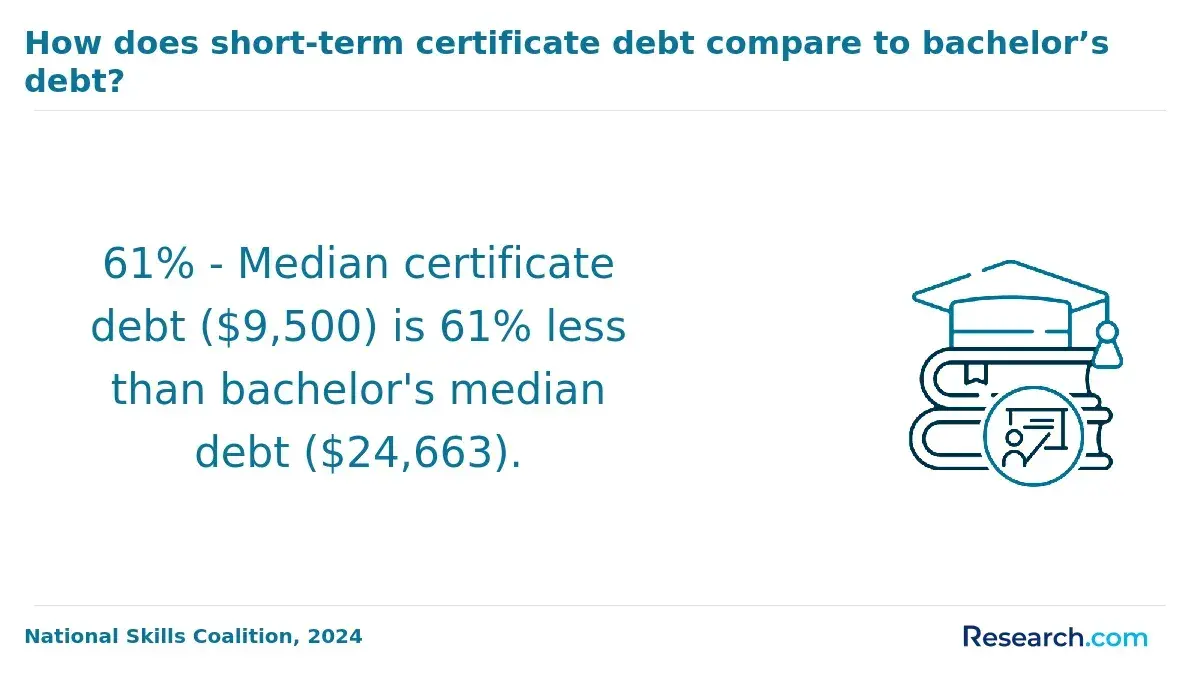
The return on investment for Abilene Christian University's online Bachelor of Science in Exercise Science hinges on weighing its costs against realistic income prospects and debt levels. The program's total annual cost exceeds $60,000, which is substantial compared to graduates' median starting salary of approximately $55,700. This initial salary aligns reasonably well with national averages for exercise science bachelor's holders, but students face tradeoffs given the upfront financial burden and average student debt of over $24,000. The earnings-to-debt ratio of 2.30x indicates manageable debt relative to salary but leaves little margin if career trajectories deviate from the median.
Scholarships and grants can notably improve ROI by reducing out-of-pocket expenses, but these external funding opportunities vary widely between applicants. Post-graduation, securing employment with healthcare providers or rehabilitation centers-common employers for alumni-plays a critical role. Higher specialization and certifications acquired within five to ten years often lead to meaningful salary growth, which can turn an initially tight financial equation into a more favorable long-term investment. However, students should carefully assess local job market conditions and their ability to advance credentials, as these factors heavily influence whether the program's cost is justified by eventual earnings.
Student satisfaction in Abilene Christian University's online Bachelor of Science in Exercise Science program hinges on its ability to balance rigorous academics with accessible support systems, a critical factor for online learners managing competing responsibilities. While the graduation rate sits at a moderate level by national standards, it signals a reasonable completion likelihood, reflecting the program's demands without being prohibitively difficult. The availability of a sizeable faculty base, including both full-time and adjunct instructors, suggests students benefit from responsive academic engagement, which often correlates strongly with satisfaction in remote settings.
The broader student culture emphasizes mentoring and community-building, though specific details on exercise science cohorts are scarce. Such engagement is essential in mitigating isolation, a common barrier in online education. Many students report that the program's flexibility supports balancing work, family, and study, a pragmatic advantage that appeals particularly to nontraditional students. However, satisfaction is nuanced by the challenges of time management and occasional limited peer interaction, issues typical for similar online health science programs.
One graduate recounted that juggling shifts at a rehabilitation clinic with his coursework was taxing but manageable thanks to the program's asynchronous design and faculty accessibility. He hesitated initially, unsure if online learning would provide sufficient interaction or practical insight. Over time, he experienced relief in finding both a supportive academic environment and networking opportunities through virtual mentoring, which helped him feel connected and adequately prepared for employment demands in exercise science roles.
Employment after an exercise science degree often depends heavily on the institution's ability to provide tangible job search resources and meaningful industry connections. Schools like Abilene Christian University integrate career support that addresses challenges faced by online learners, which can otherwise limit access to networking and practical opportunities. Research indicates that over 70% of job seekers benefit from university-affiliated personal connections during their employment search, demonstrating the critical role of an engaged alumni network. Below are key examples of how Abilene Christian University supports its online bachelor of science in exercise science graduates in securing employment.
- Virtual Career Fairs: ACU hosts remote job fairs connecting students with employers nationwide. This expands access to varied health science and exercise science positions, providing opportunities to initiate hiring processes before graduation.
- Online Resume Workshops: Tailored sessions guide students in developing resumes that align with industry standards, improving candidacy in competitive markets focused on health and exercise professions.
- Alumni Mentorship Programs: Connecting current students with seasoned graduates offers direct industry insights and personalized guidance, which can elucidate employer expectations and open doors to job referrals.
- Exclusive Job Portal: A dedicated platform lists internships and employment relevant to ACU alumni, streamlining the search for appropriate roles in the exercise science field.
The employment support for online bachelor of science in exercise science graduates at Abilene Christian University reflects an intentional strategy to offset common isolation challenges in online programs, emphasizing practical workforce entry paths. Such resources can materially influence job placement success compared to programs lacking these focused mechanisms. Prospective students may also consider how such career supports integrate with academic rigor when choosing among accredited online universities.
Career outcomes critically shape the value of an online bachelor of science in exercise science from Abilene Christian University, especially given the modest entry salaries typical in this field. Graduates often enter roles demanding practical skills in fitness and rehabilitation, where pay levels may start below those in other health-related sectors, influencing whether the upfront investment matches long-term goals. Understanding these realities supports informed decisions about pursuing this specific program versus alternatives with different earning trajectories or requirements. Below are representative career paths to illustrate typical employment and salary benchmarks linked to career prospects for graduates of Abilene Christian University exercise science.
- Fitness Trainer Roles: Graduates frequently become fitness trainers, designing and leading exercise programs primarily in gyms or wellness centers. These positions focus on client health improvement and typically offer starting salaries near $18,600, reflecting an entry point that emphasizes experience-building over immediate financial reward.
- Exercise Physiologist Positions: These specialists develop individualized exercise interventions to support rehabilitation or chronic condition management, often employed in clinical or community health settings. Salaries often remain modest early on but may grow with certifications and specialized expertise.
- Wellness Coordinator Jobs: Managing health initiatives within organizations, wellness coordinators implement programs to improve workforce fitness and reduce illness. Pay rates align closely with exercise science averages but depend on employer scale and sector.
- Related Human Development Fields: Some graduates transition into human development or psychology-based roles, which typically require further qualifications but offer median salaries between $28,000 and $30,000, providing wider career versatility.
These outcomes highlight tradeoffs involving initial salary versus practical experience when selecting an exercise science pathway. Students weighing this program should consider broader labor market dynamics, including how proximity to certifications or advanced degrees could influence progression. Exploring a fast track program could be one strategy to accelerate entry into higher-paying roles.
Determining if Abilene Christian University's online bachelor of science in exercise science program fits your goals requires weighing multiple factors that depend heavily on your specific academic and career objectives. For instance, a student aiming for clinical or research roles may prioritize program specialization and practical lab components, while one targeting fitness management might focus on networking and career resources. The decision involves tradeoffs in curriculum depth, flexibility, and long-term returns. Consider these key factors when evaluating if this program aligns with your ambitions:
- Curriculum Content and Specialization: Assess whether the coursework covers essential domains like kinesiology, biomechanics, and health promotion relevant to your career trajectory. Check if the program's electives or focus areas enable you to build expertise suited for your intended role in exercise science.
- Accreditation and Industry Reputation: Verify the program's accreditation status and how well it is regarded among employers and graduate schools. An accredited degree often facilitates smoother transitions into certification, employment, or advanced study.
- Flexibility and Delivery Format: Evaluate whether the online program structure accommodates your work or personal commitments without sacrificing interaction quality with instructors and peers. This affects how effectively you can absorb material and apply it in real-world contexts.
- Career Support and Networking: Investigate the availability of services such as internship placements, career counseling, and alumni networks. These resources are crucial for building professional connections and improving job market outcomes.
- Financial Investment vs. Outcomes: Consider tuition costs relative to expected salary growth and employment rates in exercise science fields to gauge return on investment, a critical factor for many prospective students.
Because choices depend on individual needs, assessing these criteria thoroughly helps ensure the chosen program supports your goals as part of your broader educational and workforce strategy, especially if you're exploring the Abilene Christian University online exercise science program benefits in detail. For those comparing ease of completion alongside these factors, referencing the easiest degree to get can provide additional context.
What Graduates Say About Abilene Christian University's Online Bachelor of Science in Exercise Science Program
- Chloe: "Studying at Abilene Christian University's Bachelor of Science in Exercise Science program gave me a practical foundation that helped me transition quickly into a clinical exercise physiologist role. I found that while the coursework was comprehensive, employers really valued the internship experience I completed through the program, which opened doors despite me not holding additional licensure. That hands-on exposure was critical for standing out in a competitive job market."
- Hope: "The flexibility of Abilene Christian University's Bachelor of Science in Exercise Science program allowed me to balance remote work and my studies, which was a key factor in finishing my degree while gaining relevant work experience. However, I soon realized that without certifications, my salary growth was somewhat limited, and advancing to higher roles demanded additional credentials. Still, the degree provided a strong baseline that gave me a credible entry point into the industry."
- Eva: "I took a somewhat cautious approach after graduating from Abilene Christian University with a Bachelor of Science in Exercise Science, aware that many employers prioritize portfolios and real-world experience over just a degree. Navigating early career hiring dynamics meant focusing heavily on volunteer roles and certifications to supplement what I learned in class. The program's rigorous curriculum prepared me well, but the real challenge was strategically positioning myself in a field that prizes hands-on abilities."
Other Things You Should Know About Degrees
The online Bachelor of Science in Exercise Science typically requires upper-division study in anatomy and physiology, biomechanics, exercise physiology, nutrition, and health assessment. Programs in this field usually build toward about 120 total credit hours, including general education, major coursework, and capstone-style requirements.
While the program offers foundational theoretical knowledge online, gaining hands-on experience is less integrated into the curriculum compared to campus-based counterparts. Students often need to seek external internships or local facilities for practical exposure, which can be a logistical challenge depending on their location. Prioritizing a plan for securing these experiences early on is critical, as the degree alone may not fully prepare students for certain certification exams or clinical roles without sufficient applied practice.
The program's flexible online structure accommodates working professionals, but completion requires consistent weekly commitment equivalent to a full-time college course load. Balancing work, family, and study may require careful prioritization and possibly reducing work hours to avoid burnout. Prospective students should realistically assess their current schedules and consider slower pacing options if available, rather than committing upfront to a full course load.
- Abilene Christian University (ACU) https://www.princetonreview.com/college/abilene-christian-university-1023808
- ESSA's career guide for Accredited Exercise Scientists https://www.essa.org.au/Web/Web/Resources/Tools-and-templates/ESSA-AES-Guide.aspx
- Kinesiology - Brewton-Parker Christian University https://bpc.edu/divisions/mathematics-and-natural-sciences/exercise-science/
- Bachelor of Exercise and Sport Science https://www.vu.edu.au/courses/bachelor-of-exercise-and-sport-science-sbec
- Abilene Christian University ROI & Earnings https://collegeroi.org/roi/college/abilene-christian-university/
- Sport and Exercise Science, B.S. https://www.park.edu/academics/explore-programs/sport-and-exercise-science-degree-b-s/
- Exercise Science Degree Program in Texas | HSU https://www.hsutx.edu/academics/undergraduate-majors-minors/exercise-science-degrees/
- Online Exercise Science Program https://stmary.edu/online-programs/exercise-science.html
- Graduate Assistant Coach, Women's Soccer in Abilene, TX for Abilene Christian University https://ncaamarket.ncaa.org/jobs/22326930/graduate-assistant-coach-women-s-soccer
- Career Services - Arizona Christian University - Phoenix, AZ https://azcu.edu/academics/career-services/