2027 Is Arizona State University's Online BA in Spanish Worth It? What Students Should Know

Co-Founder and Chief Data Scientist
Choosing an online ba in Spanish program requires more than comparing course lists; it demands assessing how well the program fits career ambitions and learning style. With online education enrollment rising by over 12% according to the National Center for Education Statistics, flexibility has become a top priority for students balancing work and study. However, employer emphasis on language proficiency and cultural competence means graduates must evaluate if coursework offers practical language immersion and real-world applications. This article analyzes Arizona State University's online ba in Spanish program to help prospective students weigh its academic rigor, professional relevance, and delivery structure against individual goals.
Key Points About Arizona State University's Online BA in Spanish Program
- Arizona State University's online BA in Spanish admits 90% of applicants, offering accessible entry but requiring a considerable $34,845 tuition investment, which may impact student financial planning.
- The program's graduates earn a median salary of $62,668, suggesting competitive workforce positioning for Spanish language specialists in various sectors.
- An earnings to debt ratio of 3.21x indicates graduates' financial returns outweigh their education costs, supporting value-oriented decisions despite upfront expenses.
What makes Arizona State University's online BA in Spanish program stand out?
Arizona State University's online BA in Spanish program offers flexibility that suits working adults or students managing family obligations by providing asynchronous course formats. This design reduces scheduling conflicts common in professional or personal time constraints, though students must be self-motivated to thrive without synchronous engagement. For those prioritizing practical language skills aligned with career uses in education, healthcare, or global business, the program's focus on immersive, culturally rich content supports real-world communication better than more theoretical alternatives.
The program stands out through its integration of cultural fluency with linguistic competence, facilitated by access to extensive digital resources and virtual exchanges. This approach not only enhances language proficiency but also builds intercultural understanding necessary in fields requiring nuanced Spanish communication. With an average graduation rate of 68%, the structure incorporates academic advising and tutoring to counteract common online isolation issues, signaling robust student support that can improve completion outcomes in contrast to many online language degrees.
Employers often seek candidates who can navigate cultural contexts in addition to language proficiency, making this program's interdisciplinary focus a practical advantage. However, students targeting purely academic research or translation careers might need supplemental specialized credentials. Overall, ASU's scale and resource integration position this BA in Spanish as a versatile option for learners aiming to balance life demands with gaining applicable language skills in diverse professional settings.
Is it difficult to get admitted to Arizona State University's online BA in Spanish program?
Admissions to a BA in Spanish program typically face moderate competition, as the student pool often includes individuals focused on cultural studies, teaching, or translation rather than high-demand STEM fields. Language degrees usually attract motivated but less pressure-intensive applicant groups, meaning selectivity is generally lower compared to programs in business or engineering.
Arizona State University's online BA in Spanish reflects this trend with an acceptance rate of 90%, admitting around 62,084 out of 68,840 applicants annually. The school's open admission policy simplifies entry by not requiring SAT or ACT scores, which lowers barriers commonly faced by applicants needing high standardized test results. For prospective students, this accessibility means admission hinges more on meeting basic qualifications than competing against highly selective criteria.
However, this also means that while getting admitted is less challenging, students should be ready to engage deeply with the curriculum to stand out post-admission, especially since employer expectations for language proficiency and cultural competence remain high in fields like education and international relations.
One graduate recalled the process as unexpectedly fluid: "I applied just a week before the semester deadline and didn't submit test scores, which I didn't have prepared. The quick acceptance was a relief, but I realized soon after that admission was just the first step. The program expects you to commit fully, especially since it's online and self-paced. I felt a mix of hesitance about jumping in last minute and urgency to catch up, but overall, it showed me the program isn't difficult to enter, just demanding in follow-through."
How does the curriculum of Arizona State University's online BA in Spanish program stay aligned with current industry trends?
Arizona State University's online BA in Spanish curriculum integrates elements critical to current industry expectations, chiefly combining cultural fluency with practical language application. Employers increasingly demand graduates who can navigate cross-cultural contexts and digital communication, not just those proficient in grammar. A student completing this program is better prepared for jobs in sectors where Spanish skills intersect with specialized knowledge, such as healthcare administration or international business communications. Below are key factors demonstrating how Arizona State University's BA in Spanish aligns with ongoing shifts in the workforce:
- Cultural Competence: The program goes beyond language mechanics by incorporating Hispanic literature and media studies, fostering deeper cultural awareness crucial to roles involving multicultural engagement and diplomacy.
- Practical Language Skills: Coursework emphasizes realistic language use, including translation workshops and oral proficiency activities, which bridge classroom learning with employer expectations in sectors requiring clear, context-sensitive bilingual communication.
- Industry-Specific Flexibility: Offering focus areas like Spanish for business or healthcare allows students to tailor their skill set, recognizing the growing demand across healthcare systems and international corporations for professionals fluent in both language and specialized vocabularies.
By aligning its curriculum with these trends, Arizona State University's BA in Spanish program addresses evolving job market needs more effectively than programs concentrated solely on traditional language study. This focus on operational language skills intertwined with cultural and technological literacy responds to the practical demands placed on bilingual professionals. Students weighing the decision to pursue this path should also consider how well program content translates to tangible workplace tools, especially given the increasing role of digital platforms in remote and global communication. Prospective enrollees might also research comparable options among online colleges that pay you to attend, balancing program strengths against affordability and access.
The incorporation of theory with applied learning within Arizona State University's degree offers graduates a more competitive standing, but careful evaluation of one's career goals and relevant industry demands remains essential to maximizing the program's practical value.
The base tuition and fees for Arizona State University's online BA in Spanish program stand at around $12,051 annually, excluding materials and living expenses. While the total estimated annual cost approaches $34,845 when factoring books, room, board, and other fees, many online students avoid on-campus housing costs, reducing their actual financial burden. Prospective enrollees should carefully assess these variable costs relative to their situation, especially since books and supplies add roughly $1,320 per year, which can impact the overall budget for those without institutional support.
Financial aid plays a critical role in affordability. Approximately 93% of ASU undergraduates receive aid, with an average award near $12,396, significantly offsetting out-of-pocket expenses for many students pursuing the online BA in Spanish. The lack of additional technology fees specifically for online learners enhances cost predictability. This is notable in workforce terms, as graduates managing lower debt often have greater flexibility in career choices and geographic mobility.
Comparing ASU's online BA in Spanish tuition fees with other institutions reveals a competitive flat-rate in-state tuition policy regardless of a student's residency, which can offer savings for out-of-state participants. Nationally, tuition for comparable programs varies, but ASU's transparency on costs and its financial aid prevalence position it well among peers. This financial structure aligns with what many employers expect from candidates balancing practical education investment against language proficiency and cultural competency skills.
The cost implications of an online BA in Spanish at Arizona State University reflect broader trends in language degree pricing but also highlight the importance of evaluating aid eligibility and employer partnerships. Budget-conscious students must weigh these factors alongside career prospects and program flexibility, especially when considering the impact on long-term earning potential documented within highest paying degrees research.
Applicants weighing the value of arizona state university's online ba in spanish must navigate a set of admission components that reflect both academic preparedness and practical constraints for language study. Understanding these helps clarify the balance between accessibility and readiness critical for meaningful workforce participation, especially in roles requiring bilingual competence. Below are key admission factors that prospective students should be aware of before applying.
- Educational Credentials: Candidates must present evidence of high school completion, such as a GED, alongside submission of secondary school transcripts to establish foundational academic eligibility.
- English Proficiency: Non-native English speakers are required to pass the TOEFL test, ensuring their language skills can support coursework and communication demands inherent in the program.
- Transfer Credit Policies: The program accepts credits through American Council on Education recommendations, CLEP, and DSST exams, which facilitates credit mobility and may shorten time to degree completion for transfer students.
- Testing and Recommendations: While standardized tests like SAT or ACT are not mandatory, submitting letters of recommendation and other evidence of competencies is encouraged to strengthen applications and indicate readiness.
- Technology Requirements: Enrollment necessitates access to a computer, reflecting the online delivery format; the university offers purchase or leasing options to help mitigate this barrier.
The return on investment for Arizona State University's online BA in Spanish program depends heavily on balancing education costs against realistic income prospects and debt burden. With total annual expenses approaching $34,845 based on published figures, students face a significant upfront investment compared to the median starting salary of $62,668 for graduates. This salary, notably consistent even a decade post-graduation, suggests stable earning potential in language-related roles but does not account for variations stemming from geographic location, employer type, or individual career paths.
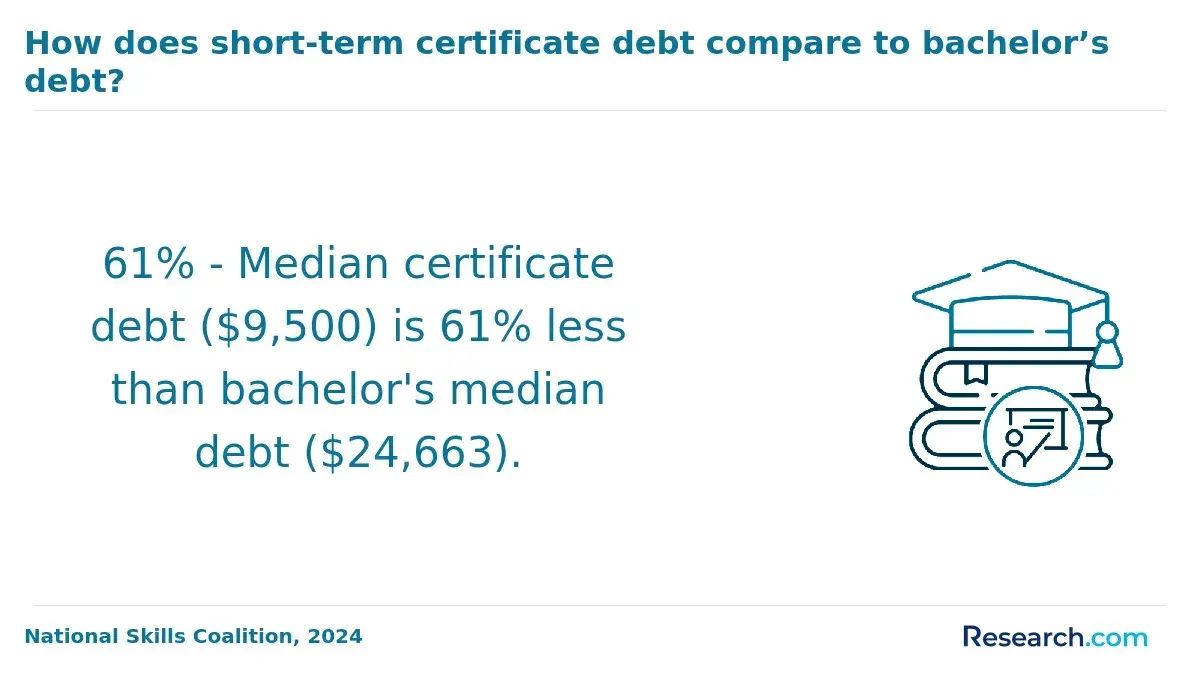
Securing scholarships or grants can markedly improve ROI by lowering debt exposure, which currently averages around $19,500 for graduates. The graduate earnings-to-debt ratio of 3.21x indicates graduates typically earn over three times their debt, a positive sign but one that warrants scrutiny given that earning multiples vary considerably by industry and experience. Employers in sectors such as education, government, and international nonprofits value bilingual skills, but premium salaries often require additional credentials or specialized expertise beyond the degree itself.
Ultimately, candidates considering this program should weigh the upfront financial commitment against the documented steady income trajectory and sector-specific demand for Spanish proficiency. For those leveraging the degree toward roles in multilingual corporate settings or public service with advancement prospects, the ROI holds practical merit but depends on navigating competitive job markets and obtaining complementary qualifications.
Student satisfaction with Arizona State University's online BA in Spanish hinges on how well the program balances academic rigor with flexible support systems, a critical factor given the demands of remote learning. Many students benefit from ASU's active online communities, including language and cultural clubs that help mitigate isolation-a common challenge in digital education. The availability of mentoring programs specifically designed for online learners further contributes to maintaining motivation and navigating course difficulties.
ASU's focus on interactive learning and faculty accessibility also shapes student experience, often enabling learners to manage coursework alongside personal and professional responsibilities. However, the intensity of language acquisition and cultural competency development in the BA in Spanish may require disciplined time management, which can test students juggling multiple commitments. Satisfaction therefore often correlates with a student's ability to leverage ASU's resources effectively while maintaining realistic expectations about workload and self-directed learning.
Reflecting on her time with the program, one graduate recalled feeling initially uncertain about the depth of engagement an online format could offer. "I worried I'd miss out on real conversation, but the language clubs and scheduled live sessions were surprisingly effective, and I found myself looking forward to them after work. It wasn't always easy balancing my job and studies, but the support from advisors helped me stay on track without feeling overwhelmed." This nuanced experience underscores that satisfaction is often rooted in both the structure provided and a student's proactive engagement with available supports.
Employment outcomes for graduates of language programs heavily depend on proactive career support from their institutions. At Arizona State University, online BA in Spanish graduates benefit from resources tailored to bridge the gap between academic credentials and bilingual workforce demands. Research indicates that 60% of graduates secure initial employment through university networks or career centers, illustrating the tangible value of campus-provided professional pathways. For students navigating the remote Spanish degree landscape, leveraging such services can significantly affect how quickly and effectively they enter language-related careers. Below are key employment support mechanisms that demonstrate how ASU positions its online Spanish graduates for job market success:
- Virtual Job Fairs: These events connect students with employers seeking bilingual skills, often facilitating interviews before graduation. The virtual format increases access for remote learners unable to attend in person.
- Online Resume Workshops: Focused on articulating language proficiency and cultural competence, these workshops help refine application materials to meet employer expectations in multinational and multilingual contexts.
- Alumni Mentorship Programs: ASU's active alumni association connects current students with graduates established in language sectors, offering insight into career paths and direct networking opportunities.
- Targeted Job Portals: Specialized portals concentrate on multilingual roles, giving graduates streamlined access to positions valuing Spanish language skills and cultural fluency.
Such career services for Arizona State University BA in Spanish students extend practical advantages that go beyond learning outcomes, addressing the operational challenges of remote education and market signals that influence hiring. This integration of support components is critical for students who rely on institutional networks rather than local job markets or traditional campus access.
More broadly, the role of career resources in language degrees reflects an increasing employer preference for candidates who combine linguistic expertise with professional readiness. For those evaluating whether this online BA in Spanish program meets their career goals, the quality and accessibility of employment support at Arizona State University is a decisive factor to consider within the practical realities of remote education and competitive hiring environments. Additional data on comparable programs can be found among the top 10 online colleges.
Graduates face a competitive labor market where language proficiency alone often doesn't guarantee rapid salary growth. The average alumni salary for those holding a degree in Romance Languages, Literatures, and Linguistics, covering Spanish studies, is around $33,149, which is modest compared to STEM or business fields. Understanding the realistic earning potential is crucial when evaluating career opportunities after Arizona State University online BA in Spanish, as initial roles tend to be in lower-paying entry-level positions. However, expanding skills or certifications can open pathways to higher-paying communications or marketing roles. Below are typical job examples illustrating common professional directions and their financial outcomes for job prospects for Arizona State University Spanish degree graduates.
- Translator and Interpreter Roles: These positions require fluency in Spanish and the ability to accurately convey meaning between languages, crucial in legal, medical, or governmental settings. Entry salaries tend to start low but can increase with specialization and experience.
- Language Instructor Positions: Graduates often teach Spanish in schools or private settings, utilizing cultural expertise alongside language skills. Compensation varies widely depending on the institution and location, often remaining on the lower to mid-range.
- International Business Coordinator Jobs: These roles merge language skills with business knowledge to facilitate cross-border operations and negotiations, generally offering median salaries higher than purely linguistic jobs.
- Public Relations and Communications Careers: Graduates who enter PR or communications leverage bilingual abilities for outreach and marketing, with reported average salaries around $31,608, offering more robust financial prospects.
- Marketing and Related Fields: Careers leveraging Spanish proficiency in marketing tend to command higher average pay near $44,936, reflecting the added value of these combined skills.
For those considering flexible, language-focused education paths, it's also helpful to review online associate degree programs that may offer earlier workforce entry or complementary skills. Choosing this online BA in Spanish means balancing modest starting salaries with broad occupational access and the potential for growth in culturally and linguistically driven sectors.
Determining if arizona state university's online BA in Spanish program aligns with your career goals depends heavily on specific academic objectives and workforce expectations. For example, a student aiming for a role in international diplomacy may prioritize cultural studies and immersive experiences, while someone focused on translation services might value language proficiency and practical application more. The diversity in program value makes assessing multiple criteria essential before committing. Below are critical factors to weigh as you explore how to evaluate if arizona state university's online BA in Spanish fits your career goals.
- Curriculum Focus: Evaluate whether the program emphasizes language skills, cultural knowledge, or applied linguistics, and match these to your intended career path. A curriculum weighted heavily toward culture might benefit education and international relations careers but could require supplementary language practice for translation-oriented roles.
- Program Flexibility: Consider how the online format and course pacing align with your learning style. Some students thrive in self-paced structures, while others require scheduled interactions. This affects both academic success and professional time management.
- Immersive Opportunities: Examine if the program includes study abroad or cultural immersion components, as these significantly impact language fluency and practical cultural competence, which are highly valued in competitive Spanish-language fields.
- Career Support Services: Post-graduation counseling and networking specifically tailored to Spanish-related professions enhance job placement chances, bridging academic qualifications with workforce realities.
More broadly, determining the benefits of an online BA in Spanish at arizona state university for long-term success requires understanding employer preferences and realistic career trajectories. That includes recognizing which roles demand advanced fluency and cultural knowledge versus those open to entry-level bilingual skills. Familiarity with jobs for introverts that pay well also helps identify less obvious opportunities aligned with Spanish degree holders.
What Graduates Say About Arizona State University's Online BA in Spanish Program
- Amelia: "Studying at Arizona State University gave me the flexibility to balance part-time work while completing the ba in spanish, which was crucial for me. While I initially expected the degree alone to open all doors, I found that employers valued the internships and language immersion experiences offered through the program more. It took a strategic decision to build a portfolio showcasing translation projects, but that practical focus helped me land a remote role in international communications."
- Nathan: "I approached my ba in spanish at Arizona State University with a clear goal: entering education. The coursework was challenging, but I appreciated how the degree allowed me to pivot into teaching Spanish in community schools, even without a formal teaching license initially. Navigating hiring realities, I realized employers often prioritized certification for salary growth, but my ASU foundation gave me enough credibility to get my foot in the door and steadily advance through my experience and additional qualifications."
- Faith: "Arizona State University's ba in spanish program was an interesting blend of cultural studies and language skills, which I found prepared me well for multicultural corporate environments. That said, I quickly understood that simply holding the degree wasn't enough to secure higher-level positions in the translation industry. Employers expected certifications and proof of specialized experience, so I invested heavily in additional credentials after graduation. The program definitely expedited my entry into the workforce, but long-term advancement required ongoing effort beyond the degree."
Other Things You Should Know About Degrees
Most online courses at ASU use Canvas and may include quizzes, papers, or discussion boards instead of high-stakes proctored exams. Some classes can still require timed tests with camera monitoring or identity verification, so students should check each course syllabus before enrolling.
Graduates typically achieve intermediate to advanced proficiency, with strong emphasis on communication skills, cultural understanding, and literature. This level is sufficient for roles in education, translation support, and international business. Nonetheless, students aiming for high-stakes translation, interpretation, or specialized linguistic careers may need additional certification or advanced training to meet employer expectations.
Arizona State University's Online BA in Spanish includes virtual exchanges and optional study abroad programs to enhance cultural immersion. Students can engage in online conversations with native speakers and participate in interactive digital modules, which helps in understanding cultural nuances despite the online format.
The curriculum covers breadth in language, literature, and Hispanic cultures, aligning well with prerequisites for many graduate programs in Spanish or related fields. However, the limited research opportunities and lack of in-person mentorship might reduce readiness for highly competitive graduate environments. Applicants prioritizing advanced academic careers may want to supplement their learning with additional research experience or consider institutions with stronger graduate preparatory support.
- Arizona State University Placements : Salaries, Top Recruiters & Job Opportunities https://www.gyandhan.com/study-abroad/usa/universities/arizona-state-university/placements
- ASU Acceptance Rate 2025 for International Students https://counsellingx.com/blog/arizona-state-university-acceptance-rate/
- Arizona State University (ASU) https://www.princetonreview.com/college/arizona-state-university-1023376
- Requirements: BA Spanish - Rosemont College https://rosemont.edu/college/academics/undergraduate-college/spanish-ba/degree-requirements/
- Spanish https://www.albany.edu/llc/programs/ba-spanish
- Price List Spanish Courses | AIP Spanish Language School https://www.spanishinvalencia.com/prices/price-list-spanish-courses/
- Spanish, BA Arizona State University - Kaplan International https://www.hotcoursesabroad.com/india/course/us-usa/spanish-ba/56291078/program.html
- Guide to Applying to Spanish University in 2025 | Bachelor's Degree https://libertylingvo.com/en/blog/bachelors-degree-spain
- Launch a Global Career with a Spanish Degree | Houston Christian University https://hc.edu/articles/launch-a-global-career-with-a-spanish-degree/
- Top 10 Rankings of Arizona State University - Smart Edu Link https://www.smartedulink.com/blog-details/top-10-rankings-of-arizona-state-university/r/recS9FgQ3Hp1zDOWC