2027 Lamar University Online Degree Costs Compared: Which Programs Are Most Affordable?

Co-Founder and Chief Data Scientist
A prospective student searching for an affordable online degree at Lamar University faces a complex mix of tuition structures, mandatory digital fees, and differing costs across programs. Nationally, nearly 38% of online undergraduate students attend institutions where net tuition after financial aid falls below initial sticker prices, highlighting the importance of evaluating total costs rather than base rates alone. This dynamic means a program with higher listed tuition may end up less expensive due to aid or fewer hidden expenses.
Navigating these nuances requires more than comparing per-credit charges. Real value depends on understanding how various online programs at Lamar measure up in affordability when factoring in fees, financial aid, and credit requirements. This article analyzes Lamar University's online degree costs to identify which programs offer the best financial return and transparency, helping you make an informed choice aligned with your budget and career goals.
Key Points About Lamar University Online Degree Costs and Affordability
- Lamar University's total cost of attendance averages $21,626 while tuition alone reaches $28,336, indicating significant financial aid or fee adjustments reduce net expenses for many online students.
- Per-credit tuition varies by program, with business and healthcare degrees priced higher than liberal arts, influencing long-term cost-effectiveness relative to career-specific income potential.
- Books and supplies add roughly $1,250 to costs, a frequently overlooked expense that impacts overall affordability and budgeting for online learners.
How Much Does an Online Degree Cost at Lamar University?
Online degree costs at Lamar University reflect a balance between affordability for Texas residents and significant out-of-state premiums, which can challenge non-resident students seeking value. Undergraduate tuition runs roughly $273 per credit for residents, but surges to $822 for others. Graduate rates are higher, with resident credits at $487 compared to $897 for non-residents. This steep tuition gap complicates comparisons with public peers, private nonprofits, and online-centric institutions where flat-rate or lower per-credit fees may apply.
For example, a cost-conscious learner relocating to Texas might prioritize Lamar's residency discounts and available financial aid over a private online program with higher sticker prices but more scholarships. Despite mandatory fees adding several hundred dollars per semester, Lamar's transparent credit-hour pricing and transfer policies provide clarity often missing from more opaque private alternatives.
National data shows online undergraduate tuition rises over 3% recently, exceeding traditional rates, making Lamar's pricing competitive especially for residents. However, the value depends on program relevance, accreditation, and career outcomes. Lamar's emphasis on practical support and regional employer recognition partly justifies costs, but prospective students must weigh total expenses against these factors and alternative institutions' flexibility and resource access to ensure a sound investment.
Which Online Degree Programs at Lamar University Are the Most Affordable?
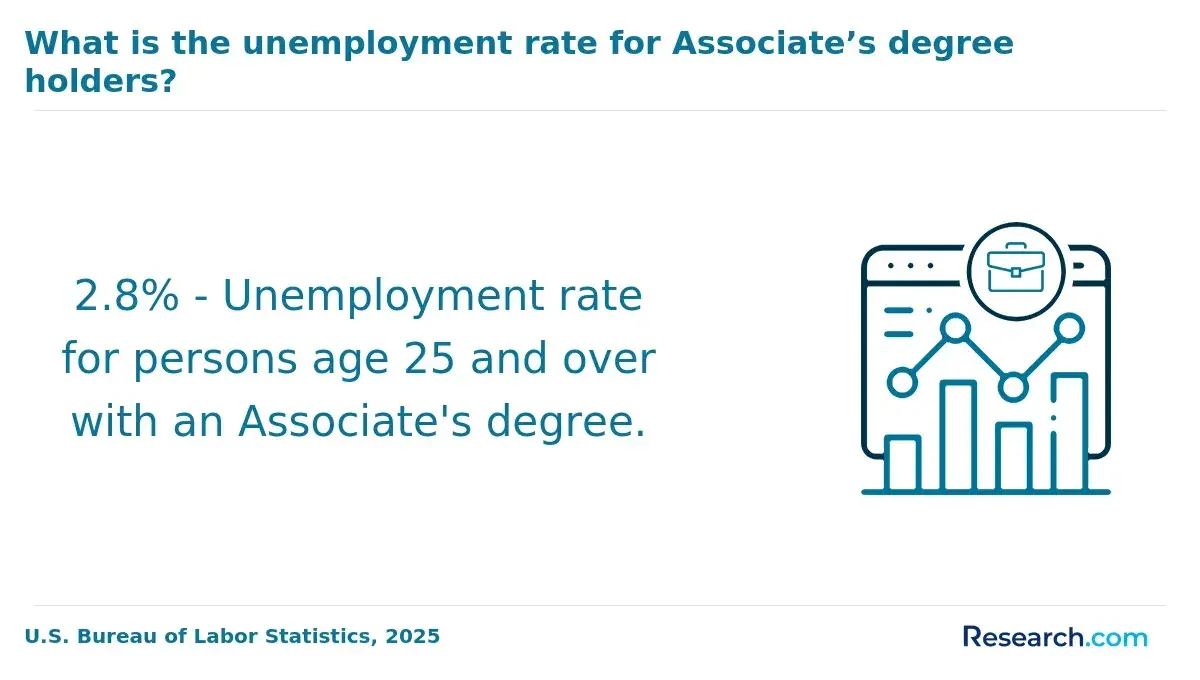
The most affordable online degrees at Lamar University are associate programs, particularly in Health Professions and Business. These programs typically require around 60 credit hours. At roughly $261 per credit hour for in-state online students, total tuition approaches $15,660 before fees, making these options financially accessible for students aiming to minimize upfront costs.
Students transferring credits or qualifying for institutional discounts can reduce expenses further. In contrast, bachelor's degrees nearly double the credit requirement to about 120 hours, and thus tuition alone roughly doubles. Additional fees and limited scholarships for professional tracks may increase costs for these longer programs, demanding a closer cost-benefit analysis by prospective students.
Budget-conscious learners should weigh affordability against program quality and career relevance. Lamar's tuition fits within the $250 to $275 per credit hour median reported by the UPCEA for Texas public universities offering high-demand digital degrees. This suggests online associate programs offer a practical balance of cost and recognized credential value for those targeting quicker workforce entry.
Flexibility and support services also influence long-term value. Students seeking faster completion or enhanced academic advising may justify higher initial costs associated with bachelor's degrees. Ultimately, affordability depends on comparing specific program fees, credit loads, and opportunities for financial aid alongside the anticipated career outcomes.
How Do Online Bachelor's, Master's, and Doctoral Program Costs Compare at Lamar University?
Cost comparisons of Lamar University online bachelor's, master's, and doctoral programs reveal a clear stratification aligned with degree level and program structure. Bachelor's courses are priced at $248 per credit hour, placing these programs among the most financially accessible options for online students when measured per credit. By contrast, master's courses command a higher rate of $402 per credit hour, reflecting a wider national trend where graduate tuition costs significantly outpace undergraduate prices. Doctoral tuition is even more variable, frequently exceeding $500 per credit hour due to specialized research and residency components. Understanding these distinctions is critical for prospective students evaluating affordability alongside program length and additional fees. The following five points highlight key cost factors impacting learners at Lamar University.
- Bachelor's Tuition Baseline: Lamar University charges $248 per credit hour for undergraduate online courses. Students completing the typical 120-credit hour requirement face tuition near $30,000, excluding modest mandatory fees. This model primarily benefits those seeking cost-efficient, full-length degree options with predictable total investment.
- Master's Credit Hour Premium: At $402 per credit hour, master's online programs nearly double undergraduate rates. Typical requirements of 36 to 40 credits translate to tuition between approximately $14,472 and $16,080 before fees. This upfront cost is offset by financial aid availability and is often justified by the possibility of faster career progression.
- Doctoral Program Variability: Beyond a higher $500+ per credit rate, doctoral costs include residency and professional fees, pushing total expenses above many master's programs. Candidates investing in doctoral degrees face extended time commitments and additional expenses, suitable for those targeting specialized roles requiring advanced research skills.
- Online Fees and Additional Expenses: Lamar's additional mandatory fees for online students remain relatively modest at the bachelor's level but increase with graduate and doctoral requirements. These supplementary fees can materially affect total program costs and should be factored into affordability assessments.
- Financial Aid Impact and ROI Considerations: Graduate-level students often have greater access to assistantships and financial aid, mitigating the steeper tuition rates. However, candidates must weigh these costs against realistic employment outcomes. A 2024 analysis found online graduate tuition typically carries a 35% higher per-credit cost than undergraduate programs nationally, underscoring the importance of calculating return on investment before matriculating.
For example, a working professional choosing between a bachelor's or a one year masters degree must assess not only upfront tuition but also the shorter time to degree and potential earnings increase. Selecting the lowest per-credit cost may not always optimize career growth or lifetime earnings. Lamar University's tuition structure enforces this reality by pricing affordability advantages at the undergraduate level while aligning higher graduate costs with expected professional gains.
What Is the Cost Per Credit Hour for Online Programs at Lamar University?
The cost per credit hour for online programs at Lamar University varies considerably based on degree level, residency, and enrollment intensity, impacting affordability in distinct student scenarios. Understanding these differences is essential for students assessing their net cost and long-term investment. Below are key details that highlight the pricing structure and offer insight into which program types and student profiles may navigate costs more efficiently.
- Undergraduate Texas Resident Tuition: Priced at approximately $350 per credit hour with additional mandatory fees ranging from $15 to $25 per credit. This rate benefits full-time in-state students who reach the tuition cap but can increase for part-time enrollments due to fee accumulation over fewer credits.
- Undergraduate Non-Resident Tuition: Close to $527 per credit hour, this premium rate impacts students from outside Texas significantly. Non-residents taking fewer credits per term face higher overall expenses compared to in-state peers.
- Graduate Resident Tuition: Graduate courses average between $550 and $600 per credit hour for Texas residents, excluding fees. Programs priced in this range often suit those pursuing advanced degrees full-time to maximize the tuition cap advantage.
- Graduate Non-Resident Tuition: Elevated beyond resident graduate rates, non-resident students should weigh these costs carefully, especially if enrolling part-time without the benefit of a full-time tuition limit.
- Select Affordable Undergraduate Programs: Certain Lamar online undergraduate degrees maintain standard tuition without specialized fees, offering lower per-credit costs. These programs suit budget-conscious students focusing on maintaining cost-efficiency in pursuit of a degree.
Nationally, the Consortium for Higher Education Online reports that the average per-credit cost for online undergraduate courses is about $401. Lamar University's in-state rates fall below this average, indicating competitive regional positioning for Texas Lamar University student net cost. However, the university does not broadly offer competency-based education pricing models, now recognized for further reducing per-credit-hour expenses through flexible learning paces. Students who prioritize minimizing upfront expenses must assess how part-time enrollment, residency, and program selection influence their total financial commitment.
For those exploring shorter or more affordable credentials, Lamar's offerings contrast with 1 year associate degree programs online, which may provide quicker routes to credentialing at less cumulative cost but differ markedly in structure and career outcomes. Evaluating these tuition components within the context of expected program length and graduate employability remains vital for pragmatic decision-making.
What Additional Fees and Expenses Should Online Students Expect at Lamar University?
The affordability of Lamar University's online degrees cannot be fully assessed by looking at tuition alone. Additional fees and expenses often reshape the true cost of attendance, creating financial pressures that some prospective students may overlook. For example, a student budgeting strictly for tuition might face unexpected charges for technology access or graduation that can add hundreds of dollars each semester. These fees reduce the intended flexibility and cost savings of online learning, especially when combined with rising costs of digital course materials. A recent 2024 study shows an 8% annual inflation rate for academic materials, indicating that textbook and supply costs will escalate beyond initial estimates for many students. The following list details key fees and expenses to help students plan realistically for the full financial scope of Lamar University's online programs.
- Technology Access Fees: These mandatory fees cover the maintenance of digital platforms and learning management systems that support online courses. Though generally the lowest in cost, they apply every semester and cannot be waived, making long-term enrollment more expensive.
- Graduation Fees: Charged at the point of degree completion, these fees cover administrative costs for diplomas and certification processing. They are unavoidable but incurred only once, allowing students to anticipate and save accordingly.
- Program-Specific Charges: Some majors require specialized course fees for software licenses, lab equipment, or proctored exams. These vary by discipline and may include essential costs that cannot be bypassed, impacting total program expenses significantly.
- Digital Textbooks and Materials: Online students must budget for electronic textbooks, whose prices are subject to rapid inflation due to changing publishing trends. The 8% yearly rise means materials can exceed early cost projections and hinder affordability.
- Proctored Exam Fees: Some online exams need remote proctoring services to ensure academic integrity, often involving hidden fees not included in tuition. These charges can add several hundred dollars per semester and are difficult to avoid without compromising course requirements.
Does Lamar University Offer Financial Aid, Scholarships, and Tuition Discounts for Online Students?
Financial aid at Lamar University for online students largely depends on FAFSA-based federal and state aid, institutional scholarships, and employer or military assistance. While institutional scholarships exist, they tend to be competitive and require meeting specific criteria. Dedicated tuition discounts for distance learners are limited, reflecting a national trend where only about 35% of colleges offer reduced online tuition rates.
In practice, an online student benefiting from FAFSA aid and employer tuition reimbursement can significantly lower out-of-pocket expenses. For example, a working professional using military benefits combined with Lamar's institutional aid might reduce costs notably. However, a part-time student without employer support or military affiliation may face higher net tuition due to fewer applied discounts and less comprehensive aid.
Online learners must actively update FAFSA applications each year and confirm scholarship renewal terms to maintain eligibility. Missing deadlines or incomplete applications can drastically increase net costs. Prospective students should also verify if their employer's tuition reimbursement policies cover Lamar's online programs to better estimate final expenses.
Comparing Lamar University's online tuition affordability requires factoring in these variable aids and restrictions rather than relying solely on sticker prices. Understanding individual eligibility and renewal rules is critical to assessing true cost and value before enrollment.
One Lamar graduate recalls a nearly overwhelming financial juggling act: "I almost dropped out because the software licensing fee wasn't in the brochure, and my employer's tuition assistance took six weeks to approve. The scholarships really helped once they came through, but I had to stay on top of deadlines and paperwork constantly." This experience highlights how closely monitoring aid processes influences actual cost relief for online students.
Do In-State and Out-of-State Students Pay Different Online Tuition Rates at Lamar University?
Lamar University charges a flat online tuition rate for all students regardless of residency, meaning in-state and out-of-state learners pay the same total tuition cost for their online degrees. This uniform pricing stands in contrast to many public institutions where non-residents face higher fees, making Lamar's approach more straightforward and potentially more affordable for non-Texas residents seeking online education.
This flat rate benefits transfer students and working adults who often juggle multiple obligations. For example, a military service member using education benefits or a professional completing credits from another school can predict their overall expenses without surprises tied to residency status. Compared to private or nonprofit alternatives that may apply variable pricing or fees, Lamar University's policy can simplify budgeting for diverse learner profiles.
Recent data shows the State Authorization Reciprocity Agreement (SARA) has narrowed the tuition gap for non-resident online students nationwide, reducing average differentials by 10%, which supports Lamar's unified tuition strategy as aligned with broader trends. However, total costs can vary due to mandatory fees, transfer credits, and available tuition discounts. About 92% of Lamar's online students receive financial aid, further mitigating expenses.
Prospective students should verify residency rules and hidden fees carefully. Reviewing potential employer partnerships, military benefits, and aid eligibility helps reveal the net cost beyond sticker price. Comparing Lamar University's rates against alternative programs and consulting resources such as certificate programs can provide deeper insight into affordability and long-term value.
How Does Lamar University Compare to Other Universities for Online Degree Affordability?
Comparing Lamar University's online degree affordability against other institutions involves more than just sticker tuition prices. The overall value depends on a blend of tuition patterns, financial aid accessibility, and how these factors interact with different student profiles and regional alternatives. Lamar's mix of competitive in-state pricing and a strong aid model can shift the cost-benefit balance, especially for residents but also for working adults seeking flexible financing. The decision to pursue an online degree here versus a private or nonprofit university hinges on these nuanced variables and potential debt outcomes. The following points highlight key metrics and comparisons that determine Lamar University's relative affordability and practical return on investment in online education.
- Financial Aid Reach: With 92% of online students receiving aid, Lamar University's aid participation considerably lowers net costs compared to many private schools where aid coverage tends to be limited. This broad aid distribution reduces upfront expenses and long-term debt burdens, making it a crucial factor for economically sensitive students.
- In-State Tuition Advantage: Lamar offers lower per-credit tuition rates for Texas residents, aligning with typical public university pricing models. This model favors local students who achieve a better cost-to-value ratio compared to out-of-state peers or those attending private universities with higher flat-rate tuition.
- Program Length and Credit Requirements: Total cost varies by program because Lamar's credit requirements differ by degree, affecting time to completion and total tuition paid. This variability requires prospective students to assess individual program structures carefully rather than assuming a uniform cost.
- Comparative Market Position: Data from the National Center for Education Statistics notes a clear trend toward public universities increasing online program competitiveness in pricing. Lamar fits this trend, providing affordability that rivals or undercuts regional competitors, although some for-profit programs may offer lower nominal tuition but less aid availability.
- Student Support Services: Lamar's commitment to online student resources, including advising and career services, complements its affordability by enhancing completion rates and employability, areas where some peers with similar costs fall short, impacting long-term outcomes.
- Nonresident and Military Discounts: Lamar's pricing for out-of-state, transfer, and military students incorporates certain discounts, but these rates can still lead to total costs surpassing in-state options. Compared to nonprofit alternatives, this pricing stratification influences affordability depending on applicant residency and veteran status.
- Employer and Career Outcomes: While specific salary averages vary by discipline, Lamar's public university credentials often carry sufficient recognition in regional job markets. This supports reasonable career trajectories relative to costs, but potential students must consider industry-specific returns when comparing programs from private, nonprofit, or for-profit providers.
One Lamar University graduate recalls, "I was juggling a full-time job and kids, so I compared online options carefully. Some private schools had lower advertised tuition but less financial aid, which meant I faced tens of thousands more in loans. I almost dropped out because the software licensing fee wasn't in the brochure, adding unexpected costs midterm. Lamar's aid covered most tuition, and while I had to stretch out some courses, the support kept me going. Now, I'm earning enough in energy sector project management to manage loan payments without a second job, which I didn't expect when I started."
Which Online Degrees at Lamar University Offer the Best Value for Money?
The best value online degrees at Lamar University Texas deliver a balanced mix of affordability, academic quality, flexible transfer policies, and strong career outcomes. Engineering programs, although requiring higher tuition and credit hours, lead to average alumni salaries well above $70,000, justifying their upfront investment. Business and nursing degrees offer more modest earnings but compensate with shorter program lengths and lower total debt. When assessing Lamar University affordable online degree programs, students should consider tuition costs alongside realistic salary prospects and program flexibility to optimize long-term affordability and completion time. Below are key factors that illustrate how various degrees provide strong value for online learners.
- Electrical Engineering Salary Advantage: With an average alumni salary over $82,000, this program demands more credits and higher tuition but offers excellent earning potential that reduces relative debt burden over time, benefiting students ready for a technical, high-demand sector.
- Chemical Engineering Returns: Graduates earn approximately $73,299 on average. Despite its costs, the program delivers a solid earnings-to-debt ratio, appealing to those focused on STEM fields with stable industry demand.
- Mechanical Engineering Affordability: While tuition is higher, a $71,107 average salary offsets upfront expenses. It is suited for students aiming for durable career prospects in manufacturing and industrial roles.
- Business Administration Flexibility: Moderate salaries near $43,871 accompany policies favoring transfer credits and shorter durations, supporting students prioritizing timely completion and lower cumulative costs.
- Management Information Systems Practicality: Earnings average $41,461 with manageable tuition and adaptable course options, ideal for learners balancing work and study.
- Nursing Program Relevance: Achieving a $68,225 average salary, the program balances cost efficiency with high employability, addressing growing healthcare demands and benefiting cost-conscious students.
- Earnings-to-Debt Ratio Insight: Lamar's ratio of 2.34x, slightly above the national benchmark, indicates graduates generally recover educational expenses sooner than average, making certain programs worthwhile despite initial costs.
For students comparing costs and value, exploring a self paced online college can further enhance affordability and fit personal schedules, a crucial factor in managing debt and accelerating career entry.
What Is the Return on Investment of an Online Degree From Lamar University?
Investing in an online degree from Lamar University offers a measurable return rooted in cost efficiency and career outcomes. Graduates earn a median salary of $49,652, with an earnings-to-debt ratio of 2.34x, meaning they earn more than double their borrowed amount. This baseline indicates moderate debt management success compared to many online programs.
High-yield majors in STEM and business elevate this advantage by boosting salary potential beyond average figures. Unlike alternative digital learning models, Lamar's programs combine tuition affordability with realistic timelines, ensuring faster degree completion that enhances net present value, as emphasized in recent Georgetown Center on Education and the Workforce research.
For distance learners weighing the return on investment for Lamar University online degrees, the balance between total cost and post-graduation earnings is critical. Transfer credits can further reduce program length and expenses, improving net benefits. Practical scenarios show that students in fields aligned with labor market demand realize greater career mobility and wage premiums, which factor significantly when evaluating the value of online education.
Prospective students, including those seeking options among the best online colleges for military spouses, should consider how Lamar's online offerings match affordability with career outcomes. Debt-to-income metrics and specific program choices must guide investment decisions rather than generic comparisons.
What Do Graduates Say About the Cost and Value of Lamar University Online Degrees?
- Nathan: "When I first explored online degree programs at Lamar University, I focused heavily on the advertised tuition rates. However, I quickly learned that mandatory fees and the sequencing of required courses significantly impacted the final cost, especially since some courses only ran during certain semesters. The transfer credit policy was a key factor for me; being able to apply credits from my previous college shaved both time and money off my degree path. Graduating with an accredited online degree from Lamar gave me the flexibility to work full time while progressing steadily, and it certainly helped me secure a position in my field without the debt load I feared."
- Mitchell: "I approached my search for an affordable online degree at Lamar University with a practical mindset. Comparing cost per credit was useful, but I realized total degree cost depended on more than just tuition-it included textbooks, tech fees, and the pace I could manage as a part-time student. I also checked on financial aid options to offset these expenses. While some online programs looked cheaper upfront, Lamar's robust academic support and clear residency policies convinced me it was the best value for my situation. The degree helped me pivot careers smoothly, affirming that sometimes paying a bit more day-to-day pays off in career readiness."
- Maxwell: "Deciding on Lamar University's online program was partly about comparing costs but mostly about understanding the value in flexibility and program length. I found that shorter program durations reduced overall costs despite similar per-credit prices, and the ability to transfer several credits helped cut expenses. I noticed that some programs included hidden fees that made them more expensive than they appeared initially, so I factored that into my budgeting. The degree's accreditation and Lamar's reputation gave me confidence in the workforce, even if the cheapest program wasn't always the smartest choice for my long-term goals."
Other Things You Should Know About Lamar University Degrees
Employers increasingly accept Lamar University's online degrees, especially in fields with robust program accreditation, but reputation varies by discipline. Programs aligned closely with regional industry needs, such as nursing or business administration, deliver better returns on tuition investment. Prospective students should prioritize programs with strong employer connections and proven graduate outcomes rather than focusing solely on lower cost options, as this balance significantly affects long-term career viability and salary potential.
Heavy course loads can shorten time to degree but may compromise academic performance or increase stress, potentially delaying graduation and increasing costs. Opting for moderate course loads may improve learning outcomes and reduce risk of failure but might extend program length. Students should realistically assess their work and life commitments to choose a course load that enables steady progress without jeopardizing grades or extending total time in school beyond what their budget can support.
Some financial aid, including federal grants or loans, requires maintaining a minimum credit load per term, which might push students toward larger course loads and greater short-term expenses. Part-time students risk receiving less aid per semester but can manage cash flow better over time. It is advisable to consult financial aid counselors early to plan course registration strategies that optimize aid eligibility without causing undue academic strain or extending the overall time and cost of degree completion.
References
- Lamar University - Top 50 Accelerated M.Ed. Online Programs - Best Colleges Online https://www.bestcollegesonline.org/most-affordable/accelerated-online-masters-education/lamar-university-top-50-accelerated-m-ed-online-programs/
- Lamar University Tuition | CollegeData https://www.collegedata.com/college-search/Lamar-University/money-matters
- Lamar University https://abound.college/gradschool/school/lamar-university/
- Lamar University ranks among top 10 most affordable online college in Texas https://kfdm.com/news/back-to-school/lamar-university-center-online-education-ranks-among-top-10-most-affordable-online-college-in-texas-august
- 50 Online Colleges with the Best ROI https://www.collegeconsensus.com/online/best-roi-online-colleges/
- 326 Lamar University (LU) scholarships 2026-27 [Updated] https://www.wemakescholars.com/university/lamar-university-lu-/scholarships
- Does College Pay Off? A Comprehensive Return On Investment Analysis - FREOPP https://freopp.org/whitepapers/does-college-pay-off-a-comprehensive-return-on-investment-analysis/
- Lamar University Tuition and Financial Aid https://www.prepscholar.com/sat/s/colleges/Lamar-University-tuition-financial-aid
- Financial aid policy shifts stress student https://www.lamaruniversitypress.com/2020/01/financial-aid-policy-shifts-stress-student.php
- Lamar University Reviews https://www.onlineu.com/online-reviews/lamar-university