2027 Arizona State University Tuition for Online Degrees: Cost Per Credit, Fees, and Total Price

Co-Founder and Chief Data Scientist
Rising costs in higher education force many students to weigh the financial burden before enrolling. Online learners at Arizona State University face complex decisions about tuition per credit, mandatory fees, and total program expenses. With national average undergraduate tuition exceeding $11,000 annually, students must carefully analyze how online tuition compares and what additional costs impact their budgets.
As student debt climbs above $30,000 on average, understanding these expenses is crucial for sustainable financial planning. This article breaks down Arizona State University's online degree costs, explaining tuition, fees, and related charges to help prospective students evaluate the true investment and make informed enrollment decisions.
Key Points About the Cost of Attending Online Programs at Arizona State University
- The total tuition cost for completing an online program at Arizona State University is approximately $34,845, representing a substantial financial commitment relative to many other online options.
- Graduates show an earnings to debt ratio of 3.21x, meaning their income after graduation covers just over three times the debt, signaling a moderate return on financial investment.
- Almost 93% of students receive financial aid, with undergraduates averaging $12,396 in help, which can significantly reduce the net cost and improve affordability for many.
How much is the tuition for online programs at Arizona State University?
Tuition for online programs at Arizona State University averages $12,051 annually, excluding additional costs like books, room, and board. Comprehensive costs rise to $34,845 per year, illustrating a significant gap between tuition and full attendance expenses. These figures include instruction, technology fees, and select student services, but not living or course materials.
Tuition fees vary by program, with graduate and specialized online degrees at Arizona State University carrying higher per-credit charges. For example, a working professional pursuing a 6-month online master's degree may face different cost implications than one enrolled in a longer undergraduate program. Such variance affects total price and should influence program selection based on budget and career goals.
The Federal Scorecard notes total cost at $28,047 for in-state students living on campus, reflecting how residency and campus reliance impact expenses. Rising non-tuition fees and living costs, which grow about 5% annually according to recent educational expenditure studies, further complicate budgeting for prospective students.
Those evaluating Arizona State University online tuition rates must balance costs with expected career outcomes. It is essential to consider whether the investment aligns with realistic post-graduate earnings and employment opportunities. For accelerated options, see 6-month master's degree online programs demonstrated in the field.
How does online tuition at Arizona State University compare to on-site program costs?
Online tuition at Arizona State University tends to be presented as more affordable per credit compared to on-site program costs in Arizona, but the real cost difference narrows when additional fees are included. Online students face technology and service fees that on-campus students typically avoid. Conversely, on-site learners pay extra for campus facilities and activity fees.
This cost profile means neither format is categorically less expensive. For example, a working professional choosing between formats must weigh if the convenience of online learning offsets the higher total price that can result from cumulative fees. The total tuition cost for online degrees can reach about $34,845, with tuition fees near $12,051, reflecting this nuanced balance.
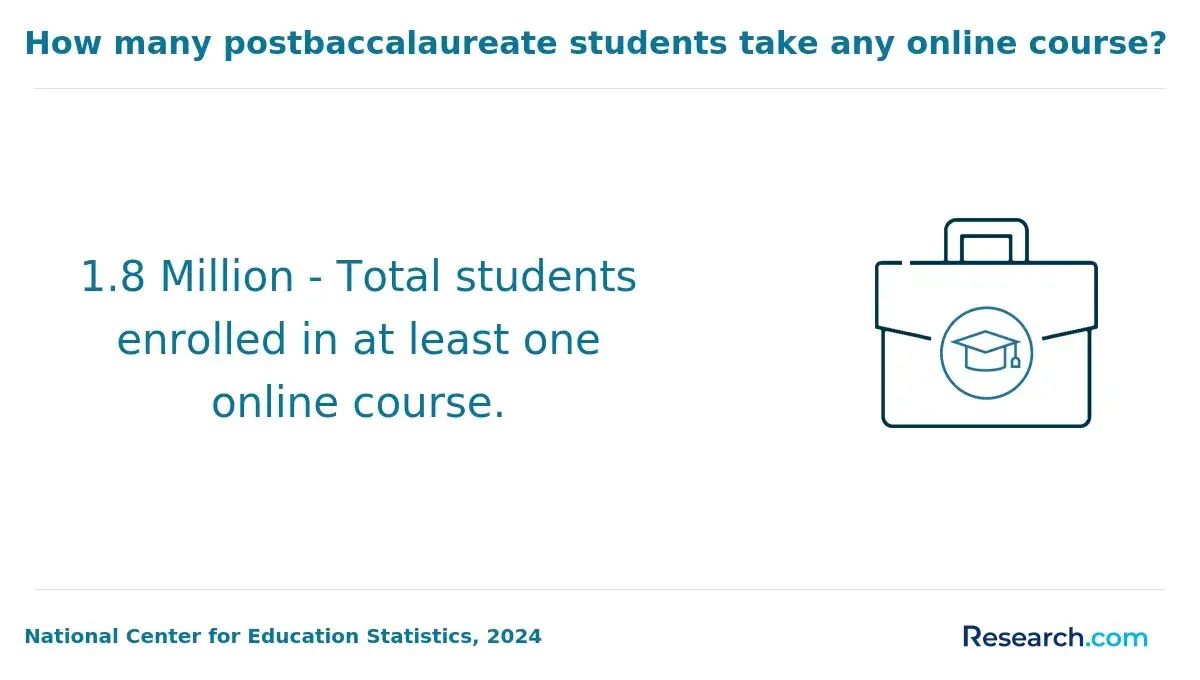
A 2024 study by the National Center for Education Statistics shows that average net prices for online programs have caught up to or slightly exceeded traditional on-campus costs nationwide. This trend highlights that strict tuition comparisons are not sufficient when considering the full cost of attending Arizona State University online versus its on-campus alternatives. Practical factors like networking and hands-on access also influence value.
Prospective students assessing Arizona State University online tuition vs on-site program costs in Arizona should examine all expenditures carefully. Those seeking fast degrees online must consider whether the fee structure and educational environment align with their career goals and financial expectations.
How does enrollment status affect the cost of attendance at Arizona State University?
Enrollment status at Arizona State University creates a clear financial divide between full-time and part-time students. Full-time students pay a flat tuition of $12,051 per term, covering a set credit range, providing cost predictability. Part-time students pay per credit, which makes their expenses vary significantly by course load.
For example, a part-time student taking fewer credits per term may face higher total tuition over time as costs accumulate while prolonging graduation. Conversely, full-time study demands a larger upfront payment but can shorten program length, potentially reducing non-tuition costs like living expenses and lost income.
Part-time students often juggle work and study, but recent data show they pay more per credit on average and have lower completion rates compared to full-time peers. This suggests that spreading costs may lead to higher overall expenses and delayed credential attainment, impacting long-term employability.
Choosing between full-time and part-time status requires weighing immediate financial capacity against the value of timely degree completion. Full-time enrollment offers cost efficiency and faster workforce entry, while part-time paths provide flexibility at the cost of potential financial and career delays.
What is the application fee for undergraduate and graduate programs at Arizona State University?
The application fee for both undergraduate and graduate programs at Arizona State University is $70. This upfront cost, while modest compared to tuition, marks a financial commitment that can multiply if applying to multiple programs. For example, a prospective student targeting two graduate online degrees must budget $140 just to submit applications.
Additional expenses can include fees for submitting standardized tests, transcript evaluations, and credential verifications, which vary by program requirements and academic background. These costs should be factored into the early stages of enrollment planning, as they contribute to the overall investment before even starting coursework.
Arizona State University holds a strong reputation for scalable online education with competitive academic standards and employer recognition. The consistency in requiring application fees by about 75% of institutions, as reported in a 2024 National Center for Education Statistics study, reflects ongoing administrative needs and the importance of applicant commitment in higher education access.
Students aiming to maximize return on investment must consider these preliminary fees alongside tuition and career outcomes. The fee structure and emerging admission cost trends at Arizona State University reveal practical tradeoffs for applicants balancing multiple program options and financial constraints.
How much will you spend on books and supplies at Arizona State University?
Books and supplies can add a significant layer of cost to an online degree at Arizona State University, often exceeding $1,300 per year. Students in STEM fields typically face higher costs due to specialized lab equipment and updated materials, unlike peers in commerce or humanities where expenses remain lower.
Nationally, instructional materials cost students an average of $1,400 annually, driven by digital resources and frequent course updates. This outpaces tuition increases in some cases, signaling the need to budget carefully for these evolving expenses, especially in programs requiring costly or technical supplies.
A typical scenario involves a science major budgeting for textbooks plus lab kits and software licenses, which can push total supply costs well above the average. Meanwhile, a social sciences student might spend less but still must account for new editions and digital content mandatory for coursework.
To manage these costs, students should explore used book options, digital rentals, or older editions when possible. Partnering with peers for bulk orders or sharing resources can also provide financial relief, as can monitoring course outlines early to plan purchases selectively.
Reflecting on the expense, an online graduate recalls hesitation before ordering all required materials in one semester, worried about the upfront cost. Choosing to source used textbooks and delaying some equipment purchases eased financial pressure and allowed focus on immediate coursework without sacrificing quality.
What out-of-pocket expenses should Arizona State University online students prepare for?
Online students at Arizona State University face several expenses beyond tuition, books, and basic school supplies that can affect their total budget. Reliable technology and access to specialized resources are critical to success but add costs that vary by individual needs. For example, a student enrolled in a data science program may spend more on software licenses than a liberal arts student, impacting the overall financial commitment.
Decisions to upgrade internet service or hardware are not just technical considerations, but influence both course access and completion timelines. Beyond tuition fees, students should prepare for the following essential expenses related to their online studies:
- High-Speed Internet: Stable access is necessary for streaming lectures and participating in virtual discussions. Costs typically range from $50 to $100 monthly and often require upgrading or adding a backup connection to avoid disruptions.
- Computer Equipment: A laptop or desktop that meets program specifications is required. Prices vary from $600 to over $1,200 depending on processing power, memory, and other features relevant to coursework demands.
- Specialized Software: Some programs require licensed platforms or advanced data tools. If not provided by the school, subscription fees can add $20 to $50 monthly to the budget.
- Technical Support and Maintenance: Occasional costs for troubleshooting or repairs are common, though infrequent. These expenses ensure continued course access and smooth performance.
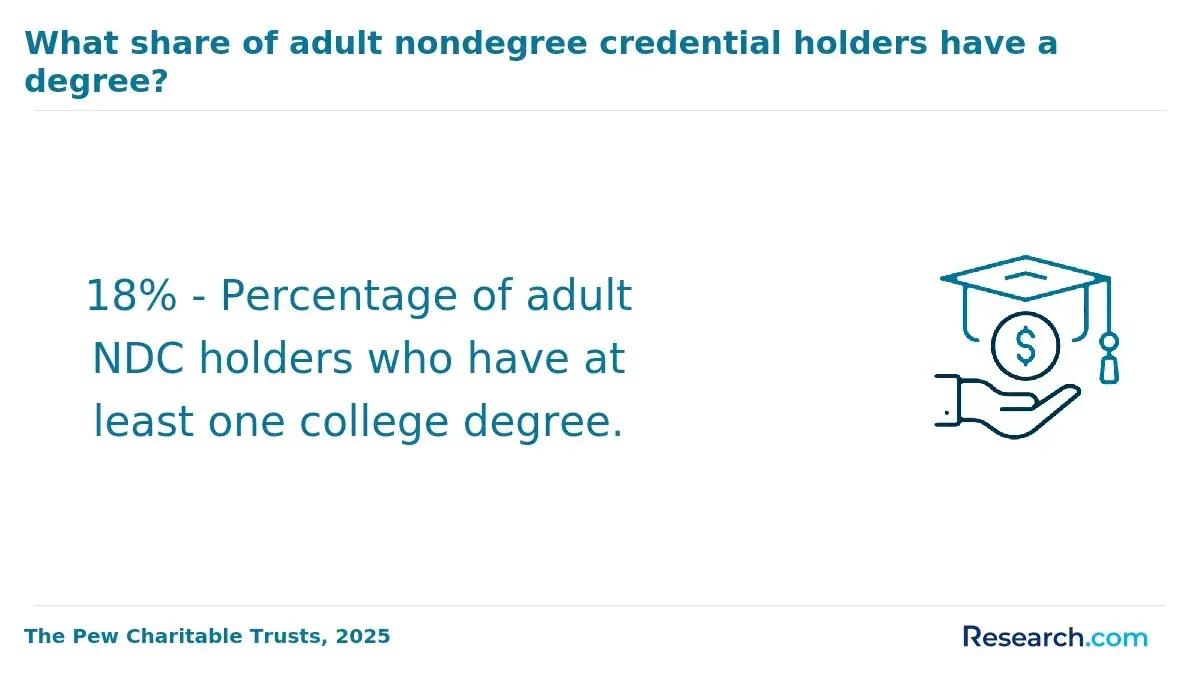
Compared to on-campus students, online learners avoid commuting, housing, and campus facility fees but face higher technology-related expenses. A 2024 study by the National Center for Education Statistics found that 46% of online college students identified technology costs as a significant barrier to degree completion. This highlights how budgeting for out-of-pocket technology expenses is as important as tuition when assessing the true cost and value of an online degree at Arizona State University.
What institutional factors drive the overall price of a Arizona State University online degree?
The cost of attending Arizona State University online is influenced by multiple institutional factors that reflect its large scale and academic ambitions. Tuition at ASU, totaling $34,845, mirrors its status as a major public research university with 79,593 students and 14,448 staff. Understanding these cost drivers is crucial for prospective students weighing value against price.
Below are key factors that shape the overall price of an Arizona State University online degree.
- Institutional Scale and Resources: The university's large population and extensive staff require significant investment in facilities and administrative functions. These fixed costs increase tuition but also support a wide range of programs and services.
- Academic Reputation and Prestige: ASU maintains competitive faculty expertise and cutting-edge technology. These investments boost program quality and employer recognition but raise operational expenses reflected in tuition.
- Curriculum Specialization and Materials: Online degrees with career-oriented programming need regularly updated resources and qualified instructors. This specialization demands higher costs to ensure relevant and current learning experiences.
- Technological Infrastructure and Delivery: Providing seamless online education involves sophisticated platforms and continuous tech support. While economies of scale help, ongoing innovation offsets potential savings.
- Market Trends in Online Education: National tuition averages rose 3.5% recently due to increasing demand and technological investments, highlighting a broader market dynamic that pressures ASU's pricing upward.
For a student deciding between programs, these cost components reflect tradeoffs between accessibility, prestige, and practical outcomes. Employers often expect graduates from reputed institutions like ASU to demonstrate skills aligned with degrees that pay well, justifying higher tuition. Prospective enrollees must assess if these drivers align with their career goals and financial capacity when considering Arizona State University online tuition factors and cost drivers of Arizona State University online degrees.
How can you lower the cost of attendance at Arizona State University?
Online degrees represent a significant investment, especially given the rising costs of higher education in the US. However, students at Arizona State University can apply several cost-reducing strategies to make their educational pursuit more affordable without sacrificing long-term career prospects. Understanding how to access financial support and alternative credit options is critical when measuring the true return on investment.
These targeted approaches can directly affect your net tuition cost. Consider these practical ways to lower the cost of attendance:
- Employer Tuition Assistance: Many employers offer tuition reimbursement programs to employees pursuing online degrees. These programs often cover partial or full costs, reducing immediate out-of-pocket expenses. Students should verify eligibility with their HR department and coordinate benefits early to maximize savings.
- Military Education Benefits: Veterans and active-duty service members can leverage programs like the GI Bill and Yellow Ribbon. This substantially decreases tuition and fees while accommodating students balancing service duties with academic goals.
- Alternative Credit Transfer: ASU recognizes prior learning assessments, including military training, certifications, and exams such as CLEP. Applying these credits can reduce the number of required courses, shortening time-to-degree and lowering tuition payments.
- Corporate Partnerships: ASU collaborates with organizations to provide specialized tuition discounts and scholarships, especially for employees in partner companies. Prospective students should explore whether their employer is part of this network before enrolling.
- Scholarships and Grants Targeting Online Learners: Certain scholarships are specifically designed for online degree candidates, often based on academic performance or professional background. These awards can offset costs but require early application and awareness of deadlines.
According to recent reports, nearly 60% of online students utilize employer tuition assistance, which highlights the impact of external financial support on total education costs. Reducing tuition at Arizona State University online also involves evaluating the fit between these discounts and one's career objectives. Choosing cheaper options should not compromise the practical value of the degree in the labor market.
For students seeking accredited online programs that balance cost and quality, referring to non-profit schools can provide additional context and comparison.
How can transfer credits reduce the overall cost of a degree at Arizona State University?
Transfer credits reduce the overall cost at Arizona State University by cutting down the number of credits students must complete directly. ASU accepts various credit types, including those recommended by the American Council on Education, CLEP exam scores, and credits from DSST/Dantes tests. This allows students to apply prior learning and testing achievements to their degree requirements.
Students can transfer both traditional academic credits and professional experience, converting relevant work history into credit hours. This recognition of practical experience helps shorten program length and lowers tuition fees. Transfer credits are accepted for all enrollment terms, offering flexible options that can accelerate degree completion and reduce costs effectively.
For example, a working adult with military coursework and professional certifications can avoid repeating foundational classes. By applying these credits, the student may save thousands in tuition and re-enter the workforce faster, critical given that average student debt now exceeds $30,000 according to recent financial studies. This impact matters greatly when balancing education costs against lost income.
Transfer credit policies vary depending on factors such as the original institution's accreditation and the specific program. Not all credits will apply, and students should carefully assess how their unique academic and professional background fits ASU's transfer criteria before enrolling.
Reflecting on her experience, a recent ASU online graduate shared, "I was uncertain if my previous college credits would count, especially after years away from school. The transfer process saved me nearly a semester's worth of tuition. It felt like a huge relief not to start from scratch, and finishing faster meant returning to full-time work sooner. It wasn't straightforward, but navigating those credits made a clear financial difference."
How many online students receive financial aid at Arizona State University?
At Arizona State University, 93% of online students receive some form of financial aid, making it a widely accessible resource for reducing tuition burdens. Undergraduate online learners typically receive an average financial aid award of $12,396, which significantly lowers the total cost of attending ASU's online programs.
For example, a working professional pursuing credits online might rely on these aid packages to manage expenses without delaying career development. The following are key scholarships and grants available to help offset costs for many students:
- ASU New American University Scholarship: Designed for high-achieving students, this scholarship rewards academic merit and can cover a substantial portion of tuition for eligible online learners.
- ASU Veterans Grant: Available to military-affiliated students, this grant supports veterans enrolled online by reducing or covering tuition fees, reflecting ASU's commitment to service members.
- ASU Outstanding Online Student Scholarship: Targeting exemplary online students, this award recognizes engagement and academic excellence, providing partial to full tuition assistance based on eligibility.
- Maroon & Gold Grant: This need-based grant helps online students facing financial hardship by offsetting tuition costs, promoting access regardless of income level.
- STEM Scholarships: Dedicated funding for students in science, technology, engineering, and math fields. These scholarships enhance affordability for those in high-demand disciplines.
Despite broad aid availability, students should weigh these benefits against national realities; the average student borrower leaves school with about $30,000 in debt, which can influence long-term financial resilience. Prospective online learners at Arizona State University need to evaluate aid options carefully alongside career goals and income potential.
For those seeking flexible start dates and manageable costs, exploring online colleges starting this month offers additional pathways to fit education within real-life constraints.
What Graduates Say About the Cost of Studying at Arizona State University
- Olivia: "Enrolling in an online program at Arizona State University allowed me to balance full-time work with my studies, which was essential given my family obligations. While the tuition itself was competitive, I was caught off guard by some additional technology fees, which made me more cautious about budgeting throughout the program. However, by avoiding costs like commuting and housing, the overall expense felt manageable, and landing a managerial role shortly after graduation convinced me the investment was worthwhile."
- Kevin: "My experience with Arizona State University's online degree was pragmatic-I knew upfront that the sticker price was steep, but the flexibility to complete courses around my shift work was invaluable. I had to navigate some hidden digital platform charges that initially felt like a burden, but in hindsight, the ability to accelerate my graduation timeline offset those costs. The credential has opened doors for me in project management, and the salary bump has more than justified the incremental financial outlay compared to on-campus alternatives."
- Kayla: "Studying online at Arizona State University gave me access to a quality degree without relocating, and that saved me thousands in living expenses. However, the unpredictable fees for course materials and tech infrastructure made me scrutinize the total cost month to month. Despite these nuances, finishing ahead of schedule helped me jump into the workforce faster, and the real-world skills I gained translated into a noticeable salary increase, which, after careful calculation, made the overall expense feel justified."
Other Things You Should Know About Arizona State University Degrees
Arizona State University charges some mandatory fees that apply equally to online students, such as technology and student service fees, which can add several hundred dollars per semester. However, online learners do not pay campus facility fees, which can offset some of these costs. Understanding exactly which fees apply is critical because it affects budgeting beyond tuition; assuming lower fees can underestimate the total price by a notable margin.
Employer tuition assistance often covers only a portion of tuition and rarely extends to mandatory fees, books, or exam costs at Arizona State University. Students should carefully confirm what is included in their benefits because gaps can lead to unexpected out-of-pocket expenses. It is prudent to budget conservatively and check with the employer's HR to understand potential reimbursements fully before relying solely on their support.
Selecting a program solely on tuition price is short-sighted because employer recognition and program reputation strongly influence graduate outcomes. Arizona State University's wide recognition across industries means that investing in pricier programs with strong employer connections may yield better returns through job placement and salary prospects. Prospective students should weigh affordability against the likelihood of career advancement benefits tied to program prestige.
References
- The skyrocketing cost of college has transformed the student experience - The Arizona State Press https://www.statepress.com/article/2025/03/spmagazine-student-loan-impact
- Tuition and Fees at ASU - College Ready AZ https://collegereadyaz.com/asu-tuition-and-fees/
- Make it easy to transfer credit - Charles Koch Foundation https://charleskochfoundation.org/stories/make-it-easy-for-students-to-transfer-credit/
- What is the FAFSA? https://www.azregents.edu/fafsa/fafsa
- How To Beat The System and Cut Future Tuition Costs in Half https://www.asuprepdigital.org/es/blog/4-ways-high-school-student-can-cut-future-college-tuition-costs-half/