2027 Is University of Denver's Online Master's in Library and Information Science - Archiving Focus Worth It? Salary, Outcomes, and ROI

Co-Founder and Chief Data Scientist
Selecting an online Master's in Library and Information Science - Archiving focus program demands balancing specialized curriculum with flexible delivery. As the Bureau of Labor Statistics projects steady growth in archivist roles, candidates must assess if their chosen program enhances practical skills recognized by employers.
Online formats can challenge engagement with hands-on archival methods, which are vital for professional competency. Furthermore, understanding how program design aligns with career mobility and access to digital resources affects long-term value.
This article examines key factors in evaluating the University of Denver's offering, helping prospective students determine its fit relative to evolving workforce expectations and learning preferences.
Key Points About University of Denver's Online Master's in Library and Information Science - Archiving Focus Program
- The University of Denver's online Master's in Library and Information Science with an Archiving Focus has a 71% acceptance rate, showing moderate selectivity that balances accessibility with program standards.
- The total tuition of $82,683 pairs with a 3.26x earnings to debt ratio, indicating graduates typically recover costs and achieve positive financial returns post-graduation.
- Strong faculty and an employer-preferred alumni network support career readiness, reflecting effective preparation for roles in archival and information science sectors.
What makes University of Denver's online Master's in Library and Information Science - Archiving Focus program stand out?
Choosing an online master's program that balances flexibility and specialized content is critical for working professionals versus full-time students. The University of Denver's online Master's in Library and Information Science - Archiving focus accommodates both by offering a fully online format with flexible scheduling, without sacrificing program rigor.
This flexibility can reduce career disruption, allowing professionals to maintain employment while upskilling, whereas traditional full-time students can complete coursework on a structured timeline.
What sets this program apart is its integration of archival studies within a broader information science curriculum, which is rare among comparable degrees. Access to hands-on digital preservation tools and virtual library environments helps bridge theory with practical skills, crucial for roles in digital archives and information management.
The presence of 747 full-time and 704 part-time faculty further supports diverse learning needs and perspectives, which can be especially valuable for students seeking personalized guidance or exposure to current industry practices.
Graduation rates near 78% indicate a supportive academic environment that helps navigate common online education challenges. However, candidates should weigh the tradeoff between a specialized archiving focus and broader LIS credentials depending on specific career goals.
This program's emphasis on archival theory and metadata in a flexible, fully online format is a strong match for those targeting archival roles in museums, libraries, or corporate information centers where digital record keeping is evolving rapidly.
Is it difficult to get admitted to University of Denver's online Master's in Library and Information Science - Archiving Focus program?
Admission to master's programs with an archiving focus generally sits within a moderate competitiveness range, reflecting the specialized skill set and evolving demand in information stewardship. Candidates must demonstrate a combination of academic readiness and relevant knowledge, as employers typically expect graduates to possess foundational expertise coupled with practical adaptability for archival roles.
At University of Denver, the online Master's in Library and Information Science with an Archiving Focus maintains a 71% acceptance rate, situating it as moderately selective. This rate implies a level of scrutiny higher than open-admission programs but less restrictive than elite master's tracks, balancing accessibility with academic expectations.
Applicants often need SAT verbal scores between 630 and 710 or ACT scores from 29 to 32 alongside a strong academic record. These thresholds suggest candidates face a clear barrier to entry that helps maintain program quality without creating excessive exclusivity.
With over 19,000 applicants annually but only around 13,600 admissions, the program's volume confirms solid interest and capacity to enroll a sizeable cohort while preserving standards. For prospective students, this means that meeting minimum requirements is necessary but likely insufficient alone; strategic application timing, quality personal statements, and relevant experience can influence admission outcomes more significantly than mere numbers.
A graduate I spoke with recalled applying late in the cycle after initially hesitating to complete standardized testing requirements. "Although I met the score benchmarks, I waited too long to submit my application, and the sense of uncertainty was intense," they reflected.
"The experience taught me that beyond hitting thresholds, early, thoughtful preparation shaped how competitive I really was." This highlights that navigating the admissions process for University of Denver's program involves managing both objective criteria and nuanced timing considerations.
How does the curriculum of University of Denver's online Master's in Library and Information Science - Archiving Focus program stay aligned with current industry trends?
The curriculum of the University of Denver's online Master's in Library and Information Science Archiving focus demonstrates a targeted alignment with evolving industry requirements, particularly in managing the transition from traditional to digital archival processes.
Professionals entering the archival workforce must navigate rapidly changing technological tools and evolving standards for digital records. This program anticipates these practical challenges by integrating core competencies essential for contemporary archival roles.
Below are key enablers of this alignment:
- Digital Preservation Emphasis: The curriculum's focus on digital curation and metadata standards equips students with the skills essential for maintaining accessibility and authenticity of digital assets, a necessity as employers increasingly demand archivists proficient in electronic records management.
- Project-Based Learning: Through internships and real-world projects, students encounter operational environments similar to libraries and museums, bridging theoretical knowledge with practical application. This hands-on exposure helps graduates better understand workflow complexities and ethical considerations in information stewardship.
- Legal and Ethical Context: Addressing data privacy and societal impact strengthens students' readiness to handle sensitive information responsibly, meeting employer expectations for compliance and responsible archival management.
This curriculum's responsiveness to current trends makes it particularly relevant for candidates aiming to stay competitive in a field where technology and policy are continually reshaping job demands.
Prospective students comparing different majors in college should weigh how the University of Denver's program balances technical skill development with practical experience, as these factors critically influence employability and long-term career adaptability.
How much does University of Denver's online Master's in Library and Information Science - Archiving Focus program cost?
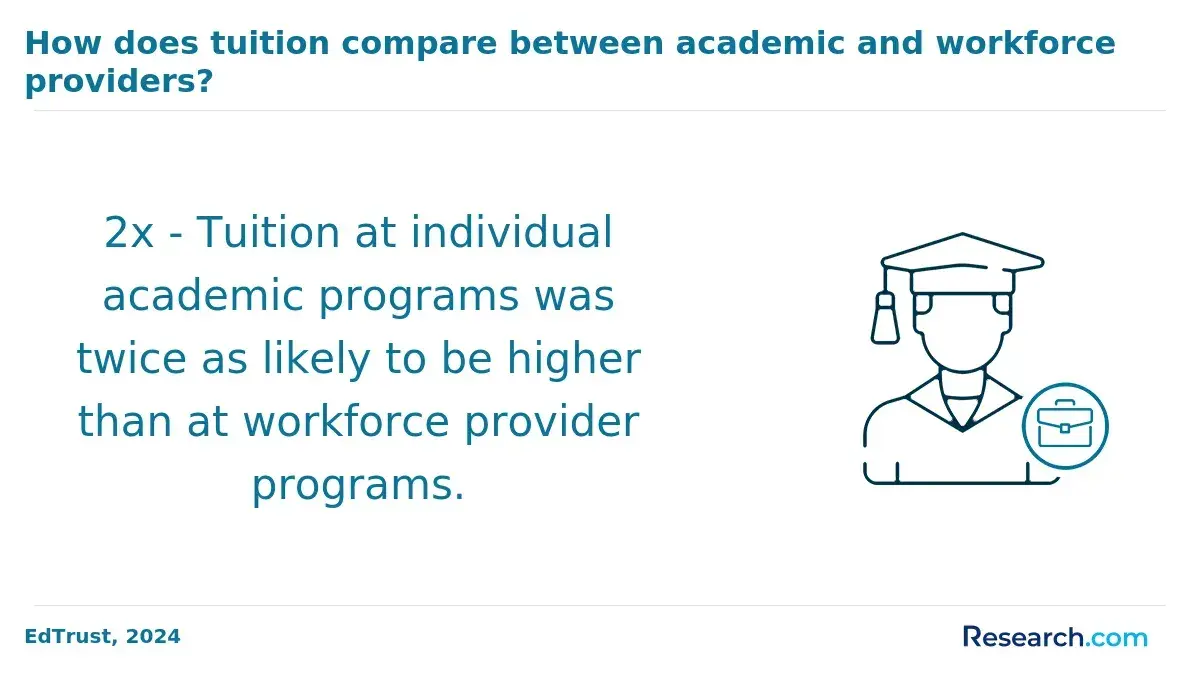
The tuition fees for University of Denver's online Master's in Library and Information Science Archiving program represent a significant financial investment, totaling $59,340 for tuition and fees alone. When factoring in an additional estimated $1,000 annually for books and supplies along with other living expenses, the comprehensive cost can reach upwards of $82,683.
This figure should prompt prospective students to carefully assess the program's return on this outlay, particularly given the known variation in total attendance costs by different reporting methods, such as the Federal Scorecard's $75,020 estimate for in-state students living on campus.
From a workforce perspective, this level of investment requires clear financial planning, especially since the university does not prominently list extra technology fees for online learners but emphasizes a flat-rate tuition policy. This structure enables students to pay in-state tuition regardless of location, offering substantial savings potential for out-of-state enrollees.
For those evaluating the cost of University of Denver online Master's in Library and Information Science Archiving focus, this flat-rate can be a deciding factor compared with traditional on-campus tuition models.
Financial aid can offset some of these costs but warrants a nuanced approach. While 100% of undergraduates at University of Denver benefit from financial aid with average awards exceeding $30,000, graduate students should directly verify eligibility for institutional grants or corporate reimbursement programs, which may be less predictable.
This adds a layer of complexity for those weighing tuition fees for University of Denver library and information science master's archiving program against the program's prestige and hiring advantages.
Comparatively, the university's tuition rates are positioned above the national average for similar degrees, emphasizing specialized instruction but requiring examination against competing programs with lower tuition.
Students must balance these costs with factors such as employment demand and salary trajectories often linked to degrees that make the most money. Careful evaluation of this cost versus potential career outcomes remains crucial before committing to this program.
What are the admission requirements for University of Denver's online Master's in Library and Information Science - Archiving Focus program?
Navigating the admission criteria for University of Denver's online Master's in Library and Information Science - Archiving focus is crucial because it influences not only eligibility but also a candidate's readiness to engage with the program's rigor and online format. Understanding these requirements can help applicants avoid common pitfalls that delay or undermine acceptance.
Below is a breakdown of the key elements that shape the admissions evaluation.
- Academic Background: Applicants must have completed high school or hold a GED credential. Their secondary school performance is reviewed as part of assessing foundational academic preparedness, emphasizing the value placed on prior formal education.
- Standardized Testing: While SAT or ACT scores factor into general admissions standing, the program specifically requires TOEFL for non-native English speakers to demonstrate language proficiency, reflecting the priority of communication skills in this field.
- Supporting Documents: Letters of recommendation and a personal statement or professional resume are expected to provide insights into the applicant's motivation and relevant experience, compensating for the absence of portfolios or entrance exams.
- Transfer Credits: Transfer students may bring in ACE-reviewed credits, but maximum allowable credits vary by program, requiring careful verification to optimize prior learning application.
- Technical Requirements: Since the program is fully online, having reliable computer access is mandatory, though the institution does not provide hardware assistance, which could add unexpected costs for some students.
What is the ROI of attending University of Denver's online Master's in Library and Information Science - Archiving Focus program?
The return on investment for attending University of Denver's online Master's in Library and Information Science - Archiving Focus hinges on balancing its substantial cost against stable salary outcomes and job market realities. The program's total annual cost exceeds $80,000 when including living expenses and fees, which is significantly higher than some comparable degrees.
However, graduates starting with a median salary around $71,000 suggest a moderate but steady earning potential that remains stable a decade into their careers. This implies the degree supports sustainable income levels but does not necessarily translate into rapid salary escalation relative to the initial investment.
From a practical standpoint, securing scholarships or grants can play a pivotal role in improving long-term ROI by lowering upfront debt burdens. The median graduate debt near $22,000 paired with a 3.26x earnings-to-debt ratio indicates many graduates earn over three times their debt, reflecting reasonable financial outcomes for those able to manage costs effectively.
Nonetheless, this return depends heavily on accessing public sector or cultural heritage roles, which often offer job security but moderate salary growth compared to private tech or corporate information management careers.
Students weighing this program should consider how local or in-state tuition rates, potential employer tuition reimbursement, and personal career objectives impact ROI. Those aiming for positions in government archives or public libraries may find this degree relevant and financially viable, whereas candidates seeking rapid salary advancement may encounter limited earning upside relative to the program's cost structure.
Is there a high student satisfaction for University of Denver's online Master's in Library and Information Science - Archiving Focus program?
High student satisfaction in the online master's in library and information science with an archiving focus at University of Denver often hinges on its ability to balance rigorous academics with the practical needs of remote learners. While the program demands disciplined time management, its asynchronous structure allows many students to maintain jobs or family responsibilities, a critical factor for those weighing opportunity costs against degree benefits.
The school's extensive resources, ranging from a robust faculty team of both full- and part-time instructors to active student organizations, help mitigate common challenges faced by online students, especially isolation and limited networking opportunities.
The community built through mentoring programs and student-led groups engages learners with diverse professional and academic backgrounds, fostering collaboration that can translate into career networking long after graduation.
However, those who struggle with self-directed learning may find the virtual format less supportive than traditional settings, highlighting a tradeoff between flexibility and personal interaction. The program's graduation rate suggests many navigate these dynamics successfully, but student persistence often depends on their individual learning styles and external commitments.
One graduate recalls entering the program uncertain if an online format could deliver meaningful engagement. "Having a family and a part-time job, I couldn't attend traditional classes," she said. "At first, it was daunting to manage coursework alone, but the mentoring connections became vital. I felt supported when faculty responded quickly, and the student groups helped me stay connected."
"It wasn't easy, but the flexibility made it possible to finish without sacrificing everything else in my life." This balance between academic rigor and accessible support was decisive in her satisfaction and eventual career transition into archival work.
How does University of Denver help online Master's in Library and Information Science - Archiving Focus graduates secure employment?
Employment outcomes for graduates of the University of Denver's online Master's in Library and Information Science - Archiving Focus hinge heavily on the institution's career support infrastructure, which plays a defining role in bridging academic training and workforce entry.
Research shows that graduates engaging actively with university-led career services and alumni networks are notably more likely to secure employment within six months post-graduation, highlighting the tangible impact of institutional backing on job placement rates. This dynamic is especially critical in competitive information science fields, where direct employer connections and role-specific guidance mitigate barriers common to remote learners.
Below are specific supports offered that align with practical job market demands and optimize employment success:
- Virtual Job Fairs: These events connect students to a broad array of employers in the information and archiving sectors, facilitating early industry interaction that can lead to internships and job offers even before graduation.
- Online Career Workshops: Tailored sessions on resume optimization, interview techniques, and strategic job searching ensure students develop marketable skills aligned with employer expectations for library science roles in Denver and beyond.
- Alumni Mentorship: The active alumni network provides personalized career advice and industry insights, leveraging real-world experience to guide students through nuanced hiring processes common to archival science positions.
This form of institutional engagement exemplifies how career services for library and information science graduates in Denver directly contribute to job readiness and placement outcomes. Additionally, students may find comparative value in understanding how other programs, including those referenced in resources like Barbados Community College, structure their career support relative to specialized fields like archiving.
What are the career outcomes for recent graduates of University of Denver's online Master's in Library and Information Science - Archiving Focus?
Graduates from University of Denver's online Master's in Library and Information Science - Archiving focus typically enter fields where maintaining and managing historical records and digital assets is critical.
These roles often demand understanding of compliance standards and evolving digital preservation techniques, which shapes hiring priorities. For those weighing whether the program is worth it, career outcomes matter significantly since they indicate alignment between the degree's specialized training and the realities of employment in information science.
Below are key career options reflecting this program's typical pathways and earning potential.
- Archivist Positions: Archivists manage and preserve historical documents and records, ensuring long-term accessibility in settings such as museums, government offices, and universities. Salaries for archivists commonly range between $40,000 and $55,000, depending on experience and location.
- Records Management Careers: Professionals in this role oversee organizational records, facilitating compliance with legal and institutional policies. This position benefits from expertise in metadata and digital management gained through the archiving focus.
- Digital Preservation Specialists: These specialists focus on maintaining digital assets and applying standards that prevent data loss. Their work is increasingly vital as more institutions transition to electronic archives.
Career prospects for University of Denver online library science graduates are thus tightly linked to niche yet growing job markets requiring both practical skills and regulatory knowledge. While median salaries align roughly with other social sciences and business-related fields, the specialized nature of archiving can affect upward mobility depending on employer and sector.
Students should consider these factors alongside the program's curriculum and their personal career goals. More broadly, evaluating costs and potential outcomes, such as through programs listed for a university with free application fee, can be crucial in making informed decisions about advanced degrees.
How do I know if University of Denver's online Master's in Library and Information Science - Archiving Focus program is the right fit for my goals?
Deciding if University of Denver's online master's in library science program fit aligns with your career ambitions hinges on more than just the program's name or delivery method. The true value depends on how well the curriculum, faculty expertise, and practical components serve your specific professional goals in archiving.
For example, a student aiming to specialize in digital preservation for a major cultural institution will find greater benefit from courses that emphasize cutting-edge metadata standards and real-world practicum opportunities than from a program focused primarily on theoretical aspects.
Consider these criteria to evaluate fit:
- Curriculum Relevance: Review whether the course offerings specifically address the archiving topics crucial to your targeted roles, such as records management, digital preservation technologies, or archival data ethics. A close match enables skill development aligned with employer expectations.
- Faculty Expertise and Engagement: Investigate if faculty actively contribute to archival research or professional bodies, as this often correlates with current industry insights and networking opportunities benefiting graduates' employability.
- Program Structure and Flexibility: Since the degree is delivered online, assess whether the balance between asynchronous and synchronous learning fits your lifestyle and learning preferences, impacting how effectively you absorb complex archival concepts.
- Practicum and Internship Access: Opportunities for hands-on experience are critical. Scrutinize how the program facilitates placements with reputable organizations to ensure you gain applied skills valued by employers.
- Alumni Outcomes: Look for data on graduate job placement and role relevancy post-completion as an indicator of the program's market value in archiving fields.
For students deliberating whether the University of Denver archiving focus program is right for my career goals, understanding these nuances is essential. Additionally, exploring a comprehensive list of competency-based colleges can help in comparing your options against competency-oriented approaches that emphasize measurable skills over traditional credit accumulation.
What Graduates Say About University of Denver's Online Master's in Library and Information Science - Archiving Focus Program
- Elizabeth: "During my time at University of Denver, the Master's in Library and Information Science - Archiving Focus gave me a solid academic foundation, but what truly made a difference was how the program integrated portfolio development alongside internships. Employers I spoke with consistently emphasized that practical experience and demonstrable skills mattered more than just licensure, so those hands-on projects were invaluable. Navigating the hiring process, I found my ability to showcase tangible archiving workflows sped up my entry into the workforce considerably and helped me secure a role in a respected institution."
- Tessa: "Studying at University of Denver was an intense but rewarding experience that prepared me for the realities of archiving work, especially the complex demands of remote positions. The program's flexibility was key for balancing study with my personal life. After graduating, I noticed that while remote work was more accessible, advancement without a formal library license could be limited, so I've been carefully planning certifications and continual education to keep up with those career trade-offs. The practical orientation of the coursework helped me understand not just archiving theory but how to successfully navigate workplace dynamics."
- Vanessa: "The Master's in Library and Information Science - Archiving Focus at University of Denver shaped my approach to career pivots and hiring competition in the archiving field. Early on, I realized that many employers prioritized applicants with extensive portfolios and demonstrated project experience, which pushed me to seek out additional internships beyond the program. The program was rigorous and reflective, equipping me with analytical skills that helped me adapt to evolving archival technologies. While salary growth can plateau without licensure, the program prepared me well for the practical challenges of the industry and opened doors to roles I might not have considered otherwise."
Other Things You Should Know About Degrees
The online structure of the University of Denver's Master's in Library and Information Science - Archiving focus limits in-person networking, which is often critical in archival professions. While virtual events and discussion forums exist, they may not fully replace the depth of connections made through face-to-face interactions. Prospective students should proactively engage in external professional organizations or local archival communities to build meaningful industry relationships alongside the program.
The program requires a consistent commitment with weekly readings, assignments, and project-based work that reflect real archival challenges. Students working full-time may find the workload demanding, especially during courses involving practicums or capstone projects. Prioritizing time management and potentially reducing work hours temporarily can be essential to successfully complete the degree without excessive stress.
Because this program is online, opportunities for hands-on archival practice depend heavily on local access to archives for internships or practicums. The university facilitates placement support, but availability varies by location, which can impact practical skill development. Students should assess their region's archival resources before enrolling or plan to relocate temporarily to fulfill these experiential requirements.
References
- University of Denver (DU) https://www.princetonreview.com/college/university-denver-1023671
- Online Master's in Archival Studies (MLIS) Guide https://www.mastersinlibraryscience.org/degree/archival-studies/
- University of Denver MLIS - Online Library Science Masters Review https://www.mastersinlibraryscience.net/university-of-denver-online-library-science-masters-review/
- Most Affordable MLIS Programs Online, Updated for 2025 https://www.librarysciencedegrees.org/programs/online/most-affordable-mlis
- 2025's Most Affordable Library Science Degrees (MLIS) Online https://librarysciencedegreesonline.org/affordable-library-science-programs/
- University of Denver Master of Library and Information Science (MLIS) online https://www.edx.org/masters/online-mlis-programs/denver-master-of-library-and-information-science