2027 St. Thomas University Transfer Credit Policy: How Many Credits Can You Bring?

Co-Founder and Chief Data Scientist
Transferring credits to St. Thomas University when applying for an online degree program can feel complex without a clear roadmap. Students often face uncertainty about how many credits from previous colleges will be accepted and which requirements must be met. This challenge includes understanding course equivalencies, accreditation standards, and limits that cap the total transferrable credits.
Navigating this process is crucial since nearly 70% of online students nationwide rely on credit transfer to reduce costs and shorten time to degree completion, highlighting its practical importance.
This article breaks down St. Thomas University's transfer credit policies, including credit maximums and evaluation criteria. The analysis will offer strategies to help students optimize their transferred units, aligning past academic work with degree goals for meaningful progression.
Key Points About Transferring Credits at St. Thomas University
- St. Thomas University evaluates transfer credits from accredited institutions, practical experience via ACE recommendations, CLEP subject tests, CLEP general exams, and DSST/DANTES exams, enabling students to leverage diverse prior learning toward degree progress.
- Credit transfer is contingent on course relevance, minimum grades, and curriculum equivalency, which requires strategic planning to optimize transferability and avoid forfeited credits in degree pathways.
- Official transfer evaluations occur each term (fall, spring, summer) and necessitate comprehensive documentation to align prior learning with St. Thomas University's program standards and maximize accepted credit units.
Does St. Thomas University allow students to transfer credits from a different school?
St. Thomas University generally accepts transfer credits with moderate difficulty, supported by a 99% acceptance rate reflecting a balanced approach to transfer admission. This openness provides students practical pathways to continue their education without starting over. However, the transfer credit evaluation process at St. Thomas University includes careful scrutiny to ensure credits align with degree requirements and institutional standards.
The university prioritizes transfer coursework from regionally accredited institutions, a critical factor since credits from nationally accredited schools may not be accepted or could trigger additional review.
For example, a student transferring from a regionally accredited community college can expect most credits to apply, whereas someone from a nationally accredited online program might face significant credit loss. St. Thomas also accepts credits recommended by the American Council on Education, including CLEP and DSST exams, which can expedite degree progress through standardized assessment.
Nationally, nearly 40% of transfer students lose some credits during transfer, often increasing time to degree completion and costs. While articulation agreements help reduce credit loss, students at St. Thomas should proactively request official evaluations and prioritize regionally accredited coursework to avoid unexpected setbacks. This approach reflects common challenges in transfer pathways but is manageable through informed planning.
Transfer students at St. Thomas University can enroll across fall, spring, and summer terms, enhancing flexibility. Prospective transfer students considering online degrees should carefully compare offerings and explore cheap online PhD programs when planning long-term academic and career strategies.
What is the maximum number of transfer credits allowed at St. Thomas University?
St. Thomas University allows a maximum of 75 transfer credits toward its online bachelor's degree programs. This cap helps maintain academic rigor while recognizing prior learning. For example, a transfer student with 80 credits must carefully select which 75 credits align best with program requirements to avoid wasted coursework and extended time to degree.
Several factors influence this limit. Credits from regionally accredited institutions transfer more smoothly than those from non-accredited schools, which face stricter evaluation. Additionally, lower-division credits typically have a higher acceptance rate compared to upper-division credits, which are assessed for direct equivalency and relevance to the declared major.
A 2024 study shows that credit transfer caps can inadvertently increase time-to-degree if students do not strategically plan their transfers. This underscores the need for early consultation with academic advisors to ensure alignment between prior coursework and St. Thomas University online programs requirements. Failure to do so may result in lost time and financial resources.
Transfer students pursuing an online associates degree elsewhere should note these policies carefully. Understanding St. Thomas University credit transfer limits for distance learners provides a clearer pathway to graduating on time without sacrificing educational continuity or employability.
Are there different transfer credit caps for online vs on-campus programs at St. Thomas University?
St. Thomas University applies the same transfer credit caps for online and on-campus programs, ensuring no institutional bias between delivery modes. The evaluation process prioritizes course equivalency and accreditation standards rather than whether coursework was completed remotely or in person. This parity reflects a national trend where 67% of colleges maintain consistent transfer credit policies across modalities, helping protect academic progress.
However, credit acceptance can vary for competency-based, self-paced online courses. These credits require alignment with defined learning outcomes comparable to traditional semester hours, or their transferability is limited. For example, a student with primarily non-traditional online credits may find fewer units accepted unless the courses closely match St. Thomas University's curricular requirements.
Transferring credits is generally not more difficult for online students, but those relying heavily on non-traditional formats face a nuanced review demanding comprehensive documentation. Ensuring prior learning is accredited and well-documented improves transfer success and mitigates delays common in modality-based enrollment processes.
Research shows online students often take longer to graduate, partly because credit transfer delays can extend timelines. Maximizing credit acceptance at St. Thomas University requires strategic planning based on rigorous course validation to align with employer expectations and workforce demands.
How does St. Thomas University evaluate international transcripts and foreign course credits?
Eligibility for transferring foreign academic credits at St. Thomas University hinges on rigorous alignment with U.S. academic standards rather than mere course completion. For example, an engineering student transferring from a European university must demonstrate that their prior coursework matches the content and rigor expected in equivalent U.S. classes.
The university assesses several key factors to ensure credits qualify for transfer. These criteria include:
- Accreditation Status: The credibility of the issuing institution is paramount. Only credits from institutions recognized by proper accrediting agencies, often verified through third-party evaluators from NACES or AICE, are considered valid for transfer.
- Course Content Relevance: St. Thomas University compares syllabi and learning outcomes to determine if foreign courses align with U.S. course objectives, ensuring practical applicability and academic depth.
- Credit Hour Comparability: The system analyzes whether credit hours from foreign institutions equate to the semester hours typically awarded in the U.S., which directly impacts the credit transfer amount.
- Grade Conversion: Foreign grades are converted using standardized U.S. GPA equivalency scales, enabling a consistent assessment of academic performance across diverse grading systems.
- Language Proficiency Verification: Although not a credit evaluation per se, standardized English proficiency tests like TOEFL or IELTS scores often accompany applications to ensure students can engage with academic material effectively.
The increasing institutional adoption of formalized credit transfer frameworks, currently at 38% among U.S. universities, signals a broader move to standardize international credit recognition. This trend benefits students by clarifying transfer requirements and improving the accuracy of credit conversion, which in turn can shorten time to degree completion and enhance workforce readiness.
Are there alternative theoretical or practical credentials that St. Thomas University accepts as credit?
St. Thomas University accepts several types of alternative credentials for credit transfer, although the scope and applicability vary significantly by program and credential type.
These alternative credentials offer students practical ways to translate real-world experience into academic credit, which can accelerate degree progression in its online programs. The university evaluates these options carefully, balancing the value of nontraditional learning against academic rigor.
The following points outline key alternative theoretical and practical credit options St. Thomas University recognizes:
- Prior Learning Assessment (PLA): This process allows students to submit portfolios documenting knowledge and skills acquired outside traditional education. PLA is assessed internally by faculty to determine academic equivalency and typically applies broadly across undergraduate online programs.
- Joint Services Transcript (JST): Military training and coursework can be credited through JST evaluations. St. Thomas University aligns military experience with academic standards, supporting veterans enrolled in various online degrees.
- American Council on Education (ACE) Credit Recommendations: Corporate training programs, professional licenses, and certifications endorsed by ACE can be converted into academic credit. However, eligibility requires formal ACE approval, and not all programs accept these credits consistently.
- University Challenge Exams: Some departments offer challenge exams to test subject mastery. These exams are selective and often limited to specific courses rather than providing broad credit.
While the translation of corporate training or professional licenses into credit has limitations, leveraging these alternative credentials can reduce tuition and time to degree. However, students should consider that certain employers continue to prioritize formal transcripts over experiential credits.
Notably, 39% of US institutions report improved adult learner retention when PLA credits are applied, reflecting their increasing value. Students evaluating transfer credit options at St. Thomas University must carefully weigh how alternative credits fit into their academic goals and employer expectations.
For those seeking guidance on affordable online pathways, options like affordable master's degrees online further expand possibilities within cost-effective frameworks.
St. Thomas University's policies reflect a pragmatic approach to balancing practical and theoretical credit options with academic standards in their online programs.
How do you request an official transfer credit evaluation from St. Thomas University?
Requesting an official transfer credit evaluation from St. Thomas University involves several precise steps that impact degree progression, especially for online degree programs for working adults.
Efficient use of this process can reduce redundant classes and shorten time to completion, a consideration that aligns with employer expectations for both relevant skills and timely graduation. The adoption of digital transcript technologies has improved processing times by up to 40% across U.S. institutions, streamlining how students submit and universities assess transfer credits.
The general phases of initiating a credit audit at St. Thomas University include these steps, detailed below for clarity and practical application.
- Submitting Transcripts: Students must provide official academic transcripts to the Admissions Office, which coordinates transfer intake. Electronic transcript services are preferred, ensuring faster delivery and official verification.
- Registrar Review: The Registrar's Office evaluates submitted transcripts to determine credit equivalencies based on course content, level, and grades. This stage typically takes 2 to 4 weeks, depending on submission volume and complexity.
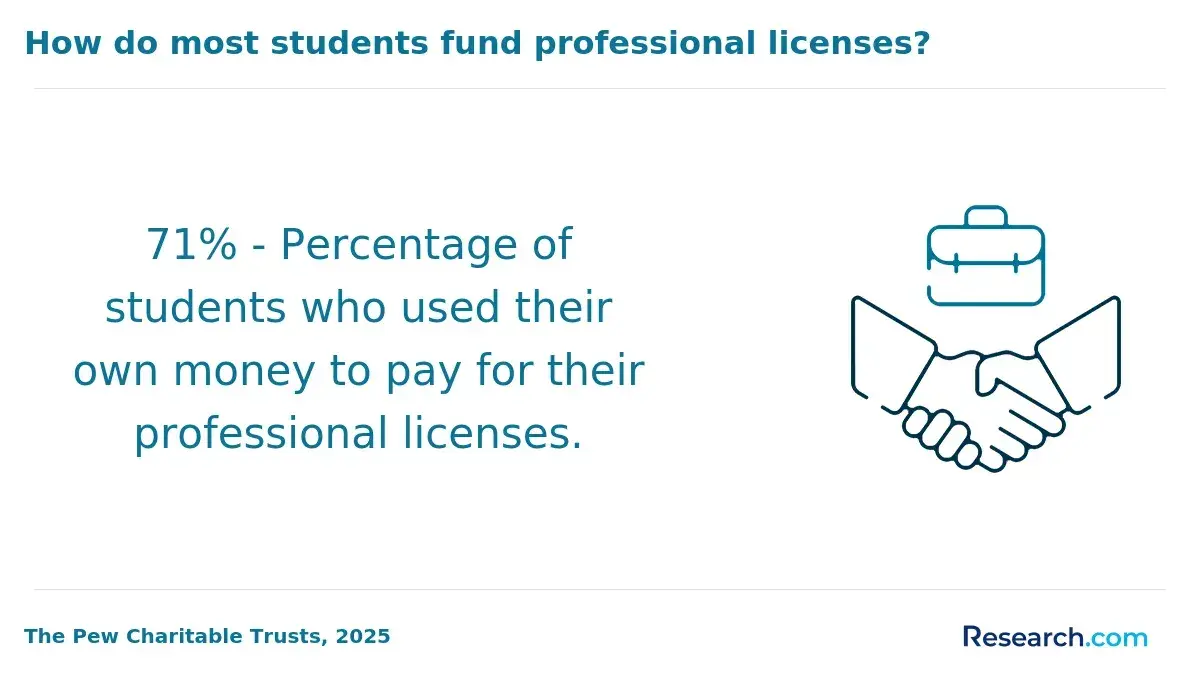
- Documentation of Prior Learning: Practical experience and non-traditional credits require additional documentation and institutional approval. This can affect students with certifications from professional training or alternative credentials.
- Providing Course Details: To maximize transferable credits, students should submit detailed course descriptions and syllabi. This supports precise alignment with St. Thomas University's curriculum and can reduce unnecessary coursework.
Students involved in the transfer credit evaluation process at St. Thomas University online programs should consider these operational phases carefully. For those with certifications for jobs or similar credentials, understanding how to submit official transfer credit request St. Thomas University is essential to ensure such qualifications contribute to degree progress. Leveraging this approach helps optimize educational investment with clear workforce outcomes.
What are the deadlines for submitting your transfer transcripts to St. Thomas University?
Transfer transcript submission deadlines at St. Thomas University align with the term-based academic calendar, covering fall, spring, and summer sessions. Priority admission requires transcripts to be submitted at least one month before the term starts to secure timely credit evaluation. Regular decision applicants have a two-week window before term commencement for transcript submission.
Summer term deadlines often mirror fall and spring requirements. However, rolling admission offers more flexibility, allowing transcripts closer to or even after enrollment. This flexibility creates risk; late transcript submission can delay credit assessment, reducing the number of credits applied and potentially extending the degree timeline.
A 2024 National Student Clearinghouse report found that 62% of transfer students nationwide experience administrative delays largely due to transcript timing, highlighting a common issue across institutions. St. Thomas University's transfer credit application timeline reflects this challenge, underscoring the importance of early submission to avoid setbacks.
Students evaluating transfer credit policies should weigh administrative processing times and transcript delivery constraints typical in higher education. Planning ahead benefits those seeking to maximize transferable coursework and optimize degree progress, especially for those pursuing degrees for older adults.
What is the impact of transferring credits on graduation timelines at St. Thomas University?
Transferring credits to St. Thomas University can shorten time-to-degree, but the actual impact depends on several nuanced factors. For instance, a student transferring 30 credits from a community college expecting two semesters off may still face delays if those credits primarily fulfill electives rather than core requirements. The variability hinges on alignment with major needs, institutional policies, and course sequencing.
Below are key influences shaping how transferring credits affects graduation timelines for online students at St. Thomas University.
- Major Requirement Alignment: Credits that fulfill core courses accelerate degree progress. Online students whose transferred credits match major prerequisites can avoid repeating foundational classes, cutting expected graduation time significantly.
- Prerequisite and Course Sequence Barriers: Strict progression rules may prevent enrollment in advanced classes until prerequisites taken at St. Thomas are completed, diminishing time savings from transferred credits.
- Transfer Credit Caps: Institutional limits on the number of credits accepted force some students to complete additional coursework, extending timelines despite a high volume of transferred credits.
- Curriculum Mismatch and Denials: Differences in course content or rigor can lead to credit rejections or necessary repeat courses, which delay graduation and increase costs.
- Financial Impacts of Extended Study: The 43% graduation rate at St. Thomas reflects difficulties many transfers face. Research shows that inefficient credit transfers contribute to prolonged study and growing student debt, emphasizing the financial risk of misaligned credits.
One St. Thomas University graduate shared how transferring credits affected their timeline: "I transferred 24 credits from my previous school, thinking it would save me a year. But some credits counted only as electives, so I still needed extra core courses. The advising helped me plan, but I felt pressure to finish quickly to avoid additional tuition. In the end, it shortened my degree by one semester, not as much as I'd expected, but still a meaningful difference."
This experience highlights the mixed outcomes possible and the importance of strategic planning with transfer credit evaluations at St. Thomas University.
How much tuition can you save by maximizing your transfer credits at St. Thomas University?
Maximizing transfer credits at St. Thomas University directly lowers overall tuition costs by reducing the number of on-campus credits required. With total tuition around $61,511, bypassing lower-division courses avoids expensive per-credit fees that can quickly add up. This approach cuts primary tuition expenses more effectively than partial credit transfers.
The savings vary depending on the volume of accepted credits. More transferred credits mean fewer semesters paying mandatory student and technology fees, which accumulate regardless of course load. Students who transfer aggressively reduce both tuition and auxiliary costs, making their education more affordable and timely.
Comparing these savings to the median graduate debt of $19,125 at St. Thomas University highlights a significant financial advantage. Students strategically using transfer credits can lower borrowing needs, minimizing long-term loan interest and repayment burdens common in higher education nationwide.
A 2024 study shows that transfer credit optimization reduces net price by 20% on average, underscoring its impact. For students balancing cost, time, and employability, maximizing transfer credits provides a clear, data-driven benefit in managing higher education investments.
How can you appeal a denied transfer credit decision at St. Thomas University?
Appealing a denied transfer credit decision at St. Thomas University demands strategic preparation and precise timing. The process starts with a foundational written appeal to the registrar's office, but students must recognize that this is only the first filter. For example, a student transferring from a community college who finds their organic chemistry credits rejected should accumulate detailed course syllabi and seek input from former instructors to clarify content rigor before submission.
Effective challenges hinge on assembling evidence that clearly aligns prior coursework with St. Thomas University's academic standards, a necessity given that 38.7% of transfer applicants nationally face at least one credit denial, reflecting the commonality and complexity of these appeals.
Here are key strategies students can deploy to contest denied credits:
- Registrar's Office Written Appeal: Submit a formal, timely appeal within 30 calendar days after the initial credit evaluation. This first step requires a clear, documented case outlining why the credits meet St. Thomas University's degree requirements, establishing the foundation for any further review.
- Comprehensive Documentation Submission: Provide detailed course syllabi, official transcripts, and any correspondence from previous instructors or academic advisors. Thorough evidence supporting content equivalency is crucial to counter initial denial and demonstrate academic relevance.
- Escalation to Academic Dean or Department Chair: If denied by the registrar, students can request a second-level review by subject-matter experts. This review focuses on content accuracy and practical degree applicability, although overturning decisions typically requires stronger, more specific supporting materials.
- Proactive Deadline Management: Strict adherence to appeal deadlines is non-negotiable. Delays eliminate opportunities for reconsideration and heighten the risk of losing credits that affect time-to-degree and incurred costs.
A St. Thomas University online graduate recalled hesitating after her initial credit denial for business administration courses completed at a state college. She prioritized gathering detailed syllabi and reached out to her former professors for letters explaining course depth, which she included in a second appeal submission to the academic department.
She described the wait as tense but credits this due diligence with securing a partial reversal of credit denial. Her experience highlights that successfully appealing is rarely quick or simple but can preserve valuable progress toward graduation when pursued with diligence and specificity.
What Graduates Say About Their Admissions Experience at St. Thomas University
- Owen: "Enrolling in the online program at St. Thomas University was a step I carefully weighed, especially with the transfer credit evaluation looming. The process required submitting official transcripts from multiple institutions and frequent communication with the registrar's office, which was sometimes a bottleneck. However, the university's generous credit transfer policy eased my worries, letting me bypass some foundational courses and dive straight into my major. While it saved me some tuition, the time-to-degree wasn't drastically shortened since I chose to retake a few courses to strengthen my understanding. Overall, the experience was administratively demanding but ultimately rewarding as I entered the workforce with confidence in my specialized skill set."
- Esteban: "Studying online at St. Thomas University offered me flexibility, but the credit transfer system presented some unexpected challenges. Even with clear documentation, aligning my previous coursework with the university's prerequisites required detailed verification and occasional follow-up calls to both St. Thomas and my former schools. I appreciated the transparent process and how their credit caps were fair, though the real benefit was less about accelerating graduation and more about tailoring my studies to fit my career goals. The degree opened doors for me professionally, affirming that navigating the transfer credit friction was worthwhile."
- Mateo: "The transfer credit evaluation at St. Thomas University was a pragmatic hurdle during my online studies, involving securing official transcripts and coordinating between institutions. The administrative load was heavier than expected, but the relief came from their accommodating transfer limits, which maximized the credits applied toward my degree. While this didn't necessarily shorten my overall program length significantly, it did reduce tuition costs and allowed me to focus more intensively on advanced courses relevant to my job market. Entering the workforce, I found that the focused coursework and the practical knowledge I gained outweighed the initial procedural complexities."
Other Things You Should Know About St. Thomas University Degrees
St. Thomas University typically does not require standardized test scores such as the SAT or ACT for admission into its online degree programs, even for transfer students. However, if you are transferring credits and applying without recent academic records, the absence of test scores means the university relies heavily on official transcripts to assess your readiness. This places a critical emphasis on how well your past coursework aligns with degree requirements rather than on standardized test performance, which can reduce barriers but increases the importance of your previous academic record.
While St. Thomas University accepts AP and CLEP credits, standardized test scores for these exams must meet specific minimum scores to qualify for credit transfer. If your AP or CLEP scores are below these thresholds, you risk having those credits denied despite having passed the exams. It is prudent to verify score requirements early, as failing to meet them could mean more coursework and higher tuition costs in the online program, potentially elongating your time to degree completion.
If your transcripts from prior institutions lack detailed descriptions of completed courses, submitting standardized test scores (where allowed) can strengthen your transfer application at St. Thomas University by demonstrating subject proficiency. In this case, providing standardized scores can fill gaps and offer clearer evidence of your academic capabilities, which affects credit evaluations. Prioritizing submission of eligible standardized test scores can reduce uncertainty and improve your odds of maximizing credit acceptance.
St. Thomas University prefers direct course transfer credits over standardized test-based credits for the transfer process. While standardized test-based credits like AP or CLEP are accepted, direct course credits ensure a more seamless integration into your degree path, focusing on the educational alignment rather than employer recognition.
References
- International Admissions | St. Thomas Aquinas College https://stac.edu/admissions-aid/international/
- Undergraduate Transfer Credit (A.04.04) https://catalog.stthom.edu/undergraduate-transfer-credit-a0404
- Enrollment Process https://sthomasuniversity.org/apply-now/enrollment-process/
- Transfer to St. Thomas | Minnesota Private Colleges https://www.mnprivatecolleges.org/colleges/university-st-thomas/transfer
- St. Thomas University Introduces Complimentary May Term https://finance.yahoo.com/economy/policy/articles/st-thomas-university-introduces-complimentary-171500559.html
- St. Thomas University https://myiee.org/university/st.-thomas-university
- The Importance of Understanding Transfer Credit Policies https://www.sophia.org/blog/higher-education/understanding-transfer-credit-policies/