2027 Accredited Online Emergency Management Degree Programs for Working Adults: Flexible, Part-Time, and Self-Paced Options

Co-Founder and Chief Data Scientist
Choosing an accredited online Emergency Management degree is really a scheduling, cost, and career decision. NCES reported in 2024 that more than half of U.S. college students took at least one distance education course in fall 2022, showing how normal online study has become for adults balancing work and family.
This guide is for working learners comparing flexible, part-time, and self-paced programs. You'll learn how accreditation, workload, tuition, transfer credits, and career outcomes affect your options so you can choose a program that fits your schedule and long-term goals.
Key Things You Should Know
- Choose a school accredited by a U.S. Department of Education-recognized institutional accreditor, then confirm whether emergency management, homeland security, public safety, or public administration coursework matches your career target.
- Working adults usually do best with part-time or asynchronous formats, a realistic load is often 6 credits per term with about 12 to 18 study hours per week, while full-time study can require 30 or more hours weekly.
- Costs and time vary widely, but transfer-friendly bachelor's programs may accept 60 to 90 prior credits, and College Board's 2024 tuition benchmark of $11,610 for in-state public four-year tuition and fees helps set a baseline for comparing online prices.
What Is an Accredited Online Emergency Management Degree Program and Why Does Accreditation Matter?
An accredited online Emergency Management degree is a college program delivered fully or mostly online that prepares students to plan for, respond to, recover from, and reduce the impact of disasters. Programs may be offered as emergency management, disaster science, homeland security, public safety administration, crisis management, fire and emergency services, or public administration with an emergency management concentration.
For working adults, accreditation matters because it affects financial aid eligibility, transfer credit, graduate school admission, and employer confidence. Institutional accreditation is the minimum standard to check first. Programmatic recognition in emergency management is less universal than in fields such as nursing or engineering, so you should focus on whether the school is institutionally accredited and whether the curriculum aligns with FEMA frameworks, incident command, continuity planning, hazard mitigation, public policy, and risk communication.
If you are comparing many online schools at once, a list of top online universities can be a useful starting point, but you should still verify accreditation directly with the school and the accreditor before applying.
The table below shows the main accreditation and recognition checks that matter when evaluating an online emergency management program.
| What to Check | Why It Matters | What Working Adults Should Confirm |
| Institutional accreditation | Supports federal financial aid eligibility, transferability, and employer recognition. | Confirm the school is accredited by an agency recognized by the U.S. Department of Education or CHEA. |
| Program name and curriculum | Emergency management may be housed in criminal justice, public administration, fire science, or homeland security departments. | Review course titles, capstone requirements, and electives before assuming the degree matches your target role. |
| State authorization | Online schools must be authorized to enroll students in certain states. | Ask whether your state is eligible for enrollment and whether any field placement rules apply. |
| Employer relevance | Public agencies, utilities, hospitals, nonprofits, and private firms may value different skill sets. | Look for training in incident command, grant writing, planning, exercises, GIS, risk assessment, and interagency coordination. |
Accreditation is not the same as quality, but lack of recognized accreditation is a serious red flag. Before you submit an application, use this short verification process to reduce risk.
- Search the school's accreditation page and identify the exact accrediting agency.
- Confirm that accreditor in the U.S. Department of Education's Database of Accredited Postsecondary Institutions and Programs or CHEA's directory.
- Ask admissions whether online students receive the same degree designation as campus students.
- Request written confirmation of transfer-credit, financial aid, and state authorization policies.
- Review at least three syllabi or course descriptions to make sure the program covers both disaster operations and management-level planning.
Which Flexible Emergency Management Degree Formats Are Best for Working Adults: Part-Time, Full-Time, or Self-Paced?
The best format depends on how predictable your work schedule is, how quickly you need the credential, and how much structure you need to stay on track. "Online" does not automatically mean "self-paced." Many online emergency management programs still have weekly deadlines, group projects, exams, live sessions, or fixed 8-week and 16-week terms.
The comparison below summarizes common online formats and the trade-offs that matter most for adults working full time.
| Format | Best Fit | Main Advantage | Main Trade-Off |
| Part-time asynchronous | Adults with full-time jobs, caregiving duties, rotating shifts, or military obligations. | Predictable weekly deadlines without required live attendance. | Graduation takes longer unless transfer credits reduce the remaining credits. |
| Full-time online | Students with reduced work hours or strong employer support. | Faster completion and stronger academic momentum. | Workload may be difficult during disaster season, overtime periods, or family disruptions. |
| Self-paced or competency-based | Experienced adults who can study independently and already know some public safety concepts. | Potential to move quickly through familiar material. | Requires high self-discipline, and some programs set subscription-term limits or assessment windows. |
| Synchronous online | Students who want live discussion and faculty interaction. | More structure and real-time engagement. | Evening or weekend sessions may conflict with shift work, emergency callouts, or family routines. |
| Cohort-based online | Learners who value networking and a fixed graduation path. | Strong peer support and clear sequencing. | Less flexibility if you need to pause, drop to one course, or transfer in late. |
A part-time asynchronous program is usually the safest starting point for adults who cannot predict their workload. A self-paced program can be faster, but it is not automatically easier because you must manage your own progress without the external rhythm of weekly classes.
Use these questions to decide which format fits your real life rather than your ideal week.
- If your work schedule changes weekly, prioritize asynchronous courses with recorded lectures and flexible assignment windows.
- If you have a stable 9-to-5 schedule, synchronous evening courses may be manageable if attendance policies allow occasional conflicts.
- If you already work in public safety, emergency medical services, fire service, law enforcement, military operations, or logistics, self-paced coursework may let you move faster through familiar material.
- If you struggle without deadlines, choose a structured part-time program instead of a fully self-paced model.
- If you need the credential for promotion by a specific date, ask the school to map your remaining credits term by term before enrolling.
What Are the Admission Requirements for Accredited Online Emergency Management Degree Programs?
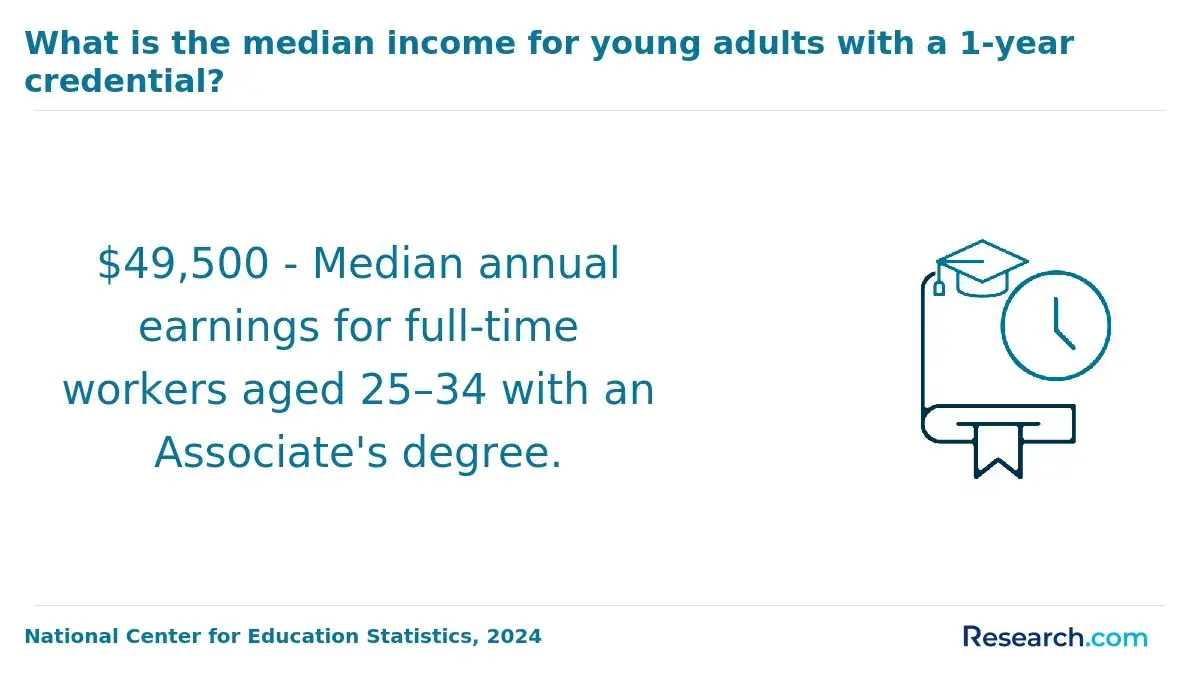
Admission requirements depend on the degree level. Associate and bachelor's programs usually focus on high school completion, prior college transcripts, and placement requirements. Master's programs usually require a bachelor's degree and may ask for a resume, statement of purpose, professional references, or minimum GPA.
Adult learners should pay special attention to transcript rules because emergency management programs often attract students with mixed academic histories, military training, public safety certifications, or unfinished college credits. If you are also comparing graduate pathways in other fields, resources on easy masters degrees can help you understand how admissions flexibility, workload, and program design differ across disciplines.
The table below summarizes typical admission expectations by degree level.
| Degree Level | Typical Admission Requirements | Adult Learner Considerations |
| Associate degree | High school diploma or GED, application, transcripts, and possible placement assessment. | Good option if you are starting college or want a lower-cost pathway before transferring. |
| Bachelor's degree | High school diploma or GED, college transcripts, minimum GPA for transfer students, and sometimes a personal statement. | Best for adults seeking management-track roles or a bachelor's completion pathway. |
| Bachelor's completion program | Prior college credits, associate degree, or a minimum transfer-credit threshold. | Can be efficient if the program accepts general education, public safety, military, or technical credits. |
| Master's degree | Accredited bachelor's degree, resume, statement of purpose, references, and sometimes public safety or management experience. | Often fits professionals targeting leadership, planning, policy, or higher-level administrative roles. |
| Graduate certificate | Bachelor's degree or current graduate enrollment, depending on the school. | Useful if you already have a degree and want focused emergency management training without a full degree commitment. |
Before applying, ask admissions for answers in writing. This is especially important if you are relying on transfer credits, employer tuition assistance, military benefits, or a planned graduation date.
- What is the minimum GPA for transfer or graduate admission?
- Are standardized tests required, optional, or waived for experienced professionals?
- How are military training, FEMA independent study courses, fire academy credits, EMT training, or police academy credits evaluated?
- Is there a deadline for submitting official transcripts, and can you begin conditionally while transcripts are reviewed?
- Does the program require a background check, internship clearance, or agency placement approval?
How Much Does an Online Emergency Management Degree Cost, and What Financial Aid Options Are Available?
Online emergency management degree costs vary by school type, residency policy, degree level, fees, and transfer credits. College Board's 2024 Trends in College Pricing reported average published tuition and fees of $11,610 for in-state students at public four-year institutions and $43,350 at private nonprofit four-year institutions for 2024-25. For online learners, this means the advertised per-credit price should be compared against total program cost, not just tuition.
If affordability is your main constraint, compare emergency management programs the same way you would compare any affordable online bachelor's degree: total credits remaining, per-credit tuition, fees, books, technology costs, transfer policy, and time away from work.
Common cost categories include tuition, fees, books, technology, and any required travel or fieldwork. Use the list below as a cost checklist when requesting a written estimate from schools.
- Per-credit tuition for online students, including whether out-of-state online students pay a different rate.
- Mandatory online learning, technology, graduation, transcript, lab, proctoring, or student service fees.
- Books, digital course materials, software, simulation tools, mapping tools, or incident management platforms.
- Travel costs for optional residencies, conferences, internships, practicums, or campus intensives.
- Lost income or reduced work hours if you choose full-time or accelerated enrollment.
Financial aid can make a major difference, but eligibility depends on accreditation, enrollment intensity, degree level, and satisfactory academic progress. For 2024-25, the maximum Federal Pell Grant is $7,395 for eligible undergraduate students, which can significantly reduce out-of-pocket costs for part-time or full-time learners with financial need.
Working adults should also look beyond federal aid. Employer tuition assistance, union education benefits, public safety agency reimbursement, military tuition assistance, GI Bill benefits, state workforce grants, and scholarships for emergency services personnel can all reduce net cost.
When comparing offers, avoid a common mistake: choosing the lowest per-credit tuition without calculating total cost to completion. A program that accepts more transfer credits may be cheaper overall even if its per-credit rate is higher.
How Long Does It Take to Complete an Online Emergency Management Degree, and Can Transfer Credits Help You Graduate Faster?
Completion time depends on degree level, enrollment pace, term length, and transfer credits. A bachelor's degree usually requires about 120 credits, while a master's degree often requires 30 to 36 credits. The biggest time-saver for working adults is not always acceleration; it is a transfer-friendly plan that recognizes prior college coursework, military learning, professional training, and applicable certifications.
Some emergency management students compare accelerated options across fields to understand pacing. For example, an accelerated finance degree may use short intensive terms, and emergency management programs can use similar 5-week, 7-week, or 8-week course blocks. Shorter terms can help you finish faster, but they also compress readings, discussions, exams, and projects.
The table below gives a practical view of how enrollment pace affects time and workload. These are planning ranges, not guarantees, because course difficulty, prior knowledge, and family responsibilities can change the actual time required.
| Enrollment Pattern | Typical Course Load | Estimated Weekly Study Time | Best For |
| One course at a time | 3 credits per term | 6 to 9 hours | Adults with heavy overtime, caregiving, shift work, or unpredictable emergency response duties. |
| Part-time | 6 credits per term | 12 to 18 hours | Most full-time workers who want steady progress without overloading their schedule. |
| Full-time | 12 credits per term | 24 to 36 hours | Students with reduced work hours, strong family support, or a firm deadline for promotion. |
| Accelerated or self-paced | Varies by subscription, term, or competency model | Highly variable | Experienced, self-directed learners who can dedicate focused blocks of time. |
Transfer credit can shorten your timeline, but policies vary widely. Use a step-by-step process before you enroll so you know exactly what remains.
- Request an unofficial transfer evaluation before committing to the program.
- Ask which credits count toward general education, electives, major requirements, and upper-division requirements.
- Submit military transcripts, public safety academy records, FEMA coursework, CLEP or DSST scores, and prior college transcripts if the school evaluates them.
- Ask whether there is a maximum number of transfer credits and whether a minimum number of credits must be completed at the institution.
- Get a written degree plan showing remaining courses, prerequisites, term availability, and projected graduation date.
The most common mistake is assuming every prior credit will apply to the major. A school may accept credits toward total hours but still require you to complete specific emergency management core courses.
What Should You Look for When Comparing Accredited Online Emergency Management Degree Programs?
A strong online emergency management program should fit your schedule, budget, and career direction. It should also teach practical skills used in disaster planning, continuity operations, mitigation, community resilience, logistics, interagency coordination, public communication, and leadership under pressure.
The comparison below helps you separate meaningful program differences from marketing language.
| Comparison Factor | Why It Matters | Red Flag |
| Accreditation | Protects financial aid eligibility and degree recognition. | The school uses vague phrases such as "licensed," "approved," or "internationally recognized" without recognized U.S. accreditation. |
| Course delivery | Determines whether you can study around work and family obligations. | The program advertises flexibility but requires frequent live attendance at fixed times. |
| Curriculum depth | Shows whether the degree prepares you for planning, operations, leadership, or policy roles. | The curriculum is mostly general criminal justice or security coursework with few emergency management courses. |
| Transfer policy | Can reduce cost and time to completion. | The school will not provide a written transfer evaluation before enrollment. |
| Faculty background | Emergency management is practice-oriented, so applied experience matters. | Faculty profiles do not show relevant disaster, public safety, public administration, or research experience. |
| Career support | Adult students often need help translating experience into advancement. | No dedicated online career advising, resume support, or internship guidance is available. |
After narrowing your list, compare programs using questions that force specific answers. This is the best way to avoid enrolling in a program that sounds flexible but does not work with your life.
- Are courses asynchronous, synchronous, self-paced, or a mix?
- How often are required major courses offered, and can missing one delay graduation?
- Can students pause for a term without losing catalog rights, tuition rates, or financial aid eligibility?
- What percentage of the degree can be completed online, and are there any in-person requirements?
- How are group projects handled for students in different time zones or shift schedules?
- Does the program include hazard mitigation, incident command, continuity planning, public budgeting, grant writing, and emergency communication?
- What career outcomes, employer partnerships, or alumni pathways does the department report?
One practical rule: do not choose a program based on flexibility alone. The best fit is the program that combines recognized accreditation, manageable pacing, transparent cost, relevant coursework, and support for your target role.
What Career Opportunities and Salary Potential Can You Expect With a Emergency Management Degree?
An Emergency Management degree can support roles in government agencies, hospitals, utilities, transportation, higher education, nonprofits, consulting firms, military support organizations, and private-sector business continuity teams. The degree is most valuable when paired with experience in operations, public safety, logistics, planning, healthcare, environmental health, security, communications, or public administration.
The U.S. Bureau of Labor Statistics reported in its 2024 Occupational Outlook Handbook that emergency management directors had a median annual wage of $83,960 in May 2023. That figure is a national median, not a starting salary, and director roles often require experience in planning, response coordination, public administration, or a related field.
The table below shows common career directions and how an emergency management degree may fit each path.
| Career Path | Typical Responsibilities | How the Degree Helps |
| Emergency management specialist | Support preparedness plans, training exercises, resource coordination, and incident documentation. | Builds knowledge of disaster phases, planning cycles, risk assessment, and emergency operations. |
| Emergency management director | Lead agency or organizational preparedness, response coordination, recovery planning, and stakeholder communication. | Provides management, policy, budgeting, and interagency coordination foundations. |
| Business continuity planner | Develop continuity plans, test recovery procedures, and reduce operational disruption. | Connects disaster planning with organizational resilience and risk management. |
| Homeland security or public safety analyst | Analyze threats, assess vulnerabilities, support grants, and coordinate preparedness initiatives. | Develops research, planning, and policy interpretation skills. |
| Healthcare emergency preparedness coordinator | Plan for hospital surge, evacuation, supply continuity, and regulatory preparedness exercises. | Supports specialized planning for complex, regulated environments. |
| Nonprofit disaster recovery coordinator | Coordinate volunteers, case management, donations, recovery resources, and community partnerships. | Builds skills in recovery operations, communication, and community resilience. |
Current trends are making the field more complex. Climate-related disasters, cyber disruptions, infrastructure vulnerability, supply chain interruptions, and public health emergencies have increased the need for professionals who can coordinate across agencies and communicate clearly during uncertainty. AI and data tools are also becoming more relevant for mapping risk, modeling hazards, monitoring alerts, and supporting emergency communication, but employers still need people who can interpret data and make decisions under pressure.
This degree is likely a strong fit if you want to move from front-line response into planning, coordination, administration, or leadership. It may be less useful if you want a role that requires a separate license, academy training, engineering credential, clinical credential, or sworn law enforcement pathway.
How Can Working Adults Balance a Emergency Management Degree With Full-Time Work and Family Responsibilities?
Balancing an Emergency Management degree with full-time work is possible, but it requires a realistic plan. The biggest mistake is building your schedule around a perfect week. Instead, plan for overtime, family needs, illness, travel, disaster activations, and the mental fatigue that comes with shift work or public safety roles.
The best schedule is usually one you can maintain for several terms. Use the steps below to test whether a program's workload fits your real calendar.
- Block fixed commitments first, including work shifts, commute time, caregiving, sleep, meals, and recovery time.
- Estimate study time using 6 to 9 hours per week for each 3-credit course as a planning range.
- Start with one course if you have not studied online before, then increase your load only after you know the platform and assignment rhythm.
- Choose asynchronous courses if your job includes callouts, overtime, rotating shifts, or seasonal peak periods.
- Tell your instructor early if your work involves emergency response, military duty, or unpredictable deployment schedules.
- Use employer tuition assistance only after confirming grade requirements, reimbursement timing, and repayment obligations if you leave the job.
- Create a backup plan for exams, group projects, and deadlines during work emergencies.
The table below shows how different work situations usually affect program format choices.
| Work or Family Situation | Most Practical Format | Why It Helps |
| Standard weekday schedule | Asynchronous or evening synchronous | Evening study blocks are more predictable, and occasional live classes may be manageable. |
| Rotating shifts | Asynchronous part-time | Allows coursework around changing hours without required attendance at a fixed time. |
| Public safety or emergency response role | Asynchronous with flexible deadline policies | Reduces risk when duty calls, activations, or overtime disrupt planned study time. |
| Heavy caregiving responsibilities | One course at a time or part-time | Keeps the workload manageable during unpredictable family demands. |
| Employer-funded education with promotion deadline | Structured accelerated or full-time online | Can help meet a timeline if work hours and family support make the pace realistic. |
Self-paced learning can help if you have bursts of available time, but it can hurt if you procrastinate or if your job drains your attention. Before choosing self-paced study, ask whether the program has weekly instructor access, progress alerts, tutoring, and clear completion deadlines.
What Student Support Services and Online Learning Resources Should You Expect From a Emergency Management Degree Program?
Student support is not a bonus feature for working adults; it is part of program quality. Online learners need fast answers because a delayed advising response can affect registration, financial aid, transfer credit, and graduation timing.
Strong online programs, whether in emergency management or fields such as online masters history programs, should provide academic, technical, and career support that is accessible outside traditional office hours.
Look for support services that match the realities of adult online learning. The following services are especially important if you work full time.
- Dedicated online academic advising with term-by-term degree planning.
- Transfer-credit specialists who can explain how prior coursework applies to the major.
- Technical support during evenings or weekends, especially before exams and assignment deadlines.
- Online library access with emergency management, public administration, homeland security, and disaster research databases.
- Writing, tutoring, and research help for policy memos, hazard analyses, grant proposals, and capstone projects.
- Career services that support resume translation for public safety, government, nonprofit, healthcare, and private-sector roles.
- Faculty office hours that accommodate working students in different time zones.
- Accessibility services for students who need accommodations in online courses.
Ask how support works in practice, not just whether it exists. A program may advertise advising, but working adults need to know response times, appointment availability, and whether advisors understand transfer students and adult learners.
Common red flags include generic call-center advising, no clear point of contact after enrollment, limited online library access, and career services designed only for traditional campus students.
Do Online Emergency Management Degree Programs Include Internships, Practicums, or Other Hands-On Learning Requirements?
Some online emergency management programs include internships, practicums, capstones, simulations, tabletop exercises, field projects, or applied research assignments. Others are fully coursework-based. Hands-on learning is valuable because emergency management is an applied field, but requirements can affect scheduling, travel, background checks, and state authorization.
The table below explains common experiential components and what working adults should check before enrolling.
| Hands-On Component | What It Usually Involves | What to Ask Before Enrolling |
| Internship | Supervised work with an agency, nonprofit, hospital, emergency management office, or private organization. | Can you use your current workplace, and are evening, weekend, or remote placements allowed? |
| Practicum | Applied project tied to emergency planning, preparedness, mitigation, response, or recovery. | How many hours are required, and who approves the site or project? |
| Capstone | Final research or applied project, often involving a plan, analysis, or case study. | Can the topic align with your employer or local community needs? |
| Simulation or tabletop exercise | Scenario-based planning and decision-making activity. | Are sessions live, recorded, asynchronous, or scheduled at specific times? |
| Residency or campus intensive | Short in-person experience for exercises, networking, or applied training. | Is travel required, and are costs included in tuition? |
Working adults should not automatically avoid hands-on requirements. A well-designed capstone or practicum can help you build a portfolio, solve a workplace problem, or demonstrate leadership potential. The key is confirming flexibility before you enroll.
Use these questions when discussing experiential requirements with the program coordinator.
- Can employed students complete projects through their current organization?
- Are placements available near the student's home, or must students find their own site?
- Are background checks, immunizations, security clearances, or agency approvals required?
- Can hours be completed during evenings, weekends, or remote work blocks?
- What happens if a work emergency, deployment, or disaster activation interrupts the placement?
A major red flag is a program that requires fieldwork but cannot explain how online working adults complete it. Clear placement policies are especially important for students outside the school's home state.
Other Things You Should Know About Emergency Management
No. The fields overlap, but they are not identical. Emergency management focuses on preparing for, responding to, recovering from, and reducing the impact of disasters. Homeland security often emphasizes terrorism, intelligence, border security, critical infrastructure, and national security policy. Some degrees combine both areas.
Sometimes. Some colleges evaluate FEMA Independent Study courses, military learning, or public safety training for transfer or prior learning credit, but policies vary by institution. Ask for a written evaluation before assuming those courses will reduce your degree requirements.
Many jobs do not require certification, but credentials can strengthen a resume. Common options include Certified Emergency Manager, Associate Emergency Manager, state-level emergency management credentials, and specialized incident command or continuity planning training. Requirements depend on the employer and role.
Yes. People enter the field from public administration, healthcare, logistics, communications, environmental science, social services, military service, IT, and nonprofit work. If you do not have response experience, choose a program with applied projects, internships, exercises, or strong career support.
References
- Course Delivery Formats 101: Synchronous, Asynchronous, and Blended/Hybrid Learning Explained https://www.iacet.org/events/iacet-blog/blog-articles/course-delivery-formats-101-synchronous-asynchronous-and-blended-hybrid-learning-explained/
- Scheduling Courses for Flexibility and Student Success https://www.facultyfocus.com/articles/trends-in-higher-education-scheduling-courses-for-flexibility-and-student-success/
- Search icon https://waldorf.edu/online/academics/online-resources/articles/careers-in-emergency-preparedness-and-response-roles-skills-and-career-paths/
- Emergency Management https://www.algonquincollege.com/online/program-info/emergency-management/
- A Guide to Flexible Learning in Higher Education https://www.appsanywhere.com/resource-centre/a-guide-to-flexible-learning-in-higher-education
- Emergency Management Career | Degree and Licensing Paths https://www.publichealthonline.org/emergency-management-career/
- 2025 Most Affordable Online Emergency Management Degrees https://www.onlineu.com/most-affordable-colleges/emergency-management-degrees
- What types of platforms are best for implementing adaptive learning in online courses? https://www.skillwell.com/resources/what-types-of-platforms-are-best-for-implementing-adaptive-learning-in-online-courses
- Bachelor of Science inEmergency Management and Homeland Security Online or On Campus https://www.albany.edu/cehc/programs/bs-emergency-management-homeland-security
- Key Certifications in Emergency Management — Emergency Management Alliance of Indiana https://www.emaindiana.org/blog/key-certifications