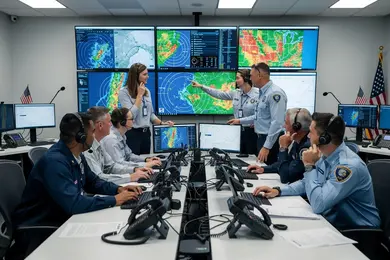
2027 Cheapest Accredited Online Emergency Management Degree Programs That Accept FAFSA

Co-Founder and Chief Data Scientist
Choosing an online emergency management degree is really a cost, aid, and career-value decision. The field matters because communities, hospitals, utilities, schools, and agencies need trained professionals before and after disasters. According to the U.S. Bureau of Labor Statistics, the May 2024 median annual wage for emergency management directors was $86,130, but salaries vary by role, location, and experience.
This guide helps working adults, transfer students, first-time undergraduates, and public safety professionals compare affordable accredited online programs, understand FAFSA eligibility, avoid hidden costs, and decide whether the cheapest option is also the best investment.
Key Things You Should Know
- The lowest advertised tuition is not always the lowest net cost; FAFSA grants, state aid, scholarships, transfer credits, fees, and residency rules can change the real price by thousands of $.
- For the 2025-26 award year, the maximum Federal Pell Grant is $7,395, which can materially reduce annual out-of-pocket costs for eligible undergraduates but does not guarantee a free degree.
- Accreditation and federal aid participation must both be verified: a school can be accredited but not affordable for you, and FAFSA submission does not automatically mean you will receive grants.
Which Are the Cheapest Accredited Online Emergency Management Degree Programs That Accept FAFSA?
The cheapest accredited online emergency management degree programs are usually public universities with online undergraduate tuition, generous transfer policies, or degree-completion formats. Some private nonprofit and nationally accredited institutions can also be affordable, especially for adult learners with prior credits, military benefits, employer tuition assistance, or predictable flat-rate tuition.
The table below summarizes examples of low-cost online emergency management, disaster preparedness, homeland security, or closely related bachelor's programs that commonly appear among affordable options. Published tuition changes frequently, so use this as a shortlist for comparison rather than as a final price quote.
| School | Online degree or major | Institutional accreditation | Estimated published online undergraduate tuition | Why it may be affordable |
| Western Carolina University | Emergency and Disaster Management | SACSCOC | Low public university tuition varies by residency and fee category | Strong fit for North Carolina residents and transfer students seeking a public university option |
| University of Nebraska Omaha | Emergency Management concentration or related online pathway | HLC | Public online tuition varies by residency and program | Good for students who want a public research university with emergency management coursework |
| Arkansas State University | Disaster Preparedness and Emergency Management | HLC | Often advertised around the low $300s per credit for online undergraduates | Clear online format and a field-specific curriculum focused on disaster preparedness |
| SUNY Canton | Emergency Management | MSCHE | Public online tuition varies for New York and out-of-state students | Potentially strong value for New York residents and students seeking SUNY public-system pricing |
| University of Alaska Fairbanks | Emergency Management | NWCCU | Public tuition varies by residency, campus, and delivery method | Useful for students interested in disaster response, remote communities, and public-sector preparation |
| Columbia Southern University | Emergency Management | DEAC | Often listed below many private university per-credit rates | May appeal to working adults seeking monthly course starts and a career-focused online format |
| American Public University | Emergency and Disaster Management | HLC | Often listed around the mid-$300s per credit, with military tuition policies available | Good for military veteran, public safety, and adult learners who need asynchronous study |
| Purdue Global | Fire and Emergency Management or related public safety pathway | HLC | Published tuition varies by program, residency, military status, and student category | Best considered by students who value a large online university model and transfer evaluation |
To compare these programs fairly, separate the sticker price from the completion price. A school charging more per credit can still cost less if it accepts more of your prior credits, offers stronger grants, or lets you finish faster. If you are comparing emergency management with other low-cost distance learning options, a broader list of affordable online bachelor's degree programs can help you benchmark whether an emergency management program's tuition is truly competitive.
For most students, the best first shortlist includes three types of schools: one in-state public university, one online public university with no large out-of-state penalty, and one adult-focused institution with strong transfer acceptance. This mix gives you a realistic view of net price, flexibility, and completion time.
How Does FAFSA Eligibility Work for Online Emergency Management Degree Programs?
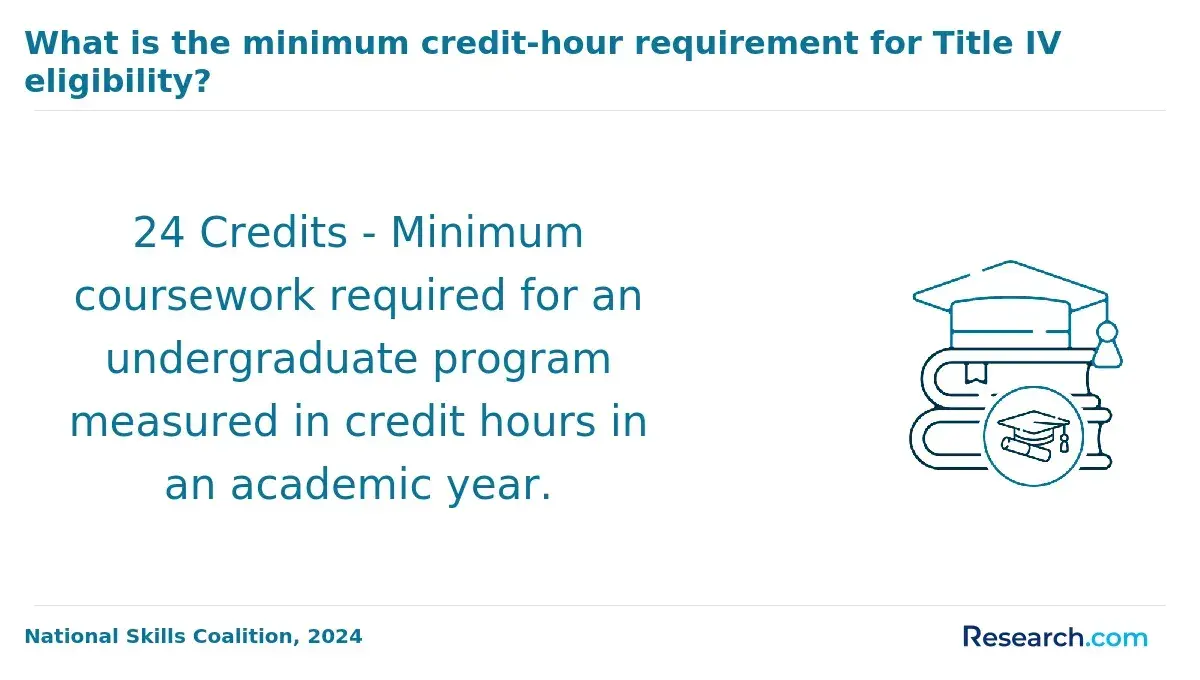
FAFSA eligibility means the institution participates in federal student aid programs and the student may be considered for federal grants, loans, and work-study. It does not mean every student receives free aid, and it does not mean every course, certificate, or nondegree option at that school qualifies.
For online emergency management degrees, federal aid usually depends on both institutional eligibility and program eligibility. A fully online bachelor's degree at a Title IV-participating institution may qualify, while a short continuing education certificate, noncredit FEMA-aligned training bundle, or standalone professional course may not.
Before applying or enrolling, students should confirm the following with the school's financial aid office and admissions team:
- Ask for the school's federal school code and confirm that the specific online emergency management degree is eligible for Title IV aid.
- Verify whether you must enroll at least half time to receive certain forms of federal aid.
- Ask whether online students pay different tuition, technology fees, proctoring fees, or course material charges.
- Confirm whether summer courses are aid-eligible if you plan to accelerate completion.
- Request a written estimate of your cost of attendance, not just tuition per credit.
A common mistake is assuming that "accepts FAFSA" means "covered by FAFSA." FAFSA is only the application. The actual aid offer depends on your Student Aid Index, dependency status, enrollment intensity, remaining lifetime aid eligibility, school cost of attendance, and the mix of grants, loans, and institutional scholarships.
How Much Does an Online Emergency Management Degree Cost After Financial Aid?
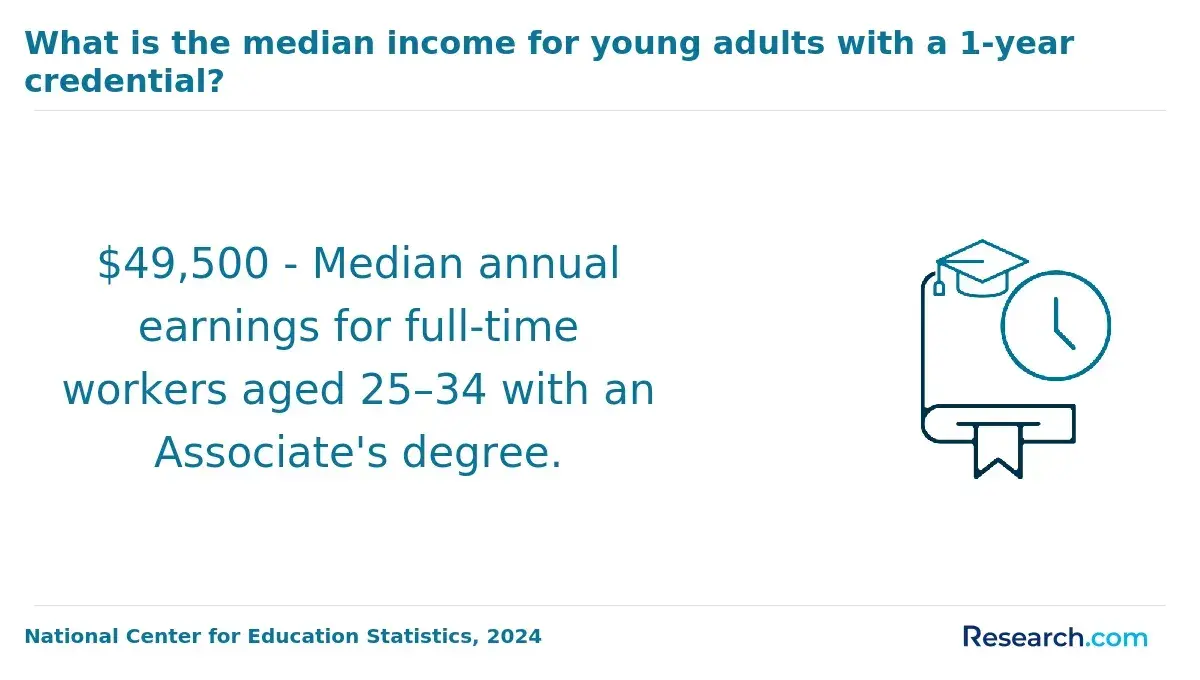
The real cost of an online emergency management degree is the total cost of attendance minus grants, scholarships, tuition discounts, employer assistance, military benefits, and accepted transfer credits. Tuition is only one part of the equation; fees, books, technology requirements, background checks, portfolio assessment charges, and graduation fees can affect the final price.
The table below shows how different cost scenarios can change the amount a student may need to pay or borrow. These examples are not school-specific promises; they illustrate how the same degree can produce very different net costs depending on aid and transfer credits.
| Cost scenario | Typical cost driver | What can lower the price | Best-fit student |
| Low tuition, few transfer credits | Student pays for most of the 120-credit bachelor's degree | Federal Pell Grant, state grants, institutional scholarships, part-time work | First-time undergraduates seeking the lowest per-credit tuition |
| Moderate tuition, many transfer credits | Higher per-credit price but fewer credits left to complete | Community college credits, military training, prior learning assessment | Adults with an associate degree or public safety training |
| Higher tuition, employer support | Published tuition is higher, but reimbursement offsets cost | Employer tuition assistance and public-sector professional development funds | Working emergency services, healthcare, utility, or government employees |
| Low tuition, loan-heavy aid package | Sticker price is low, but grants are limited | Scholarship search, slower pace, lower-cost electives, transfer planning | Students with limited grant eligibility who want to minimize debt |
For the 2025-26 award year, the maximum Federal Pell Grant is $7,395. That amount can cover a substantial share of annual tuition at some low-cost public online programs, but students should still compare remaining balances, fees, and loan offers before deciding.
Net-price logic applies across many online degree fields, not just emergency management. If you are comparing graduate or humanities-focused options as well, reviewing how costs are framed in online masters history programs can help you recognize the same tuition-versus-net-price trade-offs.
Which Affordable Online Emergency Management Degree Programs Offer the Best Value?
The best value is not automatically the school with the lowest tuition. It is the program that helps you finish an accredited credential with manageable debt, relevant skills, acceptable flexibility, and realistic career alignment.
For emergency management students, value usually comes from a combination of curriculum relevance and cost control. Strong programs often cover hazard mitigation, disaster response, continuity planning, emergency operations, public administration, risk communication, incident command, geographic information systems, homeland security, and recovery planning.
Use these value indicators when comparing affordable programs:
- Relevant curriculum: Look for courses in disaster planning, risk assessment, emergency operations, crisis communication, public safety leadership, and recovery coordination.
- Flexible completion: Asynchronous courses, multiple start dates, and part-time enrollment can reduce the chance that work or family obligations interrupt your degree.
- Transfer friendliness: Schools that accept associate degrees, military training, FEMA-related credits through approved processes, or prior learning assessments may reduce total cost.
- Career fit: The program should match your target setting, such as government emergency management, healthcare preparedness, fire services, nonprofit disaster relief, utilities, or business continuity.
- Transparent net price: A high-value school should be able to explain tuition, fees, financial aid, transfer credit, and borrowing before you enroll.
A more expensive program may be worth considering when it accepts more transfer credits, has stronger advising for working adults, offers specialized public safety coursework, or aligns better with your employer's promotion requirements. A cheaper program may be a poor fit if it delays graduation, has limited course availability, or lacks the emergency management focus you need.
Students comparing multiple online institutions may also benefit from reviewing lists of the top online universities to understand how accreditation, delivery model, student services, and affordability interact across distance education providers.
Are the Cheapest Online Emergency Management Degree Programs Properly Accredited?
A cheap online emergency management degree should be institutionally accredited by an accreditor recognized by the U.S. Department of Education. Institutional accreditation is the key quality-control signal for federal financial aid eligibility, transfer credit recognition, graduate school consideration, and employer acceptance.
Programmatic accreditation is less common for emergency management bachelor's degrees than it is in fields such as nursing, education, or engineering. That means students should focus first on institutional accreditation, then evaluate curriculum, faculty experience, career services, internship options, and employer alignment.
To verify accreditation, take these steps before committing:
- Search the institution in the U.S. Department of Education's recognized accreditation database or confirm through the school's official accreditation page.
- Check that the institution name matches the school offering the online program, especially if the brand has multiple campuses or administrative units.
- Ask whether the online emergency management degree is offered under the same accredited institution and catalog as the main university.
- Confirm that credits are transcripted as college credit and count toward a degree, not only as continuing education units.
- Ask graduate schools or employers in your target field whether they recognize the institution if you plan to continue your education or seek promotion.
Red flags include vague claims such as "internationally accredited," refusal to disclose the accreditor, pressure to enroll immediately, unclear credit-transfer policies, or unusually large promises about jobs and salaries. Accreditation does not guarantee a good outcome, but lack of recognized accreditation can seriously limit aid, transfer, and career value.
What FAFSA Grants and Federal Aid Can Pay for an Online Emergency Management Degree?
FAFSA can connect eligible students to several types of federal student aid for an online emergency management degree. Grants reduce the amount you pay back, while loans must be repaid with interest, so the mix of aid matters as much as the total aid amount.
The most relevant federal aid options for undergraduate emergency management students include:
- Federal Pell Grant: Need-based grant aid for eligible undergraduates who have not already earned a bachelor's degree, with a maximum award of $7,395 for the 2025-26 award year.
- Federal Supplemental Educational Opportunity Grant: Campus-based need aid for students with exceptional financial need, available only at participating schools with limited funds.
- Direct Subsidized Loans: Need-based federal loans for eligible undergraduates, with the government covering interest during certain in-school and deferment periods.
- Direct Unsubsidized Loans: Federal loans not based on financial need, available to eligible undergraduate and graduate students, with interest accruing after disbursement.
- Federal Work-Study: Part-time employment funding available at participating schools, although fully online students should ask whether remote or local work options exist.
Federal loan limits are also important. Dependent first-year undergraduates can generally borrow up to $5,500 in Direct Loans, while higher annual limits may apply in later years or for independent students. This matters because a degree that looks affordable only after large loans may create a weaker ROI than a slightly slower, lower-borrowing path.
Students exploring other low-barrier graduate pathways later can compare the same aid principles with easy masters degrees, but undergraduate emergency management students should usually prioritize grants, transfer credits, and employer aid before taking on additional borrowing.
How Do Transfer Credits Lower the Cost of an Online Emergency Management Degree?
Transfer credits can be one of the biggest cost reducers in an online emergency management degree. Because most bachelor's degrees require about 120 credits, entering with an associate degree or approved prior college credits can cut the number of credits you must pay for at the four-year school.
The table below shows why transfer policy can matter more than the per-credit tuition rate. A higher-tuition school that accepts more credits may cost less than a lower-tuition school that requires you to retake courses.
| Transfer situation | Credits still needed | Cost impact | Decision point |
| No prior credits | About 120 credits | Highest total tuition exposure | Prioritize low tuition, strong aid, and predictable course sequencing |
| Completed general education credits | Often 60 to 90 credits remaining | Moderate savings if credits apply cleanly | Request a degree audit before enrolling |
| Associate degree transfer | Often about 60 credits remaining | Potentially major savings | Confirm block transfer, upper-division requirements, and residency credits |
| Public safety, military, or FEMA-related learning | Varies by school policy | Possible savings, but not automatic | Ask whether credit is awarded directly, through ACE recommendations, or through portfolio assessment |
Students should not assume that every prior course will transfer or apply to the major. A school may accept credits as electives but still require specific emergency management, public administration, statistics, writing, or capstone courses.
To use transfer credits strategically, request an unofficial evaluation before applying if possible, then a formal degree audit before paying a deposit. Ask how many credits will apply to general education, the major, electives, and residency requirements. The cheapest path is the one with the lowest remaining cost to graduate, not the one with the lowest per-credit price.
Which Students Benefit Most From a Low-Cost Online Emergency Management Degree With FAFSA?
Low-cost FAFSA-eligible online emergency management degrees are especially useful for students who need flexibility and cannot pause work to attend campus full time. They are also attractive to public safety employees whose experience is valuable but who need a bachelor's credential for advancement.
The strongest fit is usually one of these student profiles:
- Working first responders: Firefighters, EMTs, dispatchers, law enforcement personnel, and emergency services staff may use the degree to move toward planning, coordination, or leadership roles.
- Military and veteran students: Emergency management can align with logistics, operations, security, planning, and leadership experience gained during service.
- Community college transfers: Students with lower-cost general education credits can reduce the price of the bachelor's completion phase.
- Public-sector employees: Government, utilities, transportation, healthcare, and school district workers may use the credential for emergency preparedness responsibilities.
- Career changers: Adults from operations, safety, nonprofit, or facilities roles may use the degree to build formal disaster planning knowledge.
Students who should be cautious include those who need intensive hands-on campus support, those who are unsure about online learning, and those who would need to borrow heavily for a role that does not require a bachelor's degree in their local market. In some cases, a certificate, associate degree, public administration degree, criminal justice degree, or employer-sponsored training path may be more practical.
If you are comparing emergency management with other online degree fields that emphasize speed and career mobility, a resource on an accelerated finance degree can provide a useful contrast: the best program choice depends on your target occupation, not just completion speed or tuition.
How Does the Cost of an Online Emergency Management Degree Affect Career ROI?
Career ROI depends on what you pay, how much you borrow, whether the degree helps you qualify for your target roles, and how quickly you complete it. Emergency management careers can exist in government, healthcare, higher education, utilities, transportation, consulting, insurance, nonprofits, and private-sector business continuity.
The U.S. Bureau of Labor Statistics reported a May 2024 median annual wage of $86,130 for emergency management directors. That figure is useful as a labor-market reference, but it should not be treated as an entry-level salary expectation. Director roles often require experience, leadership responsibility, and knowledge of planning, response coordination, communications, and interagency operations.
Students should evaluate ROI by role level rather than by degree title alone. A bachelor's degree may support movement into emergency planner, preparedness specialist, continuity coordinator, safety coordinator, homeland security analyst, disaster recovery specialist, or public safety administration roles, but employers differ in how they weigh education versus experience.
Use this ROI framework before enrolling:
- Identify three job titles you would realistically pursue within two to five years of graduation.
- Review local job postings to see whether they require a bachelor's degree, emergency management coursework, certifications, public safety experience, or government experience.
- Estimate your total net cost after grants, scholarships, employer support, and transfer credits.
- Estimate total borrowing separately from total cost because loans affect monthly cash flow after graduation.
- Choose the lowest-cost accredited program that still meets your career, schedule, transfer, and employer-recognition needs.
A slightly more expensive program can produce better value if it reduces time to completion or aligns with a promotion pathway. The opposite is also true: a very cheap program may have weak ROI if it forces unnecessary credits, lacks relevant coursework, or does not help you meet employer expectations.
How Should Students Choose the Cheapest FAFSA-Eligible Online Emergency Management Degree?
Choosing the right program requires a structured comparison, not a quick decision based on an advertised tuition number. Your goal is to find the lowest-risk path to an accredited degree that fits your budget, schedule, transfer history, and career plan.
Follow this practical selection process before enrolling:
- Verify accreditation first. Confirm recognized institutional accreditation and make sure the online degree is offered by that accredited institution.
- Confirm FAFSA participation. Ask for the federal school code and written confirmation that the specific online emergency management degree is aid-eligible.
- Request a full cost estimate. Include tuition, fees, books, technology charges, proctoring, residency requirements, and graduation fees.
- Submit transcripts for review. Compare how many credits each school accepts and how many credits remain to graduate.
- Compare aid offers, not just tuition. Separate grants and scholarships from loans so you know what must be repaid.
- Check course availability. Ask whether major courses are offered every term or only once per year, since delays can increase total cost.
- Review career alignment. Compare the curriculum with job postings in your target area, especially for emergency planning, continuity, mitigation, response, and recovery roles.
- Ask about support for online students. Advising, tutoring, library access, career services, and technical support can affect completion.
The most important red flags are unclear accreditation, vague financial aid answers, refusal to provide a transfer estimate, pressure to enroll before receiving a cost breakdown, and promises of guaranteed employment. FAFSA eligibility is valuable, but it should be only one part of a complete affordability and quality review.
After comparing at least three schools, choose the program with the lowest total net cost that still meets your academic and career requirements. If the cheapest school requires more credits or offers less usable aid, it may not be the cheapest path to graduation.
Other Things You Should Know About Emergency Management
Most bachelor's degrees require about 120 credits and take roughly four years for full-time first-time students. Transfer students with an associate degree may finish faster, depending on how many credits apply to the major and graduation requirements.
Many online programs are fully online, but requirements vary. Some may include internships, capstones, field projects, proctored exams, or local applied assignments, so students should confirm format details before enrolling.
Typical undergraduate requirements include a high school diploma or GED, transcripts, an application, and sometimes minimum GPA standards. Transfer applicants usually need college transcripts and may receive a separate credit evaluation.
No. FEMA training can strengthen your background, but it does not automatically become college credit. Some schools may evaluate certain training through approved credit-recommendation or prior-learning processes, while others may not award credit at all.
References
- Free Application for Federal Student Aid (FAFSA) | USAGov https://www.usa.gov/fafsa
- Student Financial Aid Options | VSAC https://www.vsac.org/pay/student-aid-options
- Earn Your Emergency Management Degree Online https://waldorf.edu/lp/online-emergency-management-degree/
- Types of Financial Aid for Online Colleges https://www.umassglobal.edu/blog-news/types-financial-aid-online-colleges
- 2025 Most Affordable Online Emergency Management Degrees https://www.onlineu.com/most-affordable-colleges/emergency-management-degrees
- Types of Financial Aid https://www.hhloans.com/types-of-financial-aid/
- 9 Best Online Master's in Emergency Management Programs https://legalcareerpath.com/online-masters-in-emergency-management-programs/
- Emergency Student Aid (ESA) - UNCF https://uncf.org/pages/cesa