2027 Walden University Online MS in Psychology - Applied Psychology: Cost, Curriculum, Admissions, and Career Outcomes

Co-Founder and Chief Data Scientist
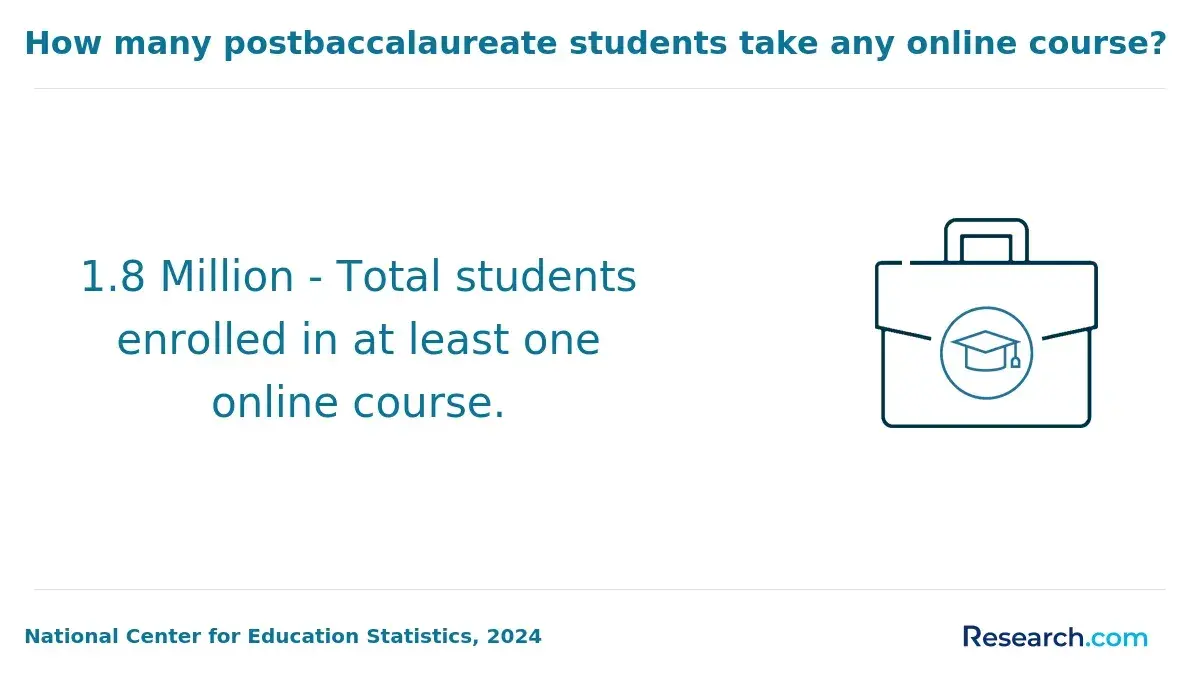
Balancing career advancement with personal responsibilities challenges many prospective graduate students exploring applied psychology. The increasing availability of online programs responds to adult learners' need for flexible schedules; in 2024, the National Center for Education Statistics reported a 14% rise in online graduate enrollments, reflecting shifts toward remote learning opportunities. This trend highlights the importance of understanding how Walden University's online MS in Psychology - Applied Psychology aligns with flexible learning demands while meeting professional standards in psychology fields.
Evaluating program cost, curriculum depth, admissions criteria, and career outcomes provides critical insights for making informed decisions. This article examines these factors to guide prospective students in assessing program fit and potential returns on investment.
Key Points About Walden University's MS in Psychology - Applied Psychology Program
- Walden University's open admission policy allows wider access to the MS in Psychology - Applied Psychology program, but prospective students should weigh this inclusivity against potentially varying academic preparedness among peers.
- The total tuition cost of $34,458 requires students to consider long-term return on investment, especially since detailed graduation and placement rates are not publicly available to fully gauge career impact.
- Alumni success across diverse industries suggests the program's credentials have some employer recognition, yet applicants should assess alignment with their specific workforce goals and local licensure requirements.
What can students expect from Walden University's online MS in Psychology - Applied Psychology curriculum?
Walden University's online MS in Psychology - Applied Psychology curriculum aligns closely with typical U.S. graduate frameworks but distinguishes itself by an intensified focus on research design and evidence-based practice. This approach proves particularly valuable in workforce contexts where applied psychology skills must adapt to evolving organizational or community needs.
For example, a practitioner working in a health services setting will benefit from exposure to culturally competent interventions combined with strong empirical grounding-an increasingly sought-after competency. The curriculum balances foundational knowledge and specialized application, typical within similar MS in Psychology applied psychology course structure programs nationwide. Below is a brief outline of key coursework components:
- Fundamental Psychology: Students engage deeply with core psychological theories, research methodologies, and statistical analysis techniques, forming a critical basis required for empirical decision-making in professional roles.
- Applied Psychology Topics: This covers counseling strategies, applied behavior analysis, and intervention design, requiring students to integrate theory with real-world psychological practice, fostering skills directly relevant to client and organizational needs.
- Cultural Competence and Ethics: Coursework emphasizes understanding diverse populations and adhering to ethical standards, which prepares graduates to navigate complex, multicultural workplace environments ethically and effectively.
Such a curriculum reflects the broader demands in the field for evidence-driven practice coupled with adaptability across sectors like education, health, and community services. It is structured to serve working professionals with flexible pacing without sacrificing academic rigor, a notable feature for those balancing study with employment obligations.
Students considering this path should weigh the practical curriculum benefits of Walden University online applied psychology curriculum against alternative program designs and might explore accelerated programs such as one year doctoral programs if faster advancement is a goal. Overall, it prepares candidates to meet employer expectations for skilled analytical and culturally sensitive practitioners in applied psychology.
What are Walden University's admission requirements for online MS in Psychology - Applied Psychology program?
Walden University's admission process for the online MS in Psychology - Applied Psychology is structured to prioritize accessibility over stringent academic gatekeeping, which can benefit candidates who have practical experience or are returning to education after a break. This openness means students should prepare to meet standard baseline documentation and consider contextual factors that influence employer perception of the degree. Below are key admissions requirements prospective students typically encounter:
- Official transcripts: Applicants must submit transcripts from previous institutions to verify their academic history and readiness for graduate study. These documents allow evaluators to assess educational background despite no minimum GPA publicly stated for this program.
- Standardized test scores: Neither SAT nor ACT scores are required, and there is no GMAT mandate, reflecting the program's emphasis on practical and professional qualifications over standardized metrics.
- Supporting documents: While neither letters of recommendation nor portfolios are explicitly required, applicants are advised to provide supplemental materials such as resumes to illustrate relevant work experience, which is crucial in applied psychology's career context.
- Credit transfer: Transfer policies are not detailed publicly, but students seeking to apply previously earned credits should submit official transcripts for evaluation and directly consult the admissions office. This step is vital to avoid redundancy and optimize the time and cost investment in the degree.
For example, a professional with several years in behavioral health who lacks recent academic credentials might benefit from Walden's flexible application components by emphasizing relevant work history through a resume rather than worry about test scores. However, such candidates should carefully consider how the lack of traditional academic pre-screening might affect employer perceptions of rigor and whether supplemental experience aligns with targeted career paths.
Is it difficult to get admitted to Walden University's online MS in Psychology - Applied Psychology program?
Admission to most MS in Psychology - Applied Psychology programs tends to be moderately competitive, balancing applicants' academic background with practical experience and standardized test scores. Programs commonly assess a mix of GPA, recommendation letters, and sometimes GRE or equivalent results, leading to variable acceptance rates and selective entry that reflects demand and program reputation.
Walden University's online MS in Psychology - Applied Psychology distinguishes itself through an open admission policy, removing typical barriers like standardized testing. It does not require SAT or ACT scores, and its acceptance rate is not capped by competitive limits, which means the primary hurdle is meeting baseline educational credentials rather than outperforming a large pool of applicants. This open approach facilitates faster access but can carry tradeoffs, such as less differentiation among candidates during the hiring stage compared to more selective programs.
One graduate recounted initial hesitation about applying because of limited prior experience and uncertainty over meeting traditional admissions expectations. They appreciated that Walden's process focused on readiness and motivation rather than test scores, enabling a swift application turnaround. The eased entry allowed them to quickly begin coursework while concurrently gaining applied work experience, but they noted this required them to actively build a stronger professional portfolio post-admission to stand out in a crowded job market.
What is the cost of attending an online MS in Psychology - Applied Psychology program at Walden University?
Tuition for the online MS in Psychology - Applied Psychology at Walden University is set at $12,498 annually, with additional costs such as around $900 for books and supplies. Unlike many programs that charge variable fees or have different rates for in-state versus out-of-state students, Walden applies a uniform tuition rate to all online learners. This transparency in pricing can reduce unexpected financial burdens, but students should realistically factor in living expenses and personal circumstances that may raise the true cost of attendance well beyond tuition.
When weighing tuition fees for Walden University ms in psychology applied psychology online against other programs, it's important to note that many comparable online psychology master's degrees come with higher tuition or extra mandatory fees. These additional charges can include technology fees, program-specific costs, or variable tuition based on residency, meaning Walden's flat-rate approach may offer a budgeting advantage for some, but not necessarily a lower total cost of attendance.
The practical implication here is that prospective students must evaluate whether the net investment aligns with their career trajectory and earning potential-especially since psychology roles requiring an applied master's often expect real-world experience alongside academic credentials. This financial calculation ties closely to understanding what degree makes the most money and how the total cost of Walden University online MS in Psychology - Applied Psychology program compares in terms of long-term value.
Ultimately, considering the tuition fees for Walden University ms in psychology applied psychology online in tandem with post-graduate employment opportunities is critical. While the baseline cost offers predictability, students should also assess how additional expenses, program quality, and market demand in applied psychology impact whether this educational path meaningfully advances their workforce readiness.
Are there financial aid options for online MS in Psychology - Applied Psychology students at Walden University?
Financial aid for students enrolled in the online MS in Psychology - Applied Psychology at Walden University is available but requires strategic navigation to optimize its benefits. Graduate financial aid often involves tradeoffs such as balancing institutional scholarship availability with federal loan obligations and employer reimbursement program criteria. For working professionals, corporate tuition reimbursement can alleviate upfront costs but may demand continued employment or grade benchmarks, affecting long-term career flexibility.
Meanwhile, reliance on federal aid introduces debt considerations that must be weighed against anticipated earnings in psychology-related roles, where salaries may vary widely. Prospective students should carefully evaluate aid eligibility to manage cost without compromising educational or career goals. Below are key financial aid options relevant to this program:
- Institutional Scholarships: Targeted mostly at graduate students, these merit- or need-based awards vary by program and enrollment status. Amounts fluctuate widely, often requiring applicants to maintain a minimum GPA and submit periodic applications.
- Federal Aid: Graduate students who complete the FAFSA gain access primarily to federal loans rather than grants. These loans come with flexible repayment options but increase overall educational debt, necessitating prudent financial planning.
- Corporate Tuition Reimbursement: Employed students may use employer-sponsored programs to cover partial or full tuition. These programs often mandate ongoing employment and satisfactory academic progress, linking financial support with job retention.
- Veteran Benefits: Military-affiliated students can apply veteran-specific financial aid, which may cover tuition extensively depending on eligibility. This can substantially reduce personal out-of-pocket expenses.
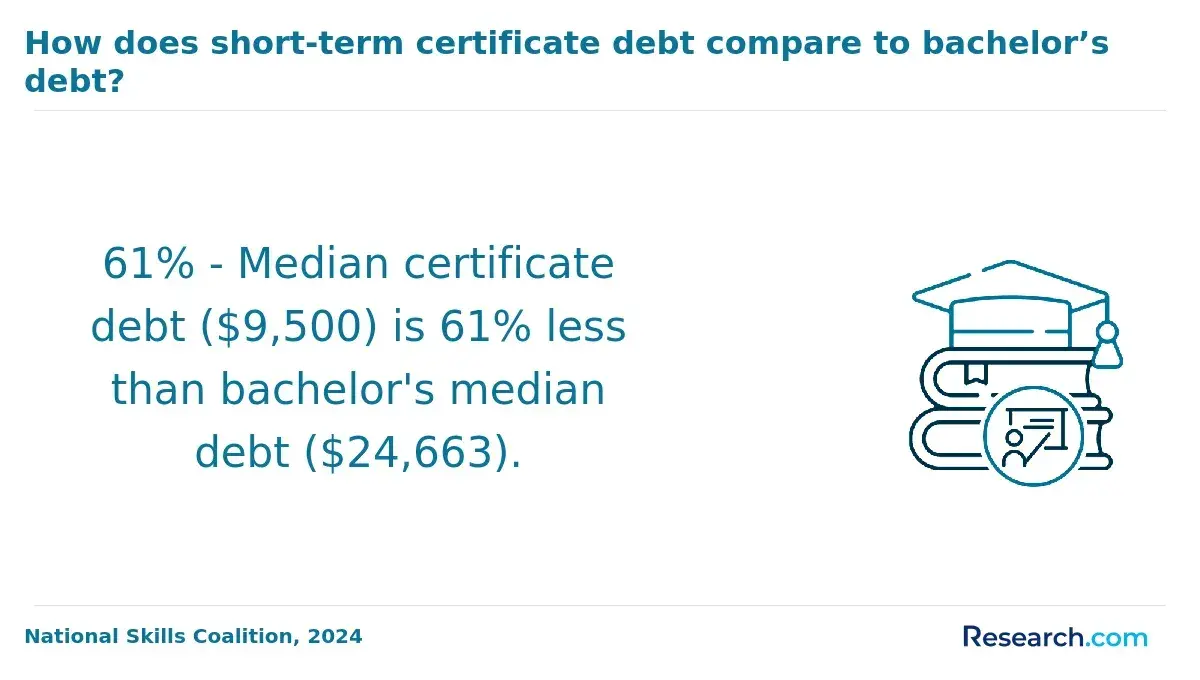
- Undergraduate Aid Trends: Although primarily for bachelor's programs, some undergraduate financial aid patterns offer insight into potential graduate support, with average aid amounts indicating typical assistance scale.
What learning resources are available to online MS in Psychology - Applied Psychology students at Walden University?
Effective learning resources are critical to bridging the gap between theory and applied practice in an online MS in Psychology - Applied Psychology program, especially when students must independently navigate academic demands while aligning their skills with employer expectations. Access to robust academic and technical support can reduce attrition risks and enhance timely degree completion-a key factor in entering a competitive job market where practical experience and current knowledge are valued.
The support infrastructure also influences how well students convert academic knowledge into marketable skills, which is essential for roles that require evidence-based interventions in applied settings. Below is a breakdown of core resources provided to students that directly affect their capability to succeed.
- Digital Access: Students receive seamless entry to course materials, research databases, and interactive platforms that facilitate up-to-date learning and exposure to empirical studies essential for applied psychology work.
- Technical Support: Dedicated assistance minimizes downtime related to software or platform issues, ensuring continuous engagement and preventing disruptions that could delay learning or project completion.
- Academic Support Services: Targeted tutoring, writing guidance, and specialized library access tailored to graduate psychology students help sharpen analytical and communication skills crucial for professional writing and research tasks.
- Faculty and Advisor Accessibility: Regular interaction opportunities enable personalized academic counseling and career planning, which can influence strategic course selections aligning with intended professional roles.
- Professional Placement and Networking: Relationships with local and national organizations provide pipelines for internships and practicum placements, allowing students to acquire practical experience and build industry connections needed to transition effectively into employment.
Does Walden University's online MS in Psychology - Applied Psychology program have in-person clinicals or practicums?
Many master's programs in applied psychology mandate in-person clinical practicums to ensure graduates acquire direct client interaction and supervised experiential learning essential for licensure or certain professional roles. Compared to these industry standards, Walden University online MS in Psychology - Applied Psychology program notably does not require students to complete in-person clinicals or practicum hours as part of the curriculum.
Typical in-person requirements often include 100 to 300 supervised practicum hours, which can pose logistical challenges for working professionals or those balancing multiple commitments. The Walden University online psychology practicum and clinical hours structure instead focuses on applied knowledge through coursework, case studies, and virtual projects to simulate real-world psychological practice without onsite clinical components. While this enhances accessibility and flexibility, students aiming for licensure or roles that demand direct clinical experience may need to seek external practicum opportunities.
This absence of in-person clinicals suits individuals prioritizing uninterrupted employment or geographic flexibility but comes with tradeoffs in meeting credentialing board prerequisites in many states. Prospective students should critically evaluate how Walden University online MS in Psychology - Applied Psychology program in-person clinical requirements - or lack thereof - align with their intended career path. For those needing a faster degree option with practical relevance, programs like 6 months masters degree online might offer alternative pathways worth comparing.
What careers can graduates of online MS in Psychology - Applied Psychology at Walden University secure?
The marketability of graduates from Walden University's online MS in Psychology - Applied Psychology is heavily linked to clearly defined roles in mental health and social services, where practical skills meet operational demands. The degree can open doors to direct care and coordination jobs, but candidates should weigh the limitations of non-licensure credentials in clinical settings, where advanced certifications are often prerequisites.
A graduate pursuing mental health support work may find employment more quickly, while those targeting licensed counseling roles must plan for additional supervised experience and state-specific mandates. This real-world tradeoff underscores the importance of aligning program outcomes with career intentions and labor market requirements. Below are typical roles aligned with the career opportunities with Walden University online MS in Psychology - Applied Psychology:
- Behavioral Health Technician: Implements therapeutic techniques under clinical supervision and assists in monitoring client progress, often employed in mental health facilities. Salaries vary widely but generally fall within entry-level healthcare pay scales.
- Human Services Specialist: Connects clients to resources addressing social, emotional, and economic challenges, working within nonprofit or government agencies focused on community support.
- Case Manager: Coordinates comprehensive care plans for individuals with complex needs, ensuring continuity of services and follow-up, typically earning moderate salaries in health or social service sectors.
- Licensed Professional Counselor Candidate: Graduates intending to become licensed counselors must complete additional supervised clinical hours and pass state exams, which entails significant time and resource investment but leads to expanded career options in private or group practice.
Prospective students should incorporate insights from current labor dynamics and credentialing processes when evaluating job outlook for MS in Psychology - Applied Psychology graduates from Walden University. For additional context on flexible education options relevant to balancing work and study, exploring online self paced college courses can be beneficial.
What is the salary outlook for online MS in Psychology - Applied Psychology graduates?
The salary outlook for Walden University online MS in Psychology - Applied Psychology graduates reflects a niche yet practical earnings range, emphasizing roles within human services and health-related sectors where compensation tends to be moderate. Graduates face a tradeoff between specialized knowledge applicable in meaningful fields and comparatively lower median salaries versus more traditional or high-demand disciplines. For example, a professional with this degree working in a community health setting may earn around $42,810, which sits above general psychology but below many allied health or business roles.
Examining the career earnings after Walden University MS in Psychology - Applied Psychology reveals a median salary indicative of early to mid-career stages, which informs realistic financial expectations for prospective students. While graduates earn more than those with general or clinical counseling psychology degrees, their income typically lags behind peers in fields such as computer science or curriculum instruction. This dynamic suggests a cautious approach when weighing return on investment, particularly for students prioritizing higher immediate earnings.
Decision-making about this program should also incorporate labor market trends and alternative educational paths, especially given the expanding interest in online degrees for remote jobs. Enhancing career prospects often depends on acquiring specialized certifications or practical experience, as salary growth remains modest without these augmentations.
How do you know if Walden University's online MS in Psychology - Applied Psychology program is the right choice for you?
Choosing an MS in Psychology - Applied Psychology program requires careful assessment of how it matches your unique academic needs, professional aspirations, and learning preferences. Balancing factors like curriculum design, flexibility, and peer interaction affects not only your experience but also how well the degree prepares you for the realities of the job market. Keep these critical considerations in mind as you evaluate your options:
- Curriculum Relevance and Practicality: Assess whether the coursework offers applied, evidence-based content aligned with current employer demands. Look for programs emphasizing hands-on skills and research opportunities that directly translate to organizational or clinical settings.
- Flexible Learning Structure: Evaluate if the program allows you to balance study with work or personal commitments through asynchronous modules complemented by live sessions. Flexibility is crucial if you require a schedule that adapts to professional responsibilities.
- Student Support and Networking: Consider the extent and quality of peer collaboration, mentoring, and community engagement. A supportive environment with active forums and group projects can enhance motivation and career networking.
- Alignment with Career Goals: Analyze how the program's focus fits your targeted field, such as counseling support, organizational psychology, or human services. Choosing a program tailored to your desired role improves long-term employability and job readiness.
One graduate shared the practical tension they faced deciding on an online MS in Psychology - Applied Psychology: balancing the need for a rigorous curriculum with the flexibility required to maintain full-time employment. "I was hesitant initially, worried the online format wouldn't offer enough real interaction or applied projects," they said, "but Walden's mix of live discussions and practical assignments helped me feel connected and prepared for my role in HR. It wasn't just about finishing a degree but about gaining skills that employers truly value without sacrificing my job." This nuanced perspective underscores the importance of matching program delivery and content with personal and professional priorities.
What Graduates Say About Walden University's MS in Psychology - Applied Psychology Program
- Aiden: "Completing my MS in Psychology - Applied Psychology at Walden University was a strategic decision in balancing work and study, thanks to its flexible online format. The coursework emphasized real-world application, which helped me build a portfolio that employers actually valued more than licensure in early career stages. While I had to be proactive about internships and certifications, the program gave me the foundational knowledge to pivot into organizational psychology roles that emphasize practical skills over formal credentials."
- Simon: "Studying at Walden University opened my eyes to the complexities within applied psychology beyond textbook theories. The program's focus on research methods and evidence-based interventions sharpened my analytical thinking, which has been critical in my consulting work. However, I quickly learned that without licensure, career advancement in clinical roles was limited, so I viewed the degree as a stepping stone toward further specialization rather than an end goal."
- Bryce: "What stood out about the MS in Psychology - Applied Psychology program at Walden University was the balance between academic rigor and practical flexibility. I managed to complete my degree while working remotely, which is essential in today's job market. The program helped me land positions focused on behavioral data analysis, but I noticed hiring managers still highly prioritize hands-on experience and certifications. This reality meant I had to continue developing my skillset beyond graduation to compete effectively."
Other Things You Should Know About Degrees
The program's online delivery offers flexibility, but the workload remains rigorous. Students should expect a steady stream of weekly readings, assignments, and discussion posts that require active engagement. Time management skills are critical since the asynchronous format means self-discipline is needed to avoid falling behind, especially for those balancing work or family commitments. Prospective students should realistically assess their ability to commit consistent hours weekly to maintain progress without burnout.
The applied psychology focus leans toward practical skills in organizational, community, or health settings rather than clinical practice. This specialization equips students for roles involving program evaluation, human factors, or behavioral research, but it does not fulfill requirements for clinical licensure. Those prioritizing versatile, non-clinical careers that utilize psychological principles will find this degree relevant; however, students seeking direct patient counseling roles should plan for further training beyond this program.
Interaction is somewhat limited by the online platform but still essential for knowledge application and networking. Engagement primarily happens through discussion forums and virtual office hours, which may not replicate in-person mentorship or peer collaboration fully. Students who thrive on real-time dialogue or hands-on group work should consider if the virtual format suits their learning style or if they might struggle without direct interpersonal interaction. Prioritizing active participation in online discussions can mitigate this limitation and enhance the learning experience.
References
- Applied Clinical Psychology Tuition and Financial Aid https://www.pacificu.edu/applied-clinical-psychology-ma/tuition-financial-aid
- Walden University Reviews https://www.gradreports.com/colleges/walden-university
- The 15 Highest-Paying Jobs with a Psychology Master's Degree https://www.bestpsychologydegrees.com/posts/highest-paying-jobs-with-a-psychology-masters-degree/
- 5 Terrific Ways to Finance your Masters in Psychology Degree https://mastersinpsychologyguide.com/articles/5-terrific-ways-to-finance-your-masters-in-psychology-degree/
- What is the future job outlook for careers in psychology? https://www.bestmastersinpsychology.com/faq/what-is-the-future-job-outlook-for-careers-in-psychology/
- Top 10 Psychology Grad Schools https://www.alleydog.com/best-psychology-graduate-schools.php
- Careers with a Master’s in Psychology: Graduate Outlook | Meridian University https://meridianuniversity.edu/content/careers-with-a-masters-in-psychology-graduate-outlook
- Top 10 Best Online Master’s In Psychology Degree Programs https://www.counselingdegreehub.com/best/online-masters-psychology/
- Clinical Psychology Master's Program | Walden University USA https://www.studyabroadcourses.org/programmes/walden-university-clinical-psychology