2027 Is The University of North Carolina at Chapel Hill's Online Master of Business Administration - MBA in Data Analytics and Decision Making Worth It? Salary, Outcomes, and ROI

Co-Founder and Chief Data Scientist
Selecting an online Master of Business Administration - MBA in Data Analytics and Decision Making program involves weighing program rigor, real-world applicability, and career outcomes.
As labor market data from the U. S. Bureau of Labor Statistics highlights, demand for data-literate business leaders continues to grow faster than average, making timing and curriculum focus critical for career mobility. Prospective students must consider whether the University of North Carolina at Chapel Hill's program aligns with their need for flexible study schedules, advanced analytical skills, and leadership training.
This article evaluates the program's fit for diverse student goals and explores its potential return on investment amid evolving workforce expectations.
Key Points About The University of North Carolina at Chapel Hill's Online Master of Business Administration - MBA in Data Analytics and Decision Making Program
- The University of North Carolina at Chapel Hill's online Master of Business Administration - MBA in Data Analytics and Decision Making has a competitive 19% acceptance rate, demanding a rigorous admissions process that limits accessibility.
- Its tuition totals $27,633, balancing an upfront cost with a strong earnings-to-debt ratio of 5.16x, suggesting graduates can expect substantial financial returns relative to investment.
- Graduates earn a median salary of $72,200, reflecting the program's valuable employer connections and solid standing in analytics-driven business roles.
What makes The University of North Carolina at Chapel Hill's online Master of Business Administration - MBA in Data Analytics and Decision Making program stand out?
Choosing an online MBA program in data analytics demands weighing flexibility against the intensity of skill acquisition. The University of North Carolina at Chapel Hill's Master of Business Administration - MBA in Data Analytics and Decision Making program caters especially to professionals who must balance work with study while acquiring market-relevant analytics and decision-making expertise.
Its asynchronous format with live sessions allows students to maintain job responsibilities, yet still engage deeply with real-world business problems and collaborative projects, a combination not universally offered in similar programs.
What sets this program apart is its integration of rigorous analytical tools with direct applicability to leadership roles in data-driven environments. With a graduation rate of 92%, it signals strong institutional support and effective teaching methods that translate to employability.
The personalized mentorship and access to UNC's broad academic community enhance networking opportunities, offering advantages for those seeking career transitions or advancement in competitive sectors that rely on data-informed strategies. These features support graduates in moving beyond theoretical knowledge to impactful decision-making roles.
Is it difficult to get admitted to The University of North Carolina at Chapel Hill's online Master of Business Administration - MBA in Data Analytics and Decision Making program?
Admission to an MBA in Data Analytics and Decision Making often demands a balance between quantitative aptitude and strategic insight, placing programs with selective thresholds in a different category from more accessible offerings. Unlike programs with open enrollment or less restrictive metrics, competitive programs filter candidates rigorously, creating a cohort where peer quality directly impacts academic and professional outcomes.
The University of North Carolina at Chapel Hill exemplifies this high selectivity with an acceptance rate of just 19%, admitting 10,850 students from 57,902 applicants. This level of selectiveness surpasses many comparable MBA specializations, reflecting not only high demand but also stringent expectations tied to standardized test scores, typically SAT verbal between 680 and 750 and math from 690 to 780, or ACT scores spanning 30 to 34.
Such benchmarks indicate the program's focus on candidates who demonstrate strong analytical and verbal skills necessary for managing complex data-driven business decisions.
For prospective students, competing for a spot at UNC Chapel Hill's online MBA means preparing extensively to meet these quantitative thresholds while also positioning oneself strategically among a vast pool of applicants. The rigorous admissions process can serve as both a gatekeeper and a signal to employers that graduates emerge from an elite educational environment.
One alumnus recalled, "I submitted my application just before the deadline, having balanced a full-time job and retaking the ACT to improve my score. Waiting weeks for feedback amplified the pressure, but knowing the acceptance rate was tight forced me to focus on every detail, from my personal statement to letters of recommendation. The uncertainty was stressful, but it also made acceptance feel like genuine validation of effort and readiness."
How does the curriculum of The University of North Carolina at Chapel Hill's online Master of Business Administration - MBA in Data Analytics and Decision Making program stay aligned with current industry trends?
The curriculum of the University of North Carolina at Chapel Hill's online Master of Business Administration - MBA in Data Analytics and Decision Making reflects a deliberate response to evolving employer expectations where actionable insight is paramount. The value of this program lies in its focus on integrating technical data skills with leadership abilities, a combination increasingly demanded as workplaces rely more on analytics for strategic choices. Employers expect graduates not only to manage large datasets but to translate analytical outcomes into decisions that impact operations, marketing, and finance.
Below are the key factors demonstrating how this program aligns with industry trends:
- Applied Technical Training: Courses emphasize hands-on experience with advanced analytics, data mining, and business intelligence tools, ensuring students develop practical competencies rather than solely theoretical knowledge. This approach caters to roles requiring immediate contribution in data-driven environments.
- Decision-Centric Frameworks: Rather than isolating analytics as a technical function, the curriculum integrates data interpretation within business strategy contexts, preparing students to support executive-level decisions with quantitative evidence and predictive modeling.
- Real-World Project Work: The inclusion of case studies and project-based learning enables students to navigate complex problems reflective of workplace challenges, thereby fostering adaptable problem-solving skills essential for diverse industries.
For students considering an online MBA in data analytics, alignment with industry needs is crucial for employability, especially since many programs diverge between technical depth and leadership training.
This balance better equips graduates to influence organizational outcomes. Further insight into online degree timing options can be found through this one year masters degree resource.
How much does The University of North Carolina at Chapel Hill's online Master of Business Administration - MBA in Data Analytics and Decision Making program cost?
At the University of North Carolina at Chapel Hill, the MBA data analytics tuition for the online Master of Business Administration - MBA in Data Analytics and Decision Making program is competitively set at a total annual cost of approximately $27,633.
This figure includes tuition and fees of $8,989, plus books and supplies estimated at $622, but students should anticipate variability in room and board costs depending on their living arrangements since the program is online. While there is no explicit mention of online-specific technology fees, prospective students should confirm such details during enrollment to avoid unexpected expenses.
The online MBA in data analytics and decision making cost in North Carolina notably positions this program below many peer institutions, where tuition for similar programs often ranges between $30,000 and $60,000 annually. This cost advantage is augmented by UNC Chapel Hill's flat-rate in-state tuition applied broadly to online learners regardless of residency.
However, applicants must weigh these savings against the availability of institutional grants and scholarships, as well as the lack of clearly detailed tuition reimbursement partnerships with employers, which can vary substantially across industries.
Financial aid accessibility remains a crucial factor influencing the overall affordability at the University of North Carolina at Chapel Hill. While undergraduates receive substantial aid, 58% get assistance averaging $15,205, their graduate counterparts similarly benefit from competitive scholarship opportunities.
Students should evaluate these aids in light of personal budgeting needs, particularly when considering supplemental costs for books and potential fees specific to their professional or geographic situation.
For students assessing the value of an advanced degree in data analytics, comparing the University of North Carolina at Chapel Hill's cost structure with national averages gives insight into return on investment potential. Employers increasingly favor candidates who can balance strong analytical capabilities with practical business acumen, so understanding these cost dynamics with respect to market positioning is essential.
For additional context on financial planning around advanced degrees, experts often recommend reviewing trends in the best bachelors degrees as foundational knowledge for career trajectory decisions.
What are the admission requirements for The University of North Carolina at Chapel Hill's online Master of Business Administration - MBA in Data Analytics and Decision Making program?
Navigating admission into the University of North Carolina at Chapel Hill's online Master of Business Administration - MBA in Data Analytics and Decision Making program demands more than standard credentials, reflecting the competitive nature of programs that integrate advanced business acumen with technical proficiency.
Students lacking a traditional high school diploma face a significant barrier since a GED is not accepted, which narrows entry pathways compared with other graduate programs that might allow alternative credentials. This affects candidates who might otherwise bring diverse experiences but lack formal secondary education.
Understanding the core requirements below helps applicants gauge their readiness and identify gaps early.
- Academic Background: Candidates must possess a high school diploma; equivalency certificates like GED are excluded, enforcing a baseline academic standard primarily aiming to uphold program rigor and graduate competency.
- Technology Access: Ownership or lease of a computer is mandatory, as remote learning depends heavily on digital engagement. The university aids students through a purchase or lease program, recognizing the potential cost barrier.
- Supporting Documents: Submission of secondary school transcripts and letters of recommendation is required, ensuring admissions committees verify academic history and personal qualities.
- English Proficiency: Non-native English speakers must provide TOEFL scores, reflecting workforce realities where strong communication skills impact performance in data-driven decision roles.
- Additional Testing: While tests like Wonderlic or WISC-III exams are recommended to assess cognitive readiness, they are not obligatory, allowing some flexibility for candidates with strong professional profiles.
What is the ROI of attending The University of North Carolina at Chapel Hill's online Master of Business Administration - MBA in Data Analytics and Decision Making program?
The return on investment for The University of North Carolina at Chapel Hill's online Master of Business Administration - MBA in Data Analytics and Decision Making hinges on balancing upfront costs against consistent earning potential. With a total annual cost near $27,633 when including tuition, fees, and living expenses, the program sits at a moderate price point for graduate business education.
Graduates report a median starting salary of approximately $72,200, which remains stable over a decade, indicating that initial earnings do not diminish significantly and may offer reliable financial footing compared to average Master of Business Administration - MBA in Data Analytics and Decision Making salaries nationally.
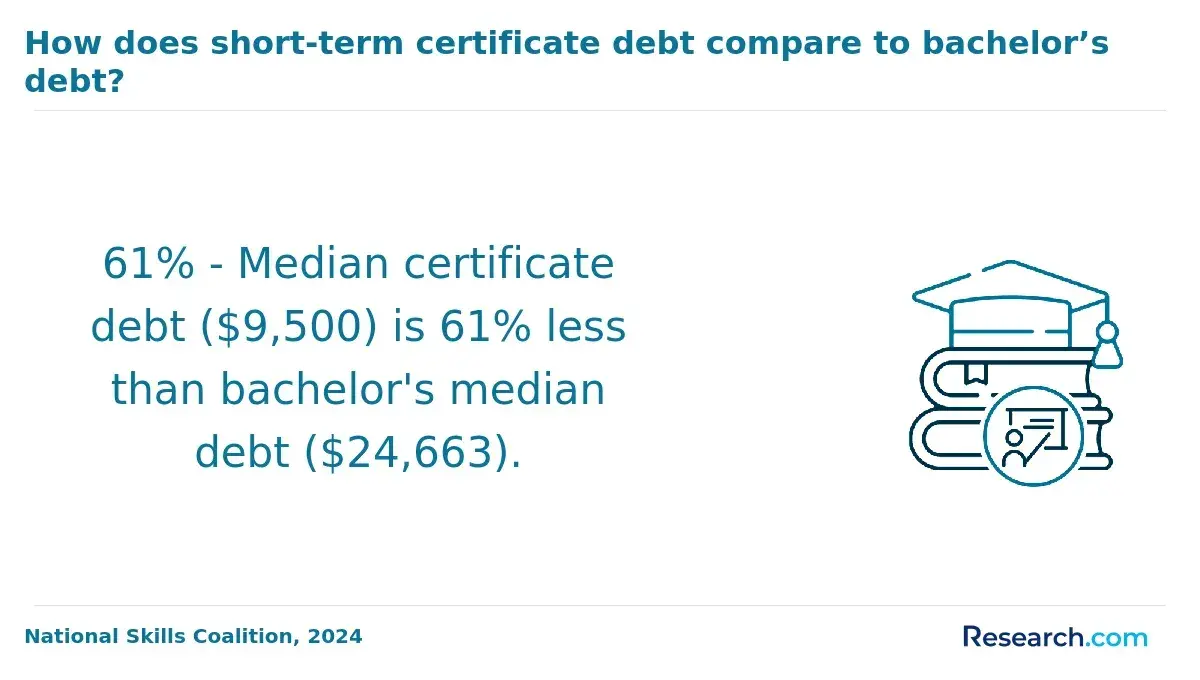
Students' ROI can vary substantially depending on scholarship access and their ability to secure positions in competitive sectors like technology, finance, or consulting, where demand for analytical leadership is growing. Those who minimize debt, median outstanding debt is around $14,000, improve their earnings-to-debt ratio, calculated at roughly 5.16x, reinforcing that salary gains can sufficiently outpace incurred costs.
However, the median starting salary also implies that opportunities requiring far higher upfront investment or yielding dramatically greater pay may offer stronger financial leverage in different circumstances.
Employers increasingly expect data proficiency integrated with business acumen, which this program targets, but graduates must weigh long-term industry trends and job market fluctuations. The program's ROI is best understood through a pragmatic lens: it offers stable income and manageable debt relative to many MBA options, but potential enrollees should assess personal financing strategies and geographic or sector-specific job prospects before committing.
Is there a high student satisfaction for The University of North Carolina at Chapel Hill's online Master of Business Administration - MBA in Data Analytics and Decision Making program?
High student satisfaction within UNC's online MBA in Data Analytics and Decision Making hinges largely on how well the program balances rigorous coursework with flexibility, a critical factor for working professionals managing competing priorities. This program's integration of virtual mentoring and student-led groups helps mitigate common pitfalls of remote learning, such as isolation or limited networking, which often depress satisfaction in online graduate programs.
For employers, graduates versed in navigating these hybrid demands demonstrate adaptability and resourcefulness, reflecting positively on the program's real-world relevance.
The student culture emphasizes collaborative engagement despite the physical distance, leveraging peer networks and faculty accessibility to support academic progress and professional growth. Resources are substantial, backed by a large staff, which contrasts with many online-only programs that underdeliver in student services.
Still, the demanding nature of data analytics and decision-making content requires disciplined time management, and satisfaction often correlates with a student's ability to harmonize study with personal and work life. Those less prepared for intensive workloads may find the experience taxing, tempering overall enthusiasm.
A recent graduate reflected on this balance candidly, sharing that midway through the program, "It felt overwhelming juggling project deadlines and a full-time job, but the faculty's responsiveness and the peer mentoring groups made a tangible difference. It wasn't just about completing assignments. It was about applying those lessons immediately at work, which kept me engaged."
This nuanced support was pivotal in converting initial hesitation into a sense of accomplishment and professional growth, underscoring why many students report meaningful satisfaction despite the program's inherent challenges.
How does The University of North Carolina at Chapel Hill help online Master of Business Administration - MBA in Data Analytics and Decision Making graduates secure employment?
Postgraduate employment outcomes heavily depend on how well a program integrates career services with industry-aligned networking. For the University of North Carolina at Chapel Hill's online Master of Business Administration - MBA in Data Analytics and Decision Making, these elements are critical in an increasingly competitive market where data fluency alone does not guarantee quick placement. Practically speaking, graduates leveraging institutional resources benefit notably.
Industry surveys show that those engaging with alumni networks and mentorship programs have a 35% higher likelihood of finding employment within six months. This advantage recognizes the operational realities of employer preferences and sector-specific hiring cycles. These factors matter greatly in making choices about an online MBA in data analytics employment resources in North Carolina.
Career support components involve several interconnected opportunities, as outlined below.
- Virtual Job Fairs: These online events connect current students and recent graduates with employers nationwide, creating direct recruitment channels without geographical constraints.
- Resume Workshops: Specialized sessions target data analytics roles, ensuring application materials highlight relevant skills and achievements aligned with recruiting standards.
- Job Placement Portal: A curated platform streamlines access to job postings in analytics, consulting, and decision-making fields, facilitating targeted and efficient job searches.
- Alumni Mentorship Program: Experienced graduates in sectors like finance and consulting provide real-world advice, professional guidance, and often job referrals, fostering robust career networks.
Concurrently, evaluating whether to pursue this program against alternatives such as the easiest associate degree to get hinges on understanding career trajectory expectations, sector demands, and how effectively a school's ecosystem supports post-degree employability.
What are the career outcomes for recent graduates of The University of North Carolina at Chapel Hill's online Master of Business Administration - MBA in Data Analytics and Decision Making?
Career outcomes provide a critical lens for assessing the value of the University of North Carolina at Chapel Hill's online Master of Business Administration - MBA in Data Analytics and Decision Making, especially given the practical demands of evolving business environments. Graduates often secure roles that integrate advanced analytical skills with strategic leadership, reflecting the program's dual emphasis.
This balance is important because while many programs focus solely on technical prowess, this MBA positions alumni for decision-making responsibilities that influence organizational direction. For students weighing the investment, understanding these outcomes clarifies the tradeoff between specialized technical roles and broader managerial positions.
Below are typical career paths experienced by recent graduates:
- Data Analyst: Graduates frequently take on data analyst roles, which involve extracting, cleaning, and interpreting complex datasets to inform business strategies. Salaries typically align with industry averages for analytics positions, offering solid entry points into data-driven environments.
- Business Intelligence Analyst: This role expands beyond data processing to integrating business acumen and technology to develop actionable insights. It commonly entails managing reporting systems geared toward optimizing operational efficiency and commands competitive compensation within management-track analytics jobs.
- Decision Support Specialist: Focusing on predictive modeling and scenario analysis, these specialists support executives by translating data findings into strategic options. Compensation generally reflects a blend of analytical depth and leadership potential, suitable for sectors like healthcare or finance where data-informed decisions are crucial.
- Managerial and Operations Roles: Alumni with a broader MBA concentration earn approximately $74,938 on average, indicating that the program equips some candidates for leadership in management and operations beyond data-specific functions.
Labor market realities suggest that while the finance and consulting sectors value the technical and executive combination this MBA delivers, applicants must still demonstrate relevant experience alongside analytics expertise.
As workforce needs accelerate, those exploring accelerated degrees like this program should consider how well it aligns with their targeted role requirements and industry expectations to ensure a pragmatic return on investment. Current data supports that a solid foundation in analytics combined with business leadership is increasingly sought after across sectors.
How do I know if The University of North Carolina at Chapel Hill's online Master of Business Administration - MBA in Data Analytics and Decision Making program is the right fit for my goals?
Determining if the University of North Carolina at Chapel Hill's online Master of Business Administration - MBA in Data Analytics and Decision Making aligns with your goals is a nuanced decision hinging on how well the program matches your specific academic and professional ambitions.
This is especially true given the varied career trajectories opened by data analytics expertise, which range from strategic management roles to specialized analytics positions. Several criteria must be evaluated carefully to see if this degree serves your career objectives effectively.
Below are critical aspects to consider when assessing a Master of Business Administration - MBA in Data Analytics and Decision Making program:
- Curriculum Relevance:The coursework should focus on both advanced analytics methods and practical decision science applications while integrating business strategy. This ensures that the program content directly supports your intended career path rather than offering a generic business education.
- Flexibility And Delivery Format:Since the UNC Chapel Hill online MBA data analytics program suitability includes delivering content fully online, determine if the mix of asynchronous and synchronous elements fits your schedule and learning preferences to maintain engagement and completion rates.
- Faculty Expertise And Support Resources:Faculty with substantial experience in analytics and decision-making fields can bridge theory and practice, while dedicated advising and career services significantly influence your success in the job market.
- Networking And Alumni Connections:Evaluate the strength of alumni and industry networks that aid job placement and mentorship opportunities, an often underestimated but vital factor in competitive analytics fields.
- Return On Investment:Compare tuition costs against realistic salary improvements and the degree's influence on attaining roles that require or prefer this qualification. This assessment impacts long-term financial and career considerations.
Given these factors, many students also weigh options such as doctoral programs without dissertation when considering further academic investment. Reflecting on outcomes linked to the University of North Carolina at Chapel Hill online MBA data analytics program suitability can substantially shape your decision framework to ensure the program aligns with your career goals in data analytics and decision making.
What Graduates Say About The University of North Carolina at Chapel Hill's Online Master of Business Administration - MBA in Data Analytics and Decision Making Program
- David: "Completing the Master of Business Administration - MBA in Data Analytics and Decision Making at The University of North Carolina at Chapel Hill was a rigorous but rewarding process. I found that employers in my field often prioritize tangible portfolios and relevant project experience over just having the degree, so I focused heavily on internships and real-world data projects during the program. This strategy helped me transition into a data-driven strategy role, although I quickly realized that continuous certification and skill updates are critical to keep up with evolving hiring standards."
- Anika: "The flexibility of studying the Master of Business Administration - MBA in Data Analytics and Decision Making online with The University of North Carolina at Chapel Hill allowed me to maintain my full-time job while pivoting into data analytics roles within my company. Although the degree opened doors to remote and hybrid positions, I noticed that salary growth can plateau without additional technical certifications or licensure, especially when competing for senior roles. The program gave me confidence and practical tools, but navigating internal promotion required me to augment my education with hands-on leadership experience."
- Adam: "The pragmatic approach of The University of North Carolina at Chapel Hill's Master of Business Administration - MBA in Data Analytics and Decision Making prepared me for the realities of hiring managers looking for candidates who combine analytics skills with strong decision-making frameworks. After graduation, I entered a competitive market where many employers valued demonstrated problem-solving and teamwork in analytics over academic credentials alone. The program's emphasis on case studies and applied learning helped me adapt quickly in my role, even if it meant accepting an initial position with modest salary growth to establish myself in the industry."
Other Things You Should Know About Degrees
The workload of the University of North Carolina at Chapel Hill's Online MBA in Data Analytics and Decision Making is comparable to similar programs in 2027. It is designed to be rigorous yet manageable, balancing practical assignments with theoretical knowledge, allowing students to effectively juggle personal and professional commitments.
The program's relatively small, selective cohorts enhance peer interaction but the fully online format inherently limits spontaneous networking seen on traditional campuses. While structured online sessions and group projects foster collaboration, students may need to proactively engage in virtual networking events and alumni platforms to build meaningful professional connections. For candidates who prioritize in-person networking as crucial to career growth, this program may require supplementary efforts outside the coursework.
The curriculum aims to balance leadership development with technical acumen in data analytics. However, the leadership training is often more conceptual and strategic rather than immersive in people management skills, which means graduates may find themselves better equipped for analytical decision-making roles than direct leadership positions immediately after graduation. If securing a general management or executive role quickly is a top priority, candidates might consider additional leadership development opportunities alongside this MBA.
While the program welcomes candidates with varied backgrounds, those without any analytics experience face a steep learning curve in the initial courses. Students new to data analytics should be prepared to invest extra effort in mastering foundational concepts independently or through preparatory resources. For those aiming to pivot careers, this program can be worth it, but prioritizing foundational knowledge upfront is essential to keep pace and fully benefit from advanced coursework.
References
- North Carolina Kenan Flagler MBA Program Details 2025-26 https://www.expertsglobal.com/north-carolina-kenan-flagler-mba-program-details-placements-class-profile/
- MiM Degrees: Should MBA Candidates Apply to Them Instead? https://www.bschools.org/blog/mim-vs-mba-degrees
- University of North Carolina at Chapel Hill (UNC) https://www.princetonreview.com/college/university-north-carolina-at-chapel-hill-1023944
- MBA Master of Business Analytics Which Should You Choose | Good Universities Guide https://www.gooduniversitiesguide.com.au/articles/education-blogs/tertiary-study/mba-master-of-business-analytics-which-should-you-choose