2027 Which Educational Policy Degree Careers Offer the Best Return Without Graduate School?
Audited and Verified:
Our Editorial and Data Verification Process
Research.com uses government datasets, official education statistics and primary institutional information to support its career and degree guides. Our review process checks factual accuracy, occupational definitions, source dates and the requirements associated with the credentials discussed.
How This Article Was Fact-Checked
Our editorial team verifies salary estimates, employment projections, education requirements and program information against original data providers and official organizations. Salary figures are checked against the relevant occupational definitions and reporting periods. Information about licensure, accreditation and required in-person training is reviewed separately.
Fact-checked and verified on:

Co-Founder and Chief Data Scientist
With tuition climbing and student debt piling up, deciding to attend graduate school feels intimidating, particularly for people who hold a bachelor's degree in educational policy. Almost 60% of graduates in this area are unsure whether more schooling will produce matching salary gains or job security.
Many compare the financial strain with possible career progress, since certain roles require advanced degrees while others deliver solid earnings with only an undergraduate credential. This article examines which educational policy degree careers offer the strongest financial return without graduate school, directing prospective students toward the most promising early-career options.
Key Benefits of Educational Policy Degree Careers That Offer the Best Return Without Graduate School
- Careers with educational policy degrees often show strong early salary growth, improving long-term return on investment by reaching median earnings of $55,000 within five years post-bachelor's.
- Stable demand for policy analysts and coordinators supports consistent job growth, offering financial security in education-focused public and private sectors through 2030.
- Accessible entry requirements without graduate school enable faster workforce entry, reducing educational costs and allowing earlier career advancement in policy research and implementation roles.
Which Educational Policy Careers Offer the Best Return Without Graduate School?
Assessing return on investment (ROI) matters greatly when weighing educational policy careers that do not call for graduate school. Based on U.S. Bureau of Labor Statistics data, many positions requiring only a bachelor's degree demonstrate consistent wage growth and encouraging employment stability.
Here are a number of top-paying educational policy jobs without advanced degrees that balance salary, longevity, and advancement potential.
- Education Program Coordinator: This position centers on overseeing educational initiatives in schools or nonprofits, pairing a solid salary with direct engagement in policy implementation. It provides long-term advancement into managerial or administrative roles without graduate education.
- Policy Analyst Assistant: Assisting with research and data analysis in government agencies or think tanks, this career offers a stable path as policy complexity grows, delivering competitive compensation and growth opportunities.
- Community Outreach Specialist: Specialists in this area establish vital relationships between educational institutions and communities, advocating for stronger policy awareness. The role rewards interpersonal skills and provides steady career growth that can lead to leadership positions.
- Educational Data Coordinator: Managing and analyzing data tied to educational outcomes, this position gains from rising demand for data-driven decision-making, supporting strong salary potential for bachelor's degree holders.
Putting these skills into practice ensures long-term career mobility and stability. For those who decide to upgrade their qualifications later, 1-year PhD programs online, no dissertation offer a streamlined path to senior leadership. This approach balances immediate workforce gains with efficient, long-term professional development.
What Are the Highest-Paying Educational Policy Jobs Without a Master's Degree?
Assessing the highest-paying educational policy jobs open without a master's degree is vital for bachelor's degree holders looking for strong financial rewards without additional graduate education.
Recent figures indicate that some educational policy roles provide annual salaries from $60,000 to $90,000, making them appealing career choices. Here are several of the top-paying jobs in this field that require only an undergraduate degree.
- Education Program Coordinator: Earning roughly $55,000 to $85,000 per year, these professionals manage educational programs, ensure policy compliance, and support implementation efforts. Their role carries high responsibility, connecting policy frameworks with practical execution, which justifies their competitive salaries.
- Data Analyst - Education Sector: With a salary range between $60,000 and $90,000 annually, education data analysts collect and analyze policy-related data to inform decision-making. Their strong analytical abilities and knowledge of education systems make this role one of the top-paying positions accessible with a bachelor's degree.
- Government Education Liaison: This role, earning around $65,000 to $85,000 per year, serves as the communication bridge between educational institutions and government agencies. Exceptional interpersonal and organizational skills drive the importance and salary level of this position.
- Policy Research Assistant: Typically making between $50,000 and $70,000 annually, policy research assistants gather data, prepare reports, and help summarize education policy findings. Their work supports evidence-based policymaking and is vital despite not requiring graduate education.
These career paths show viable options for bachelor's degree holders aiming for well-paying educational policy roles without pursuing a master's degree.
Which Industries Offer High Salaries Without Graduate School?
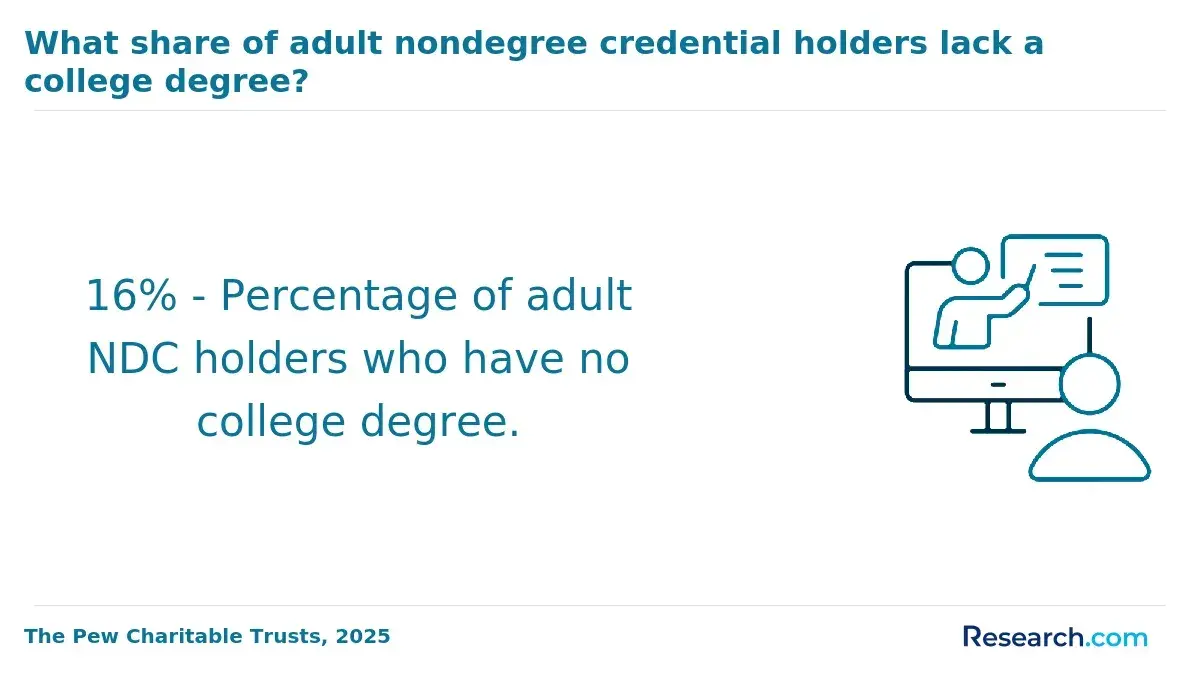
Selecting the right industry is a major factor in salary potential for people with a bachelor's degree in educational policy. Based on recent labor data, wages can differ widely by sector, with certain fields far surpassing the $60,000 median common in education. Here are several industries known to provide substantial earnings without requiring further graduate study.
- Government and Public Administration: This sector prizes expertise in educational policy to shape and enforce education programs and regulations. Salaries here tend to be stable and competitive, with median earnings often between $60,000 and $80,000 annually, reflecting the importance of education in public services.
- Consulting Services: Firms offering education policy advice to schools, nonprofits, and government entities provide lucrative opportunities. Demand for strategic insights raises compensation, frequently starting near $65,000 and increasing with accumulated experience.
- Educational Technology (EdTech): EdTech companies merge educational knowledge with innovation, supporting curriculum design and policy compliance. The industry's tech-driven environment typically rewards mid-career professionals with salaries above $70,000.
- Corporate Training and Development: Businesses investing in employee education and compliance look for skilled policy professionals for program creation and management. Growth in this field supports salaries generally ranging from $60,000 to $85,000.
A graduate with a bachelor's degree in educational policy shared that entering the workforce without a graduate degree was initially intimidating because of uncertainty about salary expectations and career growth.
However, he noted that focusing on industries like consulting and EdTech helped him apply his skills in varied settings. 'Navigating job offers was challenging,' he recalled, 'but targeting sectors known for valuing my expertise without additional degrees made a big difference.' This approach allowed him to gain experience quickly and steadily increase his income while avoiding the pressures of further academic commitments.
Picking entry-level jobs with strong advancement prospects is vital for building a lasting career in educational policy. The U.S. Bureau of Labor Statistics projects roughly 5% growth in related roles over the next decade, pointing to steady opportunities for those entering the field.
Here are several entry points that support skill-building and upward mobility.
- Education Program Coordinator: This role entails managing and supporting educational initiatives, providing hands-on experience with policy implementation and collaboration among stakeholders. It often serves as a foundation for moving into senior administrative or program management positions.
- Policy Analyst Assistant: Assisting senior analysts, these professionals build expertise in data collection, policy impact assessment, and report drafting. The skills gained here create a pathway to advanced roles as policy analysts or consultants.
- Community Outreach Specialist: Engaging with schools, families, and policymakers, this position sharpens communication and leadership abilities essential for advocacy or advisory roles within educational policy.
- Research Assistant: Often based in educational institutions or think tanks, this role offers early exposure to policy evaluation and research projects, paving the way to careers as senior researchers or policy developers.
Those considering a bachelor's degree should weigh the long-term benefits of roles aligned with the most lucrative college majors, since these can influence career growth and return on investment without necessarily requiring graduate education.
Building targeted skills can greatly increase earning potential for people who hold an educational policy degree, even without further graduate education. Studies show that employers increasingly prize skills over formal credentials, with skilled employees earning up to 20% more.
Here are essential skills that improve salary prospects in educational policy careers.
- Data Analysis: Proficiency in data analysis enables professionals to interpret educational metrics, assess program success, and guide policy decisions. This skill raises an individual's value by supporting evidence-based recommendations that drive meaningful improvements.
- Communication and Advocacy: Effective communication skills are essential for explaining complex policies clearly to diverse stakeholders, boosting influence and opening doors to leadership roles. Professionals who excel here often find greater career advancement opportunities.
- Project Management: Skilled coordination and management of policy initiatives ensure timely and efficient implementation. Showing organizational expertise signals reliability and can justify higher compensation.
- Critical Thinking and Research: The ability to critically evaluate literature and propose innovative solutions lets policy experts address educational challenges creatively, a quality highly sought after by employers.
- Technical Literacy: Familiarity with educational software and digital tools is increasingly important for updating education systems, positioning candidates competitively in the job market.
When discussing which skills affect salary, a professional with an educational policy degree shared her experience navigating early career challenges without graduate education. She recalled feeling uncertain about how to stand out but found that sharpening communication and project management skills quickly set her apart.
"I wasn't just focusing on what I knew academically but how I could translate that knowledge into clear action plans and persuasive presentations," she reflected. Her ability to manage complex projects and connect effectively with stakeholders led to recognition and salary growth, highlighting how practical skills often outweigh additional degrees in this field.
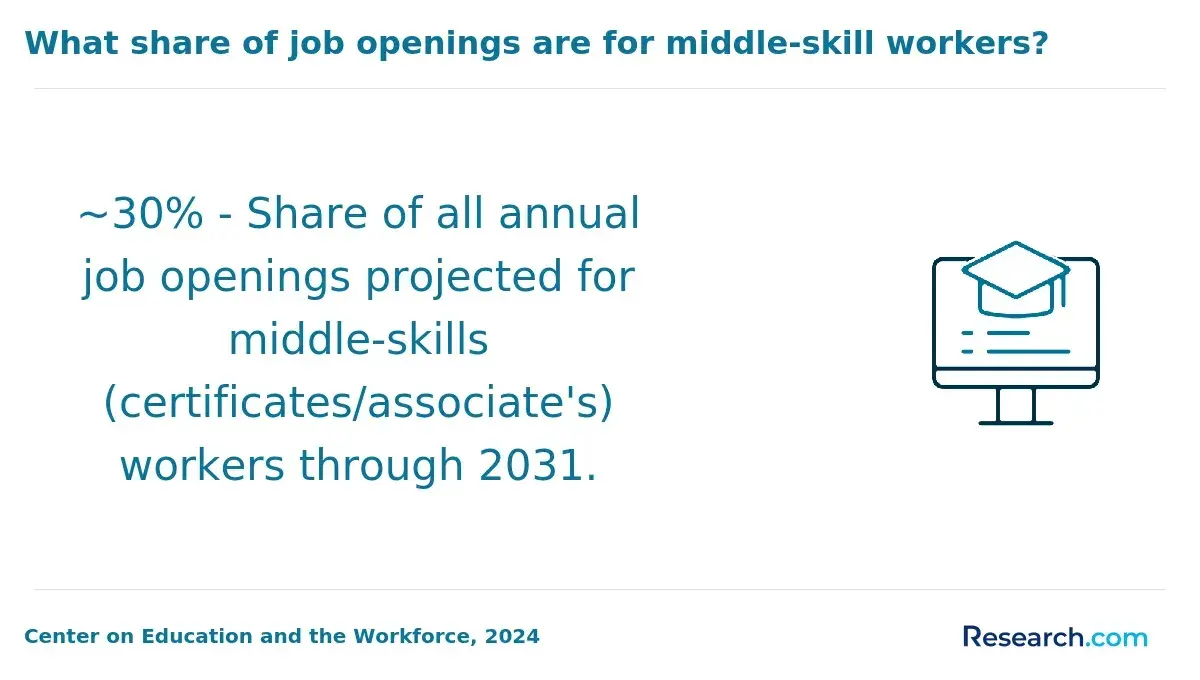
Certifications provide a practical substitute for master's degrees for professionals seeking to boost credibility and advance their careers efficiently. Studies indicate that earning relevant certifications can result in as much as a 15% increase in salary and improve hiring chances by showcasing specialized skills.
Here are several prominent certifications that can strengthen career paths in educational policy without graduate education.
- Certified Educational Planner (CEP): Centered on expertise in educational program design and policy implementation, this certification is respected by organizations involved in curriculum development and education reform, marking candidates as knowledgeable leaders in the field.
- Project Management Professional (PMP): With close ties to managing complex projects, the PMP certification shows an ability to oversee education policy initiatives effectively, which is highly valued in roles requiring coordination and strategic execution.
- Data Analyst Certification: Certifications such as the Microsoft Certified: Data Analyst Associate certify proficiency in interpreting educational data and metrics, essential for policy-making driven by evidence-based research and analysis.
- Certified Public Manager (CPM): Designed for those in government or nonprofit education sectors, this credential reinforces leadership and administrative skills critical for efficient management and policy administration.
- Nonprofit Management Certification: This credential stresses governance, program evaluation, and fundraising expertise, valuable for professionals working at the intersection of educational policy and nonprofit organizations, expanding career flexibility.
Employers in educational policy careers frequently prioritize demonstrated skills, on-the-job learning, and proven performance over formal credentials, making professional experience a key factor in career advancement.
In many roles centered on practical policy implementation and administration, experience replaces graduate degrees by showcasing a candidate's ability to handle real-world challenges effectively.
This hands-on expertise allows individuals to develop problem-solving skills and deepen their understanding of education systems beyond what classroom study alone offers. As a result, many professionals advance by highlighting their accomplishments, networking, and earning trust within the education sector.
However, depending exclusively on experience has limitations; entry into senior or specialized positions often requires advanced degrees that validate expertise in research methods, policy analysis, and leadership.
Certain employers and government agencies keep strict educational requirements that cannot be bypassed, which may slow progression or limit growth for those without graduate credentials. Experience proves most valuable in roles emphasizing practical policy execution, nonprofit advocacy, mentorship, and consistent, measurable impact.
For students seeking educational policy career paths with strong return on investment without further schooling, it is essential to weigh how each role values experience relative to formal education.
Many professionals in educational policy carefully weigh the trade-offs of not pursuing graduate studies as they plan their careers. Based on U.S. Bureau of Labor Statistics data, those with graduate degrees often earn about 20% more than individuals holding only a bachelor's degree in policy-related fields.
This earnings gap reflects broader career implications connected to education levels and highlights important considerations for those weighing their options.
Here are some key challenges associated with stopping at a bachelor's degree in educational policy.
- Limited Advancement: Without a graduate degree, individuals may see slower career progression in certain professional tracks. Many senior or specialized roles, especially leadership or policy analyst positions, often require advanced degrees, making upward mobility harder for those without them.
- Access to Specialized Roles: Graduate education provides focused training in policy analysis, research methods, and data-driven decisions, which are vital for complex responsibilities. This gap in specialized knowledge can restrict opportunities for bachelor's degree holders when competing for roles demanding technical expertise.
- Competitive Hiring Challenges: The hiring environment in educational policy tends to favor candidates with graduate credentials. Bachelor's degree holders face tougher competition given the volume of graduate-trained applicants, which affects their ability to stand out and secure roles.
- Salary Impact: The impact of no graduate education on salary growth is significant, limiting earning potential over the long term. Graduate degree holders often benefit from higher starting salaries and greater pay increases tied to advanced qualifications.
- Smaller Professional Networks: Graduate studies offer access to mentorship and collaborative networks that can be essential for career development. Bachelor's degree holders may miss these connections, which can reduce opportunities for growth and insider knowledge.
For those considering alternatives, exploring easy associate degrees that pay well might offer additional pathways in related areas without the need for graduate education.
Return on investment (ROI) in education measures the balance between time, costs, and career benefits tied to earning a degree. For those pursuing an educational policy degree, median early career earnings are about $45,000, with substantial growth potential through strategic advancement.
Maximizing ROI calls for targeting opportunities that boost earning power while avoiding unnecessary expenses or time commitments, especially important for educational policy degree career advancement without graduate school.
- Targeted Internships: Pursue internships with government agencies, think tanks, or nonprofits shaping education policy. These roles offer hands-on experience and expand your professional network, improving access to higher-paying positions early in your career.
- Specialize Strategically: Concentrate on emerging policy areas like education technology, equity, or school finance. Building expertise in these growing fields increases your market value and opens doors to roles offering greater salary and leadership chances.
- Data and Analytical Skills: Mastering data interpretation and quantitative skills distinguishes you from peers. Employers in research, consultancy, and policy analysis highly value candidates who can use data to guide decisions, enhancing both job prospects and career growth.
- Network Building: Create connections through alumni groups, policy forums, and conferences. A well-curated network often uncovers hidden job opportunities and mentorship essential for long-term career advancement.
- Early Leadership Roles: Volunteer for leadership in community programs or policy initiatives. Showing management skills can accelerate promotions and salary increases, maximizing return without additional graduate education.
For those exploring flexible academic options aligned with these goals, programs like the MFT program illustrate the growing availability of specialized, efficient pathways to relevant credentials. Applying these strategies can significantly improve returns from an educational policy bachelor's degree.
Deciding to attend graduate school for educational policy careers depends on career ambitions, industry norms, and evaluating the return on investment for educational policy graduate degrees.
Data from the U.S. Bureau of Labor Statistics indicates that professionals with master's degrees in education-related fields earn about 20% more on average than those with just a bachelor's degree. While advanced degrees can boost earning potential and open doors, their value differs by career path. Next, we look at particular conditions where investing in graduate education produces measurable benefits.
Graduate school tends to be worthwhile when targeting roles that require specialized expertise, such as regulated professions or leadership positions within districts or government agencies. It also offers strategic value for careers centered on research or policy analysis, where higher credentials serve as essential gateways.
However, some educational policy career advancement without graduate school is possible in fast-paced, advocacy, or support roles where experience and skills often outweigh formal education. For those considering an alternative route, pursuing an art therapy degree provides a different specialized path with distinct requirements and outcomes.
What Graduates Say About Educational Policy Degree Careers That Offer the Best Return Without Graduate School
- Grant: "Choosing not to pursue a graduate degree in educational policy was a key decision for me. Instead, I concentrated on gaining hands-on experience and networking within the education sector, which turned out to be invaluable. This approach helped me land a fulfilling role early in my career and showed that success in this field doesn't always require advanced degrees."
- Harlan: "After completing my educational policy degree, I deliberately sought out certifications and practical workshops that strengthened my skillset without enrolling in graduate school. I believe taking proactive steps like these maximized the value of my degree and opened doors to leadership positions. The direct impact of my educational policy background shows every day in the improvements I help implement within local school systems."
- Archer: "Reflecting on my journey, the educational policy degree has been essential to my career trajectory, even without further graduate education. The knowledge I gained enabled me to advocate effectively for policy changes and to analyze data with confidence. For professionals like me, success in educational policy comes from leveraging the degree's practical applications rather than continuing in academia."
Other Things You Should Know About Educational Policy Degrees
The U.S. Department of Education, the Government Accountability Office, and the Congressional Research Service recruit bachelor's-level policy staff for entry roles including program analyst, research assistant, and management analyst. Most postings call for a 4-year degree, strong writing skills, and experience with Excel or policy research databases.
Yes, internships and volunteer work offer practical experience that can greatly improve employability in educational policy fields. These opportunities let candidates apply theoretical knowledge, build relevant skills, and show commitment to the field. Such experiences often result in job offers or valuable references that boost career prospects.
Without graduate school, advancement frequently relies on gaining relevant job experience and showing expertise in specific educational policy issues. Professionals can move into supervisory or specialized roles, including policy analysts or program managers. Some may also shift into consulting or advocacy positions by using their practical knowledge and network.
- A Graduate Degree in Public Policy Is Not Worth Your Time or Money https://www.mic.com/articles/4870/a-graduate-degree-in-public-policy-is-not-worth-your-time-or-money
- Jobs in Education Policy: Career and Salary Information | Resilient Educator https://resilienteducator.com/teaching-careers/education-policy-analyst/
- Master's Degree vs. Experience: What's More Valuable for Your Career? https://www.investopedia.com/articles/personal-finance/041415/masters-degree-vs-work-experience-which-one-more-valuable.asp
- Five alternatives to a master's degree | edX https://www.edx.org/resources/alternatives-to-a-masters-degree
- These master's degrees lead to fast-growing, in-demand jobs—but offer low ROI https://www.cnbc.com/2026/04/03/masters-degrees-low-roi.html
- The Challenge of Measuring ROI and What Higher Education Can Do About It. https://www.careerleadershipcollective.com/post/the-challenge-of-measuring-roi-and-what-higher-education-can-do-about-it
- Consequences Of Not Pursuing Graduate School - Graduate School - College Confidential Forums https://talk.collegeconfidential.com/t/consequences-of-not-pursuing-graduate-school/746888
- 4 Ways to Maximize the ROI on Your College Degree https://www.educationandcareernews.com/college-affordability/4-ways-to-maximize-the-roi-on-your-college-degree/
- Education vs Experience: Why Professional Experience Is Harder to Measure https://www.scholaro.com/db/News/education-vs-experience-339