2027 Which Educational Policy Degree Careers Have the Highest Barriers to Entry?
Audited and Verified:
Our Editorial and Data Verification Process
Research.com uses government datasets, official education statistics and primary institutional information to support its career and degree guides. Our review process checks factual accuracy, occupational definitions, source dates and the requirements associated with the credentials discussed.
How This Article Was Fact-Checked
Our editorial team verifies salary estimates, employment projections, education requirements and program information against original data providers and official organizations. Salary figures are checked against the relevant occupational definitions and reporting periods. Information about licensure, accreditation and required in-person training is reviewed separately.
Fact-checked and verified on:

Co-Founder and Chief Data Scientist
Many recent graduates seeking careers in educational policy encounter intimidating credential and experience requirements. For instance, positions like senior policy analyst commonly demand at least a master's degree along with five years of specialized experience, which just 30% of applicants have. At the same time, certifications and security clearances narrow the candidate pool even more. This growing strictness generates substantial entry barriers for newcomers to the field, restricting access to high-impact roles. Knowing which educational policy degree careers present the greatest obstacles, and the particular qualifications that elevate these thresholds, can help aspiring experts plan their careers strategically.
Key Things to Know About Educational Policy Careers With the Highest Barriers to Entry
- Extensive education, often including doctoral degrees, is required for top roles, with 75% of senior educational policy positions demanding a PhD or equivalent.
- Highly competitive hiring practices emphasize research publications and leadership experience, narrowing candidate pools significantly.
- Strict credentialing involves both advanced degrees and years of relevant policy or administrative experience, limiting entry to those with significant background.
Which Educational Policy Careers Are Hardest to Get Into?
Some educational policy careers are notable for their steep entry barriers, often because of fierce competition and few available openings. Certain roles see applicant-to-position ratios above 50:1, underscoring how selective they are. These obstacles explain why such careers remain consistently among the top educational policy jobs with the toughest entry requirements.
Several careers are widely regarded as hard to enter because of these factors.
- Federal Educational Policy Advisor: These roles draw a large applicant pool yet provide very few openings. The strong prestige tied to these advisory positions makes the selection process highly competitive and selective.
- National Think Tank Policy Analyst: Leading education think tanks keep demanding recruitment standards, accepting only a small number of qualified analysts at once. The mix of few vacancies and strong applicant interest substantially raises entry barriers.
- State Educational Policy Director: With just a handful of roles open, these state-level director positions attract fierce competition. Their influence over public education increases demand, making it quite difficult to secure such posts.
- Government Legislative Liaison: Legislative liaisons in government agencies encounter selective hiring because of specialized duties. Steady interest from educational policy graduates further heightens this competitiveness.
- Nonprofit Education Reform Leader: Leadership positions in the nonprofit sector tied to education reform are scarce and heavily contested. Even with the nonprofit sector's breadth, these specific leadership roles remain hard to attain.
Prospective students considering career options could also explore intersecting fields, and those who want to deepen their expertise through technology might examine degrees in AI online as a complement to educational policy studies.
What Academic Requirements Make Educational Policy Careers Harder to Enter?
Academic requirements frequently create major barriers to entering educational policy careers, particularly when roles call for lengthy study or specific expertise. Many senior positions expect candidates to have advanced degrees, which can postpone workforce entry and raise costs. For instance, roughly 60% of leadership roles in educational policy require a master's degree or higher, highlighting the profession's dependence on extensive academic preparation.
Key academic challenges that make access to educational policy careers harder include:
- Advanced Degrees: Many educational policy roles require a master's or doctoral degree. Such programs typically involve several years of full-time study, which can substantially extend financial and time commitments.
- Specialized Coursework: Applicants often need to master complex subjects like public administration, economics of education, and policy analysis. These specialized areas require solid foundational knowledge and can pose a major hurdle for students without prior experience.
- Research Proficiency: Substantial training in research methods and data analysis is often required. Many programs expect students to finish rigorous thesis projects or substantial research, which adds to the academic burden.
- Interdisciplinary Knowledge: Achieving success in this field requires knowledge of diverse areas such as law, sociology, and political science. This breadth of study often extends academic programs and makes curriculum planning more complicated.
- Extended Study Timelines: Beyond degree length, certain academic paths involve extra preparatory courses or part-time schedules that can lengthen time to credential completion and postpone career entry.
These academic demands determine who can realistically pursue educational policy careers by raising both the cost and time required to qualify for these roles.
What Certifications Are Required for Educational Policy Careers?
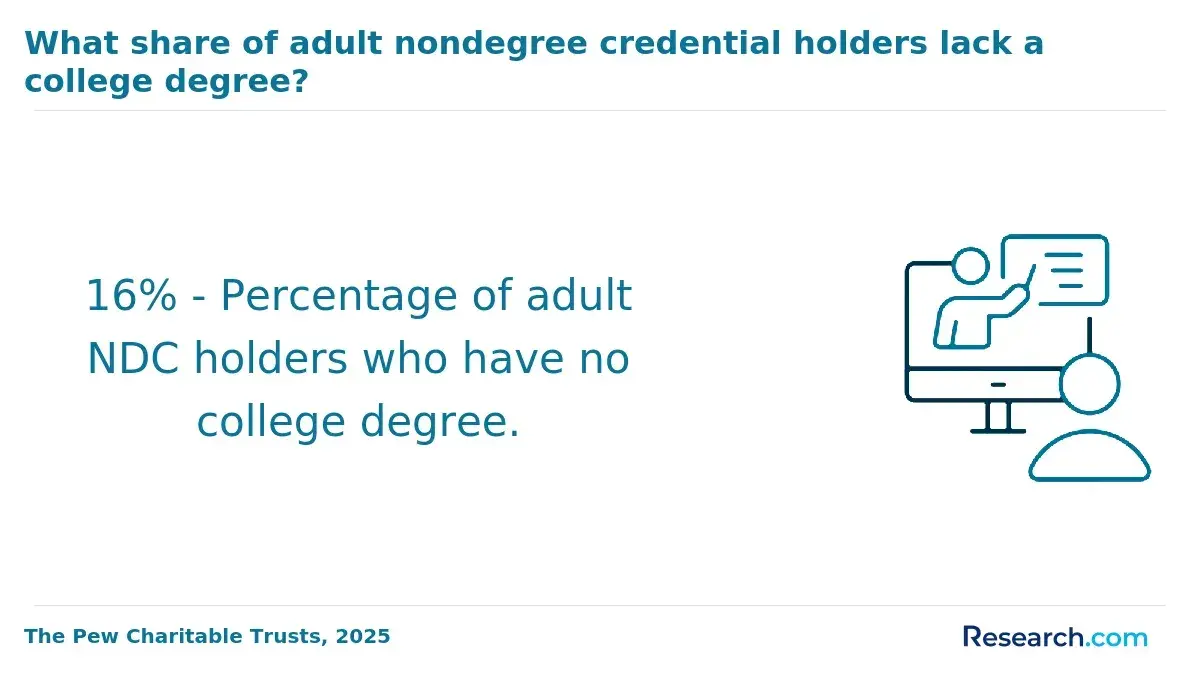
In some educational policy careers, certifications often serve as essential prerequisites, acting as required credentials that confirm expertise and authorize professional practice. These credentials help ensure that individuals meet established standards before they influence educational systems or policies. Notably, about 68% of hiring managers in educational policy roles view certification or licensing as a fundamental hiring criterion.
Several certifications commonly create formal entry barriers in the field, such as:
- Certified Educational Planner (CEP): This credential is granted to professionals who specialize in designing and advising educational programs. To earn it, candidates must pass a comprehensive exam that tests knowledge in education planning and policy analysis, reinforcing professional competency.
- Certified Policy Analyst (CPA): Centered on policy evaluation and research methods, this credential certifies a person's ability to assess educational impact effectively. It is often required for positions in government agencies or nonprofit organizations.
- Teaching Licenses: Teaching licenses issued nationally or by states, though mainly for classroom instruction, are often mandatory for some policy roles that require direct instructional experience or insight into teaching environments.
- Project Management Professional (PMP): Though not exclusive to educational policy, this certification is valuable for managing complex policy initiatives and overseeing federally funded projects, signaling a high level of organizational and leadership skill.
A graduate with an educational policy degree whom I spoke with shared that earning these certifications felt like navigating a demanding gatekeeping system. They explained, "The certification exams assessed not only knowledge but practical understanding in ways I had not fully anticipated. At times it was overwhelming, especially balancing study with work." This process, they noted, strengthened their sense of professionalism while also showing how these credentials act as major hurdles for newcomers seeking to establish themselves in the field.
Experience requirements greatly influence competitiveness in educational policy careers throughout the United States. Employers use experience thresholds to narrow applicant pools and ensure candidates have the practical background needed for different levels of responsibility. These benchmarks establish clear distinctions between career stages, affecting job accessibility.
Common experience levels in competitive educational policy roles include:
- Entry Level: Usually intended for people with little or no prior work experience, these positions often target recent graduates or newcomers. The emphasis is on foundational learning and skill development in the field.
- Early Career: Roles at this stage typically require around one to three years of relevant experience. Candidates are expected to manage routine tasks independently, such as data analysis, policy research, or program support.
- Mid Level: Typically requiring three to seven years of professional experience, these roles involve managing projects and providing substantive policy insights. Greater specialization and demonstrated results become more important.
- Senior Level: Candidates often need seven to ten or more years of experience, with duties that include strategic planning, leadership, and shaping policy direction. Advanced expertise is essential.
Many aspiring professionals also turn to resources such as online psychology master's programs to learn about educational pathways that complement these experience requirements.
Educational policy careers with high barriers require a mix of advanced and specialized abilities, making these positions unusually selective. A 2023 survey shows that more than 70% of employers in this field demand clear evidence of expertise in critical competencies before they consider applicants.
Key skills that drive these rigorous entry standards include:
- Analytical Thinking: Interpreting complex data and policy texts with mastery is vital. This skill lets professionals critically assess systems and recommend meaningful reforms, adding to the intellectual demands of the role.
- Policy Evaluation: The ability to examine current policies and predict the effects of proposed changes ensures decisions are evidence-driven. This expertise requires deep conceptual insight, making it a difficult skill to acquire.
- Research Mastery: Carrying out detailed qualitative and quantitative research underpins sound policy advice. Precision in methodology establishes a high competence threshold for newcomers.
- Communication Skills: Conveying intricate policy issues effectively to diverse audiences, including lawmakers, requires clarity and persuasion. The ability to simplify complex information heightens selectivity.
- Strategic Foresight: Anticipating long-term outcomes and navigating political landscapes demand advanced planning abilities. This foresight is hard to develop but essential for success in the field.
A professional with a degree in Educational Policy shared how the combination of these skills felt overwhelming at first. She remarked, "It was not just knowing the content; it was about weaving data, policy impacts, and communication into a coherent narrative." She described times when synthesizing complex research into clear presentations challenged her deeply, yet those experiences ultimately strengthened her confidence. Looking back, she emphasized how the interplay of these demanding skills prepared her to handle the multifaceted nature of high-level policy work with more resilience and insight than she had expected.
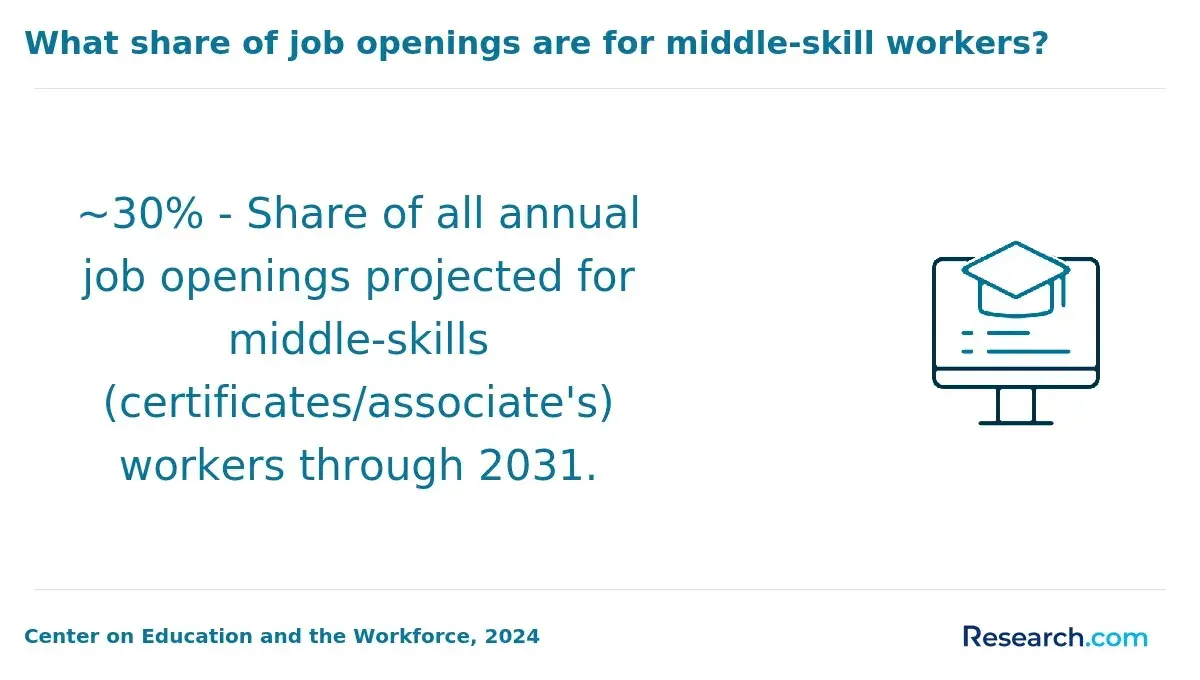
Barriers to entering educational policy careers vary widely by industry. Some sectors impose stricter entry requirements because of complex environments, regulatory constraints, or the need for broad stakeholder coordination. These factors shape how difficult it can be to start a career in different parts of the field.
The following industries are known for having some of the highest entry obstacles:
- Government and Public Administration: This area often involves working within elaborate bureaucratic systems and complying with strict legislative and accountability standards. The need to align policies with public mandates and extensive regulations increases entry difficulty.
- International Organizations and NGOs: Working in educational policy at a global or nonprofit level requires familiarity with international regulations and the ability to navigate diverse cultural and political landscapes. This international scope and focus on diplomacy raise entry barriers.
- Higher Education Administration: Careers in this area involve managing institutional governance and accreditation, where policies affect complex organizations with many stakeholders. These governance challenges raise the threshold for entry.
- Educational Research Institutions: These institutions focus on producing credible, evidence-based policy recommendations and enforce strict standards for research quality and relevance. Such rigorous methodological demands contribute to higher entry requirements.
- Private Sector and Consulting Firms: These firms operate in competitive markets and require balancing varied client needs with specialized strategic insights. This competitive environment and demand for expertise lead to tougher entry conditions.
Each of these sectors requires a deep understanding of distinct structural challenges, making them more restrictive and complex than other educational policy career paths.
Geographic location plays a key role in shaping entry barriers for educational policy careers. Different states and regions enforce distinct regulatory and workforce standards that affect how accessible these roles are. These differences can influence both the initial qualifications required and the professional expectations candidates face.
Research indicates that about 35% of states impose additional specialized certifications or clearances for educational administrators, highlighting considerable regional variation in entry requirements.
Regional factors that contribute to stricter entry standards in educational policy careers include:
- Licensing Variability: States often maintain unique licensing and credentialing mandates that raise the threshold for employment in educational policy positions, making it harder for candidates to qualify when relocating across regions.
- Regulatory Differences: State education agencies keep various regulations that affect hiring processes and professional qualifications, resulting in inconsistent standards nationwide.
- Urban vs. Rural Demand: Urban areas usually have more competitive job markets and higher entry requirements because of institutional expectations, while rural regions may adjust standards to balance accessibility with local workforce needs.
- Funding and Governance: Regional funding levels and governance structures in education institutions shape regulatory rigor, affecting how demanding entry criteria are for policy professionals.
- Policy Priorities: State-level emphasis on education policies can create differing procedural hurdles related to compliance and ongoing professional development within the field.
These geographic and regulatory disparities require educational policy professionals to navigate complex, location-dependent requirements that shape career accessibility and advancement.
Competition in the hiring process for educational policy careers is driven by a large applicant volume, limited role availability, and strict employer selectivity. Usually, the number of candidates far exceeds open positions, with some educational policy roles drawing upwards of 30 applications per vacancy, reflecting intense demand for these jobs. Employers carefully assess applicants to ensure the best fit with organizational goals and complex policy challenges. This situation creates a highly competitive environment for prospective professionals pursuing careers in this field, highlighting the hiring challenges and employer expectations that candidates face.
This heightened competition leads to varying selection intensity depending on the position. Prestigious research institutions and influential government agencies often show very low acceptance rates, underscoring the selective nature of these roles. Less competitive positions still demand strong qualifications because of the specialized demands of educational policy work. For students considering pathways with significant entry barriers, understanding this variability in competition can help clarify the hiring landscape and emphasize why pursuing a cyber security online degree cost or other rigorous qualifications may matter in similarly competitive fields.
Some organizations in educational policy fields are known for their high selectivity, choosing from a large pool of qualified applicants despite limited job openings. These employers often maintain the most rigorous hiring standards, reflecting strong employer reputations and the competitive nature of the sector. Research shows that some positions in top educational policy organizations receive over 500 applications, with acceptance rates sometimes below 5%.
The following categories represent the most difficult employers to enter:
- Large Governmental Agencies: These agencies influence education policies at national or regional levels, creating fierce competition as many applicants compete for relatively few roles under strict hiring protocols.
- Elite Think Tanks: Known for driving educational reforms, these organizations require candidates to show exceptional expertise and accomplishments, maintaining highly selective recruitment practices.
- Major Philanthropic Foundations: Foundations with significant influence on education funding seek professionals with distinctive policy insights and strategic capabilities, contributing to their demanding selection processes.
- International Organizations: With broad global mandates, these groups attract applicants worldwide and set some of the highest standards because of the critical importance of their work.
Prospective students interested in educational policy careers with high entry barriers may consider supplementing their academic pursuits with short certificate programs that pay well to enhance their competitiveness.
Understanding employer competitiveness in these top educational policy organizations can better prepare aspirants for the demanding application processes ahead.
Educational policy careers with higher entry barriers often correlate with increased salaries, reflecting the greater responsibilities these positions carry. For example, senior education administrators earn median wages about 40% higher than entry-level policy assistants, illustrating a broad trend in which more demanding roles provide greater financial rewards. This pattern suggests that in many cases, difficulty of entry aligns with higher compensation, particularly in advanced positions. Exploring such roles helps clarify whether difficult educational policy careers lead to higher salaries and greater financial rewards.
However, this correlation is not consistent across all educational policy paths. Some specialized roles that require niche expertise or stringent certifications may offer salaries closer to mid-range levels, influenced by budget constraints or government pay scales. Conversely, less rigorous positions might still permit significant salary growth through experience or leadership opportunities. For those seeking to enhance their qualifications quickly, 6 week courses with certificates can provide a fast route into certain educational policy roles, demonstrating that the correlation between challenging educational policy professions and salary growth opportunities can vary widely.
What Graduates Say About Educational Policy Careers With the Highest Barriers to Entry
- Grant: "Earning a degree in educational policy was an intentional decision, even with the fierce competition and intricate credential demands in this area. I concentrated on building hands-on experience via internships and networking, which turned out to be extremely valuable for distinguishing myself. Nowadays, my degree has a direct bearing on my capacity to push for fair reform in education systems, and that feels genuinely fulfilling."
- Harlan: "Breaking into a career with high barriers while holding an educational policy background meant I had to be deliberate regarding skill development and further study. Looking back on my path, dedicating myself to ongoing learning and building a solid grasp of policy analytics proved to be turning points. This degree unlocked opportunities in policymaking positions I had previously considered out of reach, deeply influencing my career path."
- Archer: "Selecting educational policy felt intimidating given the demanding qualifications and crowded job market, yet a wish to make a meaningful contribution to education reform motivated me. Completing additional certifications and joining policy forums boosted my odds in this challenging field. The influence of my education policy degree has shown clearly in my capacity to design solutions that affect educational equity at a wider level."
Other Things You Should Know About Educational Policy Degrees
The majority of federal education policy analyst positions call for no less than a bachelor's degree, while many favor a master's in public policy, education policy, economics, or public administration. Applicants who stand out also bring 3 to 5 years of experience in research, legislative work, or agency settings, along with solid writing and data-analysis abilities.
Internships and hands-on experience are essential for gaining insight into complex educational policy environments, particularly in careers with rigorous entry requirements. They offer practical understanding of policymaking, stakeholder engagement, and data analysis, which academic programs often do not fully cover. These experiences can also build valuable professional networks that support career advancement.
Yes, professionals in high-barrier educational policy careers often encounter ethical dilemmas involving equity, confidentiality, and resource allocation. They must balance the competing interests of diverse groups while ensuring fair policies and maintaining transparency. Strong ethical standards are vital for sustaining public trust and upholding the integrity of education systems.
- Why Millions Are Locked Out of Quality Education. https://isbss-edu.org/fr/the-state-of-the-crisis-why-millions-are-locked-out-of-quality-education/
- K-12 Work-Based Learning Opportunities: A 50-State Scan of 2023 Legislative Action - Center for American Progress https://www.americanprogress.org/article/k-12-work-based-learning-opportunities-a-50-state-scan-of-2023-legislative-action/
- Shifting Skills: Labor Shortages Drive State Changes to Education, Employment Requirements - The Council of State Governments https://www.csg.org/2023/07/07/shifting-skills-labor-shortages-drive-state-changes-to-education-employment-requirements/
- Addressing the Teacher Shortage: What States Can Do https://learningpolicyinstitute.org/product/teacher-shortage-what-states-can-do-factsheet
- States are leading the effort to remove degree requirements from government jobs | Brookings https://www.brookings.edu/articles/states-are-leading-the-effort-to-remove-degree-requirements-from-government-jobs/
- Education Policy & Planning: Professional Certificate https://www.lsib.lk/Home/CourseDetail
- A Career in Policy: 4 Transferable Skills Gained While Leading a Classroom | Teach For America https://www.teachforamerica.org/stories/a-career-in-policy-4-transferable-skills-gained-while-leading-a-classroom
- With Fewer Degree Requirements, the Federal Government Can Break the "Paper Ceiling" | American Enterprise Institute - AEI https://www.aei.org/op-eds/with-fewer-degree-requirements-the-federal-government-can-break-the-paper-ceiling/
- Jobs in Education Policy: Career and Salary Information | Resilient Educator https://resilienteducator.com/teaching-careers/education-policy-analyst/
- Policy Analyst(s), Education Policy Analysis and Research https://oecd.impactpool.org/vacancies/1163266