2027 Educational Policy Degree Careers That Do Not Require Graduate School
Audited and Verified:
Our Editorial and Data Verification Process
Research.com uses government datasets, official education statistics and primary institutional information to support its career and degree guides. Our review process checks factual accuracy, occupational definitions, source dates and the requirements associated with the credentials discussed.
How This Article Was Fact-Checked
Our editorial team verifies salary estimates, employment projections, education requirements and program information against original data providers and official organizations. Salary figures are checked against the relevant occupational definitions and reporting periods. Information about licensure, accreditation and required in-person training is reviewed separately.
Fact-checked and verified on:

Co-Founder and Chief Data Scientist
A recent graduate holding a degree in educational policy frequently encounters a distinct split in career choices: certain roles accept new graduates right away, whereas others demand graduate school or specialized credentials. Based on the National Center for Education Statistics, almost 40% of education-related occupations prefer or require advanced degrees. Entry-level roles such as policy analyst assistants or education program coordinators usually do not require graduate studies but value strong practical skills. This article examines careers open without additional schooling and points out pathways that provide durable employment prospects.
Key Things to Know About the Educational Policy Careers That Do Not Require Graduate School
What Career Paths Can You Pursue with a Educational Policy Degree Without Graduate School?
Almost 40% of educational policy bachelor's degree recipients enter the workforce directly, underscoring the degree's wide applicability across numerous entry-level roles. Opportunities differ based on the particular job and industry demand, yet many positions accept candidates without requiring graduate school.
Several accessible career paths are open to graduates seeking entry-level educational policy jobs with no graduate degree:
- Education Program Coordinator: This position entails assisting with program development and management inside nonprofits and school districts. A bachelor's degree provides graduates with solid organizational and communication skills that suit them for these roles.
- Policy Analyst Assistant: Helping with research and policy development tasks, these roles depend on data analysis and report writing abilities acquired during undergraduate studies. They are usually open to holders of bachelor's degrees.
- Community Outreach Specialist: Graduates may work in schools and education-centered nonprofits to cultivate community relations and boost program engagement. The interpersonal abilities developed in educational policy programs are vital assets in this area.
- Education Consultant (Entry Level): Certain consulting firms recruit bachelor's graduates to assist in assessing policy impacts and supporting strategic planning without demanding advanced degrees. Basic knowledge of policy makes these positions attainable.
- Administrative Support in Educational Institutions: Administrative roles in schools or education departments draw on sector knowledge and organizational abilities that bachelor's degree holders typically have.
People pursuing a career in educational policy without graduate school can locate practical pathways by aiming at roles that stress foundational skills and entry-level duties. For further guidance on affordable education opportunities beyond the bachelor's level, looking into the cheapest online MSW programs can provide useful options.
What Are the Highest-Paying Jobs for Educational Policy Degree Graduates Without a Graduate Degree?
A number of well-paid careers are open to educational policy graduates with a bachelor's degree, particularly in positions where employers prize specialized knowledge and wider workforce demand sustains competitive wages. The U.S. Bureau of Labor Statistics reported a median annual wage of roughly $53,000 in 2023 for education, training, and library occupations, with certain policy-related roles surpassing this amount because of their influence and needed expertise.
Many highly compensated roles do not demand advanced degrees but instead depend on abilities acquired during undergraduate studies and professional experience. The following are some notable examples:
- Education Consultant: These professionals counsel organizations and school districts on policy implementation and curriculum evaluation. Their strategic impact on educational outcomes frequently leads to higher pay.
- Program Coordinator: Overseeing educational projects within nonprofits or government agencies, program coordinators ensure compliance with funding requirements and efficient resource allocation, making their positions valuable and well-paid.
- Data Analyst: Experts in analyzing education-related data help guide policy decisions. Their capacity to interpret complex datasets and contribute to evidence-based outcomes fuels demand and competitive salaries.
- Corporate Trainer: Companies look for experts in educational theory and policy to design and lead employee training programs, roles that improve workforce productivity and command appealing compensation.
- Policy Analyst: Some entry-level roles in local or state education departments involve researching and drafting policy recommendations without requiring graduate degrees. These government positions often provide steady salary growth over time.
Each of these roles benefits from educational policy graduates' expertise, communication skills, and project management abilities, all of which add to their earning potential and career advancement opportunities.
What Skills Do You Gain from a Educational Policy Degree That Employers Value?
Educational policy degree programs cultivate adaptable skills that employers seek across numerous industries, especially in roles that do not require graduate education. A recent survey indicates that 91% of employers prioritize transferable skills like communication, analysis, and problem-solving when hiring candidates with bachelor's degrees.
These degrees build capabilities that can be applied widely in professional settings, including the following key areas:
- Critical Thinking and Analysis: Students learn to evaluate complex educational issues and policies with a careful, evidence-based approach. This prepares them to address workplace challenges thoughtfully and contribute meaningful solutions even early in their careers.
- Effective Communication: Assignments frequently involve writing reports, presenting findings, and collaborating on projects, strengthening both written and verbal communication. These abilities are essential for teamwork, client interactions, and community engagement.
- Research and Data Interpretation: Coursework emphasizes collecting and analyzing data to make informed decisions. This skill is extremely valuable in roles related to program evaluation or administrative support.
- Project Management: Managing deadlines, assignments, and group efforts helps students develop organization and planning abilities essential for coordinating tasks efficiently in professional environments.
- Ethical Reasoning and Social Awareness: Comprehending social equity and policy impacts prompts graduates to support inclusive, socially responsible workplaces, a quality many employers eagerly seek.
A graduate shared that early in their first job, the analytical and communication skills refined through their educational policy studies were vital for drafting clear reports and adapting to team workflows, which helped them rapidly earn trust despite initial challenges in balancing multiple tasks.
Around 65% of educational policy graduates obtain relevant employment within six months of completing their bachelor's degree, reflecting strong entry-level hiring trends. Many employers design positions specifically for recent graduates, enabling access to early-career roles without requiring prior work experience or graduate school.
Common entry-level job options for educational policy bachelor graduates include roles such as:
- Policy Assistant: These roles are often structured to help new graduates gain practical experience by supporting senior staff with research and report preparation, requiring minimal prior expertise.
- Research Coordinator: Entry-level research positions frequently prioritize organizational and communication abilities over specialized knowledge, making them suitable for candidates new to the workforce.
- Program Support Specialist: Graduates can help with program implementation and community outreach, offering hands-on involvement and skill development within educational environments.
- Data Analyst Assistant: Positions focusing on data gathering and preliminary analysis are accessible to early-career professionals building their technical skills in education policy contexts.
- Advocacy Associate: Early-career advocacy roles assist in coordinating events and managing communications, well suited to those eager to engage in public outreach and policy awareness efforts.
Graduates exploring educational policy careers without graduate school can find clearly defined entry-level hiring pathways that emphasize potential and foundational skills alongside academic achievement. To complement academic credentials, it can be helpful to review options related to online business degree programs for additional skills valuable in the workforce.
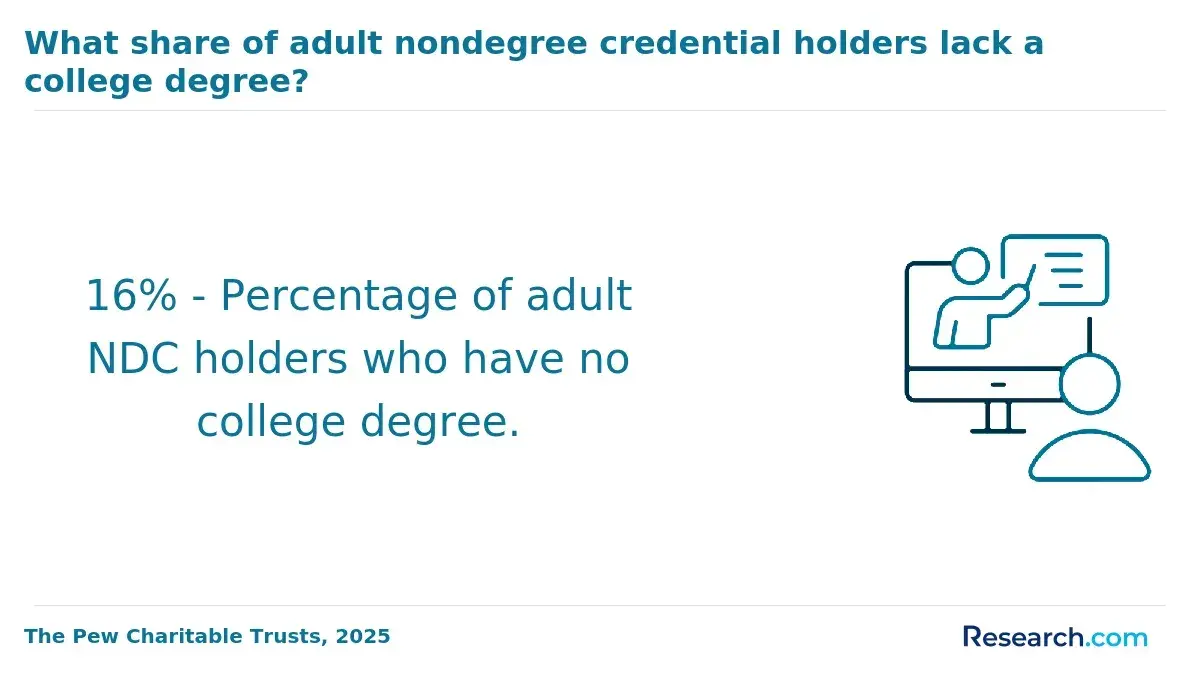
Certifications and short courses offer practical choices for educational policy graduates to improve their employability without enrolling in graduate programs. These credentials provide targeted training aligned with workplace skills, helping candidates meet employer demands. Notably, a 2023 study by the National Association of Colleges and Employers found that 62% of employers value professional certifications and short-term training highly in education-related hiring decisions.
The following are several valuable certifications and courses that support career advancement in educational policy:
- Project Management Professional (PMP): This certification hones leadership and organizational skills needed for managing complex projects in education settings, demonstrating capability in coordinating initiatives and overseeing policy implementation.
- Data Analysis and Visualization: Certifications such as those from Google or Tableau confirm the ability to interpret and communicate data effectively, a key skill for evaluating educational program outcomes and informing policy decisions.
- Grant Writing: Specialized courses teach methods for obtaining funding, a critical competency for professionals involved in nonprofit education and research-driven policy work.
- Policy Analysis Workshops: Short courses that focus on developing skills in crafting, assessing, and understanding education policies strengthen analytical competencies essential to the field.
- Nonprofit Management: Certifications in this area offer insights into governance and financial management relevant to organizations dedicated to education.
A professional with an educational policy degree shared how pursuing a project management certification greatly impacted their career trajectory. They described initial challenges adapting to the certification's rigorous standards but emphasized the practical project coordination skills acquired. This credential boosted their confidence when overseeing complex programs and opened doors to leadership opportunities without the need for further graduate study. The focused, skill-oriented nature of the certification was key in bridging the gap between academic knowledge and workplace demands.
Industries vary considerably in how accessible they are to educational policy graduates without advanced degrees. Some sectors, driven by continuing workforce demands and broad hiring needs, regularly recruit bachelor's degree holders to fill essential support and coordination roles. Data from the National Center for Education Statistics shows that over 45% of these graduates work in fields that value practical policy assistance without requiring graduate credentials.
The following industries commonly provide entry opportunities for graduates holding only a bachelor's degree:
- Government Agencies: Local, state, and federal offices often seek bachelor's-level graduates for policy support, community engagement, and program management because of their consistent need to staff education-related initiatives.
- Nonprofit Sector: Organizations focused on education advocacy and youth programs depend on bachelor's holders to handle grants, coordinate projects, and assist with outreach efforts, benefiting from their program-oriented demands and limited budgets.
- Educational Publishing: Companies creating educational content hire graduates to assist in research, content development, and market analysis, valuing adaptability over advanced policy expertise.
- Research Firms: Private evaluators and education research groups frequently employ bachelor's graduates as assistants and data coordinators, using team-based projects that accommodate early-career professionals.
- Corporate Training: Businesses providing workforce development services hire educational policy graduates to design programs and oversee partnerships, demonstrating the versatile application of educational principles in training contexts.
Flexible career structures like freelance, remote, and non-traditional work models considerably expand opportunities for educational policy graduates by reducing reliance on formal workplace pathways. These digital and independent work formats allow direct engagement in impactful roles without requiring graduate education or extensive prior experience. Recent data shows that approximately 58% of workers holding bachelor's degrees in education-related fields take part in remote or location-independent work, highlighting a growing trend toward flexible career entry.
Several key freelance and remote career pathways give educational policy graduates viable options to enter the field independently. These include:
- Distributed Research and Consulting Teams: Working on policy analysis and research projects for think tanks and educational organizations, these teams operate remotely, letting graduates contribute from any location and collaborate through digital platforms.
- Digital-First Content Development: Freelancing as writers or editors for policy briefs, grant proposals, and educational materials leverages strong communication skills, enabling work entirely online without on-site presence.
- Project-Based Independent Contracting: Short-term contracts with school districts, education agencies, or ed-tech companies emphasize results over long-term employment, offering flexible schedules and remote engagement via digital tools.
- Online Education and Advocacy Campaigns: Graduates can coordinate or strategize virtual advocacy efforts through social media and digital marketing, managing policy outreach programs from any location.
- Virtual Workshops and Training Facilitators: Facilitating webinars, designing curriculum, or coaching educators remotely removes geographic constraints and permits flexible involvement in educational policy training.
Graduates with a bachelor's degree in educational policy often start building their careers by entering the workforce directly, leveraging entry-level opportunities that value analytical skills and knowledge of education systems. Early career momentum is shaped by acquiring practical experience and exposure to workplace environments in schools, nonprofits, or government agencies. Around 65% of educational policy graduates find employment relevant to their field within a year without pursuing graduate school, demonstrating viable pathways into the labor market. For those weighing alternative online degrees, options such as a cyber security online degree cost could also be worth exploring for complementary skills.
Long-term career development for educational policy graduates without graduate school is driven by internal advancement, growing responsibilities, and evolving roles within organizations. Growth typically occurs through on-the-job learning, leadership development, and broader engagement rather than through formal academic advancement. This pathway varies across administrative, advocacy, or programmatic positions, allowing graduates to build satisfying careers tailored to their interests and strengths. Those who focus on sustained professional development can shape policy and program outcomes while advancing steadily without additional degrees.
Skipping graduate school is a common route for many entering educational policy careers and can permit earlier access to the workforce. Although this choice may improve short-term employment opportunities, it may also affect long-term advancement depending on the sector and career goals. Research shows that over 60% of policy analyst roles in government and nonprofits require a graduate degree, highlighting a possible barrier.
The following points describe key advantages and disadvantages of seeking entry-level educational policy jobs without graduate degrees:
- Early Workforce Entry: Graduates with a bachelor's degree can begin gaining practical experience sooner, which can be valuable in smaller organizations or less formalized settings where hands-on skills are highly regarded.
- Opportunity Costs: Skipping graduate school lowers tuition costs and lost income during study, which can ease financial burdens and allow investment in strategic experience or alternative certifications, such as accelerated MFT programs.
- Long-Term Progression Limits: Many large institutional employers and selective organizations require graduate education for promotion, making it more difficult to access advanced roles without a master's degree.
- Flexibility in Career Exploration: Without committing to graduate school, individuals have greater freedom to explore diverse roles and sectors within educational policy before deciding on specialization.
A bachelor's degree combined with strategic experience may suffice for immediate entry-level educational policy jobs without graduate degrees, but the master's degree often remains critical for overcoming institutional barriers and accessing leadership positions.
Graduates with a bachelor's degree in educational policy often find varied opportunities in the job market, though outcomes differ. Employment trends for bachelor's-level educational policy graduates show moderate placement rates, reflecting steady but competitive demand in roles like program coordination and policy analysis support. Annual salaries typically range between $40,000 and $65,000, influenced by factors such as location and sector. This landscape encourages many to explore varied employment avenues while building foundational experience in the field.
Outcomes vary widely across career paths because of broader labor market dynamics rather than a single uniform pattern. Job market demand and career paths for educational policy degree holders shift with employer type, geographic region, and economic conditions, influencing compensation and advancement prospects. Opportunities span sectors including government, nonprofits, and research, each with distinct conditions. Some graduates gain from specialized roles or competitive environments by using niche skills and networks, much like those highlighted for an online environmental engineering degree, where market factors strongly shape career success.
What Graduates Say About Educational Policy Careers Even Without Pursuing Graduate School
- Grant: "Earning a degree in educational policy gave me a solid foundation to enter the workforce right away. I was able to use the critical thinking and policy analysis skills I developed to secure a role in a nonprofit focused on school reform. It's rewarding to see how my degree directly translates into making a tangible impact without the need for further graduate study."
- Harlan: "Looking back on my time after graduation, I really appreciate how my educational policy degree prepared me for the realities of the job market. The coursework strengthened my ability to interpret complex regulations and communicate effectively with stakeholders, which proved invaluable in my first government position. I often tell others that this degree equips you with practical tools that employers value, even without advanced degrees."
- Archer: "My educational policy degree opened doors that I hadn't expected. While many peers chose graduate programs, I decided to begin my career right away and found success in various education-focused roles. The program's emphasis on real-world policy issues gave me the confidence to tackle challenges head-on and negotiate solutions from day one."
Other Things You Should Know About Educational Policy Degrees
Employers expect solid skills in Excel, survey analysis, and basic statistical software such as SPSS, Stata, or R. Many entry-level policy jobs also request experience interpreting state and federal education data, plus the ability to write briefings and reports for administrators or school boards.
Networking plays a vital role in educational policy careers without graduate degrees. Building relationships with professionals in the field can open doors to job opportunities, mentorship, and collaboration on projects that strengthen your career without the need for advanced degrees.
In 2027, online courses, workshops, and professional certification programs are essential continuing education options for educational policy graduates. Programs such as those offered by Coursera, edX, and professional organizations focus on policy analysis, research methods, and leadership skills, supporting career growth without the need for graduate school.
- What Can I Do With a Teaching Degree (Besides Teach)? https://www.alleducationschools.com/blog/what-can-i-do-with-a-teaching-degree-besides-teach/
- Remote Education Consultant Jobs Online - Work From Home | Remote.co https://remote.co/remote-jobs/education-consultant
- 7 Unique Career Paths for Education Graduates | MANCOSA https://www.mancosa.co.za/blog/7-unusual-career-paths-for-education-graduates/
- 7 High-Paying Jobs In The Field Of Education Besides Teaching https://asiancollegeofteachers.com/blogs/1864-7-High-Paying-Jobs-In-The-Field-Of-Education-Besides-Teaching-blog.php
- Types of Entry-Level Jobs for Education Majors | Career Advice & Interview Tips | WayUp Guide https://www.wayup.com/guide/types-of-entry-level-jobs-for-education-majors/
- Why go to graduate school if you want to work in policy? - Emerging Technology Policy Careers https://emergingtechpolicy.org/pathways/graduate-school/1-why-graduate-school/
- Remote Education Jobs https://www.workingnomads.com/remote-education-jobs
- How to Become an Educational Policy Analyst - Graduate Programs for Educators https://www.graduateprogram.org/blog/how-to-become-an-educational-policy-analyst/
- 18 early career jobs that map well to education majors - College Recruiter https://www.collegerecruiter.com/blog/2025/02/28/18-early-career-jobs-that-map-well-to-education-majors
- Five alternatives to a master's degree | edX https://www.edx.org/resources/alternatives-to-a-masters-degree