2027 Educational Policy Degree vs Bootcamp vs Certificate: Which Path Leads to Better Career Outcomes?
Audited and Verified:
Our Editorial and Data Verification Process
Research.com uses government datasets, official education statistics and primary institutional information to support its career and degree guides. Our review process checks factual accuracy, occupational definitions, source dates and the requirements associated with the credentials discussed.
How This Article Was Fact-Checked
Our editorial team verifies salary estimates, employment projections, education requirements and program information against original data providers and official organizations. Salary figures are checked against the relevant occupational definitions and reporting periods. Information about licensure, accreditation and required in-person training is reviewed separately.
Fact-checked and verified on:

Co-Founder and Chief Data Scientist
Deciding among an educational policy degree, a bootcamp, or a certificate frequently confuses those pursuing the ideal career route, especially when weighing salary prospects, employer recognition, and long-term growth. As an illustration, graduates holding a master's degree in educational policy earn on average 23% more across ten years than peers with certificates or bootcamp credentials, per recent labor market data. Still, bootcamps deliver quicker entry and hands-on skills, whereas certificates supply affordable specialization. This article reviews these pathways using key metrics such as job placement rates, networking, and return on investment, steering varied learners toward the option that best fits their professional goals.
Key Things to Know About Which Path Leads to Better Career Outcomes: Educational Policy Degree, Bootcamp, or Certificate
- Degree holders generally earn 20% higher salaries than bootcamp or certificate completers-employers favor degrees for complex policy roles requiring deep expertise and research skills.
- Bootcamps offer rapid job placement and strong ROI for career switchers-however, limited networking and credential recognition may restrict advancement beyond entry-level positions.
- Certificates fit adult learners seeking specialized skills with flexible schedules-yet they often lack long-term career growth potential compared to degrees, especially in policy analysis and leadership tracks.
How Does Educational Policy Degree Compare to Bootcamps and Certificates in Total Program Cost and Time to Completion?
Students hoping to break into the field of educational policy confront a real decision: spend several years and considerable money on a traditional degree, or choose quicker, cheaper alternatives such as bootcamps or certificates. No single path fits every learner by default, so grasping these options matters.
Standard educational policy degree programs, including bachelor's or associate's degrees, usually call for two to four years of full-time study. Per the National Center for Education Statistics (NCES) and the Integrated Postsecondary Education Data System (IPEDS), yearly tuition at public four-year schools runs from roughly $10,000 to $25,000 for in-state students, amounting to about $40,000 to $100,000 in total. Part-time tracks may stretch completion timelines yet can ease annual financial strain. Numerous students turn to cheapest online colleges that accept FAFSA in USA for budget-friendly degree options.
Bootcamps present an intensive, skills-oriented alternative running 8 to 26 weeks. Figures compiled by platforms such as SwitchUp and Course Report indicate average tuition of $8,000 to $15,000. Such programs typically use accelerated or full-time schedules and stress practical skills crafted for a swift career leap, meaning less time and lower total cost than degrees. Educational policy degree vs bootcamp total cost and duration differences make these contrasts plain.
Professional certificates supply a flexible middle option, frequently self-paced or instructor-led via platforms such as Coursera, Google Career Certificates, or industry associations. They may run anywhere from a few weeks to several months, with prices ranging broadly from free to a few thousand dollars. Certificates fit working professionals or people adding to earlier study, delivering focused learning at comparatively low cost. The time and cost comparison of educational policy degree and certificate programs reveals certificates as the most accessible in both money and time.
- Time to Completion: Degree programs take 2-4 years full-time; bootcamps run 2-6 months; certificates span weeks to months, frequently self-paced.
- Total Cost: Degrees typically total $40,000-$100,000; bootcamps run $8,000-$15,000; certificates generally under $3,000 or free.
- Program Format: Degrees span broad academic coursework; bootcamps stress intensive hands-on skills; certificates center on focused, flexible modules.
Although cost and duration matter, they by themselves don't convey each pathway's complete value. Later sections will examine job placement rates, employer preferences, salary outcomes, long-term career growth, and fit across learner profiles, offering a balanced, data-driven view for prospective educational policy students.
What Career Outcomes Can Educational Policy Degree Graduates Expect Compared to Bootcamp and Certificate Completers?
Those graduating from educational policy degree programs usually see higher employment rates within six months of finishing, often above 80%, than bootcamp or certificate completers. Per Bureau of Labor Statistics (BLS) Occupational Employment and Wage Statistics, degree holders begin in positions like policy analysts, program coordinators, or education consultants, with median starting pay from $55,000 to $70,000, varying by location and institutional prestige. This clearly surpasses the median salaries of bootcamp or certificate graduates, which typically land between $40,000 and $50,000.
Bootcamp and certificate routes, though, grow more competitive as employers move toward skills-based hiring. Course Report's yearly bootcamp outcome reports show employment rates averaging 65% to 75% within six months, with many completers landing junior analyst or assistant roles. Although such positions are usually entry-level, driven learners who use a solid portfolio and networking can move up the ladder, closing gaps that historically favored degree holders in educational policy career advancement opportunities after educational policy bootcamp.
- Employment Rate: Degree programs produce higher placement rates after completion, yet bootcamps boost outcomes via focused training and industry connections.
- Median Starting Salary: Degree graduates usually earn $10,000 to $20,000 more, though certificates and bootcamps may offer competitive pay in niche sectors that prize practical skills.
- Job Title Level: Degree holders more frequently reach mid-level or specialist positions, whereas bootcamp graduates typically start with entry-level titles.
- Data Reliability: Bootcamp figures are frequently self-reported and can reflect survivorship bias; look for independently audited outcomes or CIRR membership for verified data.
- Career Growth: Degrees offer broader networks and advancement routes, yet successful career growth rests on several factors beyond credential type.
Career results in educational policy hinge on many factors, such as portfolio quality, the geographic job market, and targeted industries, which shows why learners ought to critically weigh fit and return on investment. Anyone wanting flexible study options could consider an accelerated bachelor's degree online as a workable alternative that blends degree-level benefits with time efficiency.
Which Educational Policy Pathway - Degree, Bootcamp, or Certificate - Offers the Highest Starting Salary for Graduates?
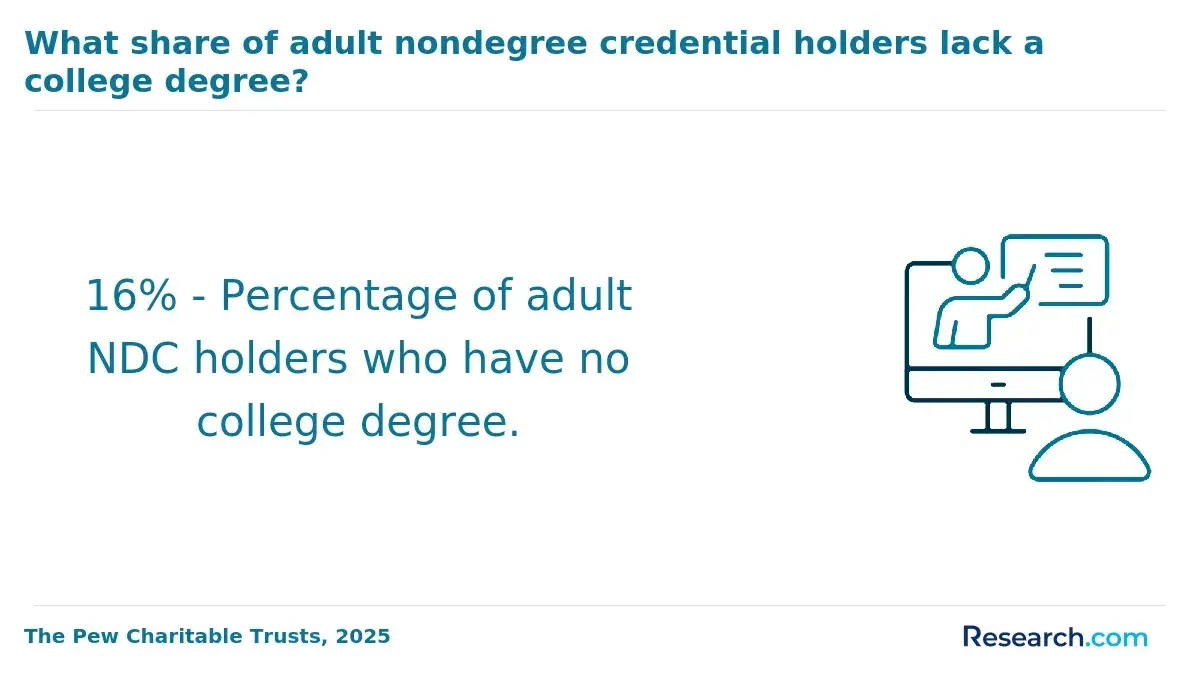
Figures from the Bureau of Labor Statistics, National Association of Colleges and Employers, LinkedIn Salary Insights, and Glassdoor reveal distinct salary gaps among graduates entering educational policy roles via different pathways. Usually, those with bachelor's or master's degrees earn higher starting pay, ranging from $50,000 to $65,000, than bootcamp or certificate graduates. Early mid-career earnings for degree holders rise markedly to between $75,000 and $85,000, highlighting the wage edge linked to formal education and expanding expertise.
- Bootcamp Salaries: Graduates of educational policy bootcamps typically start with salaries between $45,000 and $55,000, shaped by program depth and market reputation. Although some land competitive pay in niche roles, such salaries rarely equal degree-level starting points.
- Certificate Salaries: Entry-level pay for certificate holders usually falls within $40,000 to $55,000. Certificates may complement existing credentials to lift earnings slightly but seldom reach the starting compensation of degree recipients.
- Employer Preferences: Big corporations and government agencies generally favor candidates with formal degrees, often paying higher wages, while startups and non-profits prove more flexible, which creates wider salary variation.
- Industry and Role: Higher pay shows up in policy analysis, educational consulting, and higher education administration versus K-12 and smaller nonprofits. Roles requiring advanced degrees, such as program managers or policy analysts, generally carry higher pay ceilings.
- Geographic Impact: Metro areas with steeper living costs and clustered educational institutions typically offer higher starting salaries across every credential type.
Even if bootcamp and certificate graduates enter the workforce with fairly competitive salaries in certain settings, degree holders often advance faster along promotion tracks that demand formal credentials, particularly toward leadership or specialized policy roles commanding higher pay. Keep in mind that median salary figures shift widely with individual factors like work experience, specialization, program quality, and location. For a thorough comparison weighing costs against salary gains, see the ROI section.
A professional who finished an educational policy degree said that, despite demanding coursework and juggling work obligations, the investment proved worthwhile. He observed that the key benefit stemmed not just from the structured curriculum but also from internship opportunities that unlocked doors to well-paid entry-level jobs. "The degree really positioned me for roles that wouldn't have been accessible otherwise," he recalled, stressing how formal education shaped his trajectory and salary growth beyond initial offers.
Employers within the educational policy field show differing preferences when weighing credentials; degree programs still hold considerable weight, especially in sectors such as large enterprises, government agencies, and regulated industries where formal degrees serve as key filters for hiring and promotion. Such organizations prize the comprehensive training and credential recognition in educational policy careers provide, treating degrees as a dependable benchmark of competency.
Conversely, startups, non-profits, and consulting firms often prefer candidates with proven practical expertise, frequently valuing bootcamp and certificate completion alongside solid portfolios and hands-on experience. This mirrors a shift toward skills-based hiring, stressing adaptability and demonstrated abilities over formal degrees.
Skills-based initiatives rolled out by major technology companies and government bodies seek to cut degree prerequisites in favor of verified capabilities. Still, data from SHRM surveys and academic labor research indicates that degree holders continue to dominate mid- to senior-level roles, exposing a gap between policy statements and real hiring practices.
Fields closely tied to academia, like educational policy research and higher education administration, mostly keep their degree preference, whereas technology-driven policy analysis and program management show greater parity between degrees and non-degree credentials when backed by strong networks.
LinkedIn Talent Insights point to gradual progress for non-degree candidates entering policy roles, though this differs by geography and employer size, cautioning against broad generalizations. For anyone exploring pathways, resources such as the best online criminal justice degree spotlight options that balance cost and career outcomes.
- Degree Preference: Favored by large enterprises and regulated sectors as a dependable indicator of candidate readiness.
- Bootcamp and Certificate Acceptance: Embraced by startups and consulting for their emphasis on applied skills and portfolios.
- Skills-Based Hiring Initiatives: Rising in visibility yet with modest short-term effect on upper-level hiring trends.
- Sector-Specific Nuances: Academic roles emphasize degrees; tech-driven sectors allow more credential flexibility.
- Emerging Trends: Non-degree candidates build momentum at entry levels, though outcomes differ by region and employer size.
Accredited educational policy degree programs generally enforce strict admission standards to confirm candidates are academically ready. Such criteria often involve GPA minimums, normally around 3.0 on a 4.0 scale, showing steady undergraduate performance. Prerequisite courses in areas such as social sciences or statistics are typical to establish foundational knowledge before specialization. Many degrees call for standardized test scores, like the GRE, to assess applicants' verbal and analytical skills uniformly. In addition, multiple letters of recommendation give qualitative insight into candidates' academic and professional abilities. Programs typically follow firm application deadlines, particularly cohort-based models, requiring early planning.
- GPA Minimums: Normally around 3.0 to show academic consistency.
- Prerequisite Coursework: Foundational classes in social sciences or statistics anticipated.
- Standardized Tests: GRE or comparable scores often required.
- Letters of Recommendation: Several endorsements gauging potential.
- Application Timelines: Set deadlines, particularly for cohort-based entry.
In contrast, educational policy bootcamps and certificate programs impose far fewer entry barriers. Many use open enrollment with rolling admissions, keeping prerequisites minimal. They seldom require standardized tests or GPA records, concentrating instead on practical skills. Flexibility matters most, with programs frequently offered part-time or online and permitting several start dates each year. Although some suggest prior knowledge, formal academic experience is generally optional.
- Open Enrollment: Rolling or open admissions widen access.
- No Standardized Tests or GPA Caps: Focus on skills rather than formal academic records.
- Flexible Scheduling: Part-time and online formats with several start dates.
- Prior Experience Optional: Familiarity suggested but not mandatory.
Degree program selectivity functions as both a hurdle and a sign of quality; competitive admissions reassure employers about candidate rigor. By contrast, bootcamps and certificates have to prove their value through curriculum strength, instructor expertise, accreditation status, and successful graduate outcomes. The lower entry barriers in non-degree pathways create vital opportunities for career changers, working adults, and underrepresented groups facing financial or time constraints that block traditional enrollment. People should weigh their academic history and life circumstances to judge whether degree admissions act as a meaningful quality signal or an unfair barrier.
Thinking back on these differences, a professional who built her career after finishing an educational policy bootcamp remembered feeling relieved by the simple entry process. She called the degree program application "daunting," since navigating transcripts, recommendation letters, and standardized tests had been overwhelming. By comparison, the bootcamp let her gain relevant skills quickly without giving up her job or family time. She valued how the intensive curriculum and expert instructors made up for the absence of formal admission "gatekeeping," ultimately offering a direct route into her desired career.
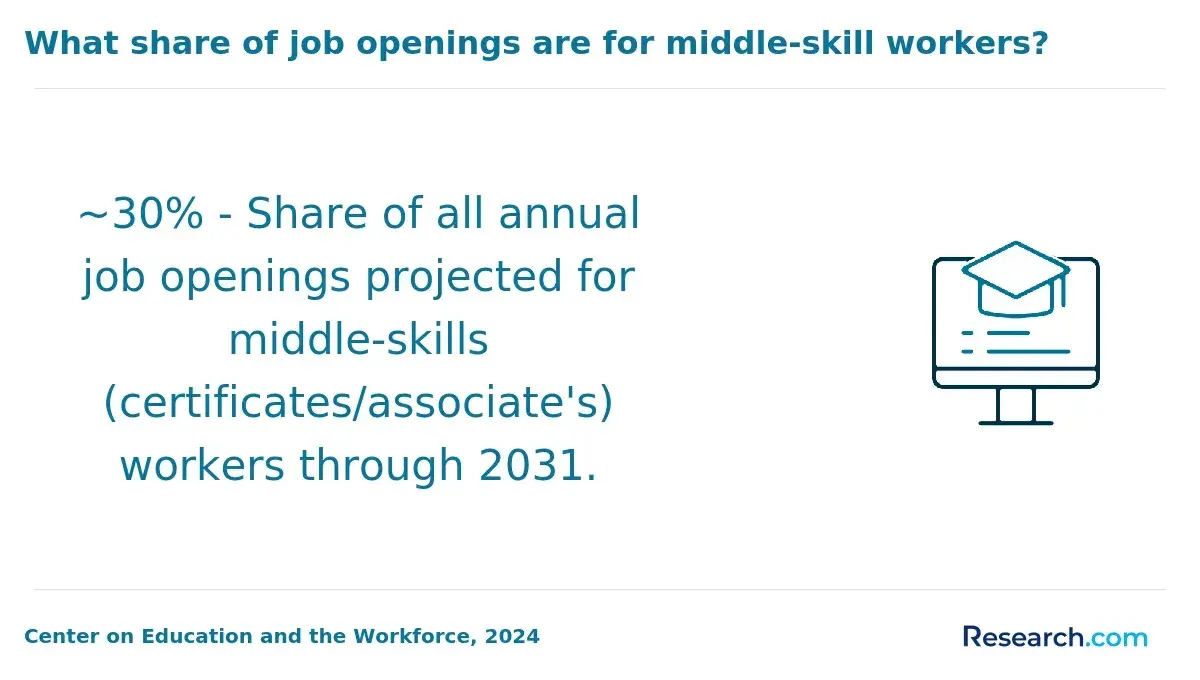
The educational policy degree curriculum spans many disciplines, including political science, economics, sociology, and law, blending core and elective courses to establish a strong theoretical foundation. Students take part in research methods and often finish a capstone thesis or project, sharpening critical thinking and deep analytical skills. Though this broad approach delays time-to-employment, it gives graduates versatile expertise for a wide variety of roles across their careers.
- Degree Curriculum: Blends broad general education, specialized policy courses, and electives to provide foundational knowledge and research experience; includes capstone work that builds original scholarship and analytical rigor supporting diverse career paths.
- Bootcamp Curriculum: Centers on accelerated, hands-on learning with a focus on applied tools such as data analytics and policy evaluation. The brief, intense format revolves around real-world projects meant to build job-ready competencies fast. Yet it often omits comprehensive theoretical content and research depth, which can constrain long-term academic and professional growth.
- Certificate Curriculum: Spans introductory certificates that supply essential knowledge suited to entry-level or support positions through advanced professional certifications that validate niche skills aimed at experienced practitioners.
This layered range delivers flexible, modular learning options, differing widely in scope, depth, and labor market impact based on prior experience and credential level.
- Entry-level certificates present core principles and practical applications for newcomers.
- Advanced certificates boost professional credibility and target specialized competencies matched to specific employer requirements.
Working out the return on investment (ROI) for educational policy pathways, namely degree programs, bootcamps, and certificates, means accounting for both direct costs and the frequently overlooked opportunity cost of income given up during study. Opportunity cost refers to the salary not earned while enrolled, which heavily shapes the true cost of a traditional two- or four-year degree and often exceeds tuition and fees by themselves. Shorter bootcamp and certificate programs lower this cost by allowing quicker workforce reentry or ongoing employment.
ROI comparisons rely on cumulative salary premiums tied to each credential across five- and ten-year spans, offset by total program costs such as tuition, fees, materials, and opportunity costs. National Center for Education Statistics (NCES) cost data, National Association of Colleges and Employers (NACE) salary benchmarks, and bootcamp outcome reports supply dependable inputs for these analyses.
- Recent High School Graduate: With little income to give up, opportunity cost stays low. Even though degrees demand greater up-front investment, their ten-year salary premium usually surpasses those of bootcamps and certificates, producing stronger long-term ROI.
- Mid-Career Professional: Quitting a $50,000/year job to retrain raises opportunity costs sharply. Shorter bootcamps and certificates frequently yield faster positive ROI within five years thanks to lower tuition and briefer training periods, even if degrees might bring higher salary gains afterward.
- Part-Time Learner: Studying while working cuts opportunity cost substantially. In this case, ROI depends mostly on tuition and salary premiums. Degrees generally bring larger premiums but need longer to recoup costs, whereas certificates and bootcamps deliver quicker, smaller salary bumps.
Personal circumstances strongly shape ROI; no single pathway guarantees the fastest or highest returns for everyone. While bootcamps and certificates can speed up income gains for those sensitive to lost wages, degrees foster deeper specialization and employer-preferred credentials central to many educational policy careers. ROI ought to guide choices but not outweigh factors such as job placement rates, networking access, and long-term career growth potential when picking the best educational route.
Job placement rates for educational policy pathways differ widely based on program type and data source. Degree programs usually report outcomes via IPEDS graduate outcomes surveys or institutional career services data, methods recognized for their rigor and industry acceptance. These numbers often center on employment closely tied to the graduate's major, such as policy analyst or education administrator roles, capturing longer and steadier career transitions. By contrast, educational policy bootcamp versus degree job placement rates can look skewed, because many bootcamps depend on self-reported data or audit outcomes through organizations such as CIRR. Bootcamps sometimes treat any employment across a broad range of professional roles as placement, which may inflate results relative to degree programs.
When weighing certificate programs and degree comparison on job placement outcomes, several factors deserve attention:
- Reporting Reliability: Degree programs typically use standardized frameworks that yield transparent, comparable data, whereas bootcamps' adherence rests on the rigor of their oversight.
- Definition of Placement: Programs vary in what counts as "placed," with some bootcamps counting unrelated administrative jobs, while degrees track employment aligned with educational policy careers.
- Career Services Impact: Thorough support, including employer connections, interview preparation, and alumni networks, correlates strongly with placement success. Students ought to evaluate these services when choosing any pathway.
- Data Transparency: Prospective students should ask for detailed placement information sorted by job role specificity, salary range, and time-to-placement, instead of trusting headline percentages.
Picking the right educational policy pathway calls for critical assessment beyond surface-level statistics. Those exploring options could also look into online MBA under 30k programs as part of a broader career strategy. Whether choosing a bootcamp, certificate, or degree, carefully benchmarking placement data and grasping reporting nuances ensures an informed decision suited to one's professional goals.
The part networking and alumni access play differs considerably across educational policy degree programs, bootcamps, and certificate pathways, shaping long-term career success in distinct ways. Professional networks often prove the most durable and compounding asset a learner acquires, frequently outdoing formal instruction in influence over senior career advancement.
- Degree Programs: These usually offer extensive networking structures, including active alumni associations, career fairs, faculty connections, and Greek or professional organizations, each nurturing mentorship, peer support, and job openings. Institutional employer ties often build direct recruitment pipelines. A university's prestige and geographic reach strongly shape the breadth and strength of these networks, giving graduates better job mobility and greater odds of senior role candidacies. Research on physics degree programs shows how alumni network impact on educational policy careers frequently tracks institutional ranking and reputation.
- Bootcamps: These stress a close-knit cohort model that fosters peer collaboration and lasting engagement. Though less extensive than degree program networks, given their relatively recent arrival, some well-established bootcamps have built strong alumni referral cultures and employer partnerships. Such connections prove especially valuable in technology-adjacent educational policy fields like data analytics or education technology, aiding targeted job placement and hiring manager engagement. Bootcamp networks tend to stay regional or sector-specific.
- Certificate Programs: The providers behind certificates, such as Google Career Certificates or Salesforce Trailhead, develop professional communities with peer forums, online mentorship, and employer directories. Even so, these networks are typically less formal and smaller than those in degree or bootcamp settings. While they offer some direct contact with hiring managers and mentors, long-term support and career growth often rest on individual initiative rather than structured institutional backing. On the whole, these programs serve learners wanting flexibility and targeted skills, but with a networking value distinct from degree programs or bootcamps.
Geographic location heavily shapes career prospects across degree programs, bootcamps, and certificate pathways. Big metropolitan tech and business hubs, including New York, San Francisco, and Washington, D.C., have dense employer networks that favor bootcamp and certificate graduates thanks to strong local demand and employer recognition. Many bootcamps sit in these cities, which strengthens ties to internships, job fairs, and high-paying roles for graduates who remain local. Those who relocate often encounter fewer job placement opportunities as their access to employer pipelines fades.
In mid-sized regional markets, degree holders typically gain from broader institutional credibility, which brings steadier long-term career growth. There, outcomes for bootcamp and certificate completers are harder to predict and depend heavily on employers' willingness to accept non-degree credentials. By contrast, in smaller or rural markets where employer density is low and credential familiarity is limited, degrees generally keep a sizable edge over bootcamp and certificate qualifications.
- Bootcamp Network Effects: Remaining in a bootcamp's home city usually improves job placement thanks to strong employer ties, whereas relocating can limit career access.
- Remote Work Impact: The growth of remote roles has partly eased geographic disparities, letting all credential types compete nationally for higher-paying jobs, yet it also widens competition by enlarging the candidate pool.
- Credential Recognition: Employer preferences differ greatly by location, as some favor traditional degrees while others accept bootcamp or certificate pathways as legitimate.
Per Course Report, bootcamp graduates in tech hubs see roughly 20% better placement rates than those in markets lacking strong bootcamp ecosystems. Prospective students should examine employer density, local attitudes toward credentials, and remote job availability in their target labor market to reach an informed educational decision.
Employer preferences when hiring educational policy professionals differ widely by organization type and hiring context. Large corporations and government bodies typically demand formal educational policy degrees as a firm baseline, seeing accredited degrees as essential for meeting compliance standards and ensuring academic rigor. By comparison, startups, consulting firms, and employers that prioritize skills often weigh candidates' portfolios and demonstrated achievements more heavily than formal credentials.
- Degree Preference: Established institutions commonly use degrees as strict filters during initial candidate screening.
- Skills and Portfolio Focus: In less conventional settings, finishing bootcamps or earning certificates can adequately show relevant expertise, particularly when paired with concrete, project-based proof of abilities.
- Shifting Trends Since 2020: Even though many major employers have formally dropped strict degree mandates, real hiring patterns still reveal slow movement toward wider acceptance of non-degree credentials.
- Role-Specific Needs: Technical or highly specialized positions usually require formal academic qualifications, while roles focused on policy analysis or community engagement may stress practical experience more.
- Research Advice for Candidates: Job seekers ought to look past stated job requirements by holding informational interviews with current hiring managers and reviewing the LinkedIn profiles of recently hired educational policy professionals to grasp real-world credential trends.
This evidence-based approach helps learners judge degree programs, bootcamps, and certificates not merely on promises but on measurable employer practices, supporting informed decisions about education investments, networking opportunities, and career advancement paths within the educational policy field.
What Graduates Say About Which Path Leads to Better Career Outcomes: Educational Policy Degree, Bootcamp, or Certificate
- Grant: "Pursuing the educational policy degree was the best investment I made; its high job placement rates and employer recognition really set it apart. Salaries tend to run higher for degree holders, which gave me confidence in the program's return on investment. For those targeting long-term career growth and in-depth expertise, this path is certainly worth it."
- Harlan: "The bootcamp route suited me perfectly thanks to its quicker completion time and strong networking opportunities within the education sector. Though the initial salary bump wasn't as large as with a full degree, many employers value the practical skills we pick up here, making it a great fit for career switchers and those seeking quick entry into the field."
- Archer: "The certificate programs gave me flexibility that fit my busy schedule and delivered a solid credential recognized by employers focused on skill-specific knowledge. Although salary outcomes were modest next to the degree, the return on investment proved strong for me personally, especially given the affordable cost and the pathway's fit for adult learners wanting to upskill without committing years."
Other Things You Should Know About Educational Policy Degrees
Most educational policy master's and doctoral programs call for a supervised practicum, internship, or capstone linked to 3-6 credit hours and 120-300 field hours. Bootcamps and short certificates typically skip supervised field placements, so they offer less documented policy analysis experience to employers.
In economic downturns, degree holders in educational policy frequently enjoy greater job security thanks to their well-rounded training and formal accreditation that employers trust. Bootcamp and certificate holders may encounter more competition for entry-level or specialized roles, since employers often prefer candidates with comprehensive credentials when hiring freezes or layoffs happen. Still, certificates and bootcamps can provide valuable skills that satisfy immediate employer needs, which aids quicker reemployment.
Educational policy degrees are usually accredited by recognized higher education institutions and governing bodies, which assures employers of academic rigor and quality. Bootcamps and certificate programs differ widely; some are affiliated with accredited institutions, while others lack formal recognition, which affects their perceived legitimacy. Candidates should verify the accreditation status and employer recognition of any non-degree credentials before investing time and money.
- Graduate degrees pay—but it’s complicated | Brookings https://www.brookings.edu/articles/graduate-degrees-pay-but-its-complicated/
- How Employers Should Verify College Degrees | Barada https://baradainc.com/how-employers-should-verify-college-degrees-of-candidates/
- Geography and College Attainment: A Place-Based Approach https://www.higheredtoday.org/2017/06/19/geography-college-attainment-place-based-approach/
- Do Employers Verify Degrees? How (and How Often) They Do It https://validgrad.com/blog/do-employers-verify-degrees/
- University Degree vs AI Bootcamp: Which is Best Career Path? https://agilefever.com/university-degree-vs-ai-bootcamp-which-is-best/
- Unequal and Uneven: The Geography of Higher Education Access | Phenomenal World https://www.phenomenalworld.org/analysis/geography-of-higher-ed/
- College vs Bootcamp ROI https://oboe.com/learn/college-vs-bootcamp-roi-5uagm/salary-outcomes-by-education-college-vs-bootcamp-roi-3
- More Employers Are Awarding Credentials. Is A Parallel Higher Education System Emerging? - EdSurge News https://www.edsurge.com/news/2021-03-25-more-employers-are-awarding-credentials-is-a-parallel-higher-education-system-emerging
- Career Certificates vs. Degrees: Which Path Makes Sense for You? - Washington Technical Institute https://www.washingtontech.edu/career-certificates-vs-degrees-which-path-makes-sense-for-you/
- Geographic location a significant predictor of students’ intentions to attend university - ACSES https://www.acses.edu.au/geographic-location-students-intentions-attend-university/