2027 Low-Cost Online Educational Policy Doctorate Programs with Financial Aid: Scholarships, Grants, and Employer Tuition Support
Audited and Verified:
Our Editorial and Data Verification Process
Research.com uses government datasets, official education statistics and primary institutional information to support its career and degree guides. Our review process checks factual accuracy, occupational definitions, source dates and the requirements associated with the credentials discussed.
How This Article Was Fact-Checked
Our editorial team verifies salary estimates, employment projections, education requirements and program information against original data providers and official organizations. Salary figures are checked against the relevant occupational definitions and reporting periods. Information about licensure, accreditation and required in-person training is reviewed separately.
Fact-checked and verified on:

Co-Founder and Chief Data Scientist
An online educational policy doctorate can help educators, administrators, analysts, and nonprofit leaders advance into higher-impact roles, but the cost can differ substantially. NCES data published in 2024 indicates average graduate tuition and required fees were $12,596 at public institutions and $29,931 at private nonprofit institutions for 2022-23, before living expenses or loan interest. This guide covers how to compare affordable online EdD and PhD options, locate financial aid, use employer support, steer clear of hidden costs, and select a program that matches your career goals without needless borrowing.
Key Things You Should Know
- The lowest total cost usually comes from public online EdD programs with 54-60 credits, flat online tuition, limited residency requirements, and dissertation support that helps students finish on time.
- Graduate students can usually borrow up to $20,500 per year in federal Direct Unsubsidized Loans, but scholarships, employer tuition assistance, fellowships, and payment plans should be reviewed before borrowing.
- BLS May 2024 data places median pay above $100,000 for some education administrator roles, but policy, nonprofit, district, and higher education outcomes vary by employer and region.
Which Online Educational Policy Doctorate Programs Offer the Lowest Total Cost?
The most affordable online educational policy doctorate is not necessarily the school with the lowest advertised per-credit tuition. The actual comparison should account for total credits, required fees, residency travel, dissertation extension charges, transfer-credit limits, and whether tuition varies for in-state and out-of-state online students.
Most budget-friendly options fall into a few recognizable program categories. The table below indicates where students usually find the lowest total cost and which trade-offs to check before applying.
| Program category | Why it may cost less | Ideal fit | Cost risk to confirm |
| Public university online EdD with flat-rate tuition | Online students may pay the same rate regardless of residency | Working educators pursuing district, policy, or leadership roles | Program fees, residency travel, and dissertation continuation charges |
| In-state public online doctorate | Resident tuition may be considerably lower than private tuition | Students who meet state residency pricing rules | Whether online doctoral students truly receive the in-state rate |
| Cohort-based EdD in educational leadership or policy | Structured pacing may limit extra semesters | Students seeking predictable scheduling and peer support | Reduced flexibility if work or family obligations interrupt progress |
| Accelerated or transfer-friendly EdD | Approved prior graduate credits may lower billed credits | Students with recent specialist, master's, or post-master's coursework | Strict transfer policies and minimum credits that must be completed in residence |
| Private nonprofit online EdD with substantial institutional aid | Scholarships or employer partnerships may lower the net price | Students whose employer or school partnership lowers tuition | Higher sticker price when scholarships are not renewable |
A practical shortlist begins with programs that publish a complete tuition-and-fee estimate, not merely a per-credit rate. If you need a broader starting point, a curated list of cheapest online EdD programs can help you find schools to verify directly against current catalogs and financial aid pages.
As a general rule, a lower-credit program with modest tuition often beats a cheaper-per-credit program that requires more credits, multiple residencies, or extra dissertation semesters. Still, the most affordable program may not be the best choice if it lacks the policy coursework, research methods, faculty expertise, or professional network you need for your target role.
What Financial Aid Is Available for Online Educational Policy Doctorate Students?
Students in online educational policy doctorate programs may qualify for several types of aid, but graduate funding operates differently from undergraduate aid. Pell Grants generally do not apply to doctoral study, and institutional grants are more selective, so students should assemble a funding plan from multiple sources.
The main aid categories vary in how they are awarded, whether they must be repaid, and how much control students have over receiving them. The table below compares the most common options for online doctoral students.
| Aid category | Typically repaid? | Typical eligibility basis | Ideal use |
| Federal Direct Unsubsidized Loan | Yes | FAFSA eligibility and enrollment status | Covering remaining tuition after gift aid and employer assistance |
| Graduate PLUS Loan | Yes | Credit check and cost of attendance | Last-resort funding when other aid falls short |
| Institutional scholarship or grant | No | Merit, need, employment sector, leadership record, or program priority | Lowering tuition without adding debt |
| External scholarship | No | Field, identity, dissertation topic, employer type, or professional membership | Supporting dissertation research, fees, or partial tuition |
| Employer tuition assistance | Usually no, when conditions are met | Employment status, grade requirement, job relevance, and service agreement | Spreading tuition across fiscal years and reducing out-of-pocket cost |
| Assistantship or fellowship | No, although service may be required | Academic merit, research fit, teaching need, or grant funding | Lowering tuition while building research or teaching experience |
Students should complete the FAFSA even if they intend to avoid loans, because some institutions use FAFSA data to assess need-based graduate aid. The federal Direct Unsubsidized Loan limit for graduate and professional students is generally $20,500 per academic year, which makes it important to know whether a program's annual tuition can stay below that amount or whether additional borrowing would be required.
A frequent mistake is accepting the full loan amount before asking about school-specific scholarships, tuition discounts for educators, alumni grants, or payment plans. Borrow only after you know your net cost for the term, not merely the estimated cost of attendance.
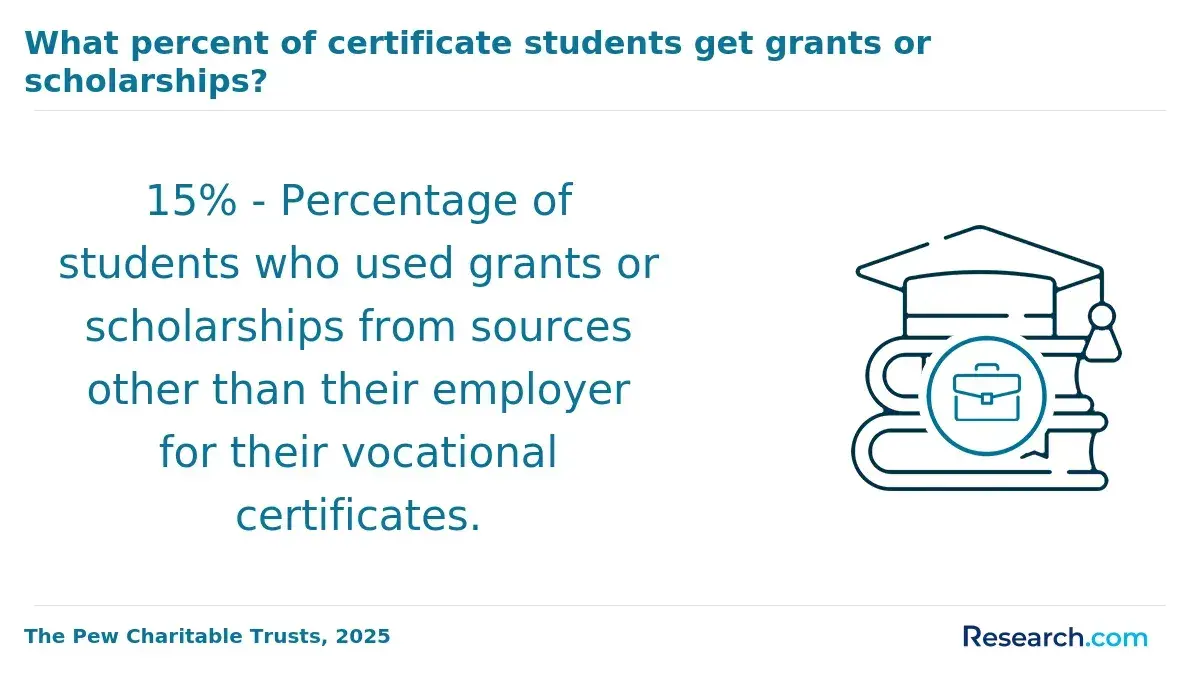
Which Scholarships Help Reduce the Cost of an Online Educational Policy Doctorate?
Scholarships for educational policy doctorate students are often more specialized than undergraduate awards, but they can be valuable because many support research, leadership, diversity in education, public service, or dissertation completion. The strongest candidates typically tie their policy interests to a clear population, problem, or institutional need.
The table below highlights scholarship and grant categories worth reviewing. Award amounts and deadlines change by cycle, so students should confirm current details before building them into a budget.
| Scholarship or grant category | Who may benefit | What reviewers typically seek | Planning tip |
| Dissertation fellowships in education research | Doctoral candidates examining policy, equity, school finance, accountability, or higher education systems | Strong research design and a realistic completion timeline | Most useful after coursework is finished or nearly finished |
| Professional association scholarships | Members of education leadership, policy, administration, or research organizations | Leadership, service, and alignment with the association's mission | Membership may be required before you apply |
| Diversity and equity fellowships | Students whose work addresses underrepresented communities or equity-focused policy questions | Clear impact statement and evidence of commitment | Often competitive but well matched to policy-focused doctorates |
| State education agency or local foundation awards | Educators serving specific states, districts, or student populations | Public service, local need, and career commitment | May require employment in a specified region |
| Institutional doctoral scholarships | Admitted students with strong academic, leadership, or professional profiles | Prior graduate GPA, career goals, and program fit | Inquire whether the award is renewable and whether it covers fees |
To improve your chances, treat scholarship applications as part of your doctoral planning rather than a last-minute task. A focused application process typically works better than applying to every award you find.
- Draft a one-page research agenda that describes the policy problem you want to study, why it matters, and who gains from the work.
- Ask prospective faculty whether your topic matches funded research centers, grants, or dissertation awards at the university.
- Create a deadline calendar that starts at least six months before your expected dissertation phase.
- Reuse core materials carefully, yet tailor each essay to the funder's mission and eligibility rules.
- Check whether outside awards reduce loans, unmet need, institutional grants, or your out-of-pocket balance.
Do not overlook scholarships because they appear too competitive. Even smaller awards can prevent additional borrowing, pay for research software, cover conference travel, or reduce the need to extend a dissertation term.
Employer tuition assistance can be one of the strongest ways to lower the cost of an online educational policy doctorate because many students already work in schools, districts, colleges, government agencies, or education nonprofits. The key is to understand the policy before enrolling, not after the first bill arrives.
According to federal tax rules, employers with qualified educational assistance programs can generally offer up to $5,250 per employee per year in tax-free education benefits. For doctoral students, that amount may not cover a full year of tuition, but it can substantially reduce borrowing if the program is spread across multiple calendar years.
Employer programs differ, so students should review the policy closely and pose direct questions to HR or payroll before treating the benefit as guaranteed funding.
- Confirm whether the doctorate must be directly related to your current role, future role, or organizational mission.
- Ask whether the employer pays the school in advance or reimburses you after grades are posted.
- Verify grade requirements, course limits, annual caps, and whether fees or books are covered.
- Watch for repayment clauses if you leave the organization within a specified period after receiving assistance.
- Inquire whether dissertation credits, research courses, and residency expenses qualify for reimbursement.
Employer support is most worthwhile when the degree matches advancement opportunities within your organization, such as district leadership, policy analysis, program evaluation, institutional research, or cabinet-level administration. It is less worthwhile if the service commitment would keep you in a role that no longer suits your goals.
Assistantships, fellowships, and research funding are frequent in full-time residential PhD programs, but they are harder to predict for online EdD students. That does not mean online students should overlook them; it means they must ask more detailed questions about eligibility, location, workload, and whether remote students are eligible.
The most applicable funding opportunities for online educational policy doctorate students frequently support research tasks, dissertation completion, or part-time project work rather than traditional on-campus teaching assistantships. The table below outlines the differences.
| Funding category | Usual structure | Access for online students | Ideal fit |
| Teaching assistantship | Teaching, grading, or supporting courses in return for stipend or tuition support | Often limited when campus presence is required | Students seeking higher education teaching experience |
| Research assistantship | Work on faculty or grant-funded research projects | Possible when tasks can be completed remotely | Students with policy analysis, data, writing, or evaluation skills |
| Doctoral fellowship | Merit-based or mission-based support with limited service requirements | Varies widely by institution and program | Students with strong academic records or matching research topics |
| Dissertation completion award | Short-term funding near the final research and writing stage | Often available to both online and campus students when eligible | Students who need time or funding to finish without extending enrollment |
| Grant-funded project role | Paid work tied to a center, lab, or external grant | Possible when the project uses remote collaboration | Students interested in applied policy, program evaluation, or data analysis |
The best way to locate these opportunities is to reach out to the program director and potential faculty advisors before applying. Inquire whether online doctoral students have received funding in the past, what percentage of awards require on-campus work, and whether part-time students are eligible.
A warning sign is imprecise language such as "funding may be available" without examples, eligibility rules, or contact information. For online students, funding is most reliable when it is named, budgeted, renewable, and confirmed in writing.
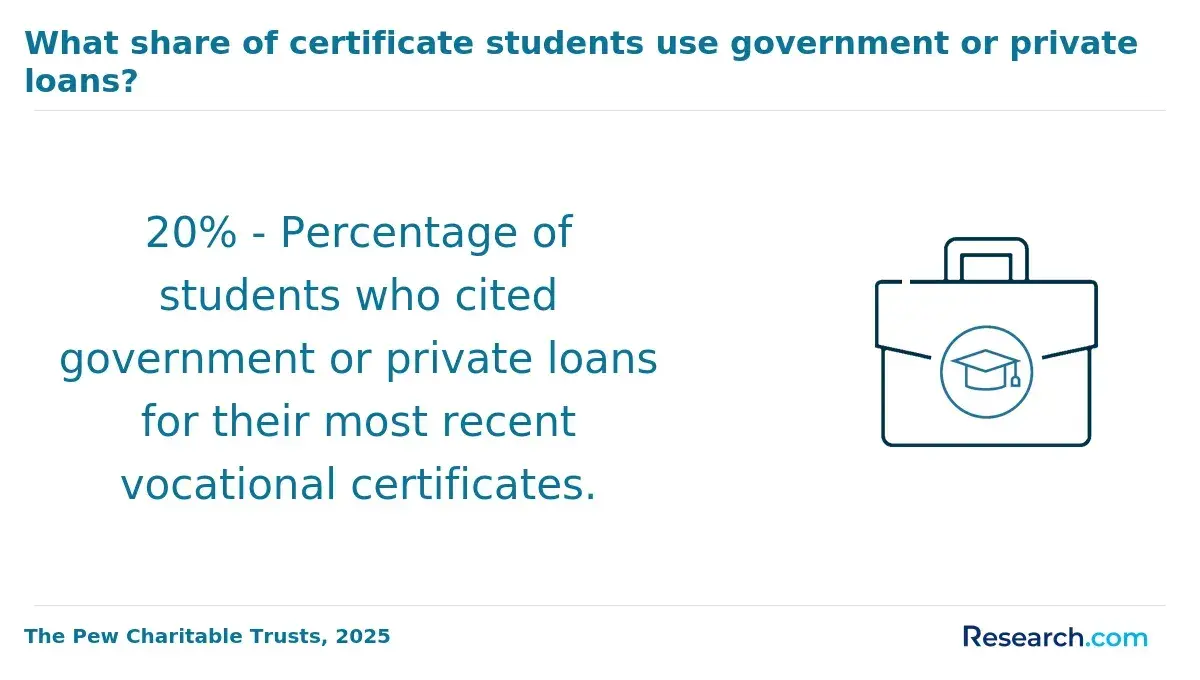
Several program features can affect the total cost more than the tuition rate itself. This is especially true in online doctoral programs because students often pay over several years while balancing work schedules, residency requirements, and dissertation timelines.
The table below shows the features that most often move a program from affordable to expensive once actual enrollment patterns are considered.
| Feature | How it affects total cost | What to ask before you enroll |
| Total required credits | More credits typically mean more tuition, fees, and time in school | What is the minimum credit requirement following transfer review? |
| Dissertation or capstone model | Unstructured dissertations can add extra terms when advising is weak | What is the median time to dissertation completion for online students? |
| Residency requirements | Travel, lodging, meals, and unpaid time off can add considerable costs | How many campus visits are required, and when are they scheduled? |
| Per-term fees | Technology, online learning, library, and graduation fees may not appear in tuition quotes | Can the school provide a complete program cost sheet? |
| Transfer-credit policy | Accepted credits can lower tuition, but rejected credits do not help | Will you review my prior graduate credits before I commit? |
| Pacing options | Part-time enrollment can fit work schedules but may extend fee payments | Can I reduce my pace without losing scholarships or cohort status? |
Accelerated programs can lower opportunity cost if they are well organized, but speed should not sacrifice dissertation quality, advising access, or work-life sustainability. Students considering 1 year EdD programs online should confirm accreditation, credit load, transfer assumptions, and whether the timeline is practical for working professionals.
The largest mistake is looking only at tuition per credit. A program with higher tuition but fewer credits, stronger advising, and no travel requirement may prove less expensive in practice than a lower-rate program that runs past the planned timeline.
Limiting borrowing begins with creating a term-by-term funding plan. Because graduate loan interest can build up while students are enrolled, even small reductions in borrowing early in the program can reduce the long-term cost of the degree.
Students can follow the sequence below to lessen dependence on loans without unnecessarily delaying progress.
- Request a complete cost-of-attendance estimate that separates tuition, required fees, books, residency travel, and dissertation continuation charges.
- Deduct confirmed gift aid first, including institutional scholarships, external scholarships, grants, and tuition discounts.
- Use employer tuition assistance by calendar year if your employer has an annual cap, so you do not forfeit unused benefits.
- Inquire whether a payment plan can cover the remaining balance without interest or with lower fees than loan origination and interest costs.
- Borrow only the amount needed for the term instead of automatically accepting the maximum loan offer.
- Review the plan each year because tuition, employment benefits, scholarship eligibility, and course load can change.
Part-time enrollment can be financially wise when it lets students maintain full-time employment and employer benefits. Full-time enrollment may be better when it shortens the program, lowers extension fees, or enables a student to qualify for funding that part-time students cannot obtain.
Another practical approach to limit borrowing is to select a dissertation topic tied to your workplace. If your employer gains from the research, you may be able to obtain paid time, data access, internal mentoring, or project support that lowers indirect costs.
Spending less does not necessarily weaken career outcomes, but selecting a low-cost program without reviewing quality signals can. For educational policy doctorates, the best return typically results from fit among curriculum, faculty expertise, dissertation topic, professional network, and the role you seek after graduation.
BLS May 2024 wage data indicates the median annual wage for postsecondary education administrators was $103,960, whereas elementary and secondary education administrators had a median annual wage of $104,070. These figures do not establish that a doctorate will yield a specific salary, but they demonstrate that leadership and administration pathways can support careful ROI analysis when the degree is required or strongly preferred for advancement.
Educational policy doctorate graduates might pursue positions such as district administrator, policy analyst, institutional research leader, education nonprofit director, higher education administrator, program evaluator, curriculum policy leader, or faculty member in some practice-focused settings. The strongest financial case usually occurs when the doctorate enables the student to qualify for a specific promotion, leadership track, consulting niche, or research-focused role.
Technology is also reshaping the field. AI tools, learning analytics, and data dashboards are raising demand for leaders who can interpret evidence, assess programs, safeguard student data, and turn research into policy decisions. Students who seek education technology or curriculum design roles might not need a doctorate; in some situations, the best online instructional design master's programs may offer a faster and cheaper path.
A lower-cost doctorate is most likely to produce strong outcomes when it is accredited, includes relevant policy coursework, offers rigorous research training, and provides faculty advising in your area of interest. It is less likely to be worthwhile if you enroll chiefly because the tuition is low but the program does not suit your career direction.
The ideal combination of cost, financial aid, and flexibility typically comes from programs that are designed to be affordable and clear about funding. Rather than seeking one universal "best" program, students should align program type with career goal, work schedule, and funding source.
The table below outlines which program profiles usually offer the best value for various student situations.
| Student situation | Program profile with best value | Why it works | Points to watch |
| Full-time educator seeking district leadership | Public online EdD in educational leadership with policy coursework | Often balances applied research, leadership preparation, and manageable tuition | State-specific administrator licensure rules when licensure is part of the goal |
| Policy analyst or nonprofit professional | Online EdD or PhD with strong research methods and policy faculty | Supports program evaluation, applied policy research, and evidence-based leadership | Programs focused only on leadership with limited policy analysis training |
| Higher education professional | Online doctorate in higher education policy, leadership, or administration | Aligns with institutional research, student success, accreditation, and administrative roles | Whether coursework addresses postsecondary systems rather than K-12 only |
| Employer-funded student | Flexible part-time program with predictable annual tuition | Lets tuition be spread across employer benefit years | Reimbursement delays and service obligations |
| Student prioritizing speed | Accelerated or transfer-friendly EdD with strong advising | Can lower opportunity cost and extra terms | Overloaded schedules and impractical dissertation timelines |
Students should also refrain from using an educational policy doctorate as a replacement for a credentialed clinical or school-based professional pathway. For instance, if your goal is to become a school psychologist, review school psychology programs online accredited by NASP rather than assuming an education policy doctorate will satisfy that career requirement.
The best overall choice is typically the program that offers the lowest verified net cost among schools that satisfy your academic, professional, accreditation, and scheduling needs. A higher sticker price may be reasonable only when renewable aid, employer support, or better completion support clearly reduces the total risk.
How Should Students Compare Low-Cost Online Educational Policy Doctorate Programs?
Evaluating low-cost online educational policy doctorate programs takes more than reviewing tuition pages. The wisest approach is to build a side-by-side comparison using identical assumptions for every school.
Before applying, students should finish an organized review that addresses cost, quality, funding, and career match.
- Verify institutional accreditation through a recognized accreditor and check whether any role-specific licensure or endorsement requirements apply in your state.
- Compute total tuition by multiplying required credits by the correct online tuition rate, then add required fees and residency costs.
- Request the typical completion time for online students, not merely the minimum advertised timeline.
- Ask for written details on scholarships, grants, assistantships, employer partnerships, and renewal requirements.
- Review faculty profiles to determine whether at least two faculty members work in educational policy, finance, equity, governance, accountability, or your intended research area.
- Evaluate dissertation support, including research methods sequencing, proposal milestones, advisor assignment, and access to data tools.
- Inquire with admissions or career staff about where recent graduates work and how the program supports leadership, policy, or research transitions.
Several warning signs should make you pause. Exercise caution if a school does not provide a full cost estimate, promotes unusually fast completion without clarifying dissertation expectations, lacks clear accreditation information, or promises career outcomes that no degree can ensure.
The final choice should weigh affordability against the likelihood of completion. A program that you can complete on schedule, finance responsibly, and link to a specific professional goal is typically a better investment than the least expensive option on paper.
Other Things You Should Know About Educational Policy
An EdD is typically better for practitioners who wish to apply policy research in districts, colleges, agencies, or nonprofits. A PhD is typically better for students who seek intensive research training, academic research roles, or tenure-track opportunities, though outcomes vary by institution and labor market.
Some programs are fully online, whereas others require short residencies, dissertation workshops, or orientation sessions. Students should inquire how many visits are required, where they take place, and whether travel costs are included in the published estimate.
Typical requirements include a master's degree, transcripts, professional resume, statement of purpose, recommendation letters, and sometimes writing samples or interviews. GRE requirements are less frequent than they once were, but policies differ by school.
Most online educational policy doctorates call for a dissertation or applied capstone, typically completed after 45 to 60 credit hours. Programs frequently require proposal approval, committee review, and a final oral defense. Some schools permit a practitioner project in place of a traditional dissertation, but it must still demonstrate original policy research.
- 2025 Most Affordable Online Doctorates in Education https://www.onlineu.com/most-affordable-colleges/education-doctoral-degrees
- Scholarships & Grants for PhD & Doctoral Students | PhDs.me https://www.phds.me/financial-aid/scholarships-and-grants/
- Educational Funding https://phdproject.org/educational-funding/
- Making College Affordable by Improving Aid Policy https://issues.org/long-2/
- Employer-offered educational assistance programs can help pay for college | Internal Revenue Service https://www.irs.gov/newsroom/employer-offered-educational-assistance-programs-can-help-pay-for-college
- Best Online Doctor of Education Programs for 2025 https://www.princetonreview.com/education-school-rankings
- Scholarships for Doctor of Education (EdD) Students | Teach.com https://teach.com/online-ed/education-degrees/online-edd-programs/scholarships/
- Employer Tuition Assistance Program / Employee Tuition Reimbursement - Finance | Learn & Work Ecosystem Library https://learnworkecosystemlibrary.com/topics/employer-tuition-assistance-program-employee-tuition-reimbursement-finance/
- Education assistance https://www.lambenefits.com/work-life/educational-assistance
- Ed.D. vs. Ph.D.: Which Doctoral Degree is Right for You? | ACE Blog https://ace.edu/blog/edd-vs-phd/