2027 Best Online Educational Policy Doctorate Programs for Mid-Career Professionals
Audited and Verified:
Our Editorial and Data Verification Process
Research.com uses government datasets, official education statistics and primary institutional information to support its career and degree guides. Our review process checks factual accuracy, occupational definitions, source dates and the requirements associated with the credentials discussed.
How This Article Was Fact-Checked
Our editorial team verifies salary estimates, employment projections, education requirements and program information against original data providers and official organizations. Salary figures are checked against the relevant occupational definitions and reporting periods. Information about licensure, accreditation and required in-person training is reviewed separately.
Fact-checked and verified on:

Co-Founder and Chief Data Scientist
Mid-career education professionals frequently arrive at a stage where experience alone is not sufficient for leadership positions in districts, nonprofits, policy, or higher education. An online Educational Policy doctorate can help convert practice-based knowledge into decision-making grounded in research.
The timing matters: BLS May 2024 data reports median pay of $104,070 for K-12 education administrators and $103,960 for postsecondary education administrators. This guide serves working professionals who are comparing doctoral options, costs, timelines, admissions, and career fit so they can select a program with realistic value.
Key Things to Know About Online Educational Policy Doctorate Programs for Mid-Career Professionals
- The best online Educational Policy doctorate for a mid-career professional is usually an accredited EdD or policy-focused PhD with flexible pacing, applied research support, and coursework in policy analysis, leadership, equity, finance, and systems change.
- Costs vary widely, but working students should compare total credits, per-credit tuition, fees, residency travel, employer tuition support, and federal graduate loan limits; current IRS rules allow up to $5,250 in tax-free employer educational assistance each year.
- Career value is strongest when the degree matches a specific target role, such as district administrator, higher education administrator, policy director, research leader, superintendent-track professional, or education nonprofit executive.
Is earning an online Educational Policy doctorate worth it for mid-career professionals?
An online Educational Policy doctorate can be worth it when it helps a professional move from implementation work into decision-making work. Educational Policy programs examine how laws, funding systems, accountability models, equity initiatives, governance structures, labor rules, and institutional decisions shape student and organizational outcomes.
For mid-career professionals, the degree is usually most valuable when three conditions are true: the person already has substantial education or policy experience, the next career step requires stronger research or executive credibility, and the program allows the doctoral project to connect with real workplace problems.
The value case is different for each professional goal. The table below summarizes when the doctorate tends to make sense and when a lower-cost credential may be enough.
| Career objective | When an Educational Policy doctorate is a sound choice | When it might not be the right next move |
| District or central office leadership | The position includes policy implementation, budget choices, assessment systems, equity plans, or cross-school improvement strategy. | The near-term goal is merely classroom advancement or a salary lane change attainable through a specialist degree or certification. |
| Higher education administration | The professional seeks senior work in student success, institutional effectiveness, academic affairs, accreditation, or enrollment policy. | The target role prizes functional experience above a doctorate and does not call for advanced research training. |
| Education nonprofit or advocacy leadership | The work involves assessing policy impact, managing public partnerships, interpreting data, or leading systems-level initiatives. | The person needs quicker skill development in grant writing, management, or program evaluation instead of a multi-year doctorate. |
| Policy research or think tank work | The program provides training in quantitative, qualitative, mixed-methods, and policy analysis. | The target organization strongly favors a traditional PhD with an intensive research apprenticeship. |
| Faculty or academic research roles | The person aims for practitioner-scholar positions, adjunct teaching, or applied education leadership programs. | The goal is a tenure-track research faculty position at a research-intensive university, where a PhD may be more competitive. |
A doctorate is not automatically superior to a certificate or master's degree. A graduate certificate can be a wiser choice if the professional needs focused knowledge in education law, assessment, finance, or policy analysis without completing a dissertation. A doctorate is the stronger investment when the goal is long-term leadership authority, applied research ability, and eligibility for roles where doctoral credentials are preferred or expected.
Which online Educational Policy doctorate programs are the best for mid-career professionals?
The best online Educational Policy doctorate programs for mid-career professionals are not always the programs with the most famous names. The strongest fit is usually the program that combines regional accreditation, policy-relevant coursework, faculty alignment, flexible scheduling, realistic dissertation support, and outcomes that match the student's target sector.
The programs below are strong examples to compare because they offer online or mostly online doctoral study with policy, leadership, organizational change, or education systems relevance. Availability, tuition, residency rules, and concentrations can change, so applicants should verify current details directly with each university before applying.
| Program | Degree and format | Why it may suit mid-career professionals | Ideal fit |
| American University | Online EdD in Education Policy and Leadership | Built around policy, equity, leadership, and applied improvement, with a format created for working educators and policy professionals. | Professionals who want a direct education policy and leadership doctorate. |
| University of Illinois Urbana-Champaign | Online doctoral options through Education Policy, Organization and Leadership | Provides strong alignment with education systems, organizational leadership, learning design, equity, and policy-related inquiry. | Professionals seeking a major public research university setting with online flexibility. |
| University of Southern California | Online EdD in Educational Leadership | Focuses on leadership, change, equity, and organizational problem-solving across K-12 and higher education settings. | Experienced professionals aiming for executive education leadership roles. |
| Johns Hopkins University | Online EdD | Provides an applied doctoral structure with research-informed practice and specializations that can support systems-level education change. | Professionals seeking a rigorous applied doctorate with strong research support. |
| Liberty University | Online PhD in Public Policy with education policy focus | Examines education policy through public policy, governance, law, and political institutions instead of school administration alone. | Professionals interested in policy analysis, advocacy, government, or think tank roles. |
When comparing these options, pay close attention to whether "Educational Policy" is the degree title, a concentration, a departmental area, or a dissertation focus. A program titled Educational Leadership may still be a strong policy fit if it covers finance, law, governance, research design, equity, and policy implementation.
Applicants should also weigh EdD and PhD structures. The EdD is usually an applied professional doctorate centered on solving a problem of practice, while the PhD is generally more research-intensive and better suited to academic research careers. For many mid-career professionals, an EdD is the more practical path; for policy research careers, a PhD may be stronger.
What specializations are available in Educational Policy doctorate programs?
Concentrations allow professionals to tie doctoral research to a particular policy setting. Choosing the right specialization can make a dissertation more valuable to an employer and more convincing to hiring committees down the road.
Doctoral programs in Educational Policy typically offer the areas listed below, and each carries distinct career implications.
| Concentration | Focus areas | Where it leads |
| K-12 education policy | Accountability, school funding, curriculum mandates, state policy, district governance, and school improvement. | District leadership, state education agencies, superintendent-track positions, and education consulting. |
| Higher education policy | Access, affordability, student success, accreditation, enrollment management, governance, and institutional effectiveness. | College administration, policy offices, academic affairs, leadership in student success, and institutional research. |
| Equity and social justice policy | Gaps in access, discipline, funding, disability services, language policy, and inclusive systems design. | Equity leadership, compliance, nonprofit advocacy, and systems reform positions. |
| Education finance and economics | Funding formulas, allocation of resources, cost-effectiveness, labor markets, and fiscal accountability. | Budget leadership, policy analysis, state agencies, foundations, and consulting firms. |
| Education law and governance | Federal and state law, board policy, civil rights, special education regulations, and institutional compliance. | Policy administration, compliance leadership, district governance, and roles facing government. |
| Program evaluation and data policy | Measurement, impact evaluation, data systems, assessment policy, and decisions grounded in evidence. | Research offices, evaluation firms, nonprofits, state agencies, and teams focused on institutional effectiveness. |
Artificial intelligence and learning analytics are shaping policy specializations as well. More and more programs expect leaders to grasp data privacy, algorithmic bias, assessment validity, and the responsible use of student information. Mid-career professionals ought to seek coursework that frames AI as a governance and equity matter, not merely an instructional tool.
Online Educational Policy doctorate programs typically weigh academic readiness and professional maturity when reviewing admissions. Mid-career applicants frequently hold an edge when they can demonstrate a clear leadership record and a policy problem they are ready to investigate.
Before beginning applications, most applicants should assemble the materials listed here.
- A master's degree from an accredited institution, typically in education, public policy, leadership, administration, counseling, curriculum, higher education, or a related discipline.
- Official transcripts that show graduate-level performance strong enough for doctoral work.
- A current resume or CV highlighting leadership, policy work, research, program management, use of data, budget responsibility, or experience with organizational change.
- A statement of purpose linking the doctorate to a specific career goal and to a realistic education policy problem.
- Professional recommendations from supervisors, senior administrators, faculty members, or policy leaders able to speak to doctoral readiness.
- A writing sample, research paper, policy memo, or scholarly essay demonstrating analytical ability.
- An interview, video response, or admissions conversation, particularly for cohort-based EdD programs.
In many professional doctorates, GRE requirements have grown less common, though policies differ from one university to another. Applicants should not assume a waiver until they have checked the current admissions page.
Mid-career applicants frequently make mistakes that could be avoided. The most common one is a statement of purpose that declares "I want to lead change" without naming a concrete policy problem, population, context, or research interest. A stronger application might center on chronic absenteeism policy, rural school funding, dual-enrollment access, special education compliance, community college completion, or AI governance in student assessment.
Online Educational Policy doctorate costs depend on tuition structure, credit requirements, fees, residency travel, technology charges, books, and the number of terms a student stays enrolled. Mid-career professionals should compare total program cost instead of per-credit price alone, because a lower tuition rate can still become costly if the program requires many credits or extended dissertation registration.
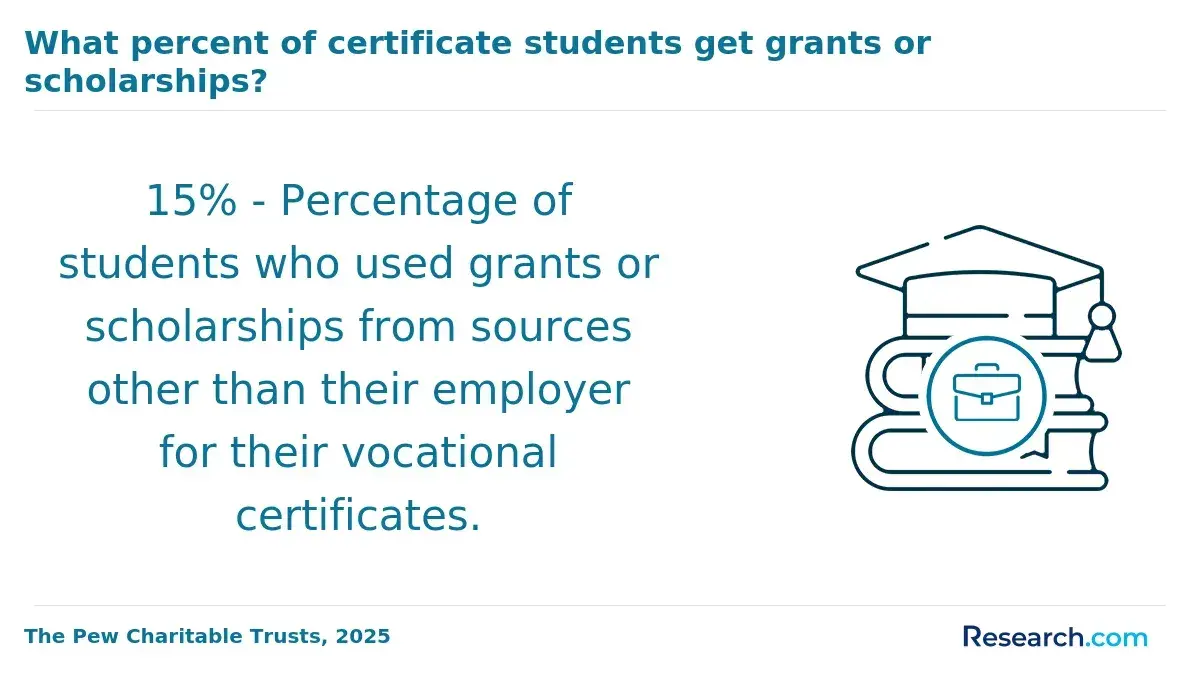
Employer support offers one useful benchmark. Under current IRS rules, an employer may provide up to $5,250 in tax-free educational assistance per employee each year. That amount will not cover most doctoral programs on its own, but it can meaningfully lower out-of-pocket costs when combined with scholarships, payment plans, public-service benefits, or federal graduate loans.
The table below outlines the major cost variables that can alter the real price of an online Educational Policy doctorate.
| Cost factor | Why it is important | What to ask before you enroll |
| Credit requirement | Programs may require substantially different numbers of credits, particularly when comparing EdD and PhD pathways. | How many total credits are needed after transfer or advanced standing review? |
| Tuition model | Some universities charge by credit, while others use term-based tuition or cohort pricing. | Is tuition locked for the cohort, or can it rise each year? |
| Residencies | Online programs may still require campus visits, intensives, or dissertation defenses. | How many trips are required, and which expenses are not covered by tuition? |
| Dissertation continuation fees | Students who need extra time may owe additional enrollment or supervision fees. | What is the cost if the dissertation extends past the planned timeline? |
| Employer reimbursement | Many professionals can lower cost only if they apply before courses begin. | Does the employer require minimum grades, service commitments, or preapproval? |
Professionals comparing lower-cost options can begin with lists of the cheapest online EdD programs, then narrow the results to programs with policy, leadership, finance, governance, or equity coursework. Affordability matters, but it should not outweigh accreditation, faculty fit, and dissertation support.
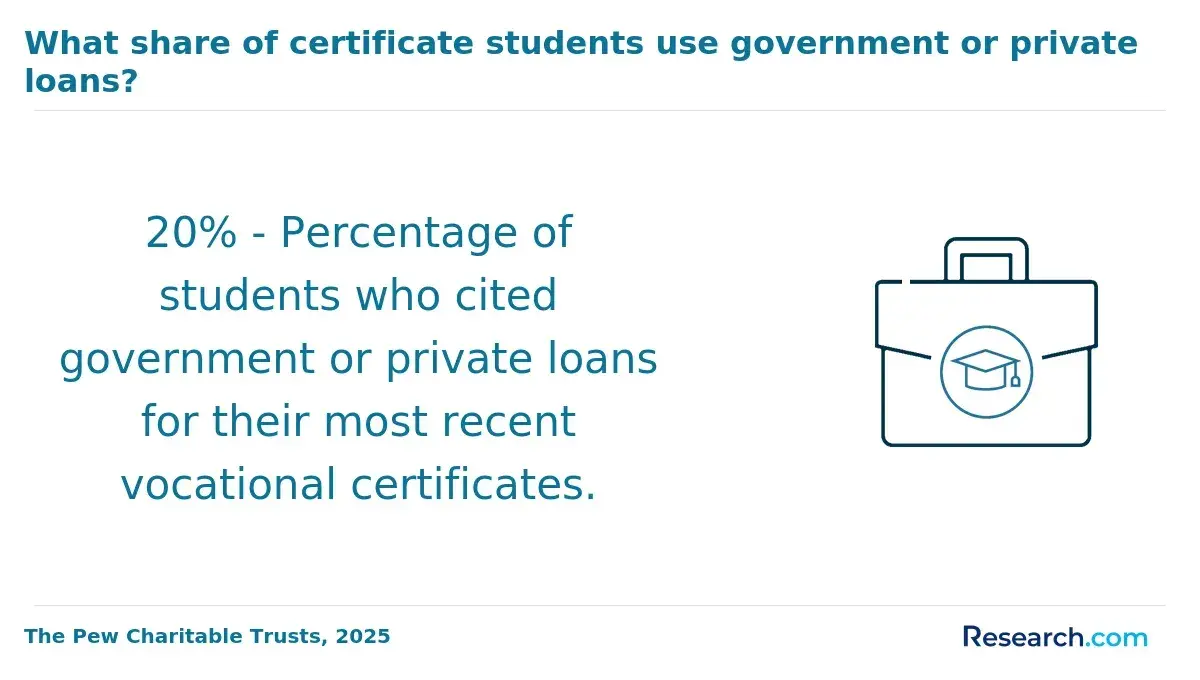
Federal aid can also form part of the funding plan. For graduate and professional students, the federal Direct Unsubsidized Loan annual limit is $20,500 under current federal student aid rules, with Grad PLUS loans available to eligible borrowers for remaining costs. Borrowing should be evaluated carefully because doctoral ROI depends on career path, employer policies, and debt level.
The typical online Educational Policy doctorate timeline depends on degree type, enrollment pace, dissertation model, transfer credits, and work responsibilities. Applied EdD programs are often designed for completion in about three to four years, while PhD pathways may take longer because they usually require deeper research training and a more traditional dissertation.
The table below offers a practical comparison of timeline expectations for working professionals.
| Study pace | Typical structure | Ideal fit | Primary trade-off |
| Accelerated | Year-round coursework, a tight cohort schedule, and early dissertation planning. | Professionals who have strong employer support and predictable weekly availability. | Reduced flexibility if work or family responsibilities change. |
| Part-time | One or two courses at a time and a longer dissertation window. | Full-time leaders, parents, caregivers, and professionals whose jobs involve heavy travel. | Less weekly pressure but a longer path to completion. |
| Cohort-based | Students progress through courses with the same peer group. | Professionals who value structure, networking, and accountability. | Fewer chances to pause or customize the schedule. |
| Individually paced | More flexible sequencing, frequently with advisor approval. | Professionals whose workloads change or who have specialized research interests. | Demands strong self-management and proactive advising. |
Some professionals seek 1-year EdD programs online, but fast-track options call for caution. A short timeline may work for students who already hold transferable doctoral credits or a narrowly defined applied project, but it can be unrealistic for professionals starting a dissertation from scratch while working full time.
A useful planning rule is to treat the dissertation as a long-term project, not a final-year task. The best online programs introduce research questions, literature review habits, methodology choices, and data access planning early so working students do not lose momentum after coursework ends.
Doctoral programs in Educational Policy delivered online build the skills required to interpret evidence, design policy responses, evaluate programs, and lead change within complex education systems. For mid-career professionals, the greatest benefit is often learning to link frontline experience with analysis that can be defended.
That skill set generally covers research competencies along with executive leadership capabilities.
- Policy analysis, including how to assess laws, regulations, funding rules, accountability systems, and barriers to implementation.
- Quantitative and qualitative research methods for examining education problems through data, interviews, surveys, documents, and case evidence.
- Program evaluation skills for determining whether interventions, grants, initiatives, and institutional reforms deliver the intended results.
- Equity analysis, including how policies affect various student groups, communities, institutions, and segments of the workforce.
- Strategic leadership, change management, communication, and engagement with stakeholders across boards, agencies, campuses, districts, and nonprofits.
- Data-informed decision-making, including ethical use of student data, awareness of privacy, interpretation of dashboards, and responsible AI governance.
Professionals whose goals center more on curriculum technology, learning systems, or training design may not need a policy doctorate to start with. In that situation, comparing the best online instructional design master's programs can help clarify whether a shorter applied master's degree fits the immediate career goal better.
A solid doctoral program should also help students turn research into action. That means writing policy briefs, presenting findings to nonacademic audiences, constructing evaluation plans, and defending recommendations with evidence instead of relying on professional opinion alone.
An online Educational Policy doctorate can aid advancement into roles where leaders are expected to assess evidence, manage systems, influence policy, and communicate with senior stakeholders. It is not a guarantee of promotion, but it can improve eligibility for roles where doctoral preparation signals advanced expertise.
BLS May 2024 wage data offers useful labor-market context: the median annual wage was $104,070 for K-12 education administrators, $103,960 for postsecondary education administrators, and $74,720 for instructional coordinators. These figures describe occupational medians, not doctorate-specific salaries, so readers should treat them as a market benchmark rather than a personal salary forecast.
The table below links common doctoral career paths with the type of value an Educational Policy doctorate may add.
| Career path | Typical settings | How the doctorate may help |
| District policy or central-office leader | School districts, charter networks, and regional education agencies. | Aids work in policy implementation, equity strategy, finance, assessment, and system improvement. |
| Higher education administrator | Colleges, universities, community colleges, and state higher education systems. | Builds credibility for positions in academic affairs, student success, accreditation, institutional research, and strategic planning. |
| Education policy analyst | Government agencies, think tanks, advocacy organizations, and consulting firms. | Offers research methods, policy evaluation, and evidence translation skills. |
| Nonprofit or foundation leader | Education nonprofits, philanthropies, and community organizations. | Assists with program evaluation, grant strategy, public partnerships, and outcome measurement. |
| Applied researcher or evaluator | Research centers, evaluation firms, school systems, and higher education offices. | Strengthens the capacity to design studies, interpret findings, and communicate implications for decision-makers. |
| Faculty or adjunct instructor | Colleges, professional education programs, and leadership preparation programs. | May support teaching in practitioner-focused programs, particularly when paired with substantial field experience. |
Licensure is a separate matter. A doctorate in Educational Policy does not automatically grant principal, superintendent, school psychologist, or teacher licensure. Professionals targeting state-regulated roles should confirm licensure rules with their state board or agency before enrolling.
It is possible to balance doctoral study with full-time work, but doing so means treating the program as a long-term leadership commitment rather than an extension of graduate school. The largest risks are underestimating the weekly workload, postponing dissertation planning, and failing to negotiate support both at work and at home.
Students who work can improve their chances of staying on track by setting expectations before the first term starts.
- Before enrolling, map out weekly study blocks that cover reading, writing, group meetings, research tasks, and appointments with faculty.
- Let supervisors know early when coursework or research may align with goals for improving the workplace, particularly if employer support or access to data is needed.
- Pick a dissertation topic tied to real professional experience, yet confirm it can be studied ethically and finished within the program's timeline.
- Put vacation days to strategic use for residencies, intensive writing periods, comprehensive exams, or dissertation milestones.
- Build a support network of peers, faculty, family members, and colleagues who understand the rhythm of the program.
- Guard writing time each week, since doctoral progress typically depends more on consistent writing than on the occasional long study session.
Professionals should also ask each program how it supports students once coursework ends. Attrition risk frequently rises when students reach the dissertation phase without structured deadlines, writing groups, help with methodology, or responsive advisors.
What should professionals evaluate when choosing an online Educational Policy doctorate program?
Selecting an online Educational Policy doctorate should mean more than skimming rankings. The right program ought to fit the student's career goal, research interests, schedule, budget, and preferred amount of structure.
Consider these questions when evaluating programs before applying or paying a deposit.
- Is the university institutionally accredited by an agency recognized by the U.S. Department of Education or the Council for Higher Education Accreditation?
- Does the curriculum cover policy analysis, research methods, education law, finance, equity, governance, and evaluation?
- Are faculty members actively working in areas that relate to the applicant's intended dissertation topic?
- Is the program fully online, mostly online, or hybrid, and how many visits to campus are required?
- Does the program use a dissertation, a dissertation-in-practice, a capstone, or another final research model?
- What support is available for working students during the dissertation stage?
- How transparent is the program regarding tuition, fees, transfer credits, completion expectations, and additional costs?
- Do graduates move into roles that resemble the applicant's target career path?
Accreditation merits particular attention, since education careers can intersect with state rules, licensure pathways, and employer requirements. For instance, professionals who are considering school psychology leadership rather than policy leadership should review school psychology programs online accredited by NASP separately, because NASP approval is a specialized consideration outside most Educational Policy doctorates.
Warning signs include vague dissertation expectations, limited access to faculty, unclear residency requirements, aggressive admissions pressure, missing accreditation information, and no evidence that the program supports working adults. A program may be online and still be a poor fit if it assumes students have unlimited time during the day.
Other Things You Should Know About Educational Policy
Most universities do not mark "online" on the diploma, though policies differ. Applicants should ask the registrar or the admissions office how the credential appears on the diploma and on the transcript.
In many cases, yes, especially in applied EdD programs. However, students may need employer permission, institutional review board approval, data-use agreements, and safeguards to prevent conflicts of interest.
Certain programs are fully online, whereas others require brief campus residencies, orientations, intensives, or dissertation defenses. Such requirements can affect travel costs and time away from work.
Yes, if the program permits it. A brief, professional message about your research interests can help you assess faculty fit, but it should not request an admissions decision or guaranteed supervision.
- Careers with a Doctorate in Educational Leadership | Neumann https://learn.neumann.edu/neuperspectives/careers-with-a-doctorate-in-educational-leadership
- Best Online EdD in Higher Education Programs of 2025 https://www.eddprograms.org/schools/higher-education/
- Do You Need Work Experience for a Master in Management in Europe? — MiM in Europe https://www.mimineurope.com/blog/do-you-need-work-experience-for-a-mim
- Mid-Career Professionals https://www.forumea.org/mid-career-professionals.html
- Earning a PhD Your Way: How to Choose the Right Online Learning Format https://www.phds.me/resources/online-learning-modes/
- How to Advance Your Career with an Ed.D. in Educational Leadership - Graduate Programs for Educators https://www.graduateprogram.org/blog/how-to-advance-your-career-with-an-ed-d-in-educational-leadership/
- 2025 Most Affordable Online Doctorates in Education https://www.onlineu.com/most-affordable-colleges/education-doctoral-degrees
- Campus vs Online vs Hybrid Doctor of Education (EdD) Programs https://www.onlineeddprograms.com/faqs/campus-online-hybrid-edd-programs
- Best Online PhD Programs for Working Professionals in the USA https://www.euroamerican.eu/best-online-phd-programs-usa-for-working-professionals
- Admissions https://www.euruni.edu/en/Programs/Admissions.html