2027 How Agencies Can Improve Lead Quality for Schools and Course Providers

Co-Founder and Chief Data Scientist
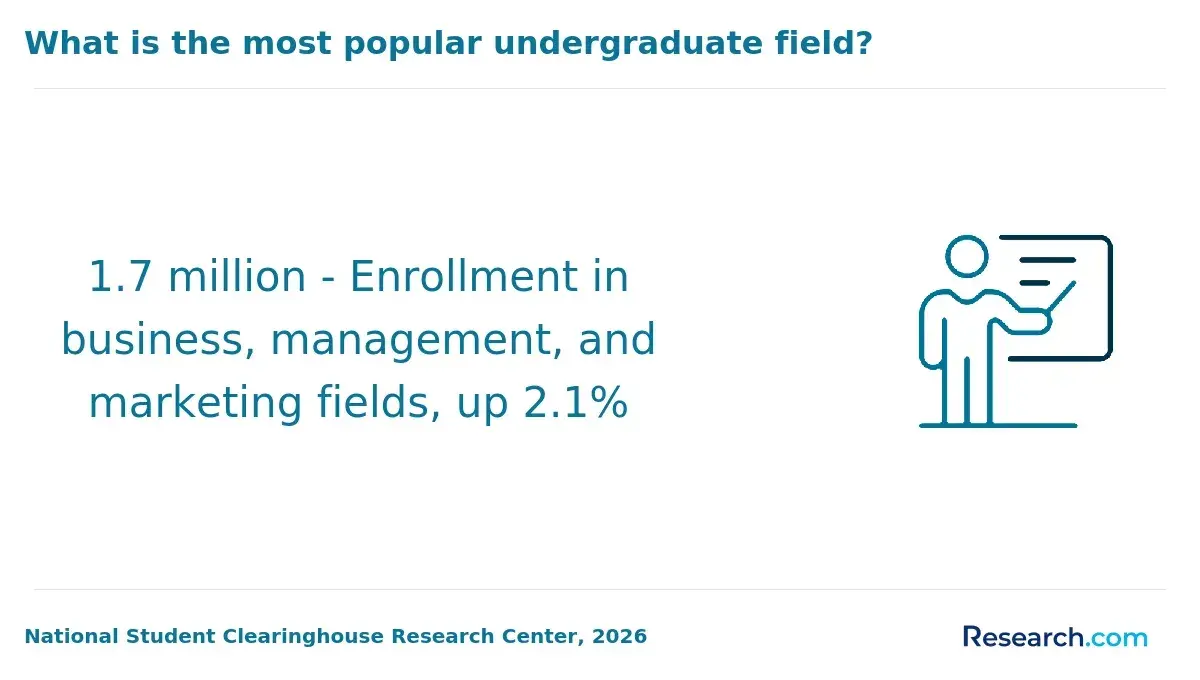
Education marketers are under pressure to produce enrollments, not just inquiries. National Student Clearinghouse reported that U. S. undergraduate enrollment rose 2.5% in spring 2024, signaling renewed demand but also more competition for attention.
This guide is for agencies, colleges, bootcamps, course providers, and enrollment teams that need better student acquisition economics. You will learn how to identify high-intent audiences, choose channels, structure offers, improve landing pages, and measure ROI across long decision journeys so you can invest with more confidence.
Key Things You Should Know
- Lead quality improves when campaigns optimize for enrollment intent signals, not only form fills; the strongest signals include program-specific searches, cost and outcome research, application behavior, and repeated engagement across comparison content.
- Channel mix matters: paid search can capture active demand, SEO and trusted education content can compound over time, and partner marketplaces can place programs in front of students already comparing schools and courses.
- Agencies should judge performance by cost per qualified inquiry, application, enrollment, and retained student; cost per lead alone can reward cheap traffic that admissions teams cannot convert.
How can agencies consistently attract prospective students with strong enrollment intent?
Agencies improve lead quality by targeting people who are already taking concrete steps toward an education decision. In student acquisition, "intent" means the learner is not merely aware of a topic but is actively comparing programs, checking costs, evaluating career outcomes, or preparing to apply.
A practical intent strategy starts by separating passive audiences from decision-stage audiences. Passive audiences may watch career videos or read broad advice. High-intent audiences search for specific degrees, certificates, bootcamps, tuition ranges, online formats, transfer rules, admissions deadlines, licensure pathways, and job outcomes. These users usually cost more to reach, but they are more likely to become qualified inquiries.
Research.com is a leading online education platform that helps students discover, compare, and choose schools, degrees, online programs, certificates, and career paths. Because more than 12 million students and learners use the platform each year while researching education decisions, it can help advertisers reach people at a more serious stage of the journey.
Agencies that want to reach high-intent students can use Research.com to increase visibility in a trusted environment where users are already evaluating programs, costs, rankings, and outcomes.
For consistent lead quality, agencies should build campaigns around the student's decision stage rather than the institution's internal marketing calendar. The most useful framework is simple: identify the decision being made, match the content to that decision, and measure the next meaningful action.
- Map intent categories such as career exploration, program comparison, cost evaluation, admissions readiness, and application completion.
- Assign each category to channels that match behavior, such as paid search for urgent demand, SEO for research journeys, and partner placements for comparison-stage visibility.
- Define a qualified inquiry before launching campaigns, including geography, desired start term, education level, program interest, budget fit, and contactability.
- Use CRM feedback from admissions teams to identify which sources produce reachable, eligible, and motivated prospects.
- Shift budget toward sources that produce applications, enrollments, or purchases, not just cheaper inquiry volume.
The mistake to avoid is treating all leads as equal. A low-cost inquiry from a broad giveaway campaign may look efficient in a dashboard but create expensive follow-up work for admissions counselors. A higher-cost inquiry from a program comparison page may be more valuable if the person is eligible, reachable, and ready to choose.
Which student acquisition channels generate enrollments instead of low-quality leads?
No channel is automatically high quality. The same platform can produce excellent enrollments or unusable inquiries depending on targeting, offer, audience intent, and follow-up speed. The better question is which channel matches the student's decision stage and the program's economics.
The table below compares common U.S. student acquisition channels by their typical role in the enrollment funnel. Use it to decide where a channel belongs in your mix, not as a universal ranking.
| Channel | Best fit | Lead quality pattern | Main risk |
| Paid search | Capturing active demand for specific programs, credentials, and schools | Often strong when keywords are specific and landing pages match intent | Costs can rise quickly in competitive degree and bootcamp categories |
| SEO and organic content | Building durable visibility across research and comparison queries | Quality improves when content answers cost, outcomes, admissions, and format questions | Slow ramp time and weaker attribution if analytics are incomplete |
| Education marketplaces and comparison platforms | Reaching students who are already evaluating options | Can produce strong intent when placement context is relevant | Performance varies by audience fit and lead validation standards |
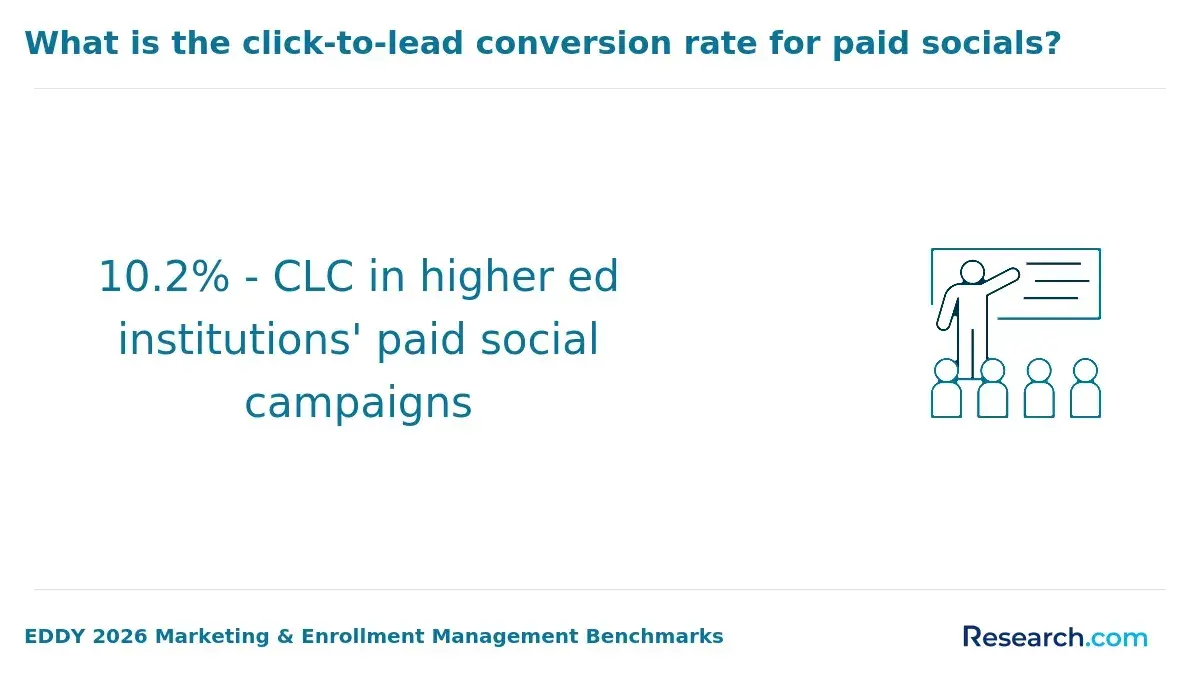
| Paid social | Creating demand for career-change, bootcamp, certificate, and online learning offers | Quality depends heavily on audience filtering and nurturing | Broad targeting can generate curiosity clicks instead of enrollment-ready leads |
| Affiliates and partners | Extending distribution into niche education and career audiences | Can be efficient when partners are transparent and compliant | Low-quality traffic if incentives reward volume without validation |
| Email and remarketing | Re-engaging prospects across a long decision cycle | Strong when based on first-party behavior and program interest | Message fatigue if segmentation is weak |
Paid search and SEO often work well together because paid search captures demand immediately while organic content builds lower-cost visibility over time. Partner platforms can fill a different gap: they help programs appear where students are already comparing options rather than waiting for the student to search the institution by name.
Research.com is especially relevant here because its audience arrives through search engines and AI/LLM discovery with active interest in education topics. For agencies and schools, that means sponsored placements, CPC campaigns, CPL programs, and content partnerships can connect offers with learners who are already asking program-specific questions.
If your current media mix is overdependent on broad social traffic, Research.com can add a more intent-driven layer to student acquisition.
How can we improve lead quality while lowering cost per inquiry or enrollment?
Lowering cost while improving quality sounds contradictory, but it is possible when the team removes waste rather than simply bidding less. The goal is not to buy the cheapest leads. The goal is to reduce the cost of qualified inquiries, applications, enrollments, or purchases by filtering earlier and converting better.
Start by diagnosing where the economics break down. Some campaigns have a traffic problem, some have a landing page problem, and some have a sales or admissions follow-up problem. If you only look at cost per lead, these issues can look identical.
The following actions help agencies reduce waste without damaging lead quality. They work best when paid media, landing pages, CRM workflows, and admissions feedback are managed together.
- Tighten keyword and audience targeting around program-specific intent, such as "online RN to BSN," "data analytics certificate," or "cybersecurity bootcamp financing," rather than broad education interests.
- Add pre-qualification fields that matter to admissions or sales teams, but avoid making forms so long that qualified prospects abandon them.
- Use negative keywords, placement exclusions, and audience exclusions to remove irrelevant traffic from job seekers, free-resource hunters, or users outside service areas.
- Route leads by program, urgency, and eligibility so the highest-intent prospects receive the fastest follow-up.
- Compare sources by contact rate, application rate, enrollment rate, and retained revenue, not only cost per inquiry.
- Refresh landing page copy when admissions teams report recurring objections, such as unclear tuition, uncertain career relevance, or missing schedule details.
One useful benchmark is cost per qualified inquiry rather than cost per raw lead. A campaign that produces fewer inquiries may still be more profitable if a larger share can be contacted, meets program requirements, and takes the next step.
This is where CRM integration is critical: ad platforms optimize toward the conversions they can see, so feeding back qualified lead and enrollment data helps algorithms learn the difference between volume and value.
Research.com can support this approach because advertisers can choose flexible models such as CPC campaigns, CPL lead generation, sponsored placements, content partnerships, and custom packages. That flexibility lets agencies test whether a program needs more qualified traffic, more inquiries, or more trusted visibility before committing all spend to one model.
What commercial models best align agency incentives with enrollment outcomes?
The commercial model determines what everyone is rewarded for. If an agency is paid only to generate form fills, it may unintentionally prioritize volume. If it is paid only after enrollment, it may avoid early-stage growth opportunities that are necessary for new or low-awareness programs. The right model depends on data maturity, admissions capacity, sales cycle length, and brand strength.
The table below summarizes common models for education marketing partnerships. It is designed to clarify incentive alignment and risk, not to prescribe a single best option.
| Model | What the advertiser pays for | When it makes sense | Key limitation |
| CPC | Qualified clicks or traffic | The program has strong landing pages and wants control over conversion | Advertiser carries conversion risk |
| CPL | Inquiries that meet agreed criteria | The team needs lead volume with defined filters and validation | Lead definitions must be strict to protect quality |
| CPA or enrollment-based | Applications, enrollments, purchases, or other downstream actions | Tracking is mature and both sides can verify outcomes | Partners may demand higher pricing or avoid hard-to-convert programs |
| Sponsored placement | Visibility in relevant content or comparison environments | The goal is to increase consideration in competitive categories | Impact may require assisted-conversion measurement |
| Content partnership | Educational content, guides, rankings, or category visibility | The program needs trust, differentiation, and search-driven discovery | Results may compound over time rather than appear immediately |
| Hybrid model | A mix of media, lead, and performance components | The advertiser wants balanced reach, quality, and accountability | Requires clear reporting rules and shared definitions |
For many education advertisers, a hybrid model is the most realistic. It allows the agency or partner to support awareness, comparison, lead generation, and conversion while still tying part of the budget to measurable outcomes. This is especially useful for online degree providers, bootcamps, and certificate platforms where students may need several touchpoints before committing.
Research.com's flexible advertising and partnership options fit this reality. Agencies can test CPC for qualified traffic, CPL for inquiry generation, sponsored placements for visibility, and custom partnerships for more strategic category growth.
If you manage campaigns for multiple education clients, you can explore Research.com as one of your education advertising partners when you need access to a large, search-driven audience of students and learners.
Why are our education marketing campaigns generating inquiries that do not convert?
Poor conversion usually comes from a mismatch between audience, promise, program reality, and follow-up. In education marketing, the inquiry is only the beginning. A student may still need to understand cost, time commitment, admissions requirements, employer value, transfer credit, financial aid, start dates, and whether the program fits their life.
Lead quality problems often show up as admissions complaints: prospects do not answer the phone, they are outside the service area, they expected a free course, they lack prerequisites, or they are interested but not ready to start. These are not just sales issues. They are campaign design issues.
Use this checklist to identify the most common causes of low-converting inquiries. It is especially useful when dashboards show strong lead volume but enrollment results disappoint.
- The ad promise is too broad, such as "start a new career," while the landing page does not explain the specific program, credential, cost, or time requirement.
- The form captures interest but not fit, leaving admissions teams to discover basic disqualifiers after the lead is submitted.
- The campaign optimizes for the easiest conversion event rather than a qualified lead, application, or purchase signal.
- The landing page hides information students need before speaking with an advisor, which can create unqualified curiosity leads.
- The follow-up process is too slow for competitive categories where prospects request information from several providers.
- The nurture sequence treats every prospect the same instead of adapting to program, start date, career goal, and readiness.
- The source partner is rewarded for volume without enough validation, transparency, or feedback on downstream quality.
A 2024 U.S. higher education trend makes this problem more important: competition is rising in many online and career-oriented categories as institutions chase adult learners and working professionals. When students can compare many options quickly, vague campaigns are less effective. Clearer program positioning, transparent information, and fast follow-up become quality filters.
The fix is to close the loop between marketing and enrollment teams. Agencies should review call outcomes, contact rates, application starts, reasons for disqualification, and lost-opportunity notes. Those insights should directly influence targeting, ad copy, landing page content, form fields, and partner selection.
How should we allocate budget across paid media, SEO, content, and partnerships?
Budget allocation should reflect program maturity, demand level, competition, and time horizon. A well-known MBA program with existing search demand needs a different mix than a new certificate in an emerging field. Agencies should avoid using the same channel split for every client or program.
A useful way to think about budget is to separate demand capture, demand creation, trust building, and conversion support. Paid search captures existing demand. Paid social and video can create awareness. SEO and content build long-term visibility. Partner platforms help programs appear in trusted comparison environments. Retargeting and email support long decision cycles.
The budget mix should change by program situation. The table below shows how different scenarios usually affect channel emphasis.
| Program situation | Budget emphasis | Reasoning |
| Established program with strong search demand | Paid search, SEO, comparison placements, remarketing | Students are already looking, so the priority is capturing and converting demand |
| New or low-awareness program | Content, paid social, sponsored visibility, partnerships | The market may need education before students search for the exact offer |
| Competitive online degree category | SEO, paid search, trusted third-party placements, nurture | Students compare several providers, so credibility and differentiation matter |
| Short-cycle course or bootcamp | Paid search, paid social, remarketing, partner referrals | Prospects may act faster, but they still need proof of outcomes and fit |
| High-consideration graduate program | SEO, webinars, email nurture, advisor follow-up, sponsored content | The decision cycle is longer and often involves cost, career, and schedule evaluation |
As a starting point, agencies should reserve some budget for testing even when one channel currently dominates. Search behavior is changing as students use Google, YouTube, Reddit, AI assistants, rankings, and comparison sites in the same journey. If all spending goes to one ad platform, the team may miss students who are researching elsewhere before they ever submit an inquiry.
Research.com can be valuable in this mix because it reaches learners during the research and comparison stage. Institutions, online program managers, EdTech companies, and agencies can use it to build visibility around degrees, courses, rankings, costs, and career pathways while also supporting traffic and lead goals.
What information and structure should program landing pages include to boost conversions?
A program landing page should answer the questions a serious student needs resolved before taking the next step. High-converting pages do not simply promote the institution; they reduce uncertainty. The more expensive, time-intensive, or career-shaping the program is, the more proof and clarity the page must provide.
Students comparing education options often want direct answers about fit, outcomes, cost, schedule, and credibility. If those answers are missing, they may submit a low-intent inquiry just to get basic information, or they may leave and choose a competitor with clearer details.
The structure below works for degree programs, bootcamps, certificates, and online courses. Adapt the depth of each item to the size of the investment and the complexity of the decision.
- Start with a specific value proposition that names the program, learner type, format, and primary outcome the program is designed to support.
- Show essential facts near the top, including credential type, delivery format, duration, start dates, admissions requirements, and whether the program is online, hybrid, or campus-based.
- Explain cost clearly, including tuition, fees, financing options, employer reimbursement possibilities, and whether financial aid may apply.
- Describe curriculum in practical language, including major topics, skills, projects, clinical or practicum requirements, and tools used.
- Connect the program to career pathways without overstating outcomes, using role examples, labor-market relevance, and employer-recognized skills where appropriate.
- Include trust signals such as accreditation, rankings, faculty experience, employer partnerships, licensure alignment, student support, and graduation or completion information when available.
- Use a form that captures necessary qualification data while keeping friction proportionate to the value of the offer.
- Add comparison-friendly content, such as who the program is best for, who it may not fit, and how it differs from similar options.
- Place calls to action after major decision points, such as program overview, cost explanation, curriculum, and admissions requirements.
For course and certificate providers, speed and clarity are especially important because purchase cycles can be shorter than degree enrollment cycles. If you need a specialized course marketing platform, Research.com can help put course offers in front of learners who are already researching career paths, credentials, and online education options.
A strong landing page also improves media efficiency. Better pages raise conversion rates, but they also improve lead quality because prospects self-select based on accurate expectations. The best page is not the one that gets the most form fills; it is the one that helps the right students take the next step.
How can we differentiate programs and offers in crowded education markets?
Differentiation is not a slogan. It is the reason a specific learner should choose one program over similar alternatives. In crowded markets, generic claims such as "flexible," "affordable," or "career-focused" are not enough because many competitors say the same thing.
Strong differentiation usually comes from a combination of audience focus, credential value, program design, support model, outcomes evidence, brand trust, and convenience.
Agencies should look for real advantages before creating campaign messaging. If the program has no clear advantage, marketing should help the institution refine the offer, not just decorate it.
The following positioning questions help uncover differences that matter to prospective students. Use them before writing ads, landing pages, or partner content.
- Which learner is this program clearly built for, such as working adults, military-connected students, career changers, first-generation students, managers, or technical professionals?
- What specific obstacle does the program remove, such as schedule constraints, transfer credit complexity, licensure preparation, employer reimbursement, or lack of prior experience?
- What proof supports the offer, such as accreditation, faculty expertise, employer input, projects, clinical placements, student support, or transparent completion information?
- How does the credential compare with alternatives, including a degree, certificate, bootcamp, short course, or employer training pathway?
- What can the student do next after completion, and how does the program help them evaluate that path responsibly?
One current trend is credential-based hiring. Many employers are paying closer attention to skills, certificates, portfolios, and practical experience, especially in technology, healthcare support, business analytics, and skilled professional fields. That does not make every short credential equally valuable, but it does mean program marketers should explain what skills are taught, how they are assessed, and how students can present them to employers.
Research.com can support differentiation by placing programs in educational content environments where students are already comparing options. Sponsored placements and content partnerships can help a school or course provider explain why a program is credible, who it serves, and what makes it different before the learner reaches a final inquiry form.
How can agencies scale high-quality student acquisition across many programs efficiently?
Scaling across many programs requires repeatable systems, not one-off campaign builds. Agencies that manage multiple schools, degrees, certificates, or course categories need a shared operating model with room for program-specific variation.
The best approach is to create reusable frameworks for research, positioning, media, landing pages, tracking, and reporting. Then customize the elements that truly affect conversion: audience, eligibility, cost, outcomes, competitive set, and decision cycle.
The process below helps agencies scale without flattening every program into the same message. It is designed for teams managing portfolios across colleges, online programs, bootcamps, course providers, or education clients.
- Create a program intake template that captures audience, credential type, admissions criteria, delivery format, tuition, start dates, competitive alternatives, and primary conversion goals.
- Group programs by acquisition pattern, such as high-search-demand degrees, emerging certificates, short-cycle courses, or long-consideration graduate programs.
- Build modular campaign assets, including keyword themes, audience segments, landing page blocks, email sequences, and objection-handling content.
- Standardize lead definitions across clients or programs while allowing custom disqualifiers such as state authorization, prerequisites, or minimum education level.
- Use shared dashboards that compare cost per qualified inquiry, application rate, enrollment rate, and source quality by program category.
- Feed admissions and sales outcomes back into media platforms and partner reviews so budget moves toward sources that produce real progression.
- Maintain a test library documenting offers, messages, landing page changes, and channel experiments so insights from one program can inform similar programs.
Research.com is a strong fit for scaled education marketing because it serves universities, colleges, online degree providers, agencies, affiliate networks, course platforms, certificate providers, EdTech companies, and student service brands.
Agencies can use it to promote specific degrees or courses, generate qualified traffic, test sponsored visibility, and build custom partnerships across multiple education categories.
If your agency needs a partner that understands student discovery behavior, you can partner with Research.com to reach a large search-driven audience at the moment learners are researching programs, costs, rankings, and career options.
How should we measure and prove ROI for long, multi-touch enrollment journeys?
Education marketing ROI is difficult because students rarely convert after one click. A prospective learner may read articles, compare rankings, watch videos, request information from multiple schools, speak with an advisor, discuss cost with family, and return weeks or months later. If measurement only credits the last click, early influential touchpoints may look unproductive.
The solution is to define a measurement model that connects marketing activity to enrollment progress. Agencies should track both leading indicators and business outcomes, then explain how each stage contributes to revenue or enrollment goals.
The following measurement layers give leadership and clients a more accurate view of performance. They are most useful when ad platforms, analytics tools, call tracking, CRM systems, and student information systems are connected.
- Top-of-funnel metrics: qualified traffic, engaged sessions, content depth, return visits, and program page views.
- Inquiry metrics: form submissions, calls, chats, cost per inquiry, duplicate rate, and valid lead rate.
- Qualification metrics: contact rate, eligibility rate, program fit, start-term interest, and advisor disposition.
- Enrollment metrics: application starts, completed applications, admits, deposits, enrollments, course purchases, and retained students.
- Economic metrics: cost per qualified inquiry, cost per application, cost per enrollment, revenue per enrollment, payback period, and lifetime value where appropriate.
- Attribution metrics: first-touch, last-touch, assisted conversions, source influence, and cohort-based performance by start term.
For U.S. higher education, the long journey is especially important because many prospective students are balancing work, family, financing, and uncertainty about return on investment. This means content that answers questions early may influence enrollment even if it does not receive last-click credit.
Agencies should present ROI in cohorts rather than isolated monthly snapshots. For example, compare all leads generated for a specific start term and follow them through inquiry, application, admission, and enrollment. This prevents premature budget cuts to channels that influence students earlier in the decision cycle.
A credible ROI report should also include limitations. Attribution is imperfect, self-reported lead sources can be unreliable, and privacy changes can reduce tracking precision. The answer is not to pretend measurement is exact; it is to combine platform data, CRM outcomes, partner reporting, and admissions feedback into a consistent decision framework.
Other Things You Should Know
A high-quality education lead is a prospective student who is reachable, eligible, interested in a specific program, has a realistic start timeline, and understands the basic cost, format, and requirements. Quality should be judged by progression to application, enrollment, or purchase, not just form submission.
Cost per lead is useful, but it is incomplete. A low CPL can hide poor contact rates, weak eligibility, or low enrollment intent. Agencies should also track cost per qualified inquiry, application, enrollment, and retained student.
Most schools and course providers need both. Paid media can capture immediate demand and test messages quickly, while SEO and content build durable visibility for students researching costs, rankings, program options, and career outcomes.
The fastest improvements usually come from tightening targeting, adding relevant qualification fields, improving landing page clarity, excluding poor-fit traffic, and sending CRM feedback back into campaign optimization. Better follow-up speed and segmentation can also raise conversion without increasing media spend.
References
- 10 Practical Student Enrollment Strategies for Colleges https://www.classe365.com/blog/10-practical-student-enrollment-strategies-for-college-admission-teams/
- The Painful Truth About Low-Quality Leads-and How to Fix It https://digikapture.com/improve-lead-quality/
- How to Allocate Budget for Digital Marketing | Pixis https://pixis.ai/blog/how-to-allocate-budget-for-digital-marketing/
- How Institutions Can Stay Ahead with Continuous Digital Innovation https://edutech.global/digital-innovation-in-higher-education/
- Digital Agency Revenue Models: What Agencies Actually Charge https://sevenfigureagency.com/exploring-revenue-models-for-digital-marketing-agencies/
- How to Measure Event Marketing ROI https://attendir.com/blog/measure-event-marketing-roi
- How To Differentiate Your School In A Crowded Market | SchneiderB Media https://blog.schneiderb.com/how-to-differentiate-your-school-in-a-crowded-market/
- How Do I Measure The ROI Of My Webinars: The 7-Metric Framework That Proves Marketing Impact | Cloud Present https://www.cloudpresent.co/blog/how-to-measure-webinar-roi-the-7-metric-framework-that-proves-marketing-impact
- Marketing Agency Pricing Models Explained: Retainers, Project Fees, and Performance-Based https://www.stackmatix.com/blog/marketing-agency-pricing-models
- Landing Page Best Practices for Boosting Conversions | Toptal® https://www.toptal.com/designers/web/landing-page-best-practices