2027 Sports Psychology Degree Completion Rates by Format: Online, Hybrid, and Campus Programs Compared

Co-Founder and Chief Data Scientist
Choosing how to complete a sports psychology degree presents a significant challenge. A prospective student must weigh the flexibility of online programs against the structured environment of campus learning or the balance offered by hybrid formats. Each option carries distinct demands on time, self-discipline, and access to resources, all of which influence the ability to persist and graduate. Understanding these realities is critical when making an educational investment with long-term career implications.
Key Things to Know About Sports Psychology Degree Completion Rates by Format
- Online sports psychology programs show a 12% lower completion rate than campus formats, reflecting reduced peer engagement and less direct practitioner mentorship critical for applied learning phases.
- Hybrid formats average 8% higher completion rates compared to fully online, benefiting from periodic in-person labs essential for mastery of psychomotor assessment techniques.
- A 2024 longitudinal study links campus program completion robustness to immersive networking and practicum access, which directly influence graduate employment prospects and long-term career progression.
- Key Things to Know About Sports Psychology Degree Completion Rates by Format Key Things to Know About Sports Psychology Degree Completion Rates by Format
- How Do Completion Rates Compare Across Online, Hybrid, and Campus Sports Psychology Programs? Completion Rate Comparison
- What Factors Have the Greatest Impact on Sports Psychology Degree Completion? Degree Completion Factors
- Which Sports Psychology Degree Format Is Hardest to Complete? Completion Difficulty
- How Does Each Sports Psychology Learning Format Affect Student Success? How Does Each Sports Psychology Learning Format Affect Student Success?
- How Does Enrollment Status Affect Sports Psychology Completion Rates? How Does Enrollment Status Affect Sports Psychology Completion Rates?
- Can Transfer Credits Improve Sports Psychology Degree Completion? Transfer Credits
- What Student Support Services Improve Sports Psychology Completion Rates? Student Support Services
- How Do Sports Psychology Completion Rates Affect Career Outcomes? Impact on Career Outcomes
- How Should Students Choose the Best Sports Psychology Learning Format? Choosing the Best Format
- What Are the Long-Term Pros and Cons of Each Sports Psychology Learning Format? Learning Format Pros & Cons
How Do Completion Rates Compare Across Online, Hybrid, and Campus Sports Psychology Programs?
Completion rates in sports psychology degree programs often serve more as reflections of student demographics and circumstances than as straightforward indicators of program quality. Differences seen in online, hybrid, and campus formats frequently stem from the varied profiles of enrollees, such as working adults or full-time students, rather than the inherent strengths or weaknesses of the instructional design. Recognizing this distinction helps prospective students interpret completion data within the broader context of their own situations.
Variations in completion rates among online, hybrid, and campus sports psychology programs typically relate to factors like work commitments, course load intensity, access to academic support, and scheduling flexibility. For example, campus-based students often benefit from structured environments and routine engagement that bolster persistence, while online learners juggle greater autonomy but may face distractions or reduced accountability. Hybrid formats attempt to balance these dynamics, combining convenience with some in-person interaction. Ultimately, success depends heavily on how well a student's lifestyle and learning preferences align with their program's format.
Prospective students can leverage completion rate comparisons alongside their available study time, outside responsibilities, and career objectives to make informed decisions. Someone managing full-time employment might find more realistic progress in a hybrid or fully online program offering adaptable pacing, especially when considering options like 12 month master's programs online. Meanwhile, individuals craving intensive faculty involvement and campus resources might prioritize traditional campus programs despite their typically higher completion benchmarks. Careful evaluation of these tradeoffs-rather than defaulting to perceived prestige or convenience-supports better outcomes in this competitive and demanding field.
What Factors Have the Greatest Impact on Sports Psychology Degree Completion?
Completion rates in Sports Psychology programs are shaped by a complex interplay of personal resilience, academic infrastructure, and the unique challenges posed by different learning formats. Motivation alone seldom predicts success; instead, students must navigate varied factors that influence their ability to stay on track amid competing demands. Recognizing how these elements combine allows prospective students to anticipate potential obstacles and leverage strategies that increase persistence. Below are the primary factors most commonly impacting degree completion in this field.
- Student engagement and motivation: Persistent interaction with course content, faculty, and peers sustains momentum, especially in less structured environments like online programs. Students who actively participate in discussions and seek feedback tend to maintain focus and reduce feelings of isolation common in remote settings.
- Availability of academic support services: Access to tailored advising, tutoring, and mental health resources significantly impacts persistence. Programs offering proactive outreach and academic counseling help students address challenges early, which is essential for those balancing work or family responsibilities.
- Effective time management skills: This is critical for students juggling employment, caregiving, or other commitments alongside their studies. Research from the Lumina Foundation shows that disciplined study habits and routine use of planning tools increase on-time completion rates by nearly 80%. Students struggling with self-regulation benefit from institutional workshops and technology that foster better scheduling.
- Alignment of program demands with personal responsibilities: Students whose coursework schedules and program structures align realistically with their outside obligations are more likely to persist. Hybrid models often help by combining in-person support with flexible online options, reducing common attrition due to scheduling conflicts or isolation.
- Technological readiness and digital literacy: Comfort with virtual platforms reduces stress related to course navigation and participation, directly affecting engagement and retention. Orientation programs focusing on technology use have improved course completion by up to 12% in fully online cohorts, underscoring the value of preparing students before classes begin.
- Social integration and peer support: Particularly prominent in campus-based programs, social connections foster a sense of belonging that reinforces commitment. Peer collaboration and informal study groups provide emotional and academic support that buffers against dropout risks.
- Realistic financial planning and awareness: The economic burden of graduate study often influences persistence, with unmanaged financial stress leading to interruptions or withdrawal. Prospective students should consider factors such as tuition costs and living expenses, for example by reviewing reliable sources like how much does a masters in psychology cost, to ensure they pursue programs matching their financial capacity.
Which Sports Psychology Degree Format Is Hardest to Complete?
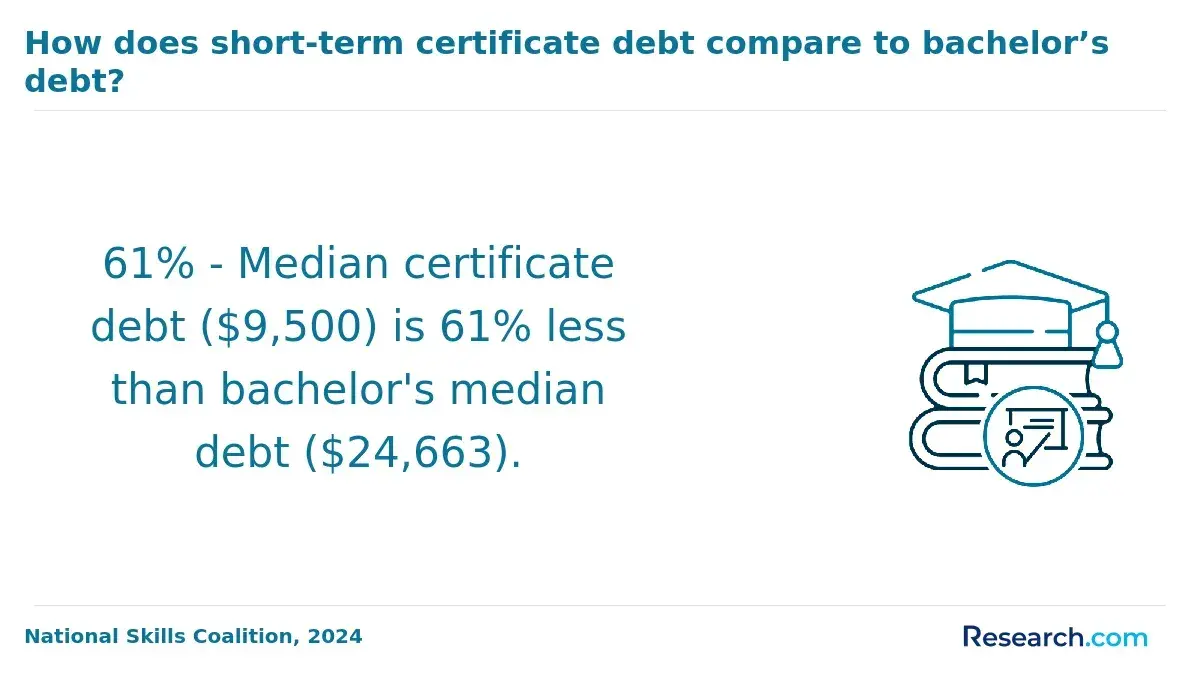
Completion rates for sports psychology degrees vary by format, with 2024 data from the National Center for Education Statistics showing purely online programs lagging behind at 40% to 55%, compared to hybrid programs nearing 70% and campus-based formats exceeding 75%. These figures suggest online pathways demand exceptional self-motivation and time management, as students face distractions and limited faculty access. Conversely, hybrid models blend flexibility with structured in-person engagement, mitigating isolation and encouraging accountability, while campus programs offer immersive environments that promote peer support and direct mentorship, though logistical challenges can limit accessibility for some.
The choice between formats often hinges on individual circumstances beyond raw completion data. For example, a working professional juggling family responsibilities may find hybrid programs strike the optimal balance between convenience and community, enhancing their chances of finishing. On the other hand, a student living near campus might benefit from the routine and support that an on-site program provides, even if it requires commuting. Ultimately, no format universally guarantees success; the ability to adapt personal learning strategies and manage external demands plays a crucial role in navigating the inherent challenges of each delivery method.
One graduate recalled enrolling in an online sports psychology program while managing a full-time job and childcare. Initially, the flexibility seemed ideal, but isolation and competing priorities quickly overwhelmed her. After narrowly missing exam deadlines twice, she switched to a hybrid program offering weekend workshops and group sessions. This shift provided structured interaction and a support network she had previously lacked, helping her regain momentum. Reflecting on her journey, she noted that the hardest aspect wasn't the coursework itself, but sustaining consistent engagement without a framework that balanced autonomy with connection. Her experience underscores how completion difficulty can pivot less on format labels and more on fit between personal context and program structure.
How Does Each Sports Psychology Learning Format Affect Student Success?
Student success in sports psychology depends less on the learning format itself and more on how well that format matches an individual's learning style, time constraints, and personal commitments. For example, a working parent juggling family and job responsibilities may find campus-based programs' rigid schedules challenging, whereas another student thriving on in-person interaction might struggle with the self-directed nature of online courses. Completion rates vary notably between formats, with traditional campus programs showing the highest degree attainment, according to the National Student Clearinghouse Research Center in 2024. Below are key factors illustrating how each learning mode influences student outcomes and long-term success.
- Engagement Through Face-to-Face Interaction: Campus programs excel in fostering student engagement via direct contact with peers and instructors, which supports motivation and persistence. Students who benefit from immediate feedback and structured social learning often complete degrees at higher rates in these environments.
- Flexibility for Non-Traditional Students: Online formats appeal to those balancing work, family, or other responsibilities by removing geographic and scheduling barriers. However, without strong self-discipline and access to timely academic support, some students face higher dropout risks.
- Blended Support in Hybrid Models: Hybrid programs offer a middle path with scheduled in-person sessions combined with online coursework. This flexibility can enhance persistence for students needing personal interaction without sacrificing convenience.
- Access to Academic Resources: Immediate availability of tutoring, advising, and hands-on labs on campus boosts comprehension and confidence. Online students' success rises when institutions incorporate synchronous sessions and interactive technologies to replicate this support.
- Learning Style Alignment: Students with hands-on or collaborative learning preferences usually perform better in campus or hybrid settings that offer experiential components critical for sports psychology's applied focus.
- Time Management Challenges: Online learners with less rigid schedules must cultivate strong organizational skills to avoid falling behind. This is often a barrier for students new to independent study.
- Completion Rates Reflect Format Strengths: Data from the National Center for Education Statistics in 2024 indicates campus sports psychology programs have the highest completion rates, online programs the lowest, with hybrid models situated between, underscoring the tradeoffs between flexibility and engagement.
How Does Enrollment Status Affect Sports Psychology Completion Rates?
Enrollment status stands as one of the most significant factors influencing completion rates in sports psychology degree programs. Its effect extends beyond merely the number of courses taken to encompass how students manage time, motivation, and support systems. This influence varies widely depending on individual circumstances, such as employment obligations, family responsibilities, and learning preferences. Recognizing these nuances helps prospective students make more informed decisions about whether full-time or part-time enrollment aligns best with their goals. Below are key ways enrollment status impacts sports psychology degree completion rates.
- Academic Momentum and Engagement: Full-time students tend to maintain a consistent rhythm with coursework, fostering steady academic momentum that lowers dropout risk. This engagement is especially beneficial in campus and hybrid formats where access to faculty and peer interaction is more immediate. Part-time students balancing other commitments may face interruptions that hinder sustained progress.
- Access to Resources and Support: Enrolling full-time usually grants better access to institutional resources such as faculty office hours, study groups, and campus facilities-elements crucial for reinforcing understanding and motivation. Part-time learners, particularly those in online programs, may need to proactively seek out such supports to avoid attrition.
- Flexibility versus Extended Timeline: Part-time status offers vital flexibility for students with external obligations but typically extends the duration of the program. This can lead to decreased motivation and increased chances of non-completion. A report from national education statistics in 2024 shows full-time sports psychology students graduate at rates roughly 30% higher than part-time peers, illustrating this tradeoff.
- Self-Regulation and Time Management: Especially in online formats, successful part-time students must exhibit high levels of self-discipline to manage asynchronous materials without immediate campus structure. Those struggling with time management may find full-time enrollment beneficial to maintain accountability.
- Impact on Workforce Entry and Practical Experience: Completing a program full-time often means earlier entry or re-entry into the workforce, allowing timely accumulation of practical experience critical in sports psychology careers. Part-time students should plan for potentially delayed workforce integration while leveraging program flexibility.
- Hybrid Programs as a Persistence Buffer: Hybrid delivery can mitigate some challenges of part-time enrollment by combining online flexibility with periodic in-person engagement, enhancing student persistence. Those who need balance but fear isolation in fully online learning may find this blend advantageous.
- Individual Circumstances Over General Rules: No enrollment status is universally superior; students must weigh their personal situations, readiness, and support needs. Choosing an enrollment pace aligned with one's lifestyle and responsibilities improves the likelihood of successful program completion.
For students interested in further career-aligned training, exploring options such as an MBA for entrepreneurs can complement their sports psychology expertise by broadening management and business skills relevant to sports organizations or private practice.
Can Transfer Credits Improve Sports Psychology Degree Completion?
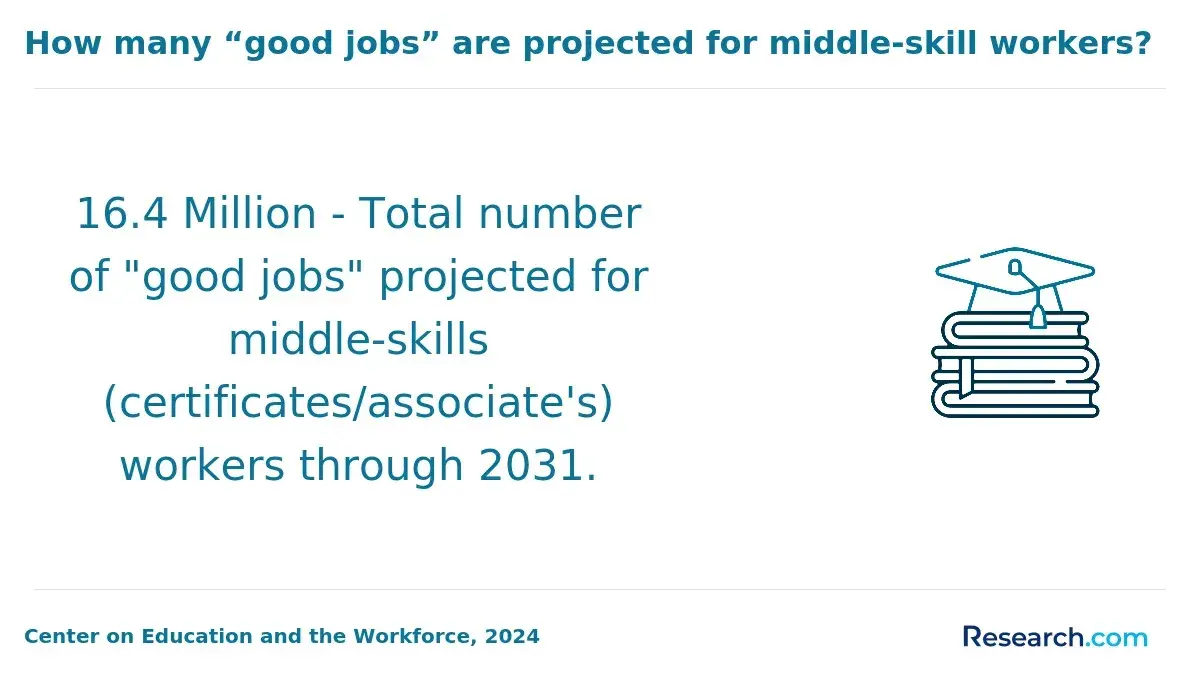
Transfer credits can significantly influence the timeline for completing a sports psychology degree by eliminating redundant coursework and allowing students to build on previously earned academic progress. A 2024 report from the National Student Clearinghouse Research Center found that students who transfer credits tend to graduate at rates up to 15% higher than those starting fresh, illustrating the potential of credit articulation to expedite degree completion. This advantage is especially relevant in online and hybrid programs, where adult learners often leverage prior learning and professional training to accelerate progress.
However, the actual impact of transfer credits varies depending on how well transferred courses align with specific program requirements and institutional policies. For example, a student moving from a military education background or professional certification into a campus-based sports psychology program might discover that not all credits apply due to differing course equivalencies or stricter evaluation criteria. This mismatch can blunt the expected speed of graduation or increase the academic load needed to meet degree standards.
Consider a working professional enrolling in a hybrid sports psychology program who has completed several psychology courses online at a different university. If those credits transfer fully and meet core curriculum needs, the student can bypass introductory classes and complete electives or advanced topics sooner. Conversely, if only some credits are accepted, the student may still face extended semesters or heavier enrollment requirements, diminishing the initial time-saving advantage.
Prospective students can better gauge the likelihood that transfer credits will help by obtaining an official credit evaluation before committing to a program. Reviewing detailed course equivalencies and comparing remaining credited requirements against their intended pace of study enables a realistic plan for graduation timelines. While transfer credits frequently enhance degree completion odds by reducing barriers and financial strain, they represent one part of a complex equation that also includes institutional support, program format, and personal circumstances.
What Student Support Services Improve Sports Psychology Completion Rates?
Completion rates for sports psychology degrees depend heavily on the quality and accessibility of student support services, especially as formats vary between online, hybrid, and campus-based programs. Effective supports address academic, social, and emotional challenges that students face, ultimately influencing persistence and graduation. Research from 2024 by the National Center for Education Statistics highlights that students who engage with tailored support resources have significantly better outcomes. The following are the core services that most impact sports psychology degree completion:
- Proactive Academic Advising: Regular, personalized guidance helps students navigate course choices, alleviate confusion, and manage academic requirements. Early identification of struggles through advising can prevent dropouts by connecting students with appropriate resources promptly.
- Integrated Online Coaching Platforms: For remote learners, access to 24/7 coaching and tutoring systems reduces isolation and enhances skill development. A study by the Education Advisory Board reported a 15% higher completion rate among online students who actively used these platforms versus those who did not.
- Peer Collaboration Opportunities: Synchronous virtual study groups and discussion forums facilitate connection and motivation. These interactive environments counter feelings of detachment common to online formats and boost engagement.
- Hybrid Cohort Mentorship: Scheduled in-person meetings paired with online support create accountability networks and social capital. These hybrid structures balance flexibility with personal connection, addressing diverse learner needs.
- Mental Health and Well-being Services: Accessible counseling tailored to student stressors in sports psychology strengthens resilience. Early intervention can be decisive in retaining students juggling academic and personal pressures.
- Orientation on Resource Navigation: Structured onboarding sessions that familiarize students with campus or virtual support systems improve uptake. Students who understand how to access services are statistically more likely to persist through program challenges.
One online sports psychology graduate described grappling initially with feelings of overwhelm and uncertainty about coursework pacing. Their decision to join weekly virtual tutoring sessions and counseling helped form a routine and build confidence. They noted, "Without those scheduled check-ins and the tutor's feedback, I probably would have fallen behind during the busiest semester." This experience underscores that consistent, accessible guidance-rather than sporadic or generic help-is essential in overcoming the unique obstacles of a virtual sports psychology program.
How Do Sports Psychology Completion Rates Affect Career Outcomes?
Completion rates for sports psychology degrees play a significant role in shaping career trajectories, especially in a discipline that demands both academic knowledge and practical application. Data from 2024 indicate that students who finish their bachelor's in sports psychology-whether on-campus, hybrid, or online-generally experience improved employment prospects, higher wages, and enhanced promotion opportunities compared with those who do not complete. Nevertheless, the format chosen affects completion likelihood and subsequent career outcomes, given the different levels of engagement and support available. Below are key career impacts tied to sports psychology degree completion rates and career success.
- Employment readiness and opportunities: Completing a sports psychology degree substantially increases access to relevant entry-level roles in athletic programs, rehabilitation centers, and wellness organizations. Persistence to graduation equips students with essential credentials and fundamental theory combined with applied skills, which employers value. Students enrolled in campus or hybrid programs often benefit more due to increased networking chances and more structured learning environments.
- Graduate school admission and specialization options: Bachelor's degree completion is a critical prerequisite for advancing toward master's or doctoral-level programs that deepen expertise and open doors to licensed practitioner or research roles. According to a leading 2024 labor market report, graduates are nearly twice as likely to enroll in advanced degrees than non-completers. This pathway suits those targeting clinical or academic careers in sports psychology.
- Long-term earnings and promotion prospects: Degree holders in sports psychology statistically enjoy higher median salaries and more frequent promotions, reflecting their verified skills and knowledge base. Timely completion is important, as delayed graduation from online programs can defer entry into the workforce, limiting cumulative experience and wage growth, particularly in competitive markets.
- Professional networking and experiential learning benefits: Campus programs typically facilitate immersive, in-person access to internships, peer collaboration, and faculty mentorship that enhance job placement success. While online routes offer flexibility, students may face engagement challenges that reduce completion rates, affecting their readiness for roles where practical experience is valued.
A real-world example illustrates this: a student pursuing a sports psychology degree online while working full-time may struggle with persistence due to fewer direct interactions, lowering completion likelihood and delaying eligibility for competitive internships. Conversely, a hybrid program participant gains structured support to balance work and study, improving completion odds and smoother career transitions. Prospective students should weigh these factors carefully when selecting a format that aligns with their goals and circumstances.
For those exploring related fields or seeking comparative career insights, consulting resources such as what can you do with an environmental studies degree offers additional perspectives on degree completion and labor market outcomes.
How Should Students Choose the Best Sports Psychology Learning Format?
Choosing the best learning format for a sports psychology degree significantly affects a student's ability to graduate and reach career goals. Completion rates vary widely by program delivery style, influenced by factors such as personal circumstances and study habits. Recent 2024 data from the National Center for Education Statistics highlight that campus degree programs often show higher completion rates than fully online ones, largely due to structured schedules and richer faculty interaction. Below are critical factors to evaluate when selecting the format that maximizes your chances of success.
- Work-Life Balance and Commitments: Students juggling full-time jobs, family, or other responsibilities may find online or hybrid programs better accommodate fluctuating schedules. However, flexibility requires self-discipline; those overwhelmed by competing demands often struggle without the consistent routine of campus programs.
- Learning Style and Motivation: Campus formats provide in-person engagement and immediate access to peers and instructors, supporting students who thrive on direct interaction. Self-motivated students with strong time-management skills tend to succeed more readily in online environments despite reduced face-to-face contact.
- Access to Networking Opportunities: The sports psychology field emphasizes internships and professional relationships. On-campus experiences generally facilitate stronger networking, providing easier access to practical placements and mentor relationships crucial for career development.
- Program Structure and Support Systems: Hybrid programs blend online convenience with scheduled in-person sessions, potentially balancing flexibility with academic accountability. Evaluate whether a program's advisement, tutoring, and peer support are robust enough to guide independent learners.
- Prior Academic Preparation: Students with a strong academic background and discipline may navigate online formats effectively, while those needing more guidance might benefit from campus-based instruction's structured environment.
- Long-Term Professional Goals: Consider how the chosen learning format aligns with your career aspirations. Practical, hands-on roles in sports psychology often require local networking and in-person training that campus programs better facilitate.
- Completion Success Statistics: According to national 2024 data, completion rates are highest where students' format preferences align with their life circumstances and learning strengths. A mismatch can significantly delay or prevent graduation.
For prospective students seeking comparable program quality and flexibility, examining the best GIS programs in the US offers insights into balancing academic rigor with personal demands, which may parallel choosing the best sports psychology program format for graduation success.
What Are the Long-Term Pros and Cons of Each Sports Psychology Learning Format?
Completing a sports psychology degree involves weighing the long-term benefits and challenges of online, hybrid, and campus learning formats. Each approach impacts not only graduation rates but also crucial skills development and career pathways. For example, a working professional seeking flexible study may choose online but must consider the risk of lower peer interaction and mentoring. Below are key long-term factors students should evaluate when deciding their ideal format.
- Flexibility and Accessibility: Online formats provide unmatched scheduling freedom, ideal for those balancing jobs or family, but 2024 studies show higher attrition rates due to less direct engagement. Campus programs often have rigid schedules and geographic constraints, limiting access for some learners.
- Engagement and Peer Interaction: Hybrid models offer a blend of online learning with in-person sessions, fostering community and collaboration. Campus students benefit from immersive face-to-face networking, while online learners may face isolation impacting skill development.
- Completion Rates and Motivation: Data from accredited higher education sources in 2024 reveal campus programs have the highest completion rates, followed by hybrid, with online trailing due to weaker mentoring and accountability structures.
- Real-World Skill Application: Campus-based programs emphasize hands-on labs and applied experiences, preparing graduates for specialized roles. Hybrid formats try to replicate this balance, whereas online programs may lack practical exposure critical for certain careers.
- Professional Networking and Job Placement: Graduates from campus programs tend to have stronger professional networks and improved job prospects in sports psychology fields, though hybrid learners gain mentorship advantages over purely online counterparts.
References
- The Role of Sports Psychology in Athletic Performance https://www.cune.edu/news/role-sports-psychology-athletic-performance
- How to Choose a Qualified Sports Psychologist: An Athlete's Guide to Finding the Perfect Match https://www.drpaulmccarthy.com/post/how-to-choose-a-qualified-sports-psychologist-an-athlete-s-guide-to-finding-the-perfect-match
- Sports Psychology | Guide - UK Coaching https://www.ukcoaching.org/ukc-club/coach-learning-framework/sport-psychology/sport-psychology-guide/
- Psychology of Sport and Exercise https://www.staffs.ac.uk/course/psychology-sport-exercise-bsc
- Must Read Sport Psychology Books for (Female) Athletes, Coaches & Teams https://headstrongmindset.com/must-read-sport-psychology-books-for-athletes-coaches-teams/
- Master's in Sport and Performance Psychology https://www.commonwealthu.edu/academics/programs/sports-performance-psychology-ms
- Affordable Sports Psychology Degrees: Top Cheapest Programs & Cost-Saving Tips (2025) https://www.sportspsychology.org/articles/cheapest-sports-psychology-programs/
- Applied Sport Psychology Graduate Certificate Online https://www.uws.edu/academics/programs/sport-performance-psychology/graduate-certificate/
- Planit : Job Profiles : Psychologist https://www.planitplus.net/JobProfiles/View/651/112
- What are the benefits of sports psychology? - BelievePerform - The UK's leading Sports Psychology Website https://members.believeperform.com/what-are-the-benefits-of-sports-psychology/
Other Things You Should Know About Sports Psychology
Online programs often require greater self-discipline since students manage their schedules independently without fixed class times. This flexibility can lead to procrastination, delaying progress and reducing completion rates. Conversely, campus programs have more structured schedules and face-to-face accountability, which can better support steady progress. For students who struggle with self-regulation, a campus or hybrid format may improve completion likelihood despite online convenience.
Sports psychology relies heavily on interpersonal skills gained through clinical practicums and supervised experiences. Online programs that minimize in-person components may limit these opportunities, potentially reducing student engagement and motivation to complete the degree. Students prioritizing applied learning should consider hybrid or campus formats that integrate direct client interaction, as this real-world experience can enhance commitment and better prepare graduates for licensing or employment.
Employers in clinical and athletic settings often favor candidates with traditional campus education, perceiving these programs as more rigorous or comprehensive. Students aware of this bias may feel increased pressure to complete campus or hybrid degrees, which can reinforce persistence. Conversely, those in research or administrative roles might find online degrees equally accepted, allowing them to prioritize flexibility. Understanding employer expectations helps students prioritize formats that align with their career targets and their likelihood to finish the program.
Hybrid programs combine flexibility with some in-person engagement, creating structured checkpoints that help students maintain momentum. For those balancing jobs, family, or other obligations, hybrid formats can reduce the isolation common in purely online settings while avoiding the rigidity of campus schedules. This balance often leads to higher completion rates by providing necessary support without sacrificing flexibility, making hybrid programs a strategic choice for many nontraditional students aiming to complete their sports psychology degree efficiently.