2027 Remote Work Report for Sports Psychology Graduates: Flexible Roles, Pay, and Hiring Trends

Co-Founder and Chief Data Scientist
Sports Psychology graduates often discover that remote roles in their field are scarce compared to traditional settings like clinics or athletic organizations. Employers increasingly seek candidates with hybrid skill sets, combining psychological expertise and data-driven performance analysis.
Recent data shows remote Sports Psychology job listings grew by just 5% nationally, lagging behind other health-related fields where remote roles expanded by over 20%, according to workforce analytics firms. This gap highlights the continuing demand for in-person collaboration and direct athlete interaction in this specialty, which affects realistic expectations for graduates seeking flexibility.
This article examines available remote roles, earnings benchmarks, and evolving employer preferences to guide graduates through effective job market decisions.
Key Points About Working Remotely for Sports Psychology Graduates
- The average annual salary for remote roles in Sports Psychology is around $75,000, varying with task complexity and employer size, impacting financial planning for early-career professionals aiming for telehealth or consultancy positions.
- Remote jobs typically involve virtual performance coaching, mental health consulting, research analysis, and content creation, requiring graduates to develop specialized digital communication and analytical skills aligned with these functions.
- Graduates should prioritize certifications and target employers valuing remote work, as hiring timelines often depend on telehealth adoption and organizational scale, influencing time-to-employment post-graduation.
- Are there remote work opportunities in the Sports Psychology industry? Remote Opportunities
- Which Sports Psychology niches offer remote roles? Which Sports Psychology niches offer remote roles?
- What entry-level Sports Psychology roles allow remote work? Entry-Level Roles
- What is the average salary of Sports Psychology graduates who are working remotely? Average Salary
- Do remote Sports Psychology jobs pay the same as on-site roles? Pay Comparison
- What benefits do remote Sports Psychology employees receive? What benefits do remote Sports Psychology employees receive?
- Where can Sports Psychology graduates look for remote jobs? Where to Find Jobs
- What do Sports Psychology employers look for in candidates? What do Sports Psychology employers look for in candidates?
- How can Sports Psychology graduates prepare for remote roles? Preparing for Remote Roles
- How can Sports Psychology graduates if remote roles are a good fit for them? How can Sports Psychology graduates if remote roles are a good fit for them?
Are there remote work opportunities in the Sports Psychology industry?
Remote work in the Sports Psychology sector remains limited but is on the rise, with about 18% of entry-level roles fully remote and 52% offering hybrid models. This prevalence reflects a growing market demand for flexible positions that blend digital tools with essential in-person interactions.
Flexible arrangements vary widely by region and organization due to compliance laws and workflow demands. For example, a Sports Psychology graduate working with a collegiate athletic program in a state with stringent privacy rules may face stricter on-site requirements compared to those in private telehealth practices.
Technology such as telehealth platforms and secure communication software supports remote consultations, yet employers still prioritize direct athlete engagement. This balance limits fully remote roles but encourages hybrid formats, blending flexibility with hands-on responsibilities.
A 2024 study shows corporate return-to-office rates near 60% in related health fields, signaling strong industry leanings toward hybrid work. Graduates should assess these trends carefully to align career decisions with practical realities in Sports Psychology employment.
Which Sports Psychology niches offer remote roles?
Remote roles in Sports Psychology are concentrated in niches where digital tools and asynchronous workflows complement the core services without sacrificing client outcomes. This alignment matters because many positions within the field still require in-person interaction to build trust and perform hands-on assessments.
For example, a Sports Psychology consultant might lead mental skills training remotely via video calls to optimize athletes' focus and resilience without physical presence. Recognizing these distinctions helps graduates gauge which niches suit flexible work. Below is a concise overview of remote-friendly areas within Sports Psychology and why each fits off-site work.
- Performance Consulting: This niche focuses on enhancing mental toughness and cognitive resilience through virtual coaching and app-based interaction. The emphasis on mental skills suits video conferencing and digital assignments, enabling coaches to work with diverse client bases without travel.
- Rehabilitation Psychology: Practitioners support athletes recovering from injury through telehealth check-ins and remote monitoring. This approach maintains continuity of care while providing the flexibility needed for both clinician and client scheduling.
- E-sports Psychology: Concentrating on cognitive and emotional strategies unique to competitive video gaming, this niche naturally operates in digital spaces. The remote format accommodates the global dispersion of players and teams.
- Wellness Coaching: Focused on mental wellness education and stress management, wellness coaching for amateur or recreational athletes is growing in demand. Remote delivery expands access to populations often underserved by traditional clinical settings.
- Data Analytics Consulting: Specialists analyze psychological and performance metrics asynchronously for teams and organizations. This offsite work suits professionals skilled in interpreting data trends without direct client meetings.
- Academic Research: Many remote research roles are possible due to advances in online collaboration and access to digital datasets. This niche allows flexibility but may require strong self-directed project management.
Recent labor market analysis indicates that hiring volume in remote-friendly Sports Psychology roles increased by approximately 13.4%, underscoring employer confidence in telehealth's efficacy and cost benefits.
Nonetheless, graduates should assess how remote work aligns with their preferred client interaction style and professional growth, particularly since some high-touch areas still favor in-person rapport. For those exploring flexible education options to enter these niches, an online master's degree can provide relevant credentials while accommodating remote study.
What entry-level Sports Psychology roles allow remote work?
Entry-level remote roles in Sports Psychology demand strong digital skills and self-motivation to deliver effective client outcomes from a distance. Graduates pursuing flexible remote roles for Sports Psychology graduates should understand that these positions revolve around leveraging technology to provide mental skills coaching, data analysis, and behavioral support without in-person interaction.
Below is an overview of common entry-level remote roles, outlining typical requirements and why each supports remote work efficiently.
- Remote Sports Psychology Assistant: This role involves assisting senior practitioners by managing client intake, scheduling virtual sessions, and maintaining digital records. Candidates need fundamental knowledge of mental health concepts and proficiency with telehealth platforms, enabling smooth remote operations through video calls and online coordination.
- Virtual Mental Skills Coach: Focused on delivering personalized mental conditioning programs via video conferencing, this position requires certification in sports psychology basics and the ability to adapt coaching techniques digitally. It suits remote work by relying heavily on scheduled virtual interactions and progress tracking through software.
- Online Performance Analyst: Tasks include analyzing athlete data using software like Tableau or Excel and providing reports on mental performance trends. Entry-level applicants must have competency in data visualization tools and some understanding of psychological metrics, allowing for independent, remote data-driven assessments.
- Telehealth Behavioral Specialist: Responsibilities center on delivering behavioral interventions and support remotely, often requiring specific telepsychology certifications. This role works well from home as it depends on secure digital communication and asynchronous follow-ups with clients.
- Digital Wellness Consultant: Specialists design and implement online wellness programs tailored to athlete mental resilience. Applicants should be skilled in digital content creation and wellness frameworks, which suits the remote environment through digital resource management and virtual collaboration.
- E-sports Mental Trainer: This niche role supports mental preparation for competitive gaming using virtual platforms. It demands knowledge of both gaming environments and sports psychology principles, making remote delivery effective through online coaching and game performance analysis.
Client outreach, data collection, and digital program administration form the backbone of these roles. Daily tasks include conducting virtual sessions and collaborating using tools like Zoom or Microsoft Teams.
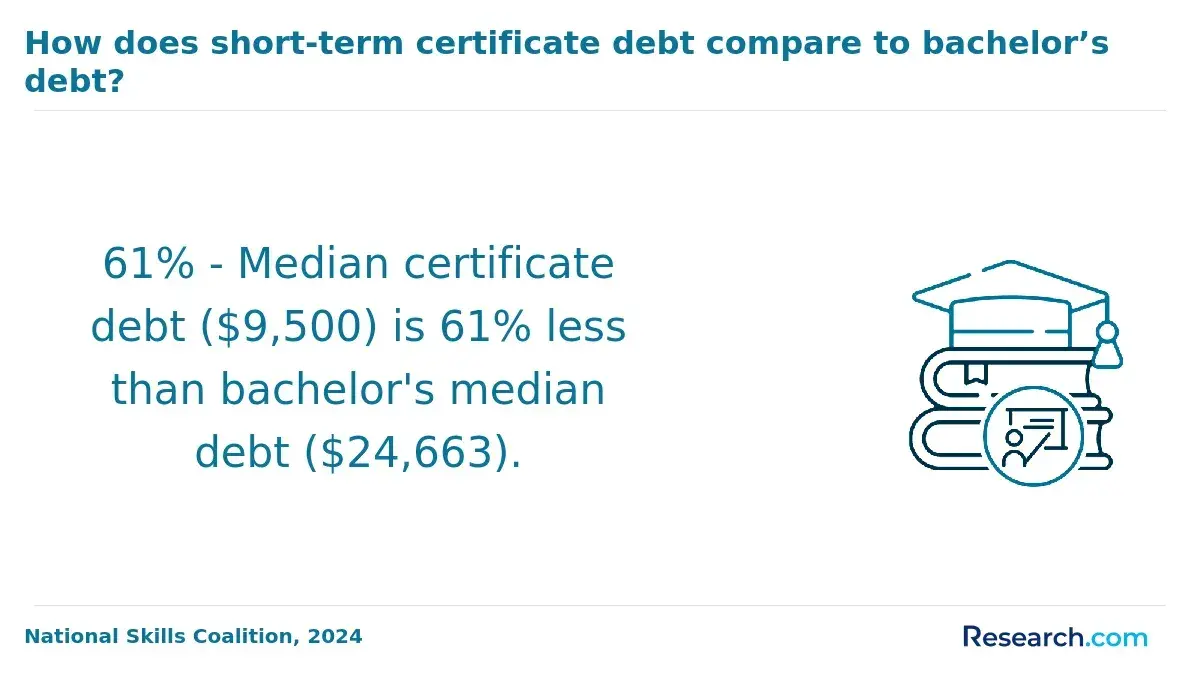
The importance of telehealth certifications is rising to validate competency in remote mental health service delivery. A workforce analysis shows a 62% increase in junior Sports Psychology job listings offering remote or hybrid options, indicating a growing employer preference for flexible arrangements. This trend matters because it expands market opportunities but also highlights the necessity for graduates to maintain evolving digital skills and balance remote work with practical experience.
Access to the cheapest civil engineering degree online programs illustrates how specialized online education can support entry into technical roles requiring adaptable digital expertise. Understanding the practical demands of entry-level remote Sports Psychology jobs also involves recognizing technology's central role and the discipline needed for success in flexible work settings.
What is the average salary of Sports Psychology graduates who are working remotely?
The average remote salary for Sports Psychology graduates starts around $52,500 annually, with entry-level pay typically ranging from $48,000 to $58,000. This reflects a modest premium compared to related fields, as employers value the specialized expertise required in Sports Psychology remote roles.
Variations in pay often hinge on additional technical skills or certifications. Candidates proficient in clinical applications or virtual coaching platforms can command higher wages. Those pursuing advanced training or certificate programs tend to enhance their earning potential, especially in remote settings where adaptability is crucial.
Compared to similar disciplines like general psychology or kinesiology, Sports Psychology remote roles offer slightly better starting salaries due to niche specialization demands. A 2024 study found entry-level behavioral health remote salaries clustered tightly between $47,000 and $60,000, highlighting steady growth driven by demand for mental wellness experts in sports organizations.
Sports Psychology remote work pay trends suggest that while early advancement might be limited, graduates can leverage flexibility and evolving digital tools to grow income over time. Real-world scenarios often require balancing salary expectations with professional development opportunities in virtual environments.
Do remote Sports Psychology jobs pay the same as on-site roles?
Remote Sports Psychology roles generally pay about 7.5% less on average than comparable on-site positions. This pay gap reflects many employers' use of geographic pay localization, which adjusts salaries based on the employee's cost of living rather than applying a uniform national wage.
For example, a graduate living in a lower-cost region may receive a reduced remote salary, even when performing similar work to a higher-paid on-site counterpart in a metropolitan area. This differentiation limits the financial appeal of remote roles in certain markets.
Compensation structures also differ in benefits; remote employees often receive smaller travel stipends but might get modest home-office budgets. A workforce study found only 19% of firms fully achieve pay parity between remote and on-site roles, highlighting ongoing discrepancies for remote specialists like Sports Psychology graduates.
Graduates must factor in these tradeoffs-lower base pay against flexibility and lower living expenses-when choosing remote positions, as salary alone may not reflect the total value of their employment package or career trajectory.
What benefits do remote Sports Psychology employees receive?
Remote Sports Psychology employees often navigate unique challenges that demand both emotional resilience and sustained cognitive focus, making tailored benefits critical for maximizing engagement and maintaining professional efficacy off-site. For instance, a remote Sports Psychology consultant managing client sessions across different time zones requires dependable internet and ergonomic work conditions to avoid burnout.
Recognizing this, 62% of decentralized firms now provide a monthly stipend averaging $125 to cover crucial expenses like internet and ergonomic gear, signaling an employer shift towards comprehensive remote support. The following outlines key benefits that address the specific needs of remote Sports Psychology professionals:
- Flexible Paid Time Off Policies: These accommodate fluctuating client schedules and mental health needs, allowing remote employees to recharge without compromising service continuity. Flexibility here sustains work-life balance, a core concern for high-demand cognitive roles.
- Home Office and Technology Stipends: Financial support for equipment and connectivity ensures practitioners can maintain stable, comfortable workstations, which is vital for uninterrupted, confidential sessions in Sports Psychology.
- Mental Health Resources: Enhanced access to counseling and wellness programs tailored to remote employees addresses the isolation and stress uniquely felt when operating outside traditional office environments.
- Certification Reimbursements: Covering costs for ongoing qualifications helps remote workers retain professional credibility and stay current with evolving industry standards-key for career longevity.
- Retirement Plans with Enhanced Matching: Some employers provide superior matching contributions to attract and retain remote talent, indirectly reflecting the value placed on these professionals' long-term financial security.
A mid-career Sports Psychology practitioner recently shared that before accepting a fully remote role, they hesitated due to unclear support around technology costs. After securing a position with a firm offering both a monthly stipend and professional development reimbursements, the practitioner reported feeling "relieved knowing the company invests in the tools and education necessary to perform confidently from home."
This combination of benefits influenced their decision to stay long-term, highlighting how thoughtful perks directly affect retention and job satisfaction in remote settings.
Where can Sports Psychology graduates look for remote jobs?
Targeting remote roles in Sports Psychology requires a strategic blend of broad and niche platforms to uncover viable opportunities effectively. For example, a recent graduate might find entry-level telehealth assistant positions on mainstream job sites but secure more specialized internships by engaging deeply with professional associations.
Remote job board analytics show a 24% increase in mental health and sports-related postings, indicating that platforms tailored to these sectors yield more relevant matches and higher callback rates. Below are key online resources with distinct advantages for Sports Psychology graduates seeking remote positions.
- FlexJobs: This platform curates remote, part-time, and flexible jobs across health and wellness fields. It uses a subscription model and stringent vetting process to ensure listings are legitimate, reducing time wasted on scams. For Sports Psychology graduates, it offers a steady flow of entry-level mental health roles that intersect with their skill set.
- Association for Applied Sport Psychology Career Portal: As a specialized resource, this portal targets professionals within the sports psychology domain exclusively. Listings often include internships and assistant roles that are not broadly advertised, leveraging the association's network to match candidates with relevant, credible remote options.
- LinkedIn: Beyond job listings, LinkedIn functions as a networking hub where Sports Psychology graduates can join focused groups and connect with employers directly. Its algorithm personalizes job suggestions based on profile data and activity, which is particularly useful for uncovering hidden remote opportunities shared in group discussions and by industry insiders.
- PsychologyJobs.com: This niche board targets psychology-related careers, including remote internships and assistant roles aligned with Sports Psychology. It organizes postings by specialization and experience level, helping recent graduates find roles that fit both their credentials and flexible work preferences.
What do Sports Psychology employers look for in candidates?
Employers hiring for remote Sports Psychology roles prioritize candidates who combine technical proficiency with verified competencies and demonstrated outcomes in virtual settings. For example, a recruiter may assess an applicant's ability to effectively conduct mental skills sessions over Zoom while analyzing performance data remotely through software like SPSS or R. This practical test underscores the need to merge digital fluency with psychological expertise, reflecting real-world demands.
Below are key qualifications employers use to evaluate remote Sports Psychology candidates.
- Technical Platform Proficiency: Familiarity with telehealth tools such as Zoom and Doxy.me is essential. Candidates must not only navigate these platforms confidently but ensure security and client confidentiality. This skill is critical for delivering consistent remote consultations and maintaining professionalism.
- Certified Mental Performance Credentials: Designations like Certified Mental Performance Consultant (CMPC) attest to adherence to industry standards and ethics. These certifications validate that candidates meet professional benchmarks valued in remote environments where independent judgment is necessary.
- Remote Communication and Digital Literacy: Strong communication skills tailored to virtual interactions include asynchronous messaging and digital program tracking. Employers assess how well candidates engage clients remotely to maintain motivation and accountability, vital for long-term program adherence.
- Data-Driven Assessment Skills: Expertise with data analysis software enables interpretation of athlete psychological metrics. Recruiters often require portfolios that demonstrate outcome-based remote interventions, favoring candidates who translate data into measurable improvements.
Recent recruitment surveys show that 78% of sports organizations mandate competence in remote client engagement platforms and assessment technologies before hiring. This trend highlights the increasing weight of digital skills in essential skills employers seek in Sports Psychology remote roles.
Those exploring ways to accelerate degree completion may find options such as an accelerated computer science degree online beneficial to supplement core sports psychology training with technology expertise.
How can Sports Psychology graduates prepare for remote roles?
Success in remote Sports Psychology roles requires targeted preparation beyond academic credentials. For example, a graduate supporting athletes virtually must master digital tools and create secure, confidential environments to maintain professionalism. The following strategies outline key actions for developing remote work skills for Sports Psychology graduates:
- Master Digital Communication Platforms: Develop fluency in Zoom, Microsoft Teams, and Slack to facilitate smooth virtual interactions with clients and colleagues. Consistent practice and familiarity with platform features ensure effective engagement in remote sessions.
- Earn Specialized Online Certifications: Pursue telehealth, virtual coaching, or data analytics certificates that connect theory to remote practice. This focused upskilling addresses employer demand for candidates with verified competencies tailored to virtual environments.
- Invest in Reliable Technology: Acquire quality webcams, noise-canceling headphones, and secure internet access to create a professional and confidential workspace. This prepares graduates to handle sensitive client information and deliver uninterrupted consultations.
- Build an Independent Project Portfolio: Design virtual workshops or analyze sports performance data using software like SPSS or R. Such initiatives demonstrate technical skills and a proactive approach, increasing hireability in flexible roles.
Graduates prepared with these focused skills report a 27.4% higher rate of hireability for flexible positions, reflecting employers' preference for candidates who can transition seamlessly to remote work.
However, preparation must also weigh the realities of certain roles that require in-person assessments. Aligning skill development with these practical demands is critical for navigating the best preparation strategies for remote Sports Psychology careers. Those seeking to deepen skill sets may explore pathways similar to one-year MBA programs designed for rapid upskilling and career focus.
How can Sports Psychology graduates if remote roles are a good fit for them?
Sports Psychology graduates must take a strategic stance when deciding if remote work fits their professional style and goals. Remote roles demand strong self-motivation and digital communication skills, which directly impact client trust and intervention quality.
For example, a graduate working remotely with athletes across time zones must navigate asynchronous conversations while maintaining rapport and responsiveness. Key criteria can help graduates assess their fit for remote roles in this field. Consider these factors as a guide to realistic self-evaluation and career planning.
- Digital Communication Skills: Remote Sports Psychology work relies heavily on clear, concise, and empathetic digital interactions. Graduates should evaluate their ability to build trust and rapport without face-to-face cues, as misunderstandings can impair client progress.
- Self-Discipline and Time Management: Managing flexible schedules independently is crucial. Candidates must critically assess how well they handle distractions and organize sessions to meet client and employer expectations consistently.
- Technological Proficiency: Familiarity with telehealth platforms and secure handling of client data prevents service disruptions and compliance issues. Graduates should prioritize learning these tools before committing to remote roles.
- Adaptability of Interventions: Some traditional assessments require physical presence. Graduates need to judge whether their preferred techniques translate effectively to virtual formats or require significant modification.
- Professional Isolation Risks: Remote work can limit peer interaction, affecting skill development. Graduates must plan deliberate networking within virtual communities to counterbalance isolation.
- Diverse Caseload Management: Remote roles often expose practitioners to varied client demographics and problems. Graduates should consider their comfort and competence in adapting approaches accordingly.
- Work-Life Balance Considerations: Asynchronous communication and timezone differences challenge scheduling boundaries. Graduates should examine their tolerance for these constraints to avoid burnout and dissatisfaction.
A recent study found 38% of Sports Psychology professionals working remotely experience improved work-life balance, yet 27% report higher turnover linked to professional isolation and team cohesion challenges. This highlights that remote roles can be advantageous for those who excel independently but pose risks for those needing more structured collaboration.
One Sports Psychology graduate pursuing a degree online recalled how difficult it was to gauge remote work fit initially. They tried part-time telehealth consults and quickly learned that client engagement felt less natural without physical presence. However, after investing in digital communication skills and building a reliable virtual network, they noticed client outcomes and personal satisfaction improve.
This gradual process of trial, skill-building, and honest self-assessment was essential before fully committing to a remote Sports Psychology career.
References
- Sports Psychology Online Courses https://www.scienceforsport.com/course-category/psychology/
- 2026 Sport Psychology Programs https://psychologyonlinedegrees.org/programs/sport-psychology/
- The Importance of Sports Psychology for Student-Athletes | Webinars | Videos | FirstPoint USA https://www.firstpointusa.com/video/webinars/the-importance-of-sports-psychology-for-student-athletes/
- Fastest Sports Psychology Degree Programs 2025 - Bachelor's to Doctorate https://www.sportspsychology.org/articles/quickest-sports-psychology-programs/
- Inviting Sports Psychology onto the Competitive Stage https://nfpt.com/inviting-sports-psychology-onto-the-competitive-stage/
- Resources | MindEdge | Sport Psychology Resources for Athletes, Coaches, and Parents https://www.themindedge.com/resources
- Online Sports Psychology Degree Programs | Psychology.org https://www.psychology.org/online-degrees/sports-psychology/
- Why should you study a Master in Sports Psychology? https://www.impulsyn.com/blog/why-should-you-study-a-master-in-sports-psychology/
- Sport Psychology Course: Master Sports Mental Training | ELVTR https://elvtr.com/course/sport-psychology
- 15 Best Sports Psychology Degrees, Courses, & Programs https://positivepsychology.com/sports-psychology-degree/
Other Things You Should Know About Sports Psychology
Graduates should critically evaluate remote job postings by examining the employer's credibility and the specificity of the role's responsibilities. Vague descriptions or excessive promises without clear expectations often indicate less stable opportunities.
Prioritize listings from organizations with established reputations in Sports Psychology or mental health, as these tend to offer better support and realistic workloads. Cross-referencing employee reviews or networking within professional groups can further clarify if a remote role aligns with your career goals and work style.
Remote roles can limit opportunities for informal mentorship, in-person networking, and visibility with senior staff, which are crucial for career advancement in Sports Psychology. Graduates need to proactively seek feedback and showcase their contributions through detailed reporting and virtual meetings.
Without deliberate effort, there is a risk of slower skill development or fewer promotions compared to onsite peers. Prioritizing remote positions that offer structured professional development or periodic in-person collaboration helps mitigate these challenges.
Remote work alters the dynamic of client engagement, often relying heavily on video calls, messaging, and digital tools instead of face-to-face sessions. Graduates must be prepared to build rapport and assess non-verbal cues through limited channels, which requires strong communication skills and technological adaptability.
Some clients may prefer in-person interactions, affecting session frequency or depth. Candidates should gauge their comfort with digital client management and prioritize roles that match their strengths in remote interpersonal communication.
Larger organizations typically provide more structured remote work environments, including established protocols, access to resources, and collaborative tools, which benefit graduates still building their professional foundation.
Smaller practices may offer greater flexibility but often expect multitasking across administrative and clinical duties, potentially increasing workload unpredictability. Graduates new to remote work should prioritize roles in larger, well-resourced teams to ensure clearer expectations and support before considering smaller settings that demand higher self-management.