2027 Sports Psychology Degree Popularity by Gender, Region, and Degree Level

Co-Founder and Chief Data Scientist
A prospective student comparing sports psychology programs nationwide may find that enrollment numbers differ sharply by gender, region, and degree level. For example, 2023 data reveal that women represent nearly 60% of master's degree enrollees but only 45% at the doctoral level, highlighting gendered pathways that can affect peer networks and mentorship availability. Regional demand also skews enrollment, with the Midwest showing a 20% higher growth rate in sports psychology master's degrees than the South, suggesting uneven workforce opportunities and educational access. These disparities influence how students evaluate program quality and the relevance of their chosen degree.
This article will analyze sports psychology degree popularity by gender, region, and degree level to help readers make better-informed educational and career decisions.
Key Things to Know About Sports Psychology Degree Popularity by Gender, Region, and Degree Level
- Women comprise over 60% of sports psychology graduate enrollees in North America, reflecting growing female interest yet signaling potential gendered workforce imbalances influencing hiring dynamics in applied settings.
- Regions with higher undergraduate participation tend to have fewer doctoral candidates, implying tradeoffs where local access may limit advanced specialization crucial for research-centric or clinical roles.
- Master's degree programs dominate enrollment due to shorter duration and lower cost, affecting workforce timing as many professionals enter applied roles sooner but may face long-term credential limitations.
- Key Things to Know About Sports Psychology Degree Popularity by Gender, Region, and Degree Level Key Things to Know About Sports Psychology Degree Popularity by Gender, Region, and Degree Level
- How Does Job Market Demand Influence Sports Psychology Degree Popularity? Market Demand and Degree Popularity
- How Does Online Sports Psychology Degree Enrollment Compare to Traditional Campus Programs? Online vs. Campus Enrollment
- What Degree Level Is Most Common Among Sports Psychology Students? Most Common Degree Levels
- How Do Enrollment Trends Differ Between Associate, Bachelor's, Master's, and Doctoral Sports Psychology Degrees? Enrollment Trends by Degree Level
- How Popular Is the Sports Psychology Degree Compared to Other College Majors? Degree Popularity vs. Other Majors
- Why Is the Sports Psychology Degree More Popular in Certain States and Regions? Regional Popularity Drivers
- What Demographic Groups Are Driving Growth in Sports Psychology Degree Programs? Growth by Demographic Groups
- What Is the Future Outlook for Sports Psychology Degree Enrollment by Gender, Region, and Degree Level? What Is the Future Outlook for Sports Psychology Degree Enrollment by Gender, Region, and Degree Level?
- How Have Sports Psychology Degree Enrollment Trends Changed Over the Past Decade? How Have Sports Psychology Degree Enrollment Trends Changed Over the Past Decade?
- Where Is the Sports Psychology Degree Most Popular Across the United States? Geographic Popularity Analysis
How Does Job Market Demand Influence Sports Psychology Degree Popularity?
Job market demand distinctly shapes the popularity of sports psychology degree programs by signaling where workforce gaps and opportunities lie, especially across degree levels and regions. For example, states like California and Florida, with concentrated sports industries and rehabilitation services, consistently experience higher enrollment rates driven by abundant employer demand and hands-on training possibilities. This regional labor market condition directly impacts prospective students' decisions since areas with limited sports infrastructures often fail to offer comparable program growth or internship placements, which graduate students particularly need for licensure and clinical work. Understanding these dynamics is crucial when navigating choices between master's and doctoral paths, as many roles mandate advanced degrees for practice and research, pushing students toward longer and more specialized training despite financial and capacity constraints.
Sports psychology job market trends in North America also reveal nuanced gender effects, with a growing share of women entering the field amid evolving industry priorities on diversity and mental health advocacy. However, enrollment gains among female students do not always mirror hiring patterns, reflecting persistent gaps in workforce integration and the interdisciplinary nature of careers beyond formal accreditation.
Moreover, while rising employment projections encourage graduate-level participation, prospective students must weigh how labor demand aligns with actual openings and remuneration, considering that some career routes blend sports psychology with broader psychological services. This complexity underscores the value of data-driven enrollment decisions connected to practical workforce realities rather than expectations alone, helping students evaluate long-term degree relevance amid shifting employer criteria.
The decision to pursue a sports psychology degree also hinges on how regional economic conditions and licensing requirements interplay with enrollment patterns, particularly given the expanding relevance of mental health in athletic settings. These factors influence not only the volume but also the composition of students opting for these programs, as those targeting clinical practice face distinct hurdles compared to those interested in research or consultancy roles.
Prospective students evaluating the field's future should consult detailed industry analyses and workforce projections, such as those provided by the U.S. Bureau of Labor Statistics, alongside resources highlighting the most lucrative college majors to inform their academic trajectories. This comprehensive approach ensures alignment with practical career outcomes rather than solely following enrollment trends or program availability.
How Does Online Sports Psychology Degree Enrollment Compare to Traditional Campus Programs?
Online Sports Psychology degree programs have experienced notably faster enrollment growth compared to traditional campus-based options, driven largely by increased demand for flexible scheduling among adult learners and those living outside urban centers. Data from the National Center for Education Statistics in 2024 highlights an 18% rise in online graduate enrollments over two years, contrasting with just 5% growth in on-campus programs. This disparity reflects how online formats attract older students-over 60% of whom are age 30 or older-who often juggle education alongside work and family commitments, a demographic less represented in traditional cohorts. Moreover, online programs have expanded access for learners in rural or underserved regions, which helps diversify the student population but also introduces disparities linked to internet availability and digital infrastructure.
The gender composition of online sports psychology students further differentiates these modalities, with nearly 70% female enrollment online compared to approximately 55% in campus settings, indicating varying participation patterns that mirror broader accessibility and flexibility concerns. However, completion rates remain slightly lower for online students, at around 65%, when compared to 75% for traditional students, a gap shaped by external obligations and self-management challenges. While employers generally recognize degrees earned online from accredited schools, many in sports psychology prioritize clinical and field experience that traditional or hybrid programs may better facilitate. Prospective students should therefore weigh accessibility advantages against potential limitations in hands-on training when selecting between program types.
A graduate who pursued an online Sports Psychology degree recalled initially questioning whether the online route would match the rigor and peer engagement of on-campus programs. Living several hours from the nearest university offering a specialized Sports Psychology curriculum, they chose the online program to maintain their full-time job and family schedule. Their decision was tempered by concerns about limited face-to-face interaction and practical experience, but they found the flexibility indispensable. The graduate noted, "It wasn't about picking the easier path; it was about making the education fit the reality of my life. I had to trust the program's structure and be proactive in seeking out internships to compensate for less in-person time."
What Degree Level Is Most Common Among Sports Psychology Students?
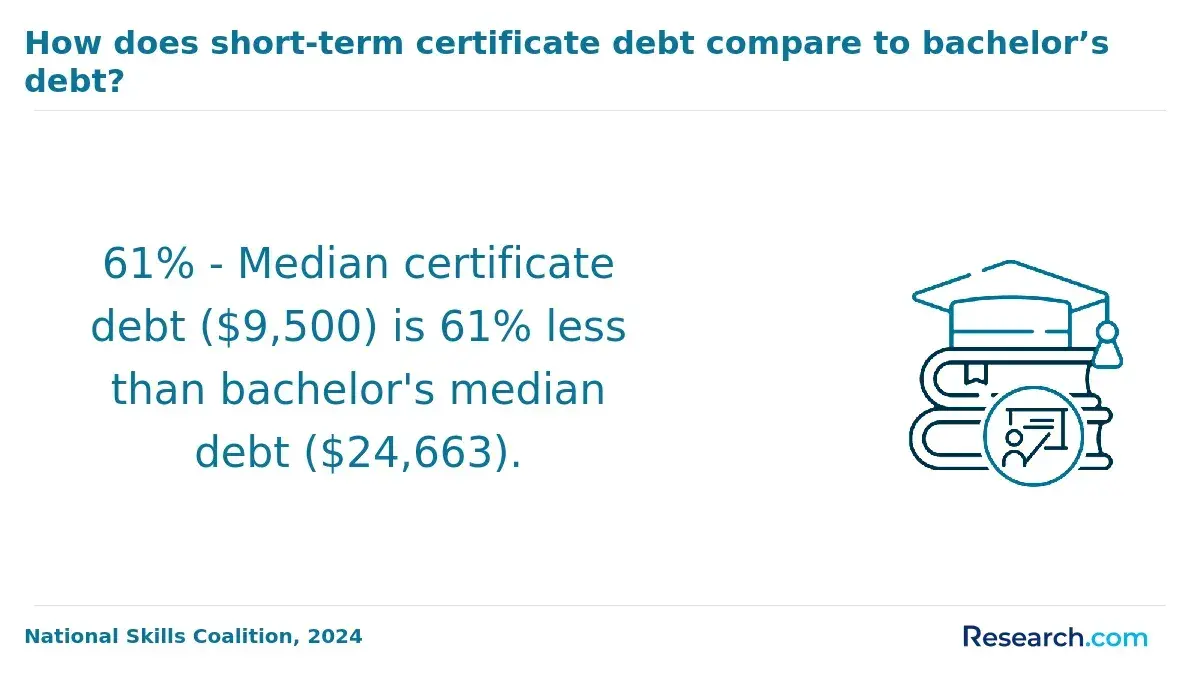
Master's degrees dominate the enrollment landscape in sports psychology due to their alignment with licensure requirements and employer expectations for clinical and applied roles. Data from the National Center for Education Statistics (NCES) in 2024 indicates that around 58% of students in this field are enrolled in graduate-level programs, reflecting a clear preference for advanced, specialized training that supports practical workforce applications. This trend is reinforced by the expansion of online and hybrid master's programs, which have broadened access and attracted diverse candidates beyond traditional campus settings.
At the undergraduate level, sports psychology is often integrated within broader psychology or kinesiology curricula, limiting the number of students pursuing dedicated associate or bachelor's degrees specifically in sports psychology. Consequently, bachelor's degrees tend to serve as preparatory stages rather than terminal qualifications for many, with fewer direct pathways to professional practice. Doctoral degrees, while offering deep research focus and academic career opportunities, represent a smaller share of enrollments-typically under 15%-due to the greater time commitment, financial cost, and narrower job market tied to research or faculty positions. These distinctions emphasize the practical tradeoffs students face in choosing a degree level that balances credentialing, career readiness, and long-term professional goals in sports psychology.
How Do Enrollment Trends Differ Between Associate, Bachelor's, Master's, and Doctoral Sports Psychology Degrees?
Enrollment in sports psychology varies widely by degree level, reflecting distinct educational goals and workforce demands. Associate degrees, representing fewer than 5% of enrollments according to 2024 NCES data, typically serve as foundational or exploratory steps with limited growth and institutional availability. In contrast, bachelor's programs dominate in size and growth, expanding about 7% annually as more undergraduates seek comprehensive exposure to psychological and exercise sciences. These undergraduate trends also reveal a slight female majority, mirroring wider enrollment patterns in psychology fields and reflecting evolving gender dynamics within the discipline.
The increasing demand for specialized credentials has propelled master's level sports psychology programs, where enrollment surges are notable-up 12% in recent years per the Council of Graduate Schools-highlighting the premium placed on applied skills and clinical certifications. This degree level tends to concentrate in metropolitan areas with established sports ecosystems, offering pragmatic pathways toward consulting roles. By contrast, doctoral programs remain selective with stable but smaller cohorts, emphasizing intensive research and clinical training. Given their rigorous nature and longer duration, these programs attract academically committed individuals prepared for research-intensive or high-level clinical careers. Prospective students comparing regional enrollment patterns across degree levels in sports psychology programs should weigh these dynamics alongside practical considerations such as career goals and time investment, possibly starting with the cheapest online university options when assessing bachelor's degree affordability and access.
How Popular Is the Sports Psychology Degree Compared to Other College Majors?
The relatively low enrollment in sports psychology programs compared to broader psychology or kinesiology degrees underscores its specialized and limited appeal within higher education. Data from the National Center for Education Statistics in 2023 indicates fewer than 2,000 bachelor's degrees awarded in sports psychology or related fields, a stark contrast to over 100,000 in general psychology. This disparity reflects both the interdisciplinary demands of the major and the narrow labor market that dampen student interest and institutional expansion, complicating access to robust programs or diverse peer networks.
Graduate-level trends show some growth in master's and doctoral completions in sport and exercise psychology according to 2024 IPEDS data, likely propelled by increased attention to mental health in athletics. Still, these advanced degrees remain a small segment within psychology graduate education, indicating cautious student commitment and employer preference for candidates with broader credentials. Regional availability, gender representation, and socioeconomic factors further constrain growth, influencing decisions as many employers prioritize general psychology backgrounds supplemented by certifications over narrowly focused degrees.
One sports psychology graduate recalled navigating a small, tightly knit cohort at their university, noting that the limited class sizes made networking easier but also raised questions about the field's visibility and long-term viability. Academic advisors were transparent about the program's niche status, encouraging exploration while emphasizing that career paths often require added qualifications. The graduate's initial curiosity shifted to cautious optimism, shaped by observing regional program scarcity and weighing the challenges of entering a specialized workforce sector.
Why Is the Sports Psychology Degree More Popular in Certain States and Regions?
Enrollment patterns for the sports psychology degree reveal how local labor markets and institutional capacity shape program popularity. States like California, Florida, and Texas lead in completions due to strong regional sports industries that actively hire graduates with specialized skills in athletic performance and mental conditioning. This regional demand creates a positive feedback loop where students choose programs aligned with job availability, reinforcing geographic clusters of expertise and better networking opportunities post-graduation. Consequently, the practical value of the degree often hinges on proximity to these sports hubs rather than on program prestige alone.
Regional differences also reflect broader demographic and policy factors influencing sports psychology degree popularity by state. Urban areas with younger, diverse populations tend to drive emerging interest in these programs, supported by public funding for higher education and the availability of clinical placements. This environment contrasts with more rural states where enrollment lags, partly due to fewer established sports markets and limited graduate training options. Nonetheless, expanding online education mitigates some access barriers, though local industry dynamics still heavily influence perceptions of degree relevance and employability. Students weighing programs should consider how these regional and demographic factors intersect with workforce realities and educational infrastructure.
When analyzing regional demand for sports psychology programs, it's important to note that enrollment trends indirectly highlight disparities in opportunity and career trajectory. Prospective students might compare their options against alternative paths, such as a business administration degree online, depending on local market saturation and personal career goals. Understanding these nuanced tradeoffs can inform more strategic decision-making about where to study and specialize, ensuring alignment between education, employer expectations, and long-term employability.
What Demographic Groups Are Driving Growth in Sports Psychology Degree Programs?
Rising enrollment in sports psychology degree programs increasingly reflects shifts in workforce demands and educational access rather than simple demographic changes. Women now constitute roughly 60% of graduate students in the field, a trend linked to expanding recognition of mental health in athletics and more inclusive career pathways historically limited by gender. This gender shift may influence program cultures, support structures, and peer interaction dynamics, as programs adjust curricula and community-building efforts to serve a predominantly female student base while maintaining relevance for diverse professional contexts.
Regionally, growth is strongest not only in traditional hubs with established sports industries like the Northeast and West Coast but also in Southern states where expanding health and sports medicine initiatives generate workforce demand. This geographic diversification affects how programs tailor practical training opportunities and local partnerships, reflecting varied market needs. Concurrently, master's and doctoral programs are experiencing growth consistent with employer preference for advanced qualifications capable of multidisciplinary clinical work, reinforcing the importance of degree level in long-term employability and professional scope. Online program availability further broadens access, particularly for adult learners balancing multiple responsibilities, which both diversifies and ages the student population-factors that shape instructional delivery and networking opportunities within these cohorts.
What Is the Future Outlook for Sports Psychology Degree Enrollment by Gender, Region, and Degree Level?
Enrollment in sports psychology degree programs is shifting toward more specialized, graduate-level study, reflecting employers' preference for candidates with advanced credentials. Data from the National Center for Education Statistics shows that graduate programs are expanding faster than undergraduate offerings, driven partly by professional demands in athletics, rehabilitation, and mental health services. This growth requires prospective students to weigh the benefits of master's versus doctoral pathways, with doctoral spots increasingly competitive and master's degrees offering broader career flexibility, including consulting and performance coaching roles.
Changes in student demographics also shape enrollment patterns, particularly the growing proportion of female students who now comprise over 55% of graduate enrollments in this field. This trend narrows the traditional gender gap and aligns with societal shifts toward gender equity and access to sports science careers. Regionally, while urban areas on the Northeast and West Coast maintain strong program concentrations linked to established sports industries, emerging online and hybrid offerings are enabling students in the Midwest and Southern United States to enter the field, promoting geographic diversification of sports psychology education.
These enrollment shifts have practical implications for both students and workforce planners. Candidates must consider that advanced degrees improve employability but come with higher competition and resource commitments. Meanwhile, programs outside coastal hubs must continue expanding digital access to remain viable. Understanding these demographic, regional, and academic level trends is crucial for making informed decisions about where to study and how to position oneself for evolving roles within sports psychology-related professions.
How Have Sports Psychology Degree Enrollment Trends Changed Over the Past Decade?
Enrollment trends in sports psychology degree programs over the past decade reveal significant shifts that carry practical implications for student decision-making and workforce integration. Female students now represent nearly 60% of enrollment, reflecting not just demographic changes but also the profession's leaning toward counseling and therapeutic roles traditionally dominated by women. This gender imbalance influences program design and networking opportunities, creating environments that may better support female students but could present integration challenges for males aspiring to enter the field.
Regionally, enrollment surges in the Northeast and West Coast coincide with universities offering integrated athletic and research programs, suggesting that program availability and local industry networks strongly shape student choices. In contrast, Midwest and Southern states demonstrate slower growth due to limited specialized offerings, which may constrain options for students unwilling or unable to relocate. For those assessing educational pathways, comparing these geographic disparities alongside program formats-including emerging online and hybrid models-proves essential for balancing accessibility with experiential learning.
Degree level distribution further complicates the landscape: master's degrees dominate completions, signaling employer preference for advanced specialization, especially in applied coaching and clinical roles. Doctoral programs, while smaller, underpin the academic research foundation of the field. These distinctions affect long-term career trajectories and inform decisions on investing time and resources. Prospective students weighing their options might also explore interdisciplinary approaches, such as combining sports psychology with fields like computer science, considering resources like the best online computer science degree programs to enhance their skill sets and marketability.
Where Is the Sports Psychology Degree Most Popular Across the United States?
Sports psychology degree popularity in US regions clusters primarily where robust educational infrastructure intersects with substantial sports industry demand and workforce needs. States such as California, Florida, and Texas benefit from established university programs in kinesiology and sports medicine that create comprehensive pathways for students. These states' large populations and concentration of professional and collegiate sports teams foster practical training opportunities and enhance networking environments. This geographic concentration directly impacts perceptions of the degree's value, with graduates from these regions often gaining better access to internships, employment, and interdisciplinary collaboration compared to counterparts in less concentrated areas.
Midwestern and Northeastern states, despite housing reputable institutions, report lower enrollments largely due to fewer specialized programs and regional healthcare priorities that place less emphasis on sports-related mental health. This uneven distribution affects student decisions about where to study and pursue career opportunities, highlighting the importance of regional sports ecosystem presence in degree marketability. Understanding top states for sports psychology degree enrollment reveals workforce integration as a key driver, shaping long-term employability by aligning education with local sector demands. Prospective students aiming for practical readiness might consider programs recognized among the best EdS to EdD programs, which often incorporate applied experiential learning essential for navigating this specialized field effectively.
References
- Sports Psychology Degree | Sports Psychology Today - Sports Psychology https://www.sportpsychologytoday.com/sports-psychology-degrees/
- Sports Psychology Services Market Research Report 2034 https://marketintelo.com/report/sports-psychology-services-market/amp
- What Are the Types of Psychology Degrees? https://www.warnerpacific.edu/blog/types-of-psychology-degrees/
- Psychology - Sport Psychology Concentration https://www.grace.edu/programs/sports-psychology/
- Sports Psychology Salary https://mastersinpsychologyguide.com/articles/salary-outlook-sports-psychology/
- The Role of Sports Psychology in Athletic Performance https://www.cune.edu/news/role-sports-psychology-athletic-performance
- Online Bachelor’s Degree in Sports Psychology https://www.sportspsychology.org/degree/bachelors/
- What is the Employment Outlook for Sport Psychology? https://www.onlinepsychologydegree.info/faq/what-is-the-employment-outlook-for-sport-psychology/
- Online M.S. in Sport & Performance Psychology at UWS https://www.uws.edu/academics/programs/sport-performance-psychology/ms/
- Online Sports Psychology Degree Programs | Psychology.org https://www.psychology.org/online-degrees/sports-psychology/
Other Things You Should Know About Sports Psychology
Gender disparities in sports psychology enrollment often reflect broader professional demographic trends, with some regions showing a higher concentration of female students. However, choosing a program based solely on gender balance can be misleading; instead, consider how programs support diverse perspectives and mentorship opportunities. Prioritizing programs with demonstrated faculty commitment to inclusivity and equitable clinical placements may better prepare students for diverse real-world environments, regardless of enrollment demographics.
Programs in different regions frequently vary in access to sports facilities, research opportunities, and partnerships with professional teams or athletic organizations. For instance, programs located near major sports hubs often provide more hands-on internships and applied learning, which employers value highly. If practical experience is crucial to your career goals, prioritizing regional programs with strong industry connections outweighs factors like cost or enrollment size.
While advanced degrees generally open more specialized roles, the geographic location of your program influences networking and internship possibilities critical to employability. Graduate programs in regions with established sports industries may offer fewer but higher-quality practical experiences that matter more than the degree level alone. For early-career professionals, prioritizing schools with strong local industry integration can enhance job placement more effectively than degree prestige.
Higher degree levels often feature smaller, more specialized cohorts, which can limit diversity of perspectives but increase focused mentorship and research collaboration. In contrast, bachelor's programs have larger, more diverse enrollments but may lack the advanced applied training employers expect. If your goal includes broad peer interaction and interdisciplinary exposure, undergraduate programs may be preferable; those seeking deep specialization and closer faculty engagement should lean toward graduate degrees despite smaller cohort sizes.