2027 Sports Psychology Skills Gap Analysis: What Employers Want vs What Degree Programs Teach

Co-Founder and Chief Data Scientist
Consider a recent graduate with a degree in sports psychology eager to enter the workforce, only to find job postings demanding skills not emphasized in their academic program. Despite the strong theoretical foundation, they struggle to demonstrate practical competencies like applied assessment techniques, data interpretation, or interdisciplinary collaboration. This gap creates uncertainty about employability and the steps needed to bridge academic learning with professional demands.
Employers expect candidates who not only understand sports psychology theory but can also apply it effectively in dynamic, real-world settings. Without clear insight into these expectations, students and graduates risk investing time and resources into training that falls short of workforce needs. This article analyzes the skills sports psychology degree programs typically teach versus what employers actively seek, offering guidance on aligning education with career readiness to close this crucial gap.
Key Things to Know About Sports Psychology Skills Gap
- Degree programs in sports psychology often emphasize theory over applied skills, creating a mismatch as 72% of employers seek practical experience in athlete mental health interventions, limiting new graduates' immediate effectiveness.
- Employers require graduates to demonstrate advanced data analysis and communication skills not fully covered in typical curricula, meaning students must pursue supplemental training to meet real-world demands.
- Engaging in internships focused on performance consulting or biofeedback before graduation significantly improves readiness, as practical exposure directly correlates with hiring success in 2024 industry assessments.
- Key Things to Know About Sports Psychology Skills Gap Key Things to Know About Sports Psychology Skills Gap
- What Skills Do Employers Expect From Sports Psychology Graduates? Employer Expectations
- What Do Sports Psychology Degree Programs Typically Teach? Program Curriculum
- Where Is the Biggest Skills Gap Between Sports Psychology Programs and Employers? Biggest Skills Gap
- Which Technical Skills Are Most Important for Sports Psychology Careers? Technical Skills
- Which Workplace Skills Matter Beyond Technical Knowledge? Workplace Skills
- How Do Internships and Real-World Experience Improve Career Readiness? Career Experience
- How Can Students Close the Sports Psychology Skills Gap Before Graduating? Closing Skills Gap
- How Is the Sports Psychology Job Market Changing Employer Skill Requirements? How Is the Sports Psychology Job Market Changing Employer Skill Requirements?
- How Do Different Sports Psychology Programs Compare in Career Preparation? How Do Different Sports Psychology Programs Compare in Career Preparation?
- How Should Students Choose a Sports Psychology Program That Builds Career-Ready Skills? Choosing a Program
What Skills Do Employers Expect From Sports Psychology Graduates?
Employers in 2024 demand sports psychology graduates who integrate technical expertise with practical interpersonal skills to effectively support athletes' mental health and performance. Data from the World Economic Forum indicates that over 70% of job postings seek both psychological assessment proficiency and the ability to apply data-driven insights in real-world settings.
Graduates who can navigate behavioral health technologies and communicate complex ideas to diverse stakeholders tend to have a competitive advantage in this evolving field. Balancing foundational theory with adaptable, job-ready capabilities remains an ongoing challenge, requiring students to prioritize experiential learning outside traditional coursework.
The following bulleted list highlights the key skills employers commonly expect from sports psychology graduates, reflecting both technical and professional dimensions:
- Psychological Assessment Mastery: Employers value graduates skilled in administering and interpreting standardized tests and athlete mental health screenings. This expertise, typically developed through hands-on practica and research projects, enables customized interventions that improve performance outcomes.
- Data Analysis Proficiency: Competency in handling quantitative data relevant to athlete wellbeing-such as biometric and psychophysiological metrics-is essential. Graduates who can leverage software tools to analyze trends enhance both clinical and coaching decisions.
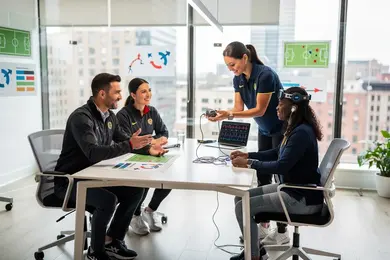
- Behavioral Health Technology Fluency: Familiarity with biofeedback and neurofeedback devices is increasingly sought as teams adopt evidence-based strategies to build mental resilience. Practical experience with these tools often differentiates candidates in competitive hiring processes.
- Effective Communication: The ability to translate scientific concepts into clear, actionable plans for coaches and athletes is critical. Developing this skill through internships or collaborative projects improves rapport-building and intervention adherence in multidisciplinary environments.
- Cultural Competency and Empathy: Given the diverse backgrounds of athletes, sensitivity to cultural and individual differences ensures ethical and personalized care. Training programs that incorporate diversity education produce graduates better equipped for inclusive practice.
- Adaptability Under Pressure: Sports psychologists often respond to acute mental health challenges during competition or training. Graduates who cultivate problem-solving skills in dynamic settings, such as internships or supervised practice, tend to perform more effectively in these high-stakes scenarios.
- Digital Content Creation: With the rise of virtual consultations and remote education, skills in producing engaging, accurate digital resources are emerging as valuable. This competency aligns with broader industry trends promoting athlete self-management and remote support.
Prospective students interested in supplementing their training to meet such demands might explore specialized certifications or workshops beyond traditional degree requirements, for example, by researching the cheapest BCBA certification programs to enhance behavioral intervention techniques.
Recognizing that the specific mix of these essential job-ready sports psychology competencies varies by employer and role, students should aim for a balanced skillset that integrates both scientific rigor and human-centered practice.
What Do Sports Psychology Degree Programs Typically Teach?
Sports psychology degree programs blend theory and practical skills to equip students for the nuanced demands of athletic and performance contexts. These programs strive to build a robust foundation in psychological principles that affect motivation, focus, and team dynamics, while also aiming to develop competencies that support ethical and culturally informed practice. However, the typical curriculum can vary widely, especially in the balance between classroom instruction and hands-on experiential learning.
According to a 2024 curriculum review by the Association for Applied Sport Psychology, about 60% of programs integrate both foundational theory and applied techniques, reflecting a growing consensus on essential core content.
The following list outlines major areas commonly emphasized in sports psychology degree programs:
- Psychological Foundations: Students explore core curriculum in sports psychology degree programs focusing on motivation theories, anxiety management, and mental toughness to understand how cognitive and emotional factors drive individual and team performance.
- Applied Mental Skills: Training in biofeedback, imagery, and goal-setting strategies equips students with practical tools athletes use to enhance concentration and resilience during competition. These skills bridge academic knowledge with real-world application.
- Ethical Decision-Making: Programs stress the importance of confidentiality, professional boundaries, and ethical standards, preparing graduates to navigate sensitive athlete relationships with integrity and responsibility.
- Cultural Competence: Reflecting demographic changes in sports, curricula increasingly include cultural awareness and inclusive practices, enabling future professionals to support diverse athlete populations effectively.
- Basic Counseling Techniques: Students gain introductory skills in counseling and communication, foundational for addressing athlete mental health and facilitating performance improvement in collaborative environments.
- Limited Business and Team Consulting Skills: While often underrepresented, some programs introduce students to interdisciplinary collaboration, highlighting the need to work alongside coaches, nutritionists, and medical staff, which enhances professional versatility.
- Internships and Experiential Learning: Although variable by institution, hands-on practicums are crucial for applying theoretical knowledge. Students who engage in such experiences are better positioned to transition into sports psychology roles that demand real-time problem-solving and adaptive strategies.
For example, a student who masters goal-setting and mental imagery in coursework but also completes an internship with a collegiate athletics department will better understand how to tailor interventions for individual athletes under pressure. This dual approach fosters not only competence but confidence, which is vital in professional settings.
Prospective students should seek programs that balance these elements thoughtfully or supplement their education with experiences like workshops or professional networking. Additionally, those interested in intersecting disciplines or leadership roles may consider options like the cheapest online PhD in criminal justice to expand their career flexibility beyond conventional paths.
Where Is the Biggest Skills Gap Between Sports Psychology Programs and Employers?
Despite solid foundational training in theories and research methods, many sports psychology graduates face a notable disconnect between academic preparation and employer expectations, particularly in applied skills. The 2024 National Association of Colleges and Employers Job Outlook Report reveals that over two-thirds of employers find recent graduates underprepared for client-facing roles involving live athlete consultations. This gap highlights the challenges degree programs face balancing theoretical rigor with real-world readiness.
Below are the key areas where employers most often identify shortfalls in new sports psychology professionals:
- Applied Client Interaction: Many programs emphasize psychological principles but provide limited opportunities for hands-on engagement with clients. This leaves graduates less confident and less skilled in managing real-time consultations, hindering their ability to tailor interventions effectively. Internships and supervised practical experiences can help bridge this divide by exposing students to the nuances of client communication and adjustment of therapeutic strategies.
- Communication and Soft Skills: Effective rapport-building, motivational interviewing, and emotional intelligence are core to success but often underdeveloped in curricula focused heavily on theory. These skills are crucial for fostering trust and adherence among athletes. Students should seek training in interpersonal techniques and multidisciplinary teamwork to strengthen these competencies before graduating.
- Technology and Data Analytics: As digital tools become integral in performance tracking and biofeedback, many programs lag in integrating these technologies. Employers expect fluency in relevant software and the ability to interpret data-driven insights. Pursuing certifications in sport-specific analytics platforms and hands-on projects involving technology can substantially narrow this gap.
One recent graduate described entering a collegiate athletics department and immediately feeling "overwhelmed" by the expectation to independently conduct athlete assessments using unfamiliar biofeedback devices. Despite solid theoretical coursework, the lack of prior practical exposure forced quick self-directed learning on the job.
This experience underscored the advantage of pursuing applied internships and technology workshops, which the graduate recognized too late during their program. The pressing need to adapt swiftly in a busy clinical environment shed light on how real-world demands often exceed academic training in sports psychology.
Which Technical Skills Are Most Important for Sports Psychology Careers?
Technical skills serve as the critical link between theoretical understanding and practical application in sports psychology careers. The landscape of required competencies shifts as technology advances and workplace expectations evolve, making adaptability essential for graduates. Technical proficiencies not only enable professionals to meet current demands but also prepare them for emerging trends in athletic and mental health environments.
According to the 2024 workforce report by the American Psychological Association and the National Institute of Mental Health, over 70% of employers in sports psychology-related fields emphasize technical capabilities that integrate data-driven approaches alongside psychological theory.
Below are key technical skills vital for success in this sector:
- Performance Assessment Tools: Mastery of these instruments allows practitioners to quantify and evaluate athletic and psychological metrics, supporting personalized intervention strategies. Students typically gain exposure through lab work and internship opportunities, making them more effective collaborators within multidisciplinary teams.
- Biofeedback Technology: Proficiency with biofeedback devices enables monitoring of physiological responses linked to mental states, a skill increasingly requested in elite sports settings. Training often comes via specialized coursework combined with hands-on practice, enhancing a psychologist's ability to design targeted resilience programs.
- Psychometric Testing: Administering and interpreting standardized psychological assessments remains fundamental. This competency ensures accurate profiling of athletes' mental health and motivation, with academic programs emphasizing both theoretical underpinnings and practical application.
- Digital Health Platforms: Familiarity with teletherapy and digital mental health tools is growing in importance due to the rise of remote service delivery. Exposure to these platforms through practicum placements prepares graduates to extend reach and maintain effective client engagement.
- Data Analysis and Research Methodology: Employers expect fluency in statistical software like SPSS or R to analyze complex performance data and validate intervention outcomes. Academic curricula that integrate applied research components help students translate theory into evidence-based practice.
- Wearable Technology Interpretation: As sports teams adopt neurological and biometric devices, the ability to interpret wearable data provides a competitive edge. Practical experience interpreting real-world datasets bolsters a graduate's capacity to inform decision-making in team and individual contexts.
- Multimodal Program Design: Combining diverse technical tools to develop holistic mental training interventions is a growing trend. Students who learn to integrate assessment, technology, and data into tailored programs demonstrate versatility valued across clinical and athletic organizations.
Which Workplace Skills Matter Beyond Technical Knowledge?
Technical expertise alone is insufficient for sustained success in sports psychology careers. Employers highlight that graduates must develop a range of essential professional skills for sports psychology careers to effectively meet the demands of high-pressure, multidisciplinary environments.
This need arises because translating psychological theory into actionable strategies requires competencies beyond textbook knowledge, including interpersonal awareness and adaptability. Workforce studies from 2024 indicate that more than 70% of employers prioritize durable skills such as communication and emotional resilience when hiring sports psychology graduates.
The following workplace soft skills for sports psychology graduates are critical to bridge the gap between academic preparation and professional performance:
- Clear Communication: The ability to convey complex psychological concepts in accessible language is vital. Students can refine this skill through presentations and clinical practicum settings, enhancing collaboration with athletes and coaching staff. Effective communication builds trust and improves intervention outcomes, a core employer expectation in applied sports psychology.
- Collaborative Teamwork: Sports psychologists do not work in isolation; they must navigate relationships with medical teams, trainers, and administrators. Being flexible and socially savvy supports integration within these multidisciplinary teams. Coursework that includes group projects or interdisciplinary seminars can cultivate these workplace soft skills for sports psychology graduates.
- Critical Thinking and Problem-Solving: Athletic environments demand quick, tailored responses to evolving psychological challenges. Cultivating analytic agility through case studies and simulations prepares students to address real-world complexities rather than relying solely on standardized tests.
- Digital Literacy: Proficiency with biofeedback devices, data analytics, and telehealth platforms is increasingly non-negotiable. Engaging with technology-focused modules or workshops within a program can bolster this competency, aligning skill sets with employer technology use trends.
- Emotional Resilience: Managing stress and self-regulation is essential to prevent burnout in high-stakes athletic settings. Techniques learned through mindfulness training or supervised reflection during coursework contribute to long-term career sustainability, a factor employers weigh heavily.
- Empathy and Active Listening: Going beyond technical knowledge, sports psychologists must genuinely understand the athlete's experience. This skill is enhanced by immersive experiential learning and supervision, directly influencing rapport and treatment efficacy in sports contexts.
These competencies represent foundational assets that distinguish a sports psychology professional within the competitive job market. For students exploring educational pathways, programs emphasizing such skills are crucial to workforce readiness.
One can find programs that balance both technical and professional skill development by researching specific offerings such as the best online business degree site, which also offers insights applicable across disciplines.
How Do Internships and Real-World Experience Improve Career Readiness?
Relying solely on classroom instruction often leaves gaps in the practical competencies required for effective sports psychology practice. Academic programs provide essential theoretical frameworks but rarely replicate the complexity and unpredictability encountered in real clinical or organizational environments.
Engaging in internships or similar hands-on experiences allows students to translate their knowledge into practice, honing critical skills like client assessment and intervention in ways that build not only confidence but professional judgment. For example, a student managing an actual case under supervision gains insight into ethical challenges and communication nuances that are impossible to simulate fully in coursework.
Internships and cooperative education experiences sharpen technical abilities and cultivate workplace readiness by exposing students to multidisciplinary team dynamics and client-centered scenarios. These placements often develop interpersonal skills and professional communication, key attributes employers prioritize alongside academic credentials.
According to a 2024 national study on experiential learning outcomes, sports psychology students who completed internships were 35% more likely to secure employment within six months than those without practical experience. Yet, access to structured internships varies by program and region, demanding proactive effort from students to identify and secure quality opportunities that align with their career goals.
Maximizing the benefits of experiential learning requires early engagement with available placements and deliberate reflection on each experience's lessons.
Students should pursue applied projects and cultivate networks with supervisors and professionals in the field to deepen their understanding of real-world practices and workplace expectations. Integrating these insights with ongoing academic achievement and skill development helps produce adaptable practitioners ready for the profession's demands.
Ultimately, internships complement theoretical study but achieve their full value only within a framework of sustained career planning and active skill refinement.
How Can Students Close the Sports Psychology Skills Gap Before Graduating?
Students don't have to wait until graduation to bridge the gap between academic theory and employer expectations in sports psychology. Developing workplace competencies alongside formal education can significantly boost hiring prospects.
Employers increasingly seek graduates with proven applied skills such as client communication and intervention planning, which traditional coursework alone often overlooks. Proactive engagement in practical experiences during a degree program makes the transition to employment smoother and more effective.
Below are key strategies students can use to enhance their career readiness before finishing their studies:
- Internship Participation: Internships provide hands-on experience with real clients and professional environments. Evidence from the National Center for Education Statistics in 2024 shows that students completing relevant internships are 40% more likely to find employment within six months post-graduation. Students should prioritize placements that expose them to varied assessment and treatment scenarios to translate theory into valued practice skills.
- Applied Research Projects: Engaging in research tied directly to sports psychology practice enhances critical thinking and problem-solving abilities. The Council for Undergraduate Research's 2024 data confirms that applied projects foster analytical skills critical to employer expectations. Selecting research topics with clear practical implications helps ensure these projects contribute meaningfully to workforce readiness.
- Certification Acquisition: Obtaining credentials in niche areas like mental performance training signals specialized expertise. The American Psychological Association documented in 2024 that certifications increase marketability for roles demanding immediate functional competence. Students should carefully assess credential alignment with local professional standards to maximize their value.
- Project-Based Learning: Working on team-oriented, real-world challenges builds adaptability and collaboration skills often neglected in standard curricula. These experiences cultivate professional networks and prepare students to navigate workplace dynamics more effectively, delivering a distinct advantage upon graduation.
- Communication Skill Development: Integrating client communication exercises into coursework or extracurricular activities improves interpersonal effectiveness. Employers consistently rank strong communication high among new hire competencies, making early practice essential for demonstrating readiness.
- Networking and Mentorship: Building connections with professionals through events or mentorship programs provides insights into industry expectations and career pathways. This relational capital can help students identify relevant opportunities and receive guidance on skill development priorities.
One graduate recounted feeling uncertain midway through their sports psychology program about how to stand out to employers. After securing an internship with a local sports clinic, they encountered firsthand the challenge of adapting treatment plans for diverse athletes and quickly realized the value of applied learning.
This experience prompted them to pursue an additional certification in mental skills coaching and engage more rigorously in research projects linked to athlete mental health. The combination of practical exposure and credentials not only eased their job search stress but also led to a position offer within three months of graduation, solidifying their belief that early, targeted skill-building was essential to closing the gap between education and employment.
How Is the Sports Psychology Job Market Changing Employer Skill Requirements?
Technological innovation, automation, and artificial intelligence are reshaping the skill demands within the sports psychology job market. Employers increasingly seek professionals who combine traditional psychological expertise with proficiency in digital tools, telehealth platforms, and data analytics.
The World Economic Forum's 2024 data highlight a growing premium on adaptability and emotional intelligence as essential skills, reflecting shifting industry priorities toward integrated, athlete-centered care. As athletes benefit from interdisciplinary support involving coaches, trainers, and medical professionals, sports psychology graduates must navigate complex collaborative environments rather than working in isolated silos.
For example, a practitioner using AI-driven performance analytics alongside mental health strategies offers a more comprehensive service, illustrating why technical and interpersonal competencies must co-evolve.
These changing expectations elevate the importance of continuous learning and practical experience in addition to academic preparation. According to the U.S. Bureau of Labor Statistics, roles demanding interdisciplinary skills are growing faster than traditional positions focused strictly on mental skills training.
Consequently, students often find that foundational coursework alone does not fully prepare them to meet employer needs, notably in applied technologies and teamwork. To bridge this gap, aspiring professionals should pursue internships or applied projects that emphasize digital literacy and collaborative care. Engaging in certifications, professional networking, and ongoing skills development also strengthen workforce readiness amid a highly competitive and evolving landscape.
By combining core sports psychology studies with experiential learning and versatile competencies, students can better align with employer expectations reflected in labor market trends.
Prospective learners may explore program options that offer these integrative opportunities, potentially considering related fields or online options, such as the cheapest masters in finance, to diversify their skill sets. Ultimately, approaching education as a dynamic process rather than a fixed credential supports sustainable career growth within the expanding and multifaceted arena of sports psychology.
How Do Different Sports Psychology Programs Compare in Career Preparation?
Career preparation in sports psychology degree programs depends on more than the degree title or institution prestige. Differences in curriculum design, applied learning opportunities, and employer engagement create wide variation in how well graduates are ready for workforce demands.
For example, a graduate with extensive practicum experience in athlete mental health consulting may transition to professional roles more seamlessly than one from a program focused mainly on theory.
Below are key comparison factors for evaluating sports psychology programs in terms of career readiness:
- Experiential Learning Opportunities: Programs vary in offering internships, supervised clinical hours, and real-world projects. These hands-on experiences are consistently linked to higher employability, as recent 2024 education research shows graduates from such programs display superior applied skills such as performance assessment and mental skills coaching.
- Applied Curriculum Focus: Some programs emphasize foundational psychology theories without integrating interdisciplinary training or practical competencies. Prospective students should assess whether coursework aligns with current employer expectations, including data analysis and communication skills relevant to athletic and rehabilitation settings.
- Accreditation and Certifications: Graduates from accredited programs or those offering specialized certifications tend to show greater career resilience and advancement potential. This is important for job readiness since many employers prioritize candidates who meet recognized standards.
- Soft Skills and Interprofessional Education: Training in communication, ethics, and cultural competence enhances adaptability across various sports psychology career pathways. Programs that foster these competencies better prepare students for diverse professional environments.
The variability in career preparation means no one program is universally best; alignment with individual goals and proactive pursuit of opportunities beyond coursework remain crucial. For those curious about how long does it take to study architecture or other quickly completed degrees, consider investigating timeframes carefully to balance education length and depth of preparation-in some cases, shorter programs may compromise practical readiness.
How Should Students Choose a Sports Psychology Program That Builds Career-Ready Skills?
Different learning formats in sports psychology-online, hybrid, and campus-offer distinct long-term advantages and drawbacks that shape career trajectories. Employer-focused research from 2024 emphasizes that applied skills and hands-on experience strongly predict graduate success.
For instance, a student pursuing clinical roles may find campus programs better for networking and direct mentorship, while working professionals could benefit from the flexibility of online or hybrid courses.
Below are key long-term considerations across formats:
- Skill Development Depth: Campus programs often provide richer practical experiences through labs and live interactions, which employers value for real-world readiness. Hybrid formats balance theoretical knowledge with some hands-on components, whereas fully online courses may demand extra effort to gain applied skills independently.
- Networking Opportunities: In-person learning facilitates stronger peer and faculty connections critical for mentorship and job referrals. Hybrid options offer occasional face-to-face engagement, while online students should proactively seek virtual networking channels to compensate.
- Flexibility and Accessibility: Online programs maximize flexibility, supporting learners balancing work or family, but potentially limiting immersive learning. Hybrid formats offer a middle ground, allowing alternating in-person experiences.
- Graduate Outcomes: Data from the National Center for Education Statistics (2024) shows campus and hybrid graduates report higher employment rates within a year than fully online counterparts, reflecting employer preferences for mixed or in-person experiences in sports psychology roles.
- Theoretical vs. Applied Balance: Specialized campus programs often emphasize research and theory, benefiting those seeking doctoral studies, while online tracks may focus on practical job-ready skills.
- Self-Motivation Requirements: Online learners must exercise higher discipline and initiative, which can enhance long-term professional autonomy but may challenge students needing structured environments.
References
- The Coach's Soft Power: Communication Skills https://univagora.ro/jour/index.php/aijjs/article/download/7185/2371/17077
- 9 Mental Skills: A Psychological Framework For Success | Human Performance https://humanperformance.ie/9-mental-skills/
- Sports Psychology | Guide - UK Coaching https://www.ukcoaching.org/ukc-club/coach-learning-framework/sport-psychology/sport-psychology-guide/
- How to Land an Internship in Sports Psychology https://www.sportspsychology.org/articles/internship-in-sports-psychology/
- Mental Performance Skills https://www.focusedpc.com.au/services/mental-performance-skills.html
- How Sports Psychology Helps Athletes Improve Performance and Mental Resilience https://www.southeastpsychnashville.com/blog/how-sports-psychology-helps-athletes/
- What is sport psychology? | Abbott Sport Psychology https://www.abbottsportpsy.com/what-is-sport-psychology
- The Momentum of Mental Skills in Sport: Why They Matter and How to Train Them https://www.surgepw.com/post/the-momentum-of-mental-skills-in-sport-why-they-matter-and-how-to-train-them
- Managing expectations: the challenges in sport psychology » ifeel - EN https://ifeelonline.com/occupational-health/managing-expectations-the-challenges-in-sport-psychology/
Other Things You Should Know About Sports Psychology
Employers often prioritize practical experience over purely academic credentials because hands-on skills demonstrate immediate job readiness. Candidates with internships, applied research, or clinical practicums stand out more than those with theoretical knowledge alone. For students, this means seeking programs that integrate experiential learning can increase employability significantly, even if the academic content is strong.
Programs with broader psychological training may offer greater flexibility but can dilute specialization important to sports psychology employers. Conversely, highly specialized programs often teach niche techniques but sometimes neglect cross-disciplinary skills like counseling or data analysis. Prospective students should weigh whether depth in sports psychology outweighs the advantage of transferable psychological skills depending on their targeted career path.
High workload programs might foster resilience and time management, but excessive academic pressure can limit opportunities for practical experience and networking. Conversely, less demanding programs might offer more room for applied work integral to real-world readiness. Students must balance academic rigor with chances to engage in supervised practice to meet employer expectations effectively.
Certifications and licenses frequently bridge the gap between academic knowledge and professional standards, especially in fields requiring clinical or counseling competencies. Pursuing relevant certifications can provide immediate credibility and may be a deciding factor for employers selecting among candidates. Students should target certifications aligned with their career goals to complement their degree and increase employability.