2027 Sports Psychology Salary Trends Report: Are Wages Keeping Up With Tuition and Inflation?

Co-Founder and Chief Data Scientist
A prospective sports psychology student faces a difficult decision: whether the financial return from this degree will justify the escalating costs of tuition and the persistent rise of inflation. Balancing the upfront educational expenses against potential earnings requires scrutiny beyond headline salary figures.
Many graduates discover that growing education debts and inflationary pressures erode purchasing power, making it critical to assess long-term financial outcomes rather than immediate salary offers. Salary growth, tuition increases, and inflation often move at different rates, complicating the evaluation of a sports psychology degree's true value.
Understanding these dynamics helps clarify whether wage gains keep pace with rising life costs. This article examines salary trends, tuition costs, inflation, return on investment, affordability, and the key factors shaping the long-term financial viability of a sports psychology degree.
Key Things to Know About Sports Psychology Salary Trends
- Graduate wages in sports psychology have grown slower than tuition inflation, with a 2024 study showing a 3% wage increase versus 7% annual tuition rise, limiting immediate return on investment.
- Inflation-adjusted earnings predict modest growth over a decade, implying students must weigh debt burden against a salary plateau in entry and mid-level roles.
- Long-term income correlates strongly with specialization and certifications, highlighting the need for strategic credentialing beyond the degree to enhance earning potential.
- Key Things to Know About Sports Psychology Salary Trends Key Things to Know
- What Is the Current Salary Outlook for Sports Psychology Graduates? Salary Outlook
- Are Sports Psychology Salaries Keeping Up With Inflation? Inflation Impact
- How Do Tuition Costs Compare With Sports Psychology Salary Growth? Tuition vs Salary
- Does a Sports Psychology Degree Deliver a Positive Return on Investment? Degree ROI
- Which Industries Offer the Highest Salaries for Sports Psychology Graduates? Highest-Paying Industries
- Which States and Cities Offer the Highest Pay for Sports Psychology Professionals? Highest-Paying Locations
- How Do Sports Psychology Salaries Grow Throughout a Career? Career Growth
- How Do Sports Psychology Salaries Compare With Similar Degrees? Salary Comparison
- How Is Employer Demand Affecting Sports Psychology Salary Trends? Employer Demand
- How Can Students Maximize Their Lifetime Earnings With a Sports Psychology Degree? Maximizing Earnings
What Is the Current Salary Outlook for Sports Psychology Graduates?
The current salary outlook for sports psychology graduates depends heavily on multiple factors including education level, employment setting, and location. According to the U.S. Bureau of Labor Statistics 2024 data, the median annual wage for psychologists, a category encompassing many sports psychology roles, is approximately $83,000.
However, actual earnings can vary significantly; for instance, an entry-level graduate working in a university athletic program might start closer to $50,000, while another with the same degree providing private consulting to professional athletes could earn substantially more within a few years. This disparity illustrates how career path choices and the ability to specialize or network influence salary outcomes more than the degree alone.
As sports psychology graduate salary trends reveal, the field's income growth is generally incremental and tied to experience, additional certifications, and geographic flexibility rather than rapid leaps in base pay. Long-term earning potential also correlates with shifting employment sectors like healthcare, academia, or rehabilitation, which offer varied salary trajectories.
Despite modest yearly increases often lagging behind inflation and tuition hikes for advanced degrees, strategic positioning within a metropolitan area or aligning with established sports medicine programs may enhance prospects. Prospective students should evaluate these factors carefully and consider data such as what degrees make the most money to understand potential earnings in context.
Are Sports Psychology Salaries Keeping Up With Inflation?
The relationship between sports psychology salary growth and inflation reveals a concerning trend where nominal wage increases do not translate into greater purchasing power. Recent data from the U.S. Bureau of Labor Statistics shows that while the median annual wage for psychologists, including sports psychology specialists, rose by about 3.2% from 2022 to 2023, inflation, measured by the Consumer Price Index, advanced around 5.0% during the same period.
This mismatch means that despite higher paychecks on paper, real earnings, the amount professionals can actually spend, have slightly diminished, affecting long-term financial stability for many in the field.
Consider a newly graduated sports psychologist who secures a starting salary that nominally increased by 2.5% annually over the past five years, a figure reported by the National Association of Colleges and Employers. When inflation and escalating tuition costs, which often climb by over 6% annually, are factored in, the real value of their earnings stalls or even declines.
This dynamic underscores the challenge posed by sports psychology salary growth versus tuition expenses, forcing graduates to weigh potential debt against stagnant wage gains and raising the stakes for career decisions. For those exploring related educational paths, it may be prudent to compare fields with more favorable cost-to-earning dynamics, such as a construction management masters, which can offer different long-term financial trajectories.
Multiple factors influence whether sports psychology wages can keep pace with inflation, including reimbursement rates in mental health services, budget constraints at institutions, and evolving funding models. These economic pressures can suppress salary growth despite increasing demand for psychological expertise in sports and performance settings.
While incremental gains are evident in nominal terms, they often fall short of compensating for the real cost increases faced by professionals and students alike, making it critical to evaluate the anticipated return on investment carefully when committing to this advanced degree path.
How Do Tuition Costs Compare With Sports Psychology Salary Growth?
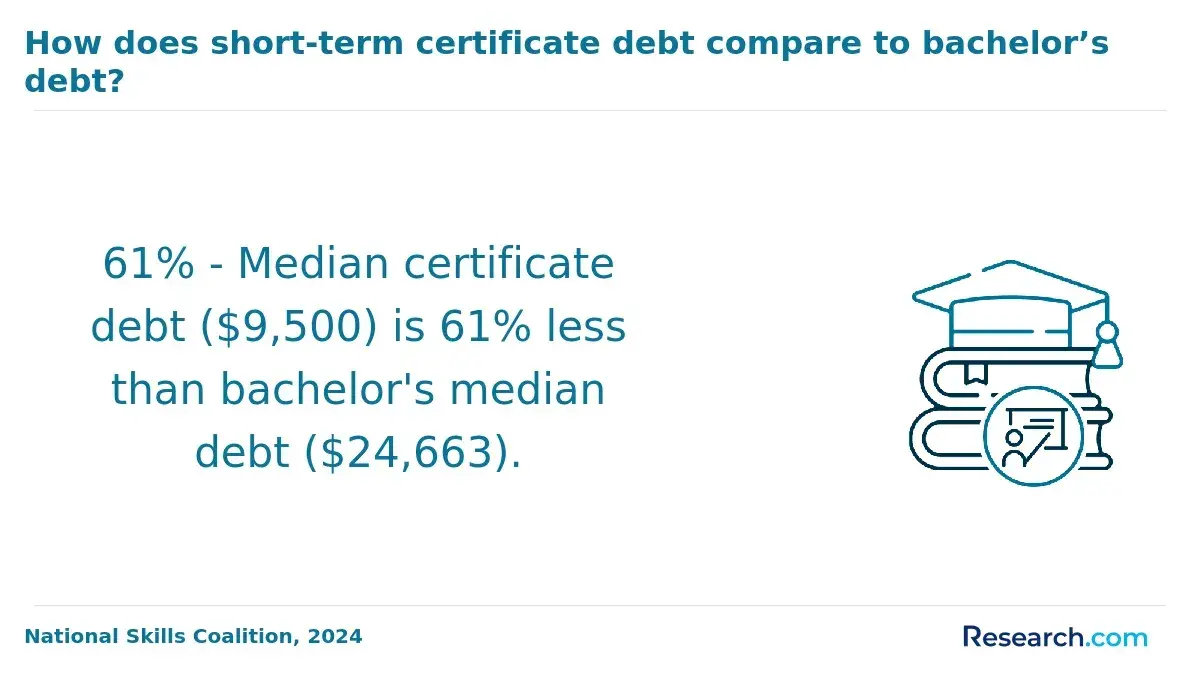
Tuition for sports psychology graduate programs has increased by about 45% over the last decade, significantly outpacing the roughly 8% cumulative inflation rate for the same period, according to recent data from the National Center for Education Statistics. In contrast, early-career salaries for sports psychology graduates typically start between $48,000 and $60,000 and grow at an approximate annual rate of 3%, reaching a median of around $75,000 by mid-career.
This imbalance means the real income potential does not keep pace with the rising educational investment, making the cost-to-earnings ratio less favorable over time. Evaluating tuition costs alongside salary growth offers a clearer view of the financial implications than considering either figure separately, as it underscores the growing gap between debt burden and earning capacity for many graduates.
Consider a recent graduate who took on substantial student loans to cover steep tuition fees at a competitive program. While salary growth occurs steadily, it may not match loan repayment expectations, causing tight budgeting well into mid-career. Conversely, someone who attends a less costly institution or secures supplemental income through consulting or coaching might face less financial strain despite similar salary trajectories.
Regional job markets, specialization within sports psychology, and access to higher-paying roles also affect whether tuition inflation truly outpaces financial returns. This dynamic illustrates why prospective students must factor in diverse personal and economic variables when assessing the long-term value of their degree investment.
One sports psychology graduate recalled grappling with the decision to enroll amid rising tuition costs. Initially hesitant due to the projected loan repayment timeline, she ultimately prioritized attending a well-regarded but more expensive program, believing the network and opportunities would justify the upfront expense. Over the first few years, limited salary increases heightened financial stress, prompting her to take on part-time consulting to supplement income.
Reflecting later, she recognized that earlier awareness of tuition-salary disparities might have influenced her choice toward a different program or additional financial planning, underscoring the importance of realistically weighing costs against income growth in this field.
Does a Sports Psychology Degree Deliver a Positive Return on Investment?
Return on investment in higher education involves more than just comparing tuition costs to starting salaries; it requires assessing the long-term earning potential, career flexibility, and professional development opportunities that a degree unlocks. For a sports psychology degree, the initial salary may appear modest, especially when weighed against rising graduate tuition and associated expenses.
However, mid-career earnings often improve as practitioners build experience, specialize, or transition into settings like collegiate athletics, private consulting, or professional sports organizations. For example, a graduate entering with a master's degree may start near the lower median wage reported by the U.S. Bureau of Labor Statistics but could surpass inflation-adjusted earnings within 5 to 10 years by securing roles in high-demand areas or pursuing doctoral credentials.
Significant factors shaping the return on investment include geographic location, education level, and the scope of professional networks. Data from the American Psychological Association indicate that those with doctorates tend to reach the upper salary echelons but typically incur higher upfront costs and longer program durations.
Meanwhile, steady sector growth, projected to outpace average job market expansion, suggests more opportunities to increase earnings over time, which partially offsets the initial financial outlay. In 2024, median wages for psychologists, including sports psychology specialists, remain competitive but require strategic career planning to align with rising tuition inflation and ensure that long-term gains justify early sacrifices.
Which Industries Offer the Highest Salaries for Sports Psychology Graduates?
Among the top paying industries for sports psychology professionals, compensation varies significantly based on the sector's ability to leverage psychological expertise for performance optimization and well-being. Data from the U.S. Bureau of Labor Statistics and recent 2024 industry surveys reveal that salaries are highest where advanced clinical skills, applied research, and interdisciplinary collaboration are most valued.
These settings combine a need for specialized knowledge with organizational resources to reward expertise at premium levels. For sports psychology graduates aiming to maximize their earning potential, understanding these industry dynamics is essential.
Below are key industries known for offering the strongest salary opportunities.
- Professional Sports Organizations: Compensation in professional sports teams such as the NFL, NBA, and MLB generally exceeds national averages. Roles often involve direct athlete support for mental resilience and performance enhancement, requiring experience and sometimes advanced certifications. Competition for these positions is intense but rewards are substantial due to the high stakes of professional sports.
- Healthcare Settings: Hospitals and private clinics focused on sports medicine and rehabilitation rely heavily on sports psychologists for injury recovery and mental health support. These settings tend to offer solid salaries supplemented by benefits and research funding, especially within academic medical centers that foster interdisciplinary care teams.
- Academia and Research: Tenure-track or research-focused positions in universities typically pay less upfront compared to sports organizations but provide long-term financial stability. Grants, consulting, and adjunct roles can enhance total earnings in this field, especially at prestigious institutions with strong funding.
- Corporate Wellness and Consulting: Increasingly, large corporations and tech firms invest in employee performance and resilience programs. Sports psychology professionals transitioning into organizational consulting or leadership coaching can command competitive salaries, particularly where measurable workforce productivity gains are demonstrable.
- Government and Military: Though not always immediately recognized, federal agencies and military programs employ sports psychologists to support personnel mental readiness and rehabilitation. Compensation is competitive within public sector scales and often includes benefits and pension plans.
- Private Practice and Entrepreneurship: Running a private practice or consultancy allows graduates to set their own rates, potentially increasing earnings based on reputation and niche expertise. This path requires strong business skills and client acquisition strategies, often making it a high-risk, high-reward option.
For prospective and current students evaluating these options, balancing salary potential with industry stability and personal interests is crucial. Those interested in augmenting business acumen alongside clinical skills might explore paths such as an AACSB online MBA to strengthen competitive positioning in corporate wellness or entrepreneurial ventures.
Which States and Cities Offer the Highest Pay for Sports Psychology Professionals?
Pay for sports psychology professionals varies markedly by location, reflecting regional sports industries, research institutions, and economic landscapes. Areas anchored by major sports franchises and prominent universities generally offer the highest salaries, but these come with notable living cost increases.
An informed evaluation of where to work after graduation must balance salary gains against expenses like housing and tuition inflation, which drastically impact net income and career sustainability. For example, a recent graduate considering San Francisco's average wages exceeding $100,000 should also weigh its soaring rent and schooling costs, potentially offsetting nominal salary gains.
Below are key locations where sports psychology pay typically leads the market in 2024 according to U.S. Bureau of Labor Statistics data.
- California: Home to multiple professional teams and elite sports medicine centers, California offers some of the highest sports psychology wages nationwide. The dense athlete population and research funding fuel demand, but candidates must plan for steep housing prices and inflated education costs, especially in metros like Los Angeles and San Francisco.
- New York: With its vast sports market and well-established collegiate athletics programs, New York provides salaries well above the national median. However, professionals face a high cost of living. Skillful financial planning is essential to balance earnings with expenses in this competitive environment.
- Massachusetts: Boston's concentration of research universities and robust collegiate sports scene supports elevated pay rates. The area's academic prestige attracts professionals aiming for combined clinical and research roles, yet high tuition fees may dampen long-term financial gains.
- Texas: Texas cities such as Dallas-Fort Worth benefit from growing sports franchises and affordable living relative to coastal metros. Salaries remain strong while housing costs are more moderate, making this region an appealing compromise between income and expenses.
- San Francisco Metropolitan Area: This cluster commands premium wages exceeding $100,000 due to elite sports teams and cutting-edge sports psychology applications. The tradeoff is a high cost of living that can erode disposable income, an important consideration for new graduates managing educational debt.
- Boston Metro Area: Known for its blend of academic research and sports institutions, Boston offers solid wages with opportunities for scholarly collaboration. Still, tuition inflation adds another dimension to cost-benefit calculations when choosing this location.
- Minneapolis and Atlanta: While these smaller metros provide lower peak salaries, they represent more balanced scenarios between wage and living expenses. Graduates prioritizing reduced cost burdens may find these locations strategically viable for launching their careers.
How Do Sports Psychology Salaries Grow Throughout a Career?
Initial salaries for sports psychology professionals typically start between $50,000 and $65,000, according to 2024 data from the U.S. Bureau of Labor Statistics and industry salary reports. Growth in earnings usually becomes more apparent after five to ten years, as mid-career specialists often earn between $70,000 and $90,000. This phase tends to coincide with acquiring advanced credentials, such as board certifications or licensure, which can significantly elevate earnings.
Yet the path is not uniform. Those who gain experience in applied settings like collegiate athletics or professional sports organizations generally see steeper salary increases compared to purely academic or clinical roles.
Consider two sports psychology graduates who start with similar salaries but make different professional decisions. One pursues additional certifications and seeks roles within top-tier sports franchises or private consulting, resulting in a substantial boost beyond $100,000 after a decade.
The other remains in a standard clinical role without pursuing specialized credentials, experiencing slower wage growth confined to local or university settings. Long-term salary advancement hinges largely on factors such as targeted professional development, networking within elite circles, and geographical location. While steady growth is typical, it often requires strategic navigation of career opportunities to keep pace with rising education costs and inflation.
One recent graduate recalled feeling uncertain after finishing their degree, caught between accepting a stable but modest-paying academic job and investing time in certifications aimed at higher-paying private sector roles.
Eventually, choosing to pursue board certification and networking in professional sports rehabilitation circles delayed immediate income gains but led to a marked salary increase within five years. Reflecting on this, they recognized that early sacrifices in earnings were a calculated risk necessary to achieve the financial benchmarks common for seasoned specialists in the field.
How Do Sports Psychology Salaries Compare With Similar Degrees?
Graduates considering a sports psychology salary comparison with related degrees should weigh the earning potential alongside the educational investment and career opportunities.
While sports psychology offers a focused expertise that commands value in athletic and clinical settings, the specialized nature of the field limits the availability of higher-paying roles. Rising tuition and inflation add complexity to assessing the return on investment.
Below are key comparisons of sports psychology earnings versus similar fields, based on 2024 data from the U.S. Bureau of Labor Statistics and the National Center for Education Statistics.
- Clinical Psychology: Median salaries for clinical psychologists hover around $80,000 annually, notably higher than the $60,000 to $75,000 range typical for sports psychology professionals. Careers often involve broader clinical practice and higher demand, which drives salary differences. The expanded scope of practice and credentialing requirements contribute to these higher earnings.
- Occupational Therapy: Occupational therapists report median salaries near $86,000, benefiting from strong healthcare industry demand and consistent growth. Unlike sports psychology, occupational therapy offers more abundant and diverse employment opportunities in healthcare settings, explaining the higher median wage levels.
- General Psychology: Graduates in general psychology generally earn slightly less than sports psychology specialists, with entry-level roles often starting near $50,000 to $60,000. The niche expertise of sports psychology can yield better income in performance enhancement roles, but this advantage narrows for non-clinical and early-career positions.
A graduate weighing these options might consider pursuing an advanced degree through online clinical psychology masters programs if aiming for greater salary growth and broader career pathways. Balancing this against the specialized demand for sports psychology can clarify whether the investment aligns with long-term financial goals.
How Is Employer Demand Affecting Sports Psychology Salary Trends?
Employer demand significantly shapes sports psychology salary trends by influencing competition for qualified candidates and hiring activity. For instance, a mid-sized professional sports team expanding its mental health support staff may raise salaries to attract experienced sports psychologists amid a limited talent pool.
However, while demand is growing, average wages are rising only about 2.5% annually, slower than the roughly 4% inflation rate reported by the U.S. Bureau of Labor Statistics in 2024, indicating that salary growth lags behind cost-of-living and education expenses. This disconnect suggests that even as demand grows, compensation strategies are constrained by organizational budgets and broader economic factors.
Major factors shaping employer demand include the employer's sector, geographic location, and the candidate's level of experience and specialization. Sports psychologists working with professional teams or in private practice typically earn more than those in academia or non-profits, reflecting how specific employer needs drive wage disparities.
Strong employer demand can accelerate wage growth, but it is rarely the sole determinant; economic conditions and organizational priorities weigh heavily as well. Prospective students must weigh these dynamics carefully, especially given rising tuition costs, and may consider flexible options like degree programs for working adults to manage educational investments effectively within this evolving labor market.
Understanding employer demand impact on sports psychology salaries requires recognizing these nuanced tradeoffs. Although the need for qualified sports psychology professionals is expanding, salary trends based on employer needs illustrate modest financial returns relative to rising education and living costs.
Students and recent graduates navigating this field face a complex balance between long-term earning potential and upfront educational costs amid fluctuating economic pressures.
How Can Students Maximize Their Lifetime Earnings With a Sports Psychology Degree?
Maximizing lifetime earnings with a sports psychology degree demands more than completing coursework; it requires strategic choices grounded in current labor market realities. Advanced education and targeted specialization consistently correlate with higher incomes, according to 2024 data from the U.S. Bureau of Labor Statistics. Students must consider geographic and institutional contexts, focusing on roles that command premium pay in competitive sports markets.
For example, a graduate pursuing a doctorate and specializing in performance enhancement might secure a consulting role with a professional team in a major city, significantly increasing their earning trajectory compared to generalist roles in smaller markets.
Below are key strategies for practical income growth over a sports psychology career.
- Advanced Degrees: Earning a master's or doctorate increases earning potential by over 30%, as reported in recent labor data. Prioritize graduate programs with strong research and clinical components to qualify for higher-paying roles.
- Specialization: Focus on niches such as rehabilitation psychology or elite athlete consultation where demand and compensation tend to be higher. Align coursework and internships to build relevant expertise.
- Location Strategy: Target metropolitan areas or regions with established sports infrastructure, where salaries are systematically higher and career growth accelerates.
- Institutional Affiliations: Seek employment in professional sports organizations, top-tier universities, or major health institutions, which typically offer superior compensation compared to entry-level community roles.
- Network Building: Engage in internships, certifications, and professional associations to expand connections. Strong networks provide access to lucrative, often unpublished job opportunities.
- Income Diversification: Combine clinical practice with consulting, coaching, or speaking engagements to create multiple revenue streams, mitigating income volatility and enhancing overall earnings.
- Continual Development: Stay adaptable by engaging in ongoing professional development that reflects evolving trends in sports and mental health, ensuring long-term relevance and competitiveness.
References
- Sports Psychology Salaries: What to Expect https://www.sportspsychology.org/resources/salary/
- Sports Psychologist Salary Guide 2025 - PsychologyJobs.com https://psychologyjobs.com/sports-psychologist-salary/
- Is College Worth It? A Comprehensive Return on Investment Analysis - FREOPP https://freopp.org/whitepapers/is-college-worth-it-a-comprehensive-return-on-investment-analysis/
- Is College Worth it? | Return on Investment Analysis of College Degree https://educationdata.org/college-degree-roi
- Sports Psychology Salary https://mastersinpsychologyguide.com/articles/salary-outlook-sports-psychology/
- Sport Psychology Into The Future - Condor Performance https://condorperformance.com/sport-psychology/
- Sports Psychology Degree | Sports Psychology Today - Sports Psychology https://www.sportpsychologytoday.com/sports-psychology-degrees/
- Sport Psychology Employment and Income Data https://journalofsportbehavior.org/index.php/JSB/article/view/242
Other Things You Should Know About Sports Psychology Salary Trends
Given that many advanced roles in sports psychology require graduate-level education, students must carefully assess whether pursuing a master's or doctoral degree justifies the incremental salary gains amid slow wage growth. It's often more practical to prioritize programs with strong clinical training and internship placements because these enhance employability and potentially secure higher starting salaries, even if tuition is higher. Opting for faster, practice-oriented programs may reduce debt without substantially compromising long-term earnings.
Positions in private practice or consultancy tend to offer higher pay but come with less job security and higher administrative burdens. Conversely, roles in academic or institutional settings might provide steadier incomes and benefits but often pay less and limit wage growth. Prospective sports psychology professionals should prioritize their tolerance for workload volatility and administrative responsibilities against their salary expectations when making career choices.
Base salary numbers can be misleading as many sports psychology roles demand long hours, extensive client engagement, and continuing education that are often uncompensated. This can reduce net income when factoring in time investment and personal costs. Candidates should consider total compensation-including benefits and workload intensity-when evaluating job offers or career paths, to avoid undervaluing the real cost of employment.
Investing in certifications or dual degrees like counseling or kinesiology can open access to broader job markets and higher-paying positions; however, these add to overall educational expenses and may extend time to workforce entry. For those aiming to maximize income, it's advisable to pursue only highly market-relevant credentials that align with clear employer preferences in their target sector. Otherwise, the additional qualifications may not yield proportional salary improvements.