2027 Sports Psychology Affordability by State: Where Students Pay the Most and Least

Co-Founder and Chief Data Scientist
Choosing between an in-state public program charging $12,000 annually and an out-of-state private option exceeding $35,000 presents a critical challenge for sports psychology students balancing quality against cost. Though tuition differences can seem clear-cut, the 2024 State Postsecondary Education Council report reveals that living expenses and ancillary fees often negate direct tuition savings, particularly in high-cost states.
This impacts borrowing decisions and postgraduate financial stability. Rising tuition amid varied state funding policies reshapes enrollment patterns, pushing many toward states with more accessible overall spending demands rather than just low sticker prices.
This article examines state-by-state sports psychology affordability to guide financially informed enrollment choices.
Key Things to Know About Sports Psychology Affordability by State
- States with lower published tuition often have higher living costs and fewer scholarships for sports psychology students, diluting upfront savings and extending total debt burden compared to pricier but better-funded states.
- Out-of-state rates frequently double in several regions, pressuring students toward in-state enrollment; this influences employer perceptions as regional internships tied to state schools affect practical training relevance.
- Online sports psychology options reduce relocation expenses but can delay networking and fieldwork, crucial for employability, reflecting 2024 trends where program timing impacts graduation debt and workforce entry speed.
- Key Things to Know About Sports Psychology Affordability by State Key Things to Know About Sports Psychology Affordability by State
- Which States Have the Most Affordable Sports Psychology Degree Programs? Most Affordable State Programs
- Which States Have the Highest Sports Psychology Degree Costs? Highest State Tuition Costs
- How Much Does a Sports Psychology Degree Cost by State? Degree Costs by State
- Why Does Sports Psychology Affordability Vary So Much Between States? State Affordability Variations
- How Do In-State and Out-of-State Tuition Rates Affect Sports Psychology Affordability? In-State vs. Out-of-State Rates
- How Does the Cost of Living Impact Overall Sports Psychology Affordability by State? Living Costs and Affordability
- Which States Offer the Best Value for a Sports Psychology Degree? Best Value State Degrees
- What Financial Aid and Scholarship Opportunities Can Reduce Sports Psychology Costs? What Financial Aid and Scholarship Opportunities Can Reduce Sports Psychology Costs?
- Are Online Sports Psychology Degree Programs More Affordable Than On-Campus Options? Are Online Sports Psychology Degree Programs More Affordable Than On-Campus Options?
- Is a Sports Psychology Degree Worth the Cost Based on Career Outcomes and ROI? Degree ROI and Outcomes
Which States Have the Most Affordable Sports Psychology Degree Programs?
States that consistently offer the most cost-effective sports psychology degrees do so through a combination of strategic public funding, resident tuition policies, and economic conditions that lower the total financial burden. For example, Wyoming's public universities maintain in-state tuition rates under $7,000 annually due to robust state subsidies, enabling students to pursue degrees without incurring excessive debt.
This contrasts with states where public institutions charge well over $10,000 annually for similar programs, forcing many prospective students to weigh relocation or online alternatives carefully. Such differences shape enrollment patterns significantly, as budget-conscious students often prefer states where tuition discounts and living costs align to keep their overall expenses manageable throughout degree completion.
Another critical factor influencing affordability is how states structure their educational infrastructure and financial aid availability, which impacts both program access and completion rates. Mississippi's emphasis on supporting community colleges and universities with targeted local enrollment incentives limits out-of-pocket costs and encourages residents to stay in-state, a policy that can serve as a practical model for decreasing student debt burdens.
Likewise, South Dakota's investment in online sports psychology programs reduces expenses tied to housing or commuting, offering an essential pathway for working adults or those balancing family commitments. These state-level cost variations have long-term consequences for students' financial well-being, as choosing a lower-cost program can influence not only immediate affordability but also career options and salary growth, especially in a field where practical experience and credentials like certificate programs that pay well increasingly affect employability.
Which States Have the Highest Sports Psychology Degree Costs?
States with the highest sports psychology degree costs are shaped largely by entrenched tuition frameworks, notably the prevalence of private institutions and out-of-state fees that restrict affordability for many residents. For instance, regions with flagship research universities or specialized private programs frequently impose annual costs—tuition, fees, and living expenses combined—that can surpass $40,000, according to 2024 data from the College Board.
This often correlates with limited public investment in higher education and elevated urban living costs, especially in cities recognized for their economic density like Boston or Los Angeles. Such factors intensify the financial burden, requiring students to carefully weigh whether attending a pricier program offers sufficient career leverage relative to more affordable regional alternatives or online options.
The interplay of residency policies and scarcity of sports psychology programs in these high-cost states further complicates the equation. Non-resident students face steep premiums, while lower program availability reduces competitive pressure on pricing and scholarship offers, creating a challenging landscape for budget-conscious learners.
Students must assess not only immediate affordability but also how these financial demands translate into loan dependency and eventual employment outcomes, given that employer recognition may vary across geographic and institutional contexts. In this milieu, the decision to enroll in a high-cost state program often hinges on balancing prospective earnings potential against the long-term impact of educational debt and local job market saturation.
A graduate reflecting on her decision recalled how the initial appeal of a top-tier program in a high-cost state was tempered by the realization that out-of-state tuition pushed total yearly expenses well beyond her budget. After comparing costs-including the difference between attending in person versus an in-state online program-she hesitated due to concerns over whether the prestige justified the steep investment, especially since financial aid was limited and living expenses high.
Ultimately, she opted for a more affordable in-state option with a strong online component, a choice shaped by the practical need to minimize debt and maintain flexibility given uncertain post-graduation employment prospects in the field.
How Much Does a Sports Psychology Degree Cost by State?
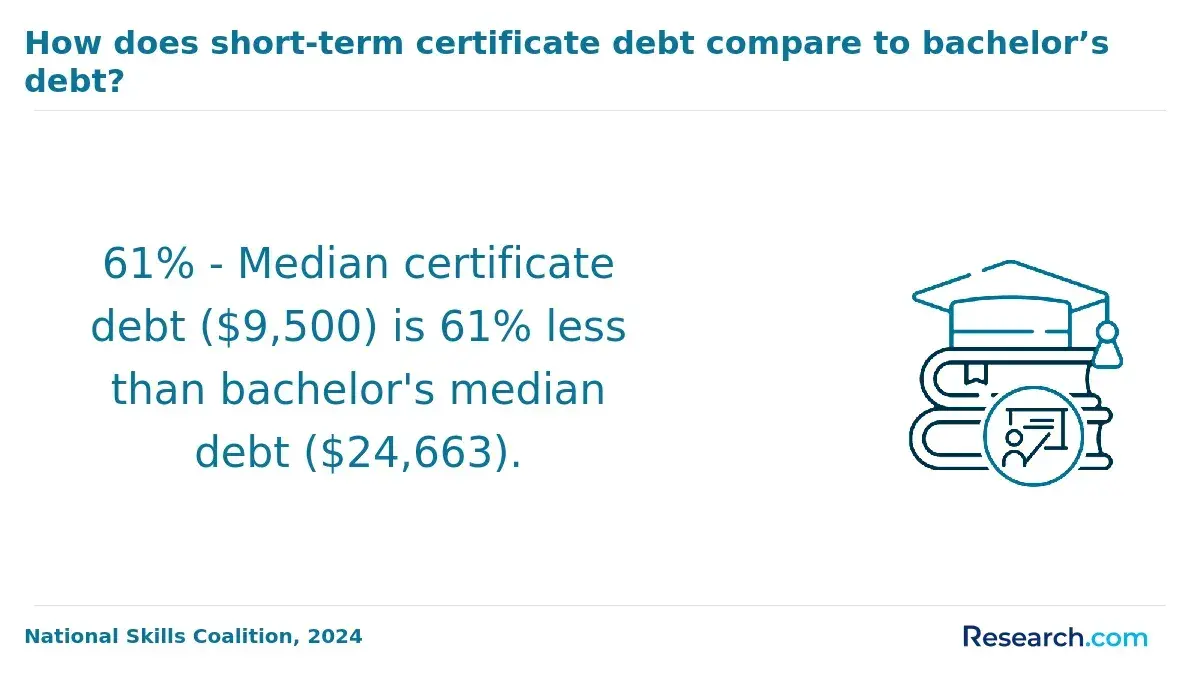
Tuition for sports psychology graduate programs varies considerably across states, a disparity rooted primarily in public versus private institution prevalence and state residency policies. For instance, data from the 2024 Integrated Postsecondary Education Data System indicates that annual in-state tuition at public universities can be as low as $8,000 in states like Wyoming or New Mexico, while private-heavy states such as California or Massachusetts can push costs beyond $30,000 annually.
This gap is further influenced by out-of-state tuition surcharges, which in some states can more than double the price, as evidenced by California's public universities charging over $40,000 for nonresidents. These figures underscore the crucial tradeoff between selecting institutions in more affordable states to minimize debt versus potentially higher living expenses or limited program availability.
Beyond sticker tuition, regional cost-of-living differences significantly impact the total financial burden for sports psychology students. Urban centers often hosting private universities tend to have higher housing and transportation costs, which can negate nominal savings from lower tuition in cheaper states with less dense populations. Additionally, state-specific financial aid policies and the density of public research institutions influence net expenses; some states provide targeted grants and assistantships that mitigate costs for graduate students, while others leave students more reliant on loans.
For prospective students, weighing these factors can affect decisions such as relocating, opting for online coursework, or choosing schools with stronger institutional funding, each carrying long-term implications for educational access and career flexibility.
Why Does Sports Psychology Affordability Vary So Much Between States?
Variations in sports psychology degree cost differences by state largely stem from how states allocate public funding to higher education and the resulting institutional makeup. States like California and New York, facing high living expenses, lean on tuition hikes to sustain operational costs, often within a competitive mix of private programs that carry significantly higher price tags. Conversely, states with more generous subsidies for public universities lower tuition burdens, making in-state options more feasible for budget-conscious students. These differences compel many learners to carefully weigh residential status, program delivery formats, and the mix of private versus public offerings to optimize affordability without sacrificing program quality.
Financial aid policies and state residency benefits further complicate affordability, shaping the regional factors affecting sports psychology tuition affordability and influencing enrollment behavior. When states expand grants or tuition waivers targeted at fields like sports psychology, they ease access and reduce reliance on costly out-of-state or private institutions. However, limited aid availability can push students toward online alternatives or programs in more affordable states, influencing transfer decisions and long-term educational planning.
According to 2024 data from the National Center for Education Statistics, this dynamic funding landscape results in markedly different out-of-pocket costs that require prospective students to evaluate both economic environment and institutional pricing strategies carefully.
Prospective students comparing programs must recognize that affordability is not only a matter of sticker price but also of regional policy decisions and economic realities. For those interested in lower-cost pathways, exploring the cheapest MLIS degree online options and other online or hybrid formats can be a strategic response to pricing disparities. Balancing these practical tradeoffs alongside program outcomes and employability remains essential for informed, sustainable investment in a career in sports psychology.
How Do In-State and Out-of-State Tuition Rates Affect Sports Psychology Affordability?
Residency status plays a pivotal role in shaping the financial feasibility of pursuing a sports psychology degree, often dictating whether tuition aligns with significantly different in-state or out-of-state rates. According to 2024 data from the National Center for Education Statistics, public institutions typically charge in-state undergraduates around $10,800 annually, while out-of-state counterparts pay nearly $26,000—a disparity that directly impacts program selection and student debt management.
For students balancing affordability with educational quality, residency-based tuition affects not only immediate costs but also access to state-specific financial aid and the feasibility of relocating for better programs. Additionally, regional reciprocity agreements like the Western Undergraduate Exchange offer partial relief for some, but these options remain limited, complicating financial planning and long-term enrollment strategies.
Private institutions often maintain flat tuition regardless of residency, which can be competitive compared to public out-of-state fees but generally exceed in-state public costs. Meanwhile, the rise of accredited online sports psychology programs introduces more uniform pricing, though students must consider tradeoffs in networking opportunities and local licensing relevance.
These considerations mean prospective students must navigate tuition differences alongside program reputation and career goals, particularly since the long-term return on investment can vary substantially with the initial financial commitment. Understanding how residency, funding policies, and tuition structures interconnect is essential for making an informed choice that aligns with both budget constraints and career ambitions.
A graduate recalled hesitating before accepting out-of-state tuition rates at a highly regarded public university due to the substantial cost difference from her home state. Despite relocating with the goal of accessing a prestigious program, she struggled to justify the out-of-state price without the cushion of in-state scholarships or grants.
Over time, the elevated expenses altered her financial plan, leading to increased loan borrowing and a persistent concern about whether the investment outweighed the benefits of staying closer to home. Her experience highlights the complexity of residency factors beyond sticker price alone and underscores the importance of weighing these nuances in upfront educational decisions.
How Does the Cost of Living Impact Overall Sports Psychology Affordability by State?
Regional living expenses significantly shape the financial realities for students pursuing a sports psychology degree, influencing where enrollment is feasible and how much debt students may incur. In states like California or New York, elevated rent and transportation costs add layers of financial strain beyond tuition, often requiring students to balance longer work hours with demanding academic schedules. For example, a student in Boston faces far higher housing and healthcare premiums than a peer in Ohio, forcing difficult tradeoffs between affordable living and access to quality academic resources or internships that support employability after graduation.
Conversely, midwestern and southern states offer a more budget-conscious backdrop, with substantially lower housing and food prices helping to reduce overall educational expenses. These differences make it vital for prospective students to integrate comprehensive cost-of-living data into their financial planning. This holistic approach shapes decisions not only about in-person attendance but also about pursuing online or hybrid options that can mitigate some regional expense disparities. Those comparing programs should assess how local wages, healthcare costs, and transportation availability interact with tuition, aligning financial aid strategies to actual budget demands connected to cost of living and sports psychology affordability by state.
Practical degree completion and student debt exposure hinge on such nuanced evaluations, especially as these factors drive enrollment patterns and retention rates. For students seeking multidisciplinary or accelerated options, exploring less costly living areas while balancing academic rigor can be critical. Resources for those considering alternative paths include related fields like an accelerated construction management degree, which similarly require keen cost-benefit analysis linked to regional living expenses affecting sports psychology education costs.
Which States Offer the Best Value for a Sports Psychology Degree?
Assessing the best value for a sports psychology degree requires more than comparing tuition costs—it involves analyzing in-state tuition policies, financial aid accessibility, and degree completion rates. For instance, Texas offers below-average public tuition near $10,300 with a moderately low cost of living, but the state's above-average graduation rate of about 60% improves the return on investment by reducing time-to-degree and overall debt burden. Conversely, states with lower tuition but significantly lower completion rates may result in extended enrollment periods and increased costs, undermining affordability despite appealing sticker prices.
Financial aid availability and local job market conditions also shape value in meaningful ways. Florida's slightly higher tuition averages around $12,000, but extensive merit-based aid and practical, research-focused training programs reduce net costs and debt load, with average graduate debt below the national median. Meanwhile, North Carolina's combination of reasonably accessible tuition and strong regional sports medicine sectors enhances employability soon after graduation, an advantage that can justify slightly higher upfront expenses. Students weighing whether to relocate, pursue residency status for in-state rates, or study online should consider not just immediate costs but how these factors impact their career trajectory and total financial commitment.
Ultimately, the cheapest state tuition doesn't guarantee the best value in sports psychology education. Employers increasingly expect candidates to present both robust applied skills and timely degree completion, making states with high completion rates and integrated practical training more attractive despite marginally higher costs. The ability to minimize debt while securing relevant internships and early employment opportunities is critical. As documented in 2024 data from national education and labor sources, aligning educational choices with these realities determines the lasting financial and professional payoff for students on a budget-conscious path.
What Financial Aid and Scholarship Opportunities Can Reduce Sports Psychology Costs?
Federal grants such as the Pell Grant form a critical base of financial support for sports psychology students, especially undergraduates from low-income households, but their impact varies widely depending on institutional and state policies. According to the U.S. Department of Education's 2024 data, nearly 38% of full-time undergraduates benefit from federal grants, yet this aid alone often falls short of covering total costs. Students in states with limited higher education funding face sharper affordability challenges, making decisions about residency and enrollment status pivotal.
For example, pursuing a sports psychology degree as an in-state resident in California or New York can unlock state grants unavailable elsewhere, but these awards typically require strict compliance with renewal and academic progress conditions that, if unmet, may lead to significant out-of-pocket expenses.
Institutional scholarships and merit-based awards further influence net costs but differ substantially by school, with larger endowments commonly offering more generous targeted support for sports psychology candidates. Employer tuition benefits can offset costs effectively, though students must weigh immediate savings against potential debt and employment commitments.
Tuition reciprocity agreements offer a practical alternative in multi-state regions, enabling reduced out-of-state tuition rates, yet eligibility often hinges on timely application and residency criteria that complicate long-term planning. These layered aid structures, combined with eligibility restrictions and policies governing aid stacking, demand strategic navigation by students comparing programs across states, as the cumulative effect directly shapes not only affordability but also broader career mobility and debt outcomes over time.
Are Online Sports Psychology Degree Programs More Affordable Than On-Campus Options?
Online sports psychology degree affordability in the United States varies significantly depending on tuition policies, residency rules, and ancillary costs, challenging the assumption that online is always less expensive. While online tuition can be 10% to 30% lower due to reduced facility and activity fees, some public universities restrict in-state tuition to on-campus students only, forcing remote learners to pay out-of-state rates that may eliminate expected savings. Additionally, students pursuing online programs incur technology expenses such as reliable internet access and home office equipment, which offset commuting and housing savings for many learners, especially those residing locally.
Cost comparison of online versus on-campus sports psychology programs must consider financial aid disparities and real-world tradeoffs. Institutional grants are often more accessible to on-campus students because of eligibility tied to physical attendance, whereas online students more frequently rely on federal Pell Grants or Stafford Loans. Online formats allow working students to maintain employment, reducing opportunity costs linked to relocation or full-time study, yet on-campus accelerated programs can shorten the path to degree completion, impacting total cost and career entry speed. State residency policies represent a pivotal factor that prospective students should evaluate closely because they influence net tuition and thus overall affordability.
Students weighing where and how to pursue a sports psychology degree should assess these financial nuances relative to their circumstances and professional goals. Those interested in understanding program outcomes and career trajectories may also explore related disciplines, such as "What can you get with an environmental science degree?," for context on employability trends and sector opportunities. Ultimately, thoughtful consideration of tuition frameworks, financial aid access, and non-tuition expenses will better inform decisions than relying on assumptions about online versus on-campus costs alone.
Is a Sports Psychology Degree Worth the Cost Based on Career Outcomes and ROI?
The financial viability of pursuing a sports psychology degree varies sharply depending on state-specific tuition costs, institutional types, and regional employment demand. For example, students attending programs in high-cost states like New York may face double the tuition expenses compared to peers in southern states, which often correlates with differing graduation rates and resultant debt levels. Since employers increasingly expect advanced credentials beyond a bachelor's degree, such as licensure or a doctorate, the necessity of extended education amplifies opportunity costs and total investment, particularly in regions with less robust job markets.
Job growth projections from the U.S. Bureau of Labor Statistics indicates an 8% increase in related fields through 2032, but geographic disparities in wages and employment opportunities mean graduates must weigh local market conditions carefully. A sports psychology degree cost versus career salary comparison makes clear that students should consider borrowing patterns—averaging $30,000 to $40,000 debt nationwide—and how that burden may offset initial earnings, especially where program affordability is low. Evaluating return on investment for sports psychology graduates in the US requires balancing these economic factors alongside alignment with career goals and program quality to avoid disproportionate financial strain.
Prospective students pursuing advanced pathways might explore an EdS to EdD program to enhance employability and long-term career resilience, though this also adds complexity to timing and financing decisions. Ultimately, decision-making should integrate real-world tradeoffs involving geographic mobility, debt burden, and credential requirements rather than relying solely on tuition comparisons or generalized job outlooks.
References
- Pricing & Insurance | White House Sport Psychology https://whitehousesportpsychology.com/pricing/
- 6 Institutions offering Sports Psychology Courses In the USA https://www.hotcoursesabroad.com/study/training-degrees/us-usa/sports-psychology-courses/loc/211/cgory/pk.8b-4/sin/ct/programs.html
- They don’t tell you this stuff – it is such a reality check - Performance in Mind https://performanceinmind.co.uk/2022/09/25/reality-check/
- The Role of Sports Psychology in Athletic Performance https://www.cune.edu/news/role-sports-psychology-athletic-performance
- Scholarships For Psychology Majors (2025) https://www.psychology.org/scholarships/
- How Much Does a Sports Psychologist Cost? — Skadi Sport Psychology, PLLC https://www.skadisportpsychology.com/blog/how-much-does-a-sports-psychologist-cost
- How to Fund College as a Student-Athlete - Honest Game https://honestgame.com/blog/how-to-fund-college/
- Understanding US Sports Scholarships: What’s Cov... | FirstPoint USA https://www.firstpointusa.com/blog/2025/09/understandingus-sports-scholarships-whats-covered-and-whats-not/
- The impact of the cost of living crisis on sport and physical activity - Wesport https://wesport.org.uk/the-impact-of-the-cost-of-living-crisis-on-sport-and-physical-activity/
- M.S. in Applied Sport Psychology (online) - Kinesiology (Graduate) - Adams State University https://www.adams.edu/academics/graduate/kinesiology/applied-sport-psychology/
Other Things You Should Know About Sports Psychology
While lower tuition can seem attractive, students must consider whether a program's reputation aligns with employer expectations in their target job market. In some states, more affordable programs may lack strong industry ties or research opportunities, which can limit networking and practical experience. Prioritizing programs with proven connections-even if they cost more upfront-often leads to better long-term career prospects. Balancing cost with the strength of hands-on training and employer recognition is key for a sound investment.
Yes, states with lower tuition sometimes offer programs with heavier course loads or extended timelines to completion, increasing indirect costs like lost wages or living expenses. Conversely, some pricier states present accelerated or streamlined curriculums, reducing time-to-degree and overall expense. Students should evaluate total time commitment and workload demands alongside direct costs, as these factors profoundly influence the true affordability and sustainability of earning a sports psychology degree.
Licensing and certification standards vary significantly by state and can add substantial unforseen expenses after graduation, such as exam fees, supervised practice hours, or continuing education. Students in states with more rigorous credentialing should budget accordingly and may want to select programs that integrate licensing preparation. Understanding these post-degree costs upfront is essential to avoid financial strain and to plan effectively for entering the workforce.
Yes, for students balancing affordability and flexibility, states with a wider array of online or hybrid options can reduce living costs and allow part-time work, easing financial pressure. However, they must ensure these programs maintain accreditation and provide quality practicum experiences critical to employability. Prioritizing affordable states that align lower tuition with robust remote learning infrastructure and real-world training opportunities maximizes both cost savings and career readiness.