2027 Sports Psychology Degree Completion Time Report: How Long Students Actually Take to Graduate

Co-Founder and Chief Data Scientist
Degree completion timelines in sports psychology often diverge from traditional program estimates due to numerous external and internal factors. Students balancing part-time study with employment, navigating prerequisite coursework, or managing clinical practicum hours face extended pathways. Research from the National Center for Education Statistics (2024) indicates that less than 60% of students in applied psychology fields graduate within six years, reflecting challenges in retention and progression. Transfer credits, academic support, and evolving workforce demands further influence pacing. This article examines how long sports psychology students actually take to graduate, exploring key variables shaping outcomes and providing insights essential for informed educational planning.
Key Things To Know About Sports Psychology Degree Completion Time
- Pinpointing the precise timeline for graduation allows you to map out an exact path to diverse professional tracks, such as collegiate athletic department consulting, high-performance team training, tactical rehabilitation, or private practice coaching. Knowing this duration helps you sync your entry into the sports industry with competitive seasonal hiring cycles and team recruitment windows.
- Tracking your completion time lets you project exactly when you will unlock the field's advanced earning potential, which features a strong median annual salary of $117,750 for specialized psychological classifications. Understanding this framework also allows you to calculate the precise opportunity cost of your education against standard counseling tracks or immediate athletic consulting positions.
- Evaluating these program timelines reveals the advantage of online learning, which often accelerates graduation through flexible, asynchronous courses that accommodate busy athletic or training schedules. This approach enables you to maintain your current commitments in sports administration or coaching while systematically preparing for the specialized field hours required for certification.
- What Is the Average Graduation Time for Sports Psychology Students? Average Graduation Timeline
- What Factors Have the Biggest Impact on Graduation Speed? Graduation Timeline Factors
- How Does Full-Time Versus Part-Time Enrollment Affect Graduation Timelines? Full-Time vs. Part-Time Graduation Timeline
- Do Online Sports Psychology Students Graduate Faster Than Campus-Based Students? Do Online Sports Psychology Students Graduate Faster Than Campus-Based Students?
- How Many Months or Years Can Transfer Credits Save? How Many Months or Years Can Transfer Credits Save?
- Do Accelerated Sports Psychology Programs Significantly Reduce Completion Time? Accelerated Program Timeline
- Which Sports Psychology Program Requirements Most Often Extend Graduation Timelines? Factors Extending Graduation Timeline
- Does Taking Longer to Graduate Increase the Cost of a Sports Psychology Degree? Impact on Program Cost
- Does Graduating Faster Improve Career Prospects? Impact on Career Prospects
- Which Scheduling Mistakes Commonly Delay Graduation? Mistakes to Avoid
What Is the Average Graduation Time for Sports Psychology Students?
The average time to complete a sports psychology degree commonly spans four to six years, varying notably with enrollment status and degree level. Full-time undergraduates typically finish within four years, yet data from the National Center for Education Statistics reveal that about 40% of students extend beyond this due to part-time study, employment obligations, or transferring schools. Graduate-level degrees, such as master's or doctoral programs, add two to seven years, depending on research, clinical internships, and practicum demands. This variability reflects the complex balance between academic rigor and students' real-life constraints, shaping typical graduation timelines for sports psychology students.
Key factors driving differences in completion times include course load intensity, program delivery formats, and institutional credit transfer policies. Programs offered online or in hybrid models often provide flexible pacing but can prolong graduation if students reduce their course loads to manage competing responsibilities. Similarly, clinical training requirements essential in specialized areas prolong doctoral tracks, as supervised hours must be fulfilled before program completion. Transfer students frequently encounter delays tied to credit equivalencies that differ widely by school. Furthermore, some students combine certifications or dual degrees alongside their sports psychology curriculum, reflecting strategic choices to enhance employment prospects but extending total academic time. Understanding these program structure and enrollment pattern dynamics is crucial when assessing the typical graduation timeline for sports psychology students.
Graduation timing holds practical implications beyond end dates: it influences financial commitments, readiness for employment, and alignment with workforce demand cycles. Many employers in this field prioritize relevant clinical and professional experience over mere timetable adherence, underscoring the importance of integrating practical training into academic planning. For students seeking accelerated pathways, exploring options like certain accelerated or flexible programs-such as those detailed in the cheapest EdD programs online-may offer valuable models, though they are less common in sports psychology. Balancing these trade-offs enables learners and advisers to optimize educational strategies in pursuit of timely, quality completion and subsequent career entry.
What Factors Have the Biggest Impact on Graduation Speed?
Graduation speed for sports psychology degrees depends on multiple intersecting variables rather than a single factor. Academic planning choices, program design, and personal circumstances each influence how quickly a student progresses toward completion. Being aware of how these forces interact provides a clearer picture of the tradeoffs involved in setting course loads, selecting enrollment status, and choosing program delivery formats. This understanding is essential for managing realistic expectations around timing and degree pacing.
- Enrollment Status and Course Load: Full-time enrollment generally leads to faster graduation by allowing students to complete required credits in a condensed timeframe. Part-time students, who often balance work or family commitments, typically take longer, with National Center for Education Statistics data from 2024 showing only 45% of part-time students earn a bachelor's degree within six years compared to nearly 65% of full-time students. Enrollment intensity affects not just credit accumulation but also interactions with internships and experiential learning tied to sports psychology curricula.
- Program Design and Delivery Format: Programs with flexible schedules, including accelerated courses or online components, can significantly shorten degree timelines by enabling students to adapt learning around work or personal demands. Conversely, rigid, sequential course requirements-common in sports psychology to preserve prerequisite structures-can introduce bottlenecks that delay access to critical hands-on learning such as research projects or practicums. The impact of program design on sports psychology graduation speed must be assessed alongside enrollment status and individual pacing.
- Transfer Policies and Prior Academic Preparation: Students entering with relevant coursework-such as kinesiology or psychology credits-may reduce total credits needed. Yet inconsistencies in credit transfer acceptance across institutions add complexity and sometimes extend time to completion when additional courses are mandated. Transfer students often face unique challenges aligning past coursework with specialized sports psychology degree requirements, slowing progress relative to continuously enrolled peers.
- External Obligations and Life Circumstances: Work schedules, caregiving responsibilities, and unforeseen personal challenges regularly influence degree pacing. Research from the Education Advisory Board in 2024 highlights that about 30% of delays relate to external obligations beyond academic issues. These real-world constraints often force part-time enrollment or interrupted sequences of study, particularly relevant given many sports psychology students' career or family commitments.
- Motivation, Career Focus, and Academic Advising: Students with clear career objectives and strategic planning tend to navigate their programs more efficiently, targeting coursework and experiential opportunities to align with industry needs. Lack of directional support or uncertainty regarding employment trajectories within sports psychology can prolong exploratory phases in the curriculum. Institutions that provide informed advising around labor market realities and credential timing can help minimize unnecessary delays.
Within this landscape, making consistent, informed choices about enrollment status and understanding program design effects on sports psychology graduation speed is vital. Students weighing enrollment intensity and format options should consider how these align with their external obligations and prior credits, recognizing that seemingly similar programs may yield different timeline outcomes. These dynamics also influence post-graduation readiness, as employers increasingly value candidates with both relevant experience and timely credential acquisition.
Prospective students balancing professional aspirations and course demands might also investigate alternative pathways, such as part-time or dual-format delivery, though these often extend degree duration. For those evaluating accelerated tracks or more traditional schedules, data-supported insights into graduation timelines can inform decisions best suited to individual circumstances. Some may benefit from exploring opportunities facilitated by networks offering value-focused credentials, including those highlighted in affordable executive MBA options, which underscore the role of strategic educational planning in career development beyond sports psychology.
How Does Full-Time Versus Part-Time Enrollment Affect Graduation Timelines?
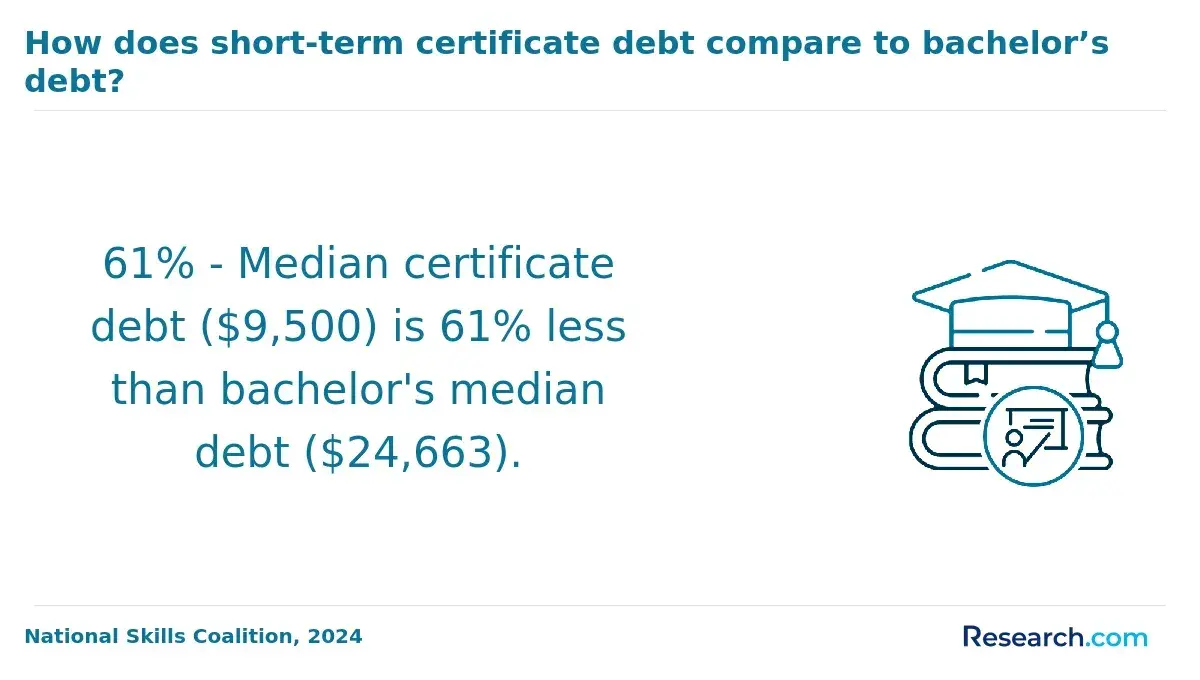
Enrollment status plays a significant role in determining how quickly students complete Sports Psychology degrees, with full-time students typically finishing faster due to heavier course loads taken each semester. Bachelor's programs often adhere to a four-year timeline for full-time students, while part-time learners may stretch completion beyond six years as they take fewer credits per term to accommodate other priorities. Data from the National Center for Education Statistics highlights that part-time enrollment consistently correlates with extended graduation periods across disciplines, reflecting a widespread pattern rather than isolated cases within Sports Psychology.
The interaction between credit load, course sequencing, and program design shapes these divergent completion paths. Full-time students follow more condensed academic tracks that align with typical semester pacing, but this can demand intensive study hours and financial investment upfront. Part-time options, including hybrid and accelerated offerings in some institutions, provide flexible delivery accommodating work, internships, or family responsibilities, though this flexibility often delays reaching key academic milestones. External commitments require careful balance, as spreading courses over longer periods impacts cumulative costs, financial aid eligibility, and sometimes the momentum essential for academic engagement.
Choosing between full-time and part-time enrollment affects more than just graduation speed; it has long-term repercussions for financial planning and workforce entry timing. While full-time learners may access graduate training or certifications earlier, part-time students frequently accumulate valuable applied experience simultaneously, a tradeoff favored by many employers in the sports psychology field. Aligning enrollment decisions with personal circumstances and career goals is crucial, as the pathway selected influences both the intensity of academic investment and the timing of practical opportunities within a competitive job market.
Do Online Sports Psychology Students Graduate Faster Than Campus-Based Students?
The perception that online sports psychology students graduate more quickly than their campus-based peers is common but oversimplified. While flexible scheduling and the option to engage in accelerated courses suggest faster completion, actual outcomes vary considerably across individuals and programs. Data from the Online Learning Consortium in 2024 shows that about 48% of online sports psychology students finish their degrees within six years, compared to 52% of those studying on campus. This narrow margin reflects that graduation speed depends more on how students manage competing demands and program structures than solely on delivery mode.
Factors shaping graduation timelines include the degree of course scheduling flexibility and whether programs allow self-paced or competency-based progress. Online formats often enable part-time enrollment alongside work or family commitments, but this can extend completion time if students prioritize other responsibilities. Conversely, campus-based programs typically follow stricter academic calendars and may integrate mandatory internships or practicum experiences, which can both structure and prolong students' progress. Balancing these elements with personal workload is crucial, as external pressures frequently slow consistent advancement regardless of modality.
Choosing between online and campus-based sports psychology education involves weighing the demands of academic discipline and time management inherent in each format. Online programs require a higher degree of self-motivation and adaptability to maintain momentum, which affects how quickly students enter the workforce. In contrast, campus programs may foster steadier pacing but impose less flexible timelines. Understanding these tradeoffs is essential for realistic planning around career entry and degree completion.
One graduate recalls grappling with the rolling admissions timeline while applying to online programs. Faced with uncertainty about when exactly they would gain acceptance, they delayed course enrollment multiple times to finalize prerequisites and funding arrangements. This made clear that gaining admission was as much a factor in overall time-to-degree as once starting classes, highlighting how strategic timing around application and start dates can subtly affect graduation speed in online sports psychology pathways.
How Many Months or Years Can Transfer Credits Save?
Transfer credits can reduce the time required to complete a Sports psychology degree by several months up to two years, but the actual impact varies considerably based on credit volume and curricular alignment. According to recent data from the National Center for Education Statistics, students transferring with 30 to 60 semester hours of relevant credits may bypass one to two full academic years. Yet, these timelines depend not only on the quantity of credits but also on how closely prior coursework matches core requirements, especially since many sports psychology programs require 120 to 130 total credits for graduation. This variability means average time savings from transfer credits in sports psychology programs must be understood in light of institutional flexibility and transfer credit policies rather than as fixed intervals.
Key factors influencing the degree duration reductions include accreditation compatibility between institutions, course equivalency evaluations, residency requirements, and limits on the maximum number of transferable credits. For example, core courses in psychology and kinesiology often transfer more smoothly than specialized sports psychology electives, impacting how many credits count toward the major. Some programs impose residency rules that mandate a minimum number of credits to be completed on-site, capping potential time savings. Consequently, even extensive transfer credits may leave students needing to complete foundational courses, limiting acceleration of overall degree progress. The degree pathway's structure and institutional policy frameworks therefore play critical roles in translating transfer credits into actual timeline improvements.
These factors make academic planning crucial for transfer students aiming to optimize their timeline without incurring unnecessary course repetition or extended enrollment. Proper alignment of coursework prior to transfer can safeguard against wasted credits and support smoother sequencing of remaining classes, ultimately reducing financial costs and enabling earlier entry into internships or applied fields. In some cases, students choose accelerated options, such as a one year online master's in communication, to complement or follow undergraduate transfer plans and sharpen workforce readiness. Understanding the nuanced impact of transfer credits on sports psychology degree duration helps students set realistic expectations and navigate institutional complexities that shape their educational outcomes.
Do Accelerated Sports Psychology Programs Significantly Reduce Completion Time?
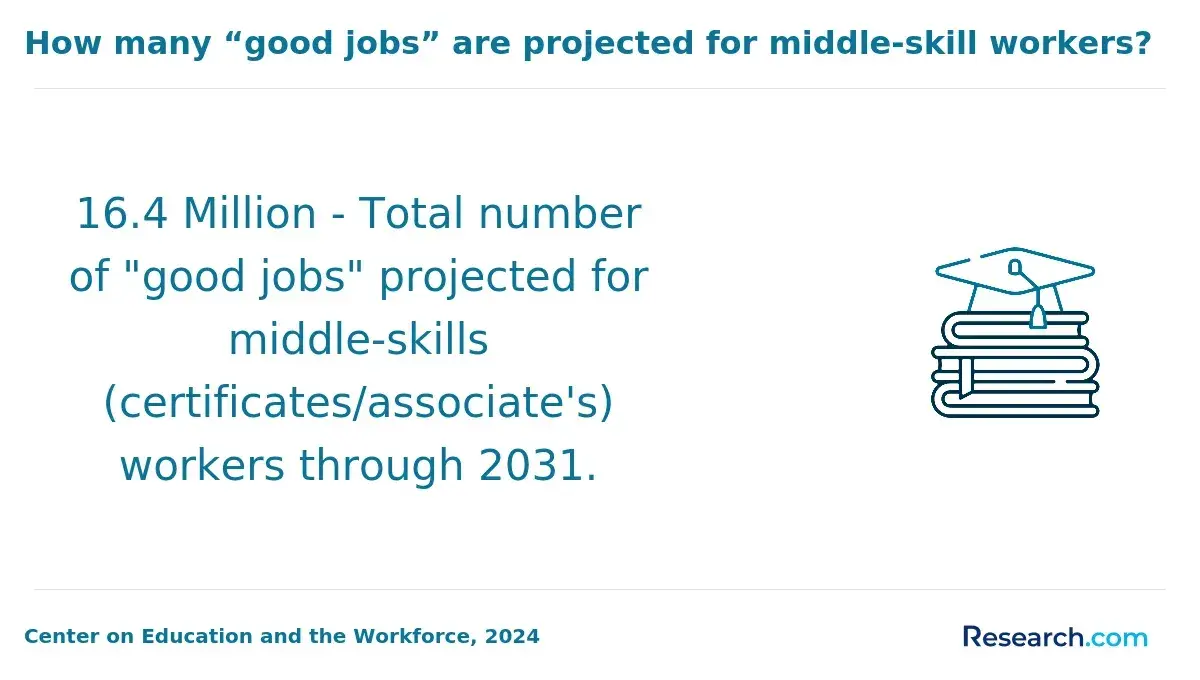
Accelerated sports psychology programs aim to condense the traditional graduate degree timeline by increasing course pace and compressing curriculum delivery. These programs typically restructure academic calendars to allow for higher credit loads per term, streamlining prerequisite courses and reducing breaks between terms. The intent is to enable students to complete core requirements and move through sequential coursework more rapidly than in standard formats. However, the degree reductions often focus primarily on didactic components rather than clinical or experiential elements.
The actual time saved depends heavily on multiple academic and institutional factors. While students may take denser course loads, practicum and internship mandates-critical for practical skill development and licensure eligibility-usually remain unaffected in duration and scheduling flexibility. This limits how much the overall timeline can be shortened despite accelerated classroom work. Additionally, some programs require certain sequential milestones or candidacy exams that cannot be expedited. These structural constraints mean that although calendar time can be modestly reduced, true acceleration hinges on balancing increased academic intensity with persistent experiential requirements.
Trade-offs inherent to accelerated formats include heightened workload pressure and reduced margin for personal or professional obligations, which may affect learning retention and well-being. The reduced scheduling flexibility can challenge students juggling jobs or family, potentially complicating progression despite shorter nominal timelines. Consequently, accelerated sports psychology degrees often offer limited acceleration beyond compacting formal coursework, making it essential for candidates to consider the practical impact on training depth and work-life integration alongside the appeal of faster degree completion.
Reflecting these dynamics, one accelerated sports psychology graduate described navigating a rolling admissions cycle marked by uncertainty and tight decision windows. Despite wanting a faster start, the candidate hesitated when waiting for final prerequisite approvals delayed official enrollment, creating tension between eagerness to begin and the reality of administrative pacing. This experience underscored that while accelerated programs appear to promise speed, timing often depends on institutional processing and careful preparation rather than solely on compressed academic schedules.
Which Sports Psychology Program Requirements Most Often Extend Graduation Timelines?
Graduation timelines within sports psychology programs are commonly extended not simply due to total credit hours but because of embedded curricular components designed to ensure professional readiness. These requirements often introduce fixed scheduling, intensive workloads, or sequential dependencies that limit student pacing flexibility. While they demonstrate program rigor and alignment with licensure standards, such elements frequently create progression bottlenecks and variable delays based on institutional policies and individual circumstances.
- Practicum and Internship Commitments: Real-world training through supervised practicum and internships is indispensable for clinical and applied sports psychology. These experiences demand extensive hours-often several hundred-that must be completed in specialized settings. Since placements can be competitive and availability limited, especially for part-time or working students, this frequently adds six to twelve months or more to graduation timelines.
- Research Thesis or Capstone Projects: Thesis requirements involve designing and executing original empirical studies, which often extend timelines due to resource constraints, participant recruitment delays, and balancing research with other responsibilities. Programs emphasizing research-based licensure preparation tend to increase this burden, with many students needing additional semesters beyond coursework completion to fulfill these mandates.
- Comprehensive Exams and Credential Preparation: Passing rigorous exams is often required before degree conferral, with some students needing multiple attempts or extended preparation time. These deadlines frequently coincide with ongoing practicum or internship obligations, creating added strain and potential delays.
- Credit Transfer Limitations and Course Sequencing: Restrictions on accepting transfer credits or requiring strict course order can force students to retake foundational classes or delay advanced coursework. This inflexibility disproportionately affects nontraditional students or those switching from related fields, thereby lengthening total program duration.
- Part-Time Enrollment and Scheduling Constraints: Many sports psychology students juggle employment or personal commitments and enroll part time, extending the typical two- to four-year completion window. Institutional policies around course offerings-such as limited term availability for specialized courses-further influence pacing and can stretch degree timelines substantially.
According to Workforce Intelligence Network reports (2024), nearly 65% of sports psychology programs require internships that add between six months and a year to students' timelines. This data underscores the critical tradeoff between experiential training depth and time-to-degree acceleration, highlighting the necessity for deliberate academic planning and realistic pacing expectations within these demanding graduate structures.
Does Taking Longer to Graduate Increase the Cost of a Sports Psychology Degree?
Extended completion timelines typically increase the total tuition and associated expenses of a sports psychology degree, especially when institutions charge on a per-semester or per-credit basis. As students remain enrolled beyond the standard timeframe, higher tuition fees accumulate alongside additional costs such as extended housing, textbooks, and supplies. Moreover, delays may reduce eligibility for certain financial aid options, scholarships, or grant disbursements tied to timely progression, adding to overall expenses. These financial dynamics are an important aspect of the impact of extended graduation time on sports psychology degree cost, as prolonged enrollment often translates into greater cumulative investment. Late graduation also postpones entry into the workforce, which can affect lifetime earnings potential given the projected salary ranges noted by sources such as the U.S. Bureau of Labor Statistics and Lightcast.
However, longer degree completion does not invariably mean significantly higher costs. Programs with flat-rate tuition or part-time enrollment pricing may allow students to manage educational expenses more flexibly without immediate financial penalties. Employer tuition assistance and institutional policies permitting adaptable pacing play a role in moderating cost increases for working adults and transfer students. Adjustments in course load and enrollment behavior can thus materially influence total expenses by balancing academic demands with budgeting constraints. Prospective students should consider how institutional pricing models and financial aid policies intersect with their personal circumstances to understand the nuanced financial consequences of longer sports psychology degree completion. For those exploring online or hybrid formats, reviewing current rankings such as the online electrical engineering degree ranking might provide insights into flexible program structures relevant across disciplines.
Does Graduating Faster Improve Career Prospects?
Graduating sooner from a sports psychology degree program in the United States can provide an earlier foothold in the labor market, allowing graduates to begin job searches and employment more quickly. This accelerated entry may reduce student debt and increase earning potential over time by shortening the period before salary income begins. However, employers rarely focus solely on the speed of degree completion; instead, they assess candidates based on demonstrated competence, relevant experiences, and skill mastery, which are often better cultivated over a standard or extended timeline.
The impact of accelerated sports psychology graduation on career advancement in the US largely depends on factors beyond just finishing early. Employers prioritize applied experience such as internships, research involvement, and portfolio development that validate theoretical learning and professional readiness. Networking and industry connections built through extended program participation also significantly influence hiring outcomes, making the mere act of graduating faster insufficient to guarantee improved prospects without complementary achievements aligned with sector needs.
Ultimately, the decision to pursue a rapid pathway to degree completion requires weighing the trade-offs between speed and experiential depth. While finishing quickly may appeal to working adults or transfer students eager to enter the workforce, building a robust set of applied skills and professional relationships commonly yields stronger long-term career benefits. For those balancing time constraints with career goals, exploring options such as a computer science bachelor degree online or equivalently flexible programs may offer avenues to integrate education and experience without compromising employability.
Which Scheduling Mistakes Commonly Delay Graduation?
Graduation delays in sports psychology programs are frequently less about intellectual difficulty and more about strategic errors in enrollment and course scheduling. These mistakes affect students across program levels and formats, from traditional full-time to part-time and transfer pathways. Understanding how inadequate planning disrupts streamlined academic progress is essential for maintaining consistent advancement toward degree completion. Institutional sequencing rules and prerequisite structures in sports psychology curricula demand proactive course alignment to avoid unintended extended timelines.
- Underestimating Course Load Requirements: Many students, especially working adults, take fewer credits per semester than needed, often due to balancing non-academic responsibilities. This cautious pacing undermines credit accumulation rates required to graduate within typical timeframes, extending program length beyond four years.
- Poor Prerequisite Planning: Sports psychology curricula enforce strict course sequences, where advanced classes require prior completion of foundational ones. Failure to register for prerequisites promptly leads to forced breaks, as required courses may not be available every term, causing gaps in progression.
- Elective Overload and Degree Plan Deviations: Enrolling in excessive electives unrelated to core requirements diverts focus and credits away from essential classes. This misalignment slows core credit accumulation and delays overall degree completion.
- Transfer Credit Challenges: Transfer students often face delayed credit recognition or need to retake courses due to mismatches with degree requirements. These institutional constraints increase time to graduation substantially.
A 2024 study by the National Center for Education Statistics reports that 45% of bachelor's degree students nationwide take over six years to graduate due primarily to enrollment inconsistencies and scheduling conflicts, underscoring the widespread nature of these issues beyond sports psychology specifically.
Other Things You Should Know About Sports Psychology
Internship and practicum requirements often extend the completion timeline because they depend on external placement availability and candidate readiness. Unlike classroom credits, these hands-on experiences cannot be rushed safely and must meet professional standards, which vary by program. Students who prioritize securing high-quality placements may face longer graduation times but improve their practical competence and employability. Therefore, planning early and proactively engaging with placement sites is crucial to avoid unintended delays.
Working students typically face elongated sports psychology degree timelines due to competing time commitments affecting focus and available coursework load. Programs with flexible scheduling and part-time options help, but students must realistically assess whether balancing work and study compromises academic performance or delays meeting clinical hours. Prioritizing time management and negotiating reduced work hours during critical semesters can mitigate delays, making degree progression more predictable without sacrificing income entirely.
Switching specializations mid-program often leads to extended time to degree due to differing course and practicum requirements. While this can better align with evolving career interests, it introduces additional coursework and potential credit transfer challenges. Students seeking efficiency should carefully weigh the benefit of realignment against the likelihood of prolonging their studies, and consider early commitment to a specialization track to optimize time to graduation and maintain a coherent skillset valued by employers.