2027 Physics Degree Enrollment Trends by Age Group: Traditional Students vs Adult Learners

Co-Founder and Chief Data Scientist
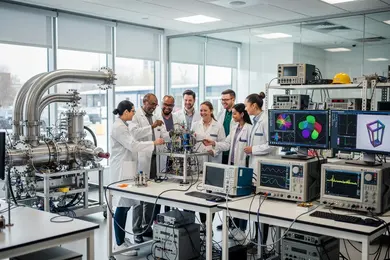
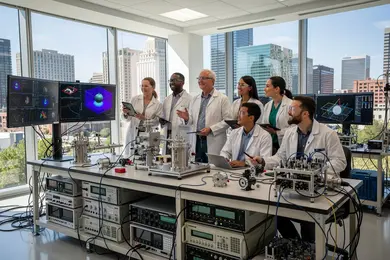
Enrollment patterns in physics degree programs reveal a distinct divide shaped by industry demands and career dynamics. Traditional students, typically aged 18 to 24, often pursue physics as a direct path toward research or academic roles requiring immediate full-time study and hands-on laboratory experience. In contrast, adult learners balance advanced technical skill acquisition with career transitions in sectors like aerospace or data science, where mid-career hiring growth is projected at 12% over the next decade.
This divergence reflects workforce shortages in specialized physics roles and credential inflation, influencing how these groups navigate degree completion. The age distribution signals evolving educational needs tied to professional adaptation and sector-specific employer expectations.
Key Things to Know About Physics Degree Enrollment Trends by Age Group
- Adult learners often face extended program durations due to balancing work and study, resulting in higher opportunity costs compared to traditional students who typically complete physics degrees in a continuous timeframe.
- Employers frequently prioritize recent graduates for entry-level physics roles, indicating that delayed graduation among older students can limit early-career opportunities despite potentially stronger professional experience.
- Recent 2024 data shows a 12% rise in non-traditional student enrollment in physics, reflecting increasing access but also requiring programs to adapt curricula for varying prior knowledge and career goals.
- Key Things to Know About Physics Degree Enrollment Trends by Age Group Key Things to Know About Physics Degree Enrollment Trends by Age Group
- Which Age Groups Represent the Largest Share of Physics Students? Students by Age Group
- Why Do Traditional Students Choose Physics Degree Programs? Traditional Students
- Why Do Adult Learners Return to School for a Physics Degree? Adult Learners
- How Do Academic Goals Vary Between Younger and Older Physics Students? Academic Goals by Age Group
- How Do Financial Concerns Differ Between Traditional Students and Adult Learners? Financial Concerns by Age Group
- What Challenges Do Adult Learners and Traditional Students Face While Earning a Physics Degree? Student Challenges by Age Group
- How Does Age Affect Physics Degree Student Retention? Age and Student Retention
- Which Physics Specializations Are Most Popular Among Adult Learners? Top Specializations for Adult Learners
- How Does Age Affect Job Opportunities for Physics Graduates? Impact of Age in Job Opportunities
- What Do Current Physics Enrollment Trends Reveal About Future Demand? What Do Current Physics Enrollment Trends Reveal About Future Demand?
Which Age Groups Represent the Largest Share of Physics Students?
Physics programs attract learners across a range of life stages, but enrollment is largely concentrated in certain age cohorts. These patterns are shaped less by academic preference and more by varied career trajectories, financial preparedness, and the accessibility of educational pathways. The age distribution among physics students thus mirrors systemic factors related to workforce entry timing and the balancing of life responsibilities. Understanding which age groups dominate enrollment requires examining these broader dynamics rather than simply categorizing by age.
- Ages 18-24: This group forms the largest share of physics students, reflecting the traditional path of immediate post-secondary enrollment. Many in this cohort benefit from recent academic preparation in math and science, aligned career timelines, and institutional support aimed at degree completion within a set timeframe. Workforce expectations often prioritize candidates from this age range with fresh credentials, reinforcing their prevalence in undergraduate physics programs.
- Ages 25-34: Adult learners beginning or resuming physics studies in this age range tend to pursue education tied to career pivots or skill enhancement. Their enrollment is comparatively smaller as they must balance work, family, and financial constraints, often requiring flexible or part-time study options. This group's motivations may include targeted roles or interdisciplinary applications rather than traditional physics career paths.
- Ages 35 and older: Representing the smallest share, these students generally engage in physics education for specialized knowledge or second-career opportunities. Challenges such as the need for refresher coursework and complex life obligations limit full-time enrollment, although their participation highlights evolving demands for flexible learning modalities. Their presence signals the increasing diversity in physics degree enrollment driven by varied workforce needs and personal circumstances.
The distribution of traditional and adult physics learners by age is influenced by factors including established educational infrastructure favoring younger students and the growing but niche role of adult learners navigating alternative pathways. As workforce demands fluctuate, some programs integrate accelerated or online options to address adult learners' constraints, similar to what is seen in other fields offering fast track social work degree online. Recognizing these nuanced enrollment patterns helps contextualize the dynamics behind which age groups hold the largest share of physics students today.
Why Do Traditional Students Choose Physics Degree Programs?
Traditional students who pursue physics degree programs often do so driven by a combination of deep academic interest in fundamental scientific principles and the recognized signaling value of a physics degree for competitive early career exploration. These students tend to demonstrate strong math and science skills, viewing physics as a rigorous foundation that opens doors to research, engineering, and data-driven roles, especially in emerging technology sectors. The 2024 National Science Foundation survey indicates that about 62% of physics bachelor's recipients aged 18-24 cited intellectual curiosity and problem-solving motivation as central to their enrollment decisions, reflecting how the discipline is intertwined with both educational ambitions and strategic career positioning.
Deeper institutional and systemic factors also shape why young learners choose physics programs. University recruitment strategies often target high-achieving secondary students exposed to physics coursework, with guidance counselors playing a critical role in steering them toward STEM pathways that promise perceived job market stability. This early exposure, along with the cohort-based nature of traditional programs, reinforces enrollment patterns distinct from adult learners who prioritize flexible credentials. The alignment of physics degree programs with well-defined academic pathways and a clearer education-to-career transition contributes to these enrollment dynamics, which can be further explored in online colleges offering structured options for different learner profiles.
Why Do Adult Learners Return to School for a Physics Degree?
Adult learners pursuing a physics degree typically do so to navigate mid-career shifts or enhance earning potential in industries increasingly dependent on quantitative and analytical expertise. Unlike traditional students, these individuals often leverage the degree to requalify for roles in technology, energy, finance, or advanced manufacturing sectors where physics-based problem solving is valued. The decision frequently aligns with wage progression goals or the need to meet credential inflation where existing qualifications no longer suffice. National Center for Education Statistics data from 2024 highlights a 12% rise in adult enrollment in STEM undergraduate programs, underscoring the strategic nature of this educational investment amid shifting labor market demands.
Additional factors facilitating adult reentry into physics programs include employer-sponsored tuition support and the expanding availability of online and evening classes tailored to non-traditional schedules. These program features address real-world constraints related to work-life balance and income continuity, which are critical given the opportunity costs associated with returning to study after an extended period. Moreover, evolving industry standards increasingly require updated technical skills and interdisciplinary competencies that physics curricula can provide, making formal credential attainment a practical necessity rather than a purely academic pursuit.
The growing presence of adult learners influences how physics departments design programs, often accelerating the integration of applied learning components and flexible delivery methods. This shift not only diversifies classroom demographics but also enriches peer collaboration by blending recent graduates with professionals possessing varied industry experience. Consequently, physics education is adapting to support lifelong learning paradigms that respond to workforce reskilling trends and the complex realities of career mobility in a knowledge-driven economy.
How Do Academic Goals Vary Between Younger and Older Physics Students?
Traditional-age physics students generally approach their studies with a broad exploratory mindset, aiming to build a solid foundation in theoretical and experimental principles. Their academic efforts often prioritize gaining research experience, internships, and preparing for graduate education, positioning themselves for entry-level industry roles or advanced academic careers. According to the National Center for Education Statistics in 2024, about 60% of these students are motivated by the prospect of seamless transition into research or academia right after graduation, which influences their commitment to deep theoretical understanding and comprehensive skill sets foundational to physics. This stage of education emphasizes flexibility for further specialization, fostering competencies necessary for long-term career development within scientific or technical fields.
In contrast, older physics students tend to adopt more targeted, pragmatic academic goals that reflect pre-existing career trajectories and immediate labor market demands. Their study decisions often hinge on acquiring specific technical skills or credentials that directly enable career shifts, promotions, or role enhancements in applied physics and interdisciplinary sectors. The American Institute of Physics in 2024 highlights that 45% of adult learners prioritize coursework with clear, actionable benefits over purely theoretical knowledge, seeking flexible learning formats that accommodate work and life commitments. This cohort's educational engagement typically centers on maximizing practical value, balancing credential completion with job experience to expedite workforce integration or advancement, frequently opting for part-time or online study tailored to mid-career professionals.
One adult learner who returned to pursue a physics degree described navigating a rolling admissions process with considerable hesitation; juggling a full-time job and family responsibilities, they deferred applying multiple times while assessing part-time options. The urgency grew as program start dates neared, compelling them to submit materials just days before the deadline to secure a spot. This decision-making reflected a strategic weighing of timing, preparation readiness, and the risks of delaying enrollment further, underscoring the practical complexities adult students face beyond academic preparation alone.
How Do Financial Concerns Differ Between Traditional Students and Adult Learners?
Traditional students pursuing a physics degree generally navigate financial concerns through a combination of family support, financial aid, and student loans, with tuition and living expenses being their primary barriers. Because many are aged 18 to 24 and often depend on parents or guardians, their financial risk tolerance for accruing debt tends to be higher, bolstered by expectations of long-term employment gains. According to the National Center for Education Statistics, nearly 60% of traditional undergraduates carry some student debt, yet their lower personal financial obligations and fewer dependents often make this debt more manageable. These dynamics shape how traditional students balance immediate tuition-related costs against the prospect of eventual earnings in STEM fields, influencing enrollment decisions amidst the financial challenges faced by traditional and adult physics students.
Conversely, adult learners in physics programs face a distinct matrix of financial pressures, balancing tuition alongside family responsibilities, mortgages, and potential lost wages due to reduced work hours or career transitions. A significant 70% of adult learners finance their education predominantly via personal savings or employer tuition assistance, a reflection of their need to mitigate long-term debt exposure while maintaining financial stability. Employer tuition reimbursement programs often play a critical role, yet the opportunity cost of returning to school-especially when juggling full-time work or caregiving-can extend both time to degree completion and the total financial investment. These practical realities highlight the differences in tuition funding for adult learners versus traditional students, often driving a preference for flexible, part-time, or online study formats that accommodate ongoing commitments.
These divergent financial behaviors directly influence enrollment patterns and program choices within physics education. Adult learners typically gravitate toward options that minimize disruption to their existing income streams, such as accredited online degrees or degree completion pathways, which can be contrasted with the more traditional, full-time campus programs favored by younger students. Evaluating these tradeoffs with a focus on long-term return on investment requires a nuanced understanding of income status, opportunity cost, and lifecycle financial planning. Prospective students weighing these factors might consider pathways like the construction management degree online accredited offerings as a parallel for how flexible, career-aligned educational models address similar financial and temporal constraints across different technical fields.
What Challenges Do Adult Learners and Traditional Students Face While Earning a Physics Degree?
Traditional students pursuing a physics degree often confront the demands of adapting to an intensive academic environment characterized by complex theoretical concepts and hands-on laboratory work. This transition requires cultivating strong foundational knowledge within a rigid curriculum while managing time amid a highly structured campus setting. The National Science Foundation's 2024 findings reveal that nearly 40% of physics undergraduates under 25 identify the simultaneous challenge of mastering abstract theory alongside practical experiments as a major retention barrier. Additionally, these students grapple with social integration pressures and mental health concerns linked to the intensity of both academic and campus life, which can affect their performance and persistence.
Adult learners returning to physics education face a distinct array of pressures shaped by concurrent responsibilities outside the classroom, such as full-time employment and caregiving duties. Balancing these demands narrows available study time and requires rapid adaptation to evolving educational technologies and pedagogical approaches often optimized for younger cohorts. The Council for Adult and Experiential Learning reported in 2024 that 52% of adult physics students experience financial strain, exacerbated by limited eligibility for traditional scholarships and increased living costs. Re-entering academic environments after a significant hiatus also amplifies the challenge, demanding not only technical skill refreshment but also resilience amid external professional and personal obligations.
Institutions seeking to support diverse physics student populations increasingly implement flexible learning models, targeted advising, and tailored support services to address these contrasting needs. While traditional students benefit from structured academic scaffolding and campus resources, adult learners require accommodations that acknowledge their time constraints and financial pressures, such as online course availability and modular scheduling. Recognizing these differentiated experiences is critical for designing effective retention strategies and assisting students in navigating the distinct pathways that lead to timely degree completion and workforce readiness in physics-related fields.
How Does Age Affect Physics Degree Student Retention?
Retention among younger physics students often hinges on their ability to acclimate quickly to demanding academic standards and maintain sustained motivation within a complex field. This group faces the challenge of balancing new independence with the rigors of college-level coursework, frequently encountering obstacles related to early academic engagement and time management. Institutional support focusing on peer networks and academic advising plays a critical role in helping younger students navigate these transition phases effectively. According to the National Center for Education Statistics in 2024, about 68% of traditional students aged 18 to 24 continue past their second year, reflecting both the pressures and structured environments typical at this life stage.
Older physics students usually approach their programs with clearer professional objectives but contend with time constraints imposed by jobs, family responsibilities, and financial pressures. Their retention rates tend to reflect these competing priorities rather than academic readiness; adult learners often require flexible scheduling and tailored support to sustain momentum. While life experience may enhance their focus, inflexible program designs can hinder consistent participation, contributing to lower persistence-around 52% continuing past year two, per recent NCES data. Institutions aware of these dynamics increasingly consider adaptive models and support systems to better align with the distinctive needs of this demographic.
One physics graduate recalled weighing options amid a rolling admissions cycle, feeling torn between accepting an earlier offer or waiting for a program with better scheduling accommodations. Having juggled full-time work for years before returning to study, the delay in commitment caused anxiety about losing access to essential support services. Ultimately, deciding to enroll at the institution with flexible evening classes eased the strain, though the period of uncertainty highlighted how timing and preparation uniquely influence adult learners' retention and academic progress.
Which Physics Specializations Are Most Popular Among Adult Learners?
Adult learners pursuing physics degrees often prioritize specializations that offer clear pathways to employment and align with their existing work experience or career transition goals. Practical applicability, industry relevance, and potential salary advancement weigh heavily in their choice, as many seek to leverage or update their skill sets for immediate workforce integration. This focus distinguishes them from traditional students who may opt for theoretical or foundational tracks without direct career ties. Enrollment trends in these areas also reflect shifting labor market demands and the necessity for continual reskilling among professionals.
- Medical Physics: This specialization appeals to adult learners combining physics knowledge with clinical applications such as medical imaging and radiation therapy. It benefits from growing healthcare demand and funding, with adult enrollment in medical physics graduate programs increasing by 15% since 2020 according to the American Association of Physics Teachers (2024). Many individuals view it as a way to enter or advance within healthcare systems where technical expertise is highly valued.
- Engineering Physics: Attracting those with backgrounds in manufacturing, aerospace, or renewable energy, this field offers opportunities to deepen technical proficiency while adapting to evolving industry standards. Its appeal lies in directly enhancing skills that are transferrable to roles focused on product development, systems optimization, and innovative technologies.
- Environmental Physics: Increasingly relevant for adult learners motivated by sustainability and climate policy, this multidisciplinary focus integrates physics with ecological modeling and energy systems. It supports career pivots into environmental consulting, government agencies, or nonprofit organizations addressing regulatory and scientific challenges.
- Applied Physics: Fields such as industrial or materials physics provide hands-on expertise attractive to those already employed in technical roles seeking to upgrade or diversify their capabilities for advancement or sector changes.
- Medical Imaging and Radiation Physics: Specializing in this area enables adults to capitalize on the intersection of physics and healthcare technology, often translating to higher salary potential due to the specialized skills needed in diagnostics and treatment planning.
These preferences among adult learners underscore how specialization choice is often a calculated decision driven by prior work experience, industry needs, and clear cost-benefit tradeoffs in terms of salary growth and career mobility. Programs accommodating these criteria better serve mature students targeting practical outcomes rather than purely academic pursuits. Those evaluating their options may find it practical to compare specialization-related employment rates and program affordability, such as using resources like the cheapest data science degree rankings for adjacent fields offering relevant transferable skills. This kind of analysis aligns with the broader pattern of adult learners selecting physics specializations in the United States that optimize both educational investment and workforce relevance.
How Does Age Affect Job Opportunities for Physics Graduates?
Younger physics graduates, typically aged 22-25, often navigate job markets with access to structured entry-level roles, internships, and graduate programs aligned with long-term research or development careers. Employers frequently target this group expecting adaptability to rapid technological change and longer career trajectories, creating a pipeline of opportunities in research, tech, and engineering sectors. Early networking within academic and industry circles also benefits younger graduates by reinforcing these access points. According to the National Science Foundation's 2024 Graduate Outcomes Survey, about 68% of physics majors under 26 secure employment within six months of graduation, illustrating the relative advantage in early-career positioning for this demographic pursuing physics degree job opportunities by age group.
Conversely, adult learners returning to physics after age 30 face a job market shaped less by standard entry routes and more by prior work experience, transferable skills, and targeted career transitions. Many employers assess these candidates with regard to practical problem-solving abilities and professional maturity but may also harbor reservations about gaps in continuous study or flexibility. This mismatch often leads adult physics graduates to initially pursue part-time or contract roles, reflecting different labor expectations and networking dynamics. Despite these challenges, the integration of work history provides distinct advantages in applied physics roles or industries that value interdisciplinary expertise. For those considering varied educational pathways, programs like the MPA one year can demonstrate how alternative formats might fit adult learners' schedules without compromising career momentum.
What Do Current Physics Enrollment Trends Reveal About Future Demand?
Shifting enrollment patterns in physics degree programs reveal nuanced changes in student priorities and perceptions of career viability. Data from the National Science Foundation's 2024 report highlights a notable 12% increase in adult learner enrollment over three years, signaling growing interest among mid-career professionals seeking skills relevant to STEM pivoting or upskilling. In contrast, traditional 18-24-year-olds show only modest growth, reflecting steady but competitive demand driven by established academic and research pathways. These diverging enrollment trends suggest that students increasingly value flexible learning options and practical applications, particularly part-time and hybrid formats that accommodate complex life circumstances and evolving career objectives.
Enrollment trends also mirror broader labor market dynamics, where employer demand is shifting toward interdisciplinary expertise and applied competencies in data analysis and programming. Sectors such as technology, aerospace, and energy are expanding and seeking graduates who can navigate both theoretical and practical challenges, pushing programs to adapt curricula and foster relevant specializations. This alignment of enrollment behavior with workforce shortages and innovation-driven industries signals potential program growth areas, emphasizing education-to-employment pipelines that respond to evolving technological and economic contexts rather than static academic traditions.
References
- Abstract https://osotl.org/osotl/article/view/22/36
- Does Higher Ed’s Value Proposition Resonate with Adult Learners? - UPCEA https://upcea.edu/does-higher-eds-value-proposition-resonate-with-adult-learners/
- Traditional Vs. Non-Traditional Students in Higher Education https://moderncampus.com/blog/traditional-vs-non-traditional-students-in-higher-education.html
- What Can You Do with a Physics Degree? https://willamette.edu/academics/college/physics/career-options
- Adult Postsecondary Learners: Reviewing the Data and Evidence https://www.jff.org/idea/adult-learners/
- Top 5 Reasons Why Adults Go Back to School https://www.georgefox.edu/adult-degree/articles/back-to-school-reasons.html
- Adult students present unique challenges for two-year colleges https://www.ruffalonl.com/adult-students-present-unique-challenges-two-year-colleges/
- Age and Academic Careers: Impact of Age on PhD Graduates https://www.physicsforums.com/threads/age-and-academic-careers-impact-of-age-on-phd-graduates.152227/
- Retention of Undergraduate Physics Majors | EP3 Guide https://ep3guide.org/guide/retention-of-undergraduate-physics-majors/
- The End of the Traditional Student Era: Higher Ed’s New Enrollment Reality - Collegis Education https://collegiseducation.com/insights/end-of-traditional-student-era/
Other Things You Should Know About Physics
Traditional students often benefit from a full-time, campus-based program with set schedules and cohort-based progression, which complements their typically uninterrupted availability. In contrast, adult learners prioritize flexible, part-time, or online formats due to work and family responsibilities. Programs that do not offer adaptability in pacing or delivery risk excluding adult learners, making it critical for institutions to redesign curriculum formats if they want to broaden enrollment among older students.
Traditional students usually engage more directly with hands-on lab work and peer collaboration on campus, which can enhance deep conceptual understanding. Adult learners may face challenges accessing similar experiential learning opportunities due to time constraints or limited evening/weekend lab availability. This disparity affects skill development and may require programs serving adult learners to incorporate simulation tools or flexible lab scheduling to maintain educational quality.
In 2027, structured flexibility is crucial for physics programs. Adult learners often value part-time and online courses, supporting work-life balance, while traditional students typically lean towards campus-based, full-time options that offer immersive academic experiences.
Intense, rigid coursework and lab schedules can overwhelm adult learners balancing work and family life, leading to higher dropout rates unless programs offer modular coursework or reduced credit loads. Traditional students, with fewer outside obligations, generally manage heavier workloads but may struggle if pacing does not match their cognitive or motivational rhythms. Programs that tailor workload expectations and allow customizable pacing better support diverse enrollment, improving retention and overall student success.