2027 Physics Degree Program Availability Report: Which States and Schools Offer the Most Options

Co-Founder and Chief Data Scientist
The concentration of physics degree programs reveals how states and institutions align educational resources with regional workforce demands and research priorities. States with diverse industry sectors often exhibit broader program offerings to support specialized skills in areas like quantum technology, materials science, and astrophysics. According to the National Science Foundation's 2024 report, growth in physics-related occupations outpaces that of general STEM fields, emphasizing the need for varied academic pathways that reflect evolving market needs.
Examining program availability highlights disparities in educational access and institutional focus, which influence graduate preparedness and opportunities in this dynamic discipline. This article analyzes which states and schools provide the most physics degree options and explores what these patterns indicate about workforce alignment and educational investment strategies within the field.
Key Benefits of States and Schools That Offer the Most Physics Degree Program Options
- States offering diverse physics degree programs provide access to specialized fields like quantum computing, enabling students to align skills with niche employer demands in emerging tech sectors, enhancing job market relevance.
- Wide program availability often correlates with complex credit requirements, leading to potential tradeoffs in transferability and extended time to degree completion, affecting cost and educational trajectory decisions.
- Employers increasingly seek graduates familiar with interdisciplinary research; schools with numerous physics options better prepare students for collaborative roles, reflecting shifts toward integrated STEM workforce expectations.
- Key Benefits of States and Schools That Offer the Most Physics Degree Program Options Key Benefits
- Which States Offer the Most Physics Degree Programs? Top States
- Why Do Some States Have More Physics Programs Than Others? Program Availability
- Which Colleges Offer the Largest Number of Physics Degree Options? Top Schools
- How Do Online Programs Improve Access in States With Limited Options? Online Program Access
- How Much Does Physics Program Tuition Vary by State? Tuition by State
- How Does Physics Program Demand Affect Admissions Decisions? Program Demand
- How Do Physics Specialization Options Vary by Region? Specialization Options
- How Does Regional Employer Demand Affect Career Outcomes? Employer Demand
- What Factors Matter Most When Comparing Physics Programs Across States? Key Comparison Factors
- Which Regions May See the Fastest Growth in Physics Education? Fastest Growing Region
Which States Offer the Most Physics Degree Programs?
States with high-density Physics degree programs generally reflect strong research infrastructure, sizable higher education networks, and regional economic drivers that demand advanced scientific expertise. The presence of flagship universities and specialized institutions often correlates with broader academic ecosystems that attract research funding and industry partnerships.
These factors collectively influence the availability and diversity of Physics programs, which in turn affects student access to interdisciplinary options and practical career pathways. In assessing which states offer the most physics degree programs, it's critical to consider how institutional variety and local industry clusters shape program distribution rather than relying solely on counts.
- California: Hosting numerous Research I universities and extensive private colleges, California's vast population and substantial state funding support a wide array of physics programs. Its institutions frequently emphasize research tied to engineering, materials science, and technology sectors, giving students opportunities for specialization. California's diverse academic ecosystem improves access to undergraduate and doctoral options, as well as connections to Silicon Valley and national laboratories that enhance practical experience.
- New York: New York benefits from a high concentration of flagship universities and technical schools that deliver diverse physics curricula, including applied and interdisciplinary fields integrating physics with engineering and materials science. The state's academic and economic density enables robust collaboration with industries such as aerospace and biotech, which supports a dynamic environment for research and employment prospects post-graduation.
- Texas: Fueled by growing metropolitan research hubs in Austin and Houston, Texas has expanded its physics program landscape through state-led initiatives and strong industry partnerships, especially in energy, technology, and healthcare sectors. This growth supports a broad spectrum of degree options while aligning education with regional labor market needs. Students benefit from programs that offer industry-relevant research and internship pathways, essential for career development within Texas's expanding science and technology workforce.
While these states top the list for physics degree availability, students should weigh program quality and faculty expertise alongside sheer quantity. A growing share of programs emphasizes practical outcomes and specialized tracks that better align with workforce realities. For insights on degree value and market alignment, the best bachelors degrees analysis from research.com highlights how program focus impacts earning potential and career readiness across STEM disciplines.
Why Do Some States Have More Physics Programs Than Others?
The states with the highest number of physics degree programs tend to have well-established higher education infrastructures supported by a combination of population density and regional demand for graduates with strong STEM competencies. Availability of physics programs is not uniform, reflecting deeper structural differences, including the scale and diversity of institutional offerings. States with multiple research universities and a robust scientific community naturally cultivate broader programs, as these environments attract faculty and funding crucial for specialized curriculum development. This uneven distribution underscores the role of systemic education patterns rather than mere geographic chance.
Key drivers behind this variation include state funding priorities that influence university research capacity and program expansion. According to the National Science Foundation's 2024 Higher Education Research and Development report, states allocating greater per capita research expenditures see a 35% increase in STEM programs, supporting regional industry demands in tech, aerospace, and energy sectors. Employer demand for physics skills in these clusters encourages universities to adapt by enhancing practical, workforce-aligned curricula. Consequently, institutional mission and development strategies play essential roles, as land-grant and research-focused universities typically extend more comprehensive physics offerings than teaching-centered colleges.
These regional factors influencing physics program availability directly impact student access and the alignment of educational pathways with local labor markets. States with fewer physics programs often face challenges in sustaining specialized degrees due to limited funding and smaller population bases, pushing some students toward online alternatives. For prospective students assessing options, resources like the cheapest online EdD listings demonstrate how distance education continues to reshape access, albeit with differing implications for hands-on research training. Ultimately, these disparities in program distribution reflect broader dynamics in workforce development and higher education economics nationwide.
Which Colleges Offer the Largest Number of Physics Degree Options?
The range of physics degree options available at a college reflects more than regional factors; it correlates strongly with the institution's scale, academic infrastructure, and research intensity. Larger universities, particularly those with comprehensive research programs and substantial funding, tend to offer a diversified portfolio of physics tracks and delivery formats.
These institutions leverage faculty specialization and interdisciplinary collaborations to create distinct degree pathways, accommodating evolving scientific and industrial demands.
- Major Public Research Universities: These institutions often include extensive physics departments supported by state and federal research grants. Systems like the University of California or the State University system of New York maintain multiple undergraduate and graduate physics programs, including specialized concentrations in astrophysics, biophysics, and applied physics, aligning curriculum offerings with local high-tech and energy sectors.
- Large Private Research Universities: Schools with significant endowments and national research reputations, such as Ivy League institutions, typically provide a broad spectrum of physics degrees. They emphasize graduate research, honors tracks, and interdisciplinary programs that connect physics with engineering, materials science, and computational fields, fostering pathways for both academic and applied career goals.
- Flagship Public Universities: Often the largest public institutions in their respective states, these universities balance accessibility with research output. Their physics offerings expand by integrating practical industry linkages and professional research centers, allowing students to engage in diversified specializations while meeting regional workforce requirements.
- Technical Institutes and Polytechnics with Research Focus: Though sometimes smaller than flagship systems, these colleges offer multiple physics options by focusing on applied and engineering-oriented physics education. Their strategic emphasis on industry partnerships and technology-driven labs promotes specialized degree programs tailored to sectors like aerospace and advanced manufacturing.
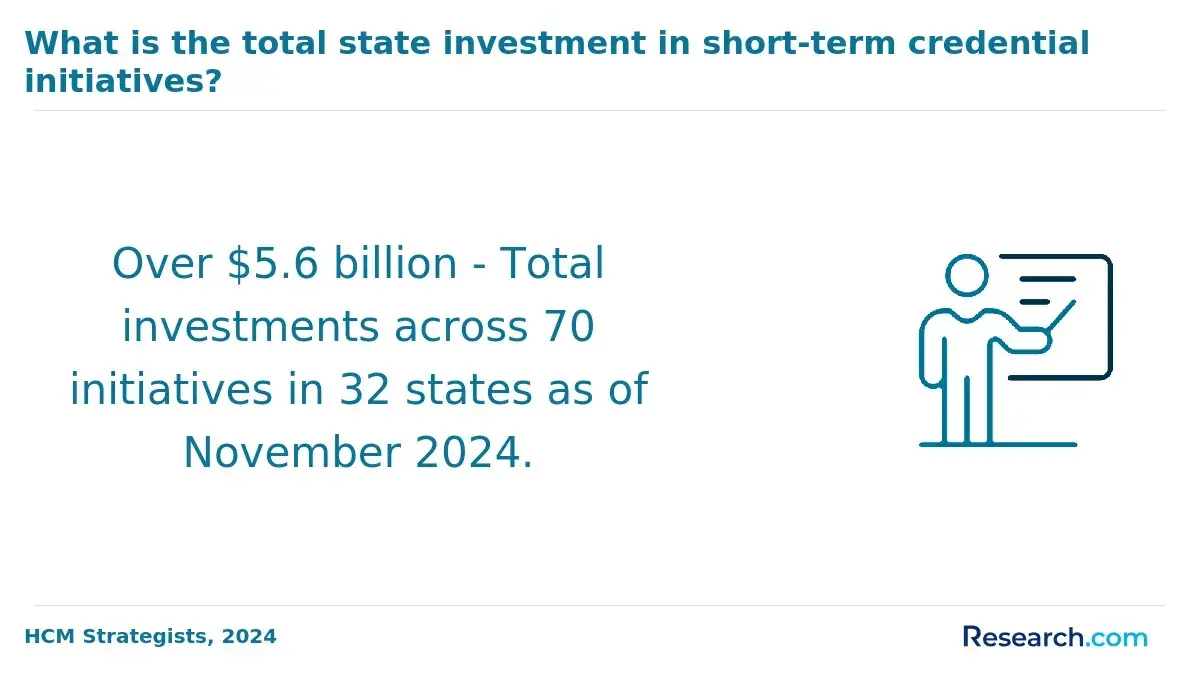
Data from the 2024 National Center for Science and Engineering Statistics indicates that universities with research expenditures exceeding $100 million a year offer an average of three to five distinct physics degree pathways, contrasted with one or two at smaller institutions. This capacity to diversify programs arises from institutional investments in faculty expertise, lab infrastructure, and integration with adjacent STEM disciplines, enabling a wider variety of academic and career trajectories within physics.
How Do Online Programs Improve Access in States With Limited Options?
In states where opportunities to pursue physics degrees on campus are sparse, online programs serve as crucial conduits for expanding academic access. They allow students constrained by geography to engage with accredited curricula regardless of their location, overcoming the scarcity of local faculty or specialized courses often found in rural or less populated areas. Data from the National Center for Education Statistics in 2024 reveals that more than 30% of students in physics-related STEM fields enroll in at least one fully online course, demonstrating a significant shift toward online modalities as a practical response to limited physical offerings.
Key to this expanded access is the flexibility inherent in asynchronous course delivery combined with institutional collaborations that permit enrollment across state lines without relocation. Such models reduce dependence on local universities, enabling institutions to scale their physics programs digitally while offering advanced topics and simulated laboratories that might otherwise be inaccessible. The U.S. Department of Education's 2024 research highlights that states with fewer than three in-person physics degree programs saw a 25% rise in completions when online options were introduced, underpinning the role of digital formats in mitigating regional educational inequities.
Beyond individual educational outcomes, these dynamics influence regional workforce development, as graduates emerging from online programs contribute to diversifying the physics talent pool across geographic and economic boundaries. The increased student mobility and institutional cooperation encourage a more equitable distribution of physics expertise nationwide, challenging traditional state-based academic silos and promoting more resilient STEM career pipelines.
How Much Does Physics Program Tuition Vary by State?
Tuition for physics degree programs varies widely across U.S. states, primarily due to differences in state funding allocations for public universities, distinctions between public and private institutions, and residency-dependent pricing models. Public universities often charge lower tuition rates for in-state students, reflecting state subsidies that reduce educational costs. Private universities, lacking direct state funding, set tuition independently, typically resulting in higher fees.
The interplay of these institutional funding structures with cost-of-living variations creates a complex pricing landscape rather than simple, uniform tuition levels nationwide. In terms of actual figures, in-state tuition at public universities offering physics programs generally ranges from about $5,000 annually in states with robust higher education subsidies like Wyoming or New Mexico, to over $15,000 in states with higher operational costs or less funding support such as California and New York.
Out-of-state students face significantly higher rates, often doubling or tripling these amounts, which considerably impacts student mobility and access to programs outside their home state. Private universities nationwide frequently exceed $35,000 per year, reflecting their distinct funding approach and often encompassing specialized research opportunities. These figures highlight the regional variation in physics program costs tied closely to state budget policies and institutional scale rather than arbitrary pricing decisions.
Such disparities in tuition yield important consequences for program selection and long-term affordability. Students from lower-subsidy states or those unable to claim in-state residency may encounter substantial financial barriers, narrowing their choices and influencing their willingness to pursue programs far from home. Meanwhile, states with flagship research institutions that leverage federal and state funds often maintain lower tuition for residents but prioritize enrollment to control demand.
These structural financing differences mean prospective physics students must carefully weigh the tradeoffs between cost, academic opportunities, and geographic flexibility when planning their education pathways. Additionally, those interested in accelerated or nontraditional formats may explore options like a masters in 6 months, which could offer alternative routes aligned with evolving workforce needs.
How Does Physics Program Demand Affect Admissions Decisions?
Rising demand for physics programs directly intensifies admission selectivity, prompting institutions to refine enrollment criteria beyond standardized academic achievements. As applicant numbers grow disproportionately to available slots, especially in prestigious or resource-intensive programs, committees emphasize experiential learning, research engagement, and alignment with faculty interests. This heightened competition favors candidates whose backgrounds demonstrate both depth in subject knowledge and active commitment, reshaping traditional metrics to include qualitative factors that better predict program fit and future success.
The underlying drivers of this trend include physical constraints such as limited laboratory space, availability of specialized faculty, and institutional accreditation mandates that cap enrollment size to maintain educational quality. Additionally, workforce demands for physics-related skills influence how programs calibrate their admissions, seeking students poised to fill evolving technical roles. Enrollment management strategies increasingly balance quantity with quality-prioritizing candidates who can navigate rigorous curricula and contribute to cutting-edge research, reflecting labor market realities and institutional capacities simultaneously.
Consequently, prospective students encounter more complex admissions landscapes where timing, portfolio strength, and strategic program choice become critical considerations. Elevated demand can foster stronger program reputations but may also create barriers to entry, requiring applicants to diversify their preparation or consider alternative pathways. These dynamics underscore the importance of understanding how fluctuating interest in physics education translates into patterns of acceptance, shaping both accessibility and long-term academic-professional trajectories.
How Do Physics Specialization Options Vary by Region?
Physics specialization options are closely tied to regional economic structures and industry concentrations, shaping both curriculum and research emphases in degree programs. Coastal regions with dense technology corridors and significant defense and manufacturing sectors tend to emphasize applied physics fields such as quantum computing, materials science, and condensed matter physics. These specializations reflect direct alignment with local employer needs for skills in cutting-edge instrumentation, data analysis, and experimental methods, offering graduates practical pathways into high-tech and interdisciplinary roles.
In contrast, interior regions like the Midwest and South typically maintain strong programs in fundamental areas such as astrophysics, nuclear physics, and theoretical physics, consistent with the research priorities of prominent federal laboratories and flagship universities located there. Variation in specialization also stems from the research focus and resources of institutions themselves, which mirror regional workforce demand. Large research-intensive universities in high-tech hubs offer broader and more diverse physics tracks supported by extensive faculty expertise and partnerships with industry and national research centers.
Smaller universities and community colleges in less populous states frequently concentrate on foundational physics education aimed at undergraduate transfer or teaching credentials, limiting the availability of applied subfields. According to the 2024 National Science Foundation report, approximately 68% of physics programs in the Northeast and West provide applied options such as optics or biophysics, compared to around 45% in the South and Midwest. This differentiation signals distinct employer expectations and research funding landscapes that influence program design and student preparation strategies nationwide.
Students targeting specialized applied fields aligned with innovation-driven industries may find better alignment and employment prospects attending institutions in coastal regions with robust tech ecosystems. Conversely, those whose interests lie in theoretical or fundamental research disciplines might prioritize Midwestern or Southern universities known for their strong laboratory affiliations and research grants. Understanding these subtleties enables prospective students and researchers to navigate program selection with greater strategic awareness of how regional education ecosystems correspond to specific labor market demands and institutional missions.
How Does Regional Employer Demand Affect Career Outcomes?
Regional employer demand critically shapes job availability and early career opportunities for physics graduates, with pronounced differences depending on geographic location. States like California, Texas, and Massachusetts, characterized by dense concentrations of aerospace, defense, technology, and federal research labs, tend to provide more abundant employment options for physics graduates. Such hubs enable access to internships, post-graduate funding, and a wider array of applied physics roles across private and public sectors.
These dynamics create more competitive hiring markets and often translate into higher median salaries, reflecting localized labor market supply-demand imbalances and reflecting physics job market trends by state. The mechanisms behind regional employer demand impact on physics careers center largely on industry clustering and university-industry collaborations. Areas with robust STEM ecosystems attract employers seeking specialized scientific skills, prompting wage competition that can push median physicist salaries 15-25% above national averages according to U.S. Bureau of Labor Statistics data.
Employer partnerships with local universities also enhance both recruitment channels and practical training opportunities, reinforcing distinct regional hiring ecosystems. Conversely, graduates in regions lacking physics-intensive industries often face constrained local markets, necessitating geographic mobility or transitions into related fields. This structural variation underscores the importance of regional economic context over generic national forecasts. Broader career trajectories for physics graduates are correspondingly shaped by regional demand patterns, influencing long-term professional networks and innovation exposure.
Geographic mobility remains a practical consideration, though increasing remote work options may attenuate location constraints for some roles. Students evaluating physics programs should weigh these labor market geographies alongside academic factors to optimize post-degree outcomes. For those considering interdisciplinary options, exploring resources such as library science degrees online can provide insight into complementary pathways that reflect shifting employer demand landscapes.
What Factors Matter Most When Comparing Physics Programs Across States?
Comparing physics programs across states involves more than just counting available schools. State-level differences significantly shape educational access, affordability, specialization possibilities, and graduate outcomes. These variations affect how students can navigate their degree paths and prepare for relevant workforce opportunities. Evaluating specific factors related to program diversity, costs, employer demand, and educational resources offers a more insightful basis for comparison.
- Tuition and cost of living: States differ widely in tuition fees and the cost of living, which directly impact the overall affordability of completing a physics degree. Lower in-state tuition combined with reasonable living expenses can reduce student debt burdens, whereas higher costs may limit access or extend time to degree completion.
- Program diversity and specialization options: Physics departments in some states offer a broader range of specialization tracks such as astrophysics, condensed matter, or applied physics. This diversity allows students to tailor their studies to specific interests and evolving job markets, especially in regions with strong ties to industries like aerospace or technology.
- Regional employer demand and internship availability: The presence of employers seeking physics graduates varies regionally and affects graduate employment rates. States with robust STEM industries or national laboratories present better internship and job placement opportunities, which are critical for practical experience and long-term career trajectories.
- Faculty research activity and institutional resources: Research expenditures per faculty member differ nationally, influencing the quality of hands-on learning and access to cutting-edge laboratories. According to a 2024 National Science Foundation report, institutions with higher research investment typically provide superior mentoring and collaborative research, enhancing graduate competitiveness.
- Graduate outcomes and workforce alignment: Programs with strong industry connections and internship pipelines consistently produce graduates with improved employment rates in STEM fields or graduate studies. This alignment between curricula and employer needs is essential for translating education into tangible career success.
When assessing options, students should also consider parallel fields and interdisciplinary opportunities. For example, in forensic science-an area experiencing growth in demand across healthcare systems and law enforcement-students sometimes explore an online bachelor's degree in forensic science as a complementary or alternative path, especially in states with limited physics specialization offerings.
Which Regions May See the Fastest Growth in Physics Education?
Growth in physics education programs tends to cluster in regions where employer demand, demographic trends, and higher education investment align with expanding research infrastructure and industry needs. Future expansion reflects local economic development, workforce shortages, and institutional priorities that shape program availability and specialization. Understanding these structural drivers is essential for prospective students and researchers assessing academic opportunities across the U.S.
- South and Southeast: This region leads projected physics education growth due to strong investments in aerospace, space technologies, and advanced manufacturing. States like Texas and Georgia benefit from large federal and state grants supporting university research and STEM programs. The region's expanding tech industries drive demand for applied skills, prompting curriculum adaptations that enhance graduate employability in industry-focused roles.
- Mountain West: Colorado, Utah, and neighboring states show a 15% rise in physics degree offerings, spurred by demographic growth and university expansion. The region's renewable energy sector and research university initiatives contribute to rising enrollments, with institutions emphasizing interdisciplinary programs linked to engineering and environmental science.
- Northeast: Although historically dense with physics programs, high operational costs and market saturation slow growth. Established research hubs sustain steady enrollments, but expansion is limited, favoring specialization and cross-disciplinary collaboration over broad program increases.
- Midwest: Moderate growth here aligns with regional manufacturing and healthcare technology clusters, though institutional capacity constraints and slower population increases temper rapid program expansion.
References:
- Average College Tuition by State - OnToCollege https://www.ontocollege.com/average-college-tuition/
- Online learning programs increase student access, engagement https://www.eschoolnews.com/digital-learning/2024/10/14/student-success-online-learning-programs/
- Emerging Physics Education Researchers' Growth in Professional Agency: Case Study https://arxiv.org/abs/2307.06149
- What Can You Do with a Physics Degree? https://willamette.edu/academics/college/physics/career-options
- Online Physics Course: 6 Helpful Considerations - Prereqcourses https://www.prereqcourses.com/online-physics-course/
- Do online courses increase access to education? | PBS News https://www.pbs.org/newshour/economy/online-courses-increase-access-education
- The medical physics specialization system in Poland - Physica Medica: European Journal of Medical Physics https://www.physicamedica.com/article/S1120-1797(14)00314-7/fulltext
- Top 10 Best Universities for Physics in Europe in 2026 | Study.eu https://www.study.eu/article/top-10-best-universities-for-physics-in-europe
- Branches of physics - Wikipedia https://en.wikipedia.org/wiki/Branches_of_physics
- Physics Employment Facts https://www.compadre.org/careers/facts.cfm
Other Things You Should Know About Physics
California offers the most physics degree options in 2027, with more institutions providing diverse programs focused on cutting-edge research and specialization areas. This wide range of options helps students find programs that meet their academic and career goals while fostering rich collaboration opportunities.
States with a high number of physics degree options often have programs that emphasize extensive coursework and research track variety to distinguish themselves, which can translate into more demanding academic schedules. Conversely, institutions in states with fewer programs may offer a more streamlined curriculum with greater direct faculty engagement, but potentially less specialization. Students prioritizing workload balance and targeted expertise may benefit from carefully comparing individual program structures rather than assuming more options inherently mean better experience.
Programs situated in states with abundant physics offerings may align more closely with strong local industry or national research labs, providing robust internship and job placement pipelines. However, this advantage does not automatically guarantee employment; the high concentration of graduates in these states can intensify local job market competition. When selecting a program, students should assess state-specific employer networks alongside program quality, possibly favoring schools that connect graduates to diverse geographic job markets rather than relying solely on local opportunities.
Larger programs often present extensive research facilities and a broad faculty base, which can facilitate immediate access to cutting-edge projects and diverse mentorship. Yet, they might impose more rigid structures and less personalized support, which can hinder students needing tailored guidance or wishing to carve unique research paths. Smaller programs may offer more flexibility and closer faculty interaction, essential for cultivating innovative, independent researchers. For students targeting academic careers, prioritizing program culture and mentorship quality over sheer size should be a key decision factor.